Dokkōdō

Dokkōdō

Miyamoto Musashi, Japan’s greatest samurai’s 21 Rules to Live by:

1. Accept everything just the way it is.
2. Do not seek pleasure for its own sake.
3. Do not, under any circumstances, depend on a partial feeling.
4. Think lightly of yourself and deeply of the world.
5. Be detached from desire your whole life long.
6. Do not regret what you have done.
7. Never be jealous.
8. Never let yourself be saddened by a separation.
9. Resentment and complaint are appropriate neither for oneself nor others.
10. Do not let yourself be guided by the feeling of lust or love.
11. In all things have no preferences.
12. Be indifferent to where you live.
13. Do not pursue the taste of good food.
14. Do not hold on to possessions you no longer need.
15. Do not act following customary beliefs.
16. Do not collect weapons or practice with weapons beyond what is useful.
17. Do not fear death.
18. Do not seek to possess either goods or fiefs for your old age.
19. Respect Buddha and the gods without counting on their help.
20. You may abandon your own body but you must preserve your honour.
21. Never stray from the Way.
~ Miyamoto Musashi

Kibune, Japan & the Kifune Shrine

Kibune (貴船), Japan

Kibune is renowned for the beautiful Shinto shrine found on its main street. You’ll have to climb a lot of steps (84 to be exact) to enjoy Kifune Shrine (貴船神社), but it’s just the price to pay to pray to the Shinto deity of water, revered in this place.

According to legend, a goddess traveled in a boat from Osaka all the way up the river into the mountains north of Kyoto, and Kifune Shrine was built at the site where her boat journey had come to an end.

#Kibune #貴船 #KifuneShrine #Shinto

Japan’s Most Sacred Shinto Shrines


Ise Jingu —> Japan’s most sacred Shinto shrine, in the seaside town of Ise (Mie Prefecture), is split into two compounds: the outer Geku and the more significant inner Naiku. Legend has it that a mirror representing the Sun Goddess Amaterasu, the ultimate ancestress of Japan’s current imperial family, rests in the Naiku.

Izumo Taisha —> Second in importance to Ise Jingu is Izumo Taisha in Izumo (Shimane Prefecture). It is dedicated to the God of Happy Marriage, Okuninushi-no-mikoto, which makes it popular with couples. It is also the location for the annual November gathering of the millions of kami from all over Japan, who are believed to meet to discuss the year’s events.

Atsuta Jingu —> Established around 1,900 years ago, Atsuta Jingu in Nagoya (Aichi Prefecture) was founded to house a legendary sword that is one of Japan’s Three Sacred Treasures

Meiji Jingu —> Tokyo’s premier Shinto shrine is a memorial to Emperor Meiji and his empress Shoken. Built in 1920, it is a grand, austere affair surrounded by 120,000 trees of 365 different species. The 40-ft- (12-m-) tall torii is the largest in Japan.

Itsukushima Jinja —> On Miyajima Island (Hiroshima Prefecture), Itsukushima Jinja is one of Japan’s most recognizable shrines. Its low-slung halls, which rest on pierlike bases, and its striking vermilion torii rising out of the bay make it appear as if the shrine is floating on water.

Tosho-gu —> Breaking the austere mold of Shinto architecture is Tosho-gu in Nikko (Tochigi Prefecture), final resting place of the 17th-century shogun Ieyasu Tokugawa. Elaborately decorated with carving, gilting, and lacquering, its standout feature is the glittering Yomei-mon (Sun Blaze Gate).

Idea of Kami (神) in Shintō

Idea of Kami (神) in Shintō:

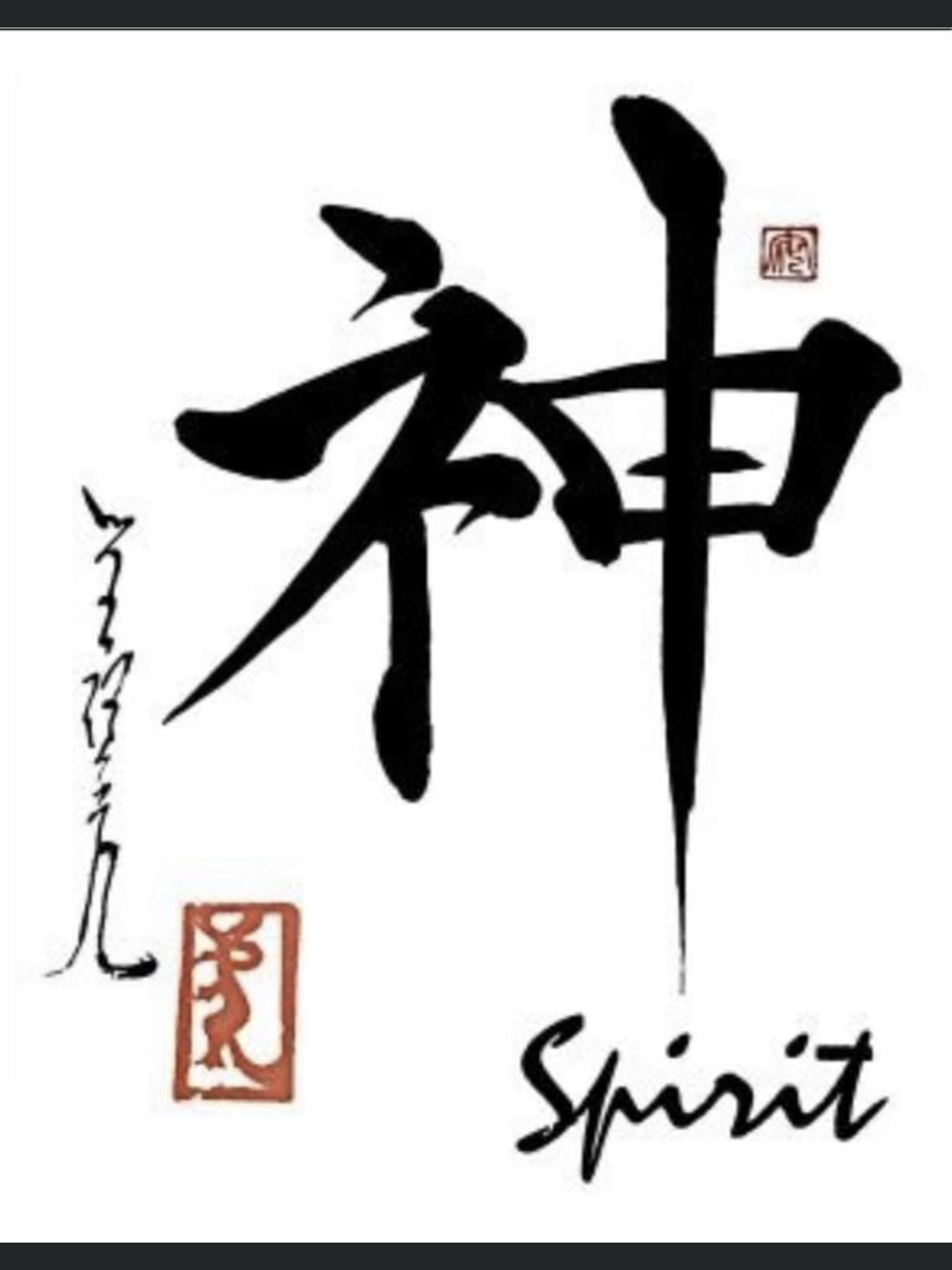
The word “Kami“ consists of the Kanji-Character 神 which actually means “spirit“ but is often falsely translated as “Gods“. Western translators thought of Kami as omnipotent beings who know everything and can do everything, but this idea is not found in Shintō. The Kami are more like nature spirits, they do not know everything nor are all powerful. They can make mistakes. But they can also help. This is a belief that is very similar to that of animism in general.

The ideal of Shintō is to live in harmony with nature.

#Shintō #神 #JapaneseCulture

Kristallnacht 101

Kristallnacht 101

On November 9 to November 10, 1938, in an incident known as “Kristallnacht”, Nazis in Germany torched synagogues, vandalized Jewish homes, schools and businesses and killed close to 100 Jews. In the aftermath of Kristallnacht, also called the “Night of Broken Glass,” some 30,000 Jewish men were arrested and sent to Nazi concentration camps. German Jews had been subjected to repressive policies since 1933, when Nazi Party leader Adolf Hitler (1889-1945) became chancellor of Germany. However, prior to Kristallnacht, these Nazi policies had been primarily nonviolent. After Kristallnacht, conditions for German Jews grew increasingly worse. During World War II (1939-45), Hitler and the Nazis implemented their so-called “Final Solution” to the what they referred to as the “Jewish problem,” and carried out the systematic murder of some 6 million European Jews in what came to be known as the Holocaust.

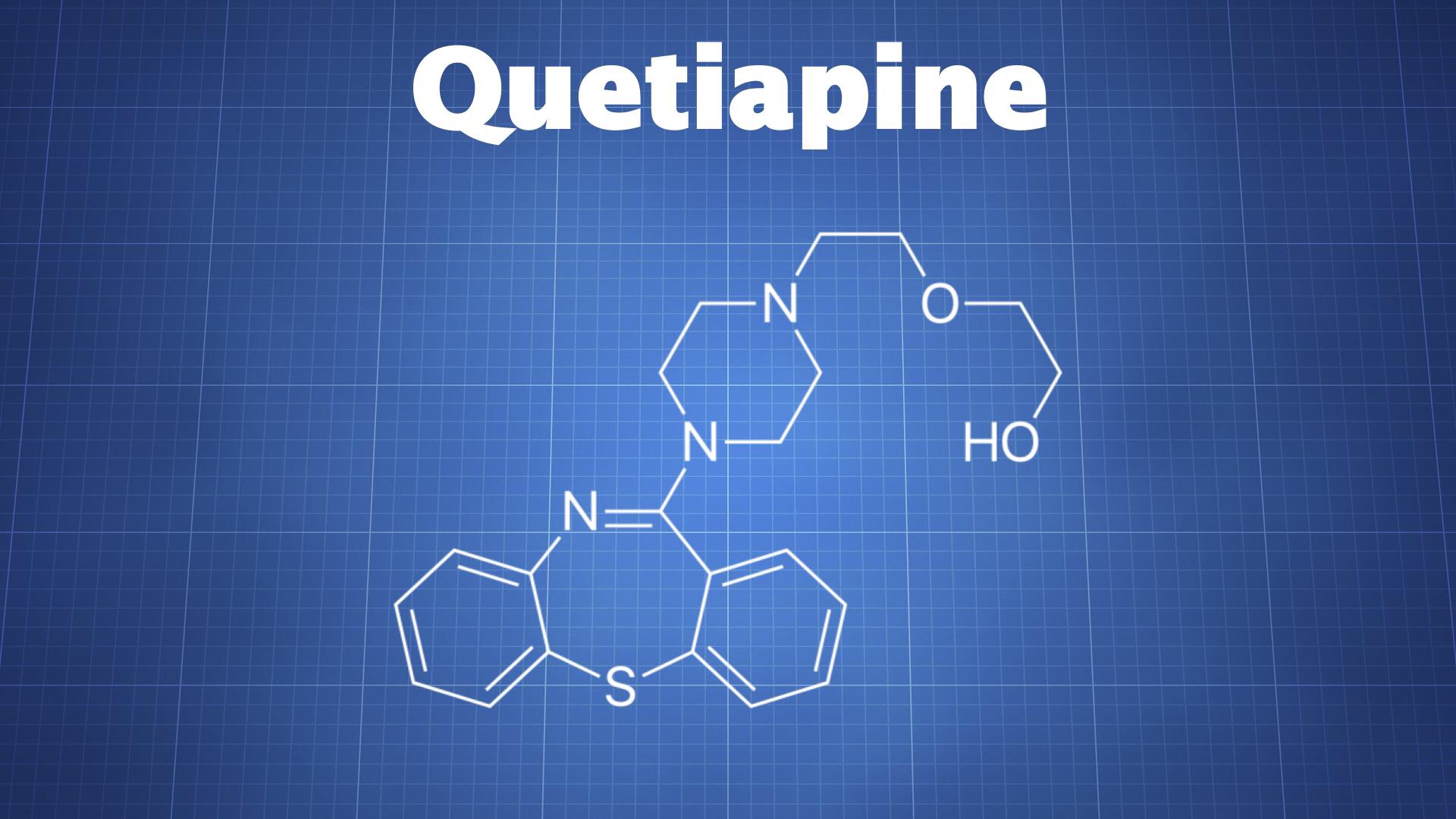
Quetiapine (Oral Route)

US Brand Name

1. SEROquel

2. SEROquel XR

Quetiapine is used alone or together with other medicines to treat bipolar disorder (depressive and manic episodes) and schizophrenia. Quetiapine extended-release tablet is also used together with other antidepressants to treat major depressive disorder. This medicine should not be used to treat behavioral problems in older adult patients who have dementia or Alzheimer disease. Quetiapine is an antipsychotic medicine that works in the brain.

This medicine is available only with your doctor’s prescription.

This product is available in the following dosage forms:

• Tablet, Extended Release

• Tablet

Take this medicine exactly as directed by your doctor to benefit your condition as much as possible. Do not take more of it, do not take it more often, and do not take it for a longer time than your doctor ordered.

This medicine should come with a Medication Guide. Read and follow the instructions carefully. Read it again each time you refill your prescription in case there is new information. Ask your doctor if you have any questions.

Quetiapine tablets may be taken with or without food on a full or empty stomach. However, if your doctor tells you to take it a certain way, take it as directed.

Swallow the extended-release tablets whole. Do not break, crush, or chew it. It is best to take this medicine without food or with a light meal (approximately 300 calories).

Side Effects

Along with its needed effects, a medicine may cause some unwanted effects. Although not all of these side effects may occur, if they do occur they may need medical attention.

Check with your doctor immediately if any of the following side effects occur:

More common

• Chills

• cold sweats

• confusion

• dizziness, faintness, or lightheadedness when getting up suddenly from a lying or sitting position

• sleepiness or unusual drowsiness

Less common

• Black, tarry stools

• blurred vision

• changes in patterns and rhythms of speech

• chest pain

• cough

• drooling

• fever

• inability to move the eyes

• inability to sit still

• increased blinking or spasms of the eyelid

• lip smacking or puckering

• loss of balance control

• mask-like face

• muscle aches

• need to keep moving

• painful or difficult urination

• puffing of the cheeks

• rapid or worm-like movements of the tongue

• restlessness

• shakiness in the legs, arms, hands, or feet

• shuffling walk

• slowed movements

• slurred speech

• sore throat

• sores, ulcers, or white spots on the lips or in the mouth

• sticking out of the tongue

• stiffness of the arms or legs

• sweating

• swelling of the face, arms, hands, feet, or lower legs

• swollen glands

• trembling and shaking of the hands and fingers

• trouble with breathing, speaking, or swallowing

• uncontrolled chewing movements

• uncontrolled movements of the arms and legs

• uncontrolled twisting movements of the neck, trunk, arms, or legs

• unusual bleeding or bruising

• unusual facial expressions

• unusual tiredness or weakness

Rare

• Dry, puffy skin

• fast, pounding, or irregular heartbeat

• loss of appetite

• menstrual changes

• unusual secretion of milk (in females)

• weight gain

Less common

• Abnormal vision

• belching

• decreased appetite

• decreased strength and energy

• heartburn

• increased appetite

• increased muscle tone

• increased sweating

• indigestion

• sneezing

• stomach discomfort or upset

• stuffy or runny nose

Other side effects not listed may also occur in some patients. If you notice any other effects, check with your healthcare professional.

Zen Glossary

Bodhisattva – An awakened or enlightened being who renounces the experience of nirvana in order to remain with unenlightened beings and work for the liberation of all.

Ch’an – The Chinese word for zen.

Densho – The large bell used to announce services and lectures.

Dharma – The dharma is thought of variously as the Way, the Path, Cosmic Law and Universal Truth. The dharma is often thought of as the teachings of the Buddha, and this is a legitimate view, but it’s important to note that the Buddha didn’t create the dharma; it was always there.

Dojo – Literally: the room or hall (do-) of the way (-jo). Dojo is often used interchangeably with zendo, however, the ‘way’ referred to by ‘dojo’ does not necessarily have to be zen.

Dokusan – A private interview between a student and a zen teacher or master.

Eightfold Path – The Eightfold path was given by the Buddha as part of the Four Noble Truths and as such, as the main way out of suffering.

right understanding
right thought
right speech
right action
right livelihood
right effort
right mindfulness
right meditation

Four Noble Truths – The Buddha’s motivation for leaving his home and taking up a spiritual life was to understand duhkha (suffering) and find a solution to suffering. The Four Noble Truths are the answer that came to the Buddha as part of his enlightenment.

All life is suffering.
The cause of suffering is desire.
Suffering can be ended.
The way to end suffering is the Noble Eightfold Path.

Gassho – A mudra or bow with palms together, it signifies gratitude.

Gatha – A short sutra.

Jukai – Taking the precepts, taking refuge in the precepts or taking up the way of the bodhisattva

Karma – The Buddhist doctrine of cause and effect. The effect of an action taken today (or thought or word spoken, etc.) might not occur today. The effect, whether good or bad, may come to pass many years from now or even in a subsequent lifetime.

Kensho – An enlightenment or awakening experience.

Kinhin – Walking meditation.

Koan – Originally: a public record. A zen paradox, question or episode from the past that defies logical explanation. Koans are sometimes thought of as zen riddles, but this is not entirely accurate since most riddles are intended to be solved through reason.

Kyosaku – Wake-up stick or encouragement stick. Used during long periods of zazen (mainly during sesshin) to strike practitioners on the back or on the part of the shoulders close to the neck.

Mahayana – Literally: “Great Vehicle”. One of the three main branches of Buddhism.

Mindfulness – Awareness; remembering that all things are interrelated; living in the present moment.

Mokugyo – The red lacquered drum used as a “heartbeat” for chants.

Mondo – A short zen dialogue between master and student, usually from the past. The student asks a question that is troubling him or her, and the master responds not with theory or logic, but instead in a way that encourages the student to reach a deeper level of perception.

Mudra – A position of the body which is symbolic of a certain attitude or activity, such as teaching or protecting. Although mudra technically refers to the whole body and the body does not have to be that of the Buddha, in common usage this term most often refers to the hand positions chosen for statues of the Buddha.

Nirvana – Literally: cessation or extinction. Although nirvana is the ultimate goal of many Buddhists it should never be confused with the Western notion of heaven. Instead, nirvana simply means an end to samsara. In the Mahayana tradition, the bodhisattva eschews nirvana until all sentient beings are saved.

Oryoki – This has come to mean a certain kind of formal, ritualized eating, but the word oryoki actually refers to the specific collection of napkins, utensils and especially bowls used for this style of eating.

Raihai – Also known as deep bows or prostrations.

Rinzai – One of the two main schools of zen still active in Japan,

Rohatsu – The day set aside to commemorate the enlightenment of the Buddha, which traditionally is celebrated on the eighth of December.

Roshi – Venerable master of zen.

Samsara – In Buddhist thought this is the continuing cycle of birth, death and rebirth. All beings are trapped in this unpleasant cycle until they reach enlightenment.

Samu – Work Practice.

Sangha – Zen family, community or group practicing together.

Satori – A very deep state of meditation in which notions of duality, self and indeed all concepts drop away.

Sensei – A recognized teacher of zen.

Sesshin – Most easily translated as a meditation retreat.

Shikantaza – “Just sitting.” An intense form of zazen where no mental aids such as counting the breath are used.

Soto – One of the two main schools of zen in Japan.

Shuso – The head student for a practice period.

Soji – A brief period of mindful work

Sutra – A Buddhist canon written in prose form.

Vesak – The celebration of the Buddha’s birth, which traditionally is set in May on the day of the full moon.

Zabuton – A rectangular, flat cushion used for zazen, usually found underneath the zafu.

Zazen – Seated still meditation, usually on a cushion on the floor. Unlike meditation done in some other spiritual traditions, zazen usually does not involve concentrating one’s mind on a subject, nor is the aim to blank out one’s mind completely.

Zafu – A round cushion used for zazen.

Zendo – Meditation hall.

Zen Journal

3/25/19

BEGINNER’S MIND.  In the beginner’s mind there are many possibilities, but in the expert’s there are few.”

“People say that practicing Zen is difficult, but there is a misunderstanding as to why. It is not difficult because it is hard to sit in the cross-legged position, or to attain enlightenment. It is difficult because it is hard to keep our mind pure and our practice pure in its fundamental sense. The Zen school developed in many ways after it was established in China, but at the same time, it became more and more impure. But I do not want to talk about Chinese Zen or the history of Zen. I am interested in helping you keep your practice from becoming impure.”

~ Shunryu Suzuki, from “Zen Mind, Beginner’s Mind.” 1970.

3/26/19

Most people are afraid of suffering. But suffering is a kind of mud to help the lotus flower of happiness grow.
There can be no lotus flower without the mud.”

When we suffer, we tend to think that suffering is all there is at that moment, and happiness belongs to some other time or place. People often ask, “Why do I have to suffer?” Thinking we should be able to have a life without any suffering is as deluded as thinking we should be able to have a left side without a right side. The same is true of thinking we have a life in which no happiness whatsoever is to be found. If the left says, “Right, you have to go away. I don’t want you. I only want the left”—that’s nonsense, because then the left would have to stop existing as well. If there’s no right, then there’s no left. Where there is no suffering, there can be no happiness either, and vice versa.”

~ Thích Nhất Hạnh, from “No Mud, No Lotus.” 2014.

3/27/19

A teacher visited during this time, and I remember her saying to me, “When you have made good friends with yourself, your situation will be more friendly too.”

”I had learned this lesson before, and I knew that it was the only way to go. I used to have a sign pinned up on my wall that read: “Only to the extent that we expose ourselves over and over to annihilation can that which is indestructible be found in us.” Somehow, even before I heard the Buddhist teachings, I knew that this was the spirit of true awakening. It was all about letting go of everything.”

~ Pema Chödrön, from “When Things Fall Apart.” 1997.

3/30/19

WE ARE IN a unique period of human history. For the first time, the major threats to our existence are not the natural disasters that were the biggest fears for our predecessors a thousand years ago, but human-created dangers.”

“This places us at a critical time in evolution, a time that could decide the fate of both the human race and the planet we all share. The most compelling paradox we are encountering is that, on the one hand, we possess a degree of knowledge and technological capability hardly dreamed of only decades ago. We understand complex data about the furthest reaches of space and the most subtle workings of minute fragments of atoms. On the other hand, millions of us starve. Our enviroment is polluted. The earth’s natural resources are being plundered at an alarming rate, and the spectre of global ecological catastrophe raises the possibility of the extinction of our species and all life. In spite of our understanding so much about the universe and its functioning, we’ve barely begun to scratch the surface of understanding who we are, what our life is, and what our relationship is with the “ten thousand things” that comprise phenomenal existence.”

~ John Daido Loori, Roshi. “Teachings of the Earth: Zen and the Environment.” 1999.

3/31/19

Often, when we say, “I love you” we focus mostly on the idea of the “I” who is doing the loving and less on the quality of the love that’s being offered.”

“This is because we are caught by the idea of self. We think we have a self. But there is no such thing as an individual separate self. A flower is made only of non-flower elements, such as chlorophyll, sunlight, and water. If we were to remove all the non-flower elements from the flower, there would be no flower left. A flower cannot be by herself alone. A flower can only inter-be with all of us… Humans are like this too. We can’t exist by ourselves alone. We can only inter-be. I am made only of non-me elements, such as the Earth, the sun, parents, and ancestors. In a relationship, if you can see the nature of interbeing between you and the other person, you can see that his suffering is your own suffering, and your happiness is his own happiness. With this way of seeing, you speak and act differently. This in itself can relieve so much suffering.”

~ Thích Nhất Hạnh

4/13/19

YOUR BREATHING ROOM is a sacred place. You don’t need any furniture, maybe just a cushion or two, and perhaps an altar or a table with fresh flowers. If you want, you can have a bell to help you with the practice of stopping and mindful breathing.

Think about the setup of this room or corner carefully. How much we enjoy being in a certain place very much depends on the energy that is generated within it. A room can be well decorated but feel cold and unfriendly; another can lack color and furniture but can feel simple, spacious, and comfortable. If you live with other people, you should design and decorate this space together, perhaps with flowers, pebbles, or photographs. Don’t put a lot in this area. The most important elements are a place to sit and a feeling of peace.”

~ Thích Nhất Hạnh, from “A Beginner’s Guide to Meditation”

4/14/19

Prayer of the Bodhisattva

“As long as space endures,
As long as sentient beings remain,
Until then, may I too remain
and dispel the miseries of the world.”

~ Shantideva, “Bodhicaryavatara” (Way of the Bodhisattva), 8th Century

4/15/19

We can observe emptiness and interbeing everywhere in our daily life. If we look at a child, it’s easy to see the child’s mother and father, grandmother and grandfather, in her. The way she looks, the way she acts, the things she says. Even her skills and talents are the same as her parents’. If at times we cannot understand why the child is acting a certain way, it is helpful to remember that she is not a separate self-entity. She is a continuation. Her parents and ancestors are inside her. When she walks and talks, they walk and talk as well. Looking into the child, we can be in touch with her parents and ancestors, but equally, looking into the parent, we can see the child. We do not exist independently. We inter-are. Everything relies on everything else in the cosmos in order to manifest—whether a star, a cloud, a flower, a tree, or you and me.”

~ Thích Nhất Hạnh, from “The Art of Living.” 2017

4/16/19

Creativity is our birthright. It is an integral part of being human, as basic as walking, talking, and thinking. 

Throughout our evolution as a species, it has sparked innovations in science, beauty in the arts, and revelation in religion. Every human life contains its seeds and is constantly manifesting it, whether we’re building a sand castle, preparing Sunday dinner, painting a canvas, walking through the woods, or programming a computer.

The creative process, like a spiritual journey, is intuitive, nonlinear, and experiential. It points us toward our essential nature, which is a reflection of the boundless creativity of the universe.”

~ John Daido Loori, from “The Zen of Creativity.” 2004

Dissociative Disorders: Symptoms

Dissociative disorders are mental disorders that involve experiencing a disconnection and lack of continuity between thoughts, memories, surroundings, actions and identity. People with dissociative disorders escape reality in ways that are involuntary and unhealthy and cause problems with functioning in everyday life.

Dissociative disorders usually develop as a reaction to trauma and help keep difficult memories at bay. Symptoms — ranging from amnesia to alternate identities — depend in part on the type of dissociative disorder you have. Times of stress can temporarily worsen symptoms, making them more obvious.

Treatment for dissociative disorders may include talk therapy (psychotherapy) and medication. Although treating dissociative disorders can be difficult, many people learn new ways of coping and lead healthy, productive lives.

Symptoms

Signs and symptoms depend on the type of dissociative disorders you have, but may include:

• Memory loss (amnesia) of certain time periods, events, people and personal information

• A sense of being detached from yourself and your emotions

• A perception of the people and things around you as distorted and unreal

• A blurred sense of identity

• Significant stress or problems in your relationships, work or other important areas of your life

• Inability to cope well with emotional or professional stress

• Mental health problems, such as depression, anxiety, and suicidal thoughts and behaviors

There are three major dissociative disorders defined in the Diagnostic and Statistical Manual of Mental Disorders (DSM-5), published by the American Psychiatric Association:

Dissociative amnesia. The main symptom is memory loss that’s more severe than normal forgetfulness and that can’t be explained by a medical condition. You can’t recall information about yourself or events and people in your life, especially from a traumatic time. Dissociative amnesia can be specific to events in a certain time, such as intense combat, or more rarely, can involve complete loss of memory about yourself. It may sometimes involve travel or confused wandering away from your life (dissociative fugue). An episode of amnesia usually occurs suddenly and may last minutes, hours, or rarely, months or years.

• Dissociative identity disorder. Formerly known as multiple personality disorder, this disorder is characterized by “switching” to alternate identities. You may feel the presence of two or more people talking or living inside your head, and you may feel as though you’re possessed by other identities. Each identity may have a unique name, personal history and characteristics, including obvious differences in voice, gender, mannerisms and even such physical qualities as the need for eyeglasses. There also are differences in how familiar each identity is with the others. People with dissociative identity disorder typically also have dissociative amnesia and often have dissociative fugue.

• Depersonalization-derealization disorder. This involves an ongoing or episodic sense of detachment or being outside yourself — observing your actions, feelings, thoughts and self from a distance as though watching a movie (depersonalization). Other people and things around you may feel detached and foggy or dreamlike, time may be slowed down or sped up, and the world may seem unreal (derealization). You may experience depersonalization, derealization or both. Symptoms, which can be profoundly distressing, may last only a few moments or come and go over many years.

Causes

Dissociative disorders usually develop as a way to cope with trauma. The disorders most often form in children subjected to long-term physical, sexual or emotional abuse or, less often, a home environment that’s frightening or highly unpredictable. The stress of war or natural disasters also can bring on dissociative disorders.

Personal identity is still forming during childhood. So a child is more able than an adult to step outside of himself or herself and observe trauma as though it’s happening to a different person. A child who learns to dissociate in order to endure a traumatic experience may use this coping mechanism in response to stressful situations throughout life.

Risk factors

People who experience long-term physical, sexual or emotional abuse during childhood are at greatest risk of developing dissociative disorders.

Children and adults who experience other traumatic events, such as war, natural disasters, kidnapping, torture, or extended, traumatic, early-life medical procedures, also may develop these conditions.

Complications

People with dissociative disorders are at increased risk of complications and associated disorders, such as:

• Self-harm or mutilation

• Suicidal thoughts and behavior

• Sexual dysfunction

• Alcoholism and drug use disorders

• Depression and anxiety disorders

• Post-traumatic stress disorder

• Personality disorders

• Sleep disorders, including nightmares, insomnia and sleepwalking

• Eating disorders

• Physical symptoms such as lightheadedness or non-epileptic seizures

• Major difficulties in personal relationships and at work

Prevention

Children who are physically, emotionally or sexually abused are at increased risk of developing mental health disorders, such as dissociative disorders. If stress or other personal issues are affecting the way you treat your child, seek help.

• Talk to a trusted person such as a friend, your doctor or a leader in your faith community.

• Ask for help locating resources such as parenting support groups and family therapists.

• Look for churches and community education programs that offer parenting classes that also may help you learn a healthier parenting style.

Sources: The Mayo Clinic, NAMI, NIH, NIMH

Zen Humor: Vow of Silence

Remember that story about the fellow who wanted to become a Zen Buddhist monk. So he flew to Japan and he had an interview with the head Roshi. And the Roshi gave him instructions and accepted him and he said, “By the way, there is one thing I forgot to tell you. We have a vow of silence here. You can only speak three words every ten years.” So he said, “Okay” and he went to his quarters.

Ten years passed. And he had an interview with the Roshi. And the Roshi said, “Do you have anything to say?” And he said, “The food sucks!” And he went back to his quarters.

Ten more years passed. He had an interview with the Roshi. The Roshi said, “Do you have anything to say?” And he said, “The bed’s hard!” And he went back to his quarters.

Ten more years passed. He had an interview with the Roshi and the Roshi said, “Have you got anything to say?” He said, “Yes I quit!” And the Roshi said, “I can’t blame you, you’ve been bitching ever since you got here.”