
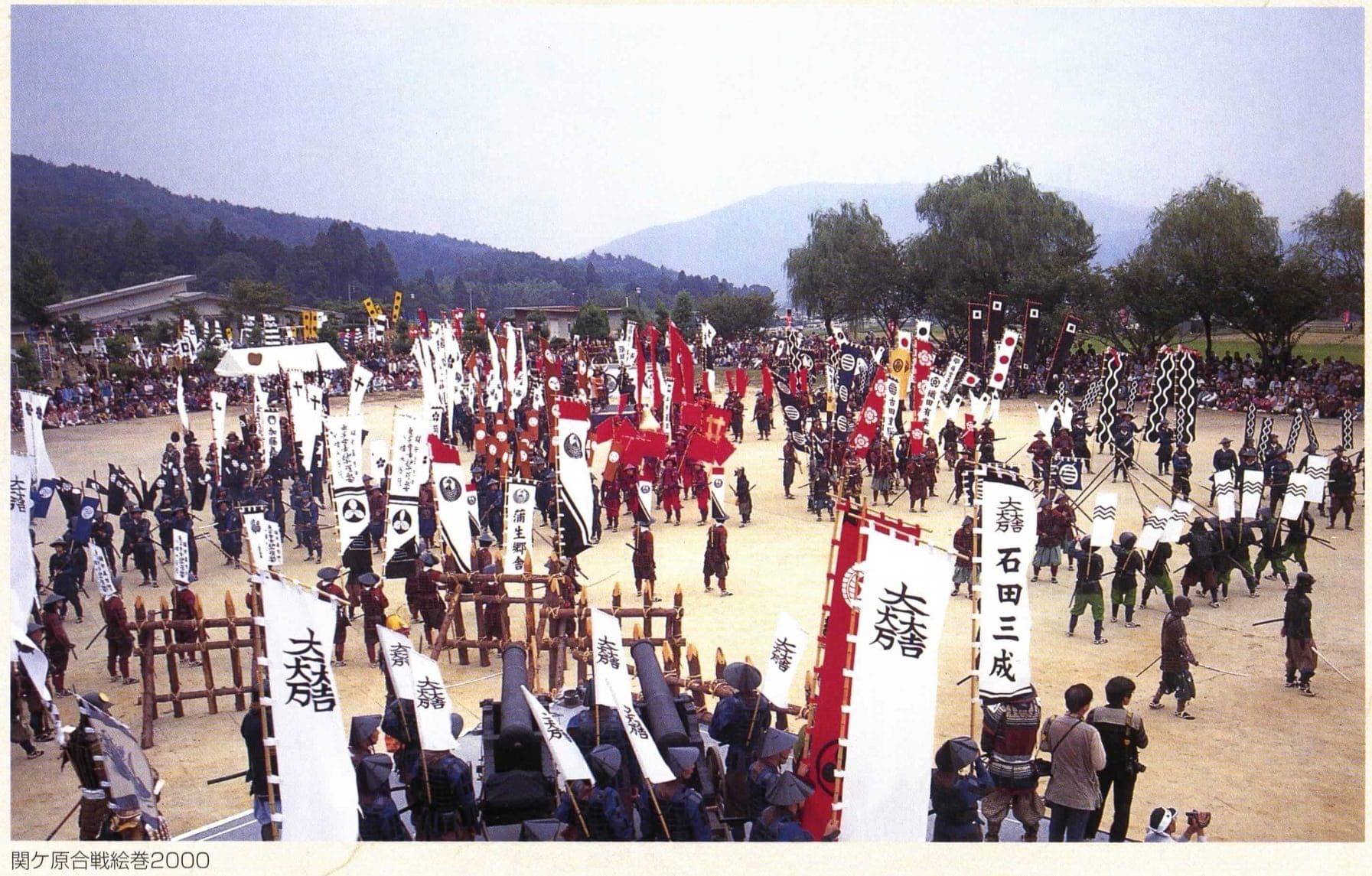
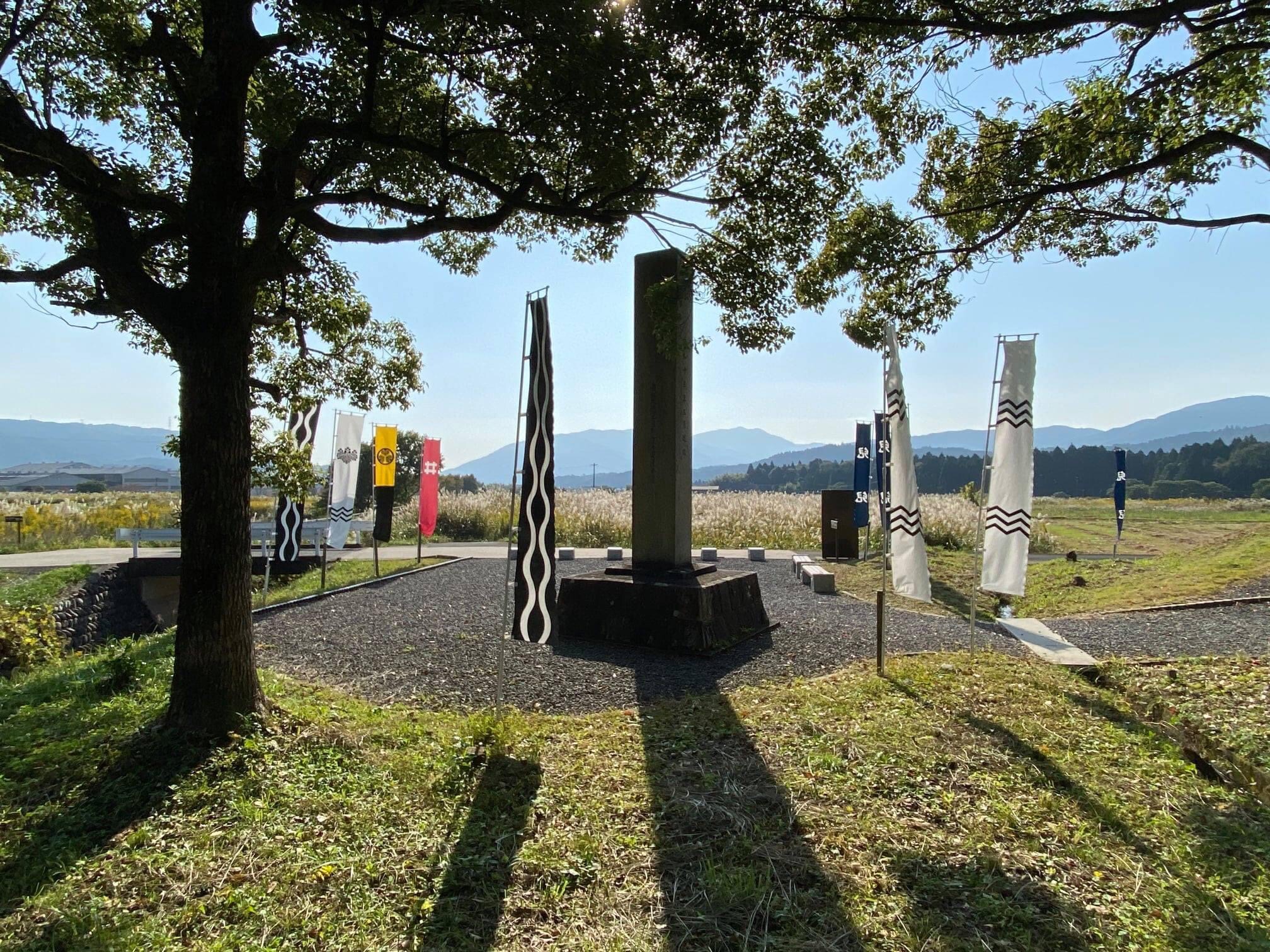
October 21, 1600,…421 years ago, the great Battle of Sekigahara was fought and won by the Tokugawa.
Sekigahara was the greatest, most violent and decisive samurai field battle in history.
Japan had long been at civil war until brought under the rule of first Oda Nobunaga, and upon his death at the hands of a traitorous general, that of Toyotomi Hideyoshi, who completed the unification of Japan and brought unknown peace. However, following Hideyoshi’s death, a power struggle emerged between those loyal to the Toyotomi, and the second most powerful warlord, Tokugawa Ieyasu. With Hideyoshi gone, Ieyasu made moves that brought the ire of a number of his contemporaries, and soon the entire country was divided into two great armies, East and West. Leading the loyalist cause was Ishida Mitsunari, a samurai, but not of the warrior faction, but the administrative faction.
Both sides hurried to take strategically vital highways and castles. These attacks and sieges culminated in the decisive Battle of Sekigahara that took place on the morning of Saturday October 21, 1600. Over 160,000 troops had filled the 2x2km wide basin between the mountains that divided Japan into east and west at Sekigahara.
The battle lasted just over six hours but saw the deaths of an estimated 30,000 samurai, the destruction of a number of noble families and the creation of the Tokugawa Shogunate that was to rule Japan for 260 years of relative peace. The loyalist Western forces, despite having commenced with superior numbers, the higher ground and excellent battle formations, were defeated as a number of Western troops defected midway, turning the tide of the battle.
Victory was claimed by Tokugawa Ieyasu and his Eastern coalition forces. Victory at Sekigahara changed Japan’s history forever, leading to the Tokugawa or Edo period, during which Japan was at relative peace for 260 years.

 Mark Bere Peterson’s Counterculture, Urban Legends, Paganism & Witchcraft