Kibune is renowned for the beautiful Shinto shrine found on its main street. You’ll have to climb a lot of steps (84 to be exact) to enjoy Kifune Shrine (貴船神社), but it’s just the price to pay to pray to the Shinto deity of water, revered in this place.
According to legend, a goddess traveled in a boat from Osaka all the way up the river into the mountains north of Kyoto, and Kifune Shrine was built at the site where her boat journey had come to an end.
Ise Jingu —> Japan’s most sacred Shinto shrine, in the seaside town of Ise (Mie Prefecture), is split into two compounds: the outer Geku and the more significant inner Naiku. Legend has it that a mirror representing the Sun Goddess Amaterasu, the ultimate ancestress of Japan’s current imperial family, rests in the Naiku.
Izumo Taisha —> Second in importance to Ise Jingu is Izumo Taisha in Izumo (Shimane Prefecture). It is dedicated to the God of Happy Marriage, Okuninushi-no-mikoto, which makes it popular with couples. It is also the location for the annual November gathering of the millions of kami from all over Japan, who are believed to meet to discuss the year’s events.
Atsuta Jingu —> Established around 1,900 years ago, Atsuta Jingu in Nagoya (Aichi Prefecture) was founded to house a legendary sword that is one of Japan’s Three Sacred Treasures
Meiji Jingu —> Tokyo’s premier Shinto shrine is a memorial to Emperor Meiji and his empress Shoken. Built in 1920, it is a grand, austere affair surrounded by 120,000 trees of 365 different species. The 40-ft- (12-m-) tall torii is the largest in Japan.
Itsukushima Jinja —> On Miyajima Island (Hiroshima Prefecture), Itsukushima Jinja is one of Japan’s most recognizable shrines. Its low-slung halls, which rest on pierlike bases, and its striking vermilion torii rising out of the bay make it appear as if the shrine is floating on water.
Tosho-gu —> Breaking the austere mold of Shinto architecture is Tosho-gu in Nikko (Tochigi Prefecture), final resting place of the 17th-century shogun Ieyasu Tokugawa. Elaborately decorated with carving, gilting, and lacquering, its standout feature is the glittering Yomei-mon (Sun Blaze Gate).
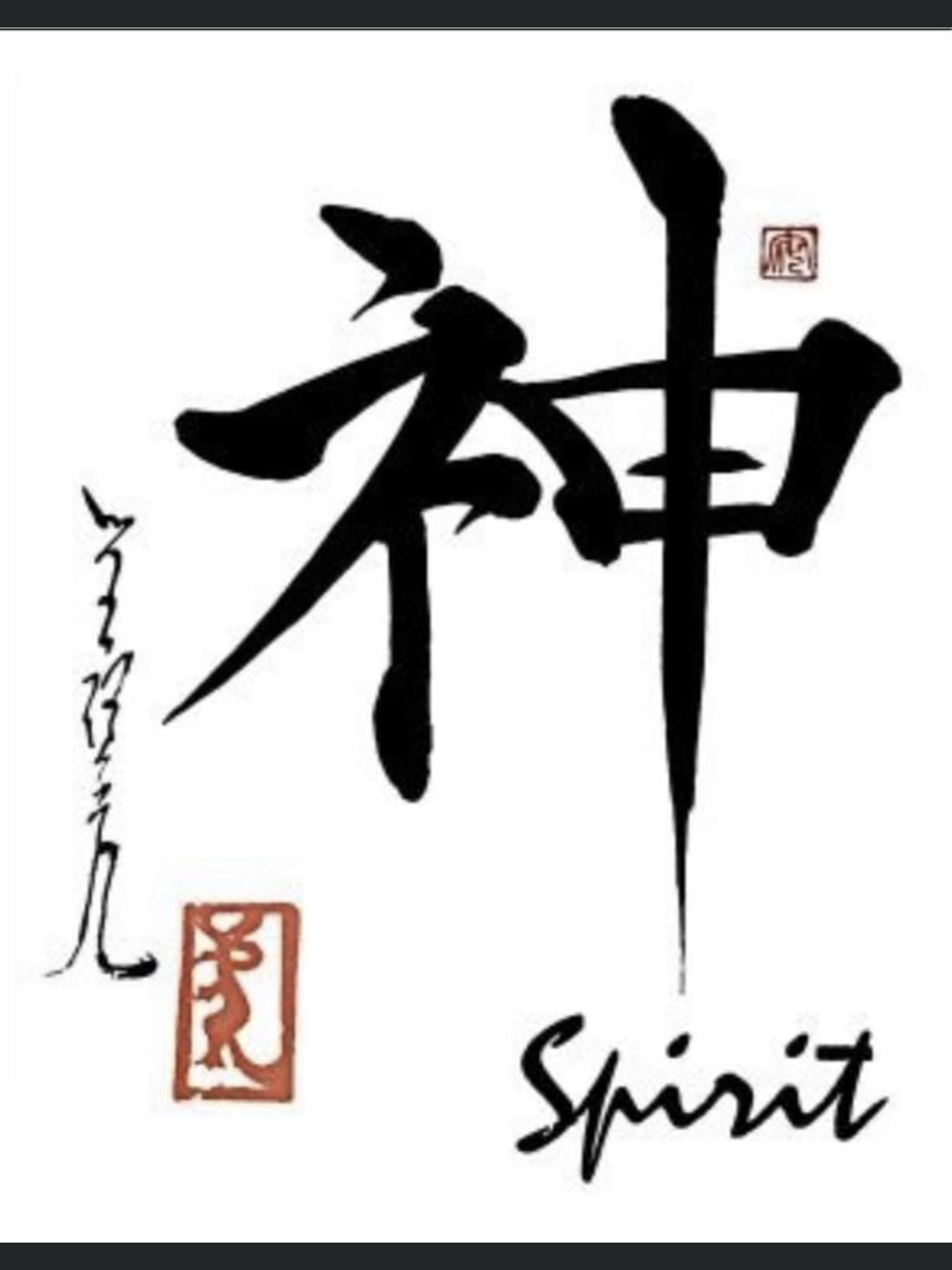
The word “Kami“ consists of the Kanji-Character 神 which actually means “spirit“ but is often falsely translated as “Gods“. Western translators thought of Kami as omnipotent beings who know everything and can do everything, but this idea is not found in Shintō. The Kami are more like nature spirits, they do not know everything nor are all powerful. They can make mistakes. But they can also help. This is a belief that is very similar to that of animism in general.
The ideal of Shintō is to live in harmony with nature.


 Mark Bere Peterson’s Counterculture, Urban Legends, Paganism & Witchcraft