
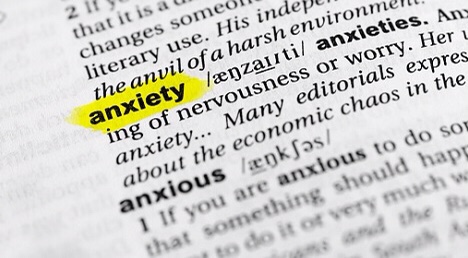
It’s normal to feel nervous in some social situations. For example, going on a date or giving a presentation may cause that feeling of butterflies in your stomach. But in social anxiety disorder, also called social phobia, everyday interactions cause significant anxiety, fear, self-consciousness and embarrassment because you fear being scrutinized or judged by others.
In social anxiety disorder, fear and anxiety lead to avoidance that can disrupt your life. Severe stress can affect your daily routine, work, school or other activities.
Symptoms
Feelings of shyness or discomfort in certain situations aren’t necessarily signs of social anxiety disorder, particularly in children. Comfort levels in social situations vary, depending on personality traits and life experiences. Some people are naturally reserved and others are more outgoing.
In contrast to everyday nervousness, social anxiety disorder includes fear, anxiety and avoidance that interfere with daily routine, work, school or other activities. Social anxiety disorder typically begins in the early to mid-teens, though it can sometimes start in younger children or in adults.
Emotional and behavioral symptoms
Signs and symptoms of social anxiety disorder can include persistent:
• Fear of situations in which you may be judged
• Worrying about embarrassing or humiliating yourself
• Intense fear of interacting or talking with strangers
• Fear that others will notice that you look anxious
• Fear of physical symptoms that may cause you embarrassment, such as blushing, sweating, trembling or having a shaky voice
• Avoiding doing things or speaking to people out of fear of embarrassment
• Avoiding situations where you might be the center of attention
• Having anxiety in anticipation of a feared activity or event
• Enduring a social situation with intense fear or anxiety
• Spending time after a social situation analyzing your performance and identifying flaws in your interactions
• Expecting the worst possible consequences from a negative experience during a social situation
For children, anxiety about interacting with adults or peers may be shown by crying, having temper tantrums, clinging to parents or refusing to speak in social situations.
Performance type of social anxiety disorder is when you experience intense fear and anxiety only during speaking or performing in public, but not in other types of social situations.
Physical symptoms
Physical signs and symptoms can sometimes accompany social anxiety disorder and may include:
• Blushing
• Fast heartbeat
• Trembling
• Sweating
• Upset stomach or nausea
• Trouble catching your breath
• Dizziness or lightheadedness
• Feeling that your mind has gone blank
• Muscle tension
Avoiding common social situations
Common, everyday experiences that may be hard to endure when you have social anxiety disorder include, for example:
• Interacting with unfamiliar people or strangers
• Attending parties or social gatherings
• Going to work or school
• Starting conversations
• Making eye contact
• Dating
• Entering a room in which people are already seated
• Returning items to a store
• Eating in front of others
• Using a public restroom
Source: The Mayo Clinic

 Mark Bere Peterson’s Counterculture, Urban Legends, Paganism & Witchcraft