
Can Antidepressants Quit Working?

When depression symptoms improve after starting an antidepressant, many people need to continue taking medication long term to prevent symptoms from returning.

However, in some people, a particular antidepressant may simply stop working over time. Doctors don’t fully understand what causes the so-called “poop-out” effect or antidepressant tolerance — known as tachyphylaxis — or why it occurs in some people and not in others.

There also can be other reasons an antidepressant is no longer working for you, such as:

Worsening depression. It’s common for depression symptoms to return or worsen at some point, despite treatment. Called breakthrough depression, symptoms may be triggered by stress or appear with no apparent cause. The current dose of medication you’re taking may not be enough to prevent your symptoms when depression gets worse.

Another medical condition. Underlying health problems, such as hypothyroidism, can cause or worsen depression.

A new medication. Some medications for unrelated conditions can interfere with the way your body breaks down and uses antidepressants, decreasing their effectiveness.

Undiagnosed bipolar disorder. Bipolar disorder, formerly called manic-depressive disorder, causes periodic mood swings. While an antidepressant is sometimes used to treat bipolar disorder, a mood-stabilizing or antipsychotic medication is generally needed along with an antidepressant to keep emotional highs and lows in check.

Age. In some people, depression gets worse with age. As you get older, you may have changes in your brain and thinking (neurological changes) that affect your mood. In addition, the manner in which your body processes medications may be less efficient. You’re also likely to be taking more medications. All of these factors can play a role in depression.

In most cases, depression symptoms get better with adjustments to medication. Your doctor may recommend that you change the dose of your current antidepressant, change to another antidepressant or add another antidepressant or other type of medication to your current treatment. Psychological counseling (psychotherapy) also may help.

Because there are so many reasons depression treatment can stop working, you may need to see a medical doctor who specializes in diagnosing and treating mental illness (psychiatrist) to figure out the best course of action.

Antidepressants and Coping with Side Effects

Antidepressants can cause unpleasant side effects. Signs and symptoms such as nausea, weight gain or sleep problems can be common initially. For many people, these improve within weeks of starting an antidepressant. In some cases, however, antidepressants cause side effects that don’t go away.

Talk to your doctor or mental health professional about any side effects you’re having. For some antidepressants, monitoring blood levels may help determine the range of effectiveness and to what extent dosage can be adjusted to help reduce side effects. Rarely, antidepressants can cause serious side effects that need to be treated right away.

If side effects seem intolerable, you may be tempted to stop taking an antidepressant or to reduce your dose on your own. Don’t do it. Your symptoms may return, and stopping your antidepressant suddenly may cause withdrawal-like symptoms. Talk with your doctor to help identify the best options for your specific needs.

Nausea

Nausea typically begins early after starting an antidepressant. It may go away after your body adjusts to the medication.

Consider these strategies:

• Take your antidepressant with food, unless otherwise directed.

• Eat smaller, more-frequent meals.

• Suck on sugarless hard candy.

• Drink plenty of fluids, such as cool water. Try an antacid or bismuth subsalicylate (Pepto-Bismol).

• Talk to your doctor about a dosage change or a slow-release form of the medication.

Increased appetite, weight gain

You may gain weight because of fluid retention or lack of physical activity, or because you have a better appetite when your depression symptoms ease up. Some antidepressants are more likely to cause weight gain than others. If you’re concerned about weight gain, ask your doctor if this is a likely side effect of the antidepressant being prescribed and discuss ways to address this issue.

Consider these strategies:

• Cut back on sweets and sugary drinks.

• Select lower calorie nutritious foods, such as vegetables and fruits, and avoid saturated and trans fats.

• Keep a food diary — tracking what you eat can help you manage your weight.

• Seek advice from a registered dietitian.

• Get regular physical activity or exercise most days of the week.

• Talk to your doctor about switching medications, but get the pros and cons.

Fatigue, drowsiness

Fatigue and drowsiness are common, especially during early weeks of treatment with an antidepressant.

Consider these strategies:

• Take a brief nap during the day.

• Get some physical activity, such as walking.

• Avoid driving or operating dangerous machinery until the fatigue passes.

• Take your antidepressant at bedtime if your doctor approves.

• Talk to your doctor to see if adjusting your dose will help.

Insomnia

Some antidepressants may cause insomnia, making it difficult to get to sleep or stay asleep, so you may be tired during the day.

Consider these strategies:

• Take your antidepressant in the morning if your doctor approves.

• Avoid caffeinated food and drinks, particularly late in the day.

• Get regular physical activity or exercise — but complete it several hours before bedtime so it doesn’t interfere with your sleep.

• If insomnia is an ongoing problem, ask your doctor about taking a sedating medication at bedtime or ask whether taking a low dose of a sedating antidepressant such as trazodone or mirtazapine (Remeron) before bed might help.

Dry mouth

Dry mouth is a common side effect of many antidepressants.

Consider these strategies:

• Sip water regularly or suck on ice chips.

• Chew sugarless gum or suck on sugarless hard candy.

• Avoid tobacco, alcohol and caffeinated beverages because they can make your mouth drier.

• Breathe through your nose, not your mouth.

• Brush your teeth twice a day, floss daily and see your dentist regularly. Having a dry mouth can increase your risk of getting cavities.

• Talk to your doctor or dentist about over-the-counter or prescription medications for dry mouth.

• If dry mouth continues to be extremely bothersome despite the efforts above, ask your doctor the pros and cons of reducing the dosage of the antidepressant.

Constipation

Constipation is often associated with tricyclic antidepressants because they disrupt normal functioning of the digestive tract and other organ systems. Other antidepressants sometimes cause constipation as well.

Consider these strategies:

• Drink plenty of water.

• Eat high-fiber foods, such as fresh fruits and vegetables, brans, and whole grains.

• Get regular exercise.

• Take a fiber supplement (Citrucel, Metamucil, others).

• Ask your doctor for advice on stool softeners if other measures don’t work.

Dizziness

Dizziness is more common with tricyclic antidepressants and monoamine oxidase inhibitors (MAOIs) than with other antidepressants. These medications can cause low blood pressure, resulting in dizziness.

Consider these strategies:

• Rise slowly from sitting to standing positions.

• Use handrails, canes or other sturdy items for support.

• Avoid driving or operating machinery.

• Avoid caffeine, tobacco and alcohol.

• Drink plenty of fluids.

• Take your antidepressant at bedtime if your doctor approves.

Agitation, restlessness, anxiety

Agitation, restlessness or anxiety can result from the stimulating effect of certain antidepressants. Although having more energy can be a good thing, it may mean you can’t relax or sit still even if you want to.

Consider these strategies:

• Get regular exercise, such as jogging, biking or aerobics, or some type of physical activity, such as walking. Talk to your doctor first about what would be a good type of exercise or physical activity for you.

• Practice deep-breathing exercises, muscle relaxation or yoga.

• Consult your doctor about temporarily taking a relaxing or sedating medication or switching to an antidepressant that isn’t as stimulating.

Be alert for racing or impulsive thoughts along with high energy. If these develop, talk to your doctor right away because they may be signs of bipolar disorder or another serious disorder.

Sexual side effects

Many antidepressants cause sexual side effects. They can include reduced sex drive and difficulty reaching orgasm. Some antidepressants may cause trouble getting or keeping an erection (erectile dysfunction). Selective serotonin reuptake inhibitors (SSRIs) are more likely to cause sexual side effects than other antidepressants are.

Consider these strategies:

• Consider a medication that requires only a once-a-day dose, and schedule sexual activity before taking that dose.

• Talk to your doctor about switching to an antidepressant that may have fewer of these effects, such as bupropion (Wellbutrin, SR, Wellbutrin XL, others), or adjusting your medication to ease sexual side effects.

• Talk to your partner about your sexual side effects and how they change your needs. Adjusting your sexual routine may be helpful. For example, you may need a longer period of foreplay before having sexual intercourse.

• Talk with your doctor about options for medications, such as sildenafil (Viagra), that may temporarily ease sexual side effects or treat erectile dysfunction and any associated risks. Avoid over-the-counter herbal supplements that promise increased sexual desire and function — these are not regulated by the Food and Drug Administration (FDA) and some could be dangerous to your health.

Heart-related effects

Depending on your heart health and the type of antidepressant you take, you may need an electrocardiogram (ECG) before or periodically during treatment. The ECG is used to monitor what’s called the QT interval to make sure it’s not prolonged. A prolonged QT interval is a heart rhythm condition that can increase your risk of serious irregular heart rhythms (arrhythmias).

Certain antidepressants should not be used if you already have heart problems or if you’re taking an MAOI. Talk with your doctor about your heart health and any heart medications or other medications that you take.

Genetic variations

Some studies indicate that variations in genes may play a role in the effectiveness and risk of side effects of specific antidepressants. So your genes may, at least in part, determine whether a certain antidepressant will work well for you and whether you’re likely to have certain side effects.

Some locations already provide limited genetic testing to help determine antidepressant choice, but testing is not routine and it’s not always covered by insurance.

More studies are being done to determine what might be the best antidepressant choice based on genetic makeup. However, genetic testing is a part of — not a replacement for — a thorough psychiatric exam and clinical decisions.

Antidepressants and Pregnancy

Why is treatment for depression during pregnancy important?
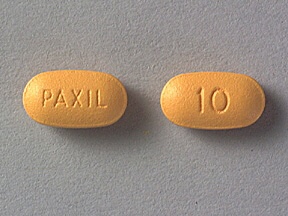
If you have untreated depression, you might not seek optimal prenatal care or eat the healthy foods you and your baby need. Experiencing major depression during pregnancy is associated with an increased risk of premature birth, low birth weight, decreased fetal growth or other problems for the baby. Unstable depression during pregnancy also increases the risk of postpartum depression and difficulty bonding with your baby.

Are antidepressants an option during pregnancy?

Yes. A decision to use antidepressants during pregnancy, in addition to counseling, is based on the balance between risks and benefits. The biggest concern is typically the risk of birth defects from exposure to antidepressants. Overall, the risk of birth defects and other problems for babies of mothers who take antidepressants during pregnancy is very low. However, some antidepressants are associated with a higher risk of complications for your baby. Talking to your health care provider about your symptoms and medication options can help you make an informed decision.

If you use antidepressants during pregnancy, your health care provider will try to minimize your baby’s exposure to the medication. This can be done by prescribing a single medication (monotherapy) at the lowest effective dose, particularly during the first trimester.

Keep in mind that psychotherapy is also an effective treatment for mild to moderate depression.

Which’s antidepressants are considered OK during pregnancy?

Generally, these antidepressants are an option during pregnancy:

• Certain selective serotonin reuptake inhibitors (SSRIs). SSRI’s are generally considered an option during pregnancy, including citalopram (Celexa) and sertraline (Zoloft). Potential complications include maternal weight changes and premature birth. Most studies show that SSRI’s aren’t associated with birth defects. However, paroxetine (Paxil) might be associated with a small increased risk of a fetal heart defect and is generally discouraged during pregnancy.

• Serotonin and norepinephrine reuptake inhibitors (SNRIs). SNRI’s also are considered an option during pregnancy, including duloxetine (Cymbalta) and venlafaxine (Effexor XR).

• Bupropion (Wellbutrin). Although bupropion isn’t generally considered a first line treatment for depression during pregnancy, it might be an option for women who haven’t responded to other medications. Research suggests that taking bupropion during pregnancy might be associated with miscarriage or heart defects.

• Tricyclic antidepressants. This class of medications includes nortriptyline (Pamelor) and desipramine (Norpramin). Although tricyclic antidepressants aren’t generally considered a first line or second line treatment, they might be an option for women who haven’t responded to other medications. The tricyclic antidepressant clomipramine (Anafranil) might be associated with fetal birth defects, including heart defects.

Are there any other risks for the baby?

If you take antidepressants during the last trimester of pregnancy, your baby might experience temporary signs and symptoms of discontinuation — such as jitters, irritability, poor feeding and respiratory distress — for up to a month after birth. However, there’s no evidence that discontinuing or tapering dosages near the end of pregnancy reduces the risk of these symptoms for your newborn. In addition, it might increase your risk of a relapse postpartum.

The connection between antidepressant use during pregnancy and the risk of autism in offspring remains unclear. But most studies have shown that the risk is very small and other studies have shown no risk at all. Further research is needed.

A new study also suggests a link between use of antidepressants during pregnancy, specifically venlafaxine and amitriptyline, and an increased risk of gestational diabetes. More research is needed.

Should I switch medications?

The decision to continue or change your antidepressant medication will be based on the stability of your mood disorder. Talk to your health care provider. Concerns about potential risks must be weighed against the possibility that a drug substitution could fail and cause a depression relapse.

What’s the bottom line?

If you have depression and are pregnant or thinking about getting pregnant, consult your health care provider. Deciding how to treat depression during pregnancy isn’t easy. The risks and benefits of taking medication during pregnancy must be weighed carefully. Work with your health care provider to make an informed choice that gives you — and your baby — the best chance for long-term health.

Sources: The Mayo Clinic, NAMI, NIH, NIMH

Paroxetine (Oral Route)

US Brand Name

1. Brisdelle

2. Paxil

3. Paxil CR

4. Pexeva

Descriptions

Paroxetine is used to treat depression, obsessive-compulsive disorder (OCD), panic disorder, generalized anxiety disorder (GAD), social anxiety disorder (also known as social phobia), premenstrual dysphoric disorder (PMDD), and posttraumatic stress disorder (PTSD). Brisdelle™ is used only to treat moderate to severe hot flashes caused by menopause.

Paroxetine belongs to a group of medicines known as selective serotonin reuptake inhibitors (SSRIs). These medicines are thought to work by increasing the activity of the chemical called serotonin in the brain.

This medicine is available only with your doctor’s prescription.

This product is available in the following dosage forms:

• Tablet

• Capsule

• Suspension

• Tablet, Extended Release

Along with its needed effects, a medicine may cause some unwanted effects. Although not all of these side effects may occur, if they do occur they may need medical attention.

Check with your doctor immediately if any of the following side effects occur:

Less common

• Agitation

• chest congestion

• chest pain

• chills

• cold sweats

• confusion

• difficulty with breathing

• dizziness, faintness, or lightheadedness when getting up from a lying or sitting position

• fast, pounding, or irregular heartbeat or pulse

• muscle pain or weakness

• skin rash

Rare

• Absence of or decrease in body movements

• bigger, dilated, or enlarged pupils (black part of the eye)

• convulsions (seizures)

• difficulty with speaking

• dry mouth

• fever

• inability to move the eyes

• incomplete, sudden, or unusual body or facial movements

• increased sensitivity of the eyes to light

• poor coordination

• red or purple patches on the skin

• restlessness

• shivering

• sweating

• talking, feeling, and acting with excitement and activity you cannot control

• trembling or shaking, or twitching

Incidence not known

• Back, leg, or stomach pains

• blindness

• blistering, peeling, or loosening of the skin

• blue-yellow color blindness

• blurred vision

• constipation

• cough or hoarseness

• dark urine

• decreased frequency or amount of urine

• decreased vision

• difficulty with swallowing

• electric shock sensations

• eye pain

• fainting

• general body swelling

• headache

• high fever

• hives or itching skin

• inability to move the arms and legs

• inability to sit still

• increased thirst

• incremental or ratchet-like movement of the muscle

• joint pain

• light-colored stools

• lockjaw

• loss of appetite

• loss of bladder control

• lower back or side pain

• muscle spasm, especially of the neck and back

• muscle tension or tightness

• painful or difficult urination

• painful or prolonged erection of the penis

• pale skin

• puffiness or swelling of the eyelids or around the eyes, face, lips, or tongue

• raised red swellings on the skin, the buttocks, legs, or ankles

• red, irritated eyes

• sensitivity to the sun

• skin redness or soreness

• slow heart rate

• sores, ulcers, or white spots on the lips or in the mouth

• spasms of the throat

• stiff muscles

• stomach pain

• sudden numbness and weakness in the arms and legs

• swelling of the breasts

• swelling of the face, fingers, or lower legs

• swollen or painful glands

• tightness in the chest

• unexpected or excess milk flow from the breasts

• unusual bleeding or bruising

• unusual tiredness or weakness

• vomiting

• weight gain

• yellowing of the eyes or skin

Some side effects may occur that usually do not need medical attention. These side effects may go away during treatment as your body adjusts to the medicine. Also, your health care professional may be able to tell you about ways to prevent or reduce some of these side effects. Check with your health care professional if any of the following side effects continue or are bothersome or if you have any questions about them:

More common

• Acid or sour stomach

• belching

• decreased appetite

• decreased sexual ability or desire

• heartburn

• pain or tenderness around the eyes and cheekbones

• passing gas

• problems with urinating

• runny or stuffy nose

• sexual problems, especially ejaculatory disturbances

• sleepiness or unusual drowsiness

• stomach discomfort or upset

• trouble sleeping

Less common

• Abnormal dreams

• change in sense of taste

• congestion

• discouragement, feeling sad, or empty

• drugged feeling

• fast or irregular breathing

• feeling of unreality

• headache, severe and throbbing

• increased appetite

• itching of the vagina or genital area

• itching, pain, redness, or swelling of the eye or eyelid

• lack of emotion

• loss of interest or pleasure

• lump in the throat

• menstrual changes

• pain during sexual intercourse

• problems with memory

• sense of detachment from self or body

• sneezing

• thick, white vaginal discharge with no odor or with a mild odor

• tightness in the throat

• tingling, burning, or prickling sensations

• trouble concentrating

• voice changes

• watering of the eyes

• weight loss

• yawn

Narcissistic Personality Disorder: Symptoms

Narcissistic personality disorder — one of several types of personality disorders — is a mental condition in which people have an inflated sense of their own importance, a deep need for excessive attention and admiration, troubled relationships, and a lack of empathy for others. But behind this mask of extreme confidence lies a fragile self-esteem that’s vulnerable to the slightest criticism.

A narcissistic personality disorder causes problems in many areas of life, such as relationships, work, school or financial affairs. People with narcissistic personality disorder may be generally unhappy and disappointed when they’re not given the special favors or admiration they believe they deserve. They may find their relationships unfulfilling, and others may not enjoy being around them.

Treatment for narcissistic personality disorder centers around talk therapy (psychotherapy).

Symptoms

Signs and symptoms of narcissistic personality disorder and the severity of symptoms vary. People with the disorder can:

• Have an exaggerated sense of self-importance

• Have a sense of entitlement and require constant, excessive admiration

• Expect to be recognized as superior even without achievements that warrant it

• Exaggerate achievements and talents

• Be preoccupied with fantasies about success, power, brilliance, beauty or the perfect mate

• Believe they are superior and can only associate with equally special people

• Monopolize conversations and belittle or look down on people they perceive as inferior

• Expect special favors and unquestioning compliance with their expectations

• Take advantage of others to get what they want

• Have an inability or unwillingness to recognize the needs and feelings of others

• Be envious of others and believe others envy them

• Behave in an arrogant or haughty manner, coming across as conceited, boastful and pretentious

• Insist on having the best of everything — for instance, the best car or office

At the same time, people with narcissistic personality disorder have trouble handling anything they perceive as criticism, and they can:

• Become impatient or angry when they don’t receive special treatment

• Have significant interpersonal problems and easily feel slighted

• React with rage or contempt and try to belittle the other person to make themselves appear superior

• Have difficulty regulating emotions and behavior

• Experience major problems dealing with stress and adapting to change

• Feel depressed and moody because they fall short of perfection

• Have secret feelings of insecurity, shame, vulnerability and humiliation

Causes

It’s not known what causes narcissistic personality disorder. As with personality development and with other mental health disorders, the cause of narcissistic personality disorder is likely complex. Narcissistic personality disorder may be linked to:

• Environment ― mismatches in parent-child relationships with either excessive adoration or excessive criticism that is poorly attuned to the child’s experience

• Genetics ― inherited characteristics

• Neurobiology — the connection between the brain and behavior and thinking

Risk factors

Narcissistic personality disorder affects more males than females, and it often begins in the teens or early adulthood. Keep in mind that, although some children may show traits of narcissism, this may simply be typical of their age and doesn’t mean they’ll go on to develop narcissistic personality disorder.

Although the cause of narcissistic personality disorder isn’t known, some researchers think that in biologically vulnerable children, parenting styles that are overprotective or neglectful may have an impact. Genetics and neurobiology also may play a role in development of narcissistic personality disorder.

Complications

Complications of narcissistic personality disorder, and other conditions that can occur along with it, can include:

• Relationship difficulties

• Problems at work or school

• Depression and anxiety

• Physical health problems

• Drug or alcohol misuse

• Suicidal thoughts or behavior

Prevention

Because the cause of narcissistic personality disorder is unknown, there’s no known way to prevent the condition. However, it may help to:

• Get treatment as soon as possible for childhood mental health problems

• Participate in family therapy to learn healthy ways to communicate or to cope with conflicts or emotional distress

• Attend parenting classes and seek guidance from therapists or social workers if needed

Chigusa and the Art of Tea

F4255B52-70DF-4C62-813A-459BB0653F5B

Written originally in 2014:

Yesterday (Sunday) I decided to jump on the metro and head into Washington DC and go to a museum.  It is one of my favorite activities when I have the time after all.  I am so lucky to be living in an area with so many high-caliber museums and even luckier that the vast majority of them are free.  Having just moved to the area it is definitely something I am not used to and have been taking advantage of whenever I’ve had the opportunity.  I glanced on the internet to check what temporary exhibitions were going on and my choice was simple as I settled upon the Freer / Sackler Museums of Asian art.  After my morning coffee, a short walk, forty-five minutes of Zazen and a blueberry-banana smoothie I was ready to go.

I grabbed my copy of The Three Pillars of Zen that I have been re-reading and headed to the metro.  I was rather excited to get to the museums as there were several exhibits that were ending today.  Sorry folks if you are interested in them you won’t be able to see them.  Among those exhibitions was one “Chigusa and the Art of Tea,” I was particularly interested in.  If you are wondering what Chigusa is then join the club because I had no clue.  Turned out it was, “a utilitarian piece, a large stoneware jar made in southern China in the 13th or 14th century and exported to Japan for use as a commercial container” (Smithsonian Institution).

F92C175C-2175-4027-9687-C084A355DB47.jpeg

My interest was piqued for sure and I grabbed my seat on the metro and heading into town.   I have for a long time had an interest in asia and their affinity and significance they hold in tea with the Japanese Tea Ceremony in particular.  This exhibit would have Japanese, Chinese and Korean tea artifacts as well as Chigusa of course.

06A4EB9F-07F0-49BB-8BB4-59267602D077.jpeg

I wouldn’t say the exhibition disappointed, but it was a lot smaller than I expected.  I learned some interesting and valuable information such as “This mill for grinding tea leaves into fine powder is made of black granite from the Kamo River, which flows through Kyoto. The leaves are added from the opening in the top, and the powder emerges from between the stones, accumulating in the trough. It takes about an hour to grind enough tea for a bowl of “thick tea,” which is shared by all the guests, typically two or three people” (Smithsonian Institution).

Truth be known I don’t usually get all that excited about pottery or ceramics.  I appreciate them and their historical significance, but usually my interest begins to mane after about half an hour.  I spent a good hour examining the artifacts in this collection as other people at the museum came and went.  I found the a tea caddy named Ueda Bunrin especially beautiful.

Chigusa


Sleep Related Eating Disorder: Symptoms

Sleep-related eating disorder involves frequent episodes of out-of-control eating and drinking behaviors while in a state of sleep. You may be partially or fully unaware of your behavior while preparing and eating food, with little or no memory of these actions the next morning.

Sleep-related eating disorder can be dangerous because you could injure yourself during food preparation or eat inedible or toxic items. Sleep-related eating disorder can also have an impact on your health due to weight gain and obesity from eating high-carbohydrate and high-fat foods.

Sleep-related eating disorder can be associated with certain medications, eating disorders and other sleep disorders. Addressing these issues often resolves sleep-related eating disorder.

Symptoms

Sleep-related eating disorder is a parasomnia — abnormal activity or behavior that occurs while you’re falling asleep, sleeping or waking up.

Episodes of sleep-related eating disorder occur in the first half of the night after you’ve been sleeping and include:

• Frequent episodes, generally nightly, of eating and drinking in an out-of-control manner

• Impaired consciousness while preparing and eating food

• Little or no memory of these actions the next morning

• Eating high-carbohydrate and high-fat foods or odd combinations of food

• Possibly eating inedible or toxic substances, such as frozen foods, coffee grounds, cleaning solutions or cigarette butts

• Possibly experiencing injuries or engaging in dangerous food preparation activities

• Not being easily awakened or redirected during the episode

• Experiencing a negative impact on your health from the nighttime eating

Causes

Sleep-related eating disorder usually occurs during non-rapid eye movement sleep in the first half of the night and is associated with the transition from non-rapid eye movement to arousal during sleep.

The exact mechanism for why it occurs is not known, but sleep-related eating disorder often occurs in people who have a history of sleepwalking, so these conditions may be related.

Risk factors

Sleep-related eating disorder is more common in women and typically starts in the teenage years or the early 20s.

Increased risk of developing sleep-related eating disorder is associated with:

• Other sleep disorders, such as obstructive sleep apnea, sleepwalking, narcolepsy and restless legs syndrome

• Hypnotic sleep medications, such as zolpidem (Ambien, Edluar, Intermezzo, Zolpimist), and certain other medications, such as antidepressants or antipsychotics

• Having a daytime eating disorder, such as bulimia or anorexia

• Having a mental health disorder, such as stress, anxiety or depression

• Having a first-degree relative — a parent, child or sibling — with sleep-related eating disorder or sleepwalking

• Experiencing sleep deprivation

Complications

A sleep-related eating disorder can result in:

• Dangerous use of kitchen appliances, falls, cuts, burns, choking, injury from eating something inedible or toxic, or eating something you’re allergic to

• Health problems, such as weight gain, poor diabetes control or dental cavities

• Feelings of guilt and helplessness over the lack of control

• Daytime tiredness from disrupted sleep

Quetiapine (Oral Route)

US Brand Name

1. SEROquel

2. SEROquel XR

Quetiapine is used alone or together with other medicines to treat bipolar disorder (depressive and manic episodes) and schizophrenia. Quetiapine extended-release tablet is also used together with other antidepressants to treat major depressive disorder. This medicine should not be used to treat behavioral problems in older adult patients who have dementia or Alzheimer disease. Quetiapine is an antipsychotic medicine that works in the brain.

This medicine is available only with your doctor’s prescription.

This product is available in the following dosage forms:

• Tablet, Extended Release

• Tablet

Take this medicine exactly as directed by your doctor to benefit your condition as much as possible. Do not take more of it, do not take it more often, and do not take it for a longer time than your doctor ordered.

This medicine should come with a Medication Guide. Read and follow the instructions carefully. Read it again each time you refill your prescription in case there is new information. Ask your doctor if you have any questions.

Quetiapine tablets may be taken with or without food on a full or empty stomach. However, if your doctor tells you to take it a certain way, take it as directed.

Swallow the extended-release tablets whole. Do not break, crush, or chew it. It is best to take this medicine without food or with a light meal (approximately 300 calories).

Side Effects

Along with its needed effects, a medicine may cause some unwanted effects. Although not all of these side effects may occur, if they do occur they may need medical attention.

Check with your doctor immediately if any of the following side effects occur:

More common

• Chills

• cold sweats

• confusion

• dizziness, faintness, or lightheadedness when getting up suddenly from a lying or sitting position

• sleepiness or unusual drowsiness

Less common

• Black, tarry stools

• blurred vision

• changes in patterns and rhythms of speech

• chest pain

• cough

• drooling

• fever

• inability to move the eyes

• inability to sit still

• increased blinking or spasms of the eyelid

• lip smacking or puckering

• loss of balance control

• mask-like face

• muscle aches

• need to keep moving

• painful or difficult urination

• puffing of the cheeks

• rapid or worm-like movements of the tongue

• restlessness

• shakiness in the legs, arms, hands, or feet

• shuffling walk

• slowed movements

• slurred speech

• sore throat

• sores, ulcers, or white spots on the lips or in the mouth

• sticking out of the tongue

• stiffness of the arms or legs

• sweating

• swelling of the face, arms, hands, feet, or lower legs

• swollen glands

• trembling and shaking of the hands and fingers

• trouble with breathing, speaking, or swallowing

• uncontrolled chewing movements

• uncontrolled movements of the arms and legs

• uncontrolled twisting movements of the neck, trunk, arms, or legs

• unusual bleeding or bruising

• unusual facial expressions

• unusual tiredness or weakness

Rare

• Dry, puffy skin

• fast, pounding, or irregular heartbeat

• loss of appetite

• menstrual changes

• unusual secretion of milk (in females)

• weight gain

Less common

• Abnormal vision

• belching

• decreased appetite

• decreased strength and energy

• heartburn

• increased appetite

• increased muscle tone

• increased sweating

• indigestion

• sneezing

• stomach discomfort or upset

• stuffy or runny nose

Other side effects not listed may also occur in some patients. If you notice any other effects, check with your healthcare professional.

Zen Journal

3/25/19

BEGINNER’S MIND.  In the beginner’s mind there are many possibilities, but in the expert’s there are few.”

“People say that practicing Zen is difficult, but there is a misunderstanding as to why. It is not difficult because it is hard to sit in the cross-legged position, or to attain enlightenment. It is difficult because it is hard to keep our mind pure and our practice pure in its fundamental sense. The Zen school developed in many ways after it was established in China, but at the same time, it became more and more impure. But I do not want to talk about Chinese Zen or the history of Zen. I am interested in helping you keep your practice from becoming impure.”

~ Shunryu Suzuki, from “Zen Mind, Beginner’s Mind.” 1970.

3/26/19

Most people are afraid of suffering. But suffering is a kind of mud to help the lotus flower of happiness grow.
There can be no lotus flower without the mud.”

When we suffer, we tend to think that suffering is all there is at that moment, and happiness belongs to some other time or place. People often ask, “Why do I have to suffer?” Thinking we should be able to have a life without any suffering is as deluded as thinking we should be able to have a left side without a right side. The same is true of thinking we have a life in which no happiness whatsoever is to be found. If the left says, “Right, you have to go away. I don’t want you. I only want the left”—that’s nonsense, because then the left would have to stop existing as well. If there’s no right, then there’s no left. Where there is no suffering, there can be no happiness either, and vice versa.”

~ Thích Nhất Hạnh, from “No Mud, No Lotus.” 2014.

3/27/19

A teacher visited during this time, and I remember her saying to me, “When you have made good friends with yourself, your situation will be more friendly too.”

”I had learned this lesson before, and I knew that it was the only way to go. I used to have a sign pinned up on my wall that read: “Only to the extent that we expose ourselves over and over to annihilation can that which is indestructible be found in us.” Somehow, even before I heard the Buddhist teachings, I knew that this was the spirit of true awakening. It was all about letting go of everything.”

~ Pema Chödrön, from “When Things Fall Apart.” 1997.

3/30/19

WE ARE IN a unique period of human history. For the first time, the major threats to our existence are not the natural disasters that were the biggest fears for our predecessors a thousand years ago, but human-created dangers.”

“This places us at a critical time in evolution, a time that could decide the fate of both the human race and the planet we all share. The most compelling paradox we are encountering is that, on the one hand, we possess a degree of knowledge and technological capability hardly dreamed of only decades ago. We understand complex data about the furthest reaches of space and the most subtle workings of minute fragments of atoms. On the other hand, millions of us starve. Our enviroment is polluted. The earth’s natural resources are being plundered at an alarming rate, and the spectre of global ecological catastrophe raises the possibility of the extinction of our species and all life. In spite of our understanding so much about the universe and its functioning, we’ve barely begun to scratch the surface of understanding who we are, what our life is, and what our relationship is with the “ten thousand things” that comprise phenomenal existence.”

~ John Daido Loori, Roshi. “Teachings of the Earth: Zen and the Environment.” 1999.

3/31/19

Often, when we say, “I love you” we focus mostly on the idea of the “I” who is doing the loving and less on the quality of the love that’s being offered.”

“This is because we are caught by the idea of self. We think we have a self. But there is no such thing as an individual separate self. A flower is made only of non-flower elements, such as chlorophyll, sunlight, and water. If we were to remove all the non-flower elements from the flower, there would be no flower left. A flower cannot be by herself alone. A flower can only inter-be with all of us… Humans are like this too. We can’t exist by ourselves alone. We can only inter-be. I am made only of non-me elements, such as the Earth, the sun, parents, and ancestors. In a relationship, if you can see the nature of interbeing between you and the other person, you can see that his suffering is your own suffering, and your happiness is his own happiness. With this way of seeing, you speak and act differently. This in itself can relieve so much suffering.”

~ Thích Nhất Hạnh

4/13/19

YOUR BREATHING ROOM is a sacred place. You don’t need any furniture, maybe just a cushion or two, and perhaps an altar or a table with fresh flowers. If you want, you can have a bell to help you with the practice of stopping and mindful breathing.

Think about the setup of this room or corner carefully. How much we enjoy being in a certain place very much depends on the energy that is generated within it. A room can be well decorated but feel cold and unfriendly; another can lack color and furniture but can feel simple, spacious, and comfortable. If you live with other people, you should design and decorate this space together, perhaps with flowers, pebbles, or photographs. Don’t put a lot in this area. The most important elements are a place to sit and a feeling of peace.”

~ Thích Nhất Hạnh, from “A Beginner’s Guide to Meditation”

4/14/19

Prayer of the Bodhisattva

“As long as space endures,
As long as sentient beings remain,
Until then, may I too remain
and dispel the miseries of the world.”

~ Shantideva, “Bodhicaryavatara” (Way of the Bodhisattva), 8th Century

4/15/19

We can observe emptiness and interbeing everywhere in our daily life. If we look at a child, it’s easy to see the child’s mother and father, grandmother and grandfather, in her. The way she looks, the way she acts, the things she says. Even her skills and talents are the same as her parents’. If at times we cannot understand why the child is acting a certain way, it is helpful to remember that she is not a separate self-entity. She is a continuation. Her parents and ancestors are inside her. When she walks and talks, they walk and talk as well. Looking into the child, we can be in touch with her parents and ancestors, but equally, looking into the parent, we can see the child. We do not exist independently. We inter-are. Everything relies on everything else in the cosmos in order to manifest—whether a star, a cloud, a flower, a tree, or you and me.”

~ Thích Nhất Hạnh, from “The Art of Living.” 2017

4/16/19

Creativity is our birthright. It is an integral part of being human, as basic as walking, talking, and thinking. 

Throughout our evolution as a species, it has sparked innovations in science, beauty in the arts, and revelation in religion. Every human life contains its seeds and is constantly manifesting it, whether we’re building a sand castle, preparing Sunday dinner, painting a canvas, walking through the woods, or programming a computer.

The creative process, like a spiritual journey, is intuitive, nonlinear, and experiential. It points us toward our essential nature, which is a reflection of the boundless creativity of the universe.”

~ John Daido Loori, from “The Zen of Creativity.” 2004

Dissociative Disorders: Symptoms

Dissociative disorders are mental disorders that involve experiencing a disconnection and lack of continuity between thoughts, memories, surroundings, actions and identity. People with dissociative disorders escape reality in ways that are involuntary and unhealthy and cause problems with functioning in everyday life.

Dissociative disorders usually develop as a reaction to trauma and help keep difficult memories at bay. Symptoms — ranging from amnesia to alternate identities — depend in part on the type of dissociative disorder you have. Times of stress can temporarily worsen symptoms, making them more obvious.

Treatment for dissociative disorders may include talk therapy (psychotherapy) and medication. Although treating dissociative disorders can be difficult, many people learn new ways of coping and lead healthy, productive lives.

Symptoms

Signs and symptoms depend on the type of dissociative disorders you have, but may include:

• Memory loss (amnesia) of certain time periods, events, people and personal information

• A sense of being detached from yourself and your emotions

• A perception of the people and things around you as distorted and unreal

• A blurred sense of identity

• Significant stress or problems in your relationships, work or other important areas of your life

• Inability to cope well with emotional or professional stress

• Mental health problems, such as depression, anxiety, and suicidal thoughts and behaviors

There are three major dissociative disorders defined in the Diagnostic and Statistical Manual of Mental Disorders (DSM-5), published by the American Psychiatric Association:

Dissociative amnesia. The main symptom is memory loss that’s more severe than normal forgetfulness and that can’t be explained by a medical condition. You can’t recall information about yourself or events and people in your life, especially from a traumatic time. Dissociative amnesia can be specific to events in a certain time, such as intense combat, or more rarely, can involve complete loss of memory about yourself. It may sometimes involve travel or confused wandering away from your life (dissociative fugue). An episode of amnesia usually occurs suddenly and may last minutes, hours, or rarely, months or years.

• Dissociative identity disorder. Formerly known as multiple personality disorder, this disorder is characterized by “switching” to alternate identities. You may feel the presence of two or more people talking or living inside your head, and you may feel as though you’re possessed by other identities. Each identity may have a unique name, personal history and characteristics, including obvious differences in voice, gender, mannerisms and even such physical qualities as the need for eyeglasses. There also are differences in how familiar each identity is with the others. People with dissociative identity disorder typically also have dissociative amnesia and often have dissociative fugue.

• Depersonalization-derealization disorder. This involves an ongoing or episodic sense of detachment or being outside yourself — observing your actions, feelings, thoughts and self from a distance as though watching a movie (depersonalization). Other people and things around you may feel detached and foggy or dreamlike, time may be slowed down or sped up, and the world may seem unreal (derealization). You may experience depersonalization, derealization or both. Symptoms, which can be profoundly distressing, may last only a few moments or come and go over many years.

Causes

Dissociative disorders usually develop as a way to cope with trauma. The disorders most often form in children subjected to long-term physical, sexual or emotional abuse or, less often, a home environment that’s frightening or highly unpredictable. The stress of war or natural disasters also can bring on dissociative disorders.

Personal identity is still forming during childhood. So a child is more able than an adult to step outside of himself or herself and observe trauma as though it’s happening to a different person. A child who learns to dissociate in order to endure a traumatic experience may use this coping mechanism in response to stressful situations throughout life.

Risk factors

People who experience long-term physical, sexual or emotional abuse during childhood are at greatest risk of developing dissociative disorders.

Children and adults who experience other traumatic events, such as war, natural disasters, kidnapping, torture, or extended, traumatic, early-life medical procedures, also may develop these conditions.

Complications

People with dissociative disorders are at increased risk of complications and associated disorders, such as:

• Self-harm or mutilation

• Suicidal thoughts and behavior

• Sexual dysfunction

• Alcoholism and drug use disorders

• Depression and anxiety disorders

• Post-traumatic stress disorder

• Personality disorders

• Sleep disorders, including nightmares, insomnia and sleepwalking

• Eating disorders

• Physical symptoms such as lightheadedness or non-epileptic seizures

• Major difficulties in personal relationships and at work

Prevention

Children who are physically, emotionally or sexually abused are at increased risk of developing mental health disorders, such as dissociative disorders. If stress or other personal issues are affecting the way you treat your child, seek help.

• Talk to a trusted person such as a friend, your doctor or a leader in your faith community.

• Ask for help locating resources such as parenting support groups and family therapists.

• Look for churches and community education programs that offer parenting classes that also may help you learn a healthier parenting style.

Sources: The Mayo Clinic, NAMI, NIH, NIMH