Mount Vernon: Distillery

George Washington began the commercial distillery at Mount Vernon in 1797. James Anderson, Washington’s farm manager and an experienced distiller from Scotland, convinced Washington that it was possible to make a considerable profit from a distillery located next to the abundant water and grain supply at the Gristmill.

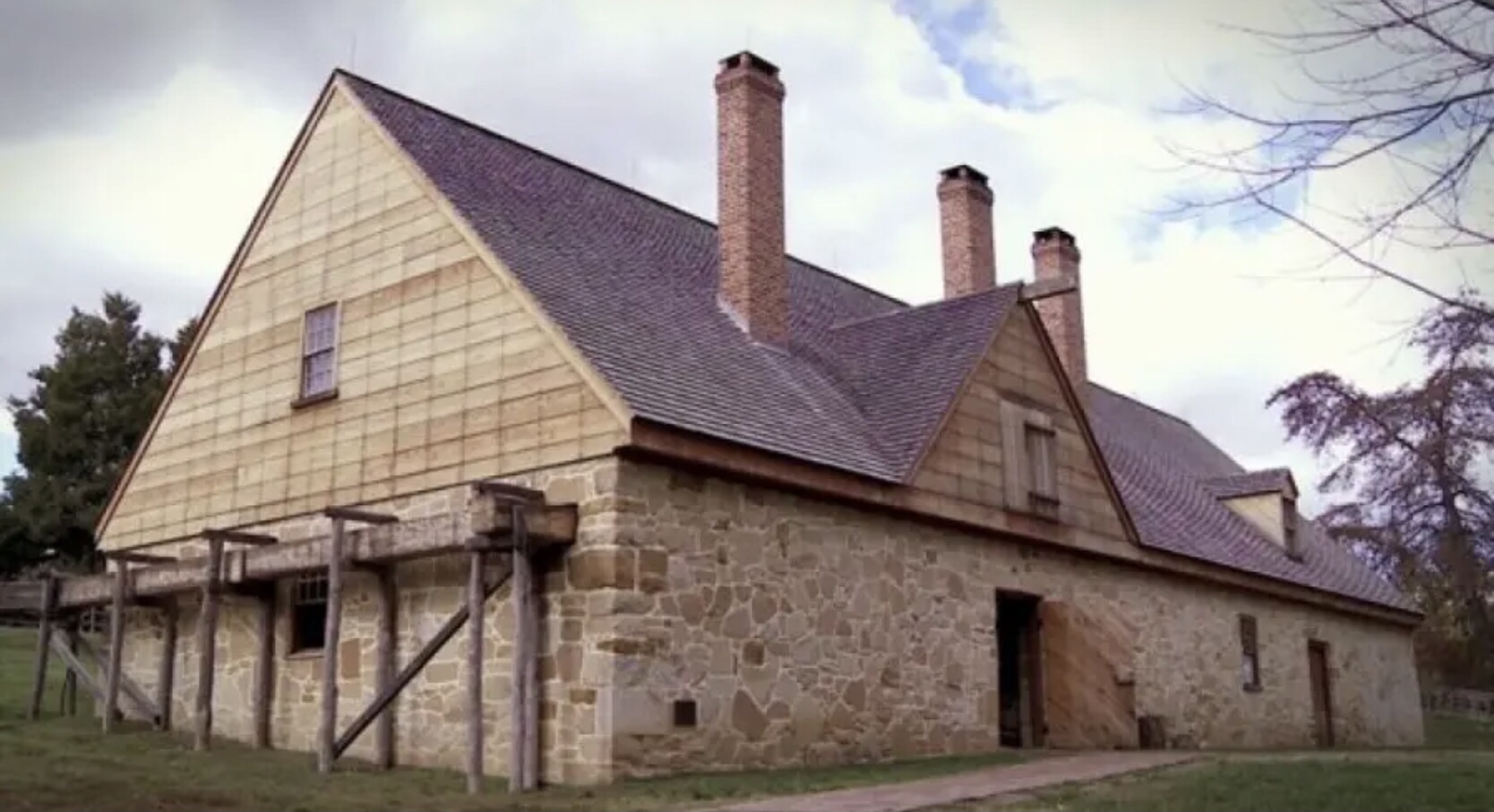
After the initial success of a makeshift distillery that utilized two stills, Washington built a stone distillery large enough to house five copper pot stills with a total capacity of 616 gallons. The foundation was large river rocks brought from the Falls of the Potomac River and the walls of the Distillery were made of sandstone quarried from Mount Vernon. The Distillery also offered an important subsidiary benefit: livestock, particularly hogs, were fattened with the leftover cooked mash. In 1799, George Washington’s Distillery produced nearly 11,000 gallons, making it one of the largest whiskey distilleries in America at the time. 

The Distillery was reconstructed on the original site, based upon archaeological and historical evidence and opened to visitors in 2007.

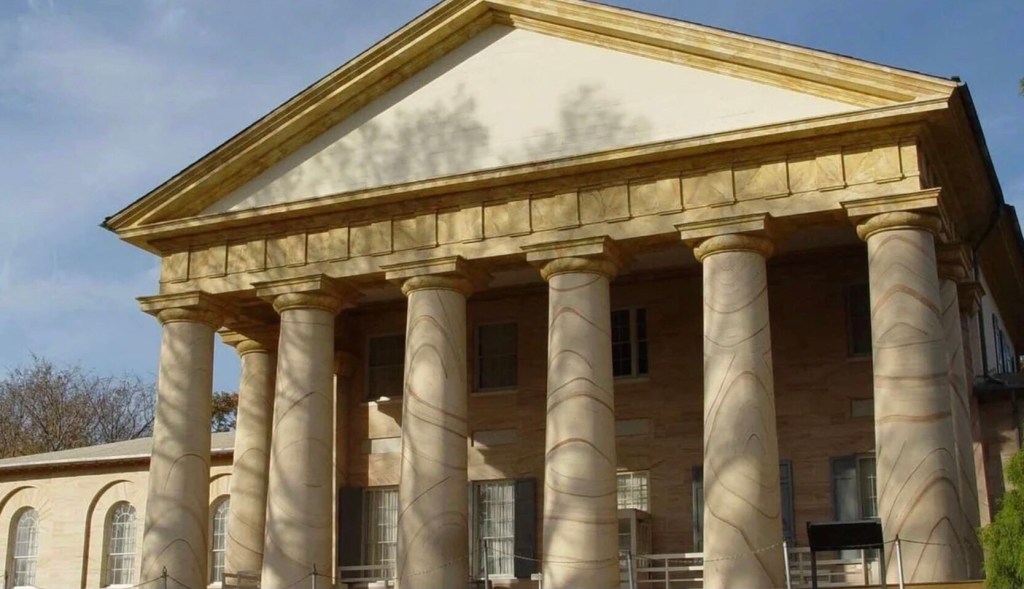
Arlington House

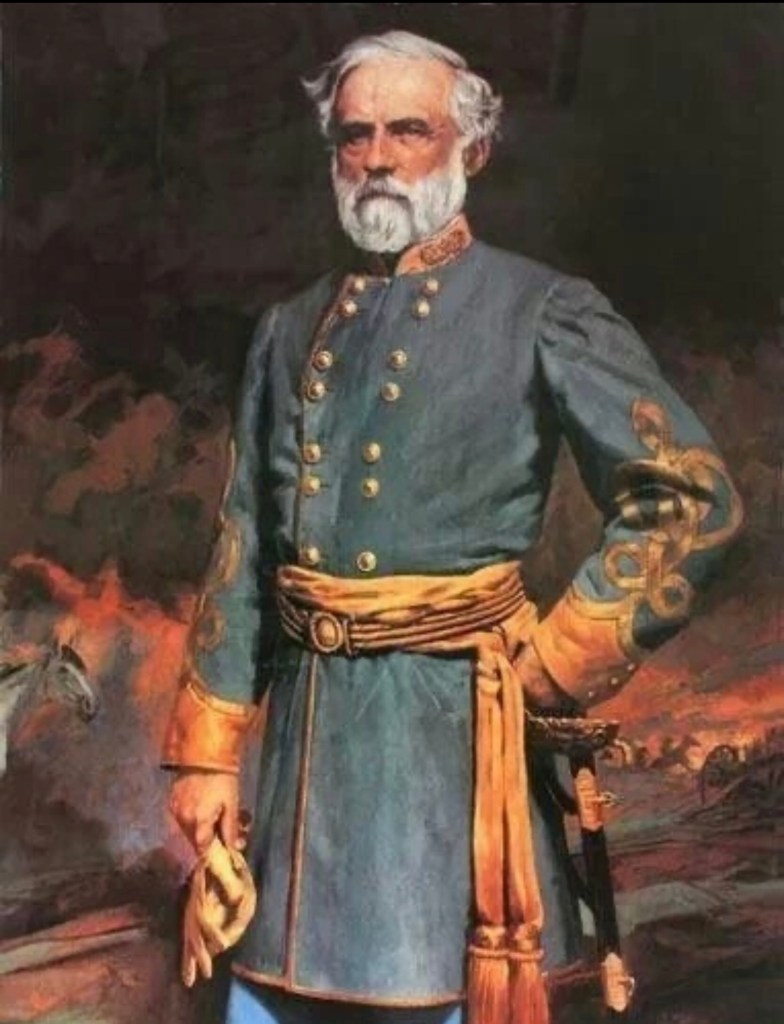
Major General McClellan, after he became leader of the Union army, chose for his Washington headquarters the lovely home on the Potomac River called Arlington House. Arlington House had belonged to Confederate army leader General Robert E. Lee.

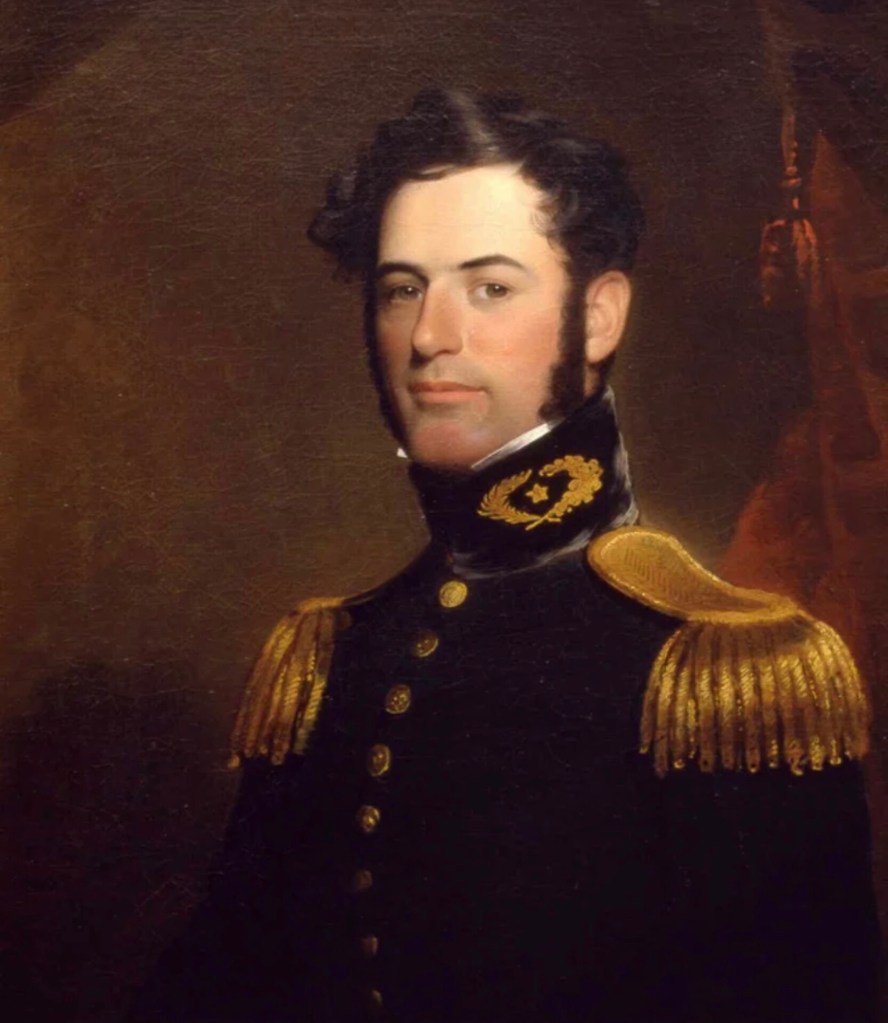
Robert E. Lee had lived at Arlington House with his wife, Mary, the granddaughter of Martha Washington, wife of President George Washington. Set on high ground on the Virginia side of the Potomac River, the imposing Neoclassical home was visible from much of Washington, D.C.

After Robert E. Lee signed on with the Confederacy, the Lees recognized that their home’s proximity to Washington, D.C., placed both the house and them at risk of Union attack. They packed their belongings and left Arlington House. The Lee family would never return to this home. Union troops occupied the house on May 24, 1861.

Once in Federal hands, the land around Arlington House found several purposes. United States Army major general Montgomery C. Meigs determined that the grounds should serve as a national cemetery for Union dead. The first Union soldier buried at what became Arlington National Cemetery was William Christman of Pennsylvania on May 13, 1864.

The Federal government also made the decision to create a village on the grounds of Arlington for freed slaves. Robert E. Lee had slaves at Arlington. It seemed fitting then that Arlington would provide the site for Freedman’s Village, which was established in 1863. It would grow to house more than one thousand freed slaves—men, women and children. Homes, a school and a hospital were part of the village complex. Some of the inhabitants of Freedman’s Village were former slaves of Robert E. Lee’s.

Savannah’s Forsyth Park Fountain

Savannah’s Forsyth Park was designed after the French ideal of having a central public garden, and the fountain is said to be the garden’s centerpiece (although it isn’t at the center of the park).

However beautiful, the fountain is not unique. It was ordered from a catalogue.

Other cities fancied the catalogue spread, too. Similar fountains exist in New York, Peru and France.