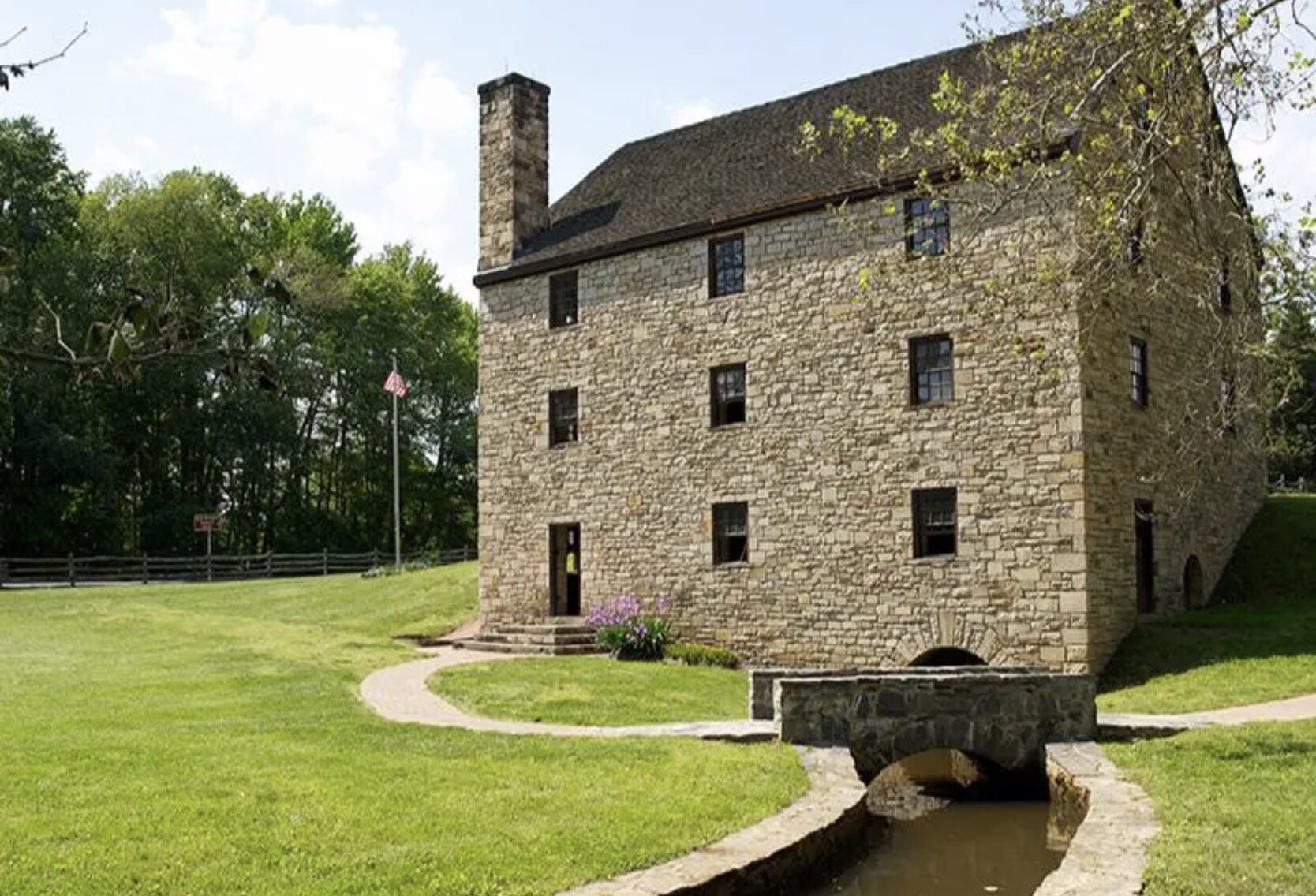
Mount Vernon: Gristmill

Augustine Washington, George Washington’s father, likely had an operating mill on his plantation (the future Mount Vernon) as early as the 1730s, but by the 1760s this dilapidated mill was in great need of a replacement. By 1769, George Washington had decided to create a new mill that would be located along Dogue Run, about a half-mile away from the old mill.

Washington’s resolve to improve and expand his Gristmill enterprise marked a significant turning point in the management of his plantation. During the 1760s Washington moved away from tobacco cultivation and began to plant more grains, primarily wheat and corn. This transition gave Washington a dependable cash crop that was not dependent upon markets in England. With an expanded and more efficient Gristmill, Washington could turn his crops into flour and cornmeal. The Gristmill could also bring in revenue by charging neighboring farmers a fee to grind their grain.

In 1783, Washington described the mill in one of his letters, “two pair of Stones, one pair of which are French-burr, employed in the merchant business. The Mill house is of Stone, large and commodious, the dwelling house, which is convenient, is within 30 yards of it; and has a garden enclosed adjoining. A Cooper’s Shop is also near, and the whole convenient to tide water.”

Ponce de Leon Explores Florida

Ponce de Leon was the governor of Puerto Rico and due to political intrigue within the Spanish Empire he was encouraged to explore a new “island” that was said to be to the Northwest. On March 4th 1513, he set forth on an expedition that he financed from Puerto Rico. On April 2nd they sited land, and which they called Florida. To this day the exact location of the landing has been disputed, some believe it was where St Augustine is today others believe it is Melbourne Beach. After exploring the area the fleet explored further south. Leon sailed through the Florida Keys and then up the West coast of Florida. After eight months he returned to Puerto Rico. Ponce de Leon was greeted as a hero in Spain and given a further charter to explore Florida. He sailed with a new fleet in 1515, but when Ferdinand died in Spain the exploration was cut short.

In 1521 Ponce de Leon led another expedition to Florida. This one goal was to settle Florida. They arrived at the mouth of the Caloosahatchee River. There they were attacked by the Calusa indians. Leon was injured in the attack by a poison arrow. He soon died from his wounds and that ended the expedition. Over the years the story has taken hold that Leon was seeking the mythical fountain of youth. That story seems not based on historic evidence

Mount Vernon: Distillery

George Washington began the commercial distillery at Mount Vernon in 1797. James Anderson, Washington’s farm manager and an experienced distiller from Scotland, convinced Washington that it was possible to make a considerable profit from a distillery located next to the abundant water and grain supply at the Gristmill.

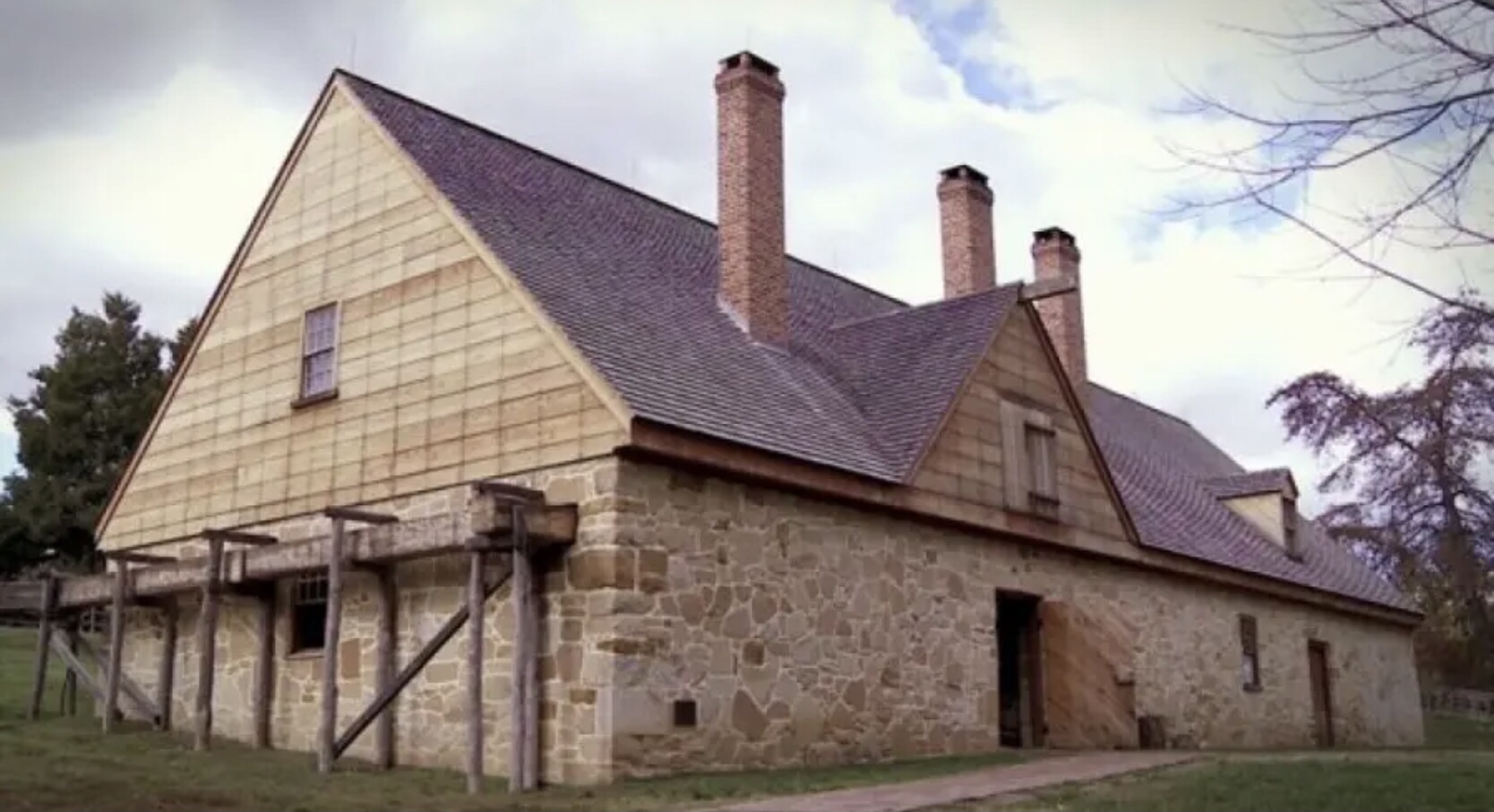
After the initial success of a makeshift distillery that utilized two stills, Washington built a stone distillery large enough to house five copper pot stills with a total capacity of 616 gallons. The foundation was large river rocks brought from the Falls of the Potomac River and the walls of the Distillery were made of sandstone quarried from Mount Vernon. The Distillery also offered an important subsidiary benefit: livestock, particularly hogs, were fattened with the leftover cooked mash. In 1799, George Washington’s Distillery produced nearly 11,000 gallons, making it one of the largest whiskey distilleries in America at the time. 

The Distillery was reconstructed on the original site, based upon archaeological and historical evidence and opened to visitors in 2007.

Arlington House

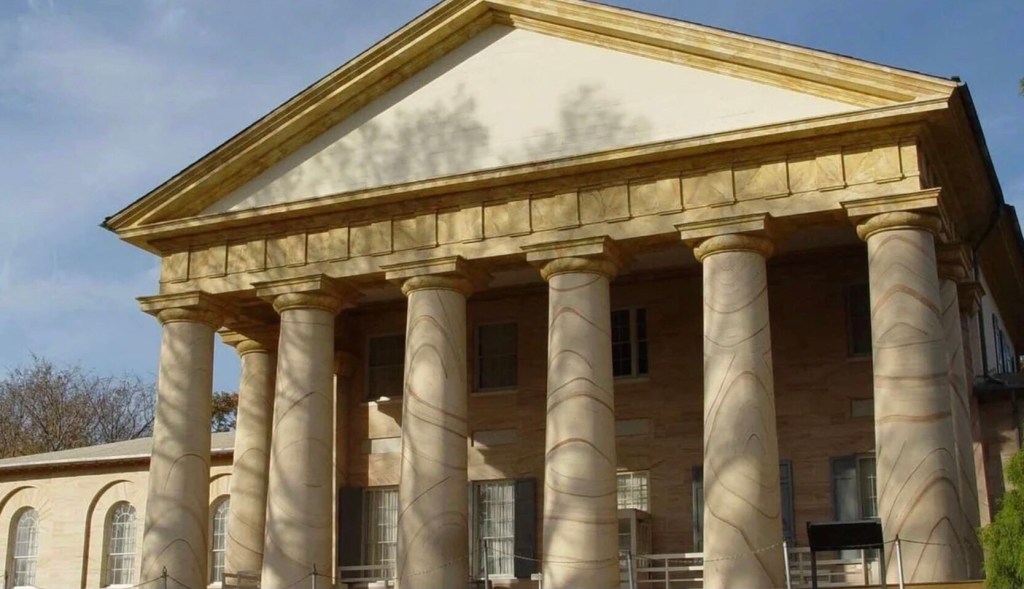
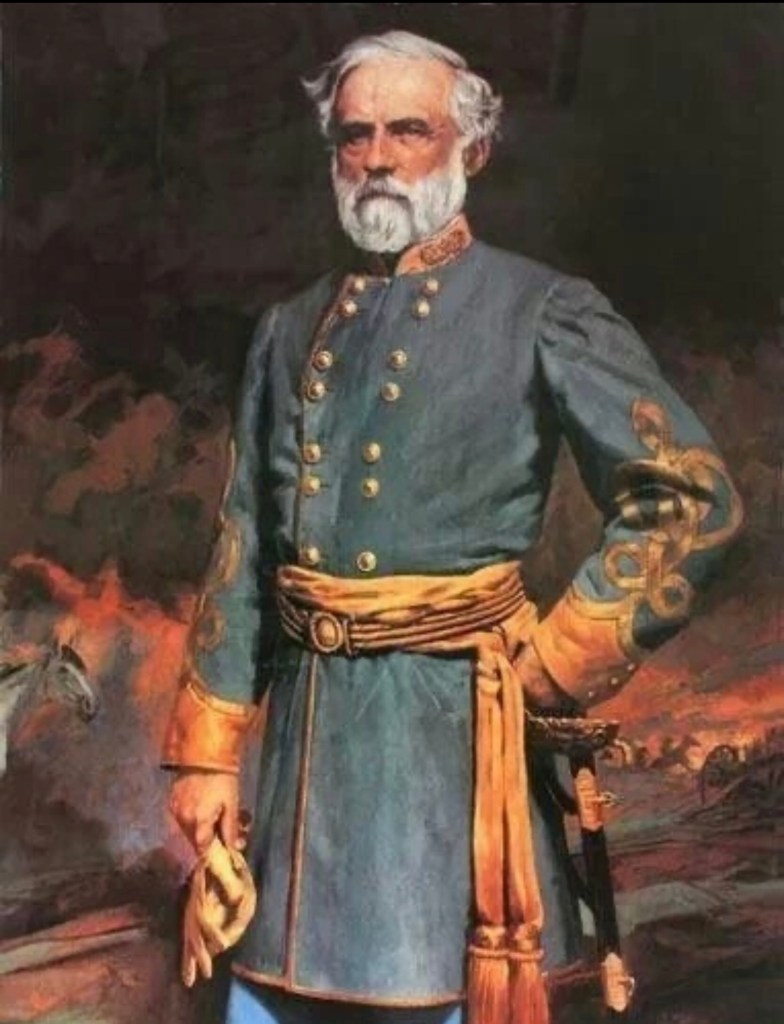
Major General McClellan, after he became leader of the Union army, chose for his Washington headquarters the lovely home on the Potomac River called Arlington House. Arlington House had belonged to Confederate army leader General Robert E. Lee.

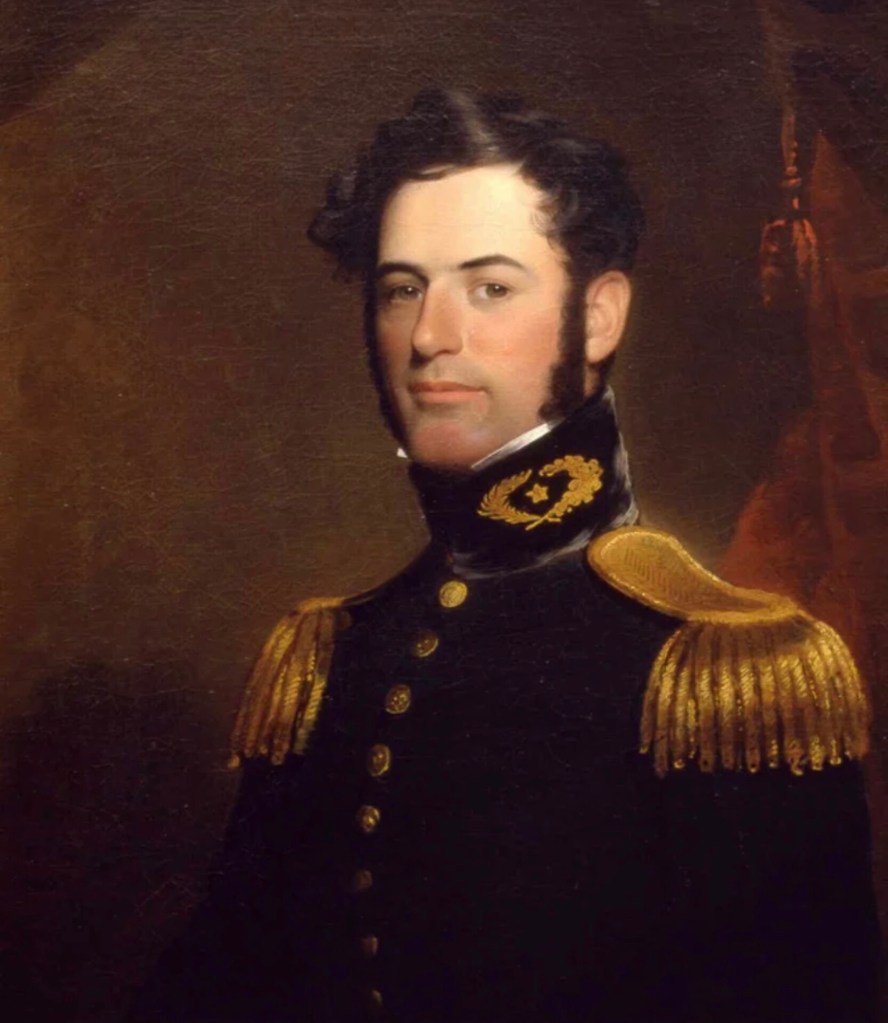
Robert E. Lee had lived at Arlington House with his wife, Mary, the granddaughter of Martha Washington, wife of President George Washington. Set on high ground on the Virginia side of the Potomac River, the imposing Neoclassical home was visible from much of Washington, D.C.

After Robert E. Lee signed on with the Confederacy, the Lees recognized that their home’s proximity to Washington, D.C., placed both the house and them at risk of Union attack. They packed their belongings and left Arlington House. The Lee family would never return to this home. Union troops occupied the house on May 24, 1861.

Once in Federal hands, the land around Arlington House found several purposes. United States Army major general Montgomery C. Meigs determined that the grounds should serve as a national cemetery for Union dead. The first Union soldier buried at what became Arlington National Cemetery was William Christman of Pennsylvania on May 13, 1864.

The Federal government also made the decision to create a village on the grounds of Arlington for freed slaves. Robert E. Lee had slaves at Arlington. It seemed fitting then that Arlington would provide the site for Freedman’s Village, which was established in 1863. It would grow to house more than one thousand freed slaves—men, women and children. Homes, a school and a hospital were part of the village complex. Some of the inhabitants of Freedman’s Village were former slaves of Robert E. Lee’s.

Savannah’s Forsyth Park Fountain

Savannah’s Forsyth Park was designed after the French ideal of having a central public garden, and the fountain is said to be the garden’s centerpiece (although it isn’t at the center of the park).

However beautiful, the fountain is not unique. It was ordered from a catalogue.

Other cities fancied the catalogue spread, too. Similar fountains exist in New York, Peru and France.

Black Belt of Alabama

It may be true that the “black belt” originally referred to the dark, rich topsoil blanketing nineteen counties that stretch across Alabama’s lower half. But when tens of thousands of African slaves were forced to grow and harvest the cotton sprung from that fertile soil on plantations in the 1800s, the meaning inevitably shifted. After the Civil War, enough free blacks remained to work the land as sharecroppers that they still outnumbered the local population of white aristocracy. The harsh inequities of Jim Crow undoubtedly also helped make the region fertile ground for the civil rights movement in the 1960s, from the Montgomery bus boycott to the televised “Bloody Sunday” attack on peaceful marchers in Selma. Today, the Black Belt designation lives on, now used to define a “heritage area” that acknowledges its painful past while promoting its cultural and natural resources.

This was also the home of the music tradition we now know as “Black Belt Blues.”

Haunted South: Sleepy Hollow Road (Oldham County, Kentucky)

With a name like Sleepy Hollow Road, is it any real surprise this Kentucky road is said the be haunted?

Sleepy Hollow Road is a little ominous without the ghost stories thanks to the dense forest that surrounds it and casts it in shadow. The road has many supernatural tales associated with it, but there’s one you won’t have to seek out. It’ll find you.

A black hearse is said to often appear seemingly out of nowhere and follow other cars driving on the winding curves of the isolated road. The hearse will continue to follow, increasing its speed along the way. Many drivers have claimed to see the hearse and been run off the road by it, only for it to disappear without a trace after.

Haunted South: Stuckey’s Bridge (Savoy, Mississippi)

There’s a lot of bridges in the South with a ghost tale attached to them, and Stuckey’s Bridge is no exception.

The 157-year-old bridge runs over the Chunky River and is rumored to be haunted by a gang member named Stuckey who murdered and robbed travelers during the early nineteenth century in the area of where the bridge would eventually be built, reports The Meridian Star.

Stuckey was eventually caught, put on trial, found guilty and sentenced to death by hanging at the bridge he is now said to haunt.

Since then, folks have claimed to see the apparition of a man hanging from the bridge as well as heard unexplained splashing they claim is the sound of his body hitting the water.

Haunted South: Poogan’s Porch Restaurant (Charleston, South Carolina)

At the popular Poogan’s Porch restaurant in Charleston, you might not just experience a delicious meal; you may experience the supernatural as well.

The Victorian house that now serves as the home of Poogan’s Porch was built in 1888 and two sisters, Elizabeth and Zoe St. Amand, once resided there. The women were said to be incredibly close, so much so that when Elizabeth passed away, it sent the elderly Zoe into a mental breakdown.

After neighbors found her roaming the street calling out for her dead sister, she was taken to a local hospital where she lived out the rest of her life. It appears Zoe felt her afterlife, on the other hand, should be lived out at her former home.

Stories of folks spotting the ghost of Zoe on the street and inside the house, calling out and looking for Elizabeth, started shortly after her death, but became much more frequent once it was converted into a restaurant in 1976.

Oh, and did I mention a dog named Poogan, the restaurant’s namesake, also happens to haunt its rooms? Yep.

Haunted South: Moon River Brewing Company (Savannah, Georgia)

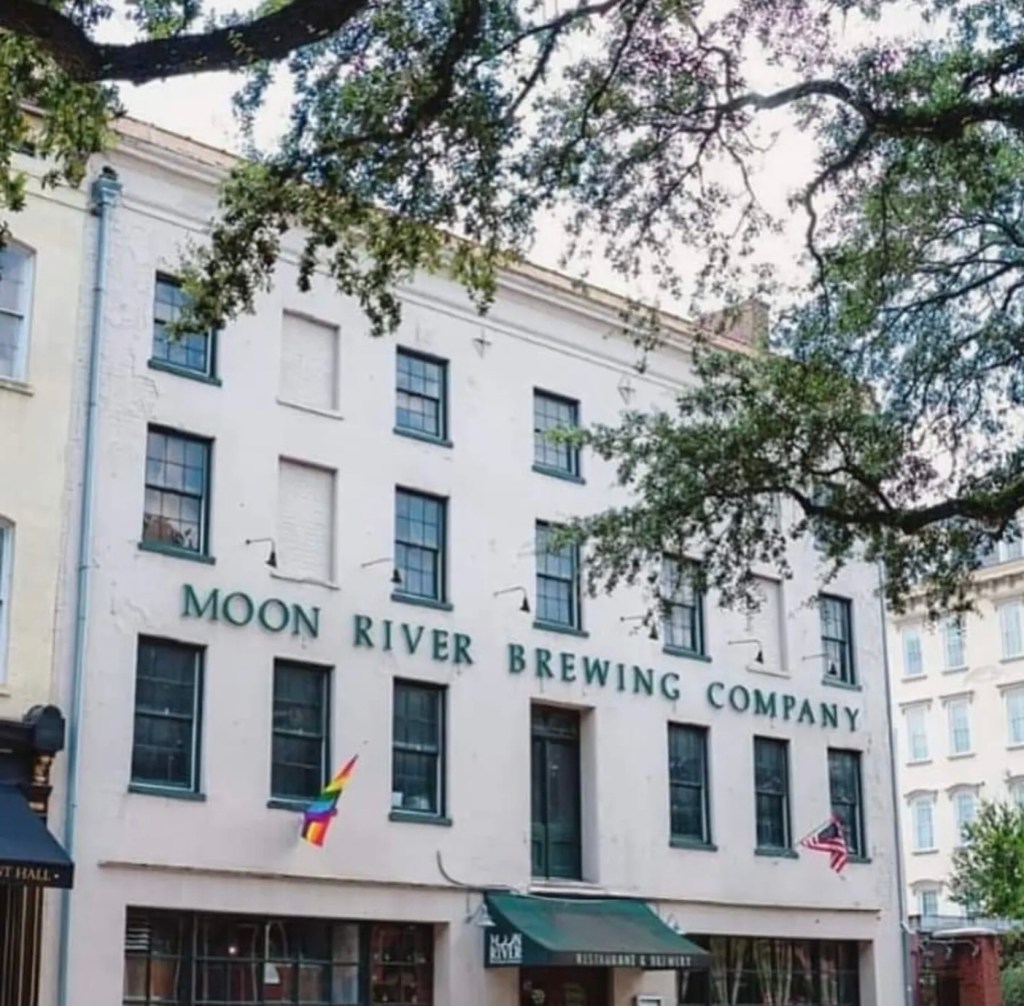
While Moon River Brewing Co. in Savannah, Ga., is a good place to relax and have a beer, it’s also rumored to be a good place to spot the supernatural.

The Brewing Co. opened in 1999 in the building that once housed The City Hotel, which was built in 1821 and closed in 1864. During its short time in operation, several deaths took place inside the hotel, and many believe the spirits of the deceased are still there today.

Staff and guests at the bar and restaurant have reported seeing bottles thrown on their own as well as felt an invisible force push them. Others say they have seen a glowing white apparition on the building’s upper floors.