The Underground Railroad was started in order to provide a means for escaped slaves to be safely spirited through the north until they reached sanctuary in Canada. The railroads borrowed heavily from the vocabulary of standard railroads, thus those who helped guide the slaves were conductors, and the places that they hid along the way stations. Between 1850-1860 1,000 slaves a year made use of the Underground Railroad to escape to Canada and freedom.
Most of the enslaved people helped by the Underground Railroad escaped border states such as Kentucky, Virginia and Maryland.
In the deep South, the Fugitive Slave Act of 1793made capturing escaped enslaved people a lucrative business, and there were fewer hiding places for them. Fugitive enslaved people were typically on their own until they got to certain points farther north.
People known as “conductors” guided the fugitive enslaved people. Hiding places included private homes, churches and schoolhouses. These were called “stations,” “safe houses,” and “depots.” The people operating them were called “stationmasters.”
There were many well-used routes stretching west through Ohio to Indiana and Iowa. Others headed north through Pennsylvania and into New England or through Detroit on their way to Canada.
Historians believe that Sojourner Truth was born in 1797 in Ulster County, New York. Although born into slavery, she was freed from slavery by the New York State Emancipation Act of 1827.
She retained her former master’s surname, Van Wagener. However, after settling in New York City for some time, she found that she was disillusioned with her life there. In 1843, she adopted a new name, Sojourner Truth, a name she felt God had given her. Her mission in life, decided, was to travel across the country and spread “the truth.” She felt compelled to go on lecture tours, explaining: “The Lord has made me a sign unto this nation, and I go round a-testifying and showinng them the sins against my people.”
Large crowds gathered to hear her; and her usual opening, “Children, I talk to God and God talks to me!” had an electric effect on her audiences in Connecticut, Massachusetts, Ohio, Indiana, Illinois, and Kansas. Many felt she possessed “mystical gifts” as well as great powers of oratory.
With much passion, she fought against slavery and for woman suffrage, becoming friendly with some of the leading white abolitionists of her time, including James and Lucretia Mott and Harriet Beecher Stowe.
Helping blacks who had managed to escape North find work and a place to live also gave her deep satisfaction during these years; later, in 1864, she was appointed counselor with the National Freedmens Relief Association.
Due to this compromise, civil war was avoided or at least delayed. Under the terms of the compromise, California was admitted to the Union as a free state. Residents of the Other territories acquired from Mexico were to decide for themselves whether to be free or slave states. The Fugitive Slave Act was passed requiring the return of slaves. Slave trade was outlawed in the District of Columbia, and Texas’ national debt was paid off.
The Compromise of 1850 held the Union together for another difficult ten years. The dispute was over the admittance of additional states into the Union, while maintaining the balance between free and slave states.
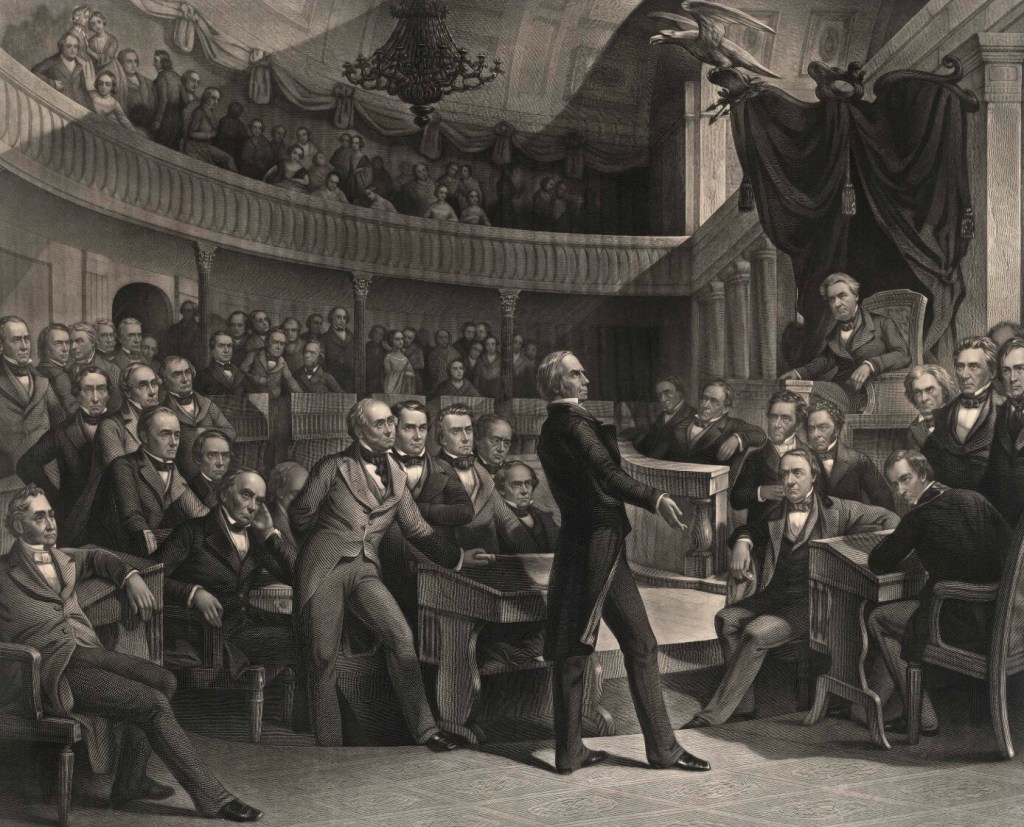
The immediate question was the clamoring of California to be admitted to the Union as a free state. The debate was begun by a frail Senator Henry Clay, who called for a compromise between the North and South. Senator John C. Calhoun, who was dying of tuberculosis, gave his last speech in the Senate; in which he once again championed the cause of the South, yet called for compromise.
Finally, Daniel Webster, who had been a leading spokesmen for Northern interests, made a plea for compromise in order to preserve the Union. It was Webster who tilted the balance, as his call for compromise convinced many Northerners to agree to the concessions, primarily the Fugitive Slave Law, that allowed the Senate to pass the compromise.
President Taylor opposed the compromise, but after his untimely death, his successor supported these bills, and thus the compromise was sealed.
On New Year’s Day, 1802, President Thomas Jefferson penned a letter to the Danbury Baptist Association of Connecticut. In his written address, he used the celebrated “wall of separation” metaphor to describe the First Amendment relationship between reli- gion and civil government. Jefferson wrote, in sweeping, memorable phrases:
Believing with you that religion is a matter which lies solely between Man & his God, that he owes account to none other for his faith or his worship, that the legitimate powers of government reach actions only, & not opinions, I contemplate with sovereign reverence that act of the whole American people which declared that their legislature should “make no law respecting an establishment of religion, or prohibiting the free exercise thereof,” thus building a wall of separation between Church & State.
~ Thomas Jefferson, letter to the Danbury Baptist Association of Connecticut
Ponce de Leon was the governor of Puerto Rico and due to political intrigue within the Spanish Empire he was encouraged to explore a new “island” that was said to be to the Northwest. On March 4th 1513, he set forth on an expedition that he financed from Puerto Rico. On April 2nd they sited land, and which they called Florida. To this day the exact location of the landing has been disputed, some believe it was where St Augustine is today others believe it is Melbourne Beach. After exploring the area the fleet explored further south. Leon sailed through the Florida Keys and then up the West coast of Florida. After eight months he returned to Puerto Rico. Ponce de Leon was greeted as a hero in Spain and given a further charter to explore Florida. He sailed with a new fleet in 1515, but when Ferdinand died in Spain the exploration was cut short.
In 1521 Ponce de Leon led another expedition to Florida. This one goal was to settle Florida. They arrived at the mouth of the Caloosahatchee River. There they were attacked by the Calusa indians. Leon was injured in the attack by a poison arrow. He soon died from his wounds and that ended the expedition. Over the years the story has taken hold that Leon was seeking the mythical fountain of youth. That story seems not based on historic evidence
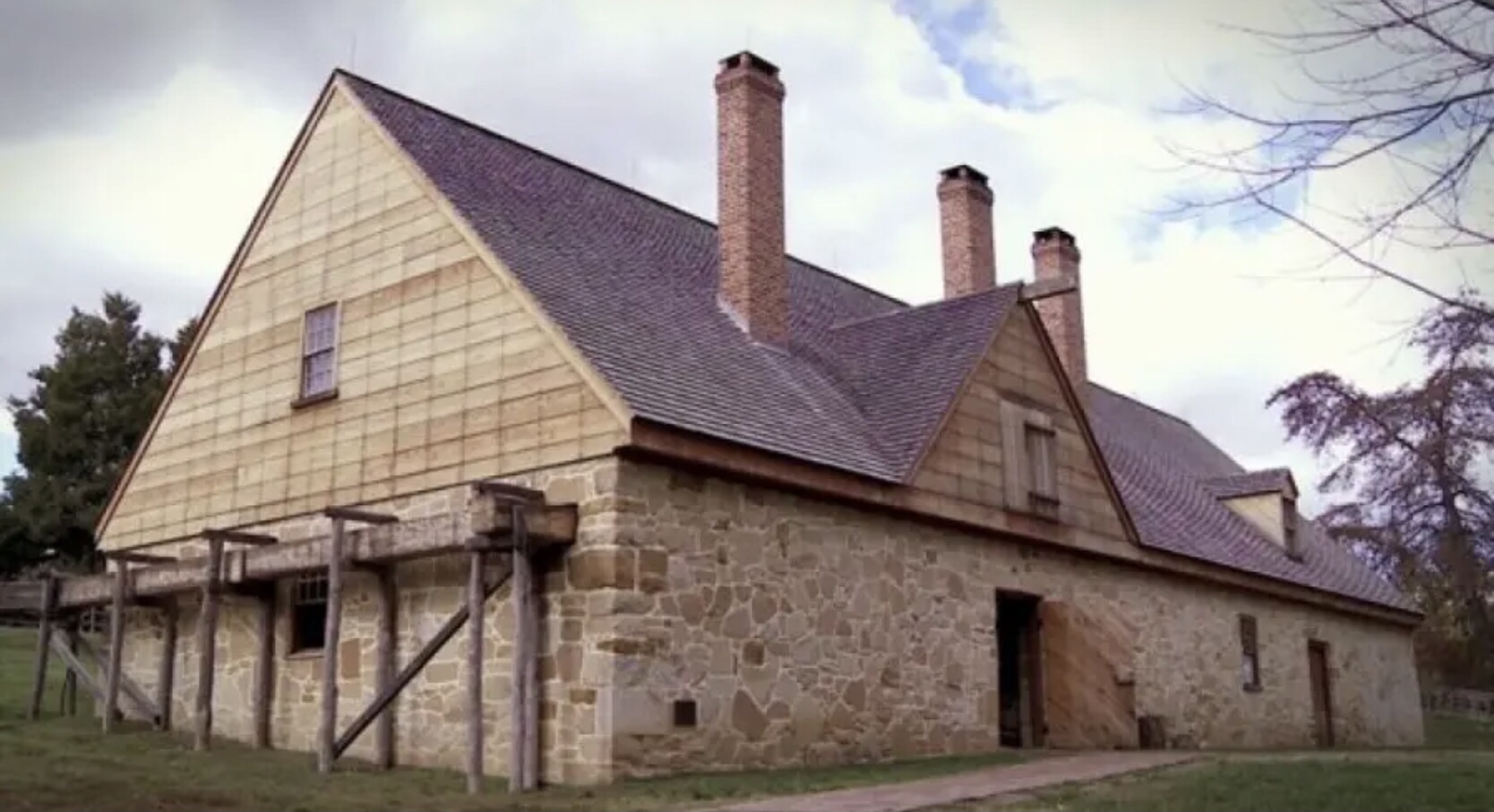
George Washington began the commercial distillery at Mount Vernon in 1797. James Anderson, Washington’s farm manager and an experienced distiller from Scotland, convinced Washington that it was possible to make a considerable profit from a distillery located next to the abundant water and grain supply at the Gristmill.
After the initial success of a makeshift distillery that utilized two stills, Washington built a stone distillery large enough to house five copper pot stills with a total capacity of 616 gallons. The foundation was large river rocks brought from the Falls of the Potomac River and the walls of the Distillery were made of sandstone quarried from Mount Vernon. The Distillery also offered an important subsidiary benefit: livestock, particularly hogs, were fattened with the leftover cooked mash. In 1799, George Washington’s Distillery produced nearly 11,000 gallons, making it one of the largest whiskey distilleries in America at the time.
The Distillery was reconstructed on the original site, based upon archaeological and historical evidence and opened to visitors in 2007.
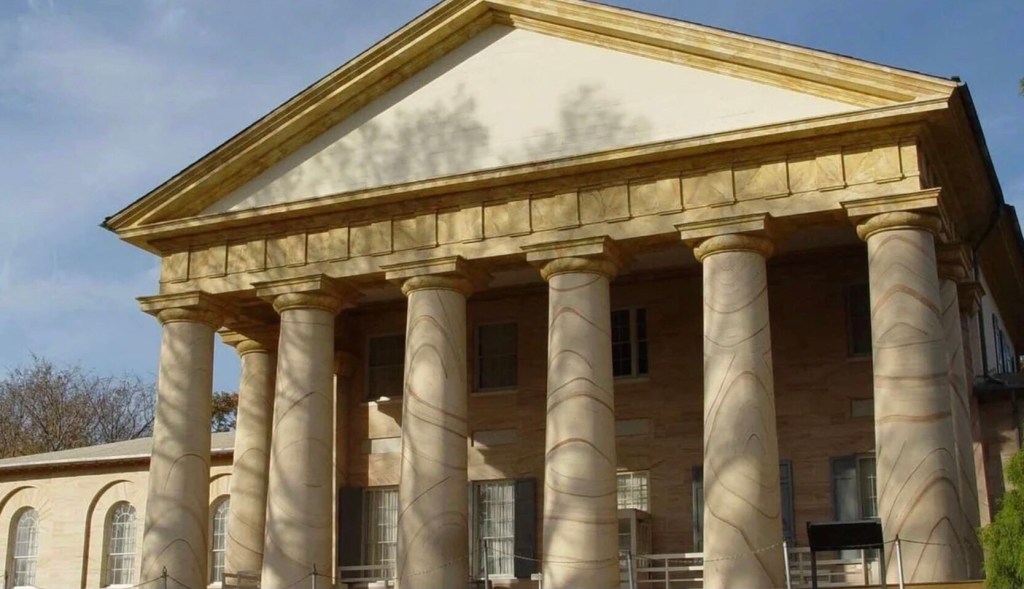
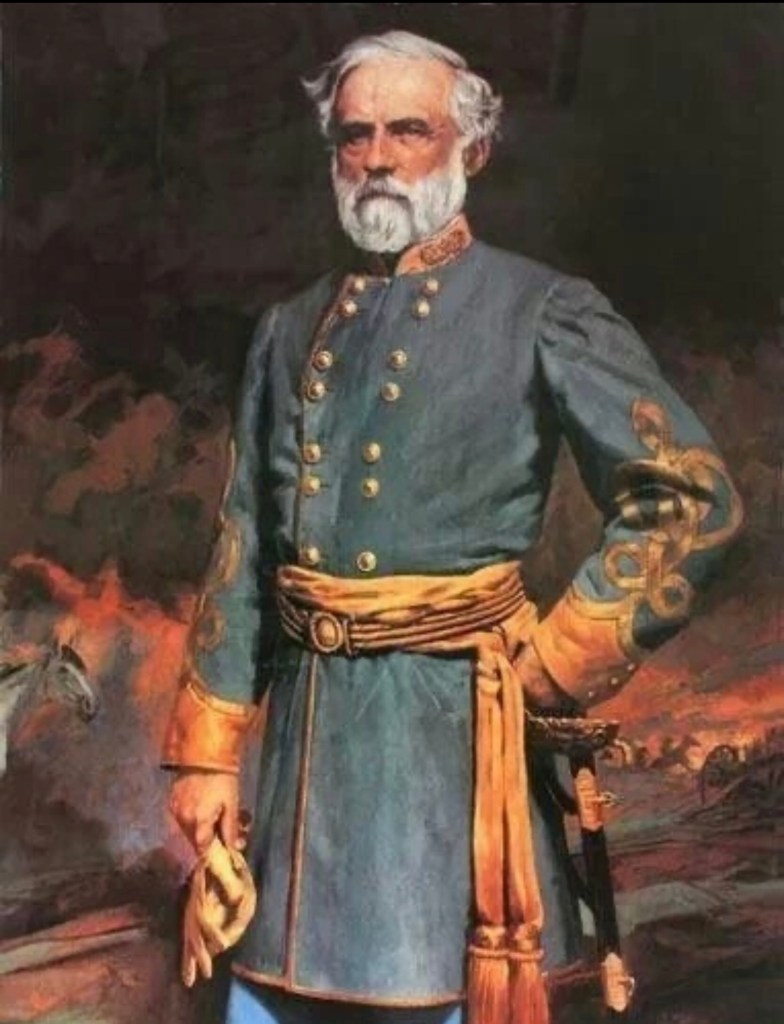
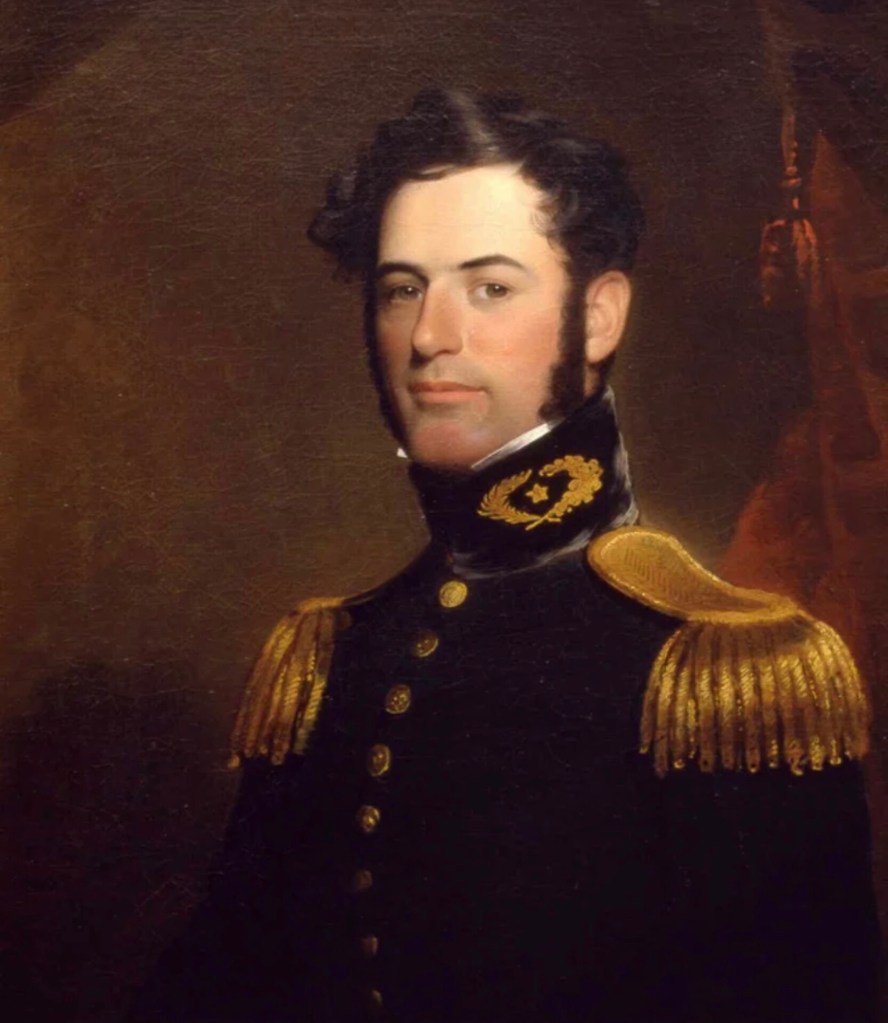
Major General McClellan, after he became leader of the Union army, chose for his Washington headquarters the lovely home on the Potomac River called Arlington House. Arlington House had belonged to Confederate army leader General Robert E. Lee.
Robert E. Lee had lived at Arlington House with his wife, Mary, the granddaughter of Martha Washington, wife of President George Washington. Set on high ground on the Virginia side of the Potomac River, the imposing Neoclassical home was visible from much of Washington, D.C.
After Robert E. Lee signed on with the Confederacy, the Lees recognized that their home’s proximity to Washington, D.C., placed both the house and them at risk of Union attack. They packed their belongings and left Arlington House. The Lee family would never return to this home. Union troops occupied the house on May 24, 1861.
Once in Federal hands, the land around Arlington House found several purposes. United States Army major general Montgomery C. Meigs determined that the grounds should serve as a national cemetery for Union dead. The first Union soldier buried at what became Arlington National Cemetery was William Christman of Pennsylvania on May 13, 1864.
The Federal government also made the decision to create a village on the grounds of Arlington for freed slaves. Robert E. Lee had slaves at Arlington. It seemed fitting then that Arlington would provide the site for Freedman’s Village, which was established in 1863. It would grow to house more than one thousand freed slaves—men, women and children. Homes, a school and a hospital were part of the village complex. Some of the inhabitants of Freedman’s Village were former slaves of Robert E. Lee’s.
Savannah’s Forsyth Park was designed after the French ideal of having a central public garden, and the fountain is said to be the garden’s centerpiece (although it isn’t at the center of the park).
However beautiful, the fountain is not unique. It was ordered from a catalogue.
Other cities fancied the catalogue spread, too. Similar fountains exist in New York, Peru and France.
The beef knuckle is a sub-primal from the beef round. It weighs approximately between 9 to 14 lbs., depending on the carcase weight.
The knuckle goes by many names: The ball of the round, sirloin tip, round tip, tip center (centre in UK and Ireland) and sometimes thick flank, beef ball tip roast, sirloin tip roast and French roll roast (there are different names around the world).
After the knuckle cap is removed this is a very lean beef cut. The beef knuckle is a very versatile beef sub-primal cut and a great source of lean beef.
There are four main muscles in the Beef Knuckle including the knuckle cap. This outer layer has a small piece of meat but mainly consists of dry connective tissue that should be removed.
The femur muscle
This is the muscle that is attached to the femur and has a fair bit of fat and gristle that needs to be removed. It also has a layer of connective tissue from where it connected to the femur. When trimmed, this muscle is great for lean ground beef.
The wedge muscle
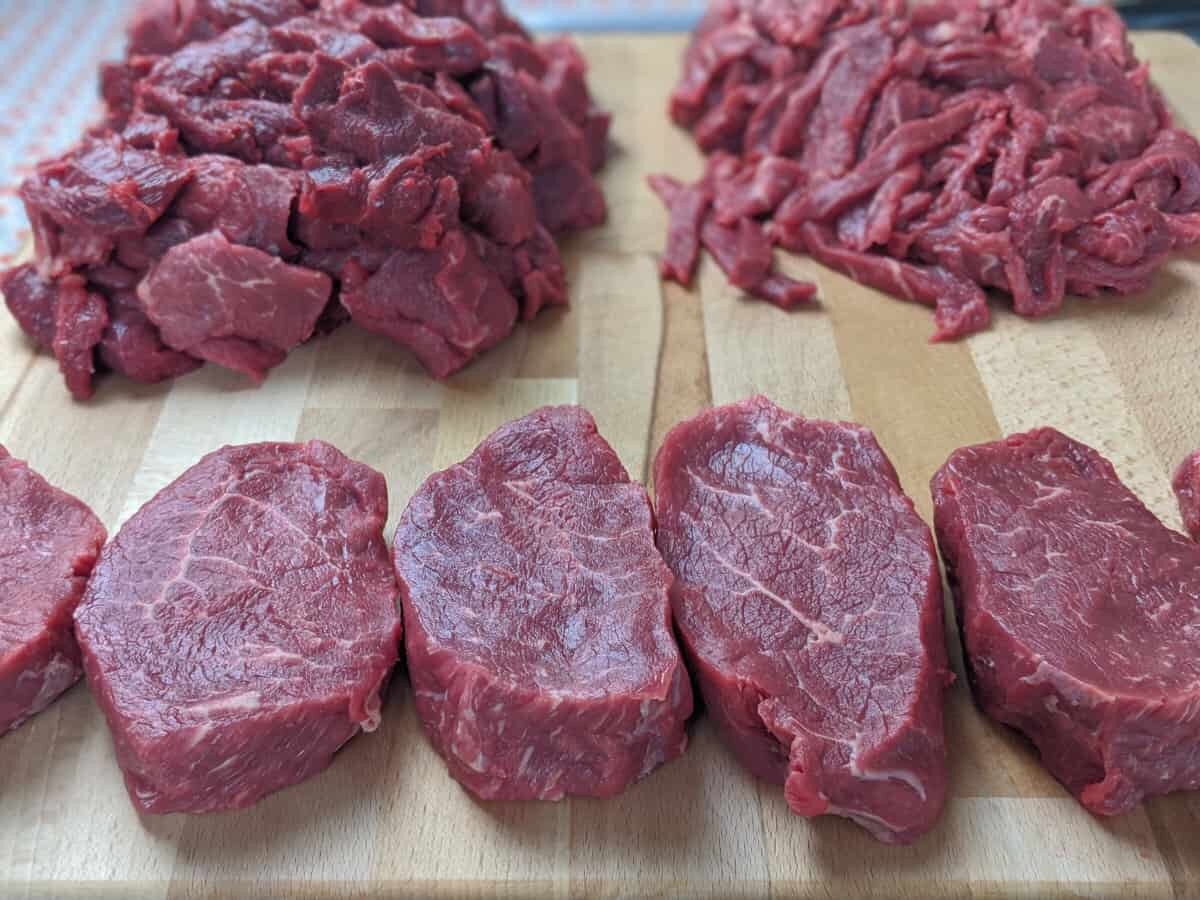
This one is a solid lean piece of beef with a thin outer covering of connective tissue on the outside and a thick silverskin on the inside. When it is completely trimmed, there are many options for this cut. Diced for stews, casseroles, beef bourguignon. Sliced thinly for minute steaks, sandwich steaks, Philly cheesesteak or cut into strips for stir-frying or beef stroganoff, it is an excellent product. You could roast it, but you would need to add some fat to the outside because it is very lean.
The bullet muscle
This is the best muscle of the group. It could be roasted, with a layer of fat added for flavour and moisture, and it has really lean wide-ish slices, so very good for portion control. The inter-muscle connective tissue does not need to be removed as it will melt during roasting.
The bullet can be further subdivided by cutting along the thin silver skin to make two smaller cuts. If these cuts are matured for long enough, say 14 to 21 days, they are very tender and full of flavour. The thicker of the two, if tenderised, is as tender as some of the premium steaks and the thinner piece makes really good beef strips for stir-fry.
Tenderising steaks using a Jaccard tenderiser is a useful method of breaking down the fibres of meat prior to cooking. The unit has 48 needle-pointed blades that cut into the muscle and leave the meat softer to the tooth and create a better eating experience. The Jaccard tenderisation also allows more marinade to penetrate the meat, giving a lot more flavour to the final product.
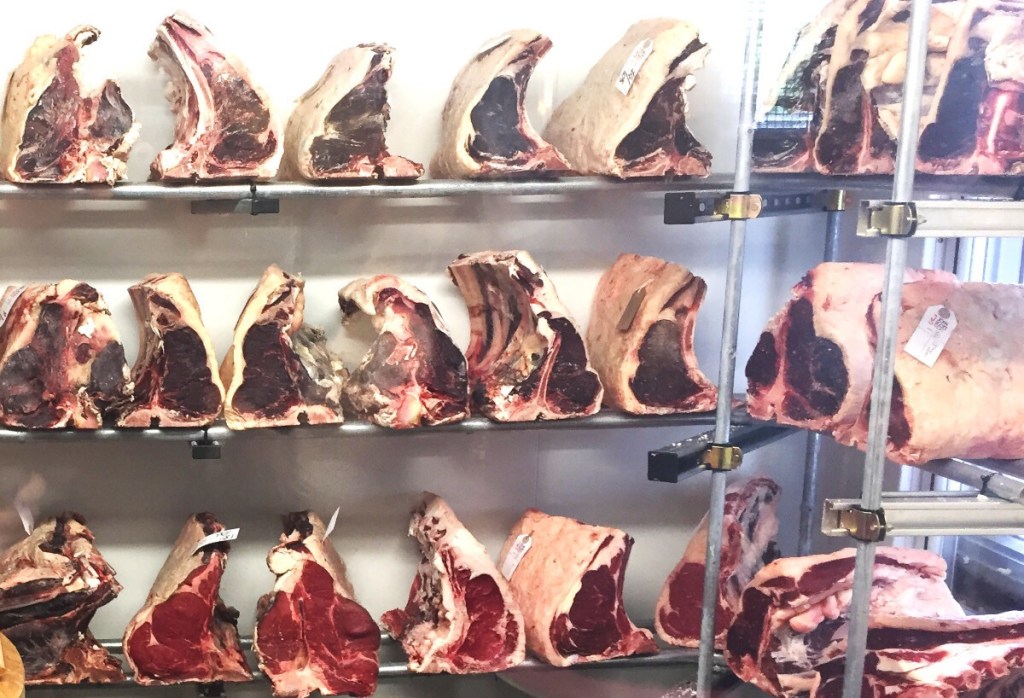
Aging beef in a drying chamber is a different process to maturing beef normally.
Premium cuts are kept for twice as long as normal, or longer, to intensify the flavor.
Tenderization tails off at about 20 days.
Then dry aging intensifies the flavor through moisture evaporation.
There is a particular smell and taste to dry aged beef.
Sometimes described as similar to blue cheese, it is not for everyone and some people feel it is meat that has gone bad.
Not so.
Properly dry aged steak is like fine wine with its own bouquet and attracts a premium price because of the losses from evaporation and trimming.
What Should It Look Like?
Dry aged beef can be aged for 50 days or more. It will blacken on the outer surfaces, but will be red on the inside when cut. The temperature, airflow and humidity must be constantly monitored.











 Mark Bere Peterson’s Counterculture, Urban Legends, Paganism & Witchcraft