It may be true that the “black belt” originally referred to the dark, rich topsoil blanketing nineteen counties that stretch across Alabama’s lower half. But when tens of thousands of African slaves were forced to grow and harvest the cotton sprung from that fertile soil on plantations in the 1800s, the meaning inevitably shifted. After the Civil War, enough free blacks remained to work the land as sharecroppers that they still outnumbered the local population of white aristocracy. The harsh inequities of Jim Crow undoubtedly also helped make the region fertile ground for the civil rights movement in the 1960s, from the Montgomery bus boycott to the televised “Bloody Sunday” attack on peaceful marchers in Selma. Today, the Black Belt designation lives on, now used to define a “heritage area” that acknowledges its painful past while promoting its cultural and natural resources.
This was also the home of the music tradition we now know as “Black Belt Blues.”
Beef that’s gone bad has a sour smell. Sometimes with an aroma like milk that has gone off.
Eating meat that has gone off, or is slimy, can cause food poisoning.
How can you tell if steak has gone bad? Smell is the first indicator followed by color.
First thing: Fresh meat, like fresh fish, has no smell. If you get a sour odor from a piece of meat, you need to be careful. It may not be safe to eat. We have a maxim in our trade, “If in doubt, throw it out”.
There are lots of reasons meat goes bad:
Live handling
Unclean slaughter
Incorrect storage
Insufficient refrigeration
Poor handling,
The wrong packaging
How long since slaughter
Incorrect handling after purchase
Home refrigerator not working properly, among others.
Be careful though, meats with preservatives, i.e., some sausages and cured meats, if kept too long, can carry dangerous pathogens even though there may be no smell. Always buy from a trusted source.
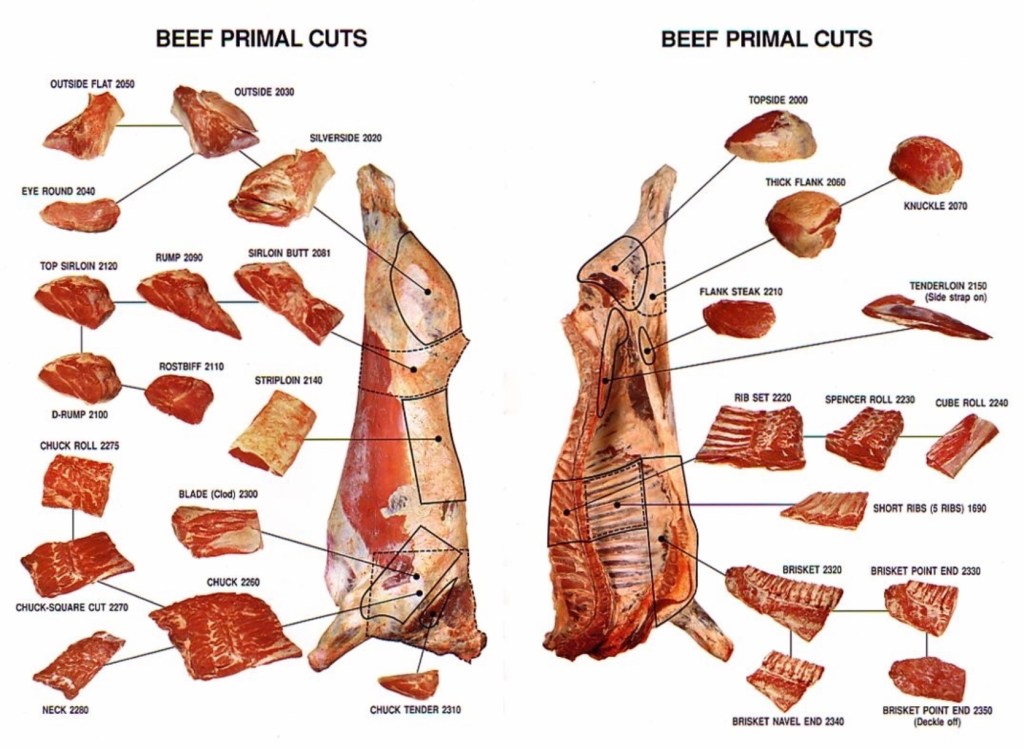
Hanger steak is the central muscle in the beef diaphragm. It is unusual in that there is only one in the beef carcase, whereas all other muscles coming in pairs. There’s a big, beefy flavour you won’t get in other muscles.
A hanger steak should be cooked to a medium rare temperature, as well-done steak will be dry and tough.
Beef Short Ribs
Beef short ribs are my absolute favourite cuts of beef for slow cooking. They have it all. Tasty, flavorful meat, a nice layer of fat, and the tactile pleasure of eating it on the bone. When cooked for long enough, they become very tender and fall away from the bone.
Flank Steak
Flank steak is a hidden gem among low fat cuts of beef. The wall of the animal’s belly has this lovely lean muscle that can be cooked in a variety of ways. You can use flank to make tacos, stuff them, roast them, and cube them for stews and casseroles.
Beef Cheeks
When customers became more affluent, beef cheeks went out of style. In the past, cheek meat was viewed as cheap food, so it was avoided. However, when they are slow-cooked, the beefy flavor is incredible. Slow cooking in liquid brings out the best in cheeks, so make sure you try it now if you haven’t. You will thank me for this tip.
Bavette
Bavette is another type of flank or skirt steak that is under-used. A relatively unknown cut of meat, it is thicker and meatier than the flank, has a rich beefy flavor, and is quite tender if cooked properly. Also known as flank steak or skirt steak.
Chuck Steak
When sold with the bone in, Chuck steak is sometimes referred to as 7 bone steak in America. No, not because there are 7 bones, but because the bone is approximately shaped like a 7 (roughly). Chuck steak has a bit of connective tissue and several muscles, and not all of them are as tender as you would like. The chuck steak cut is good if you don’t mind chewing a bit. If you buy the chuck in a thick piece, say three pounds, it makes a great roast.
Feather Blade
The feather blade steak is considered the second most tender muscle in the beef carcass. It isn’t the most photogenic steak, and it needs a skilled butcher to remove the connective tissue and prepare it properly. Beef chuck is delicious fried or grilled.
The Flat Iron
Like the feather blade, the flat iron steak is also from the chuck and can be cooked in the same way. The underrated cut is tasty and tender, but it lacks fat.
Pectoral Muscle
Outside butchery or chef circles, the pectoral muscle is probably unknown. Lean and full of flavor, this shoulder cut is ideal for casseroles and stews and it makes great ground beef as well. The texture is similar to brisket, so it could fill in if you were short of brisket.
Heel
Another little-known cut is the heel, which is surprisingly tender. To separate this from the hind shin, you will need a good butcher. This low-cost cut of meat, also called merlot or velvet steak, is a good grill and fry choice.
Chuck Eye
Chuck eye steaks are often referred to as Delmonico steaks after the New York restaurant where they were a signature dish. The longissimus dorsi muscle begins in the chuck and becomes wider down the back of the animal where it is called rib-eye, then striploin (or sirloin) and it ends at the beginning of the rump.
There are only about two usable Delmonico steaks in the chuck, but if you can get them, you will be pleasantly surprised by the big beefy flavor. It can be grilled or fried and is cheaper than rib-eye.
Knuckle or Sirloin Tip
The beef knuckle (called sirloin tip in the USA) is very underrated and is quite inexpensive if you want to buy steak on a budget. You will enjoy this cut of meat if you have a good butcher cut it for you.
Spinalis
Spinalis is the rib eye cap and is becoming increasingly popular among chefs. While it is not as cheap as most of the other cuts, it is relatively unknown and I recommend you try it. Tender and full of flavour, try it at least once.
Beef Clod
The beef clod is a series of dense muscles in the shoulder and some of them are really good value. A 21-day maturation of the beef produces great value steaks for grilling and frying.
Eye Of Round
Let’s face it, eye of round is a tough muscle, but if it is matured properly and cooked correctly, it is a good value steak. It is best cut thinly and fried medium-rare. Sprite is said to tenderize eye of round, but I’ve never tried it myself.
Pineapple juice or papaya juice are great tenderizers. This cut of meat also makes a good lean, affordable roast, although it would benefit from a layer of fat on the outside.
Topside Cap
When stuffed and rolled, the topside cap is a great budget cut with excellent beef flavor.
Silverside or Bottom Round
They cure the Silverside in Ireland to make corned beef by slow roasting it to break down the fibers. Instead of the tinned corned beef made of compressed pieces of meat, get a flavorful solid piece of meat that goes great with potatoes and cabbage. It is called bottom round in the USA, and it is a popular budget cut.
Topside
The topside is a medium-priced cut of round or beef leg meat. After maturing for at least 21 days, it makes great sandwich steaks when sliced thinly. Flash fry quickly and avoid overcooking.
Tri-Tip
Californians seem to especially like tri-tip, but it is growing in popularity elsewhere. In addition to roasting and barbecuing, you can also fry or grill steaks if you cut them across the grain. Tri-tip is made from two distinct types of grain, so you should ask your butcher how to prepare it.
Brisket
Brisket used to be used almost solely to make corned beef, and the bone was left in. Times and tastes have changed and now brisket is very popular in BBQ, and in certain states in America they smoke it and slather it with marinades. Brisket is an inexpensive pot roast that has a fantastic beef flavor that benefits from slow cooking.
Ground Beef
Where would we be without ground beef? Hamburgers, rissoles, meatloaf, meatballs, spaghetti bolognese, lasagne, cottage pie all use ground beef. In fact, you could cook a different ground beef recipe every day for a year without repeating a dish. Ground beef is the least expensive of all cuts of meat and is infinitely versatile.
Food dating is not a US federal law, except for infant formula and baby foods. Freshness dating and the terms used are voluntary by manufacturers, except for dairy foods and meat in some states.
The butcher uses a Sell-By date provided by the supplier.
Sell-by dates are on the packaging delivered to the store.
Best-Before dates mean fresh, the product, eaten after the date will be past prime condition.
A Use-By date means DO NOT consume after this date. Rigorous tests by health authorities establish the Use-By date of food sold by butchers.
To avoid spoilage, the temperature, humidity and airflow in butcher refrigerators have to be monitored constantly. Depending on the type of meat and the species, we refrigerate carcasses before cutting. It is important that the carcass is in prime condition and clean before processing.
Refrigerating a carcase too soon will have an adverse effect. The internal muscle temperature has to be allowed to decrease slowly before refrigeration begins. If not a process called “cold shortening” will make the meat tough. Carcasses should cool at 16 degrees C for 16 hours.
The carcass is usually vacuum sealed after is cut and boned. This extends the shelf life by removing oxygen from the packaging. (Microbes need oxygen to multiply).
If you open a vacuum sealed pack, sometimes there will be a smell. A mild rotten egg is one way to describe it. This usually goes away in less than an hour and is from the vacuum packing process.
So, by the time you buy beef cut into steaks, it may have been maturing for up to 28 days.
The aging process has to be carefully monitored for beef to tenderize so that it is at its best.
Enzymes in meat break down the fibres and over a period of about 20 + days the tenderization occurs. You could eat meat two days after slaughter but it will be tough and lacking in flavor.
There is also a process called Modified Atmosphere Packaging. (MAP) that replaces oxygen with gas that retards microbial growth in the pack.
Meat cut from quarters into primals, then deboned and cut into steaks, ground beef and roasts.
Discoloration happens faster when the meat surfaces are exposed to air
With a name like Sleepy Hollow Road, is it any real surprise this Kentucky road is said the be haunted?
Sleepy Hollow Road is a little ominous without the ghost stories thanks to the dense forest that surrounds it and casts it in shadow. The road has many supernatural tales associated with it, but there’s one you won’t have to seek out. It’ll find you.
A black hearse is said to often appear seemingly out of nowhere and follow other cars driving on the winding curves of the isolated road. The hearse will continue to follow, increasing its speed along the way. Many drivers have claimed to see the hearse and been run off the road by it, only for it to disappear without a trace after.
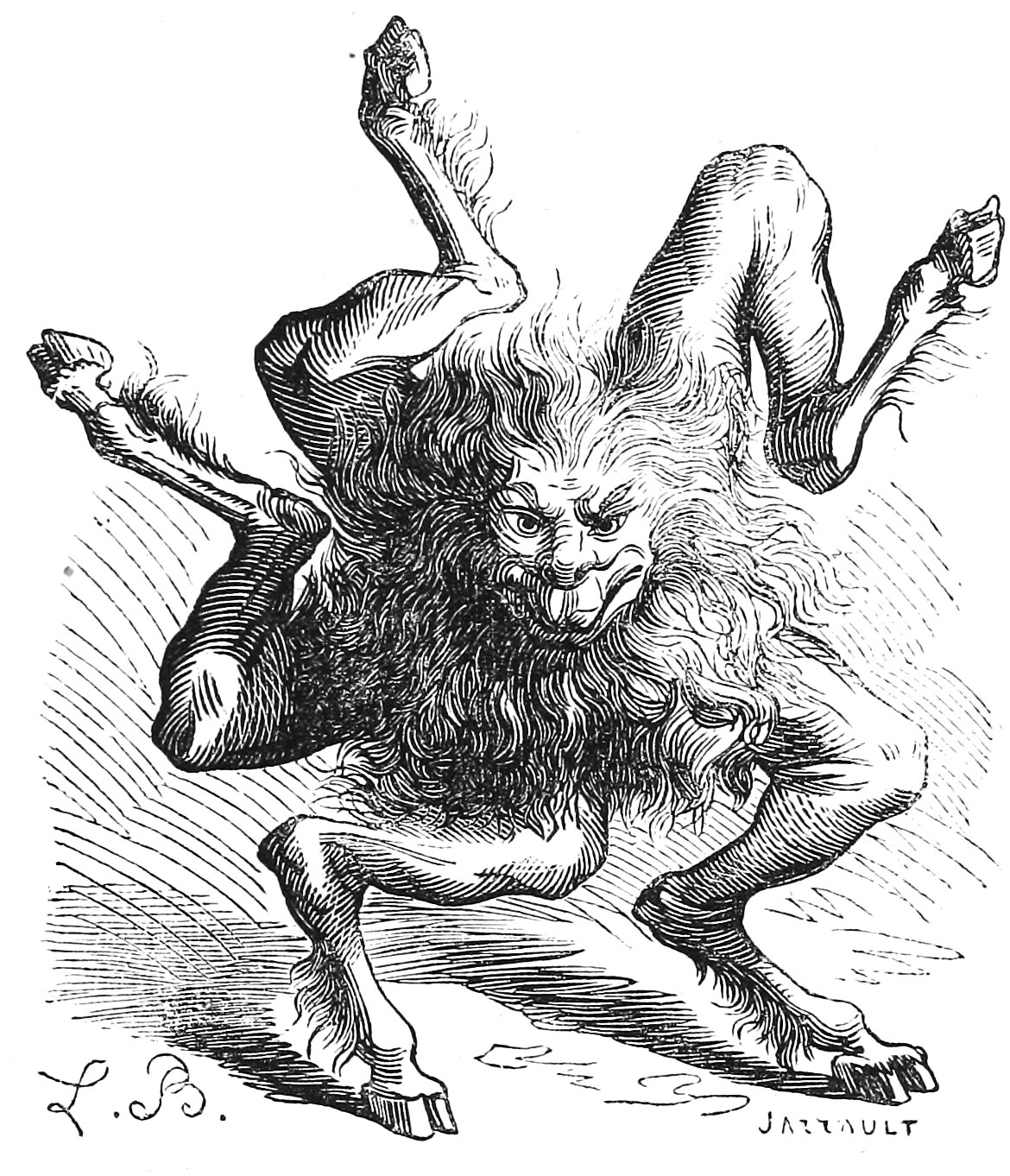
Buer —> The Tenth Spirit is Buer, a Great President. He appeareth in Sagittary, and that is his shape when the Sun is there. He teaches Philosophy, both Moral and Natural, and the Logic Art, and also the Virtues of all Herbs and Plants. He healeth all distempers in man, and giveth good Familiars. He governeth 50 Legions of Spirits, and his Character of obedience is this, which thou must wear when thou callest him forth unto appearance.
“So long as you write what you wish to write, that is all that matters; and whether it matters for ages or only for hours, nobody can say. But to sacrifice a hair of the head of your vision, a shade of its colour, in deference to some Headmaster with a silver pot in his hand or to some professor with a measuring-rod up his sleeve, is the most abject treachery.”
There’s a lot of bridges in the South with a ghost tale attached to them, and Stuckey’s Bridge is no exception.
The 157-year-old bridge runs over the Chunky River and is rumored to be haunted by a gang member named Stuckey who murdered and robbed travelers during the early nineteenth century in the area of where the bridge would eventually be built, reports The Meridian Star.
Stuckey was eventually caught, put on trial, found guilty and sentenced to death by hanging at the bridge he is now said to haunt.
Since then, folks have claimed to see the apparition of a man hanging from the bridge as well as heard unexplained splashing they claim is the sound of his body hitting the water.
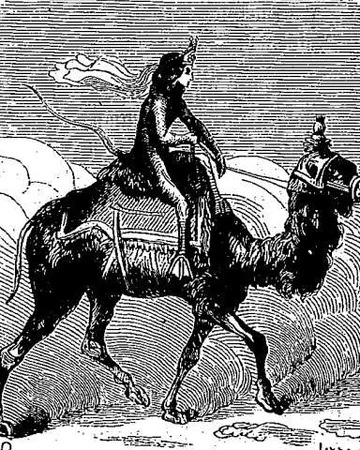
Paimon —> The Ninth Spirit in this Order is Paimon, a Great King, and very obedient unto Lucifer. He appeareth in the form of a Man sitting upon a Dromedary with a Crown most glorious upon his head. There goeth before him also an Host of Spirits, like Men with Trumpets and well sounding Cymbals, and all other sorts of Musical Instruments. He hath a great Voice, and roareth at his first coming, and his speech is such that the Magician cannot well understand unless he can compel him.
This Spirit can teach all Arts and Sciences, and other secret things. He can discover unto thee what the Earth is, and what holdeth it up in the Waters; and what Mind is, and where it is; or any other thing thou mayest desire to know. He giveth Dignity, and confirmeth the same. He bindeth or maketh any man subject unto the Magician if he so desire it. He giveth good Familiars, and such as can teach all Arts.
He is to be observed towards the West. He is of the Order of Dominations. He hath under him 200 Legions of Spirits, and part of them are of the Order of Angels, and the other part of Potentates. Now if thou callest this Spirit Paimon alone, thou must make him some offering; and there will attend him two Kings called Labal and Abalim, and also other Spirits who be of the Order of Potentates in his Host, and 25 Legions. And those Spirits which be subject unto them are not always with them unless the Magician do compel them. His Character is this which must be worn as a Lamen before thee.







 Mark Bere Peterson’s Counterculture, Urban Legends, Paganism & Witchcraft