Gift Giving Etiquette in Japan

Gift-giving is a major Japanese tradition. It’s not reserved for birthdays and other celebrations. Omiyage and temiyage are two prevalent types of gift-giving. Omiyage is the giving of souvenirs. I’m sure you’re thinking ‘but that’s just as common in the US and UK?’ Japanese tourists regularly buy souvenirs for friends, family and colleagues so there are souvenir shops everywhere in Japan. Unlike many souvenir stalls in the US and UK, they’re not just filled with junk, but thoughtful and eloquent gifts which are specific to the local area’s specialities and culture.

Temiyage are ‘thank-you’ gifts you take when you are visiting someone, such as a host family. While it’s not compulsory to bring such gifts, it’s always well appreciated, and it’s simply part of the culture. However, make sure you spend no more or less than ¥1000 and ¥5000 – it would be insulting to give a particularly cheap item, or to boast your wealth with something flashy! Keep it simple, the souvenir shops make it very easy!

5 quick tips on giving and accepting gifts in Japan:

  • When either giving or receiving a gift, you must give/take the item with both hands – it’s a sign of respect!
  • Modesty is a major part of Japanese culture and etiquette: you should humbly refuse the gift up to three times before accepting
  • It is rude to open a gift in front of a large group of people
  • It is also rude to give a gift to only one person in a large group
  • Exchanging gifts in a meeting should be left until the end. Otherwise, you appear to be rushing the meeting!

Traditional Japanese Home: Tatami Mats

The distinctive and pleasant smell of a Japanese room comes from the tatami. These rectangular padded straw-and-rush mats are used for flooring, providing a soft surface on which to sit on cushions and sleep on Japanese futons. Tatami come in an aspect ratio of 2 to 1 and have varying sizes depending on the region in which they are made: Tokyo tatami mats are smaller than those in Kyoto for example. They continue to be popular in modern Japanese homes, where one room or more may be covered in tatami, and room sizes are often still quoted in terms of the number of tatami mats that would cover the floor.

As mentioned Tatami mats are made from rush and cloth. The rush is woven in, and cloth is used to cover the woven ends. A traditional Japanese room, or washitsu (和室), always uses tatami as flooring. New tatami mats are green, but as they grow older, they yellow. Tatami mats are made to fit the room, not the other way round. So while there is a standard size, this is not the only option. There are 4 standard sizes; Kyouma (京間), Chuukyouma (中京間), Edoma (江戸間), and Danchima (団地間).

Kumamoto, Hiroshima, Okayama, Fukuoka, and Kouchi are famous for growing the rush, or igusa (イグサ) the mats are woven from. To make one tatami mat, 4000 to 7000 pieces of rush are used. Today, machines can complete the weaving process in about a hour and half.

There are two ways of placing tatami mats (see illustration above). Shyugi Shiki (祝儀敷き) is the most popular way done in normal households. The Tatami mats are placed in a way that the 4 corners of the Tatami don’t gather in one spot.

Fushyugi Shiki (不祝儀敷き) is used for unlucky events such as funerals. It is a custom in order to avoid the bad luck.

It is customary to remove your shoes in Japan when entering a room with hardwood flooring or tatami mats. Shoes are a big no-no for tatami mats, since they damage the woven rush.

In a tatami sitting room, there are certain ways to sit that are considered good manners, for example when guests are visiting. Cross-legged is considered more casual. Seiza (正座) is the most formal way to sit on tatami mats. You bend your legs and sit on them, with your feet crossed under your bottom.

Setsubun (節分)

Setsubun is a Japanese holiday which takes place the day before Spring in Japan (the next one will be the 2nd of Feburary 2021). On this holiday, the Japanese believe that the spirit world is closest to our world. One activity during the holiday is called mamemaki, this is where the children are given the opportunity to scare the demons out of their house. During mamemaki, a parent will put on an oni mask to represent the demons and they scare their children. The children then fend off the demons by throwing soy beans (mame)! This is still a popular Japanese tradition in the household, but many people attend a shrine or temple where mamemaki takes place as part of their spring festival.

As mentioned the name Setsubun literally means ‘seasonal division’, but usually the term refers to the spring Setsubun, properly called Risshun (立春) celebrated yearly on February 2nd as part of the Spring Festival (春祭, haru matsuri). In its association with the Lunar New Year, spring Setsubun can be and was previously thought of as a sort of New Year’s Eve, and so was accompanied by a special ritual to cleanse away all the evil of the former year and drive away disease-bringing evil spirits for the year to come. This special ritual is called mamemaki (豆撒き, “bean scattering”). Setsubun has its origins in tsuina (追儺), a Chinese custom introduced to Japan in the eighth century.

Around the 13th century it became a custom to drive away evil spirits by the strong smell of burning dried sardine heads, the smoke of burning wood and the noise of drums. While this custom is not popular anymore, a few people still decorate their house entrances with fish heads and holly tree leaves in order to deter evil spirits from entering.

In modern days, the most commonly performed setsubun ritual is the throwing of roasted beans around one’s house and at temples and shrines across the country. When throwing the beans, you are supposed to shout “Oni wa soto! Fuku wa uchi!” (“Devils out, happiness in”). Afterwards you should pick up and eat the number of beans, which corresponds to your age.

Another widespread custom is the eating of Eho-maki (fortune rolls) which are futo-maki (thick sushi rolls) eaten on the night of Setsubun. Eho-maki is the staple of Setsubun joy and is a tradition that is said to have long been handed down mainly in the Kansai area. In recent years, this sushi roll is popular not just in Kansai but throughout all of Japan and the number of people making their own ehomaki from their favorite recipes is increasing. One is supposed to eat the roll without talking, while facing the lucky direction of the year.

As all traditional festivals, setsubun is celebrated in many variations throughout the country.

Dondo Yaki (どんど焼き)

In Japan, it’s considered unlucky to keep lucky items for more than a year. Instead of putting items in the bin, the lucky objects are traditionally burned and this is known as Dondo Yaki. Things that should be burned include omamori and items with that year’s zodiac sign. 2020’s zodiac sign is the mouse. Dondo Yaki takes place in January, so if you’re still hanging onto last year’s lucky charm, it may be time for a bonfire and to purchase a new one.

Wishing for good health and success in business in the new year with a bonfire flaming up, smoke soaring up high into the sky, and the sound of bamboo cracking. “Dondo-Yaki” is a traditional event in Japan. People build a tower with green bamboo, Japanese cedar, straw and reeds in an open area such as the grounds of a temple, a riverbed, rice field or other crop field and burn New Year decorations and Kakizome (the first calligraphy writing done at the beginning of the New Year) together with it. There is also a custom where good-luck charms, talismans and other lucky charms from last year are burned in thanks for the good luck they brought in the past year.

Paroxetine (Oral Route)

US Brand Name

1. Brisdelle

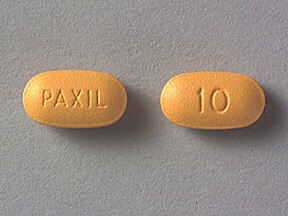
2. Paxil

3. Paxil CR

4. Pexeva

Descriptions

Paroxetine is used to treat depression, obsessive-compulsive disorder (OCD), panic disorder, generalized anxiety disorder (GAD), social anxiety disorder (also known as social phobia), premenstrual dysphoric disorder (PMDD), and posttraumatic stress disorder (PTSD). Brisdelle™ is used only to treat moderate to severe hot flashes caused by menopause.

Paroxetine belongs to a group of medicines known as selective serotonin reuptake inhibitors (SSRIs). These medicines are thought to work by increasing the activity of the chemical called serotonin in the brain.

This medicine is available only with your doctor’s prescription.

This product is available in the following dosage forms:

• Tablet

• Capsule

• Suspension

• Tablet, Extended Release

Along with its needed effects, a medicine may cause some unwanted effects. Although not all of these side effects may occur, if they do occur they may need medical attention.

Check with your doctor immediately if any of the following side effects occur:

Less common

• Agitation

• chest congestion

• chest pain

• chills

• cold sweats

• confusion

• difficulty with breathing

• dizziness, faintness, or lightheadedness when getting up from a lying or sitting position

• fast, pounding, or irregular heartbeat or pulse

• muscle pain or weakness

• skin rash

Rare

• Absence of or decrease in body movements

• bigger, dilated, or enlarged pupils (black part of the eye)

• convulsions (seizures)

• difficulty with speaking

• dry mouth

• fever

• inability to move the eyes

• incomplete, sudden, or unusual body or facial movements

• increased sensitivity of the eyes to light

• poor coordination

• red or purple patches on the skin

• restlessness

• shivering

• sweating

• talking, feeling, and acting with excitement and activity you cannot control

• trembling or shaking, or twitching

Incidence not known

• Back, leg, or stomach pains

• blindness

• blistering, peeling, or loosening of the skin

• blue-yellow color blindness

• blurred vision

• constipation

• cough or hoarseness

• dark urine

• decreased frequency or amount of urine

• decreased vision

• difficulty with swallowing

• electric shock sensations

• eye pain

• fainting

• general body swelling

• headache

• high fever

• hives or itching skin

• inability to move the arms and legs

• inability to sit still

• increased thirst

• incremental or ratchet-like movement of the muscle

• joint pain

• light-colored stools

• lockjaw

• loss of appetite

• loss of bladder control

• lower back or side pain

• muscle spasm, especially of the neck and back

• muscle tension or tightness

• painful or difficult urination

• painful or prolonged erection of the penis

• pale skin

• puffiness or swelling of the eyelids or around the eyes, face, lips, or tongue

• raised red swellings on the skin, the buttocks, legs, or ankles

• red, irritated eyes

• sensitivity to the sun

• skin redness or soreness

• slow heart rate

• sores, ulcers, or white spots on the lips or in the mouth

• spasms of the throat

• stiff muscles

• stomach pain

• sudden numbness and weakness in the arms and legs

• swelling of the breasts

• swelling of the face, fingers, or lower legs

• swollen or painful glands

• tightness in the chest

• unexpected or excess milk flow from the breasts

• unusual bleeding or bruising

• unusual tiredness or weakness

• vomiting

• weight gain

• yellowing of the eyes or skin

Some side effects may occur that usually do not need medical attention. These side effects may go away during treatment as your body adjusts to the medicine. Also, your health care professional may be able to tell you about ways to prevent or reduce some of these side effects. Check with your health care professional if any of the following side effects continue or are bothersome or if you have any questions about them:

More common

• Acid or sour stomach

• belching

• decreased appetite

• decreased sexual ability or desire

• heartburn

• pain or tenderness around the eyes and cheekbones

• passing gas

• problems with urinating

• runny or stuffy nose

• sexual problems, especially ejaculatory disturbances

• sleepiness or unusual drowsiness

• stomach discomfort or upset

• trouble sleeping

Less common

• Abnormal dreams

• change in sense of taste

• congestion

• discouragement, feeling sad, or empty

• drugged feeling

• fast or irregular breathing

• feeling of unreality

• headache, severe and throbbing

• increased appetite

• itching of the vagina or genital area

• itching, pain, redness, or swelling of the eye or eyelid

• lack of emotion

• loss of interest or pleasure

• lump in the throat

• menstrual changes

• pain during sexual intercourse

• problems with memory

• sense of detachment from self or body

• sneezing

• thick, white vaginal discharge with no odor or with a mild odor

• tightness in the throat

• tingling, burning, or prickling sensations

• trouble concentrating

• voice changes

• watering of the eyes

• weight loss

• yawn

“School” Vocabulary

The challenges and difficulties of learning a new language are many and with Japanese even more so with its three separate sets of characters (hiragana, katakana and kanji), but I find it absolutely fascinating and look forward to my study time each day. This was one of my early vocabulary lists when I first started studying Japanese:

人 【ひと】 – person
アメリカ人 【アメリカ・じん】 – American (person)
フランス人 【フランス・じん】 – French (person)
日本 【に・ほん】 – Japan
本 【ほん】 – book
学生 【がく・せい】 – student
先生 【せん・せい】 – teacher
高い 【たか・い】 – tall; expensive
学校 【がっ・こう】 – school
高校 【こう・こう】 – high school
小さい 【ちい・さい】 – small
大きい 【おお・きい】 – big
小学校 【しょう・がっ・こう】 – elementary school
中学校 【ちゅう・がっ・こう】 – middle school
大学 【だい・がく】 – college; university
中学生 【ちゅう・がく・せい】 – middle school student
大学生 【だい・がく・せい】 – college; university student
国 【くに】 – country
中国 【ちゅう・ごく】 – China
中国人 【ちゅう・ごく・じん】 – Chinese (person)
日本語 【に・ほん・ご】 – Japanese language
中国語 【ちゅう・ごく・ご】 – Chinese language
英語 【えい・ご】 – English
フランス語 【フランス・ご】 – French
スペイン語 【スペイン・ご】 – Spanish
大学生 【だい・がく・せい】 – college student
社会人 【しゃ・かい・じん】 – working adult
中国 【ちゅう・ごく】 – China
韓国 【かん・こく】 – South Korea
カナダ – Canada
イギリス – England
オーストラリア – Australia
フランス – France
スペイン – Spain
ブラジル – Brazil
メキシコ – Mexico

Kanji: An Introduction

The most notorious aspect of the Japanese written language is Kanji, which are Chinese characters adapted for Japanese. Most words in Japanese are written in Kanji even though they are still pronounced with the Japanese phonetic sounds represented by Hiragana and Katakana which I explained in earlier posts.

Stroke Order:

When beginning to learn Kanji, it is paramount to learn it with the proper stroke order and direction from the beginning in order to avoid developing bad habits. Many Japanese learners think that stroke order doesn’t matter as long as the end product looks the same. They are misguided. What they don’t realize is that there are thousands of characters and they are not always meticulously written the way they appear in print. Proper stroke order helps ensure the characters look recognizable even when you write them quickly.

The simplest characters called radicals are often reused as components in larger characters. Once you learn the radical stroke order and get accustomed to the patterns, you will find that it’s not difficult to figure out the correct stroke order for most Kanji. A few radicals are displayed below and hopefully illustrate learning radicals stroke order and use in more complex, but related words.

A general rule is that strokes usually start from the top-left corner toward the bottom-right. This means that horizontal strokes are generally written from left to right and vertical strokes are written from top to bottom. If you’re ever not sure about the stroke order, you should always verify by looking the character up in a Kanji dictionary.

Vocabulary:

There are about 2,000 characters used in modern Japanese so memorizing them one-by-one as you might for such as when learning Hiragana and Katakana isn’t feasible for most of us.

An effective strategy is learning them with new vocabulary within a broader context. In this way we can associate contextual information with the character in order to reinforce memory. Remember that Kanji, ultimately, is used to represent actual words. So it is important to focus not so much on the characters themselves but the words and vocabulary that include those characters.

Kanji Readings:

The sample Kanji we will learn is “人” which is the character for ‘person.’ It is a simple two-stroke character where each stroke starts at the top. You may have noticed that the character as rendered by the font is not always the same as the hand-written which is another important reason to check the stroke order.

Definition: person

Kun-yomi: ひと

On-yomi: ジン

Kanji in Japanese can have one or several readings. The reading for Kanji is split into two major categories called kun-yomi and on-yomi. Kun-yomi is the Japanese reading of the character while on-yomi is based on the original Chinese pronunciation.

Generally, Kun-yomi is used for words that only use one character. The actual word for “person” is one example. Kun-yomi is also used for native Japanese words including most adjectives and verbs.

On-yomi, on the other hand, is mostly used for words that originate from Chinese, which often use 2 or more Kanji. For that reason, on-yomi is often written in Katakana.

While most characters will not have multiple kun-yomi or on-yomi, the more common characters such as “人” will generally have a lot more readings. Learning a reading without context within vocabulary will only create confusion!

Katakana: Voiced Consonants and Other Sounds

Though I covered in an earlier post all the distinct characters in Katakana there are still a few additional variations and sounds that still remain.

Voiced Consonants

Voiced consonants are consonant sounds that require creating a vibration in your throat. A number of consonant sounds in Katakana can be changed to their voiced counterpart by adding two small dashes to the upper-right corner of the character; namely the “k”, “s”, “t”, and “h” consonant sounds. There is also a semi-voiced consonant sound “p”, which is created by putting a small circle in the upper-right corner of the “h” characters.

Y-vowel sounds

A consonant can precede the three y-sounds: (ャ), (ュ ) or (ョ). This is done by attaching a small, half-size version of the y-sounds to the consonant+i sounds as you can see in the table below.

Hard Consonant Sounds

While no single letter ends in a consonant sound except (ん), Japanese does have a way to carry over the next consonant sound back with a small (つ). This can be used with the consonants “p, k, t, s” to create a hard stop.

The Long Vowel Sound

Long vowel sounds in Katakana are much easier. You simply need to use a dash: 「ー」.

• ツアー (tsu-a) —> tour

• メール (me-ru) —> email

• ケーキ (ke-ki) —> cake

Additional Katakana Sounds

(ふ) is the only sound that is pronounced with a “f” sound, for example:

ふとん —> futon

ふじ —> Fuji

That’s fine in Japanese because there are no words with other “f” sounds. It’s a problem when converting foreign words such as “fork” into Katakana. This problem was solved by using small vowel sounds. For example, the small (ォ) can be attached to (フ) to create (フォ)

“Fork” becomes (フォーク).

There are other gaps that are filled with this technique. The “v” sounds are also expressed by putting two dashes to the vowel sounds. However, “v” sounds are rarely used due to the difficulty native Japanese speakers have in pronouncing them.

The following table shows the gaps that were filled using these techniques for Katakana.

Some example words in katakana:

Katakana: An Introduction

Katakana represents the same phonetic sounds as hiragana except all the symbols are different.

In modern Japanese, katakana is most often used for transcription of words from foreign languages (other than words historically imported from Chinese).

Due to the straight lines and relatively few strokes, there are many characters in Katakana that look very similar.

A simplified chart without stroke order is shown below:

Here are a few samples of foreign words using katakana:

アメリカ –> America

ロシア –> Russia

バス –> Bus

バイク –> Motorcycle

フライドポテト –> French Fries (technically “fried potatoes”)

Practice writing the katakana characters to help commit them to memory. You can do this on a blank sheet of paper or here are some easy practice sheets you can print out below.  Make sure you practice the proper stroke order.  It will be helpful to get in the practice before moving on to the more complex Kanji.

Practice Sheets: http://japanese-lesson.com/characters/katakana/katakana_writing.html