As a modernist movement, Expressionism originated in Germanyduring the 1920s art period. Initially as a style in both poetry and painting, it emphasized the presentation of the world, both external and internal, solely through a subjective perspective. This emotionally charged period meant a boost for the artistic cinema, marked by the 1920. film masterpiece by Robert Wiene, “The Cabinet of Dr. Caligari”. Radically distorting its images for the emotional effect, passions and moods were more important than the physical reality. Partly as a response to the growing social anxiety and the idea of the loss of spirituality, and partly as a reaction to Impressionist art, Expressionism was mostly inspired by the Symbolism movement of the late 19th-century, but also by modern currents and progress of the era. Some of its most famous painters include Edvard Munch, Wassily Kandinsky, Erich Heckel and Franz Marc. These artists introduced the new standards for art which later gave birth to Abstract Expressionism and the Neo-Expressionism art movement.
If there was a single work that could give TS Eliot cause to question his own talents, it was Ulysses. Published a mere week after he put out The Waste Land, Eliot – like everyone else who read it – was sledgehammered by its genius. ‘Ulysses,’ Eliot would tell Virginia Woolf, ‘destroyed the whole of the 19th century. It left Joyce himself with nothing to write another book on. It showed up the futility of all the English styles.’
Banned, burned and bowdlerised, the sprawling novel shattered convention in its style, substance and sexual explicitness. Considered by some a full-frontal assault on literary tradition, it follows ad salesman Leopold Bloom as he wanders about Dublin across a single day. Warm and witty, wacky and wise, it is a uniquely intimate exploration of what it means to be a human – and is as influential today as in 1922, when Eliot said it had ‘the importance of a scientific discovery.’
September 2013, Bukowski.net published all 113 pages of Charles Bukowski’s F.B.I. file. Bewildered by the U.S. postal worker’s “Notes of a Dirty Old Man” column in Open City, the bureau had begun following Bukowski, gathering as much information as they could to prove the writer’s self-proclaimed title as a “Dirty Old Man.” But besides arrests for public intoxication and a wedding in Vegas, most of what the feds dug up wasn’t so scandalous. The word from Bukowski’s neighbors was that he was “an excellent tenant” who kept to himself and didn’t have many visitors.
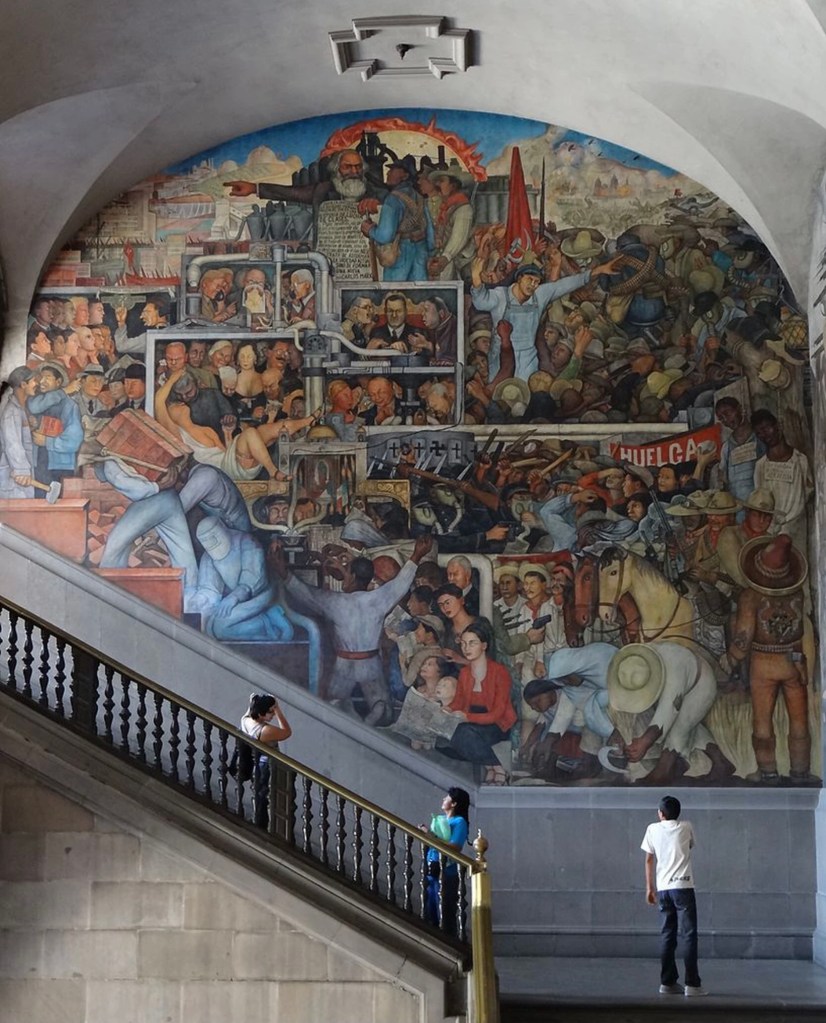
I’m including Diego Rivera’s famous mural since it was begun in the twenties, although most of it wasn’t completed until the mid-thirties.
Funded by the Mexican government, Diego Rivera’s mural took six years to complete, and can be found in the stairwell of The National Palace (Palacio Nacional) in Mexico City. Diego presented a narrative to the public which sympathetically portrayed Indians as the oppressed minority, brutalised by the Spaniards. Comprised of four sections, the largest mural pieces stand at 70 metres (229.7 feet) by 9 metres (29.5 feet).
The North Wall is dedicated to a representation of Aztec culture, incorporating a symbolic sun (the centre of Aztec religion) with a pyramid and an Aztec leader underneath it. The West Wall depicts the history of warfare, with Cortes and the Spanish armies defeating the opposing forces of the Indians and Aztecs. The South Wall represents all that Rivera loved and was inspired by, from the Red communist flag to socialist Karl Marx and artist and wife Frida Kahlo alongside her sister Cristina (Diego’s one-time lover). School children are represented in the section, symbolising peace, unity and future progress in society.
Originating in Europe, Art Deco was a dominant style in design and architecture of the 1920s. As such it quickly spread to Western Europe and North America. But, what is truly defined as the art deco period and how influential was the art deco decorative style? In the United States, New York City’s Chrysler Building typified the Art Deco style while other examples could be found in Chicago, Los Angeles, and San Francisco. Regarding the two-dimensional production, the art deco artistsdisplayed an interest towards the mixture of traditional crafts with machine age imagery and materials. One of the most famous artists of the 1920s art deco period was definitely Tamara de Lempicka, with her portraits of the bourgeoisie and the progress of the era.
Characterized by rich colors, lavish ornamentation, and geometric shapes, the movement was celebrated for its pattern designs and poster art. In such examples evident is the dominant rectilinear designs even though art deco artists often drew inspiration from nature and used curved lines as well.
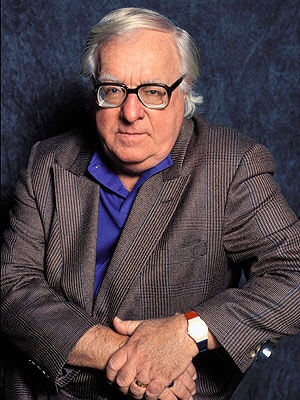
Not only does the F.B.I. accidentally refer to Ray Bradbury as “Roy” for the first five pages of his file, but they spend 40 pages investigating his potential trip to Cuba. The F.B.I. suspected Bradbury had attended the Cultural Congress of Havana five years after President Kennedy’s ban on travel to the embargoed nation. The file notes that Bradbury told the F.B.I. he did “not possess informant potential, in view of his occupation as a freelance science fiction writer.” However, the F.B.I. continued to view him as a threat, noting his significant influence as a writer and as a guest of a Women’s Legislative Action event in 1968. In true F.B.I. fashion, there’s also a thorough biography of Bradbury that goes as far as to trace his ancestors back to their arrival in Salisbury, Massachusetts in 1630.
The investigation was eventually closed after the bureau examined Bradbury’s passport file and found that he had never applied to travel to Cuba — let alone actually travelling to Cuba. The F.B.I. also recognized that Bradbury had been “extremely successful in the writing field.”
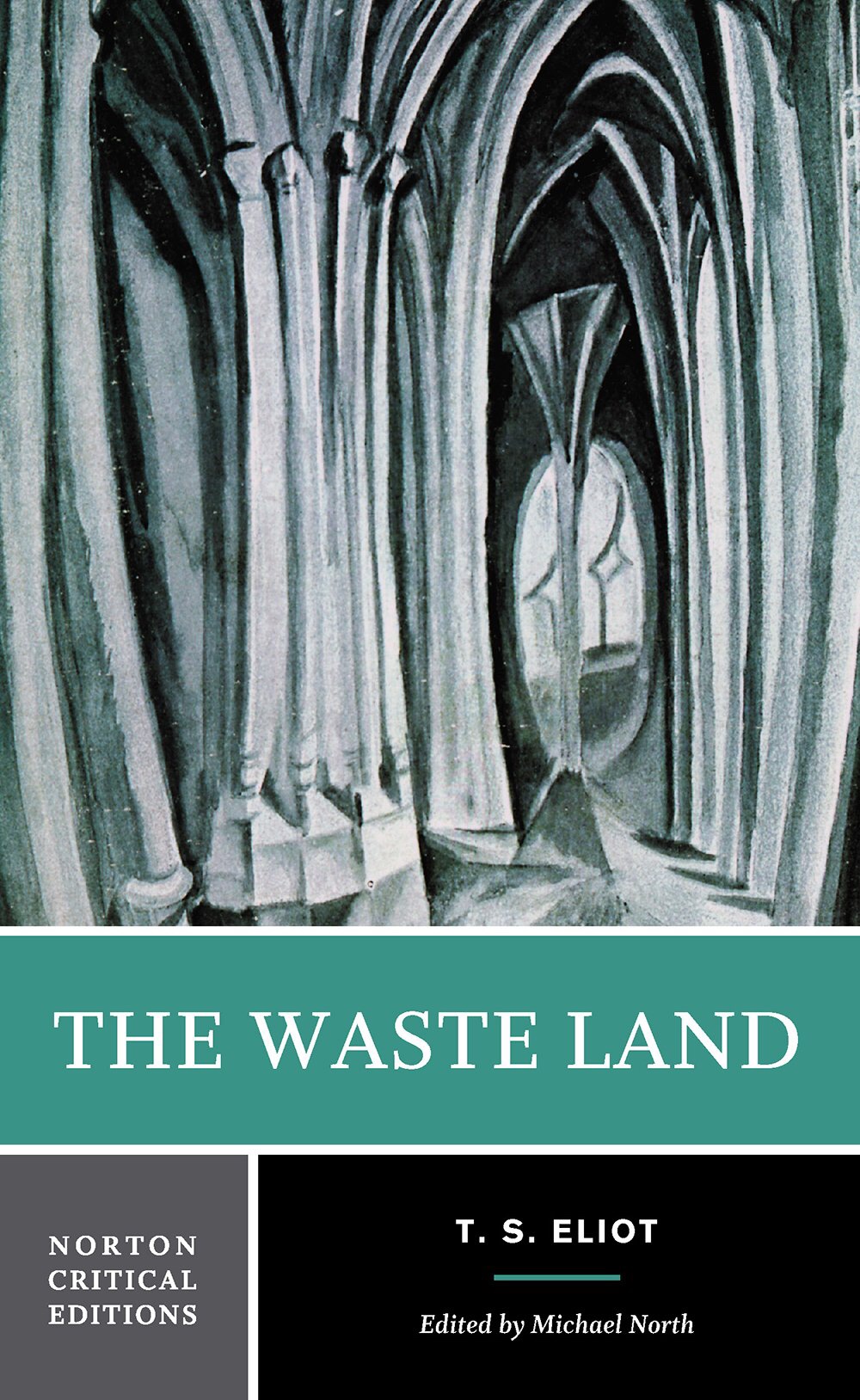
‘Complimenti, you bitch,’ wrote Ezra Pound to Eliot in 1922 upon reading a near-final draft of his friend’s latest work, which Pound had edited. ‘I am wracked by the seven jealousies.’ Pound – no slouch in the poetry department himself – knew not only that Eliot had just given the emerging Modernist literature movement its standard bearer, but that he had just read what would surely become known as one of the greatest poems of the 20th century. Sure enough, it did.
The masterpiece – about the devastating aftermath of the First World War – defied convention as it weaved different voices, to explore themes of trauma, disillusion, and death, wrapped in the barbed wire of Eliot’s electrifying intellect. With The Waste Land, he lay waste to old notions of poetry’s role as an art form, and changed the way it was written forever.
“I shall dance all my life. . . . would like to die, breathless, spent, at the end of a dance.” ~ Josephine Baker, 1927
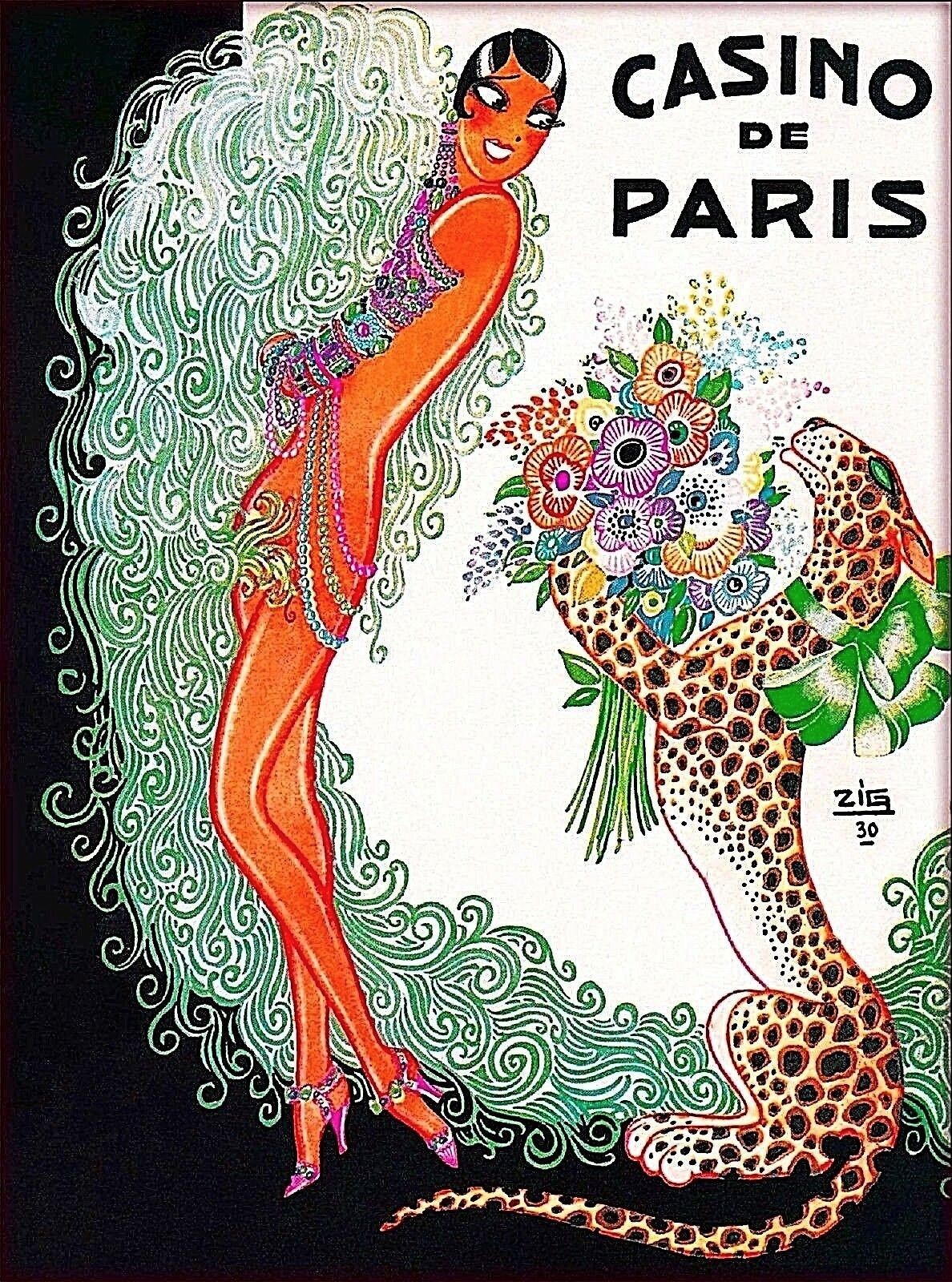
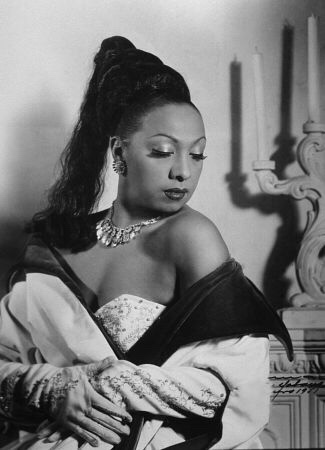
An international star of the Jazz Age, known for her daring dances, exotic costumes, and menagerie of pets, Josephine Baker was born into poverty in St. Louis in 1906. A natural comedian with dreams of performing on stage, she talked her way into her first dance role as a determined young teen and then jumped at the opportunity to travel with a vaudeville troupe. It didn’t take long for her natural talent to shine on stage, and she made her mark as “the funny one.” Josephine exploited her dancing and performance skills, doggedly pursuing her dream of becoming a respected star. By the time she was 19, Josephine was performing in Paris, and a whole new world opened up. In a few short years she had propelled herself from a St. Louis girl with a dream to a full-fledged Parisian sensation.
Outside being a famous entertainer her sense of commitment to fighting racism and injustice grew and matured as she traveled around the world, leading her to become an outspoken participant in the US Civil Rights Movement, conduct important espionage work for the French Resistance during World War II, and adopt her “rainbow tribe”— 12 children, each from a different nationality, ethnicity, or religious group—in an effort to prove racial harmony was possible.
Place Joséphine Baker in Paris.
Baker was celebrated by artists and intellectuals of the era, who variously dubbed her the “Black Venus”, the “Black Pearl”, the “Bronze Venus”, and the “Creole Goddess”. Born in St. Louis, Missouri, she renounced her U.S. citizenship and became a French national after her marriage to French industrialist Jean Lion in 1937. She raised her children in France.
n Paris, she became an instant success for her erotic dancing, and for appearing practically nude onstage. After a successful tour of Europe, she broke her contract and returned to France in 1926 to star at the Folies Bergère, setting the standard for her future acts.
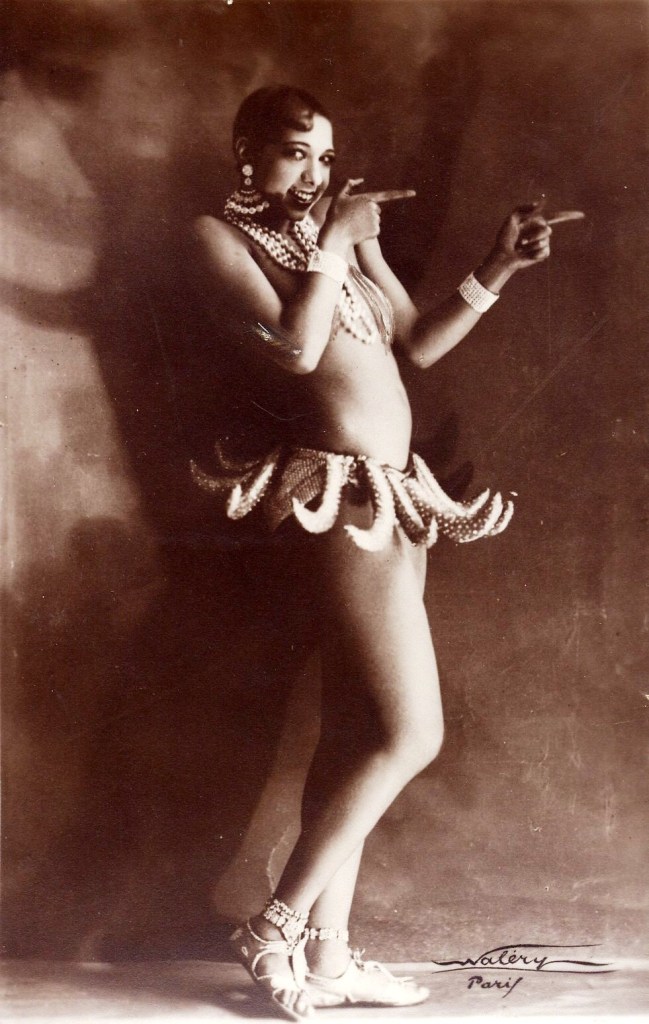
Her most infamous dancing costume. A costume consisting of a skirt made of a string of artificial bananas and Pearl necklaces.
Baker performed the “Danse Sauvage” wearing a costume consisting of a skirt made of a string of artificial bananas. Her success coincided (1925) with the Exposition des Arts Décoratifs, which gave birth to the term “Art Deco”, and also with a renewal of interest in non-Western forms of art, including African. Baker represented one aspect of this fashion. In later shows in Paris, she was often accompanied on stage by her pet cheetah “Chiquita,” who was adorned with a diamond collar. The cheetah frequently escaped into the orchestra pit, where it terrorized the musicians, adding another element of excitement to the show.
She aided the French Resistance during World War II. After the war, she was awarded the Resistance Medal by the French Committee of National Liberation, the Croix de Guerre by the French military, and was named a Chevalier of the Légion d’honneur by General Charles de Gaulle. Baker sang: “I have two loves, my country and Paris.”
Baker refused to perform for segregated audiences in the United States and is noted for her contributions to the civil rights movement. In 1968, she was offered unofficial leadership in the movement in the United States by Coretta Scott King, following Martin Luther King Jr.‘s assassination. After thinking it over, Baker declined the offer out of concern for the welfare of her children.
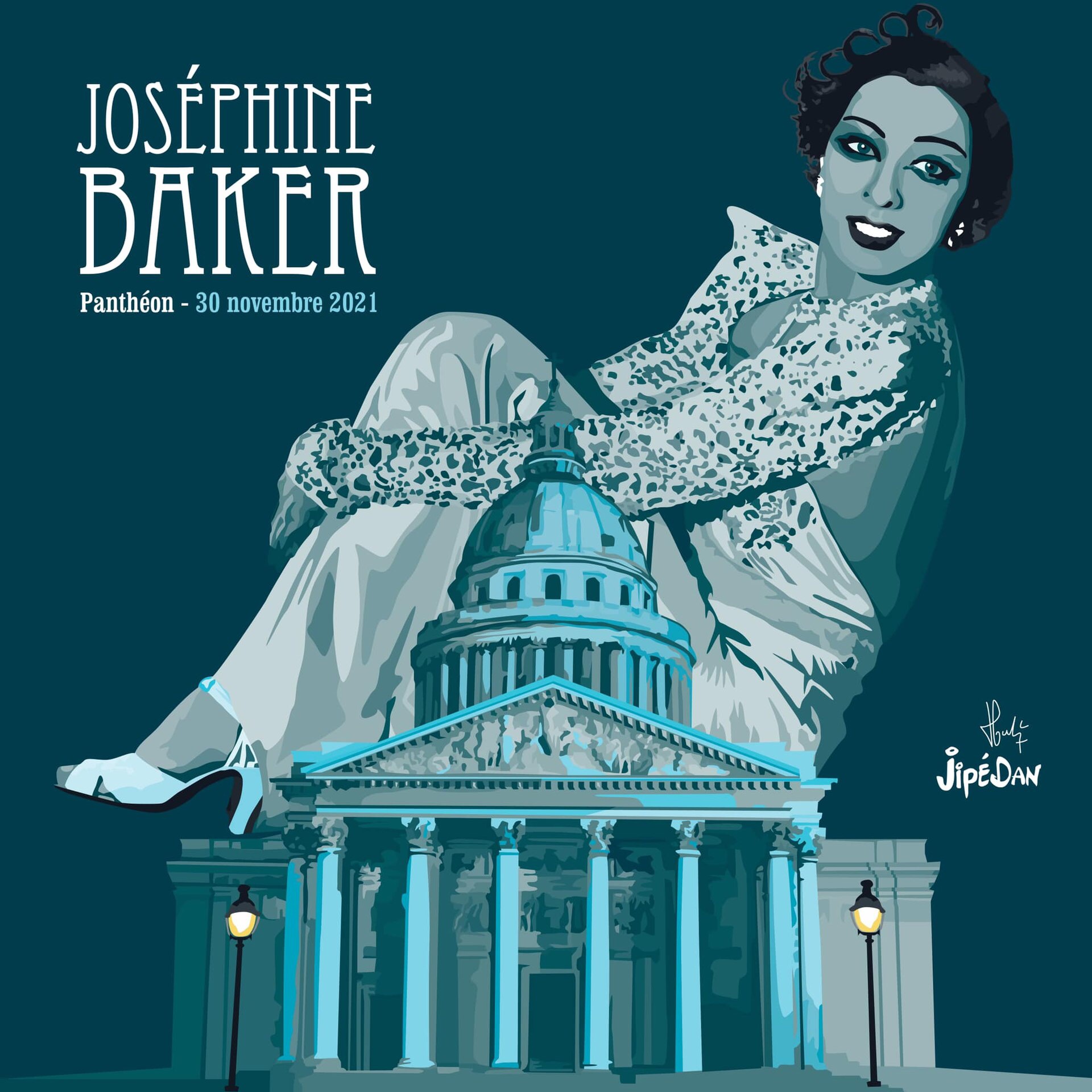
On 30 November 2021, she entered the Pantheon in Paris, the first black woman to receive one of the highest honors in France. As her resting place is to remain in Monaco a cenotaph will be installed in vault 13 of the crypt in the Panthéon
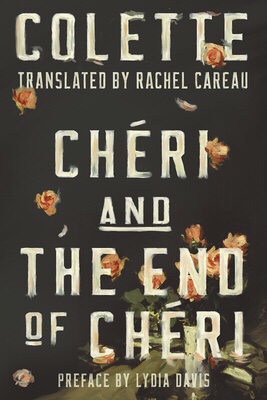
Colette (full name: Sidonie-Gabrielle Colette) was the ultimate literary renegade who both outraged and intoxicated turn-of-the-century Paris with her technicoloured personal life. She was an author, a poet, a memoirist, a feminist icon and a prolific journalist who trapezed between all manner of subjects from trench warfare to domestic abuse, fashion to faking orgasms.
But her novels are what have best withstood the tests of time, and Cheri was her masterpiece about a beautiful ageing courtesan’s affair with a gorgeous but selfish much-younger man. In a review in 1929, TIME magazine described her style as ‘distinguished for presenting the human side of animals, the animal side of humans.’ It is a sumptuous tale of repression, scandal, sex and desire that rattled Parisian society by the bed boards, not least because it was one of the first novels of its kind to celebrate female sexuality as it ages.
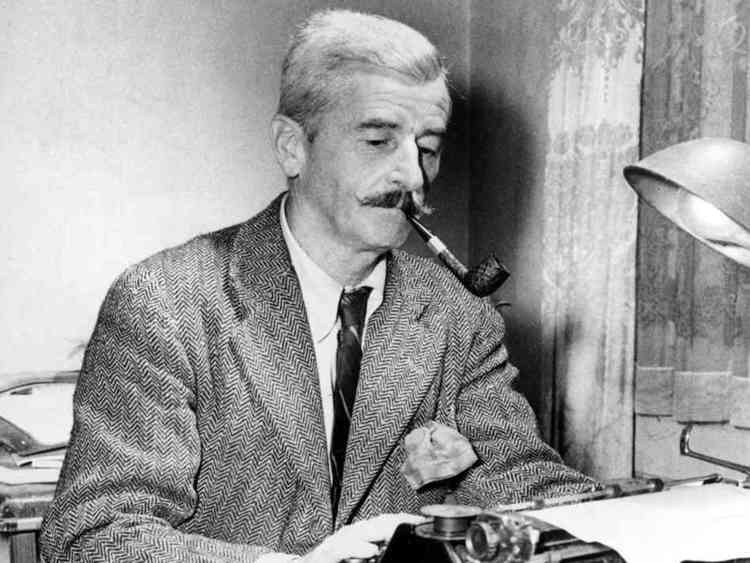
The F.B.I. has an entire file based on several strange phone call received by William Faulkner’s wife Estelle in 1956 and 1957 regarding her husband. One of the callers identified himself as A.B. Stein, claiming that he had information regarding Estelle’s husband and a Jean Stein that could be had for $500. (William was known for having extramarital affairs, and Jean Stein may have been no exception.)
William Faulkner told the F.B.I. that he had a hunch it may have been a young writer whom he had offended in the past and claimed that he and Jean Stein were just close friends with “mutual interest in radio, television and literary matters.”












 Mark Bere Peterson’s Counterculture, Urban Legends, Paganism & Witchcraft