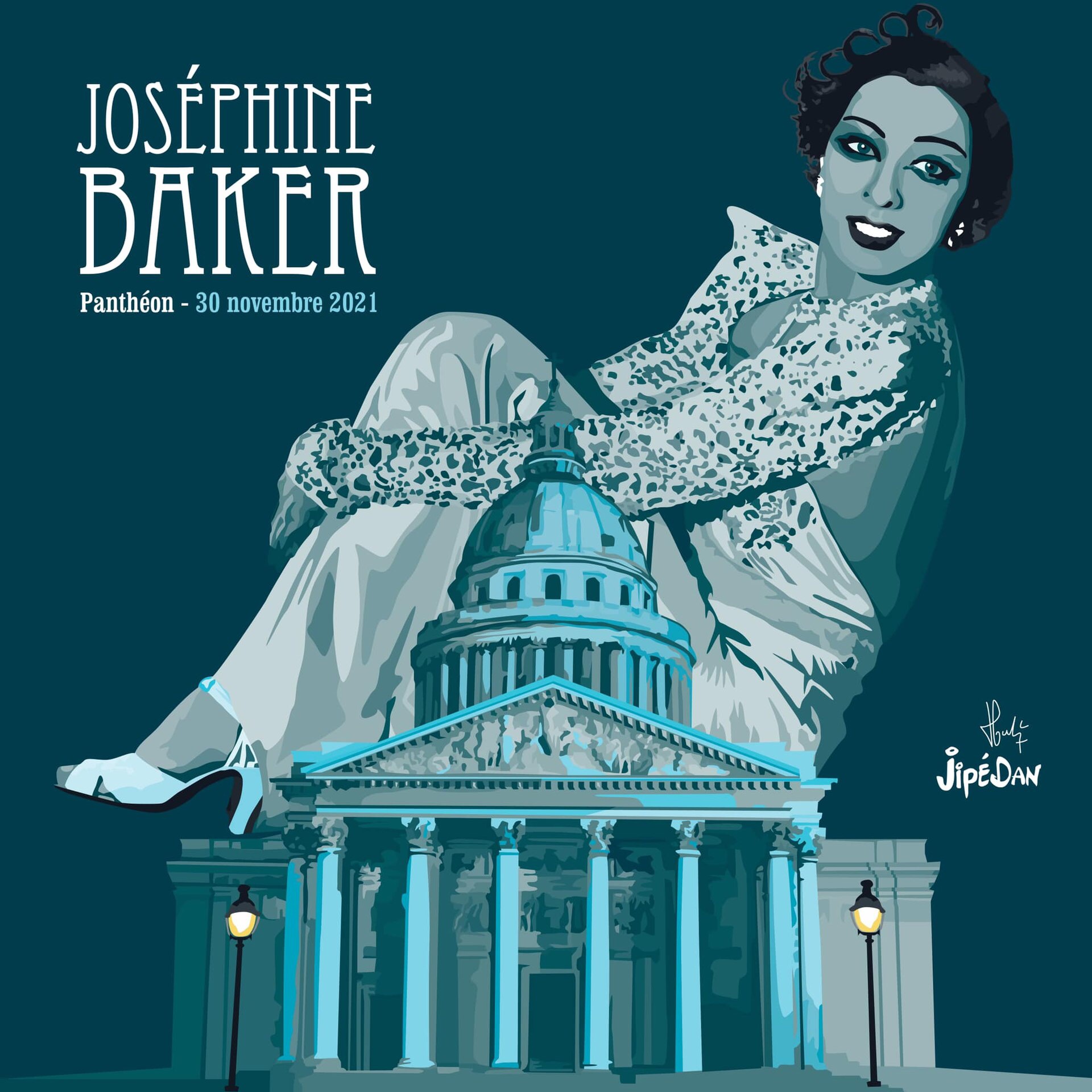
Josephine Baker: American Born – French Entertainer

“I shall dance all my life. . . . would like to die, breathless,
spent, at the end of a dance.”

~ Josephine Baker, 1927

An international star of the Jazz Age, known for her daring dances, exotic costumes, and menagerie of pets, Josephine Baker was born into poverty in St. Louis in 1906. A natural comedian with dreams of performing on stage, she talked her way into her first dance role as a determined young teen and then jumped at the opportunity to travel with a vaudeville troupe. It didn’t take long for her natural talent to shine on stage, and she made her mark as “the funny one.” Josephine exploited her dancing and performance skills, doggedly pursuing her dream of becoming a respected star. By the time she was 19, Josephine was performing in Paris, and a whole new world opened up. In a few short years she had propelled herself from a St. Louis girl with a dream to a full-fledged Parisian sensation.
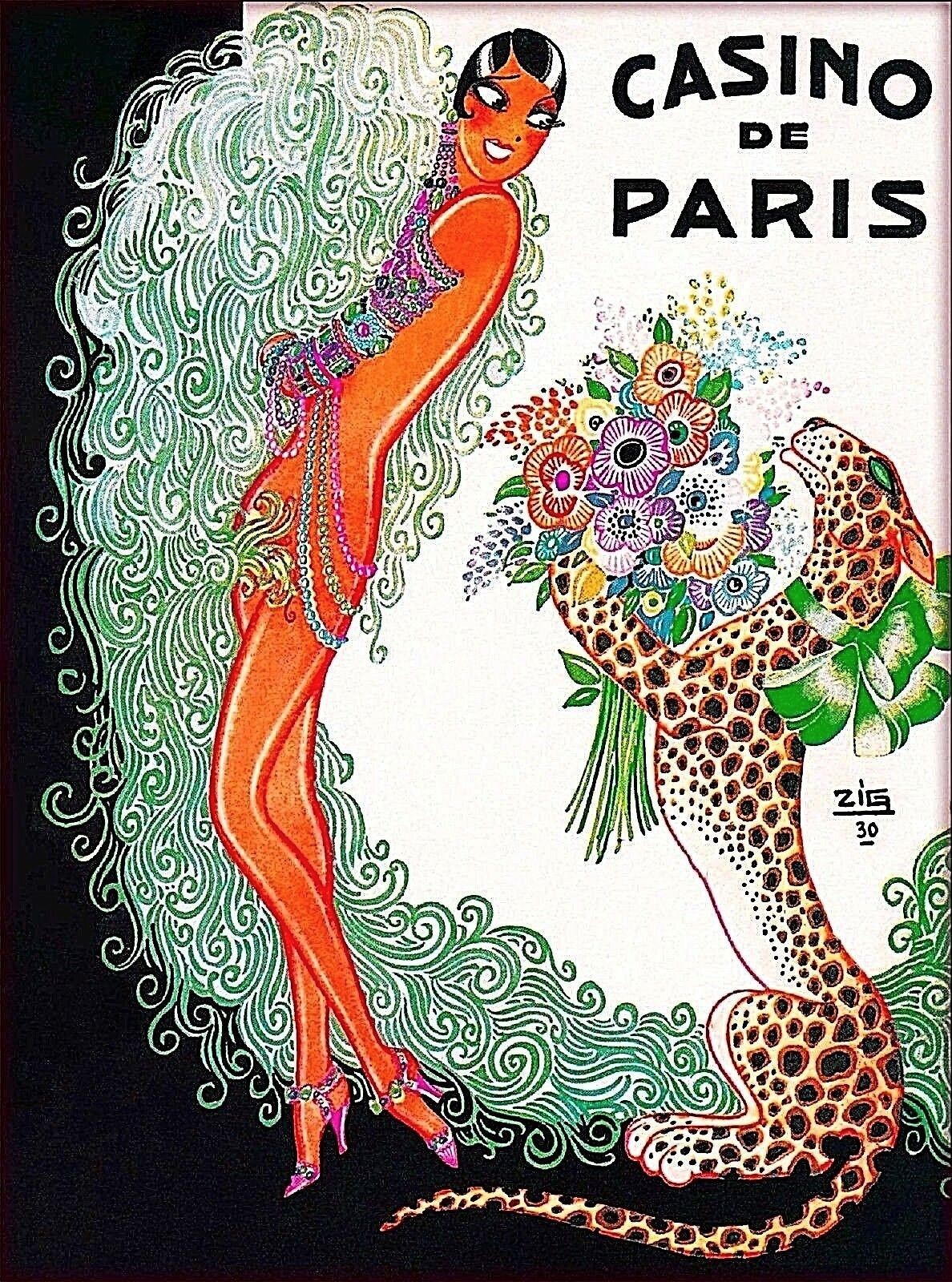
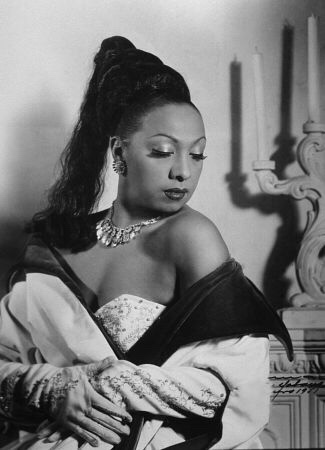
Outside being a famous entertainer her sense of commitment to fighting racism and injustice grew and matured as she traveled around the world, leading her to become an outspoken participant in the US Civil Rights Movement, conduct important espionage work for the French Resistance during World War II, and adopt her “rainbow tribe”— 12 children, each from a different nationality, ethnicity, or religious group—in an effort to prove racial harmony was possible.

Place Joséphine Baker in Paris.

Baker was celebrated by artists and intellectuals of the era, who variously dubbed her the “Black Venus”, the “Black Pearl”, the “Bronze Venus”, and the “Creole Goddess”. Born in St. Louis, Missouri, she renounced her U.S. citizenship and became a French national after her marriage to French industrialist Jean Lion in 1937. She raised her children in France.

n Paris, she became an instant success for her erotic dancing, and for appearing practically nude onstage. After a successful tour of Europe, she broke her contract and returned to France in 1926 to star at the Folies Bergère, setting the standard for her future acts.
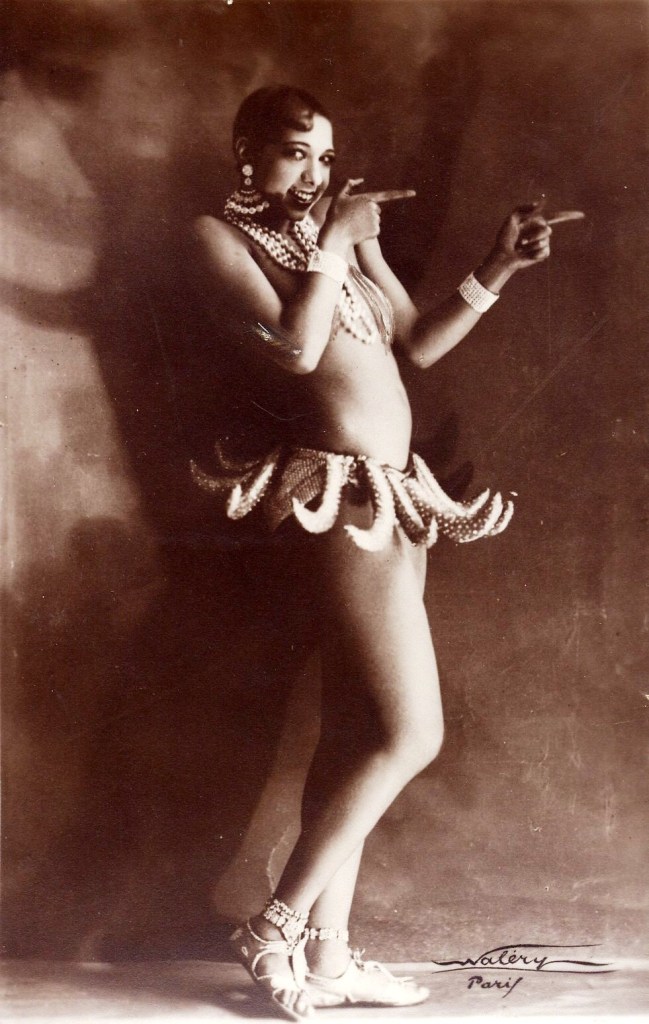
Her most infamous dancing costume. A costume consisting of a skirt made of a string of artificial bananas and Pearl necklaces.

Baker performed the “Danse Sauvage” wearing a costume consisting of a skirt made of a string of artificial bananas. Her success coincided (1925) with the Exposition des Arts Décoratifs, which gave birth to the term “Art Deco”, and also with a renewal of interest in non-Western forms of art, including African. Baker represented one aspect of this fashion. In later shows in Paris, she was often accompanied on stage by her pet cheetah “Chiquita,” who was adorned with a diamond collar. The cheetah frequently escaped into the orchestra pit, where it terrorized the musicians, adding another element of excitement to the show.

She aided the French Resistance during World War II. After the war, she was awarded the Resistance Medal by the French Committee of National Liberation, the Croix de Guerre by the French military, and was named a Chevalier of the Légion d’honneur by General Charles de Gaulle. Baker sang: “I have two loves, my country and Paris.”

Baker refused to perform for segregated audiences in the United States and is noted for her contributions to the civil rights movement. In 1968, she was offered unofficial leadership in the movement in the United States by Coretta Scott King, following Martin Luther King Jr.‘s assassination. After thinking it over, Baker declined the offer out of concern for the welfare of her children.

On 30 November 2021, she entered the Pantheon in Paris, the first black woman to receive one of the highest honors in France. As her resting place is to remain in Monaco a cenotaph will be installed in vault 13 of the crypt in the Panthéon

Sources: Peggy Caravantes

Notable Books of the Twenties: Cheri by Colette (1920)

Cheri by Colette (1920)

Colette (full name: Sidonie-Gabrielle Colette) was the ultimate literary renegade who both outraged and intoxicated turn-of-the-century Paris with her technicoloured personal life. She was an author, a poet, a memoirist, a feminist icon and a prolific journalist who trapezed between all manner of subjects from trench warfare to domestic abuse, fashion to faking orgasms.

But her novels are what have best withstood the tests of time, and Cheri was her masterpiece about a beautiful ageing courtesan’s affair with a gorgeous but selfish much-younger man. In a review in 1929, TIME magazine described her style as ‘distinguished for presenting the human side of animals, the animal side of humans.’ It is a sumptuous tale of repression, scandal, sex and desire that rattled Parisian society by the bed boards, not least because it was one of the first novels of its kind to celebrate female sexuality as it ages.

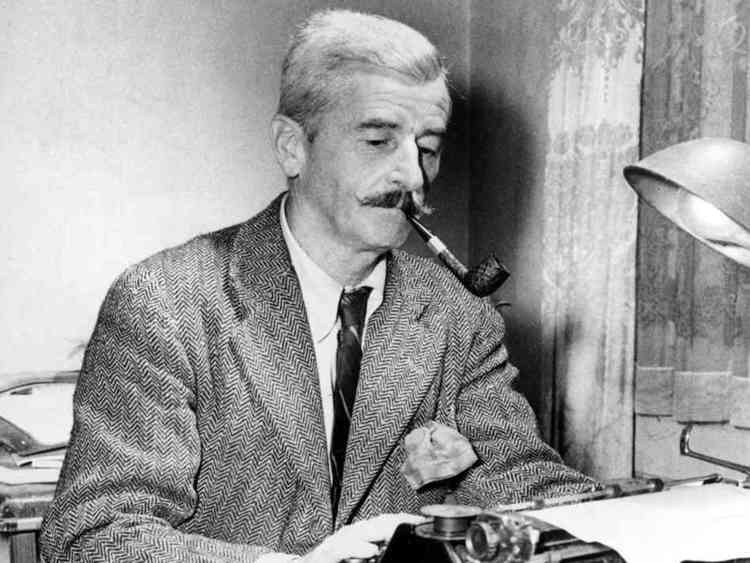
FBI Files: William Faulkner – Suspected Blackmail Victim and Adulterer

The F.B.I. has an entire file based on several strange phone call received by William Faulkner’s wife Estelle in 1956 and 1957 regarding her husband. One of the callers identified himself as A.B. Stein, claiming that he had information regarding Estelle’s husband and a Jean Stein that could be had for $500. (William was known for having extramarital affairs, and Jean Stein may have been no exception.)

William Faulkner told the F.B.I. that he had a hunch it may have been a young writer whom he had offended in the past and claimed that he and Jean Stein were just close friends with “mutual interest in radio, television and literary matters.”

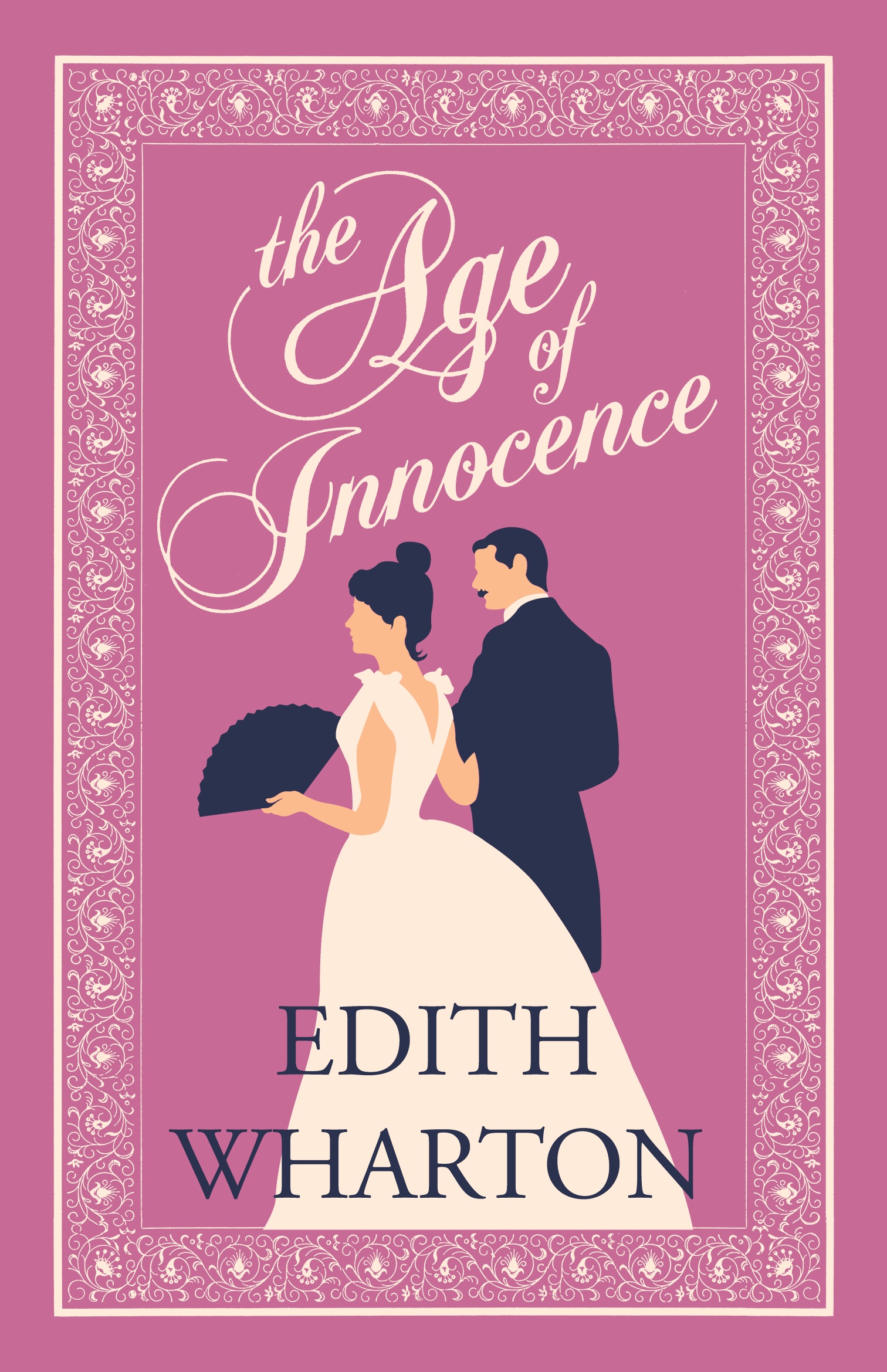
Notable Books of the Twenties: The Age of Innocence (1920) – Edith Wharton

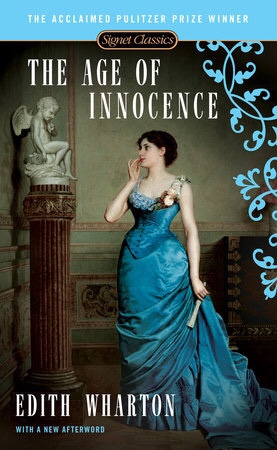
The Age of Innocence by Edith Wharton (1920)

A ravishing tale about desire and betrayal in upper-class New York, Edith Wharton’s literary groundbreaker won her the Pulitzer Prize in 1921, making her the first woman ever to do so. It tells the story of Newland Archer, an aristocratic young lawyer, and his boring but beautiful bride-to-be May Welland, as they prepare for their wedding.

But when May’s exotic cousin Ellen materialises from Europe, having fled her failed marriage to a Polish count, Archer’s loins are activated by her worldly ways. He must make a choice: should he bow to societal strictures and marry a woman who bores him half to sleep, or to a femme fatale to whose flame he is intoxicatingly drawn?

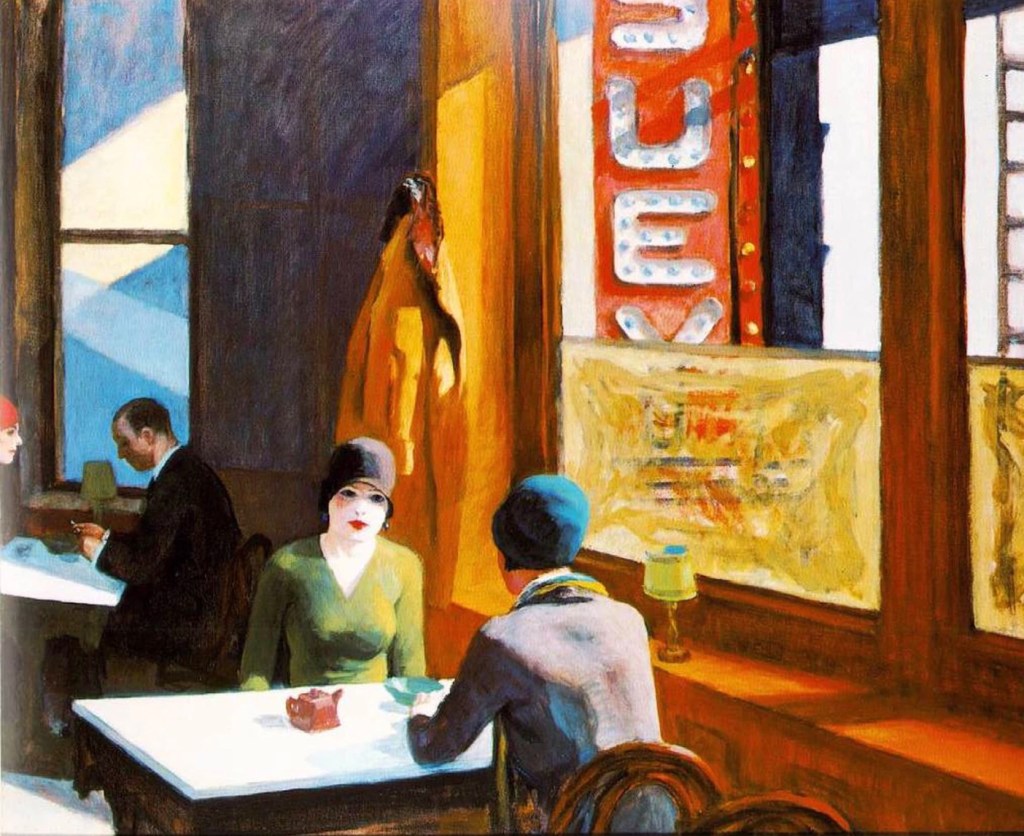
Chop Suey (1929) – Edward Hopper

Edward Hopper’s picture of social realism is comprised from a composition of multi-coloured geometric rectangles and depicts a scene within a Chinese restaurant. In the centre foreground are two women (both believed to be based on Hopper’s wife, Josephine) who appear to have an ambiguous relationship. They mirror each other’s solitary and aloof demeanour across a bright table in green and purple cloche hats. There is no tactile interaction, and the lady in green hides her hands in a defensive manner under the table, suggesting uneasiness. The four figures depicted are meeting for a social event, but the irony lies in a mutual lack of interest and spontaneity, which leaks through their detached facial expressions. A man in the background talking with a female friend seems to enjoy his cigarette more than his date. Hopper catches the each person’s loneliness despite them being in a public, open space. A mixture of natural and artificial light is seen throughout the composition; the sun reflects off the billboard directly onto the white tables and the woman in green, giving her a ghostly pallor.

FBI Files: Henry Miller – Suspected Nazi Sympathizer & Cult Leader

Henry Miller earned the first 10 pages of his F.B.I. file for supposedly expressing Nazi sympathies during a guest lecture at Dartmouth College: “Subject believes Nazis are decent people and that he likes collaborationists.” The F.B.I. caught wind of this through Albert Kahn, who had attended the lecture, harassed Miller and written an article in The Daily Worker insulting the “phony writer” for being a fascist, anti-Semitic propagandist and a former labor spy. On more personal notes, Kahn claims that Miller’s “first wife supported him by being a prostitute” and that the professor who had invited Miller to speak was “a devoted member of the Miller cult.”

That last assertion triggered a chain of accusations about the “Miller Cult.” An article in Harper’s entitled “The New Cult of Sex And Anarchy” portrayed Miller as a Big Sur guru. Another piece appeared in theSan Francisco Examiner a month later, titled “Group Establishes Cult of Hatred in Carmel Mountains” and identified Miller as a cult leader.

Despite the accusations, all the F.B.I. was able to dig up from witnesses was that Miller was “strictly the artistic type” and “could very easily be called ‘screwball’ by people who didn’t understand or appreciate his writing.”

Existentialism

Existentialism is a catch-all term for those philosophers who consider the nature of the human condition as a key philosophical problem and who share the view that this problem is best addressed through ontology. This very broad definition will be clarified by discussing seven key themes that existentialist thinkers address. Those philosophers considered existentialists are mostly from the continent of Europe, and date from the 19th and 20th centuries. Outside philosophy, the existentialist movement is probably the most well-known philosophical movement, and at least two of its members are among the most famous philosophical personalities and widely read philosophical authors. It has certainly had considerable influence outside philosophy, for example on psychological theory and on the arts. Within philosophy, though, it is safe to say that this loose movement considered as a whole has not had a great impact, although individuals or ideas counted within it remain important. Moreover, most of the philosophers conventionally grouped under this heading either never used, or actively disavowed, the term ‘existentialist’. Even Sartre himself once said: “Existentialism? I don’t know what that is.” So, there is a case to be made that the term – insofar as it leads us to ignore what is distinctive about philosophical positions and to conflate together significantly different ideas – does more harm than good.

Key Existentialist Philosophers:

  • Søren Kierkegaard (1813-1855)
  • Friedrich Nietzsche (1844-1900)
  • Martin Heidegger (1889-1976)
  • Jean-Paul Sartre (1905-1980)
  • Simone de Beauvoir (1908-1986)
  • Albert Camus (1913-1960)

Sources: Internet Encyclopedia of Philosophy

The Bloomsbury Group

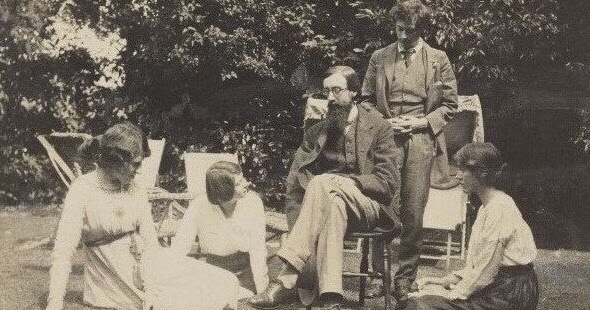
The Bloomsbury Group was a small, informal association of artists and intellectuals who lived and worked in the Bloomsbury area of central London. Most prominent of these was novelist and essayist Virginia Woolf. In all, only about a dozen people at any one time could have called themselves members of the group. Beginning shortly before 1910, the Bloomsbury Group gathered at irregular intervals for conversation, companionship, and the refueling of creative energy. The members of Bloomsbury, or “Bloomsberries,” would more or less maintain allegiance to their mutual philosophy of an ideal society, even through a World War and three decades of tectonic shifts in the political climate. They had no codified agenda or mission. They were not political in the ordinary sense of the word. Most importantly, there was no application or initiation required to become a member. Bloomsbury was an informal hodgepodge of intellectual friends, and one either merited inclusion to that circle or one did not. No rules of order, as in a committee, governed the way in which Bloomsbury managed their interactions. Instead, they held impromptu dinners and gatherings where any number of topics was the subject of serious discussion and contemplation. These intellectual exchanges served as the main influence on later work by individual members. By no means were all members in full agreement on all subjects. Some of Bloomsbury’s most stimulating ideas and writings were borne out of internal disagreement and strife. One can safely say that each member of Bloomsbury was leftist in his or her politics, although as individuals they expressed their politics in very different ways.

A significant fact about the Bloomsbury Group is that the members, for the most part, did not achieve their greatest fame until later in life. The Group held its discussions and parties while all the participants were still virtually unknown. The men of Bloomsbury were students at King’s College and Trinity College, constituents of Cambridge University. They were almost all high achievers and active in student life, yet one must imagine that they didn’t quite fit in as well as other students. Many of the Bloomsberries held particular ideas on human society which at the time seemed beyond radical. For example, the noncritical assessment of homosexuality, however appropriate today, was considered a serious moral error in the early twentieth century. Indeed, many of the Bloomsberries called into question the idea of traditional monogamous marriage. Several advocated for and practiced polyamory – multiple, consensual romantic partners. The idea of this level of sexual liberation in Edwardian England was unspeakable. In a sense, they made it very easy for their generation to dismiss them as quacks and deviants. However, none could deny that the Bloomsbury Group brought a great deal of intellectual clout to bear on any issue of the day.

The de facto leader of the Bloomsbury Group was Virginia Woolf, born Adeline Virginia Stephen, who descended from an eminently Victorian and moneyed household. Her father, Sir Leslie Stephen, was an accomplished writer, and most certainly a powerful influence on his daughter’s intellectual development. Upon his death in 1904, Woolf and her two brothers, Thoby and Adrian, moved into a dwelling in the Bloomsbury neighborhood of London, and thus the foundation of the Group was firmly in place. Woolf was a gifted writer from her earliest years. Her essays, such as A Room of One’s Own, are cornerstone pieces in the history of feminist literature. She also wrote extensively on more strictly literary topics, and her theories on fiction have continued to draw the attention of critics. The novel, though, is where Virginia Woolf found her truest and most natural form of expression. Mrs. Dalloway, published in 1925, showcases the full range of her talents, as well as demonstrating the effervescent stream of consciousness style for which she was famous. Without a doubt, the writings of Sigmund Freud made a profound influence on the artist Virginia Woolf, but she gave her creative outputs a vitality entirely her own. There is poignancy to Woolf’s characterizations that raw psychoanalysis does not achieve.

Members of the Bloomsbury Group:

  • Woolf, Virginia (1882-1941)
  • Forster, E. M. (1879-1970)
  • Strachey, Giles Lytton (1880-1932)
  • Bell, Clive (1881-1964)
  • Keynes, John Maynard (1883-1946)
  • Fry, Roger (1866-1934)
  • Grant, Duncan (1885-1978)
  • MacCarthy, Desmond (1877-1952)
  • Bell, Vanessa Stephen (1879-1961)
  • Woolf, Leonard (1880-1969)
  • MacCarthy, Mary (1882-1953)
  • Stephen, Thoby (1880-1906)
  • Stephen, Adrian (1883-1948)
  • Carrington, Dora (1893-1932)
  • Sydney-Turney, Saxon (1880-1962)

Sources: http://www.online-literature.com

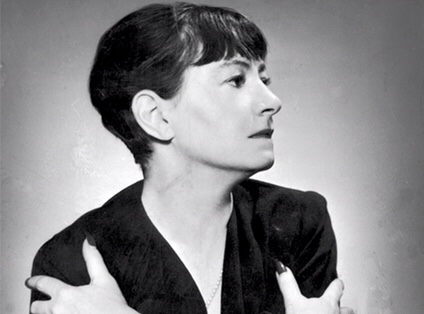
The Flapper – Dorothy Parker

In “The Flapper,” Dorothy Parker shares the wild charisma of a young woman in the 1920s by describing her actions as well as reactions from others. As stated in the poem, “Her golden rule is plain enough- just get them young and treat them rough,” the flappers’ only rule was to have no rules. This is important because the carefree nature of the flapper was envied by their fellow young women, admired by gentlemen and frowned upon by elders. Parker explains this by saying that “Her girlish ways make a stir… All tongues her prowess herald,” this proves that they didn’t go anywhere unnoticed. Whether she received a good reputation or bad; she just appreciated the attention. Because of the line from the poem, “She’s not what grandma used to be, you might say, au contraire,” meaning that while times were changing, women were as well. This demonstrates that Flappers were independent, original women. They were nothing like past women of America; they created a new outlook, and with that, a new era. The individuality and strong traits of these young women are that of what inspires girls today to be one of a kind, powerful people.

The Flapper – by Dorothy Parker

The Playful flapper here we see,
The fairest of the fair.
She’s not what Grandma used to be, —
You might say, au contraire.
Her girlish ways may make a stir,
Her manners cause a scene,
But there is no more harm in her
Than in a submarine.

She nightly knocks for many a goal
The usual dancing men.
Her speed is great, but her control
Is something else again.
All spotlights focus on her pranks.
All tongues her prowess herald.
For which she well may render thanks
To God and Scott Fitzgerald.

Her golden rule is plain enough –
Just get them young and treat them
Rough.

FBI Files: Dorothy Parker – Suspected Communist

Parker’s file began in the 1930s, according to The New York Times, when an anonymous source reported she was contributing to a communist movement. Parker’s work with the Joint Anti-Fascist Refugee Committee, which the House Un-American Activities Committee considered an anti-Catholic communist front “masterminded by Jews,”also caught the F.B.I.’s attention in the 1940s, following a number of events to raise funds for medical supplies, ambulances, hospitals and orphanages to assist refugees of European fascism. The F.B.I. went so far as to save the entire guest list of JAFRC’s “Free People’s Benefit Dinner” at the Beverly Hills Hotel on July 2, 1942.

Altogether, the bureau kept a watch on Parker for 25 years, during which it accumulated a 1,000-page dossier on the author.