“Petting Parties” of the Twenties

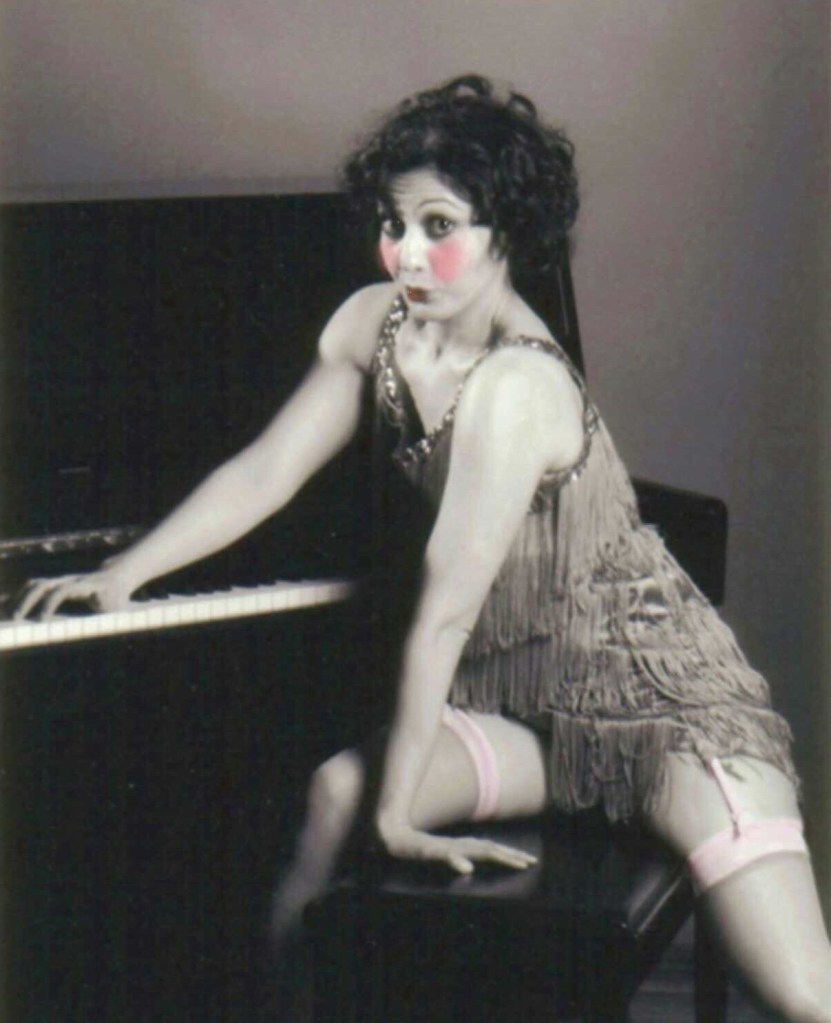
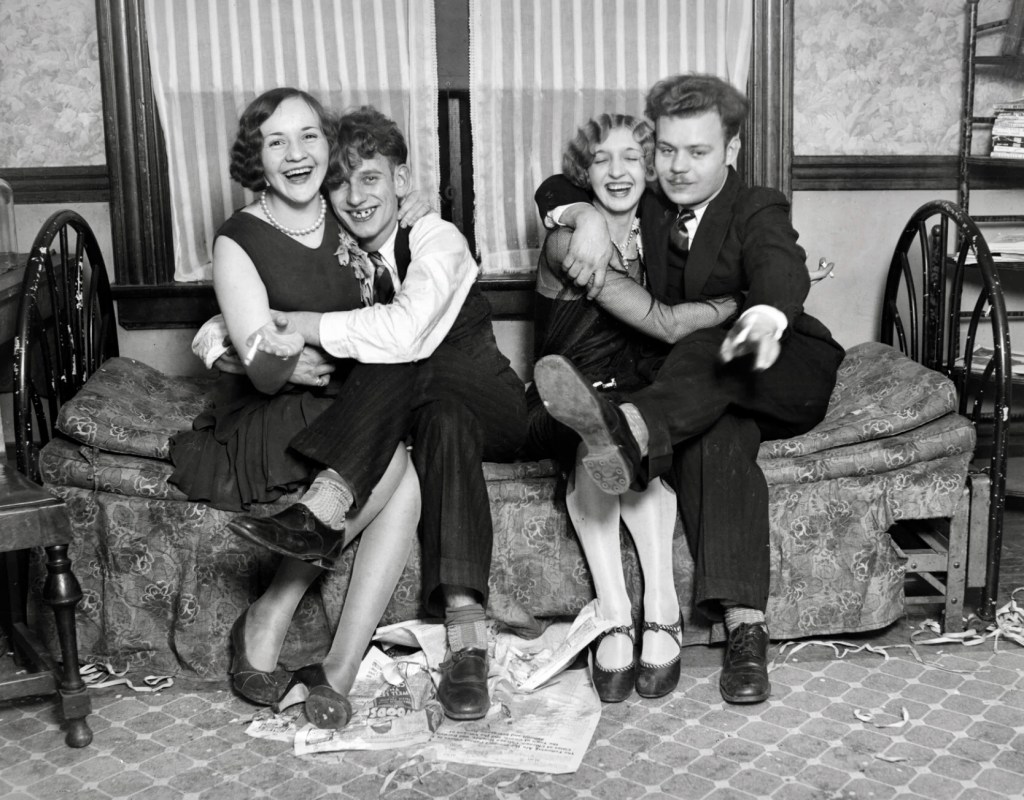
To some social observers, petting parties of the 1920s were a natural, post-First World War outgrowth of a repressed society. To others, the out-in-the-open hug-and-kissfests were blinking neon signposts on the Road to Perdition.

“Petting parties varied quite a lot,” says Paula S. Fass, professor emerita of history at the University of California, Berkeley and author of The Damned and the Beautiful: American Youth in the 1920s. “But certainly there were parties where young people did quite a lot of erotic exploration — kissing and fondling. These parties always stopped before intercourse. In that sense they had imposed limitations created by the group presence. They were not orgies and they were not promiscuous — one set of partners only.”

Petting parties, Fass explains, “allowed young people to experiment in a self-limiting way by creating peer regulation that both encouraged experimentation and created clear limits.”

One of the earliest mentions of the scandalous soirees was a Washington Times story from New Year’s Eve 1915. “Did you ever hear of ‘petting parties’?” the reporter asked. “That, they tell me, is the name applied in Baltimore to the haunters of cosy corners and ‘twosing’ in general.”

Over the next few years the ritual spread. Petting parties grew so popular they became targets of societal safeguardians who believed the make-out mania was tearing apart the social fabric.

Speaking to 1,500 students at Wellesley College in 1921, Mrs. Augustus Trowbridge — the wife of a Princeton professor — railed against “the vulgarity and revolting badness of petting parties.” She said that the loose-moraled gatherings — along with jazz music, unchaperoned dancing and lipstick — were symptomatic of a decadent society, the Coshocton, Ohio, Tribune reported on Jan. 13.

Soon the lovey-dovey wingdings were popping up all across the country. Southerners sometimes called them necking parties. They were called mushing parties in the West; fussing parties in the Midwest and spooning everywhere, the United Press noted later in 1921. Eventually some flappers began referring to party-petting as snugglepupping.

By some, young women were seen as getting out of hand. The conservative League of American Women was formed in New York to exercise, as the New York Evening World termed it, “stricter censorship over the activities and habits of the younger set.”

The powerful Women’s Christian Temperance Union also weighed in on — and inveighed against — petting parties and cigarette-smoking by girls, the Gettysburg, Pa., Times reported.

In Atlantic City, N.J., beach cops were instructed to throw ice water on seaside petting parties, the Wilmington, N.C., Morning Star observed on July 31, 1921. In Pittsburgh, 15 couples were fined for spooning, the Reading Times noted on Aug. 16, 1921.

Source: NPR
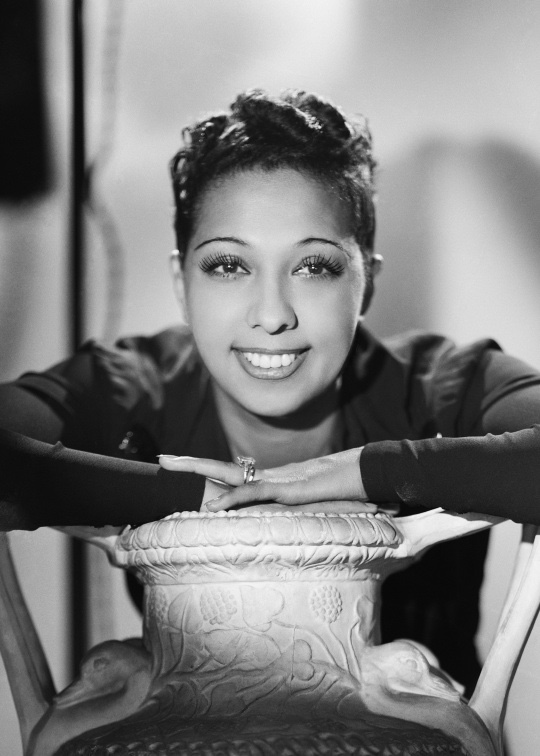
Blue Skies – Josephine Baker (1927)

I was blue, just as blue as I could be
Ev’ry day was a cloudy day for me
Then good luck came a-knocking at my door
Skies were gray but they’re not gray anymore

Blue skies
Smiling at me
Nothing but blue skies
Do I see

Bluebirds
Singing a song
Nothing but bluebirds
All day long

Never saw the sun shining so bright
Never saw things going so right
Noticing the days hurrying by
When you’re in love, my how they fly

Blue days
All of them gone
Nothing but blue skies
From now on

I should care if the wind blows east or west
I should fret if the worst looks like the best
I should mind if they say it can’t be true
I should smile, that’s exactly what I do

Aba Daba Honeymoon – Helen Kane

“Aba, daba, daba, daba, daba, daba, dab”
Said the chimpie to the monk
“Baba, daba, daba, daba, daba, daba, dab”
Said the monkey to the chimp

All night long they’d chatter away
All day long there were happy and gay
Swinging and singing in their hunky tonky way

“Aba, daba, daba, daba, daba, daba, dab”
Means ‘Monk, I love but you’
‘Baba, daba, dab’ in monkey talk
Means ‘Chimp, I love you, too’

Then the big baboon one night in June
He married them and very soon
Since they came from their aba daba honeymoon

Way down in the Congoland
Lived a happy chimpanzee
She loved a monkey with long tail
(Lordy, how she loved him)

Each night he would find her there
Swinging in the coconut tree
And the monkey gay at the break of day
Loved to hear his chimpie say

“Aba, daba, daba, daba, daba, daba, dab”
Said the chimpie to the monk
“Baba, daba, daba, daba, daba, daba, dab”
Said the monkey to the chimp

All night long they’d chatter away
All day long there were happy and gay
Swinging and singing in their hunky tonky way

“Aba, daba, daba, daba, daba, daba, dab”
Means ‘Monk, I love but you’
‘Baba, daba, dab’ in monkey talk
Means ‘Chimp, I love you, too’

One night they were made man and wife
And now they cry, “This is the life”
Since they came from their aba daba honey-

Aba, daba, daba

Aba, daba honeymoon

Notable Books of the Twenties: The Trial – Franz Kafka (1925)

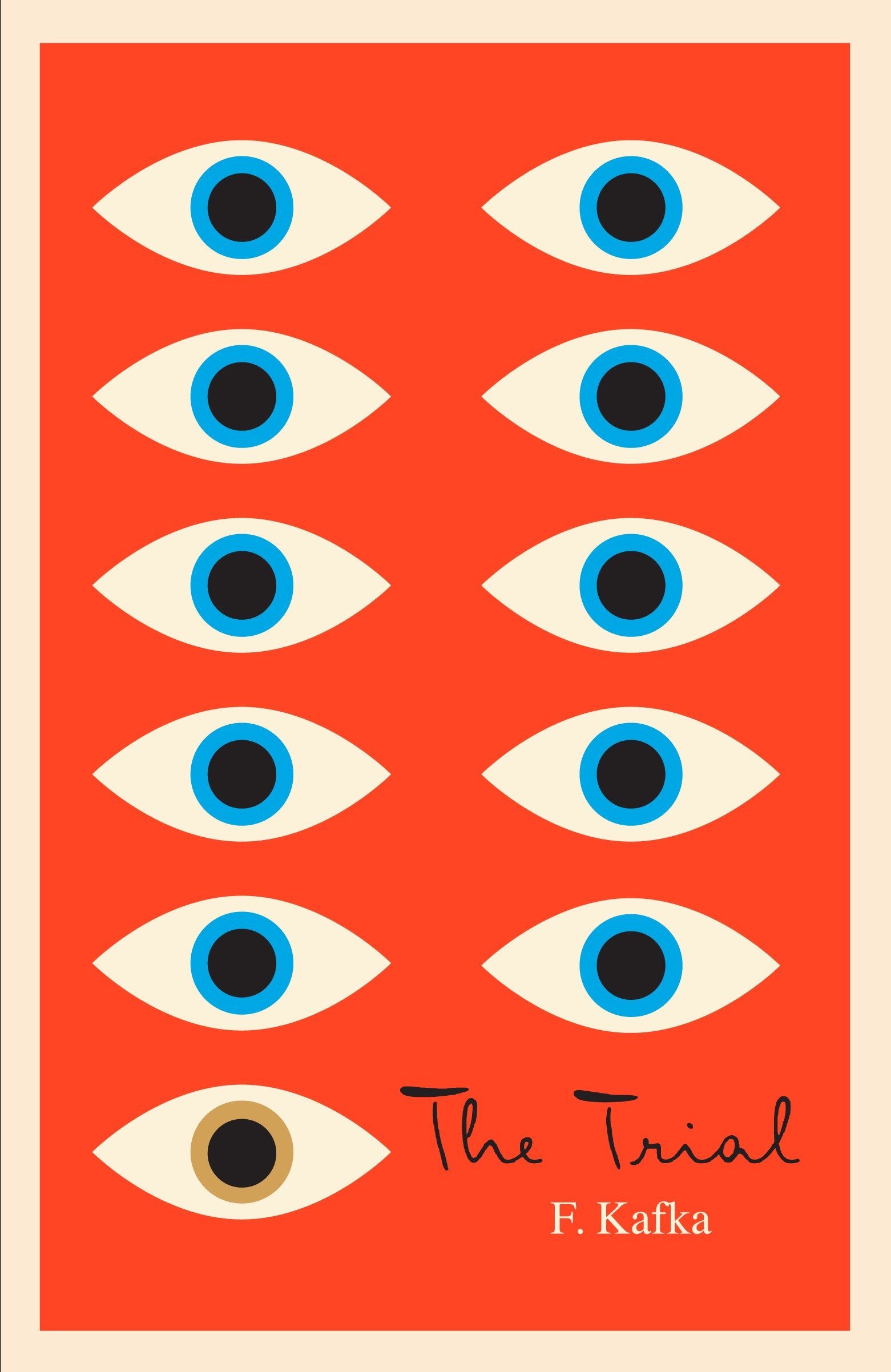
The Trial by Franz Kafka (1925)

Kafka wrote the trial between 1914 and 1915, but it wasn’t published until 1925, a year after he died (mainly because his chronic self-esteem issues led him to make his best friend promise to burn his manuscripts after his death. Fortunately for the world, the friend ignored his dying wish). The Trial is a dark, melancholy story of confusion and existential dread, about a man suddenly arrested for a crime that’s never revealed to him.

The novel was one among a small oeuvre that compelled the poet WH Auden to call Kafka “the Dante of the 20th century.” The book, in short, encapsulated the growing fears of the time surrounding totalitarian oppression, alienation and bureaucracy in the modern world. And it’s influence on contemporary thinking was profound. We’re all conflicted, torn between worlds, trapped in situations from which we can’t escape. The Trial embodies that modern malaise, and even spawned a word for it (we all know it): Kafkaesque.

Lois Long “Lipstick” and Tables for Two at the New Yorker

On January 17th, 1920, when Prohibition became the law of the land, a new kind of woman was born; a woman who drank, smoked, and (gasp!) danced with members of the opposite sex in illegal watering holes known forever as “speakeasies.” No one, man or woman, described these dens in such delicious detail as The New Yorker magazine’s cabaret-reviewer and resident dancer til dawn, “Lipstick.” “Lipstick,” nom de plume of Connecticut-born Lois Long, was one of the original New Yorker contributors, along with such famous writers as Dorothy Parker, E. B. White, and Alexander Wollcott, and outlasted nearly all of them – her career at The New Yorker spanned nearly 45 years.

At age 23, Long began writing her column, “Tables for Two”,” reviewing nightclubs across the city (most of them situated between 42nd and 60th Streets), with the magazine footing the bill. The Tenement Museum does not cover such expenses for its employees, in case you were wondering. Long, taking over the column from a fellow who called himself “Top Hat,” chose to be known as “Lipstick.” Since her identity was hidden behind the page, she often had a bit of fun with her readers, describing herself as a plump middle-aged woman, or a distinguished gentleman. Long was a broad with a great sense of humor and adventure – perfect for 1920’s Manhattan.

Her nights were filled with jazz, gin, and jitterbugging, and all of it made it into her column, which became extremely popular. According to historian Joshua Zeitz, author of Flapper: Madcap Story of Sex, Style, Celebrity, and the Women Who Made America Modern, Long’s exploits often found their way to the office: “She would come into the office at four in the morning, usually inebriated, still in an evening dress and she would, having forgotten the key to her cubicle, she would normally prop herself up on a chair and try to, you know, in stocking feet, jump over the cubicle usually in a dress that was too immodest for Harold Ross’ [the founder of the New Yorker] liking. She was in every sense of the word, both in public and private, the embodiment of the 1920s flapper.”

Source: tenement.org

Notable Books of the Twenties: Mrs. Dalloway – Virginia Woolf (1925)

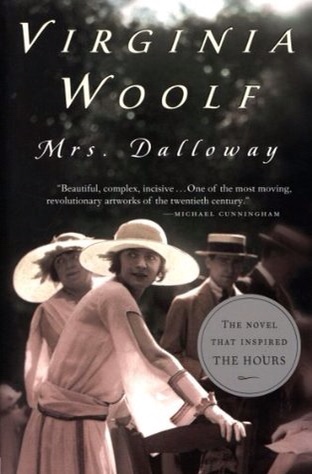
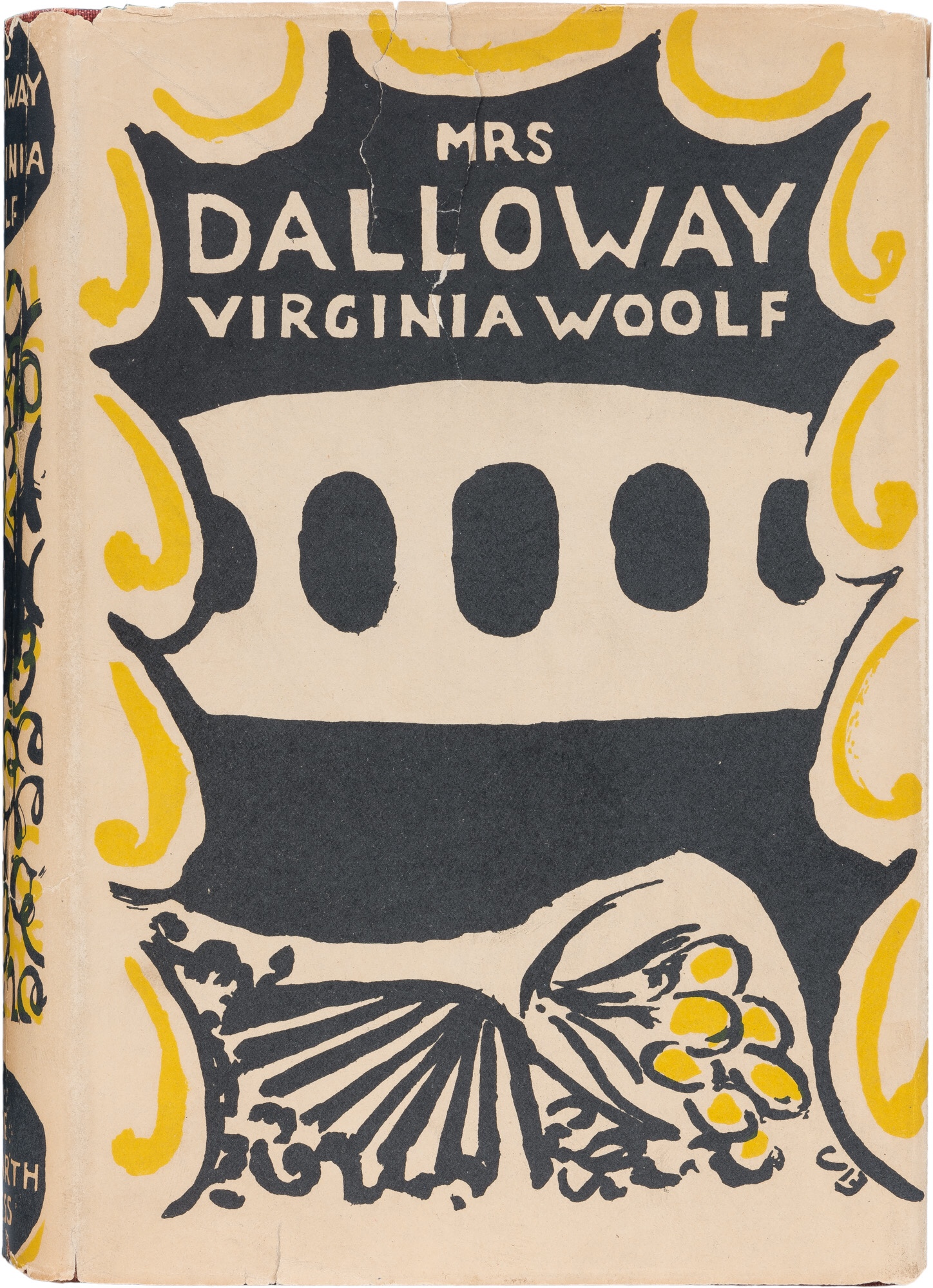
Mrs. Dalloway by Virginia Woolf (1925)

“We are trembling on the verge of one of the great ages of English literature,” Virginia Woolf told an audience a year before she published Mrs Dalloway, her fourth novel, to rapturous critical reception in 1925. She may not have been talking about her own work, but for the nearly one=hundred years since its publication, it has been near universally credited with changing the game of writing about the philosophy of life, high society, and most of all, the psychology of feminism.

Written in the same stream-of-consciousness style pioneered by Joyce in Ulysses, it follows Clarissa Dalloway, a high-society hostess in post-war England as she prepares to throw a lavish party, across a single day. “Mrs. Dalloway was the first novel to split the atom,” The Hours author Michael Cunningham famously wrote. “It is one of the most moving, revolutionary artworks of the twentieth century.”

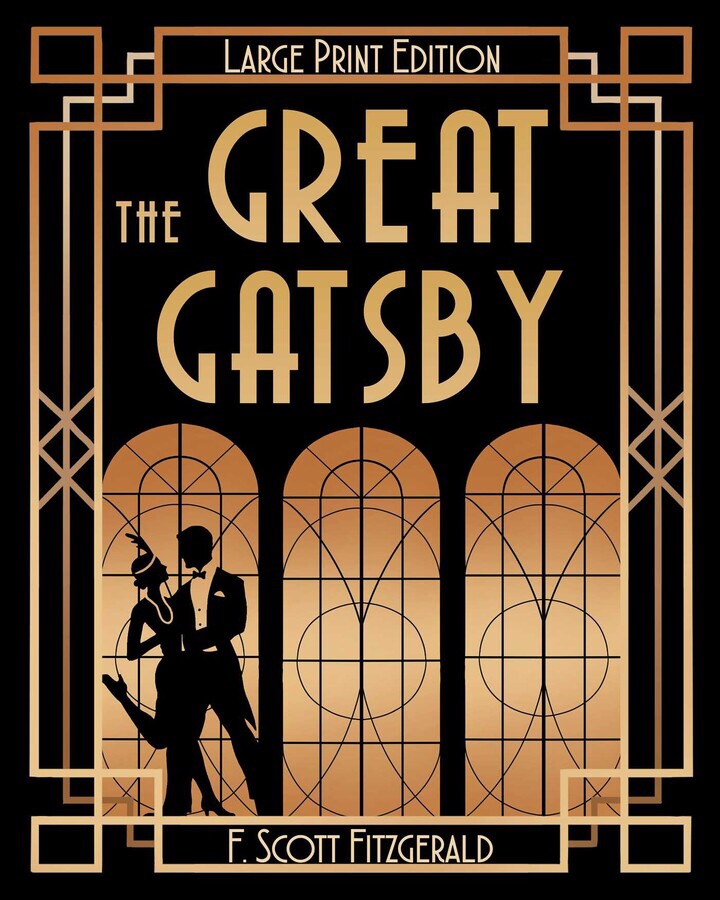
Notable Books of the Twenties: The Great Gatsby – F Scott Fitzgerald (1925)

The Great Gatsby by F Scott Fitzgerald (1925)

More than once has Fitzgerald’s masterpiece about the delusion of decadence in the age of excess been branded ‘the greatest of great American novels’. Which says a lot for a book that can be read in a day. It’s brilliance, in part, lies in its brevity.

Echoing Noel Coward’s words in 1925, when he sang, ‘Cocktails and laughter, but what comes after?’ Fitzgerald used The Great Gatsby to call out the unbridled hedonism of the Jazz Age, which roared through the 1920s, and led to the devastating economic crash of the 1930s. ‘I was within and without,’ says protagonist Nick, ‘simultaneously enchanted and repelled by the inexhaustible variety of life.’

Reviews upon its publication, however, were mixed. Influential critic HL Mencken said it was ‘in form no more than a glorified anecdote, and not too probable at that.’ And yet, history proved it a piece of prescient genius, a book woozy on its own foresight, not to mention its gorgeously taught, lyrical prose.

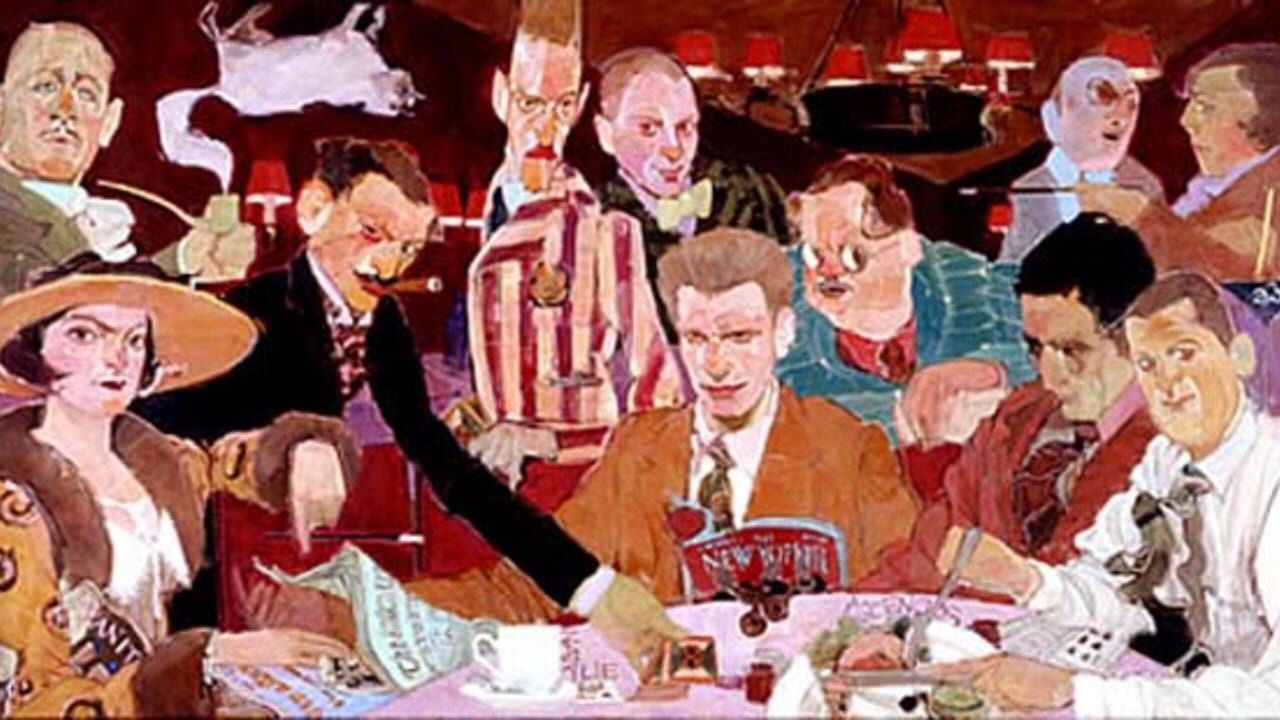
Algonquin Round Table

The period that followed the end of World War I was one of gaiety and optimism, and it sparked a new era of creativity in American culture. Surely one of the most profound — and outrageous — influences on the times was the group of a dozen or so tastemakers who lunched together at New York City’s Algonquin Hotel. For more than a decade they met daily and came to be known as the Algonquin Round Table. With members such as writers Dorothy Parker, Harold Ross (founder of The New Yorker) and Robert Benchley; columnists Franklin Pierce Adams and Heywood Broun, and Broun’s wife Ruth Hale; critic Alexander Woollcott; comedian Harpo Marx; and playwrights George S. Kaufman, Marc Connelly, Edna Ferber, and Robert Sherwood, the Round Table embodied an era and changed forever the face of American humor.

It all began with an afternoon roast of the New York Times drama critic, Alexander Wollcott. A number of writers met up at the Algonquin Hotel on 44th street and had such a good time that the event was repeated the next day, and the day after that, until the lunch table at the Algonquin was established as a ritual. The core group of friends was sometimes joined by others who attended for short periods or drifted about the periphery of the group, including such notables as actress Tallulah Bankhead and playwright Noel Coward. The Round Table was made up of people with a shared admiration for each other’s work. Outspoken and outrageous, they would often quote each other freely in their daily columns.

Round Tabler Edna Ferber, who called them “The Poison Squad,” wrote, “They were actually merciless if they disapproved. I have never encountered a more hard-bitten crew. But if they liked what you had done, they did say so publicly and whole-heartedly.” Their standards were high, their vocabulary fluent, fresh, astringent, and very, very tough. Both casual and incisive, they had a certain terrible integrity about their work and boundless ambition. Some of the most notable members of the Round Table came together to work on significant collaborative projects. George Kaufman teamed up with Edna Ferber and Marc Connelly on some of his best stage comedies, including Dulcy and The Royal Family. Harold Ross of The New Yorker hired both Dorothy Parker as a book reviewer and Robert Benchley as a drama critic.

By 1925, the Round Table was famous. What had started as a private clique became a public amusement. The country-at-large was now attentive to their every word—people often coming to stare at them during lunch. Some began to tire of the constant publicity. The time they spent entertaining and being entertained took its toll on several of the Algonquin members. Robert Sherwood and Robert Benchley moved out of the hotel in order to concentrate on and accomplish their work. In 1927, the controversial execution of Sacco and Vanzetti, whose case had divided the country and the Round Table for six years, seemed to cast a pall over the group’s unchecked antics. Dorothy Parker believed strongly in the pair’s innocence, and upon their deaths she remarked “I had heard someone say and so I said too, that ridicule is the most effective weapon. Well, now I know that there are things that never have been funny and never will be. And I know that ridicule may be a shield but it is not a weapon.”

As America entered the Depression and the more somber decade of the 1930s, the bonds that had held the group together loosened; many members moved to Hollywood or on to other interests. “It didn’t end, it just sort of faded,” recalled Marc Connelly. A decade after it began, the Algonquin Round Table was over. Not forgotten, the Round Table remains one of the great examples of an American artists’ community and the effects it can have on its time.

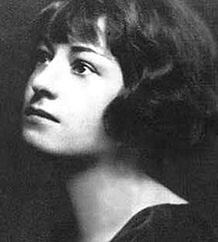
“That woman speaks eighteen languages and can’t say ‘no’ in any of them.”

~ Dorothy Parker

Once when asked by a press agent, “How do I get my leading lady’s name into your newspaper?” Kaufman replied, “Shoot her.”

~ George S. Kaufman

Reviewing cowboy hero Tom Mix: “They say he rides as if he’s part of the horse, but they don’t say which part.”

~ Robert Sherwood

Sources: PBS American Masters

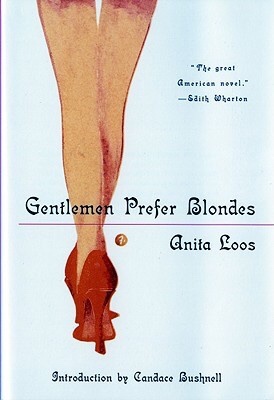
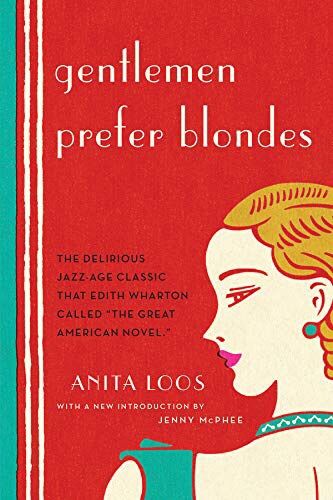
Notable Books of the Twenties: Gentlemen Prefer Blondes – Anita Loos (1924)

Gentlemen Prefer Blondes by Anita Loos (1924)

This is a timeless classic that nevertheless defined it’s time. Loos, then a Hollywood screenwriter, was inspired to write it during a trans-America train trip with the movie star Douglas Fairbanks and his leading lady. Watching the screen sire, she concluded her ‘strength had to be rooted (like that of Samson) in her hair: she was a natural blonde and I was a brunette.’

The result of these musings became a jazz-age classic that has endured all the decades since (not to mention a 1953 movie adaptation starring Marilyn Munroe). Her gold-digging protagonist is a witty, seductively ironic and superhumanly smart carve up of a society obsessed with looks.

Bootleggers & Distillers a Short History: Revolutionary War to Prohibition

Stills, as in distillation contraptions and the art of home liquor-making came to America with the early settlers. The Scots, English, Irish, French, Dutch, Germans and Spanish all had a taste for alcohol, and with them they brought stills, expertise and generations of knowledge on how to ferment, brew and distill. One of the most beloved carry-on’s aboard ships sailing to the New World was yeast for the bread and beer and liquor and other eau de vie. The wild spores of America were untested by Europeans, so to be safe they scraped the lees and dregs from the bottoms of homeland vats and transported those strains abroad to be assured of some consistency in their alcohol. People carried on happily brewing and fermenting and distilling until war changed everything.

As a result of the Revolutionary War, the American government was overcome with debt. In an effort to generate revenue, it applied a federal alcohol tax to help manage the financial fray. Home distillers were furious. The Revolutionary War was fought, after all, to free Americans from being subject to British Imperialist taxation, so citizens were furious when the Distilled Spirits Tax of 1791 was created. Most Americans who had distilled continued doing so despite the taxation laws and refused to pay. As a result, the government sent forth tax collectors to obtain their share of the alcohol profits — tax collectors who were greeted with beatings, tarrings and featherings, and who subsequently trod lightly and forced collection halfheartedly. Distillers and farmers, many of whom were one and the same, remained furious, and in July 1794 the Whiskey Rebellion began. A militia force was sent by Alexander Hamilton to eradicate the rebellion, but, in reality, it served to drive distillers deeper underground.

In 1802, Thomas Jefferson repealed the whiskey excise tax and Americans were once again free to legally distill. From 1812 to 1817, the liquor tax was enacted to fund the War of 1812; post war, the tax was repealed. In 1861, burdened with debt from the Civil War, another liquor tax was imposed and has remained ever since. Making liquor (legal or not) was deeply ingrained in the culture of the American South, and for many people, it was the only means by which they had to make a living. The alcohol taxes applied post-Civil War were viewed by Southerners as an extension of Yankee tyranny. As such, local Southern politicians did little to enforce the laws on moonshiners.

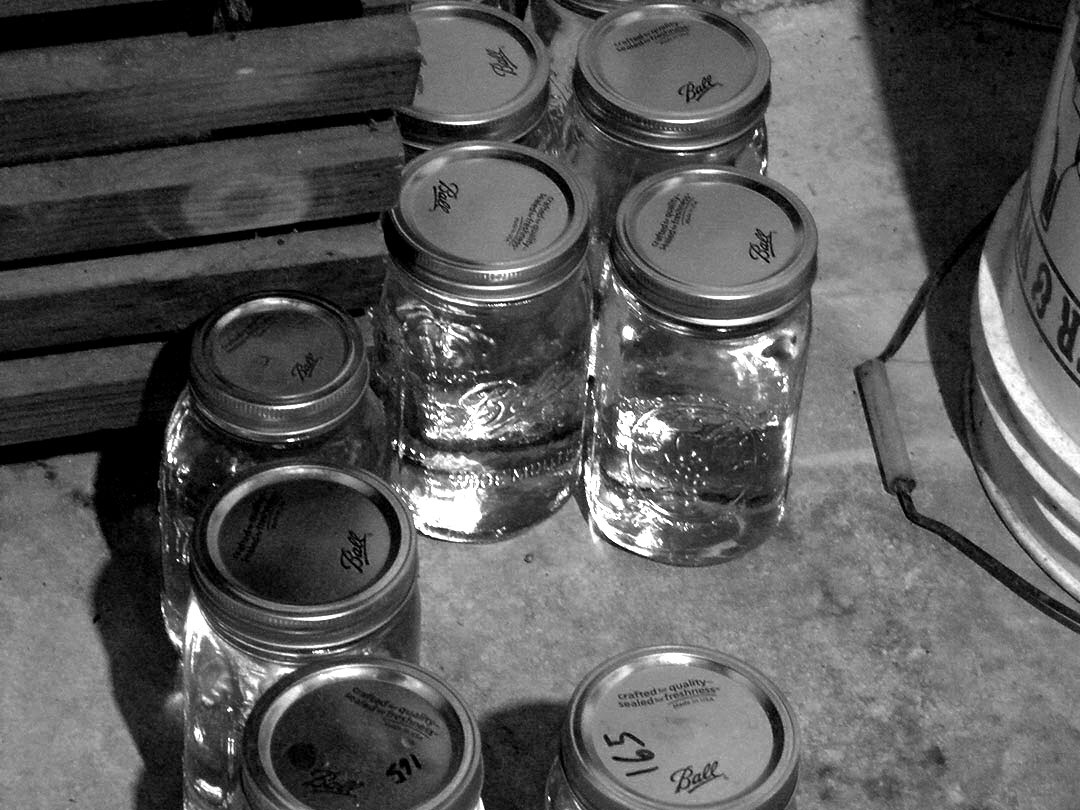
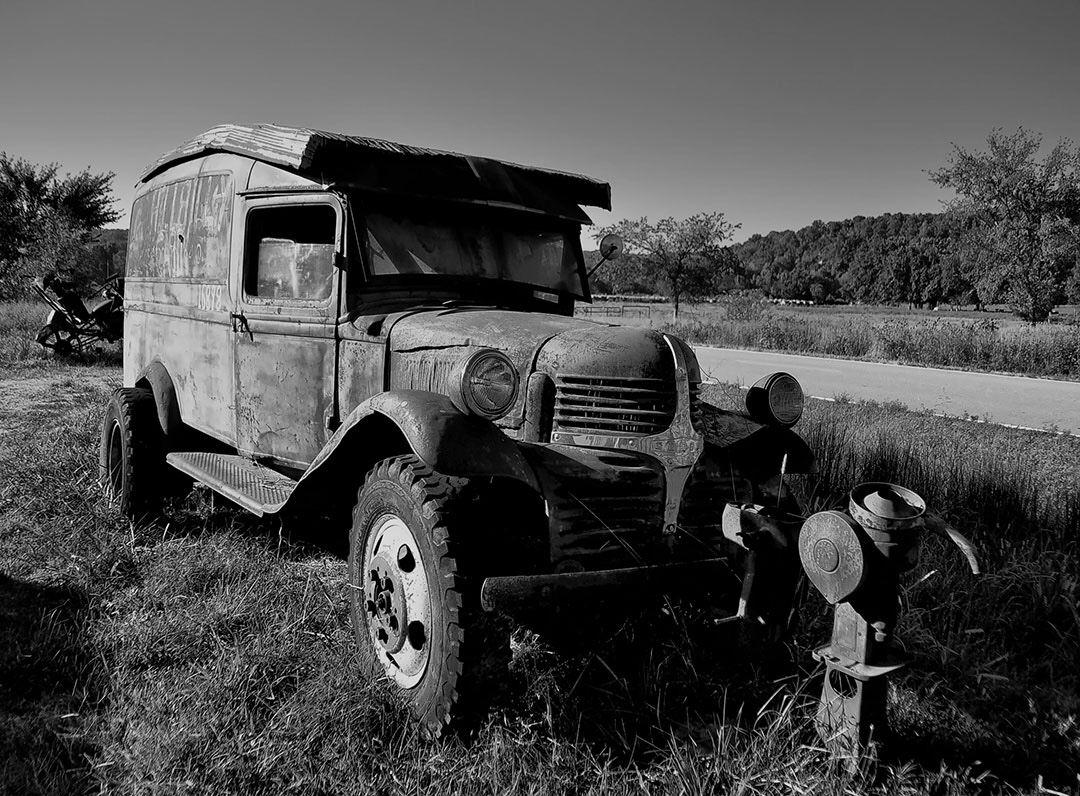
Push ahead a few years to an experiment in piety also known as Prohibition. As it turns out, Prohibition was anything but dry — in fact, it’s where ‘shiners really revved up and made a name for themselves, profiting immensely from the low supply of legal alcohol. In the Southern United States, the number of moonshine stills quadrupled and illegal liquor production was at all-time high. To avoid the law, men modified their cars to outrun the police so they could transport moonshine to distribution points. Some of these drivers were the earliest stock car drivers who created NASCAR.

Source: The Airship