Culinary Fun Fact: Soy Alergy

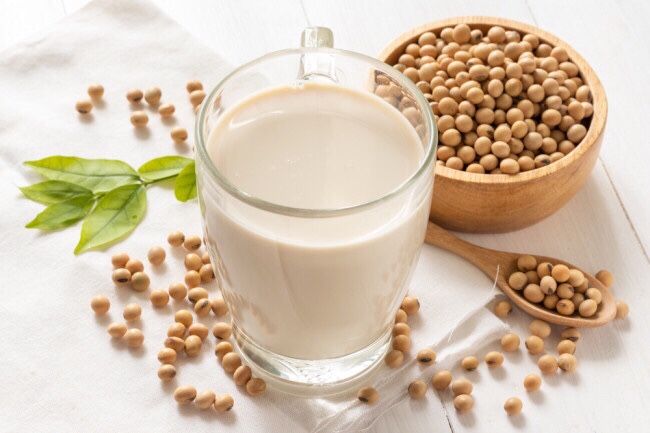
Ingredients to avoid —> Hydrolyzed soy protein, miso, shoyu sauce, soy-anything, soy protein concentrate, soy protein isolate, soy sauce, soybean, soybean granules, soybean curd, tempeh, textured vegetable protein, tofu.

Foods commonly containing soy —> Baby foods, baked goods (cakes, cookies, muffins, breads), baking mixes, breakfast cereals, packaged dinners like macaroni and cheese, canned tuna packed in oil, margarine, shortening, vegetable oil and anything with vegetable oil in it, snack foods (including crackers, chips, pretzels), nondairy creamers, vitamin supplements.

Substitutions —> There are no good substitutes for items like tofu and soy sauce, so choose recipes that don’t directly rely on soy-based products. Read labels carefully as soy is used in an astonishing number of commercial products, often in places that you wouldn’t suspect, such as pasta sauce.

Culinary Fun Fact: Salmon Pin Bones

Food Scientist Harold McGee tells us in “On Food and Cooking,” (Scribner 2004) that fish in the herring, salmon, and related families have these pin bones to “help stiffen some of the connective-tissue sheets and direct the muscular forces among them.” Other members of the salmon family include steelhead, trout, whitefish, and Arctic char. Basically, the pin bones allow the fish to swim faster.

Culinary Fun Fact: Peanut Allergy

Ingredients to avoid —> Peanuts, peanut butter, peanut starch, peanut flour, peanut oil, mixed nuts, crushed nuts, hydrolyzed plant protein, hydrolyzed vegetable protein, vegetable oil (if the source isn’t specified), and depending upon the severity of the allergy, anything that states “may contain trace amounts of peanuts.”

Foods commonly containing peanuts —> Baked goods, baking mixes, chocolate and chocolate chips (many contain trace amounts of peanuts), candy, snacks, nut butters, cereals, sauces (peanuts are sometimes used as a thickener), Asian food (stir fry, sauces, egg rolls), veggie burgers, marzipan (almond paste).

Substitutions —> If your dish calls for peanuts, you might be able to substitute with cashews or sunflower seeds. For peanut butter, you can use soy nut butter, almond butter, cashew butter, or sunflower butter. Of course these substitutions are only valid if you or your guest aren’t allergic to all tree nuts.

Culinary Fun Fact: Are All Fish Eggs Caviar?

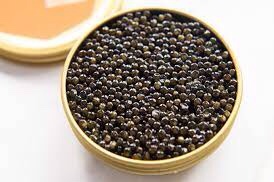
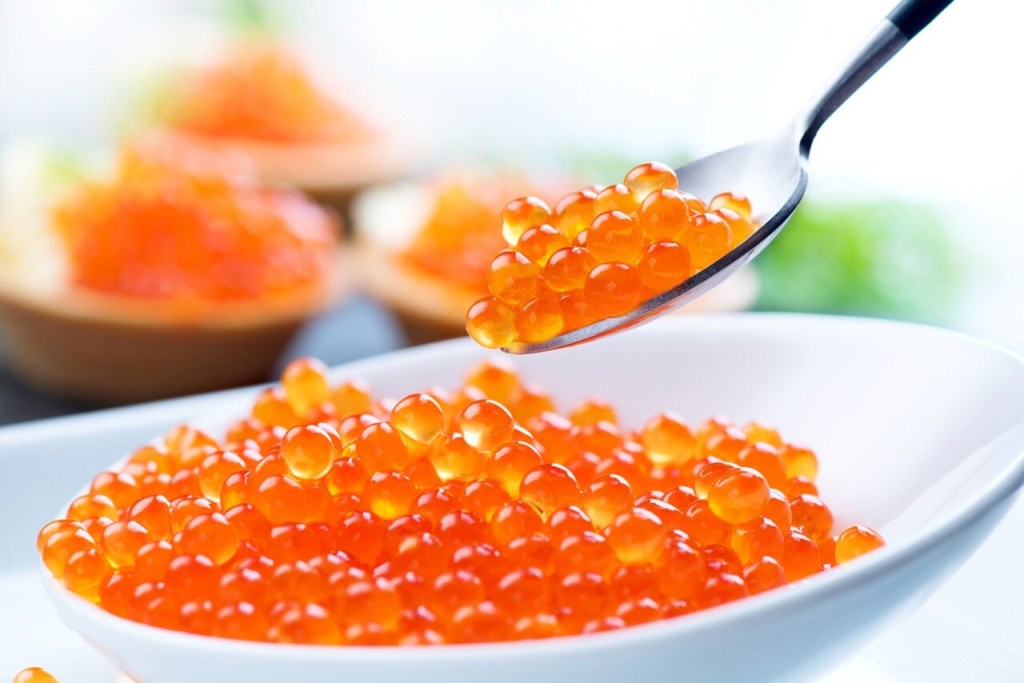
False!  False!  Caviar only refers to the cured eggs of certain species of sturgeon. That’s it, don’t be fooled.  Salmon, trout, paddlefish, etc. those are technically roe, but not caviar. Caviar is not a regulated term, so buyer beware.

What to look for:

Read the label. You want to see a far-off expiration date (most jars get at least two months from the time of packing), a lot harvest date to show tracking, and the scientific species, country of origin, and farm to know you’re getting what you’re paying for.

Be wary of the words:

“beluga,” “Caspian,” or “wild.”  They are often black market

“Osstra” that is not specifically Acipenser gueldenstaedtii (Russian Sturgeon).

“Sodium tetraborate” a preservative that’s not necessarily bad, but is often used to mask off flavors

Look in the jar. You should see individual spheres, nothing smashed or deflated, no liquid pooling.

Good caviar needs nothing more than a buttery bread such as brioche or challah, crepes, or yeasted blini. Lay out an assortment of snipped chives, minced shallots, and sieved hard-boiled egg.