Pennyroyal (menthe pulegium)

Pennyroyal (menthe pulegium)

A small member of the mint family, but less pleasant in aroma and containing the toxic compound pulegone that is notorious for causing abortion; for years the plant has been used for ridding the home of fleas. Two thousand years ago, pennyroyal was the herb used to terminate unwanted pregnancies. Dr Art Tucker, author of The Big Book of Herbs explains that pennyroyal induces abortions by first damaging the mother’s liver: death sometimes follows. In modern times, most of the pennyroyal incidents involve the use of the plant’s essential oil (generally used for therapeutic or homeopathic purposes or as an insect repellent), which is so potent that it should be considered a poison. In the interest of safety, the advice should be never use pennyroyal essential oil for anything, not ever.

Magical propensities for physical strength and endurance. Worn to bring success to business or to rid the home of negative thoughts against you. Carry when dealing with negative vibrations of any kind.
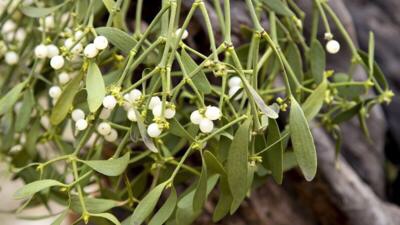
Mistletoe (viscum album)

Mistletoe (viscum album)

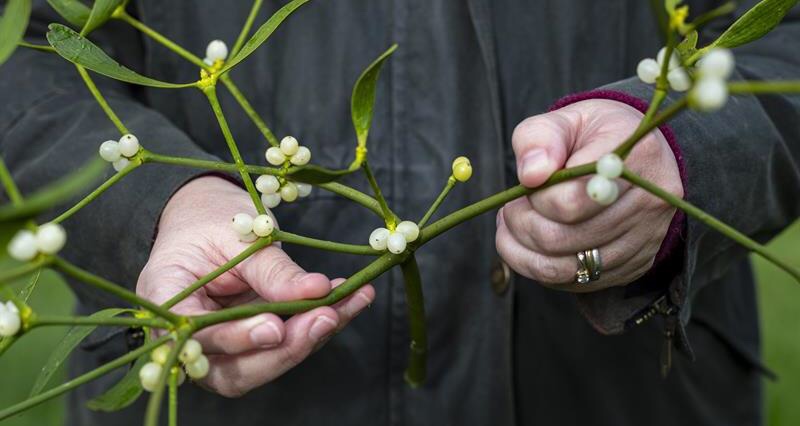
An evergreen, parasitic shrub growing on apple, lime, poplar, maple, hawthorn and rowan trees; in spring inconspicuous yellow flowers are followed by poisonous, sticky white berries.

The Pharoadendron species contains a toxin called phoratoxin, which can cause blurred vision, nausea, abdominal pain, diarrhoea, blood pressure changes, and even death. The Viscum species of mistletoe contains a slightly different cocktail of chemicals, including the poisonous alkaloid tyramine, which produces essentially the same symptoms. Although mistletoe has therapeutic uses, eating any part of the plant (particularly the leaves or berries) or drinking a tea from the plant can result in sickness and possibly death.

Magical propensities for fertility; creativity; prevention of illness/misfortune; wear in an amulet to repel negativity and ill will; protect against unwanted advances. Use to draw in customers, money and business.

Moxibustion

Moxibustion

In addition to performing acupuncture, a Chinese medicine practitioner almost always burns moxa in a therapy called moxibustion. This is an ancient practice known to increase energy in the body and warm it up. The plant burned is Artemesia vulgaris, otherwise known as mugwort. Practitioners burn it on strategic areas of the body, including acupuncture points and along meridians where chi is stuck and/or depleted, giving rise to pain, coldness, edema, fatigue, and other imbalances. Moxa comes in many forms, including raw leaves, salves, topical tinctures, and pressed into pencil- to cigar-size sticks. For home use of moxa, I recommend using a tiger warmer (more on this in the next section). Thousands of years ago, moxa was placed under a patient’s pillow to bring about dreams, visions, and insight, as well as to eliminate nightmares.

Moxibustion can be applied directly or indirectly. In direct moxibustion, the moxa cone rests on your body at the treatment point. The practitioner lights the cone and lets it burn slowly until your skin begins to turn red. Once you begin to feel heat, the practitioner removes it.  Moxa can also be placed on the acupuncture needle and ignited. It burns on the needle until it’s extinguished. The heat travels through the needle to the acupuncture point.

Indirect moxibustion is more commonly practiced. It’s also a safer option, since the burning moxa doesn’t actually touch your skin. Instead, the practitioner will hold it about an inch from your body. They’ll remove it once your skin becomes red and warm.  Another method of indirect moxibustion uses an insulating layer of salt or garlic between the cone and your skin. In another option, “moxa boxes” may be filled with moxa, ignited, and placed on the body.

Natural Facial Cleanser & Exfoliant

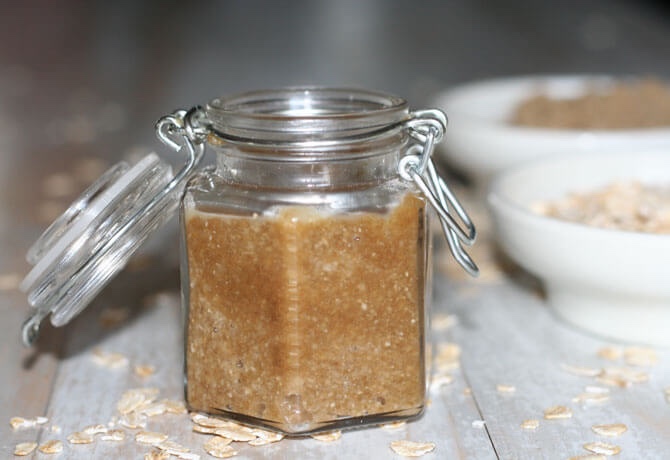
This multitasking face wash acts as a cleanser, exfoliant and mask. Anti-inflammatory yarrow, chamomile and turmeric calm irritated skin, while green clay draws out excess dirt. The dried herbs and ground berries gently exfoliate to prevent blocked pores.

1 tablespoon finely ground oats or almonds

1 tablespoon green clay

1 tablespoon finely ground dried herbs – a mix of chamomile and yarrow flowers

2 teaspoons finely ground dried berberis berries or elderberries

1 teaspoon turmeric powder

Combine all the ingredients in a jar. Seal. Shake. Label. Date.

Place a heaped teaspoon in your palm, add a few drops of water and mix into a paste. If you have dry or sensitive skin, add a few drops of glycerine or honey to the mix.

Rub all over your face and neck in a circular motion, leave on for 5 minutes and then wash off.

Shelf Life Keep in a cool, dry place for up to 1 year or more.

Lovers’ Quarrel Massage Oil

Heal a lovers’ quarrel or learn to forgive yourself.

  • 1 drop angelica essential oil (Angelica archangelica)
  • 5 drops German chamomile essential oil (Matricaria recutita)
  • 3 drops rose geranium essential oil (Pelargonium graveolens)
  • 8 drops lavender essential oil (Lavandula angustifolia)
  • 3 drops lime essential oil (Citrus latifolia)
  • 1.3 ounces jojoba oil
  • 1 drop or 1 gel cap vitamin E

Mix all oils in a dark-colored glass

For massage blends, a dilution of 2.5 percent is recommended (15 drops of synergy per ounce of carrier oil). Vitamin E is a good preservative for your massage oils, 10 drops per 8 fluid ounces of carrier oil.

Lily of the Valley (convallaria majalis)

Lily of the Valley (convallaria majalis)

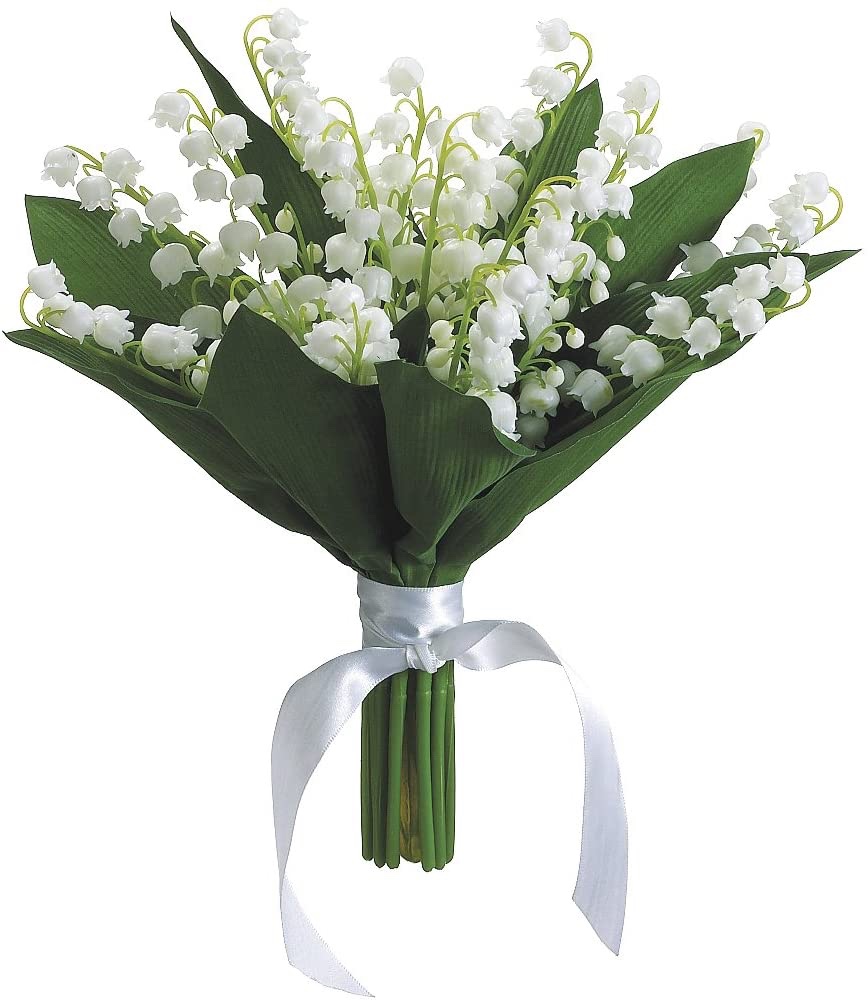
One of the most popular Victorian garden plants on account of its perfume, lily of the valley contains three glycosides; convallarin, convallamarin, and convallotoxin. Convallotoxin is one of the most active natural substances affecting the heart. It causes irregular, slow pulse rates and can cause heart failure. In addition, the plant contains saponins, which cause gastrointestinal poisoning.

There was a superstition that anyone planting a bed of lily of the valley would be dead within 12 months. Gerard recommended it ‘because it restores speech to those who have the ‘dumb palsy’ and is a treatment for gout. The flowers, put in a sealed glass jar and set in an anthill for a month, will yield a liquor which is an excellent ointment for treating gout.’

Magical propensities for drawing peace and tranquillity; repels negativity; empowering happiness; mental powers. Use in magical workings to stop harassment.

Golden Milk

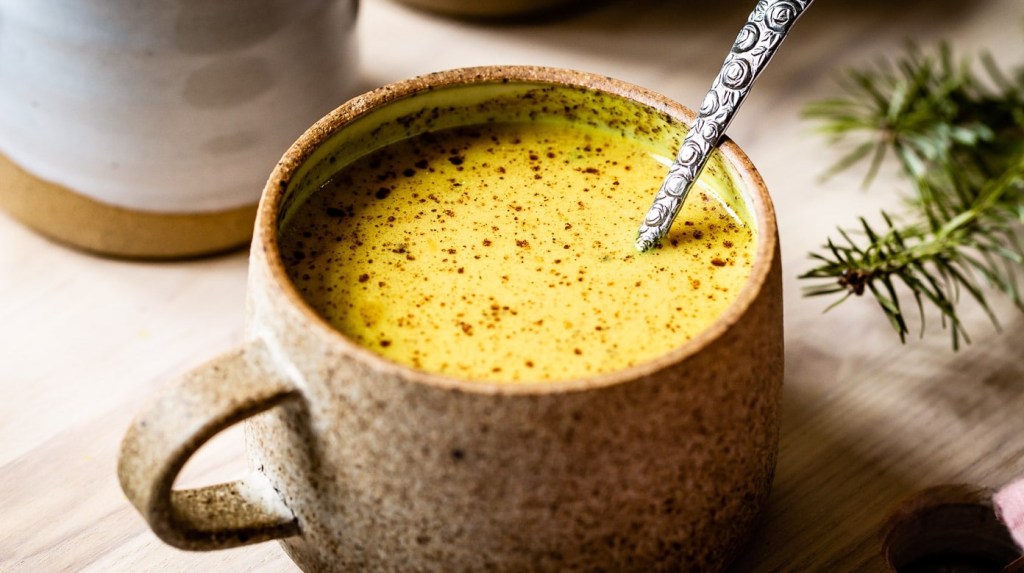
This golden tonic milk is based on a traditional Ayurvedic recipe. Made with anti-inflammatory turmeric and sedative poppy seeds (these nourish the nervous system, aiding in a peaceful night’s sleep), along with cardamom and vanilla, it soothes and relaxes the muscles and mind. Drink a mugful before bed to slip into a deep slumber.

1 mugful of almond or oat milk
1 teaspoon freshly grated turmeric or turmeric powder
1 teaspoon ground poppy seeds
½ cinnamon stick
3 cardamom pods
½ vanilla pod
1 teaspoon coconut oil
1–2 teaspoons honey or unrefined sugar


Heat the milk, herbs and spices in a saucepan, bring to a simmer, cover and turn the heat off. Leave to steep for 5–10 minutes, strain mixture into a mug and then stir in the coconut oil and honey or sugar. Serve, stirring between sips.

Mood Tea

In depression, it is important to take time for self care. Take a moment to make a healing, herbal tea at least once a day to help lift the spirits.

2 ounces dried rose

2 ounces dried skullcap

2 ounces dried St John’s wort

2 ounces dried vervain

Pour all the herbs into a sterilized jar and shake to mix them together. Seal, label and date.

Make an infusion with 1–2 teaspoons of the dried herb in a cup of boiling water, cover and steep for 15 minutes. Strain and drink.

Drink up to three times per day.

Shelf Life Keep the dried herb mix in a cool, dark place for up to 1 year.

Caution Check with a herbalist before taking St John’s wort with other medications.

Days of the Week & Phases of the Moon for Botanical Magic

Days of the Week & Phases of the Moon for Magic

Here are the best days of the week to perform each type of magic:

Sunday—personal empowerment, success, generosity, luck

Monday—spirituality, virtue, emotional security and well-being

Tuesday—drive, confidence, ambition, victory, vitality

Wednesday—knowledge, change, charm, communication

Thursday—luck, power, protected growth, accomplishment, money, honor

Friday—beauty, grace, the arts, love, fertility, bonding, sex appeal

Saturday—the law, loss, endings, transforming, banishings, interrupting”

To give your magic a boost, try timing it with the phase of the moon. For things that won’t wait, go with the day of the week that works best:

Waxing moon—growing toward full. Do magic for increase, prosperity, health, wellness, love.

Full moon—alignment of moon, earth, and sun (sometime resulting in an eclipse), all purpose, use the extra boost for the metaphysical heavy lifting, court cases, protection.

Waning moon—shrinking toward the new moon. Practice magic of decrease; bringing things to a close; removing bad habits, negative people, debt, illness.

New moon—first light. New growth, beginning projects, set ideas in motion. Set goals for the month.

Dark moon—the absence of light. Do magic surrounding intuition, turning inward, cleansing, banishing or binding both people and addictions.

Blue moon—the second full moon in a calendar month. Do magic for wishes.

Black moon—the second new moon in a calendar month. Do magic for serious binding, banishing, stalkers, serious illness, addiction. Heavy lifting.

Moon Phases:

You may have seen a triple moon symbol; it looks like this )0(. It’s not just a clever design; this is the waxing, full, and waning moon depicted. So, if you look up into the sky and the moon is pointing to the left, it is waxing. If it is pointing to the right, it is waning.

Sources: Blackthorn’s Botanical Magic, The Homemade Apothecary


Cleansing Smoke

Regular use of cleansing smoke with a variety of materials is beneficial to an energetically healthy home. Too many folks rely solely on one cleaning method and one protection method. For example, many people enjoy the way white sage (Salvia apiana) smells, and though it is a good ally for clearing and cleansing space, it should not be your only ally.

Smoke Tools Hierarchy:

  • The weakest of the smoke tools is floral smoke. Lavender buds, for example, are very pleasant smelling. Flowers are well suited to brightening a space.
  • Leaves are slightly stronger and are good for refreshing the energy of a space. White sage is a common example. Since white sage (Salvia apiana) is largely wildcrafted (harvested in the wild) and used by native peoples, the increasing use of herbal cleansing smoke has led to skyrocketing prices and difficulty in sourcing the materials for the native peoples to whom white sage is sacred. The Salvia genus has many allies that can be farmed and don’t infringe on the beliefs and practices of First Nations and Native American people. 
  • The roots of a plant are stronger magically than its leaves. Roots will remove energies and entities that were not bothered by leaf smoke. Consider the strength of plant allies like ginger root, calamus root, and galangal root (Low John).
  • Even stronger than the root allies are wood allies. Palo santo is a popular wood-based smoke tool. This tree, native to Peru and the Yucatán Peninsula, has become increasingly popular in the last few years. Because of the popularity of this wood, the trees that take decades to reach maturity are over-harvested.
  • The strongest smoke tool of the plant ally families is the resin group. Tree resins are hardened sap structures like dragon’s blood (Dracaena draco), frankincense (Boswellia carteri), copal (Protium copal), and myrrh (Commiphora myrrha). If there is a problem that has not been affected by the lower energy signatures of the plant allies, a resin should do the trick.
    • Dragon’s Blood: This popular incense resin, resembling red chalk, commonly comes from two species, Dracaena draco and Dracaena cinnabari. Though there are more than the two varieties of Dracaena that produce this fragrant resin, many assume that all dragon’s blood is Dracaena draco. Both produce a similarly colored sap, with musky, warm notes with a hint of floral, though D. cinnabari has a touch more of the floral note than its cousin D. draco. D. cinnabari is the slower growing of the two varieties, though both trees take over ten years to produce their signature red sap. Due to over-harvesting and habitat loss, both species of Dracaena are on the threatened list.
    • Note: While no essential oil of dragon’s blood exists at this time, high-quality dragon’s blood oils can be sourced.

Sources: Blackthorn’s Botanical Magic, The Homemade Apothecary