Passover Slow Cooked Brisket with Red Wine and Mustard

In honor of Passover I am offering the delectable version of brisket. To all of those of the Jewish faith Happy beginning of Passover. Of course this dish can be prepared anytime of year.  This version takes some time so plan ahead, it’s worth it.

  • Brisket (about 6 pounds)
  • Coarse kosher salt and freshly ground pepper to taste
  • ¼ cup olive oil
  • 6 carrots sliced into 3 chunks each
  • 4 large quartered onions
  • 6 ribs celery with the greens in 2-inch chunks
  • 5 cloves smashed and peeled garlic
  • ½ cup red wine vinegar
  • 2 cups red wine
  • 2 tablespoons honey
  • 4 tablespoons grated horseradish
  • 2 tablespoons Dijon mustard
  • 4 cups beef broth
  • 2 bay leaves
  • 6 sprigs fresh thyme
  • 1 bunch parsley
  • Mushrooms (optional)

Preheat the oven to 250 degrees.

Season the brisket with salt and pepper, don’t skimp on seasonings. Add a few tablespoons of the olive oil to a braising pan. Warm the pan over medium heat, then sear the brisket on all sides, this takes some time.  When the brisket is mostly browned on all sides, remove it from the pan and set aside. Searing the brisket is really optional, but it is traditional.

There should be enough fat rendered in the pan, but if not add a few more tablespoons of oil. Add 3 of the carrots, the onions, celery, and garlic and sauté for a few minutes, stirring and sprinkling with more salt and pepper.

Stir together the wine vinegar, wine, honey, grated horseradish, and mustard in a bowl, then pour the liquid into the pan and deglaze, gently scraping up any stuck bits with a spoon (preferably wooden). Simmer for about3 minutes, until the sauce is slightly reduced.

Return the brisket to the pot and add enough beef broth to just cover the brisket. Add the bay leaves, thyme, and parsley and bring to a simmer. Cover the pot and put in the oven for about 4 hours. At the end of the fourth hour, add the remaining carrots, and return to the oven for one more hour.

Remove from the oven and let sit until the brisket reaches room temperature.  Cut the brisket against the grain into slices about an quarter of an inch thick.

When ready to serve, remove the fat that has accumulated on top of the brisket. Heat the liquid in the pan and reduce by half, then strain out the vegetables if you want. Return the cut brisket to the pan, heat, ladle the carrots on top, pour the sauce over, and serve.

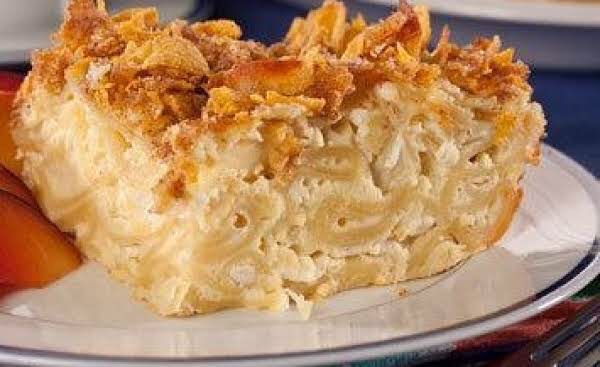
Noodle Kugel

Ingredients

  • 3 Tbsp olive oil
  • 1-12 ounce package of wide or extra wide egg noodles
  • 2 Tbsp jarred garlic
  • 1 Tbsp garlic powder
  • 1 1/2 tsp salt
  • 1 tsp pepper
  • 6 eggs
  • paprika


Directions

Preheat oven to 375 degrees. Add 3 heaping Tbsp of olive oil to baking dish and place pan in oven for the oil to heat. This will make for a crispier kugel.

Bring a large pot of salted water to boil. Cook noodles as directed on package, around 7-8 minutes. Drain and set aside.

While noodles are cooking, whisk together eggs, garlic, garlic powder, salt and pepper.

Add cooked noodles to egg mixture and mix gently until completely coated. Remove baking dish with hot oil from the oven and add noodles to the dish. It will sizzle slightly.

Sprinkle top with paprika. Bake for 40 minutes uncovered or until noodles are desired crispiness. Serve warm or room temperature. Enjoy!

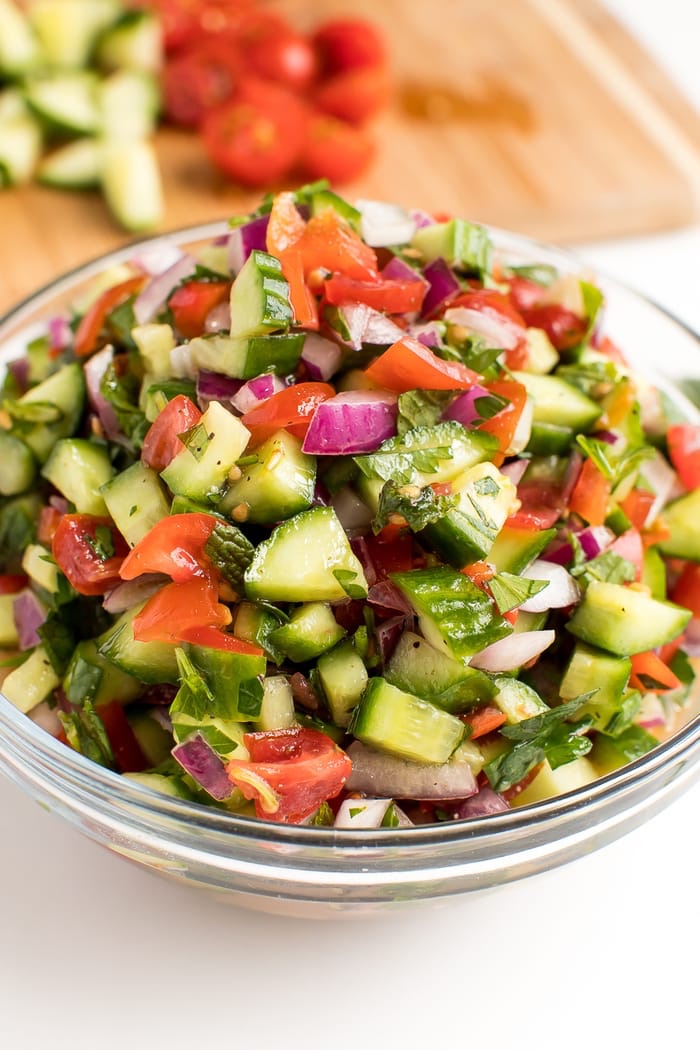
Israeli Salad

Israeli Salad is really a misnomer as it’s Arab, but extremely popular in Israel.  A simple salad that is served at pretty much every meal.

  • 3 cups chopped tomatoes
  • 3 cups chopped cucumbers
  • Chopped onion optional to taste (traditionally no onion)
  • ¼ cup chopped fresh parsley
  • 2 tablespoons olive oil
  • 2 teaspoons lemon juice
  • 1 teaspoon kosher salt

Combine all the ingredients in a large bowl. Toss well to combine and serve.

Israeli Style Hummus

** Tehina is the Israeli word for the Greek word tahini.  **

1 cup dried chickpeas
1 teaspoons baking soda
1½ cups Tehina Sauce
1 teaspoon kosher salt
¼ teaspoon ground cumin
Paprika
Chopped fresh parsley
Olive oil, for drizzling

Tehina Sauce:

¾ cup lemon juice
1½ teaspoons kosher salt
2 generous cups tehina
½ teaspoon ground cumin

Add the tehina to the lemon juice in the bowl, along with the cumin and 1 teaspoon of the salt.  Whisk the mixture together until smooth adding water slowly to thin it out. Whish until you have a perfectly smooth, creamy, thick sauce.  Add more cumin and salt to taste.

Hummus Directions:

Place the chickpeas in a large bowl and cover with water. Soak the chickpeas overnight at room temperature. Drain the chickpeas and rinse.

Place the chickpeas in a large pot with 1 teaspoon of baking soda and add cold water to cover by at least a few inches. Bring the chickpeas to a boil over high heat, skimming off any impurities  that rises to the surface. Lower the heat to medium, cover the pot, and simmer for about 1 hour, until they are a bit overcooked and a little mushy.  Drain.

Combine the chickpeas, tehina sauce, salt, and cumin in a food processor. Puree the hummus for several minutes, until it is smooth and  creamy.

Serve with a drizzle of good olive oil, cumin and fresh parsley to taste.

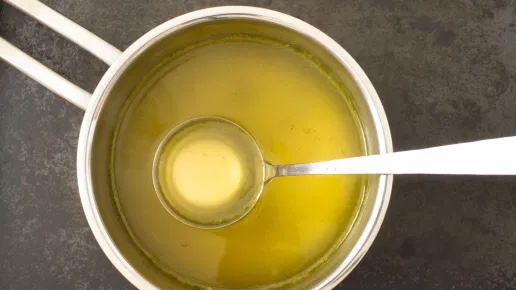
Schmaltz: Ashkenazic Rendered Chicken Fat

Schmaltz or schmalts in Yiddish (from the Middle High German smalz, “animal fat”) is the generic Yiddish term for animal fat, but more specifically and colloquially, it denotes melted and purified poultry fat. Schmaltz became to Ashkenazic cooking what olive oil was to Mediterranean food, indispensable for frying and cooking, and as a flavoring agent.”

Gil Marks, “The Encyclopedia Of Jewish Food

  • Skin and fat from 8 chicken thighs (or 2 cups reserved chicken skin and fat) *
  • ¼ cup water
  • 1 onion, cut into medium dice

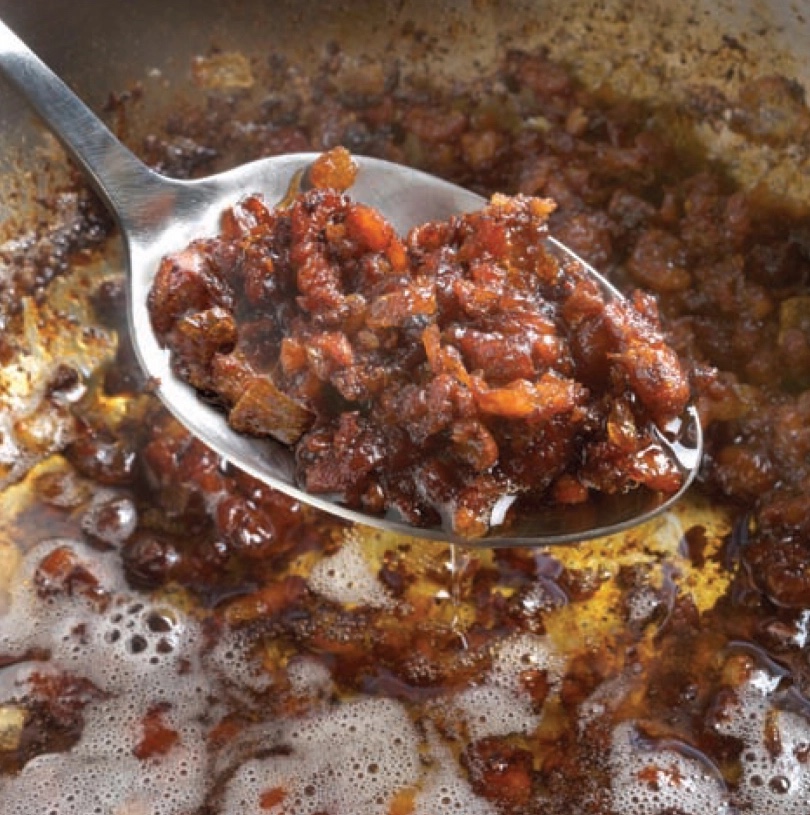
Chop chicken fat and skin and add to a small amount of water to begin the rendering at a gentle temperature.  Once the water and the moisture in the fat and skin have cooked off, the fat can rise above 212 degrees and the browning can begin.  When the skin is lightly browned and plenty of fat has been rendered, add the chopped onion.

Be careful not to overcook. It should remain clear and yellow, not brown with an overly roasted flavor.  The browned skin and onion, called gribenes are delicious.  Strain the fat and reserve the gribenes. The schmaltz is ready to use, to refrigerate for up to a week, or to freeze. The gribenes should also be refrigerated or frozen

* Where do I get the chicken fat?

Make roast chicken once a week. Before you roast it, pull off all the fat you see and trim all the skin you won’t need. Store the fat and skin in the freezer, until you have plenty to render for schmaltz

Classical Challah Egg Bread

B305E660-24AA-46F0-BAB3-F8A67B1F0A3C

Challah is a special bread in Jewish cuisine, usually braided and typically eaten on ceremonial occasions such as Sabbath and major Jewish holidays (other than Passover). Ritually-acceptable challah is made of dough from which a small portion has been set aside as an offering. The word challah likely comes from the Hebrew root halal. The etymology of this root is uncertain. It may originally have indicated roundness (“circle”) and then also came to denote hollowness (“space”), or vice versa.

Most traditional Ashkenazi challah recipes use numerous eggs, fine white flour, water, sugar, yeast, and salt, but “water challah” made without eggs and having a texture not unlike French baguettes also exists. Modern recipes may replace white flour with whole wheat, oat, or spelt flour or sugar with honey or molasses.  Among Sephardic Jews, water challah is preferred for ritual purposes, because Sephardic minhag does not require the dough offering to be separated if the dough contains eggs or sugar. While breads very similar to Ashkenazi egg challah are found in Sephardic cuisine, they are typically not referred to as challah but considered variants of regional breads like çörek, eaten by Jews and non-Jews alike.  Egg challah sometimes also contains raisins and/or saffron. After the first rising, the dough is rolled into rope-shaped pieces which are braided, though local and seasonal varieties also exist. Poppy or sesame (Ashkenazi) and anise or sesame (Sephardic) seeds may be added to the dough or sprinkled on top. Both egg and water challah are usually brushed with an egg wash before baking to add a golden sheen.  Challah is usually parve (containing neither dairy nor meat—important in the laws of Kashrut), unlike brioche and other enriched European breads, which contain butter or milk.  Israeli challah contains eggs or olive oil in the dough as well as water, sugar, yeast, salt, honey and raisins. It is topped with sesame.

Ingredients

Poppy or sesame seeds (optional)

9 1/4 cups (1 1/3 kg) flour

4 eggs, beaten, plus 2 yolks or 1 whole egg for glazing

1 Tablespoon salt

1/2 cup (100g) sugar

2 1/4 cups (500 ml) lukewarm water

2 Tablespoons dry yeast

1/2 cup (125 ml) vegetable oil

Directions

Dissolve the yeast in the water with 1 teaspoon of the sugar. Beat well and leave 10 minutes, until it froths.

In a very large bowl, lightly beat the eggs. Then add the salt, sugar, and oil and beat again. Add the frothy yeast mixture and beat well. Now add the flour gradually, and just enough to make a soft dough that holds together, mixing well, first with a large spoon, then working it in with your hands. Knead vigorously for about 15 minutes, until it is very smooth and elastic, adding flour if the dough is too sticky. Pour a little oil in the bowl and turn the dough, so that it is greased all over. Cover the bowl with plastic wrap and put it in a warm place to rise for 2‑3 hours, or until it has doubled in bulk. Punch the dough down and knead again, then divide into four pieces to make 4 loaves.

To make round challah: Take 1 piece of dough, roll it between your palms, and pull it out into a long fat rope about 18 inches (46 cm) long and 2 inches (5 cm) thick – a little fatter at one end. Take the fatter end and put it in the middle of an oiled baking sheet, then coil the rest of the rope around it like a snail. Continue with the remaining 3 pieces.

To make braided challah with 3 strands: Divide 1 piece of the dough into 3. Roll each piece between your palms and pull into long thin ropes about 18 inches (46 cm) long and 1 1/4 inches (3 cm) wide. Pinch 1 end of all the strands together and plait them: bring the rope on the right over the middle one, then bring the one on the left over it and continue to the end. Pinch the ends together and tuck them under the loaf. You may find it, easier to begin plaiting in the middle of the 3 strands and plait towards the 2 ends. Continue with the remaining 3 pieces.

Place the 4 loaves on well‑oiled baking sheets, leaving plenty of room for them to expand, then leave to rise for 1 hour, or until doubled in bulk. Now brush gently with the beaten egg yolks or if you want to sprinkle with poppy or sesame seeds, brush first with the whole beaten egg (the seeds stick better if the white is there too). Bake in a preheated 350F (180C) oven for 30‑40 minutes or until the loaves are beautifully golden-brown. They are done if they sound hollow when you tap the bottoms.

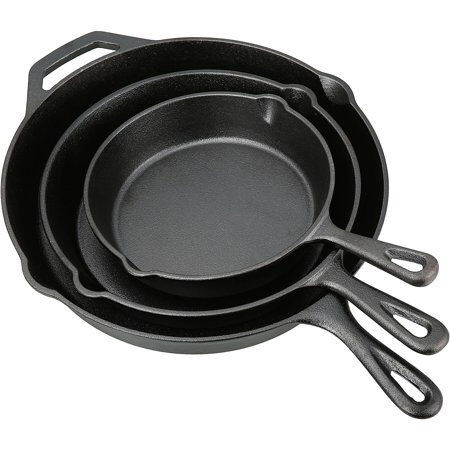
Seasoning Your Cast Iron Pan

Both of my grandmothers, from either end of Tennessee—McNairy County on the Tennessee River and Sevier County in Appalachia—cooked every day in cast iron. Mind you, these women could not have been more different. The South is a big place, and there are hundreds of miles and hundreds of years of diverging histories between folks in the Mississippi Delta and those in the Smokies. Tennessee is long, but cast iron is one common denominator.”

“The only tried-and-true way to season a cast-iron skillet is with lard.”
~ John Martin Taylor, Southern-Food Historian

Buy a Lodge cast-iron Pan they make the best in the world. They come pre-seasoned nowadays, but if you have your Great-Gramma’s pan that has been neglected or you just need to know how to season your pan here is an easy guide:

  • Wash a new skillet with warm soapy water once to remove the thin coating of wax applied at the factory. That’s the last time you should ever wash it with soap.
  • Have the butcher grind enough fresh pork fat to nearly fill the skillet. Place a thin layer of water (about ⅛ inch) in the bottom, and then add the fat. Put the skillet in the oven set to 225 degrees or on top of the stove over very low heat.
  • Melt the fat slowly; it can take an hour or more. When the solid matter (called cracklings) turns brown and sinks to the bottom, strain the fat into a glass jar with a tight-fitting lid and wipe out the skillet. After the fat has cooled, cover it and store in the refrigerator. You now have rendered lard for biscuits and piecrusts—and a seasoned skillet.
  • After each use, rub the inside of the skillet with bacon grease and wipe out the excess. The salt in the bacon grease will help preserve the skillet and keep food from sticking to the surface. If you must wash it to remove any dust or bits of burned food, don’t even think about putting it in the dishwasher. Use only cold water and a natural-bristle brush, then dry it thoroughly and wipe down with bacon grease.

Source: “The Southener’s Handbook,” by Garden & Gun

Small Batch Sausage Making 101

B55BFFD5-C913-4C72-9DB2-C553D5E56FE3

Step 1: The Spices

Your spices consists of the ingredients you will be using to flavor your sausage. Toasting and grinding your own spices makes a difference you can taste. Avoid ready made spice kits.

Step 2: Cutting

Cut the meat into uniform cubes that are smaller than the opening of your grinder. Remove blood vessels, tendons, or glands. Place the meat in a bowl large enough to allow room for mixing

Step 3: Marinating

Evenly distribute half of the spices over the meat. Using your hands mix well until evenly coated. Add the second half of spices and mix again. Refrigerate for at least 12 hours to allow the seasonings to permeate the meat.

Step 4: Chilling

Chilling both your meat and parts of the grinder helps to avoid grinding issues. After cutting and marinating the meat, be sure to refrigerate it for at least 2 hours so it is thoroughly chilled.

Step 5: Grinding

Begin by assembling the grinder following manufacturers instructions. You will need a wide bowl or container that fits easily under the grinder to catch the ground meat. Feed the meat into the tube, one piece at a time. Let the machine do the work rather than pushing too much meat through the grinder at once.

892E7089-7E3C-4E87-B25F-3536BCAE754F

Step 6: Mixing

Seasoned, ground sausage meat should be mixed thoroughly by hand for 1 to 2 minutes. This action ensures that the seasonings are evenly distributed throughout.

Step 7: Tasting

Scoop up about 2 tablespoons of the well-mixed farce and shape into a small, flat patty. Cook the patty in a small pan over medium heat. Evaluate the taste and texture. If too dry add a small amount of ground fat. If the seasoning Is too weak, add more salt or spices. If too highly seasoned, add a small amount of unseasoned ground meat and ground fat. It is much easier to add salt and spices than it is to lessen their intensity.

Step 8: Stuffing (Optional)

Stuffing takes practice. Don’t be discouraged your first few batches . They will still taste great. Natural casings are the processed lamb, pork, and beef intestines used for casing sausage and salami. Before they can be used, they must be rinsed thoroughly in several changes of cold water. Once rinsed, they can be stored in water in the refrigerator for up to about 5 days.

Remove a length of soaked casing from the water.

Turn the crank so that the lid presses gently onto the top of the meat, forcing just ½ inch (12 mm) of the meat out through the nozzle. This helps to eliminate air pockets

Pull the end of the casing over the edge of the nozzle, then knot the end of the casing.

Place your thumb and forefinger around the end of the nozzle to regulate the movement of the casing.

Crank the handle slowly to press the sausage meat into the casing. Release more casing off the nozzle as the sausage flows through the tube.

If an air bubble forms, prick the sausage casing.

0693D68E-3102-4E0E-9D98-A70D458A5346

Basic Sausage Recipes:

Poultry Or Rabbit

3¾ pounds (1.7 kg) boneless, skinless poultry or rabbit

+ 1¼ pound (567 g) pork back fat

+ 2 tablespoons (1.2 ounces/34 g) fine sea salt

Lamb

3 pounds (1.4 kg) boneless lamb shoulder

+ 2 pounds (900 g) lean boneless lamb foreshank or hind shank

+ 2 tablespoons (1.2 ounces/34 g) sea salt

2 tablespoons olive oil

______ or

2½ pounds (1.2 kg) boneless lamb shoulder

+ 2½ pounds (1.2 kg) boneless pork picnic

+ 2 tablespoons (1.2 ounces/34 g) sea salt

Pork

4½ pounds (2 kg) boneless pork picnic

+ 8 ounces (225 g) pork back fat

______ or

5 pounds (2.3 kg) boneless pork Boston butt

+ 2 tablespoons (1.2 ounces/34 g) fine sea salt

Beef

5 pounds (2.3 kg) untrimmed beef chuck or brisket

+ 2 tablespoons (1.2 ounces/34 g) sea salt

____ or

3 pounds (1.4 kg) untrimmed beef such as chuck or brisket

+ 2 pounds (900 g) pork Boston butt

+ 2 tablespoons (1.2 ounces/34 g) sea salt

Breakfast Sausage And Seasoning

Basic Sausage Recipe:

Pork

Spices:

1½ teaspoons freshly ground black pepper

1 teaspoon ground cayenne

⅛ teaspoon freshly grated nutmeg

1 allspice berry, ground

1 tablespoon minced garlic

Grind:

Medium

Garnish:

½ cup (30 g) finely chopped fresh sage

Casing:

Lamb

Farmer’s Sausage And Seasoning

Basic Sausage Recipe:

Pork

Spices:

1½ teaspoons freshly ground black pepper

1 teaspoon toasted and ground aniseeds

1 teaspoon ground cayenne

Grind:

Medium

Garnish:

1½ cups (360 ml) dry red wine reduced to ½ cup (120 ml)

2 tablespoons grated Pecorino Romano cheese

Casing:

Pork

Fennel Sausage And Seasoning

Basic Sausage Recipe:

Pork

Spices:

2 tablespoons toasted and ground fennel seeds

1½ teaspoons freshly ground pepper

2 teaspoons ground dried oregano

4 teaspoons minced garlic

Grind:

Medium

Garnish:

½ cup (30 g) chopped fresh flat-leaf parsley

2 tablespoons whole fennel seeds, toasted

1 tablespoon chile flakes

¼ cup (60 ml) dry white wine

Casing:

Lamb

Spicy Italian Sausage And Seasoning

Basic Sausage Recipe:

Pork

Spices:

3 tablespoons toasted and ground fennel seeds

1 teaspoon freshly ground black pepper

½ teaspoon freshly ground white pepper

4 teaspoons ground chile flakes

1 tablespoon plus ½ teaspoon paprika

1 tablespoon minced garlic

Grind:

Medium

Garnish:

2 tablespoons dry white wine

Casing:

Pork

Sweet Italian Sausage And Seasoning

Basic Sausage Recipe:

Pork

Spices:

3 tablespoons toasted and ground fennel seeds

1½ teaspoons toasted and ground aniseeds

3 allspice berries, ground

1 teaspoon freshly ground pepper

1 tablespoon ground dried oregano

1 tablespoon minced garlic

Grind:

Medium

Garnish:

½ cup (30 g) chopped fresh flat-leaf parsley

¼ cup (60 ml) dry white wine

Casing:

Pork

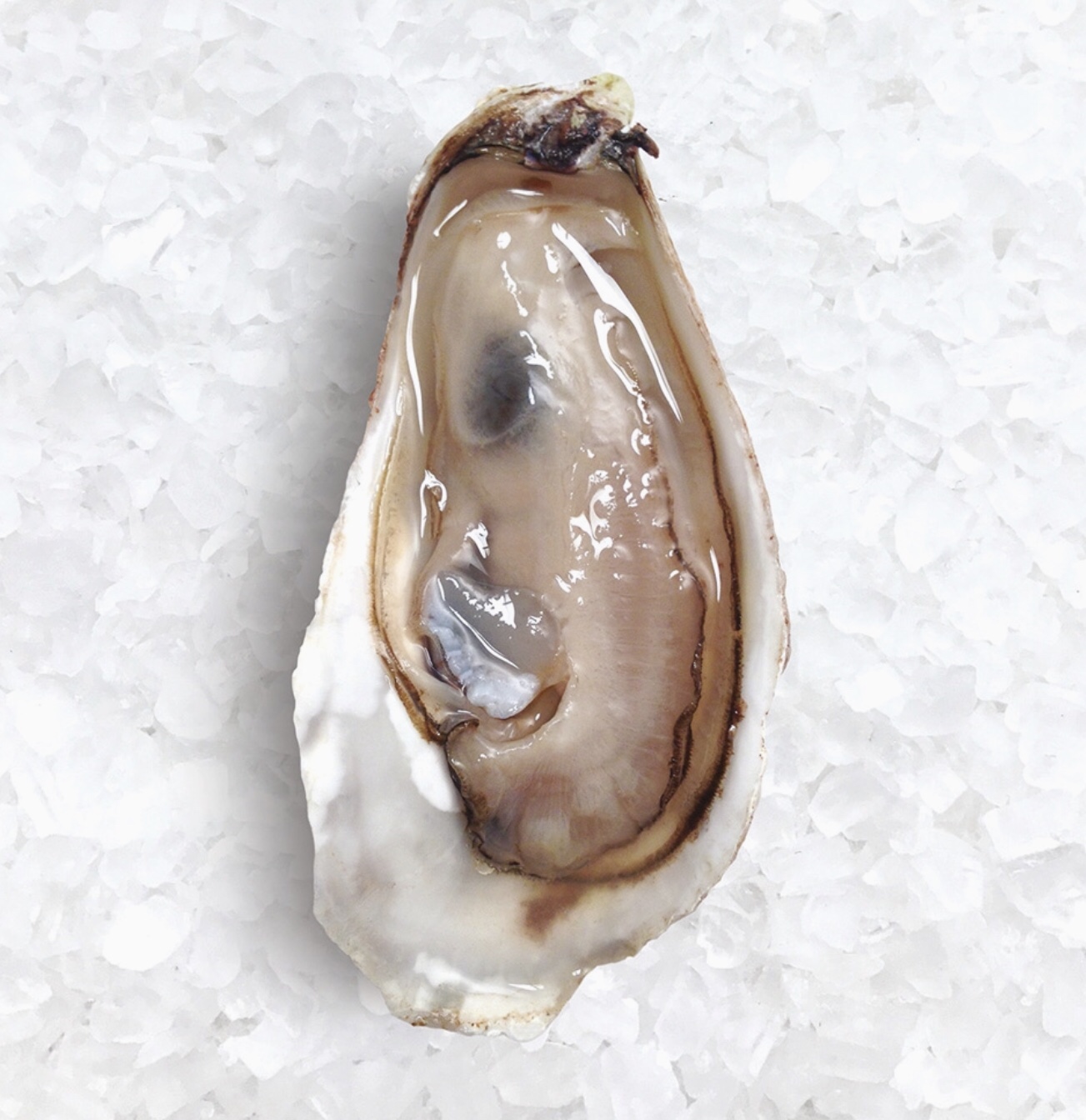
Stingray Oyster

Scientific Name: Crassostrea Virginica

Stingrays are so named for the bay oyster’s chief predator.

The chocolate colored shell is definitely slurp friendly. A simple seagrass salt scent drifts over the liquor.

This classic Chesapeake Bay oyster has decidedly plump and sweet meat with a solid brininess. The finish is slightly metallic that floats on the taste buds.

Try with hot sauce and a Pilsner, perhaps Siracha sauce.