Chatham Artillery Punch

Based upon a recipe in “Savannah Style – A cookbook by the junior league of Savannah.”

It is said that the concoction possesses more of a kick than the two brass cannons presented to Savannah by George Washington. It was first devised in the 1850’s to honor a rival military organization. The Republican Blues, and since then has laid to rest, at least temporarily many an unknown soldier and countless known Ones.

Serves 200

  • 2 gallons tea (green tea – l pound tea to 2 gallons water. Soak overnight in tin bucket and strain.)
  • Juice of 3 dozen lemons
  • 5 pounds brown sugar
  • 2 gallons Catawba wine
  • 2 gallons Santa Cruz rum
  • I gallon Hennessy (3 – Star) brandy
  • I gallon dry gin
  • I gallon rye whiskey 
  • 2 quarts cherries
  • 2 quarts pineapple cubes
  • 10 quarts champagne

Mix the tea with lemon juice, preferably in a cedar tub, then add brown sugar and liquors. Let this mixture “set” for at least I week, or preferably 2 weeks, in covered container.

After “setting” period and when ready to serve, pour over cake of ice. Never chill in refrigerator or used crushed ice. When this is done, add cherries, pineapple cubes and champagne. pouring in slowly and mixing with circular motion. The punch is now ready to serve.
Culinary Fun Fact: How To Use Gelatin

Gelatin is a protein that dissolves in hot liquids and gels when cold. It is used to set light custards such as panna cotta among various other uses both sweet and savory.

The natural gelatin contained in meat and bones is what causes cold broth consommé or aspic to set.

Many of home cooks don’t like gelatin because if overused, it makes things rubbery. It’s best used in the smallest amount needed to get a liquid to set, about half the amount specified on the package, which says that one packet will set 1 cup liquid. In fact, one packet will barely set, which generally what you want, 2 cups of liquid.

When using powdered gelatin, soften it in about 3 tablespoons cold water per packet before adding it to hot or warm liquids.

Some recipes call for sheet gelatin, which happens to be the preferred form in Europe. When using sheet gelatin, soak it first in cold water until it becomes soft. It’s difficult to arrive at equivalents between sheet gelatin and powdered gelatin because different brands of sheet gelatin contain different amounts of gelatin per sheet.

Culinary Fun Fact: What is a Moderate Oven?

Oven Temperatures

                                      ºF                     ºC                      Gas Mark
very cool                     250–275           130–140                ½–1
cool                              300                    148                         2
warm                           325                    163                         3
moderate                    350                    177                         4
moderately hot         375–400           190–204               5–6
hot                                425                     218                        7
very hot                      450–475             232–245               8–9

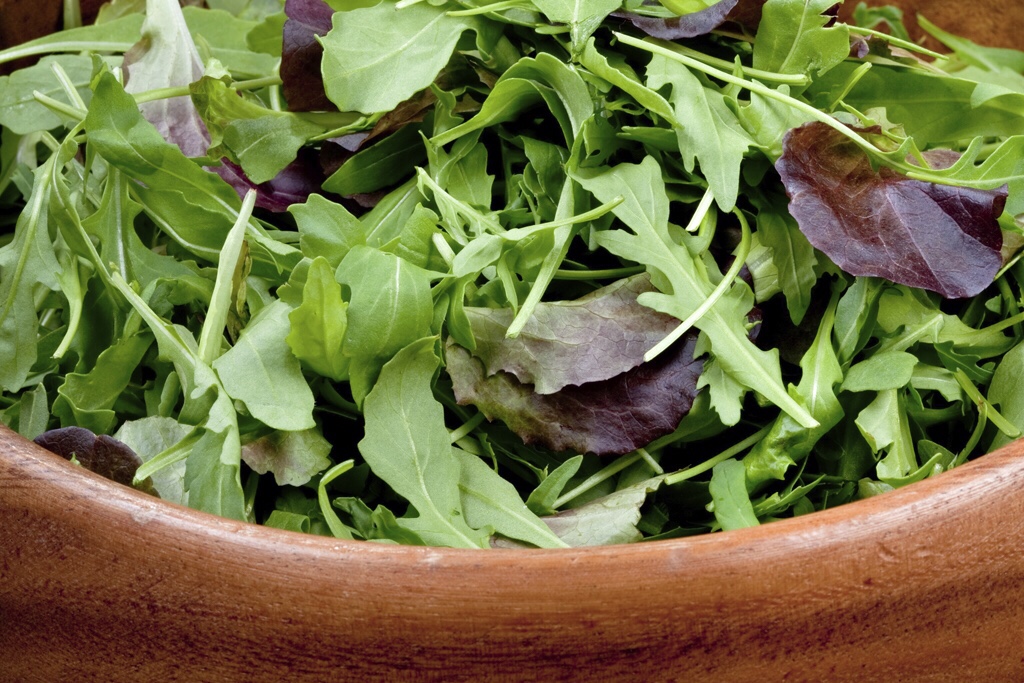
Culinary Fun Fact: How to Wash Lettuce

1. Fill a large bowl with cold water and gently put in the leaves.

2. Stir them around gently and then let them sit a couple of minutes. Transfer them to another bowl.

3. Feel the bottom of the first bowl. If you feel any sand or grit, rinse it out, refill the bowl, and repeat the soaking.

4. Most lettuce requires only one soaking, but some greens, such as arugula or basil, are sandy and require as many as three soakings.

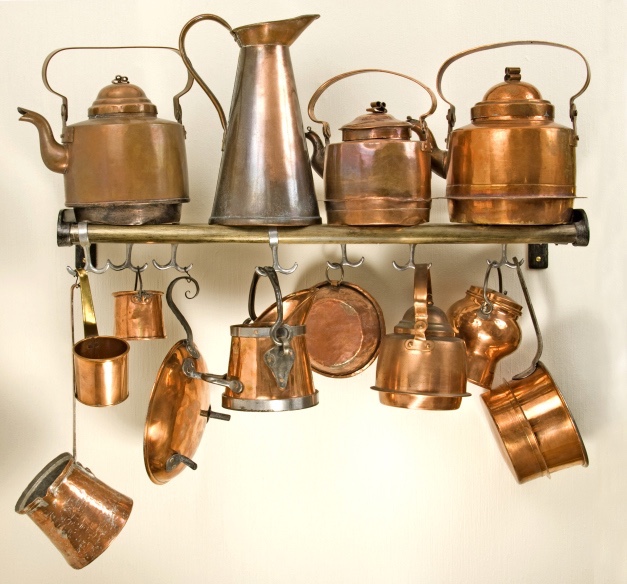
Culinary Fun Fact: How to Polish Copper

Let me stress don’t buy any of the copper polishing products available at your grocery store or specialty food market.

Use the Chef method, a method which is actually much easier than store-bought products.  Make a watery paste of coarse kosher salt and white vinegar and begin rubbing it on the copper. As you apply the paste, the tarnish will just disappear. Rinse off the pan and dry.

Rendering Leaf Lard

Leaf lard surrounds a pig’s kidneys and is of very high quality. Leaf lard enjoyed a revered place on the baking counter, until it was usurped in the early part of the 20th century by the brilliant needs no refrigeration marketing campaign of vegetable shortening.

To Render:

  • Ask your butcher for leaf lard and not back fat. Five to 6 pounds is a decent amount to make 4 or 5 pints worth. Look at it to make sure it doesn’t have a lot, or preferably any red meat on it. If it has a lot, it may be back fat which is not as high quality.
  • With a clean sharp knife, chop the fat into small pieces about the size of an almond.
  • Cover the bottom of a heavyweight stockpot with a bit of water. Spread the pieces of fat evenly over the surface of the pan.
  • Turn the burner to low, and set the pot on top. Then relax and stir occasionally while the fat melts. The white fat will turn clear as it melts. Five to 6 pounds of fat can take three hours or so in the oven, but less time on the stovetop.
  • Be sure that the fat doesn’t scorch or it will give a noticeable flavor to the finished leaf lard.
  • When most of the pieces are melted, carefully pour the clear hot fat through a double layer of cheesecloth and into a bowl. Ladle out any remaining fat bits and finish by ladling into jars. Let cool completely before you put on the lids.
  • To freeze, you can let the rendered leaf lard cool completely in the bowl, weigh out 4-ounce pieces, individually wrap, and freeze in dated freezer bags.
  • When you feel a pie making or biscuit session coming on, you’re already one step ahead.

Offal: Butchering a Beef Heart – Chris Cosentino (Video)

What is Offal?

• Edible internal organs: the edible, mainly internal organs of an animal, e.g. the heart, liver, brains, and tongue, sometimes regarded as unpalatable.
• Literally mean “off fall,” or the pieces which fall from a carcass when butchered.
• Meat which is used as food which is not skeletal muscle.
• Aka. Organ meats and variety meats.
• Ex. Heart, liver, kidneys, brains, tongue, tails, feet, etc.

Beef Heart was described by Michael Ruhlman,

“Heart is an excellent muscle to eat: it’s lean and flavorful (meaty but not organy—it’s a hard working muscle, not squishy spleen), it’s got a good bite, and it’s inexpensive (I bought the three-pound grass-fed beef heart for six bucks last Saturday). And one more thing: it puts to use a cut that is often thrown away; it’s important that we do our best to make use of all parts of the animals we kill for our food.”

This video shows Chris Cosentino cleaning a beef heart.