Mental Illness: Symptoms

Mental illness, also called mental health disorders, refers to a wide range of mental health conditions — disorders that affect your mood, thinking and behavior. Examples of mental illness include depression, anxiety disorders, schizophrenia, eating disorders and addictive behaviors.

Many people have mental health concerns from time to time. But a mental health concern becomes a mental illness when ongoing signs and symptoms cause frequent stress and affect your ability to function.

A mental illness can make you miserable and can cause problems in your daily life, such as at school or work or in relationships. In most cases, symptoms can be managed with a combination of medications and talk therapy (psychotherapy).

Symptoms

Signs and symptoms of mental illness can vary, depending on the disorder, circumstances and other factors. Mental illness symptoms can affect emotions, thoughts and behaviors.

Examples of signs and symptoms include:

• Feeling sad or down

• Confused thinking or reduced ability to concentrate

• Excessive fears or worries, or extreme feelings of guilt

• Extreme mood changes of highs and lows

• Withdrawal from friends and activities

• Significant tiredness, low energy or problems sleeping

• Detachment from reality (delusions), paranoia or hallucinations

• Inability to cope with daily problems or stress

• Trouble understanding and relating to situations and to people

• Problems with alcohol or drug use

• Major changes in eating habits

• Sex drive changes

• Excessive anger, hostility or violence

• Suicidal thinking

Sometimes symptoms of a mental health disorder appear as physical problems, such as stomach pain, back pain, headaches, or other unexplained aches and pains.

If you have suicidal thoughts

Suicidal thoughts and behavior are common with some mental illnesses. If you think you may hurt yourself or attempt suicide, get help right away:

• Call 911 or your local emergency number immediately.

• Call your mental health specialist.

• Call a suicide hotline number. In the U.S., call the National Suicide Prevention Lifeline at 1-800-273-TALK (1-800-273-8255) or use its webchat on suicidepreventionlifeline.org/chat.

• Seek help from your primary care provider.

• Reach out to a close friend or loved one.

• Contact a minister, spiritual leader or someone else in your faith community.

Suicidal thinking doesn’t get better on its own — so get help.

Helping a loved one

If your loved one shows signs of mental illness, have an open and honest discussion with him or her about your concerns. You may not be able to force someone to get professional care, but you can offer encouragement and support. You can also help your loved one find a qualified mental health professional and make an appointment. You may even be able to go along to the appointment.

If your loved one has done self-harm or is considering doing so, take the person to the hospital or call for emergency help.

Causes

Mental illnesses, in general, are thought to be caused by a variety of genetic and environmental factors:

Inherited traits. Mental illness is more common in people whose blood relatives also have a mental illness. Certain genes may increase your risk of developing a mental illness, and your life situation may trigger it.

Environmental exposures before birth. Exposure to environmental stressors, inflammatory conditions, toxins, alcohol or drugs while in the womb can sometimes be linked to mental illness.

• Brain chemistry. Neurotransmitters are naturally occurring brain chemicals that carry signals to other parts of your brain and body. When the neural networks involving these chemicals are impaired, the function of nerve receptors and nerve systems change, leading to depression and other emotional disorders.

Risk factors

Certain factors may increase your risk of developing a mental illness, including:

• A history of mental illness in a blood relative, such as a parent or sibling

• Stressful life situations, such as financial problems, a loved one’s death or a divorce

• An ongoing (chronic) medical condition, such as diabetes

• Brain damage as a result of a serious injury (traumatic brain injury), such as a violent blow to the head

• Traumatic experiences, such as military combat or assault

• Use of alcohol or recreational drugs

• A childhood history of abuse or neglect

• Few friends or few healthy relationships

• A previous mental illness

Mental illness is common. About 1 in 5 adults has a mental illness in any given year. Mental illness can begin at any age, from childhood through later adult years, but most cases begin earlier in life.

The effects of mental illness can be temporary or long lasting. You also can have more than one mental health disorder at the same time. For example, you may have depression and a substance use disorder.

Complications

Mental illness is a leading cause of disability. Untreated mental illness can cause severe emotional, behavioral and physical health problems. Complications sometimes linked to mental illness include:

• Unhappiness and decreased enjoyment of life

• Family conflicts

• Relationship difficulties

• Social isolation

• Problems with tobacco, alcohol and other drugs

• Missed work or school, or other problems related to work or school

• Legal and financial problems

• Poverty and homelessness

• Self-harm and harm to others, including suicide or homicide

• Weakened immune system, so your body has a hard time resisting infections

• Heart disease and other medical conditions

Prevention

There’s no sure way to prevent mental illness. However, if you have a mental illness, taking steps to control stress, to increase your resilience and to boost low self-esteem may help keep your symptoms under control. Follow these steps:

• Pay attention to warning signs. Work with your doctor or therapist to learn what might trigger your symptoms. Make a plan so that you know what to do if symptoms return. Contact your doctor or therapist if you notice any changes in symptoms or how you feel. Consider involving family members or friends to watch for warning signs.

• Get routine medical care. Don’t neglect checkups or skip visits to your primary care provider, especially if you aren’t feeling well. You may have a new health problem that needs to be treated, or you may be experiencing side effects of medication.

• Get help when you need it. Mental health conditions can be harder to treat if you wait until symptoms get bad. Long-term maintenance treatment also may help prevent a relapse of symptoms.

• Take good care of yourself. Sufficient sleep, healthy eating and regular physical activity are important. Try to maintain a regular schedule. Talk to your primary care provider if you have trouble sleeping or if you have questions about diet and physical activity.

Sources: The Mayo Clinic, NAMI, NIH
Seasonal affective disorder (SAD): Symptoms

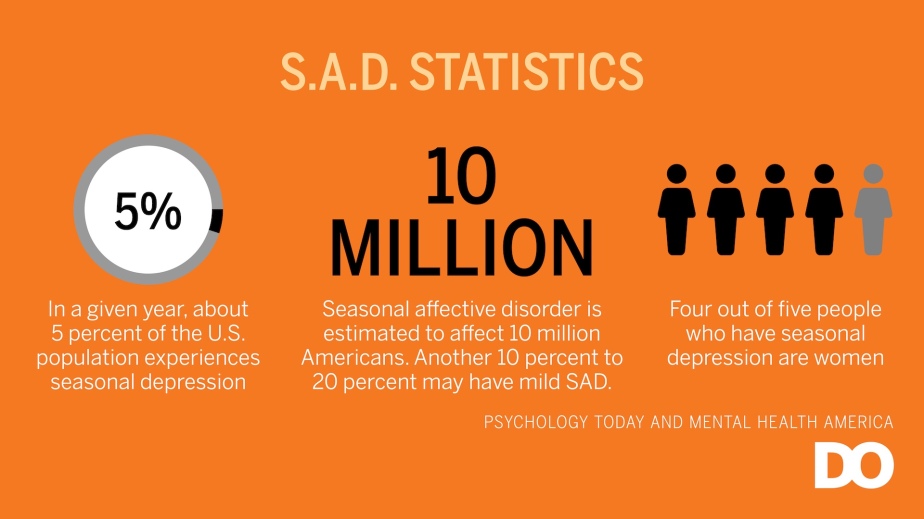
Seasonal affective disorder (SAD) is a type of depression that’s related to changes in seasons — SAD begins and ends at about the same times every year. If you’re like most people with SAD, your symptoms start in the fall and continue into the winter months, sapping your energy and making you feel moody. Less often, SAD causes depression in the spring or early summer.

Treatment for SAD may include light therapy (phototherapy), medications and psychotherapy.

Don’t brush off that yearly feeling as simply a case of the “winter blues” or a seasonal funk that you have to tough out on your own. Take steps to keep your mood and motivation steady throughout the year.

Symptoms

In most cases, seasonal affective disorder symptoms appear during late fall or early winter and go away during the sunnier days of spring and summer. Less commonly, people with the opposite pattern have symptoms that begin in spring or summer. In either case, symptoms may start out mild and become more severe as the season progresses.

Signs and symptoms of SAD may include:

• Feeling depressed most of the day, nearly every day

• Losing interest in activities you once enjoyed

• Having low energy

• Having problems with sleeping

• Experiencing changes in your appetite or weight

• Feeling sluggish or agitated

• Having difficulty concentrating

• Feeling hopeless, worthless or guilty

• Having frequent thoughts of death or suicide

Fall and winter SAD

Symptoms specific to winter-onset SAD, sometimes called winter depression, may include:

• Oversleeping

• Appetite changes, especially a craving for foods high in carbohydrates

• Weight gain

• Tiredness or low energy

Spring and summer SAD

Symptoms specific to summer-onset seasonal affective disorder, sometimes called summer depression, may include:

• Trouble sleeping (insomnia)

• Poor appetite

• Weight loss

• Agitation or anxiety

Seasonal changes in bipolar disorder

In some people with bipolar disorder, spring and summer can bring on symptoms of mania or a less intense form of mania (hypomania), and fall and winter can be a time of depression.

Causes

The specific cause of seasonal affective disorder remains unknown. Some factors that may come into play include:

• Your biological clock (circadian rhythm). The reduced level of sunlight in fall and winter may cause winter-onset SAD. This decrease in sunlight may disrupt your body’s internal clock and lead to feelings of depression.

• Serotonin levels. A drop in serotonin, a brain chemical (neurotransmitter) that affects mood, might play a role in SAD. Reduced sunlight can cause a drop in serotonin that may trigger depression.

• Melatonin levels. The change in season can disrupt the balance of the body’s level of melatonin, which plays a role in sleep patterns and mood.

Risk factors

Seasonal affective disorder is diagnosed more often in women than in men. And SAD occurs more frequently in younger adults than in older adults.

Factors that may increase your risk of seasonal affective disorder include:

• Family history. People with SAD may be more likely to have blood relatives with SAD or another form of depression.

• Having major depression or bipolar disorder. Symptoms of depression may worsen seasonally if you have one of these conditions.

• Living far from the equator. SAD appears to be more common among people who live far north or south of the equator. This may be due to decreased sunlight during the winter and longer days during the summer months.

Complications

Take signs and symptoms of seasonal affective disorder seriously. As with other types of depression, SAD can get worse and lead to problems if it’s not treated. These can include:

• Social withdrawal

• School or work problems

• Substance abuse

• Other mental health disorders such as anxiety or eating disorders

• Suicidal thoughts or behavior

Treatment can help prevent complications, especially if SAD is diagnosed and treated before symptoms get bad.

Sources: The Mayo Clinic

Social Anxiety Disorder: Symptoms

It’s normal to feel nervous in some social situations. For example, going on a date or giving a presentation may cause that feeling of butterflies in your stomach. But in social anxiety disorder, also called social phobia, everyday interactions cause significant anxiety, fear, self-consciousness and embarrassment because you fear being scrutinized or judged by others.

In social anxiety disorder, fear and anxiety lead to avoidance that can disrupt your life. Severe stress can affect your daily routine, work, school or other activities.

Symptoms

Feelings of shyness or discomfort in certain situations aren’t necessarily signs of social anxiety disorder, particularly in children. Comfort levels in social situations vary, depending on personality traits and life experiences. Some people are naturally reserved and others are more outgoing.

In contrast to everyday nervousness, social anxiety disorder includes fear, anxiety and avoidance that interfere with daily routine, work, school or other activities. Social anxiety disorder typically begins in the early to mid-teens, though it can sometimes start in younger children or in adults.

Emotional and behavioral symptoms

Signs and symptoms of social anxiety disorder can include persistent:

• Fear of situations in which you may be judged

• Worrying about embarrassing or humiliating yourself

• Intense fear of interacting or talking with strangers

• Fear that others will notice that you look anxious

• Fear of physical symptoms that may cause you embarrassment, such as blushing, sweating, trembling or having a shaky voice

• Avoiding doing things or speaking to people out of fear of embarrassment

• Avoiding situations where you might be the center of attention

• Having anxiety in anticipation of a feared activity or event

• Enduring a social situation with intense fear or anxiety

• Spending time after a social situation analyzing your performance and identifying flaws in your interactions

• Expecting the worst possible consequences from a negative experience during a social situation

For children, anxiety about interacting with adults or peers may be shown by crying, having temper tantrums, clinging to parents or refusing to speak in social situations.

Performance type of social anxiety disorder is when you experience intense fear and anxiety only during speaking or performing in public, but not in other types of social situations.

Physical symptoms

Physical signs and symptoms can sometimes accompany social anxiety disorder and may include:

• Blushing

• Fast heartbeat

• Trembling

• Sweating

• Upset stomach or nausea

• Trouble catching your breath

• Dizziness or lightheadedness

• Feeling that your mind has gone blank

• Muscle tension

Avoiding common social situations

Common, everyday experiences that may be hard to endure when you have social anxiety disorder include, for example:

• Interacting with unfamiliar people or strangers

• Attending parties or social gatherings

• Going to work or school

• Starting conversations

• Making eye contact

• Dating

• Entering a room in which people are already seated

• Returning items to a store

• Eating in front of others

• Using a public restroom

Source: The Mayo Clinic

Anxiety Disorders

Experiencing occasional anxiety is a normal part of life. However, people with anxiety disorders frequently have intense, excessive and persistent worry and fear about everyday situations. Often, anxiety disorders involve repeated episodes of sudden feelings of intense anxiety and fear or terror that reach a peak within minutes (panic attacks).

Symptoms

Common anxiety signs and symptoms include:

• Feeling nervous, restless or tense

• Having a sense of impending danger, panic or doom

• Having an increased heart rate

• Breathing rapidly (hyperventilation)

• Sweating

• Trembling

• Feeling weak or tired

• Trouble concentrating or thinking about anything other than the present worry

• Having trouble sleeping

• Experiencing gastrointestinal (GI) problems

• Having difficulty controlling worry

• Having the urge to avoid things that trigger anxiety

Several types of anxiety disorders exist:

Agoraphobia (ag-uh-ruh-FOE-be-uh) is a type of anxiety disorder in which you fear and often avoid places or situations that might cause you to panic and make you feel trapped, helpless or embarrassed.

Anxiety disorder due to a medical condition includes symptoms of intense anxiety or panic that are directly caused by a physical health problem.

Generalized anxiety disorder includes persistent and excessive anxiety and worry about activities or events — even ordinary, routine issues. The worry is out of proportion to the actual circumstance, is difficult to control and affects how you feel physically. It often occurs along with other anxiety disorders or depression.

Panic disorder involves repeated episodes of sudden feelings of intense anxiety and fear or terror that reach a peak within minutes (panic attacks). You may have feelings of impending doom, shortness of breath, chest pain, or a rapid, fluttering or pounding heart (heart palpitations). These panic attacks may lead to worrying about them happening again or avoiding situations in which they’ve occurred.

Selective mutism is a consistent failure of children to speak in certain situations, such as school, even when they can speak in other situations, such as at home with close family members. This can interfere with school, work and social functioning.

Separation anxiety disorder is a childhood disorder characterized by anxiety that’s excessive for the child’s developmental level and related to separation from parents or others who have parental roles.

Social anxiety disorder (social phobia) involves high levels of anxiety, fear and avoidance of social situations due to feelings of embarrassment, self-consciousness and concern about being judged or viewed negatively by others.

Specific phobias are characterized by major anxiety when you’re exposed to a specific object or situation and a desire to avoid it. Phobias provoke panic attacks in some people.

Substance-induced anxiety disorder is characterized by symptoms of intense anxiety or panic that are a direct result of misusing drugs, taking medications, being exposed to a toxic substance or withdrawal from drugs.

Other specified anxiety disorder and unspecified anxiety disorder are terms for anxiety or phobias that don’t meet the exact criteria for any other anxiety disorders but are significant enough to be distressing and disruptive.

Obsessive-Compulsive Disorder (OCD): Symptoms

Obsessive-compulsive disorder (OCD) features a pattern of unwanted thoughts and fears (obsessions) that lead you to do repetitive behaviors (compulsions). These obsessions and compulsions interfere with daily activities and cause significant distress.

You may try to ignore or stop your obsessions, but that only increases your distress and anxiety. Ultimately, you feel driven to perform compulsive acts to try to ease your stress. Despite efforts to ignore or get rid of bothersome thoughts or urges, they keep coming back. This leads to more ritualistic behavior — the vicious cycle of OCD.

Obsessive-Compulsive Disorder often centers around certain themes — for example, an excessive fear of getting contaminated by germs. To ease your contamination fears, you may compulsively wash your hands until they’re sore and chapped.

If you have Obsessive-Compulsive Disorder you may be ashamed and embarrassed about the condition, but treatment can be effective.

Symptoms

Obsessive-compulsive disorder usually includes both obsessions and compulsions. But it’s also possible to have only obsession symptoms or only compulsion symptoms. You may or may not realize that your obsessions and compulsions are excessive or unreasonable, but they take up a great deal of time and interfere with your daily routine and social, school or work functioning.

Obsession symptoms

obsessions are repeated, persistent and unwanted thoughts, urges or images that are intrusive and cause distress or anxiety. You might try to ignore them or get rid of them by performing a compulsive behavior or ritual. These obsessions typically intrude when you’re trying to think of or do other things.

Obsessions often have themes to them, such as:

• Fear of contamination or dirt

• Doubting and having difficulty tolerating uncertainty

• Needing things orderly and symmetrical

• Aggressive or horrific thoughts about losing control and harming yourself or others

• Unwanted thoughts, including aggression, or sexual or religious subjects

Examples of obsession signs and symptoms include:

• Fear of being contaminated by touching objects others have touched

• Doubts that you’ve locked the door or turned off the stove

• Intense stress when objects aren’t orderly or facing a certain way

• Images of driving your car into a crowd of people

• Thoughts about shouting obscenities or acting inappropriately in public

• Unpleasant sexual images

• Avoidance of situations that can trigger obsessions, such as shaking hands

Compulsion symptoms

compulsions are repetitive behaviors that you feel driven to perform. These repetitive behaviors or mental acts are meant to reduce anxiety related to your obsessions or prevent something bad from happening. However, engaging in the compulsions brings no pleasure and may offer only a temporary relief from anxiety.

You may make up rules or rituals to follow that help control your anxiety when you’re having obsessive thoughts. These compulsions are excessive and often are not realistically related to the problem they’re intended to fix.

As with obsessions, compulsions typically have themes, such as:

• Washing and cleaning

• Checking

• Counting

• Orderliness

• Following a strict routine

• Demanding reassurance

Examples of compulsion signs and symptoms include:

• Hand-washing until your skin becomes raw

• Checking doors repeatedly to make sure they’re locked

• Checking the stove repeatedly to make sure it’s off

• Counting in certain patterns

• Silently repeating a prayer, word or phrase

• Arranging your canned goods to face the same way

Depression (Major Depressive Disorder): Symptoms

Depression is a mood disorder that causes a persistent feeling of sadness and loss of interest. Also called major depressive disorder or clinical depression, it affects how you feel, think and behave and can lead to a variety of emotional and physical problems. You may have trouble doing normal day-to-day activities, and sometimes you may feel as if life isn’t worth living.

More than just a bout of the blues, depression isn’t a weakness and you can’t simply “snap out” of it. Depression may require long-term treatment. But don’t get discouraged. Most people with depression feel better with medication, psychotherapy or both.

Symptoms:

Although depression may occur only once during your life, people typically have multiple episodes. During these episodes, symptoms occur most of the day, nearly every day and may include:

• Feelings of sadness, tearfulness, emptiness or hopelessness

• Angry outbursts, irritability or frustration, even over small matters

• Loss of interest or pleasure in most or all normal activities, such as sex, hobbies or sports

• Sleep disturbances, including insomnia or sleeping too much

• Tiredness and lack of energy, so even small tasks take extra effort

• Reduced appetite and weight loss or increased cravings for food and weight gain

• Anxiety, agitation or restlessness

• Slowed thinking, speaking or body movements

• Feelings of worthlessness or guilt, fixating on past failures or self-blame

• Trouble thinking, concentrating, making decisions and remembering things

• Frequent or recurrent thoughts of death, suicidal thoughts, suicide attempts or suicide

• Unexplained physical problems, such as back pain or headaches

For many people with depression, symptoms usually are severe enough to cause noticeable problems in day-to-day activities, such as work, school, social activities or relationships with others. Some people may feel generally miserable or unhappy without really knowing why.

Depression symptoms in children and teens:

Common signs and symptoms of depression in children and teenagers are similar to those of adults, but there can be some differences.

• In younger children, symptoms of depression may include sadness, irritability, clinginess, worry, aches and pains, refusing to go to school, or being underweight.

• In teens, symptoms may include sadness, irritability, feeling negative and worthless, anger, poor performance or poor attendance at school, feeling misunderstood and extremely sensitive, using recreational drugs or alcohol, eating or sleeping too much, self-harm, loss of interest in normal activities, and avoidance of social interaction.

Depression symptoms in older adults:

Depression is not a normal part of growing older, and it should never be taken lightly. Unfortunately, depression often goes undiagnosed and untreated in older adults, and they may feel reluctant to seek help. Symptoms of depression may be different or less obvious in older adults, such as:

• Memory difficulties or personality changes

• Physical aches or pain

• Fatigue, loss of appetite, sleep problems or loss of interest in sex — not caused by a medical condition or medication

• Often wanting to stay at home, rather than going out to socialize or doing new things

• Suicidal thinking or feelings, especially in older men

Source: Mayo Clinic

Borderline Personality Disorder: Symptoms

Borderline personality disorder is a mental health disorder that impacts the way you think and feel about yourself and others, causing problems functioning in everyday life. It includes self-image issues, difficulty managing emotions and behavior, and a pattern of unstable relationships.

With borderline personality disorder, you have an intense fear of abandonment or instability, and you may have difficulty tolerating being alone. Yet inappropriate anger, impulsiveness and frequent mood swings may push others away, even though you want to have loving and lasting relationships.

Symptoms:

Borderline personality disorder affects how you feel about yourself, how you relate to others and how you behave.

Signs and symptoms may include:

• An intense fear of abandonment, even going to extreme measures to avoid real or imagined separation or rejection

• A pattern of unstable intense relationships, such as idealizing someone one moment and then suddenly believing the person doesn’t care enough or is cruel

• Rapid changes in self-identity and self-image that include shifting goals and values, and seeing yourself as bad or as if you don’t exist at all

• Periods of stress-related paranoia and loss of contact with reality, lasting from a few minutes to a few hours

• Impulsive and risky behavior, such as gambling, reckless driving, unsafe sex, spending sprees, binge eating or drug abuse, or sabotaging success by suddenly quitting a good job or ending a positive relationship

• Suicidal threats or behavior or self-injury, often in response to fear of separation or rejection

• Wide mood swings lasting from a few hours to a few days, which can include intense happiness, irritability, shame or anxiety

• Ongoing feelings of emptiness

• Inappropriate, intense anger, such as frequently losing your temper, being sarcastic or bitter, or having physical fights

Complications:

Borderline personality disorder can damage many areas of your life. It can negatively affect intimate relationships, jobs, school, social activities and self-image, resulting in:

• Repeated job changes or losses

• Not completing an education

• Multiple legal issues, such as jail time

• Conflict-filled relationships, marital stress or divorce

• Self-injury, such as cutting or burning, and frequent hospitalizations

• Involvement in abusive relationships

• Unplanned pregnancies, sexually transmitted infections, motor vehicle accidents and physical fights due to impulsive and risky behavior

• Attempted or completed suicide

In addition, you may have other mental health disorders, such as:

• Depression

• Alcohol or other substance misuse

• Anxiety disorders

• Eating disorders

• Bipolar disorder

• Post-traumatic stress disorder (PTSD)

• Attention-deficit/hyperactivity disorder (ADHD)

• Other personality disorders

Bipolar Disorder: Symptoms

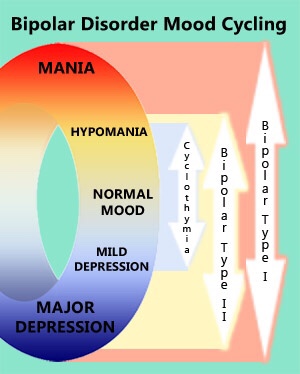
Bipolar disorder, formerly called manic depression, is a mental health condition that causes extreme mood swings that include emotional highs (mania or hypomania) and lows (depression).

When you become depressed, you may feel sad or hopeless and lose interest or pleasure in most activities. When your mood shifts to mania or hypomania (less extreme than mania), you may feel euphoric, full of energy or unusually irritable. These mood swings can affect sleep, energy, activity, judgment, behavior and the ability to think clearly.

Types:

Bipolar I disorder. You’ve had at least one manic episode that may be preceded or followed by hypomanic or major depressive episodes. In some cases, mania may trigger a break from reality (psychosis).

Bipolar II disorder. You’ve had at least one major depressive episode and at least one hypomanic episode, but you’ve never had a manic episode. Bipolar II disorder is not a milder form of bipolar I disorder, but a separate diagnosis. While the manic episodes of bipolar I disorder can be severe and dangerous, individuals with bipolar II disorder can be depressed for longer periods, which can cause significant impairment.

Cyclothymic disorder. You’ve had at least two years — or one year in children and teenagers — of many periods of hypomania symptoms and periods of depressive symptoms (though less severe than major depression).

Mania and hypomania

Mania and hypomania are two distinct types of episodes, but they have the same symptoms. Mania is more severe than hypomania and causes more noticeable problems at work, school and social activities, as well as relationship difficulties. Mania may also trigger a break from reality (psychosis) and require hospitalization.

Both a manic and a hypomanic episode include three or more of these symptoms:

• Abnormally upbeat, jumpy or wired

• Increased activity, energy or agitation

• Exaggerated sense of well-being and self-confidence (euphoria)

• Decreased need for sleep

• Unusual talkativeness

• Racing thoughts

• Distractibility

• Poor decision-making — for example, going on buying sprees, taking sexual risks or making foolish investments

Major depressive episode

A major depressive episode includes symptoms that are severe enough to cause noticeable difficulty in day-to-day activities, such as work, school, social activities or relationships. An episode includes five or more of these symptoms:

• Depressed mood, such as feeling sad, empty, hopeless or tearful (in children and teens, depressed mood can appear as irritability)

• Marked loss of interest or feeling no pleasure in all — or almost all — activities

• Significant weight loss when not dieting, weight gain, or decrease or increase in appetite (in children, failure to gain weight as expected can be a sign of depression)

• Either insomnia or sleeping too much

• Either restlessness or slowed behavior

• Fatigue or loss of energy

• Feelings of worthlessness or excessive or inappropriate guilt

• Decreased ability to think or concentrate, or indecisiveness

• Thinking about, planning or attempting suicide

Other features of bipolar disorder

Signs and symptoms of bipolar I and bipolar II disorders may include other features, such as anxious distress, melancholy, psychosis or others. The timing of symptoms may include diagnostic labels such as mixed or rapid cycling. In addition, bipolar symptoms may occur during pregnancy or change with the seasons.

Sources: Mayo Clinic

Generalized Anxiety Disorder: Symptoms

It’s normal to feel anxious from time to time, especially if your life is stressful. However, excessive, ongoing anxiety and worry that are difficult to control and interfere with day-to-day activities may be a sign of generalized anxiety disorder.

Generalized anxiety disorder symptoms can vary. They may include:

• Persistent worrying or anxiety about a number of areas that are out of proportion to the impact of the events

• Overthinking plans and solutions to all possible worst-case outcomes

• Perceiving situations and events as threatening, even when they aren’t

• Difficulty handling uncertainty

• Indecisiveness and fear of making the wrong decision

• Inability to set aside or let go of a worry

• Inability to relax, feeling restless, and feeling keyed up or on edge

• Difficulty concentrating, or the feeling that your mind “goes blank”

Physical signs and symptoms may include:

• Fatigue

• Trouble sleeping

• Muscle tension or muscle aches

• Trembling, feeling twitchy

• Nervousness or being easily startled

• Sweating

• Nausea, diarrhea or irritable bowel syndrome

• Irritability

There may be times when your worries don’t completely consume you, but you still feel anxious even when there’s no apparent reason. For example, you may feel intense worry about your safety or that of your loved ones, or you may have a general sense that something bad is about to happen.

Your anxiety, worry or physical symptoms cause you significant distress in social, work or other areas of your life. Worries can shift from one concern to another and may change with time and age.

Post Traumatic Stress Disorder (PTSD): Symptoms

Post-traumatic stress disorder (PTSD) is a mental health condition that’s triggered by a terrifying event — either experiencing it or witnessing it. Symptoms may include flashbacks, nightmares and severe anxiety, as well as uncontrollable thoughts about the event.

Intrusive memories

Symptoms of intrusive memories may include:

  • Recurrent, unwanted distressing memories of the traumatic event
  • Reliving the traumatic event as if it were happening again (flashbacks)
  • Upsetting dreams or nightmares about the traumatic event
  • Severe emotional distress or physical reactions to something that reminds you of the traumatic event

Avoidance

Symptoms of avoidance may include:

  • Trying to avoid thinking or talking about the traumatic event
  • Avoiding places, activities or people that remind you of the traumatic event

Negative changes in thinking and mood

Symptoms of negative changes in thinking and mood may include:

  • Negative thoughts about yourself, other people or the world
  • Hopelessness about the future
  • Memory problems, including not remembering important aspects of the traumatic event
  • Difficulty maintaining close relationships
  • Feeling detached from family and friends
  • Lack of interest in activities you once enjoyed
  • Difficulty experiencing positive emotions
  • Feeling emotionally numb

Changes in physical and emotional reactions

Symptoms of changes in physical and emotional reactions (also called arousal symptoms) may include:

  • Being easily startled or frightened
  • Always being on guard for danger
  • Self-destructive behavior, such as drinking too much or driving too fast
  • Trouble sleeping
  • Trouble concentrating
  • Irritability, angry outbursts or aggressive behavior
  • Overwhelming guilt or shame