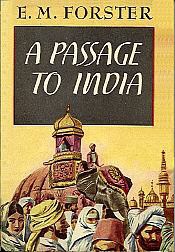
Notable Books of the Twenties: A Passage to India – EM Forster (1924)

A Passage to India by EM Forster (1924)

This has proved the ultimate decline-of-empire classic, backdropped by the British Raj and the Indian independence movement in the 1920s. When Adela Quested and her ageing travelling companion Mrs Moore arrive in the Indian town of Chandrapore, they are put out by its repressed and prejudice atmosphere. So they set out to find the ‘real India’. They engage the charming and respectable Dr Aziz as their guide, but after a mysterious incident at the Marabar caves, he is thrust into the eye of a scandal that grips both British and Indian sides of the imperial coin.

It was, said celebrated Indian novelist Anita Desai, Forster’s ‘great book… masterly in its prescience and its lucidity.’

Notable Books of the Twenties: The Inimitable Jeeves – P.G Wodehouse (1923)

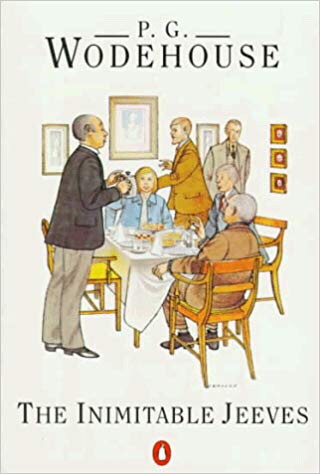
The Inimitable Jeeves by P.G Wodehouse (1923)

PG Wodehouse is, without a doubt, England’s preeminent genius of gentle comedy. There is not an author of any period in history whose writing better embodies his or her particular time and space. In Wodehouse’s case, bumbling Bertie Wooster and his bacon-saving butler Jeeves have become synonymous with that shrinking gene pool of upper-class Edwardian England, where wars were won on cream tea and croquet and lunch could last a lifetime.

It wasn’t just that his comedy was clever, but that it was so painstakingly precise in its lampoonery of the era. But it was the author and social satirist Evelyn Waugh who said it best, during a BBC broadcast in 1961: ‘Mr. Wodehouse’s idyllic world can never stale. He will continue to release future generations from captivity that may be more irksome than our own. He has made a world for us to live in and delight in.’

Notable Books of the Twenties: The Enchanted April – Elizabeth von Arnim (1923)

A sun-drenched ode to the transformative power of travel, The Enchanting April is enchanting. Published at a time when international travel was beginning to take off, it was a huge bestseller on both sides of the Atlantic and set off a tourism boom to Portofino, on the Italian Riviera, where it is set.

It follows four very different women who respond to an ad in the paper appealing ‘to Those who Appreciate Wisteria and Sunshine’ and want to live in an Italian castle for a month. The only thing they have in common is a shared dissatisfaction with their respective home lives.

As they get to know each other, their unhappinesses are washed clean by the sun and they find new joys (and loves) in places they never knew existed. In many ways it is a pioneering example of the classic friendship psychodrama you can buy in any airport bookshop today.

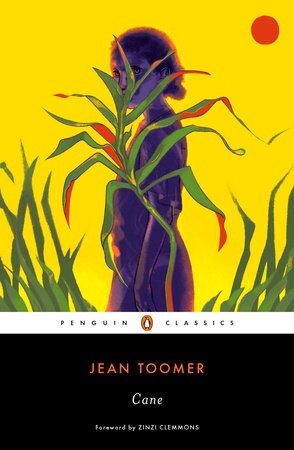
Notable Books of the Twenties: Cane – Jean Toomer (1923)

A cornerstone of the Harlem Renaissance, Toomer’s Cane is a novel stitched together by a series of interwoven vignettes that poignantly capture the experiences of black Americans of his time. Probably its best-known section is the poem ‘Harvest Song,’ which opens with the haunting line: ‘I am a reaper whose muscles set at sundown.’

Sales of the book were modest at the time, but his influence over the Harlem Renaissance was such that the sociologist Charles S. Johnson, called it ‘the most astonishingly brilliant beginning of any Negro writer of his generation.’ In echoes of Langston’s call to arms, he always pushed back when labelled a ‘Negro writer’ because he identified first as an ‘American’, forbidding his publisher from mentioning his race in the book (‘My racial composition and my position in the world are realities which I alone may determine’). It was crucial in bringing the African American experience into focus for American culture.

Notable Books of the Twenties: Ulysses – James Joyce (1922)

If there was a single work that could give TS Eliot cause to question his own talents, it was Ulysses. Published a mere week after he put out The Waste Land, Eliot – like everyone else who read it – was sledgehammered by its genius. ‘Ulysses,’ Eliot would tell Virginia Woolf, ‘destroyed the whole of the 19th century. It left Joyce himself with nothing to write another book on. It showed up the futility of all the English styles.’

Banned, burned and bowdlerised, the sprawling novel shattered convention in its style, substance and sexual explicitness. Considered by some a full-frontal assault on literary tradition, it follows ad salesman Leopold Bloom as he wanders about Dublin across a single day. Warm and witty, wacky and wise, it is a uniquely intimate exploration of what it means to be a human – and is as influential today as in 1922, when Eliot said it had ‘the importance of a scientific discovery.’

Notable Books of the Twenties: Cheri by Colette (1920)

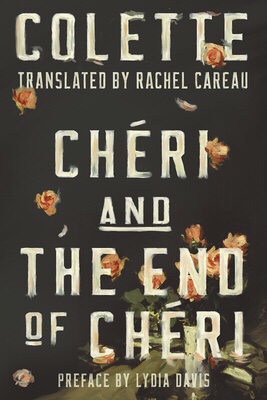
Cheri by Colette (1920)

Colette (full name: Sidonie-Gabrielle Colette) was the ultimate literary renegade who both outraged and intoxicated turn-of-the-century Paris with her technicoloured personal life. She was an author, a poet, a memoirist, a feminist icon and a prolific journalist who trapezed between all manner of subjects from trench warfare to domestic abuse, fashion to faking orgasms.

But her novels are what have best withstood the tests of time, and Cheri was her masterpiece about a beautiful ageing courtesan’s affair with a gorgeous but selfish much-younger man. In a review in 1929, TIME magazine described her style as ‘distinguished for presenting the human side of animals, the animal side of humans.’ It is a sumptuous tale of repression, scandal, sex and desire that rattled Parisian society by the bed boards, not least because it was one of the first novels of its kind to celebrate female sexuality as it ages.

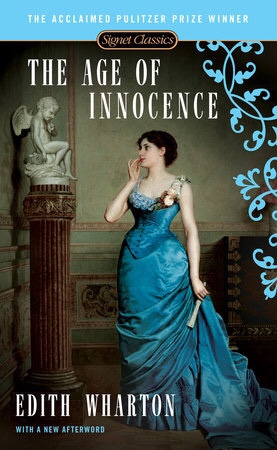
Notable Books of the Twenties: The Age of Innocence (1920) – Edith Wharton

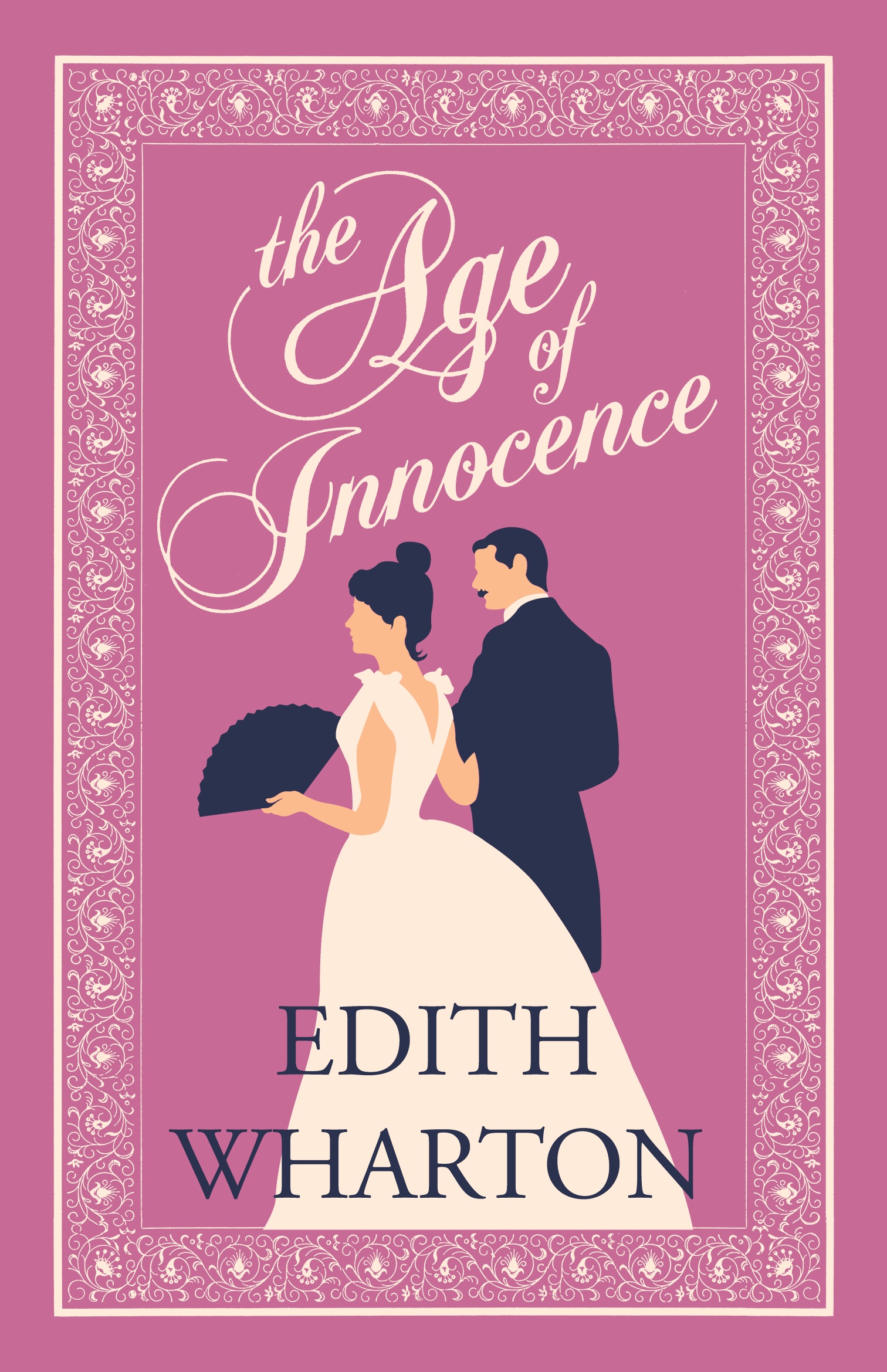
The Age of Innocence by Edith Wharton (1920)

A ravishing tale about desire and betrayal in upper-class New York, Edith Wharton’s literary groundbreaker won her the Pulitzer Prize in 1921, making her the first woman ever to do so. It tells the story of Newland Archer, an aristocratic young lawyer, and his boring but beautiful bride-to-be May Welland, as they prepare for their wedding.

But when May’s exotic cousin Ellen materialises from Europe, having fled her failed marriage to a Polish count, Archer’s loins are activated by her worldly ways. He must make a choice: should he bow to societal strictures and marry a woman who bores him half to sleep, or to a femme fatale to whose flame he is intoxicatingly drawn?