“Mythologies, in other words, mythologies and religions, are great poems and, when recognized as such, point infallibly through all things and events to the ubiquity of a ‘presence’ or ‘eternity’ that is whole and entire in each. In this function all mythologies, all great poetries, and all mystic traditions are in accord; and where any such inspiriting vision remains effective in a civilization, every thing and every creature within its range is alive.”
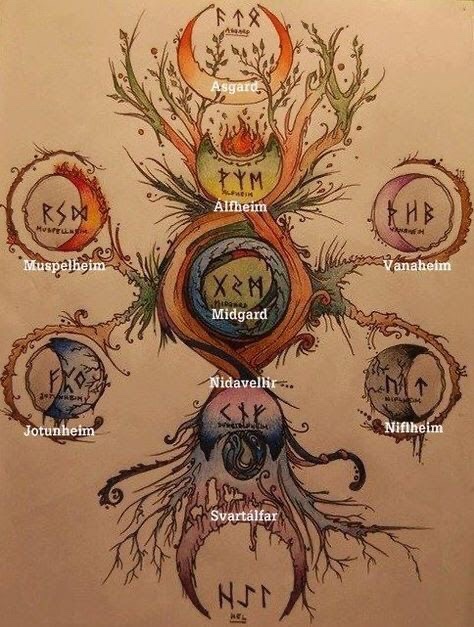
This is the cosmic tree, the “ideogram of Scandinavian mythology” (Mircea Eliade). It corresponds to the Skambha, the cosmic pillar of the Vedas, to the Saxon Irminsûl, and to the World Tree of the Sámi people in Lappland. It is also called Læraðr and Mímameiðr (“Mímir’s Tree”). It is an ash tree, the center and support of the world that it summarizes and symbolizes, the source of life and all knowledge, and all fate. Neither fire nor steel can scathe it, and its fruits heal the womb ailments of women.
Living beneath its three roots are men, frost giants, and the dead in Hel’s realm. According to one tradition, one of its roots leads to the world of the Æsir in the sky. This is where the springs of Urðr (a Norn), Mímir (a giant), and Hvergelmir (the source of all rivers) are located. The dragon Niðhöggr also lives here. The second root goes to Jötunheimr, the world of the giants, and the third to Niflheimr, the world of the dead.
An eagle perches at its top. This is most likely Hræsvelgr (“Carrion Eater”), the flapping of whose wings gives birth to the winds—as well as the falcon Veðrfölnir (“Ash Covered by the Wind”?). The squirrel Ratatoskr climbs up and down the trunk. Five stags graze on its branches: Dáinn and Dvalinn (“Death” and “Torpid”; these are also dwarf names), Duneyrr (“Downy Ears”), and Duraþrór and Eikþyrnir (“Oak-thorny”), as well as the goat Heiðrún. Eight reptiles gnaw on its roots: Niðhöggr, Góinn, Móinn, Grafvitnir, Grafvölluðr, Grábakr, Ófnir, and Sváfnir (we may note in passing that alliterations are generally a sign of the antiquity of the elements). Each day the Norns sprinkle water and light clay over Yggdrasill. The Æsir customarily hold their deliberations beneath the cosmic tree near Urðr’s fountain.
Yggdrasill ensures the vertical coherence of the world, while the Midgard Serpent guarantees its horizontal coherence.
“Like dreams, myths are productions of the human imagination. Their images, consequently––though derived from the material world and its supposed history––are, like dreams, revelations of the deepest hopes, desires and fears, potentialities and conflicts, of the human will––which in turn is moved by the energies of the organs of the body operating variously against each other and in concert. Every myth, that is to say, whether or not by intention, is psychologically symbolic. Its narratives and images are to be read, therefore, not literally, but as metaphors.”
~ Joseph Campbell, “The Inner Reaches of Outer Space: Metaphor As Myth and As Religion”
It was abandoned in favor of Christianity in the year 1000
While Ásatrú was the religion of the vast majority of the settlers of Iceland, some had been converted to Christianity while travelling in Europe. During the first centuries of Icelandic history Christianity made further inroads, and by the end of the 10th century it was clear Ásatrú was on the retreat.
It was re-recognized in 1973
Ásatrú was only re-recognized as a religion by the state in 1973. A group of people who were either practitioners of the ancient religion or its students had been meeting for some time. This group, led by Sveinbjörn Beinteinsson who later became the first high-priest of the association, decided to establish a formal congregation and request recognition from the state. This meeting was held on the First Day of Summer, a unique Icelandic holiday which marks the end of winter and beginning of summer. At the time the number of members was just 12.
It is Iceland’s fastest growing religion
According to figures from Statistics Iceland 3,583 people belonged to Ásatrúarfélagið on January 1 2017, up from 1,040 members 10 years ago. The membership has grown by 244% since 2007, making paganism the fastest growing religion in Iceland over the past decade.
No proselytizing or missionary work
This growth has come in spite of the fact that unlike other religious organizations Ásatrúarfélagið has never engaged in any form of missionary work or proselytizing.
One high priest, 10 Goðar in Iceland (Goðar = Congregation)
The organization of Ásatrúarfélagið is based on the historic organization of Ásatrú during the Viking age. Priests in Ásatrú are called Goði, with each Goði responsible for a congregation “goðorð”. While the goðorð were associated with certain geographic areas during the Viking age, people were free to choose their Goði.
All the ceremonies of Ásatrúarfélagið are open to the general public
The weekly meetings of Ásatrúarfélagið are open to the public, as are all its official ceremonies, the blót. Ásatrúarfélagið has four main blót each year: Jólablót (Yule-blót) at winter solstice in honor of the goddess Freyja, Sigurblót (Victory-blót) held on Sumardagurinn Fyrsti in the spring in honor of the god Freyr, Þingblót (Þing/assembly-blót) on Summer solstice held in honor of the laws, the Þing and human society, and Veturnáttablót (Winter-nights-blót) held on the first day of winter. Veturnáttablót is in honor of Óðinn, the god of the gods.
First pagan temple since 1000 was opened in 2018
Ásatrúarfélagið moveed into a new temple just outside downtown Reykjavík. The temple was the first heathen central temple built in the Nordic countries for more than a thousand years.
There is no prescribed dogma or scripture
Ásatrú has no prescribed dogma or scripture. However, You are however encouraged to read the Poetic and Prose Eddas written by the 13th-century chieftain and scholar, Snorri Sturluson. No one actually prays to the gods and how you might ask their intercession is entirely up to you. The gods are imperfect and not divine.
It is a religion of peace and tolerance
Ásatrú, as it has been practiced in Iceland, is a religion of nature and life, stressing the harmony of the natural world and the search for harmony in the life of individuals. It’s openness and philosophical character has led some to compare it to Unitarian Universalism.
It rejects militarism and the glorification of heroism, battles and blood
Many neo-pagan groups in Europe and the US who consider themselves observers of the religion of the Vikings, practice a religion which glorifies battles, militarism, masculine heroism and in some cases chauvinism, violence, intolerance and racism. Unfortunatelysome white-power groups and members of Aryan Nation gangs practice these forms of paganism. Ásatrúarfélagið rejects this as a misreading of Ásatrú.
Ásatrúarfélagið has received hate mail from reactionary heathens abroad
Ásatrúarfélagið has cut all ties with foreign associations of pagans after receiving harassment and hate mail from people who are angry with emphasis the association has placed upon equality and respect for human rights, especially LGBTQ rights.
Anyone can practice the religion, But only Icelandic residents can join Ásatrúarfélagið
Only Icelandic citizens or people who have a domicile in Iceland can become members of the Ásatrúarfélag, but anyone can practice Ásatrú, regardless of their nationality or residence. It costs nothing to join and is open to all, irrespective of race, cultural background, gender or sexual orientation.
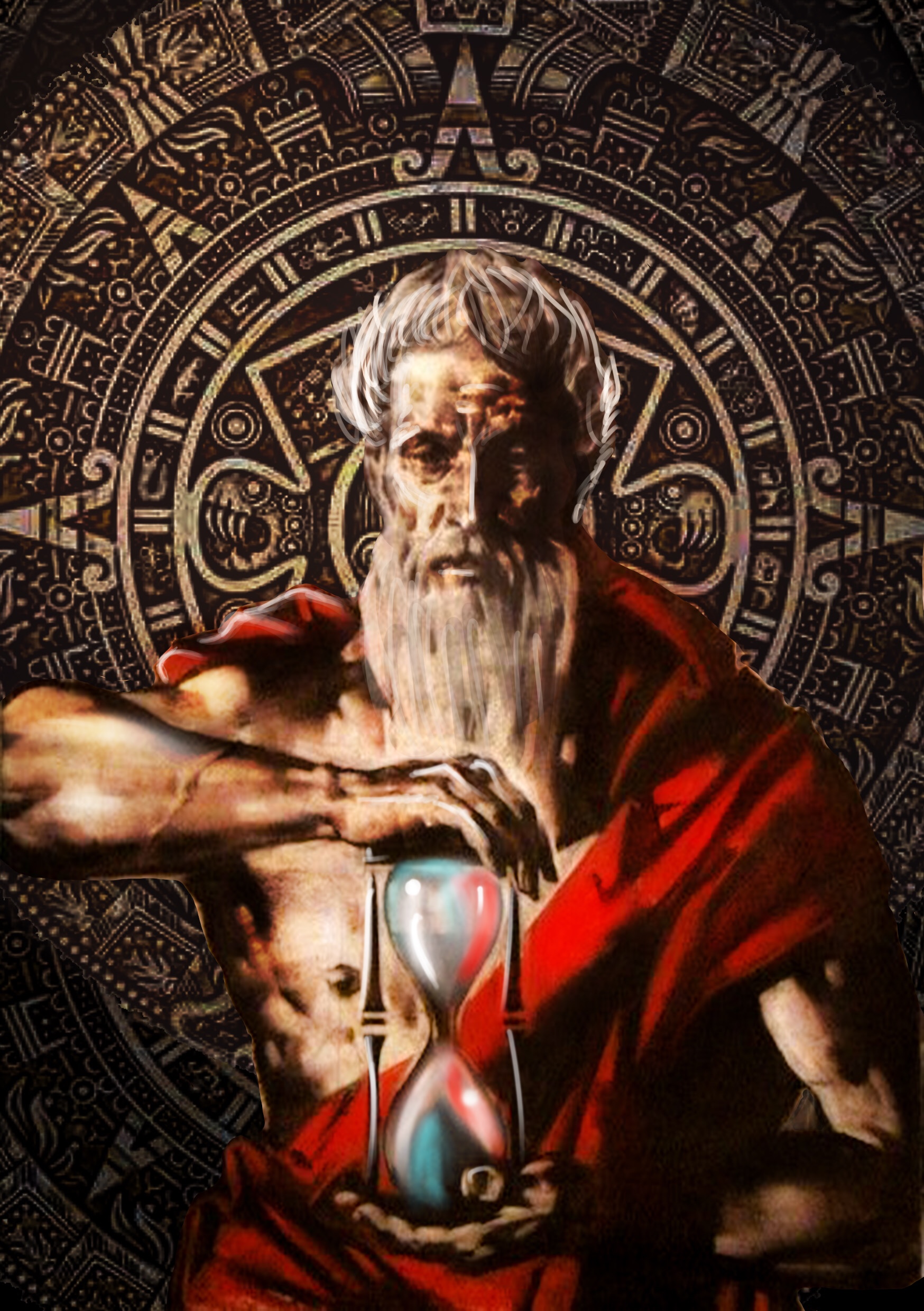
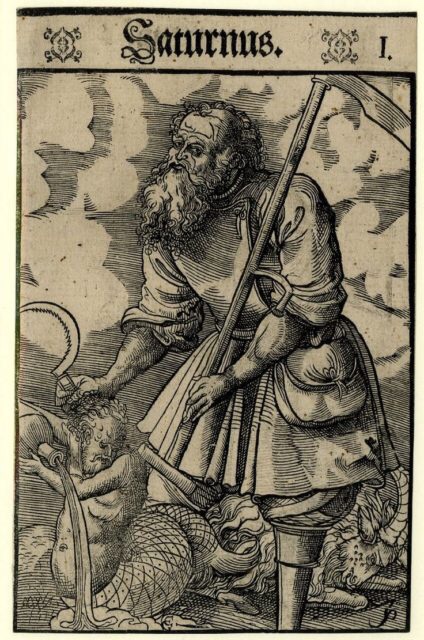
The seventh day is Saturday – the only day in English named for a Roman deity (Saturn) and not a Germanic/Norse one. Saturn has no parallels in Viking lore – except perhaps to the Jötnar (giants) since Saturn was king of the Titans. It is also unusual that Saturn would be left standing, even as a throwback to Roman culture, since he was a strange god and more feared than loved. Since Saturn was the god of time and renewal, though, it may be appropriate that his name is retained for the last day of the week.
The Vikings had their own name for Saturday – and it had nothing to do with gods or goddesses. The Vikings called Saturday Laugardagur, which means “Pool Day” or bathing day. Saturday was the day that Vikings took a bath (whether they needed it or not). This custom, peculiar for its time, was remarked on by observers from England to the East. In Iceland, Norway, Denmark, and Sweden, Saturday is still called a form of this name.
Our names of days tell a story of how our various ancestors interacted with each other. Modern peoples are blended from many different cultures. This is especially true of English speakers, whose language and customs still carry the signs of the dozen or so major groups that formed that island nation. Every day is an intrinsic memory of Roman themes interpreted through a Viking lens, then sieved through the medieval church before being more-or-less taken for granted by most people today. When we look at the days’ names, we see an example of how things change and how they remain the same.
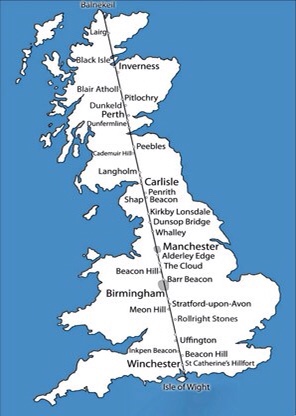
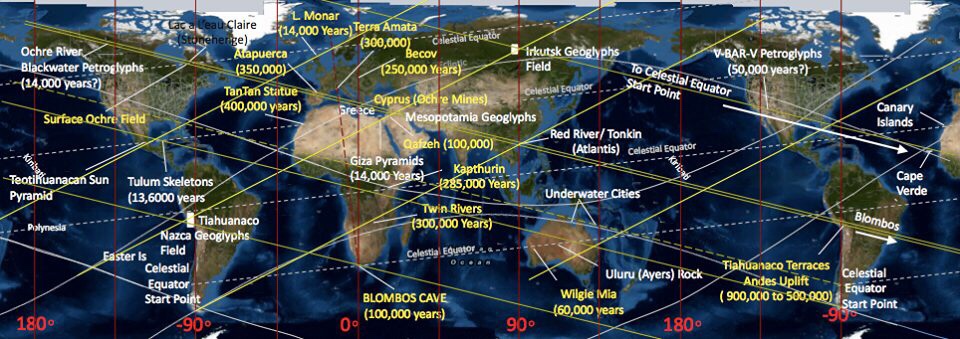
Ley lines were first theorized in 1921, and since then, the debate has been over whether or not they exist, and if they do, what purpose they serve.
In 1921, amateur archaeologist Alfred Watkins made a discovery. He noticed that ancient sites, at different points around the world all fell into a sort of alignment. Be the sites man-made or natural, they all fell into a pattern, usually a straight line. He coined these lines “leys,” later “ley lines,” and in doing so opened a world of supernatural and spiritual beliefs.
To those who do believe in ley lines, the concept is quite simple. Ley lines are lines that crisscross around the globe, like latitudinal and longitudinal lines, that are dotted with monuments and natural landforms, and carry along with them rivers of supernatural energy. Along these lines, at the places they intersect, there are pockets of concentrated energy, that can be harnessed by certain individuals.
So you can see why there are some skeptics.
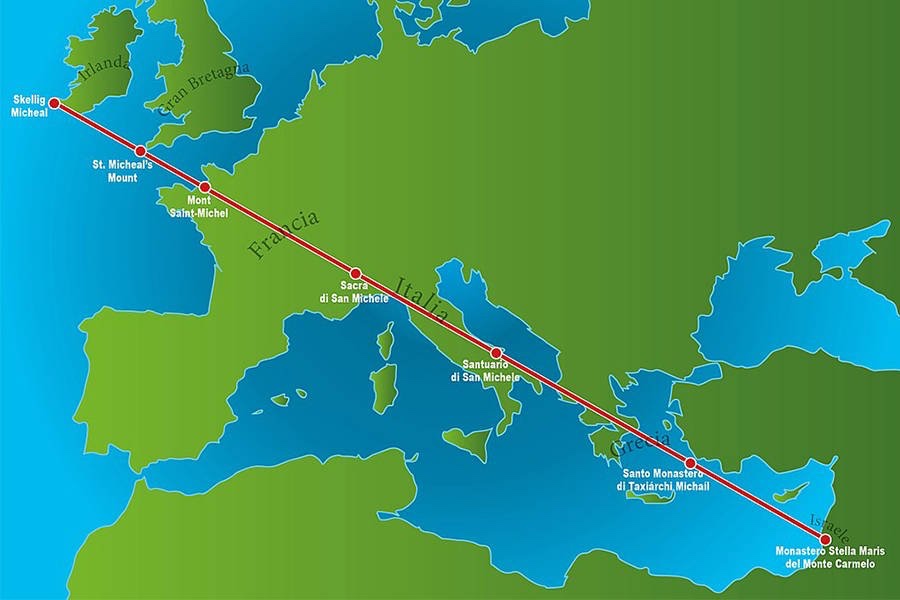
Watkins backed up the existence of his ley lines, by pointing out that many monuments around the globe can seemingly be connected by a straight line. For example, stretching from the southern tip of Ireland, all the way to Isreal, there is a straight line that connects seven different landforms that bear the name “Michael,” or some form of it.
As for their supernatural component, the ley lines mystery deepens when it’s revealed what they connect. Along the ley lines lie the Great Pyramids of Giza, Chichen Itza, and Stonehenge, all wonders of the world that continue to surprise archaeologists today. Perhaps their presence on the ley lines, near to the so-called energy pockets could explain their inceptions, all of which defied the laws of architecture at the time.
Regardless of their validity, the concept of ley lines has captivated fans of the supernatural and science fiction for years. They often appear as the explanation for paranormal events, or as explanations for the fantastic monuments in science fiction movies or novels.
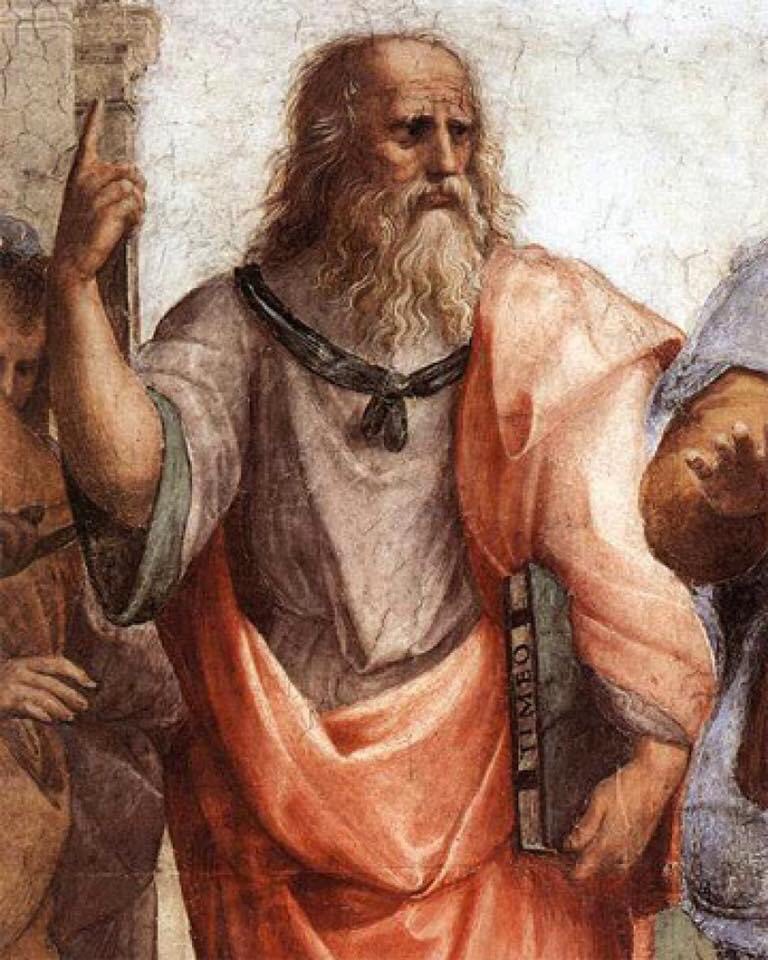
“According to Greek mythology, humans were originally created with four arms, four legs and a head with two faces. Fearing their power, Zeus split them into two separate parts, condemning them to spend their lives in search of their other halves… and when one of them meets the other half, the actual half of himself, whether he be a lover of youth or a lover of another sort, the pair are lost in an amazement of love and friendship and intimacy and one will not be out of the other’s sight, as I may say, even for a moment.”
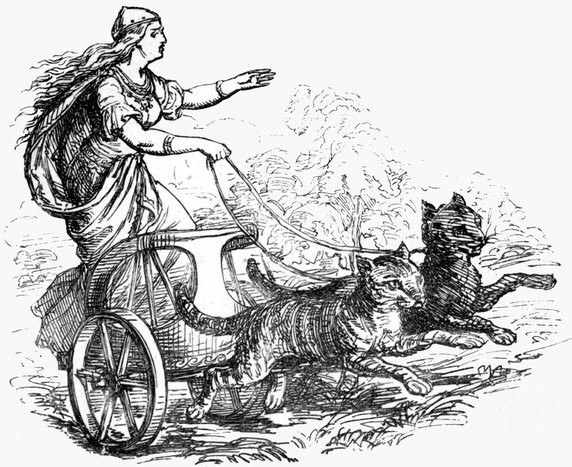
Of all the theophoric days of the week, Friday is the most controversial. Some assert that Friday is named after the Viking god Freyr. This makes sense because the 11th-century eyewitness, Adam of Bremen, describes Odin, Thor, and Freyr as forming a top-tier of gods that were often worshipped together (including at the magnificent temple at Uppsala). Freyr was a fertility god and god of plenty, and so the Vikings would probably not want to offend him by leaving him out.
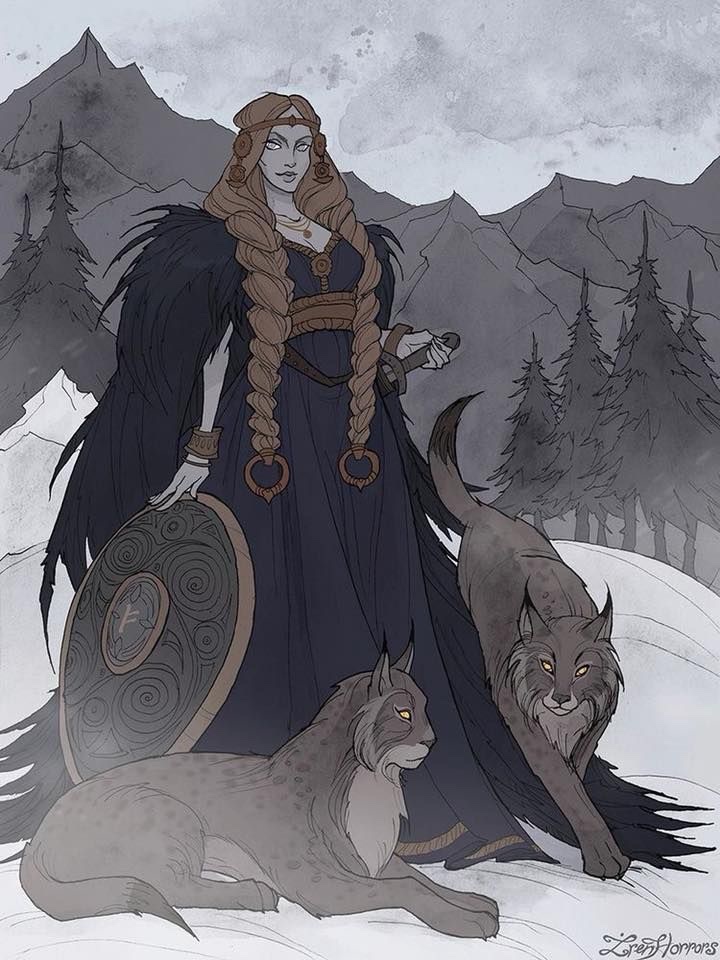
Others believe that Friday is not named after Freyr but after his sister Freyja. Freyja was a goddess of war, magic, fertility, and erotic love. Still, others believe that the day is named after Frigg, Odin’s wife and the Queen of Asgard. The matter is further complicated: Freyja and Frigg have many overlapping characteristics and may have once even been the same goddess. This ambiguity has long roots, as Friday was called Frigesdaeg in some dialects but Freyjasdagr in Old Norse.
An important clue as to who the day really belongs to can be found by comparing it to the Roman model. For the Romans, the sixth day of the week was devoted to Venus, the goddess of love, beauty, and passion. If the comparison still holds, it would seem that Friday is, therefore, Freyja’s Day. We will probably never know for sure, and indeed perhaps our Viking ancestors honored all three on this day.
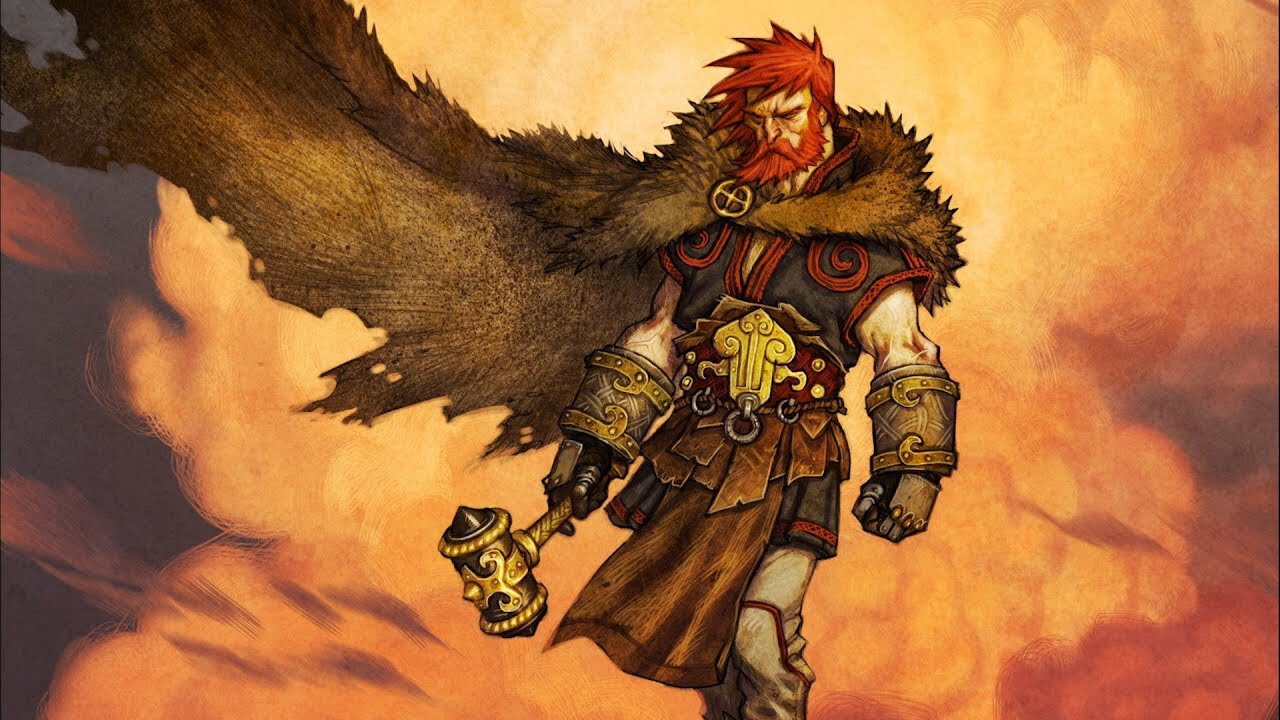
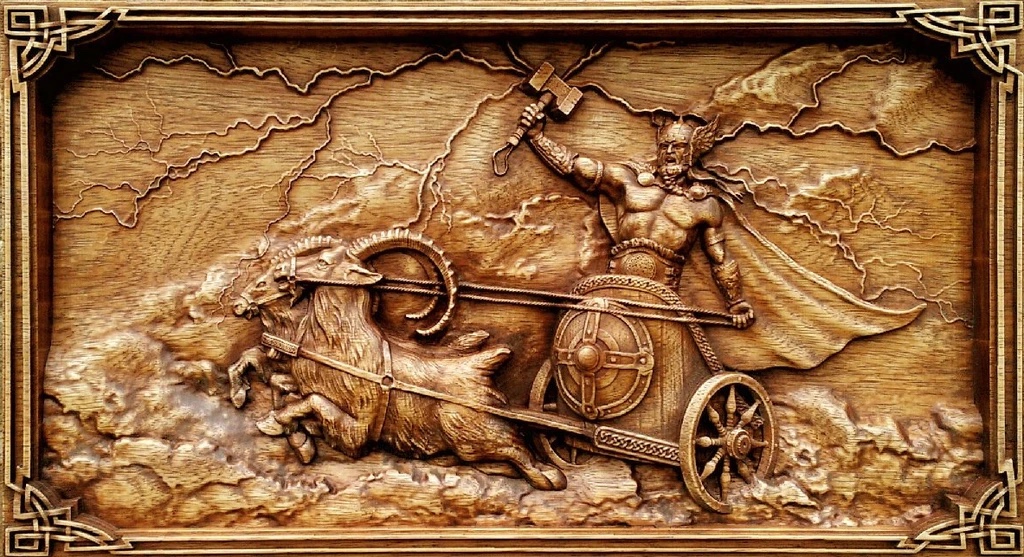
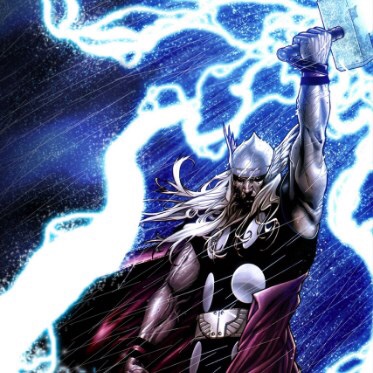
The Romans devoted the fifth day of the week to Jupiter, also known as Jove. Jupiter/Jove was the same as the famous Greek god, Zeus, and was the king of the gods. For the Vikings, though, the powerful, protective lord of the skies and wielder of thunderbolts was Thor, in which Thursday is named after (Thor’s Day).
Thor was known to the Anglo-Saxons as Thunar and to other Germanic tribes as Donar. While Thor was not the king of the gods in the Viking pantheon, he was probably the most powerful and the most popular. Interestingly, Tacitus equated Thor not with Jove but instead with Hercules because of the god’s strength, bravery, and conspicuous humanity. For many, Thor still retains this superhero aura.
The Romans devoted the fourth day to Mercury, the messenger of the gods who traveled across the world with winged sandals. In modern Spanish / French / Italian, the day is rendered as miércoles / mercredi / mercoledì.
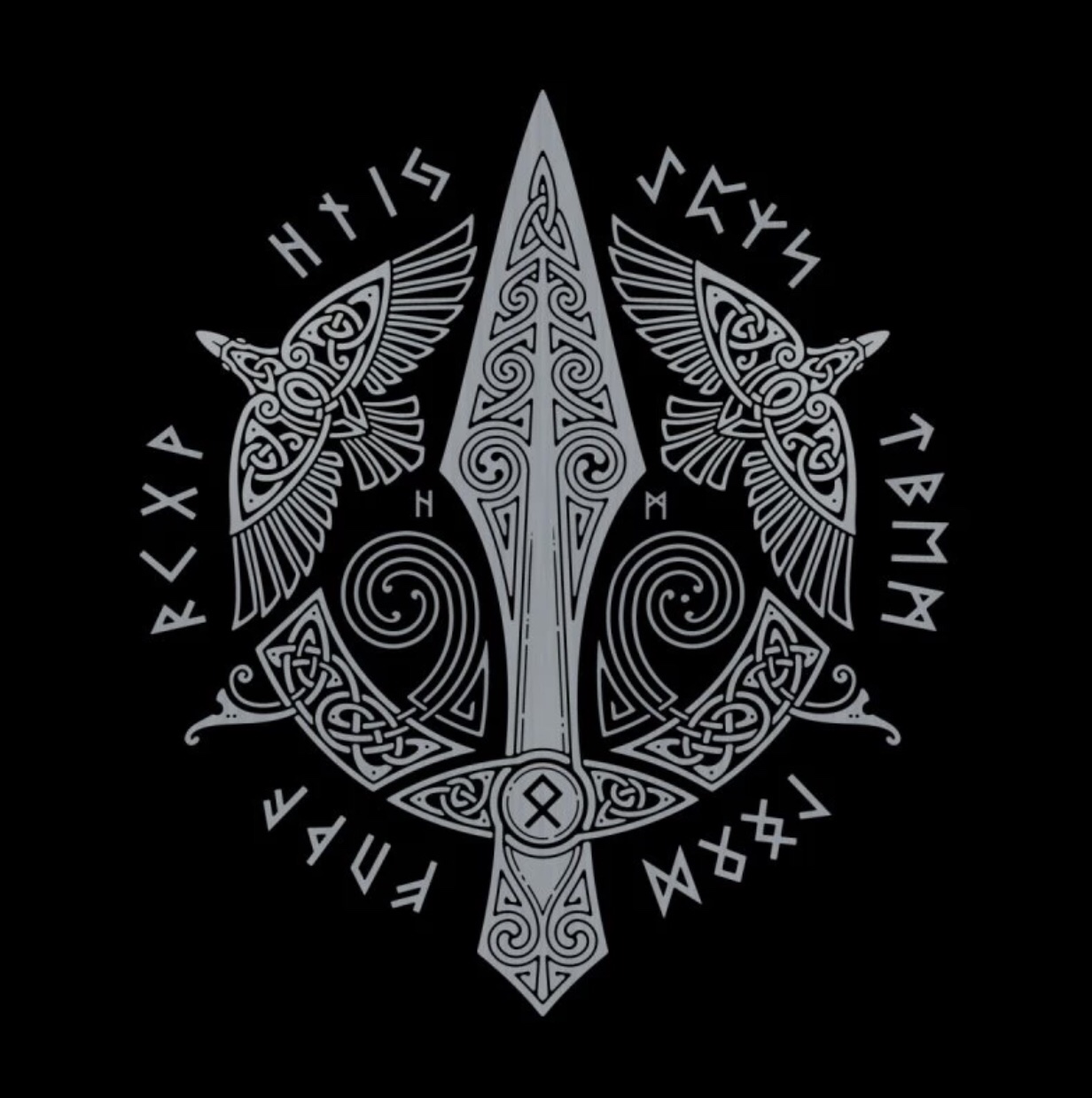
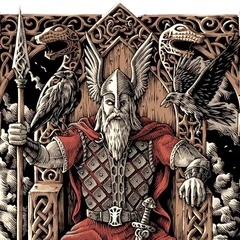
When the 1st-century geographer Tacitus traveled to Germania (Northern Europe beyond the Rhine), he remarked that the men there worshiped Mercury as the foremost god. But Tacitus had encountered worshipers of the unfamiliar god, Odin (a.k.a. Wotan in Old High German or Woden in Old English). Odin was a traveler, trekking across the Nine Worlds in disguise, searching for wisdom.
Mercury was the Roman god of medicine and eloquence, just as Odin was the Norse god of magic and poetry. Our word, Wednesday, comes directly from Woden’s Day, or Odinsdagr (as it was in Old Norse). But Odin was such a dreaded and reviled figure to later Christians that in many countries that used to worship him (i.e., Germany, Iceland, etc.) Wednesday was re-interpreted as “mid-week’s-day”.









 Mark Bere Peterson’s Counterculture, Urban Legends, Paganism & Witchcraft