🦎 Marine iguana teeth look like tiny hands.
🦎 These are called tricuspid teeth and they help iguanas graze algae off rocks.
🦎 They are easier to see once the gums have peeled back, hence the desiccated skulls.


🦎 Marine iguana teeth look like tiny hands.
🦎 These are called tricuspid teeth and they help iguanas graze algae off rocks.
🦎 They are easier to see once the gums have peeled back, hence the desiccated skulls.
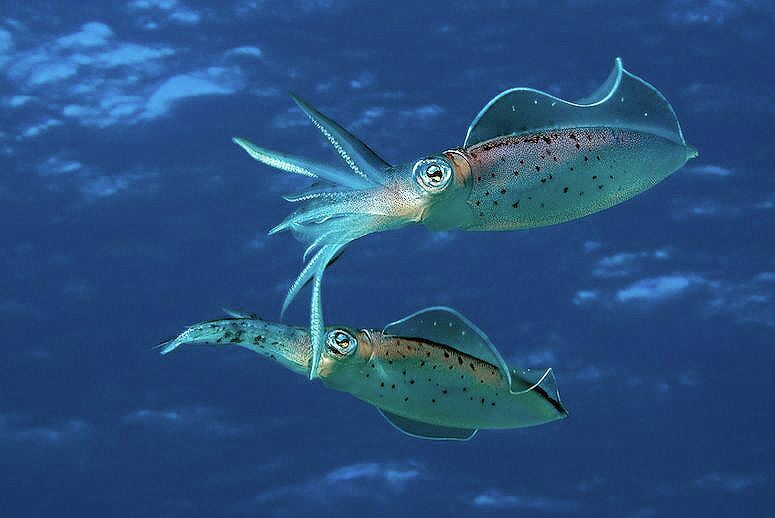
Ocean Fun Fact —> There are more squid in the ocean than fish:
Over the last half-century, rising ocean temperatures and overfishing have drastically reduced the world’s populations of tuna, shark, swordfish and other large predatory fish; populations of octopuses, cuttlefish and squid, meanwhile, have increased in number around the globe…
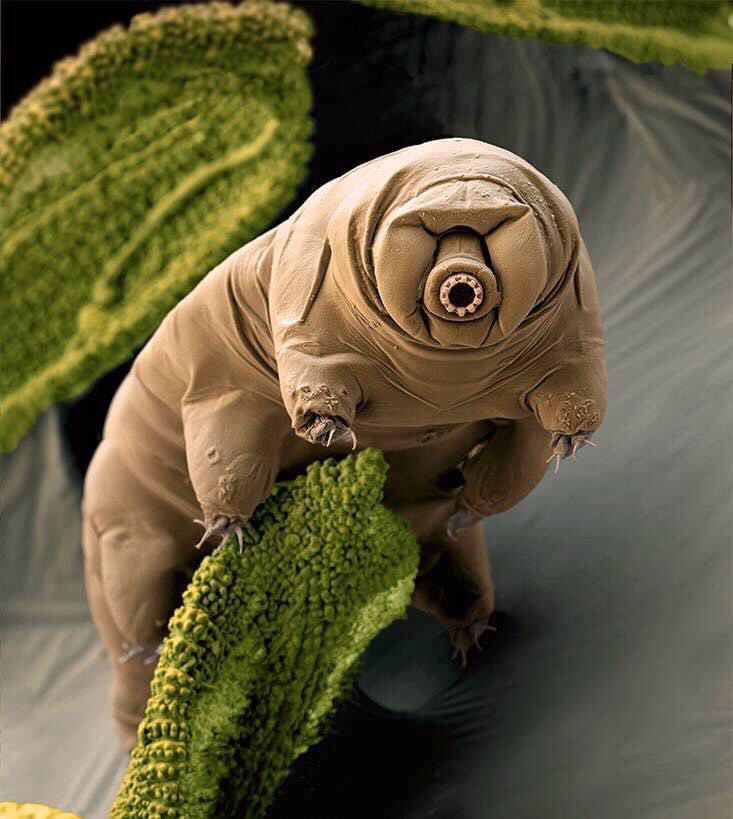
Tardigrades (or water bears) are tiny, tough eight-legged micro-animals that live in water. Without water tardigrades dry out but have evolved the amazing ability to reanimate after over more than 100 years. They do this by coating their molecular machinery, such as DNA and proteins, in a sugar.

Firetip (Pyrrhopyge thericles): Often known as the “Red Hot Cat” this caterpillar is of a Black winged Butterfly species from South America. The black body and wings are often with a bronze-green or deep blue lustre, spotted red on the head and abdomen. The larvae are haired on the body, shaggily on the head, brown or reddish with yellow, zebra-like stripes. They live on different trees, notably on guava pear-trees.
📸: Ken Myers in Brazil.
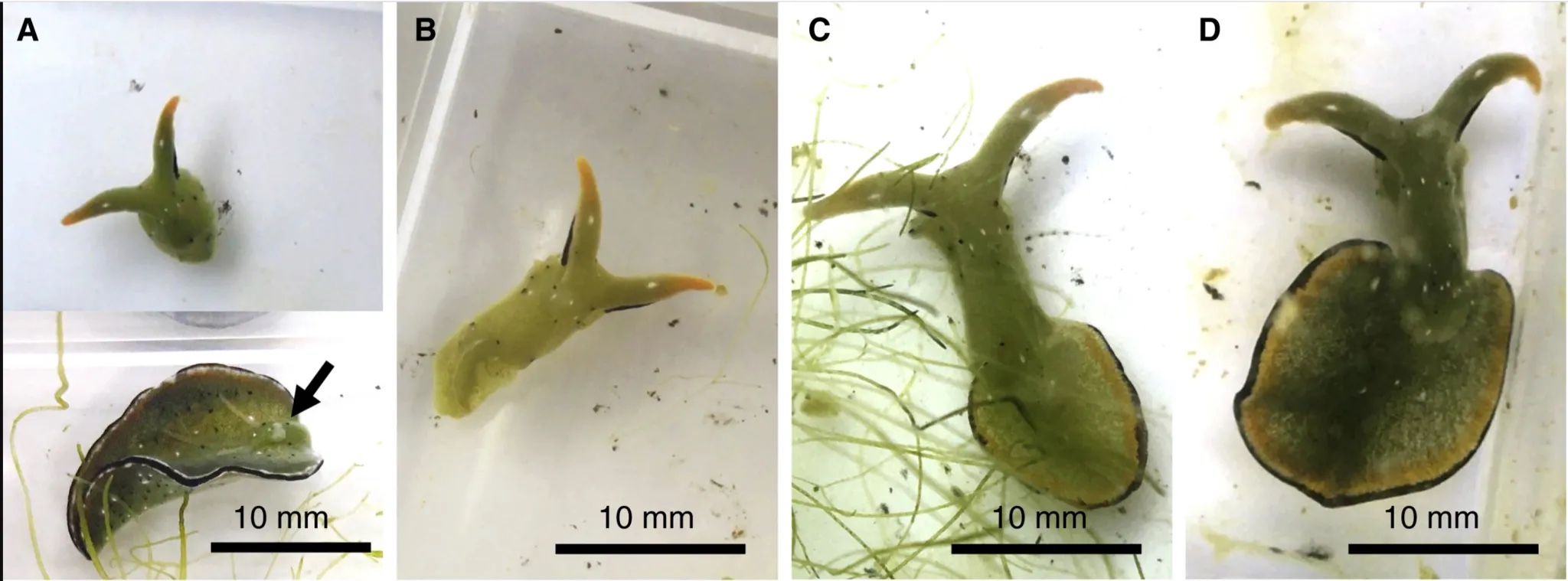
Two Japanese researchers found that a substantial proportion (33%) of two species of sea slugs (Elysia cf. marginata and E. atroviridis) were observed to shed their own heads (“autotomy”, a fancy word for “self amputation”) in the laboratory. Moreover, the heads regenerated new bodies—and quite quickly: within 20 days. The shed bodies, which did not regenerate new heads but died, contained the heart and the digestive systems. The heads, meanwhile, closed the wound from “voluntary” separation, began eating algae within hours, and the regeneration of the entire body was complete within 20 days.
Here’s a shot of four phases of the autotomy from the paper (as is the caption):
A) Head and body of Elysia cf. marginata (individual no. 1) just after autotomy (day 0), with the pericardium (heart) remaining in body section (arrow). (B) day 7, (C) day 14, (D) day 22, showing whole-body regeneration.

As the Irish Times reports:
Sam, the fox living on the grounds of Trinity College in Dublin, and who was seen wandering the streets of Dublin during the first lockdown, has found love and is pregnant.
Last year the health of the vixen was of concern as she appeared emaciated. With all restaurants and bars closed and the city centre all but deserted during the first lockdown she was deprived of scraps. She also developed mange on her tail.
In response, staff at Trinity College Dublin left out meat infused with an antibiotic for her and she has not looked back.
The latest development involving Sam the fox happened last month, when she was in heat.
She attracted two suitors, who have been named Prince and Scar by college staff, who fought for her affections.
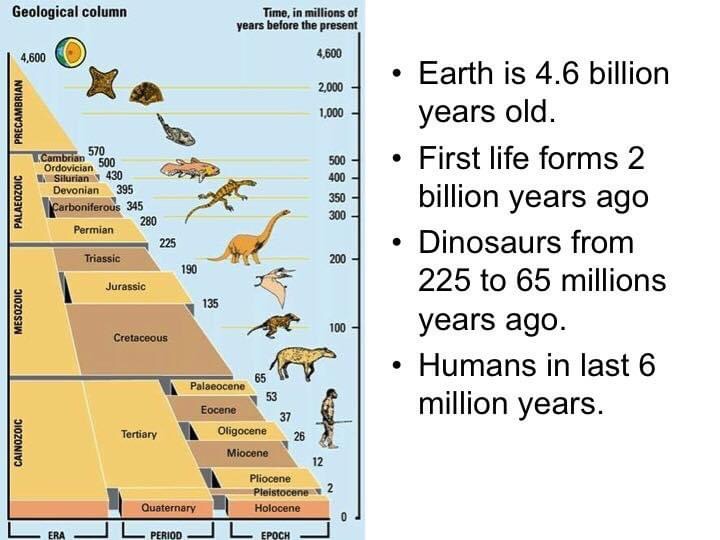
“Charles Darwin had a big idea; arguably, the most powerful idea ever.”
~ Richard Dawkins
#ScienceRocks #Evolution #GeologicalTimeLine
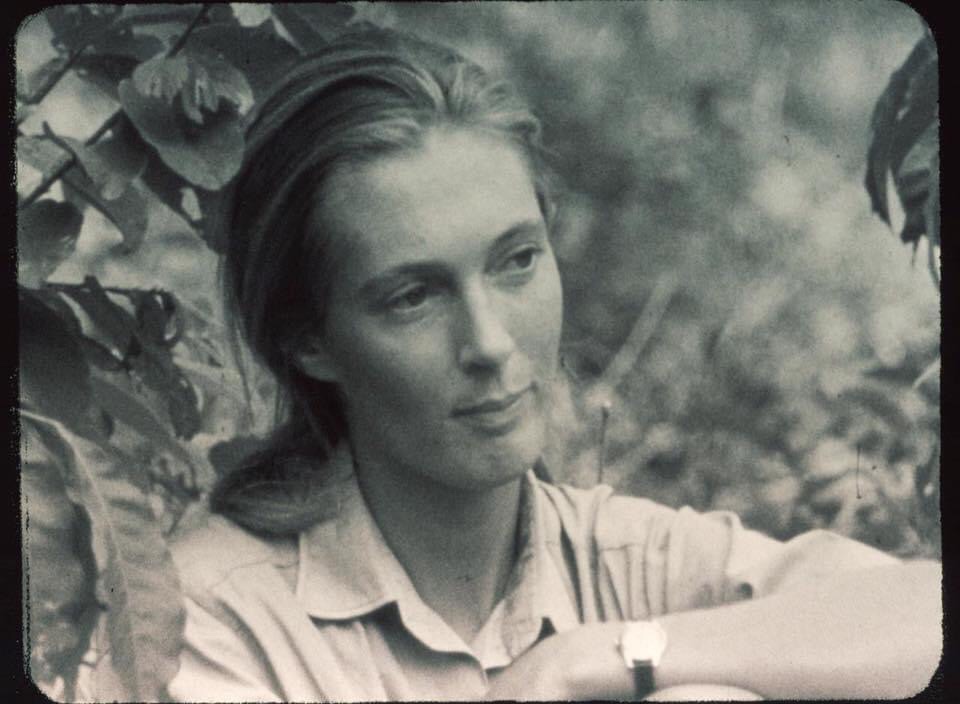
THROUGH A WINDOW
There are many windows through
which we can look out into the
world, searching for meaning …
… Most of us, when we ponder on the
meaning of our existence,
peer through but one of these
windows onto the world.
And even that one is often misted over
by the breath of our finite humanity.
We clear a tiny peephole and stare through.
No wonder we are confused by the
tiny fraction of a whole that we see.
It is, after all, like trying to
comprehend the panorama of the
desert or the sea through
a rolled-up newspaper.
~ Dr. Jane Goodall
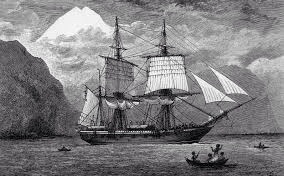

It was on this day in 1831 that Charles Darwin, only 22, set out on HMS Beagle as the captain’s companion, returning five years later with a head full of facts and some half-formed ideas.
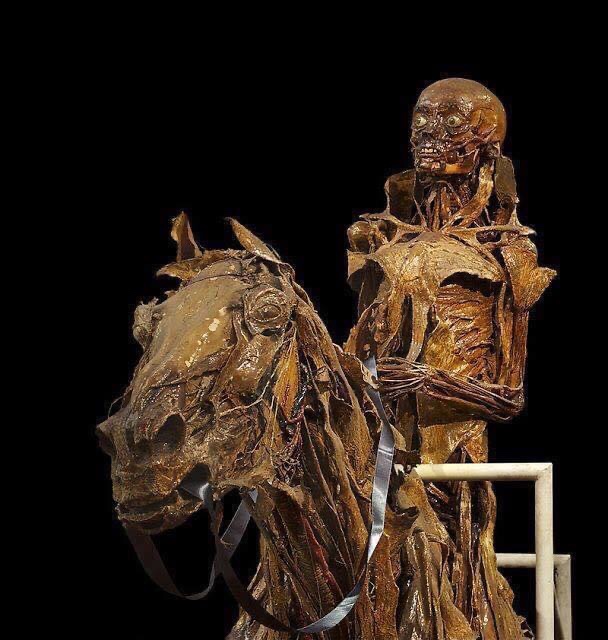
This 18th-century écorché (anatomical figure depicting an animal or human with the skin removed to show the location and interplay of the muscles.) by Honoré Fragonard predates plastination by 250 years. Fragonard never divulged his preservation methods. In 1771, he was expelled from his teaching position at the École Nationale Vétérinaire d’Alfort as a madman.
#écorché #HonoréFragonard
 Mark Bere Peterson’s Counterculture, Urban Legends, Paganism & Witchcraft