
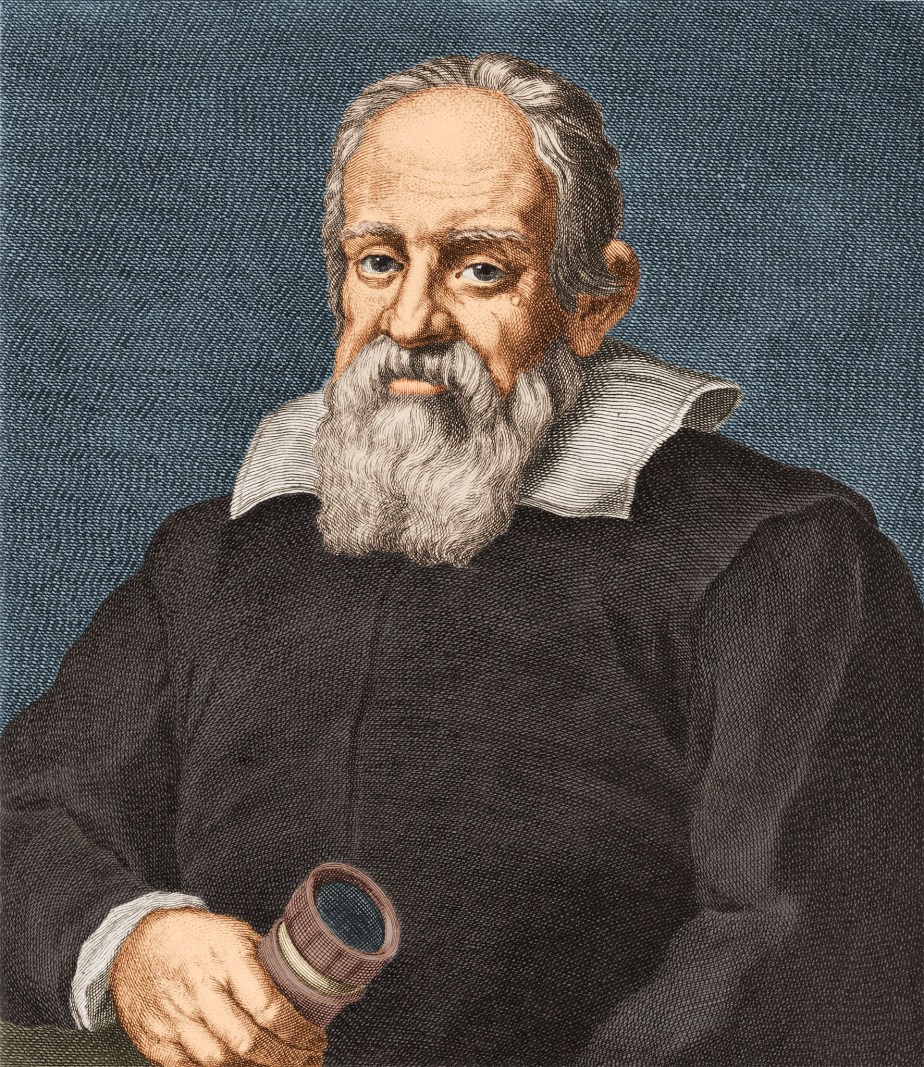
Today in Science—> On this date in 1610, Galileo observed three small “stars” in a line and very close to Jupiter. Over the next several days, he saw that the stars were changing position in relation to Jupiter and he concluded that they were orbiting the planet and also discovered a fourth such star as well. He originally called them the Medicean stars in honor of the de’ Medici family which ruled Tuscany, but they have since been renamed the Galilean satellites and are the four largest moons of Jupiter—Io, Europa, Ganymede, and Callisto. Galileo’s observations were the first that showed heavenly bodies orbiting each other and not Earth, leading to the overthrowing of the Aristotelian geocentric model of cosmology.
#Galileo #GalileanSatellites

 Mark Bere Peterson’s Counterculture, Urban Legends, Paganism & Witchcraft