The Grey – Savannah, Georgia

FC0B5530-2DAC-4B7C-BC8F-9223D9EFF77A

Johno Morisano and Chef Mashama Bailey partnered to build The Grey in Historic Downtown Savannah. Occupying a 1938 art deco Greyhound Bus Terminal that they painstakingly restored to its original luster, The Grey offers a food, wine and service experience that is simultaneously familiar and elevated. Bringing her personal take on Port City Southern food to a city of her youth allows Mashama to tap into all of her experiences to create dishes that are deep, layered, and soulful in their flavors. With a penchant for regional produce, seafood and meats, guests will find a melting pot of surprising and comforting tastes in all of Mashama’s cooking with something new revealed in each and every visit.

9C1971A4-F4F6-4CD4-B8FB-2135A676D84E.jpeg


27FD8C89-E9A8-4678-8669-5552EA7B56EE

THE GREY

109 MARTIN LUTHER KING JR BLVD

SAVANNAH, GA

912.662.5999

INFO@THEGREYRESTAURANT.COM

FBEC4FCE-0A49-4773-A374-3AE84E34EE1F.jpeg

The Wolf Song – Nordic Lullaby

This version of the lullaby from “Ronja Rövardotter / Ronia the robbers daugther” written by beloved Swedish writer, Astrid Lindgren, whose books have been read for children all over the world:

Lyrics in Swedish and English:

Vargen ylar i nattens skog
(The wolf is howling in the forest of the night)
Han vill men kan inte sova
(He wants to, but cannot sleep)
Hungern river i hans varga buk
(The hunger tears his wolven stomach)
Och det är kallt i hans stova
(And it’s cold in his burrow)

Du varg du varg, kom inte hit
(Wolf, wolf, don’t you come here)
Ungen min får du aldrig
( I will never let you take my child)

Vargen ylar i nattens skog
(The wolf is howling in the forest of the night)
Ylar av hunger o klagar
(Howling out of hunger and moaning)
Men jag ska ge’n en grisa svans
(But I will give him a pig tail)
Sånt passar i varga magar
(Which suits a wolven stomach)

Du varg du varg, kom inte hit
(Wolf, wolf, don’t you come here)
Ungen min får du aldrig
( I will never let you take my child)

…(First verse again)

Balancing Stones

“The very first time I tried balancing stones was back in 2010. I saw some stone sculptures in a park, when an old, wise man told me that it was a symbol for the balance of nature. I liked that idea, and after that I started making easy stone sculptures. After a while, I started experimenting with balance and I tried to make stone sculptures that had such small balance points so that it almost would look impossible. I really loved that. Both because it felt like a challenge, but also because it forced me to get really still and quiet, and focus on one thing only; to find the tiny, tiny balance point. It more and more turned into some kind of meditation.”

~ Jonna Jinton, Swedish artist, musician and filmmaker and I live in the beautiful woods in the North of Sweden

Amélie

One person can change your life forever…

Plot:

A painfully shy waitress working at a tiny Paris cafe, Amelie makes a surprising discovery and sees her life drastically changed for the better. From then on, Amelie dedicates herself to helping others find happiness in the most delightfully unexpected ways. But will she have the courage to do for herself what she has done for others?

Rating: R (for sexual content)

Genre: Comedy, Romance, Foreign

Directed By: Jean-Pierre Jeunet

Written By: Jean-Pierre Jeunet, Guillaume Laurant

Country: France

Language: French (Subtitled in English)

Release Date: 4 November 2001 in USA

Worldwide Gross: $173,924,742 (Worldwide)

Runtime: 122 minutes

Main Character:

Amélie Poulain —> Audrey Tautou

French actress Audrey Tautou hit the international spotlight in 2001 as the star of the whimsical Parisian romance “Amélie” (2001), which went on to become the top-grossing French-language film ever released in the United States. With her wide eyes and shy, winsome smile, the brunette gamine instantly earned comparisons to Audrey Hepburn, and like Hepburn, she successfully built a film career alternating between light romantic comedies and teary dramas. Many of Tautou’s popular French films did not make it to U.S. theaters, however following the art house success of “Amélie” and the World War I-set romantic drama “A Very Long Engagement” (2004), Tautou answered the call of Hollywood, co-starring opposite Tom Hanks in the blockbuster thriller “The Da Vinci Code” (2006). Tautou’s experience in an overblown, critically reviled hit failed to draw her to American filmmaking, so she promptly returned to the French fold where a starring role as design icon Coco Chanel in “Coco Before Chanel” (2009) proved that the actress had a whole career of increasingly mature roles ahead of her once her quirky, youthful charm had run its course.

Butter Beans

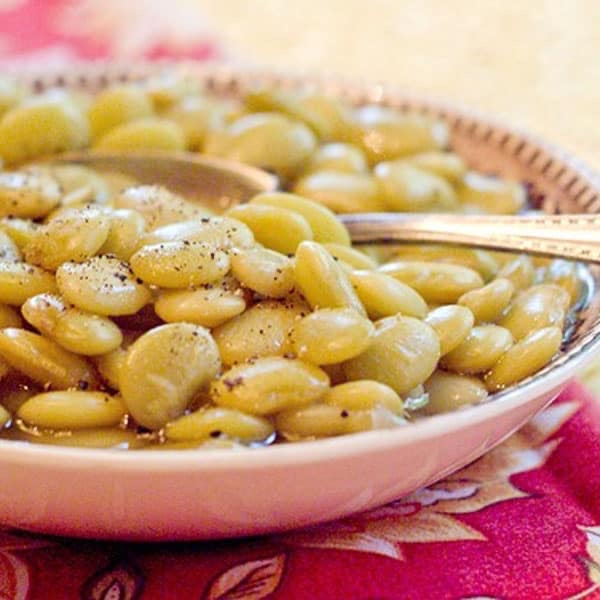
Here’s what a butter bean most certainly is not: a conventional lima bean that Southerners have given a more palatable moniker. Butter beans aren’t green; they’re creamy white. They should never be served from a can; look for them sold straight from a cooler in plastic bags along Southern roads for about a three-week period sometime between June and August. And they don’t have any tartness; they’re sweeter and smoother than their sometimes off-putting mass-market lima cousin. Also known as a Dixie bean or sieva, the butter bean has been a go-to hereabouts for succotash and stews since the 1700s. You can boil them until tender and dress simply with lemon zest, sea salt, and olive oil. Or cook them with a big ol’ ham hock and spoon them over hot crusty cornbread for a classic helping of Southern goodness.

~ “S is for Southern,” by the editors of Garden & Gun

Nicéphore Niépce

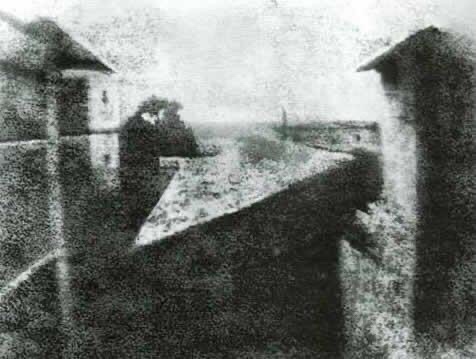
This is the oldest surviving camera photograph. It was taken in 1826 and took 8 hours of exposure. It was created by Nicéphore Niépce in 1826 or 1827 at Saint-Loup-de-Varennes, France, and shows parts of the buildings and surrounding countryside of his estate, Le Gras, as seen from a high window.

Niépce captured the scene with a camera obscura focused onto a 16.2 cm × 20.2 cm (6.4 in × 8.0 in) pewter plate thinly coated with Bitumen of Judea, a naturally occurring asphalt. The bitumen hardened in the brightly lit areas, but in the dimly lit areas it remained soluble and could be washed away with a mixture of oil of lavender and white petroleum.

Steak-frites

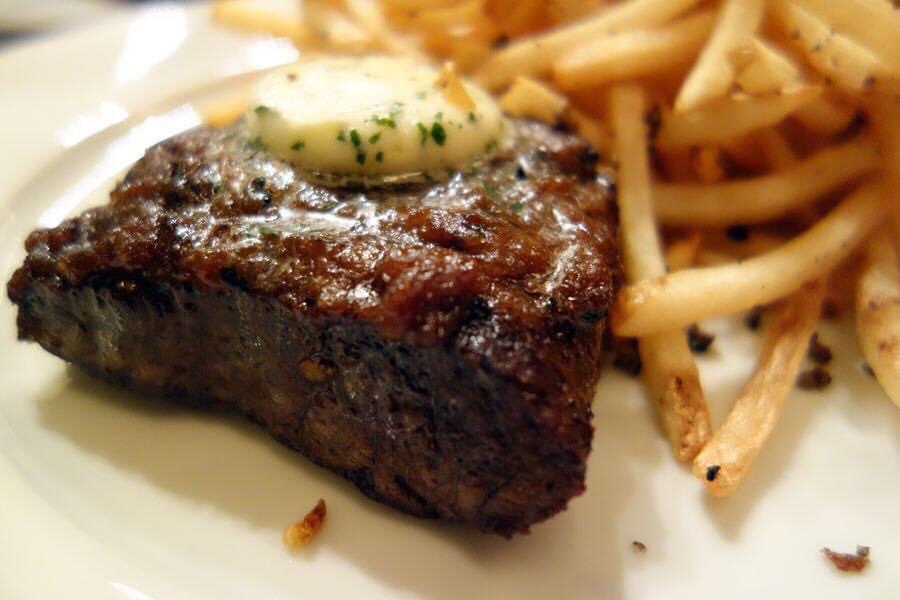
Steak-frites – It is considered by some to be the national dish of France. Historically, the rump steak was commonly used for this dish. More typically at the present time, the steak is an entrecôte also called rib eye, pan-fried rare (“saignant” – literally “bloody”), in a pan reduction sauce, although hollandaise or béarnaise sauce are not uncommon, served with deep-fried potatoes.

#SteakFrites #FrenchCooking

Le Mont Saint Michel

Le Mont Saint Michel

The island has held strategic fortifications since ancient times and since the 8th century AD has been the seat of the monastery from which it draws its name. The structural composition of the town exemplifies the feudal society that constructed it: on top, God, the abbey and monastery; below, the great halls; then stores and housing; and at the bottom, outside the walls, houses for fishermen and farmers.

#France #Francophile #ViveLaFrance

Anchovy Butter

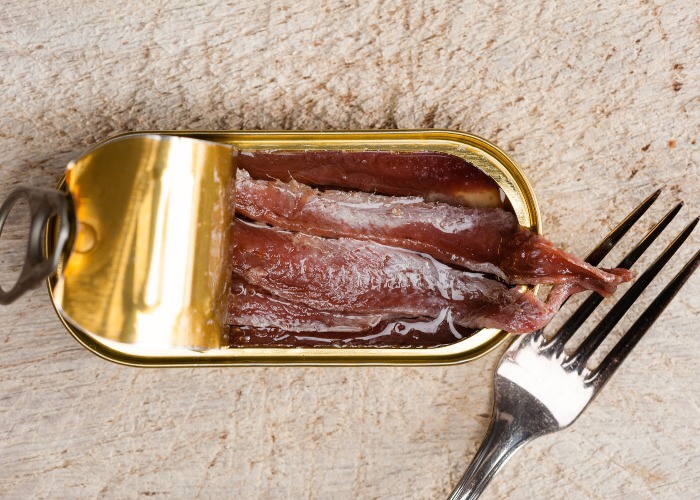
Anchovies are one of the most misunderstood ingredients out there. People literally fear these little morsels.  They are vital though for a traditional Caesar Salad and they have a multitude of other uses besides being a despised pizza topping. This butter is a great accomplishment on a steak, chicken, tossed in pasta and even on some strong flavored fish such as salmon.  You can soak the anchovies in white wine or milk to reduce the saltiness if desired

1 1.75-oz tin of anchovy fillets
1 Pound of butter, softened
2 shallots, finely chopped
½ cup chopped flat leaf parsley
½ cup pimentos, diced

In the bowl of a food processor with a steel blade, place all ingredients. Pulse until ingredients are uniformly distributed throughout the butter.

Lay a 16-in length of waxed paper on a clean work surface. Place all the anchovy butter ⅓ of the way up the paper. Fold the end nearest you up over the butter and roll to form a uniform 2 inch cylinder. Tightly wrap ends. Wrap again with plastic wrap and place in freezer.

Cut 1/2 inch off the cylinder and place on your grilled medium-rare steak or other uses.