It may be true that the “black belt” originally referred to the dark, rich topsoil blanketing nineteen counties that stretch across Alabama’s lower half. But when tens of thousands of African slaves were forced to grow and harvest the cotton sprung from that fertile soil on plantations in the 1800s, the meaning inevitably shifted. After the Civil War, enough free blacks remained to work the land as sharecroppers that they still outnumbered the local population of white aristocracy. The harsh inequities of Jim Crow undoubtedly also helped make the region fertile ground for the civil rights movement in the 1960s, from the Montgomery bus boycott to the televised “Bloody Sunday” attack on peaceful marchers in Selma. Today, the Black Belt designation lives on, now used to define a “heritage area” that acknowledges its painful past while promoting its cultural and natural resources.
This was also the home of the music tradition we now know as “Black Belt Blues.”
With a name like Sleepy Hollow Road, is it any real surprise this Kentucky road is said the be haunted?
Sleepy Hollow Road is a little ominous without the ghost stories thanks to the dense forest that surrounds it and casts it in shadow. The road has many supernatural tales associated with it, but there’s one you won’t have to seek out. It’ll find you.
A black hearse is said to often appear seemingly out of nowhere and follow other cars driving on the winding curves of the isolated road. The hearse will continue to follow, increasing its speed along the way. Many drivers have claimed to see the hearse and been run off the road by it, only for it to disappear without a trace after.
There’s a lot of bridges in the South with a ghost tale attached to them, and Stuckey’s Bridge is no exception.
The 157-year-old bridge runs over the Chunky River and is rumored to be haunted by a gang member named Stuckey who murdered and robbed travelers during the early nineteenth century in the area of where the bridge would eventually be built, reports The Meridian Star.
Stuckey was eventually caught, put on trial, found guilty and sentenced to death by hanging at the bridge he is now said to haunt.
Since then, folks have claimed to see the apparition of a man hanging from the bridge as well as heard unexplained splashing they claim is the sound of his body hitting the water.
At the popular Poogan’s Porch restaurant in Charleston, you might not just experience a delicious meal; you may experience the supernatural as well.
The Victorian house that now serves as the home of Poogan’s Porch was built in 1888 and two sisters, Elizabeth and Zoe St. Amand, once resided there. The women were said to be incredibly close, so much so that when Elizabeth passed away, it sent the elderly Zoe into a mental breakdown.
After neighbors found her roaming the street calling out for her dead sister, she was taken to a local hospital where she lived out the rest of her life. It appears Zoe felt her afterlife, on the other hand, should be lived out at her former home.
Stories of folks spotting the ghost of Zoe on the street and inside the house, calling out and looking for Elizabeth, started shortly after her death, but became much more frequent once it was converted into a restaurant in 1976.
Oh, and did I mention a dog named Poogan, the restaurant’s namesake, also happens to haunt its rooms? Yep.
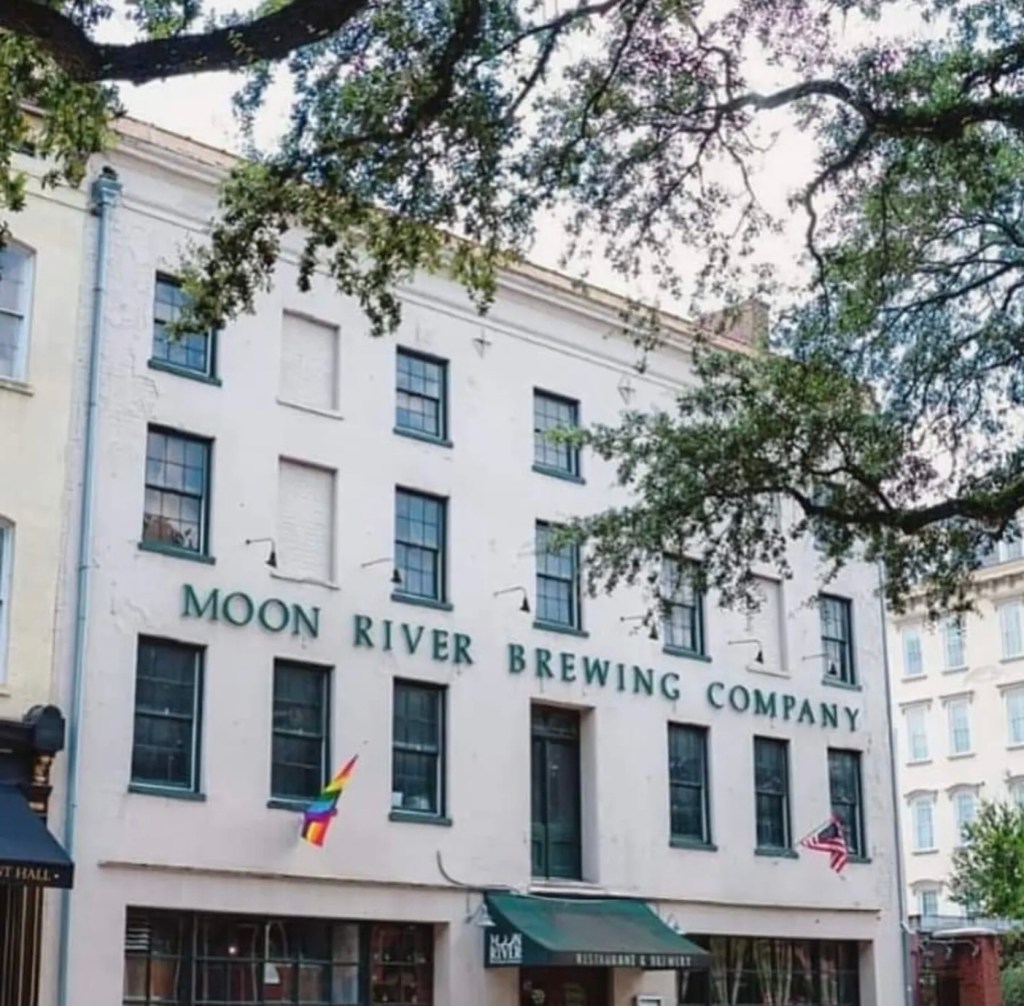
While Moon River Brewing Co. in Savannah, Ga., is a good place to relax and have a beer, it’s also rumored to be a good place to spot the supernatural.
The Brewing Co. opened in 1999 in the building that once housed The City Hotel, which was built in 1821 and closed in 1864. During its short time in operation, several deaths took place inside the hotel, and many believe the spirits of the deceased are still there today.
Staff and guests at the bar and restaurant have reported seeing bottles thrown on their own as well as felt an invisible force push them. Others say they have seen a glowing white apparition on the building’s upper floors.
Considering how many workers lost their lives at Sloss Furnaces’ in Birmingham, Ala. when it was in operation, is it any surprise that the former industrial site is said to be haunted?
Working at the furnace, which was in use for nearly 100 years, was considered to be very dangerous, and employees met grisly deaths — either by being incinerated, poisoned by carbon monoxide or falling victim to steam pipes that often burst unexpectedly — on a regular basis.
While the furnace, which was named a National Historic Landmark in 1981, may have closed up shop in 1971, it seems not all of its former employees left, according to The Travel Channel. At night, visitors have claimed to hear the screams of those who died, seen shadowy figures and heard the calls of a foreman deriding his crew.
Like a lot of ghost stories, the tale of Henry Vignes, who is said to haunt New Orleans’ St. Louis Cemetery, is a sad one.
Vignes, a sailor during the nineteenth century, trusted the wrong person with keeping his important documents, including the deeds to his family tomb, according to Ghost City Tours’ website.
The swindler sold the deeds and Vignes died before he could reclaim ownership. Instead of being placed in his family tomb, the sailor was buried in an unmarked grave in the St. Louis Cemetery.
Since his death, visitors of the cemetery have claimed to see Vignes looking for his grave. Some even say his ghost will approach the living and ask if they know where the Vignes tomb is. Others said his apparition can be heard saying “I need to rest!” as he wanders through the tombs.
“I shall dance all my life. . . . would like to die, breathless, spent, at the end of a dance.” ~ Josephine Baker, 1927
An international star of the Jazz Age, known for her daring dances, exotic costumes, and menagerie of pets, Josephine Baker was born into poverty in St. Louis in 1906. A natural comedian with dreams of performing on stage, she talked her way into her first dance role as a determined young teen and then jumped at the opportunity to travel with a vaudeville troupe. It didn’t take long for her natural talent to shine on stage, and she made her mark as “the funny one.” Josephine exploited her dancing and performance skills, doggedly pursuing her dream of becoming a respected star. By the time she was 19, Josephine was performing in Paris, and a whole new world opened up. In a few short years she had propelled herself from a St. Louis girl with a dream to a full-fledged Parisian sensation.
Outside being a famous entertainer her sense of commitment to fighting racism and injustice grew and matured as she traveled around the world, leading her to become an outspoken participant in the US Civil Rights Movement, conduct important espionage work for the French Resistance during World War II, and adopt her “rainbow tribe”— 12 children, each from a different nationality, ethnicity, or religious group—in an effort to prove racial harmony was possible.
Place Joséphine Baker in Paris.
Baker was celebrated by artists and intellectuals of the era, who variously dubbed her the “Black Venus”, the “Black Pearl”, the “Bronze Venus”, and the “Creole Goddess”. Born in St. Louis, Missouri, she renounced her U.S. citizenship and became a French national after her marriage to French industrialist Jean Lion in 1937. She raised her children in France.
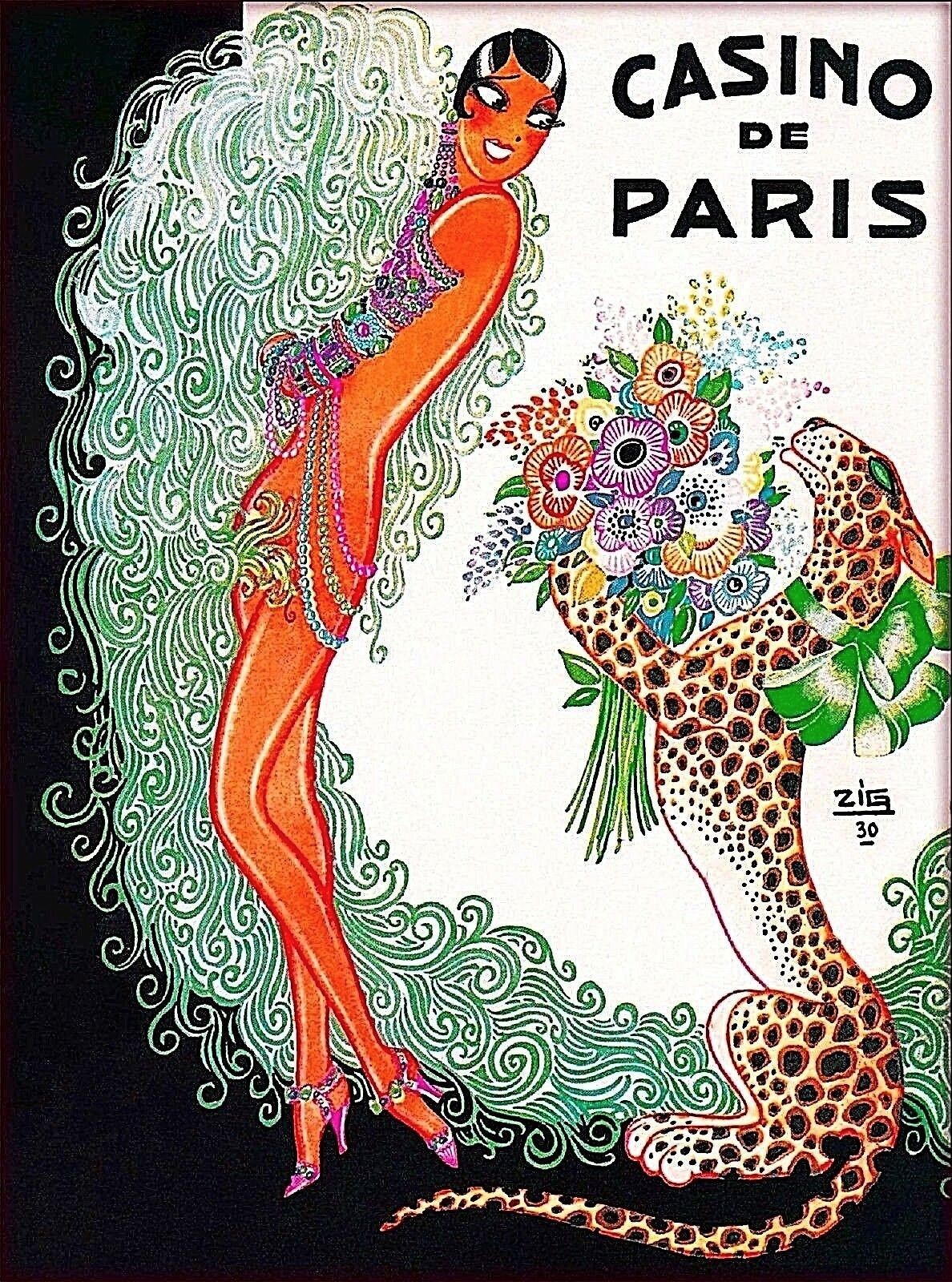
n Paris, she became an instant success for her erotic dancing, and for appearing practically nude onstage. After a successful tour of Europe, she broke her contract and returned to France in 1926 to star at the Folies Bergère, setting the standard for her future acts.
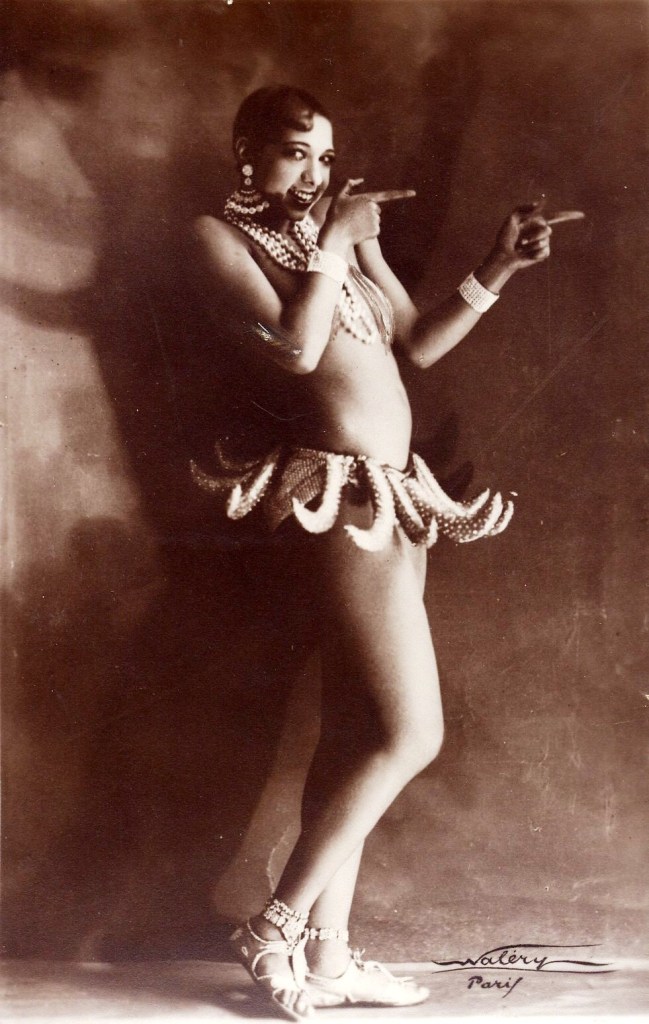
Her most infamous dancing costume. A costume consisting of a skirt made of a string of artificial bananas and Pearl necklaces.
Baker performed the “Danse Sauvage” wearing a costume consisting of a skirt made of a string of artificial bananas. Her success coincided (1925) with the Exposition des Arts Décoratifs, which gave birth to the term “Art Deco”, and also with a renewal of interest in non-Western forms of art, including African. Baker represented one aspect of this fashion. In later shows in Paris, she was often accompanied on stage by her pet cheetah “Chiquita,” who was adorned with a diamond collar. The cheetah frequently escaped into the orchestra pit, where it terrorized the musicians, adding another element of excitement to the show.
She aided the French Resistance during World War II. After the war, she was awarded the Resistance Medal by the French Committee of National Liberation, the Croix de Guerre by the French military, and was named a Chevalier of the Légion d’honneur by General Charles de Gaulle. Baker sang: “I have two loves, my country and Paris.”
Baker refused to perform for segregated audiences in the United States and is noted for her contributions to the civil rights movement. In 1968, she was offered unofficial leadership in the movement in the United States by Coretta Scott King, following Martin Luther King Jr.‘s assassination. After thinking it over, Baker declined the offer out of concern for the welfare of her children.
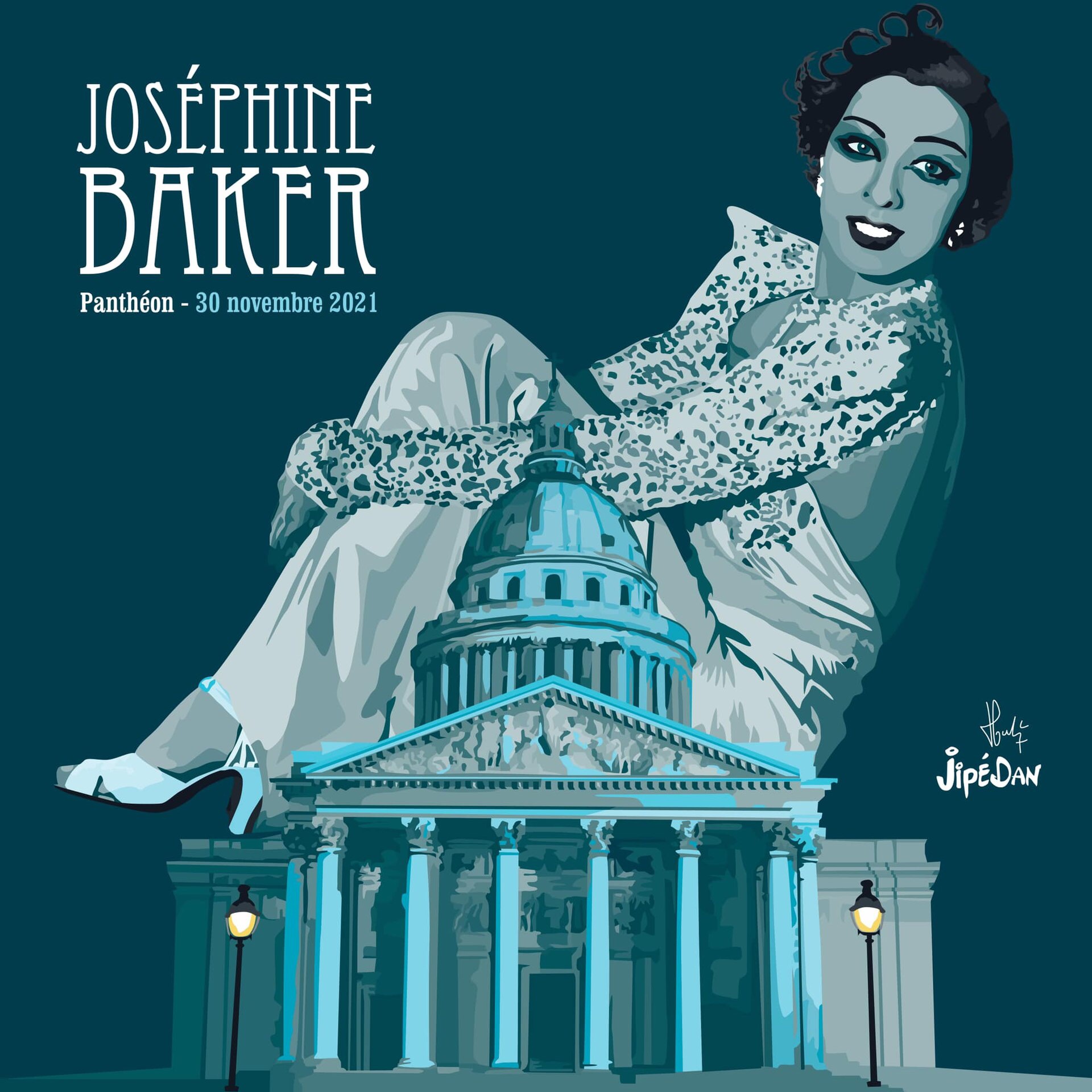
On 30 November 2021, she entered the Pantheon in Paris, the first black woman to receive one of the highest honors in France. As her resting place is to remain in Monaco a cenotaph will be installed in vault 13 of the crypt in the Panthéon
The Candy Lady is a legendary figure who is said to make children in Austin, Texas, disappear. “Children in the area told stories of how they would wake in the morning to find candy sitting on their windowsills … and would start to find notes on the wrappers, many times asking the children to come and play,” according to UrbanLegendsOnline.com. “The notes were signed ‘The Candy Lady.'”
According to legend, numerous children apparently took the Candy Lady up on her offer. “To this day, any time a kid goes missing, all the locals say The Candy Lady got them. Children believe that she takes them somewhere and pulls out their teeth or stabs them with a fork,” the website says.
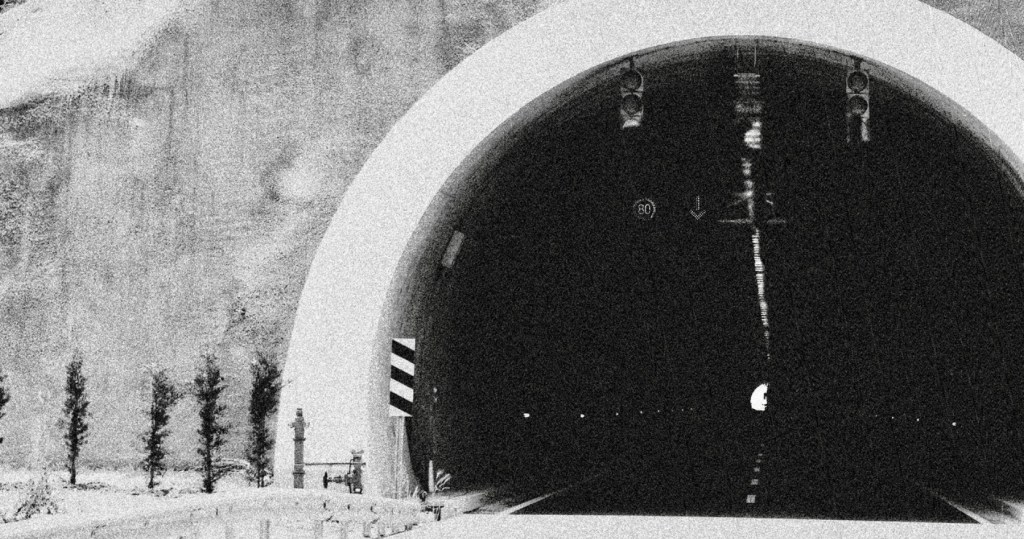
When you approach a railway tunnel on Colchester Road in Fairfax County, be careful: This is where the Bunny Man is said to roam. According to local lore, the Bunny Man is a man dressed in a rabbit costume who carries and ax. A story by WAMU.org says, “In 1904, there was an asylum not far from this bridge. Clifton residents didn’t like the idea of mental patients near their new homes, so they got it shut down, and all the patients were taken by bus to Lorton prison.” The bus crashed and one inmate escaped. That story claims the name came from bunny carcasses left in the woods that the escapee had eaten.
The WAMU article reports that people began going to the tunnel on Halloween. Legend says if they see a bright light or orb, the people “are strung up like bunnies.”









 Mark Bere Peterson’s Counterculture, Urban Legends, Paganism & Witchcraft