Today in Literary History —> Virginia Woolf Born in 1882

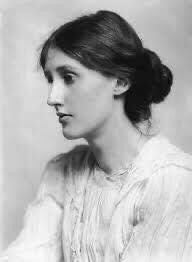
Today in Literary History —> Today is the Birthday of one of my favorite authors. Virginia Woolf was born in Kensington, Middlesex, England on this day in 1882.

Upon the death of her mother in 1895, Woolf suffered the first of the mental health episodes which blighted her life, including a more serious breakdown when her father passed away in 1904.

She began writing at an early age, having her first piece published in December 1904, and writing for the Times Literary Supplement from the following year.

Along with her husband, Leonard, whom she married in 1912, she became part of an influential group of writers known as the Bloomsbury Group prominent in London during the early 20th century.

Woolf’s first novel, The Voyage Out, was published in 1915, and her subsequent writings established her as one of the leading novelists and essayists of her time.

“Time, unfortunately, though it makes animals and vegetables bloom and fade with amazing punctuality, has no such simple effect upon the mind of man. The mind of man, moreover, works with equal strangeness upon the body of time. An hour, once it lodges in the queer element of the human spirit, may be stretched to fifty or a hundred times its clock length; on the other hand, an hour may be accurately represented on the timepiece of the mind by one second.”

~ Virginia Woolf, “Orlando: A Biography” (1928)

“So long as you write what you wish to write, that is all that matters; and whether it matters for ages or only for hours, nobody can say. But to sacrifice a hair of the head of your vision, a shade of its colour, in deference to some Headmaster with a silver pot in his hand or to some professor with a measuring-rod up his sleeve, is the most abject treachery.”

~ Virginia Woolf, “A Room of One’s Own” (1929)

“Let us never cease from thinking—what is this ‘civilisation’ in which we find ourselves? What are these ceremonies and why should we take part in them? What are these professions and why should we make money out of them?”

~ Virginia Woolf, “The Three Guineas” (1938)

#VirginiaWoolf #FavoriteAuthors

Fried Cod Cheeks

COD CHEEKS:

2 cups peanut oil

1 lb cod cheeks

Salt and pepper

¾ cup flour

¼ tsp smoked paprika

1 cup beer

DIPPING SAUCE:

¾ cup Skyr

½ lemon, juice and zest

Handful dill, finely chopped

Salt and pepper

Preheat the oven to 375°F (190°C). In a deep fryer or deep skillet, heat the peanut oil to 350 to 375°F (175 to 190°C).

Rinse the cod cheeks under cold water and pat them dry, then sprinkle with salt and pepper.

Stir the flour, smoked paprika, and a little bit of salt and pepper together, then slowly whisk in the beer. Dip one cheek at a time into the batter, let the batter drip off, then transfer directly to the oil and let them fry until golden, 3 to 4 minutes.

For the dipping sauce:

Whisk together the skyr, lemon juice and zest and finely chopped dill. Season with salt and pepper to taste.

Anxiety: Can Diet Make a Difference

Anxiety symptoms can make you feel unwell. Coping with anxiety can be a challenge and often requires making lifestyle changes. There aren’t any diet changes that can cure anxiety, but watching what you eat may help.

Try these steps:

Eat a breakfast that includes some protein. Eating protein at breakfast can help you feel fuller longer and help keep your blood sugar steady so that you have more energy as you start your day.

Eat complex carbohydrates. Carbohydrates are thought to increase the amount of serotonin in your brain, which has a calming effect. Eat foods rich in complex carbohydrates, such as whole grains — for example, oatmeal, quinoa, whole-grain breads and whole-grain cereals. Steer clear of foods that contain simple carbohydrates, such as sugary foods and drinks.

Drink plenty of water. Even mild dehydration can affect your mood.

Limit or avoid alcohol. The immediate effect of alcohol may be calming. But as alcohol is processed by your body, it can make you edgy. Alcohol can also interfere with sleep.

• Limit or avoid caffeine. Avoid caffeinated beverages. They can make you feel jittery and nervous and can interfere with sleep.

Pay attention to food sensitivities. In some people, certain foods or food additives can cause unpleasant physical reactions. In certain people, these physical reactions may lead to shifts in mood, including irritability or anxiety.

Try to eat healthy, balanced meals. Healthy eating is important for overall physical and mental health. Eat lots of fresh fruits and vegetables, and don’t overeat. It may also help to eat fish high in omega-3 fatty acids, such as salmon, on a regular basis.

Changes to your diet may make some difference to your general mood or sense of well-being, but they’re not a substitute for treatment. Lifestyle changes, such as improving sleep habits, increasing social support, using stress-reduction techniques and getting regular exercise, also may help. Be patient, as it may take some time before these changes have an effect on your anxiety.

If your anxiety is severe or interferes with your day-to-day activities or enjoyment of life, you may need counseling (psychotherapy), medication or other treatment.

Sources: Mayo Clinic, Craig N. Sawchuk, Ph.D., L.P.

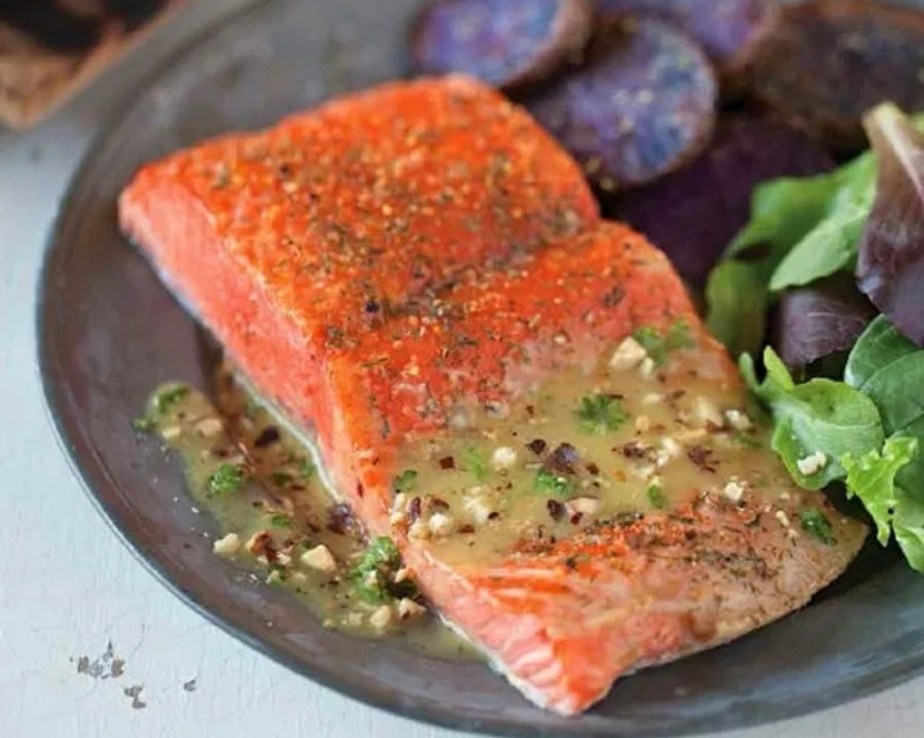
Pan-Fried Quick Cured Salmon With Dill Vinaigrette

B93091D4-68DA-4E2D-8D1A-EC191B9844F2

2 tbsp sea salt

2 tbsp sugar

1 lemon, zest and juice

4 salmon fillets, about 5½oz each, skin on

3 tbsp extra virgin olive oil, plus a little extra for frying

1½ tbsp white wine vinegar

1 tsp Dijon mustard

1 tbsp finely chopped dill

Mix the sea salt and sugar together with the lemon zest and a teaspoon of juice. Rub the mixture all over the salmon fillets, cover and leave in the fridge to marinate for 30 minutes. Brush off any excess salt/sugar mixture then pat dry using kitchen paper.

Meanwhile, whisk together the remaining ingredients for the vinaigrette. Season with lemon juice, salt and pepper to taste.

Add a little olive oil to a hot frying pan and fry the salmon fillets (in batches if needed) for about 3 minutes on each side, until cooked through and the skin is crispy. Serve warm, drizzled with the vinaigrette.

Giants of Norse Mythology 101

In Norse mythology, giants are the original “founding” beings at the top of the Norse family tree. The more commonly known gods (such as Odin, Thor) are all direct or indirect descendants of these giants. Giants were called Jötunn (singular) or Jötnar (plural). The word Jötunn originally came from the Proto-Germanic word that meant “devourer.”

Another name for them was þursar or þurs (pronounced thurss), which means something like “powerful and injurious one” or simply something like “piercer” or “thorn.”  In the rune poems, the Thurisaz rune is associated with the Jötnar (giants), as well as sickness, tragedy, and pain.

The very first giant, Ymir (pronounced EE-mir), arose from primordial chaos when the worlds of fire and of ice came together in a tremendous, hissing scream.  His offspring, the Jötnar, were spirits of this chaos, representing the destructive cycle of the natural universal order.

The Aesir and the Vanir tribes of gods also arose partially from this same race of giants (though they also had another ancestor, Buri – a being of unknown origin that had been bounded in ice until he was eventually set free from Ymir’s cow named Auðumbla who licked at the ice for three days). By the gods’ own nature and choice, the giants became the positive or creative aspect of universal order.  In Viking lore, it is not so much that the gods are good and the giants evil, but rather that the gods and giants are in opposition and balance.  This is not to say that Norse belief observed a strict dualism (as some ancient religions did), but they understood their world through their stories of struggle between the gods and the Jötnar, between creation and destruction,   

Sometimes, the difference between giants and gods is itself obscure.  For example, Loki is often thought of as the Viking god of trouble.  He was an adopted member of the Aesir tribe of gods and blood-brother to Odin, but Loki was the son of giants and is only ambiguously called a god in the primary sources.  None of his offspring are gods but are giants or supernatural beasts.  Similarly, Jörð (a “Mother Earth” figure) and Skadi (the ski-borne goddess of the wild) appear in the Eddas as Jötunn in origin. They are later called goddesses, but then often excluded from lists or gatherings of goddesses in Asgard. 

Some experts see in this interplay between gods and giants a parallel of how the Vikings themselves interacted with the cultures around them. Whether this is accurate or not, the lore is clear that the gods and giants are not distinct races of beings but rather opposing and competing forces. These competing forces’ cosmic nature can easily be inferred from the names, attributes, and actions of the individual members within these “warring tribes.”

Source: Sons of Vikings

Viking Art: Antler, Bone & Ivory

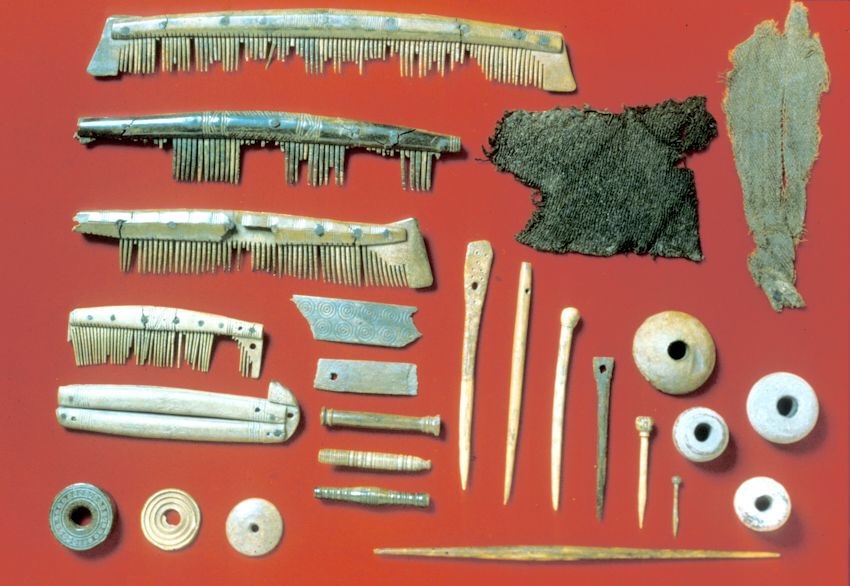
Bone and antler objects occur throughout the Viking world. Bones of pigs, cattle, horses, goats were used, and antler came from deer or elk. 

Needles and pins could be produced in a different shapes and sizes to serve a variety of purposes such as sewing clothes, nalbinding (a Scandinavian technique for making a strong, elastic fabric), net-making, securing a cloak, etc. 

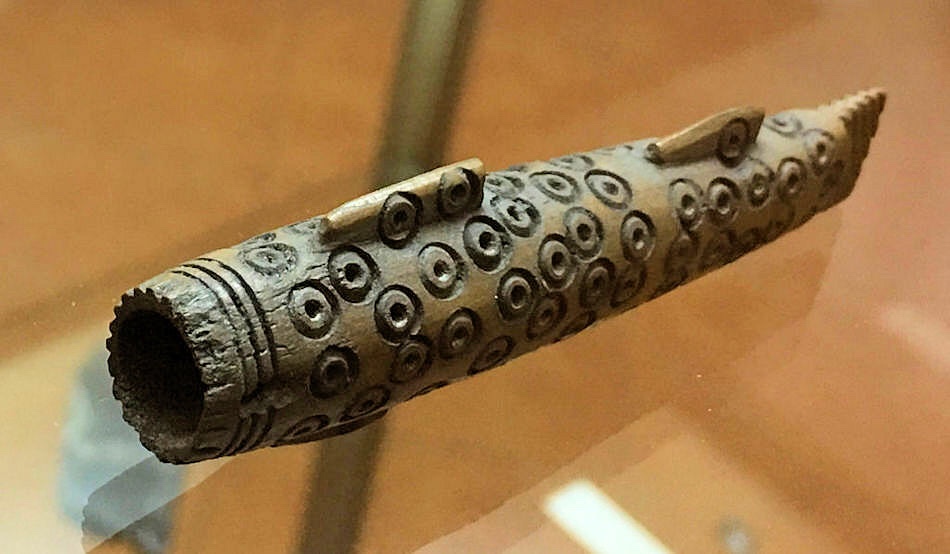
Other products included spindle whorls, weaving tablets, needle cases made from small long hollow bones, knife handles, strap ends, gaming pieces, bone flutes, and ice skates. 

Combs were also made and could be quite basic, or very ornate and decorated. Even the basic combs required considerable work, as the teeth can to be cut separately into bone plates which were fitted into the handle pieces. 

Whale bone could be used for special objects such as the decorated linen smoother from the Scar boat burial. While whale teeth and walrus ivory could be used for objects such as the Lewis Chessmen.

Source: the Viking Archaeology News Blog

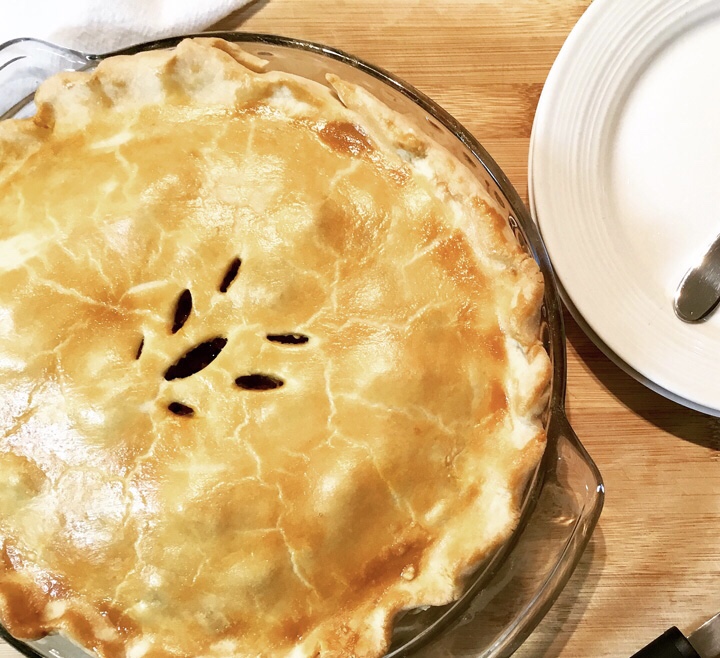
Sweetbreads and Oyster Pie

1 pound sweetbreads (Sweetbreads are an organ meat from the thymus and pancreas.)

2 teaspoons salt, divided

4 tablespoons lemon juice

½ pint oysters

½ teaspoon pepper

1 cup cream

½ cup butter

Puff Pastry (homemade or store bought)

Soak the sweetbreads in cold water for 1 hour.

In a large sauce-pot or stockpot, bring 2 quarts water to boil with 1 teaspoon of salt and lemon juice.

Drain the sweetbreads and use a slotted spoon to place them carefully in the boiling water. Boil for 15 to 20 minutes, then remove to drain on paper towels.

In a separate pot over medium heat, stew the oysters in their liquor just until they curl. Stir in the remaining 1 teaspoon salt, pepper, cream, and butter. Remove from heat.

Preheat oven to 350°F.

Line a pan with the puff pastry. Spoon the oysters onto the pastry and arrange the meat atop the oysters. Pour the oyster sauce over that and top with the other pastry, pinching the sides to seal. Bake for 40 minutes, or until the crust is golden brown.

Viking Era Jewelry

Most of our knowledge of Viking Age jewelry comes graves and hoards. Because accompanied burials ceased after the conversion to Christianity, we know more about earlier Viking Period jewelry than we do of the later Viking era.

Viking age jewelry tends to be dated according to the art style that is used for decoration.

Jewelry was worn by both men and women. It was a means of fastening cloaks, belts and dresses, And it was an adornment and a means of displaying visible wealth, even as a means of carrying wealth. It could be used as a means of exchange, and as a means of cementing an alliance.

Gold was used for the most prestigious jewelry, but gold was relatively scare in Scandinavia, so most jewelry was made of silver or gilded bronze. Gold and silver items would have been individually made, but bronze jewelry would have been mass produced, using clay moulds from a single master prototype.

In addition to brooches and buckles, silver neck and arm rings were common items of jewelry. Many were made from melted down silver Arabic coins, and were made to standard weights so that their value was easily assessed.

”Silver arm-rings were by far the commonest products of the Hiberno-Viking tradition…Over one hundred are known from silver hoards in Ireland, where they were sometimes cut into fragments which could later melted down and recycled. Several different types have been identified, the most important in terms of sheer numbers being the broad-band type. Like the neck-rings, they seem to have been manufactured for the storage and circulation of silver, and their target weight of 26.15 grams (0.92 ounces) is very close to the most important weight unit of the lead scale-weights from tenth-century Dublin. Their purity was obviously a matter of concern, because they sometimes display small nicks and pecks.”

Source: Netherton, R. and Owen Crocker, G. R. (eds) (2006), “Medieval Clothing and Textiles vol 2″

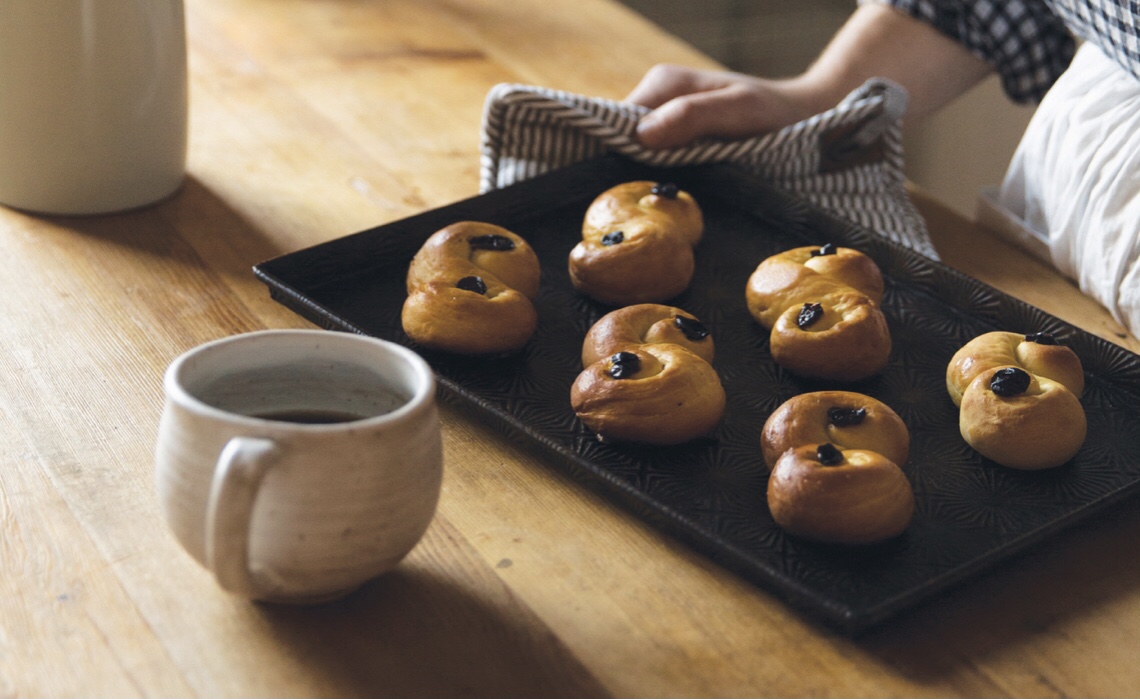
Lucia Buns (Swedish Lussekatter)

½ gram saffron

1 cup whole milk

1 tablespoon active dry yeast

⅓ cup sugar, plus a pinch for proofing the yeast

3½ cups flour

½ cup sour cream

1 teaspoon table salt

4 tablespoons butter, softened

1 egg

1 tablespoon water

36 dried, sweetened cranberries

Swedish pearl sugar (optional, but so good – available at King Arthur Flour or Sur La Table) for sprinkling

On a small plate, grind the saffron with the back of a spoon until it is powdered. If you have a mortar and pestle, that will work wonderfully.

In a small saucepan over medium-low heat, heat the milk until just beginning to simmer. Remove the pan from the heat, add the saffron, and stir. Allow the mixture to cool to the temperature of a warm bath. When the milk is warm but not hot, add the yeast and a pinch of the sugar. Allow the mixture to sit until it is bubbling and has grown in volume, about 5 minutes

While the yeast mixture is proofing, in a large bowl with a wooden spoon or in the bowl of a stand mixer fitted with the dough hook attachment, combine the sugar, flour, sour cream, and salt.

Add the yeast mixture, and knead until the dough is nice and smooth, and pulls away from the sides of the bowl.

Add the butter, 1 tablespoon at a time, and continue kneading the dough until it again pulls away from the sides of the bowl. It might seem like this is never going to happen, but all of a sudden, you’ll have a nice, smooth ball of dough.

Put the dough in a lightly oiled bowl, cover with plastic wrap, and allow it to rise until doubled in size.

Punch down the risen dough, knead it briefly on a lightly floured counter, and divide the dough into eighteen equal portions.

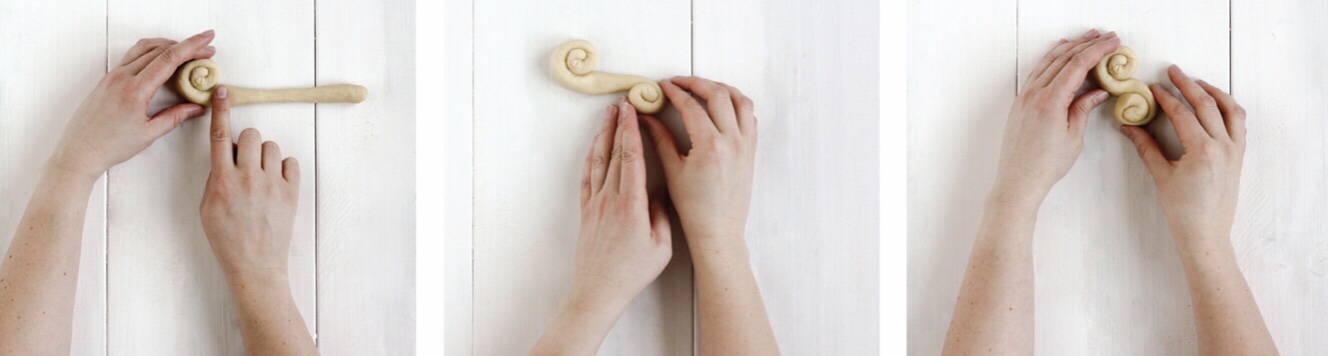
Roll each piece of dough into a long, skinny strip, about 12 inches long. Roll the left end of the dough up and clockwise until it reaches the middle, then roll the right end down and clockwise until it reaches the middle. Your dough should now look like a very tightly rolled S.

Place the Ss on a parchment-lined baking sheet, cover with plastic wrap, and allow them to rise for 30 minutes.

Preheat the oven to 400 degrees F. While the buns are rising, in a small bowl, whisk together the egg and water. Just before baking, lightly brush the tops and sides of each lucia bun with the egg wash, place a cranberry at the center of each swirl, and sprinkle the tops with pearl sugar.

Bake the lucia buns for 8 minutes, or until they are puffed and golden. Remove the baking sheet from the oven and allow the buns to cool. Store leftovers in an airtight container.

Ghosts and the Undead of Norse Mythology

Ghosts and the Undead

Most people have heard that for the Vikings, brave warriors went to Valhalla while everyone else went to Hel (the underworld), but actual Norse beliefs were more complicated and less standardized than that. To the Viking mind, there were different layers of self and different time frames. These elements could move on – as well as various places they could go. This left plenty of room for ghosts and the undead in the Norse imagination.

Stories of ghosts occur in many of the sagas and Eddic poems. They sometimes visit the living in dreams or can be found haunting their burial mounds. One reference in Njal’s Saga speaks of a ghost who sits atop his burial mound singing by night, seemingly content. This offers a glimpse of how the Vikings felt their ancestors were always with them.

The Eddic poem, Helgaknitha Hundingsbana II (The Second Poem of Helgi Killer of Hunding), paints a darker picture of such a haunting. Helgi, the slain hero, returns to his burial mound from Valhalla on one magical night. Helgi’s ghost has physical substance and still bleeds from his battle wounds. His grieving widow, Sigrun, spends the night in his arms within the cold tomb. Sigrun returns to the burial mound night after night, though it is unknown if Helgi ever returns. She eventually dies from her sorrow. The poem ends with the lines, “all the dead are more powerful by night than they are by bright day.

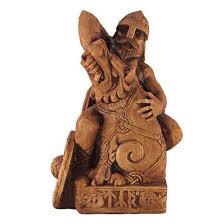
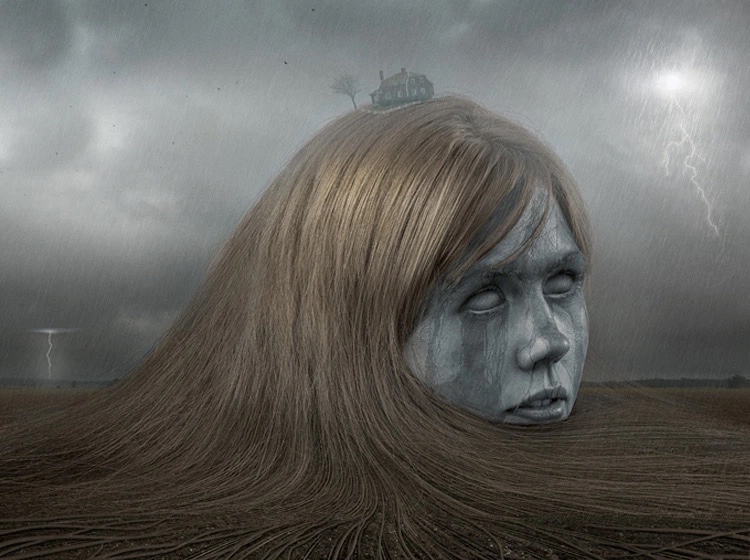
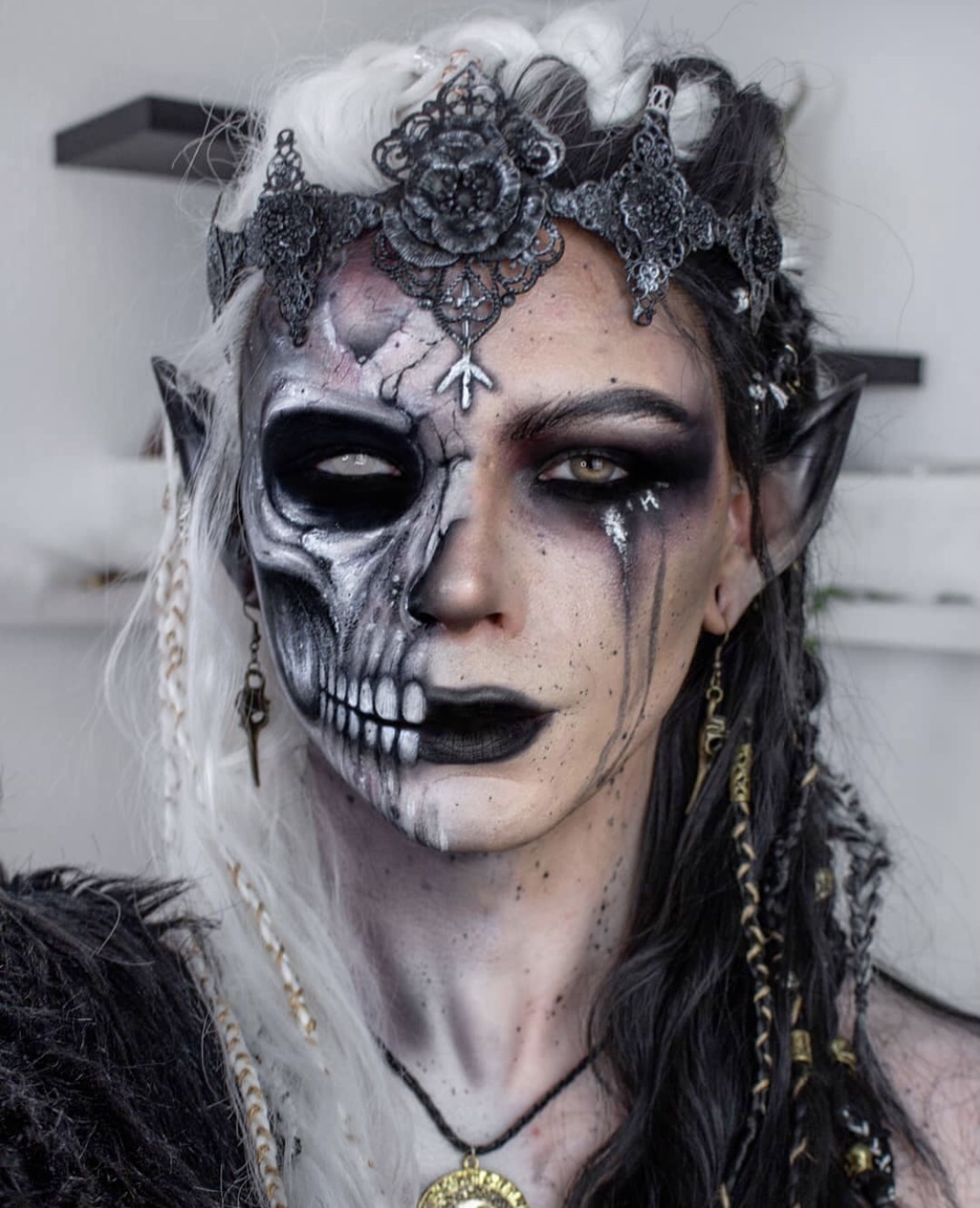
Some ghosts are not lost loved ones visiting from beyond the grave, though. The Vikings believed in beings called Draugr (also called an Aptrganga or “after-walker”), a malicious ghost with physical form. This undead being usually had been a bad man who died in a bad way. They were recognizable as the dead man but had grotesque features, bluing skin, and eyes that could render humans immobile with fear. They had otherworldly strength. They could sometimes appear much larger than they had been when alive and were usually described as inexplicably heavy.

Sometimes the Draugr was content to guard his treasure in his burial mound, but others terrorized farms or haunted a specific area. An embodiment of the bad luck that could plague the farms of the Viking world, the Draugr would kill livestock, horses, or pets. They could cause roofs to collapse or other disasters. Sometimes, the Draugr would kill people directly, especially if he was challenged. Shepherds, servants, or cattle-drivers would be found dead, and when their bodies were inspected, it was found that every bone – big and small – was broken.

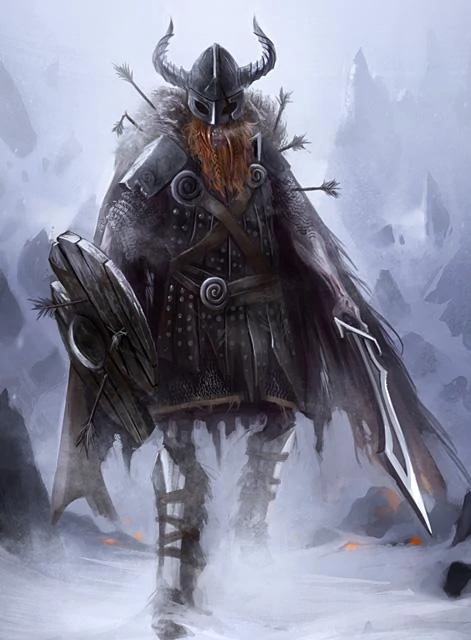
One of the most detailed accounts of these “Viking zombies” is in Grettir’s Saga. Grettir is an outlaw and an antihero, but he is a fearless Viking of great physical strength. Early in his life, he faces a Draugr in a burial mound and kills it, winning the short sword (seax) that was buried with it. Years later, though, Grettir faces Glam, a very dangerous, malevolent Draugr. Grettir decapitates Glam, but not before Glam places a heavy curse on him. This curse causes Grettir trouble and tragedy for the rest of his life, and ever-after the mighty Viking is afraid of the dark.

According to Grettir’s Saga and some other sources, the Viking method for killing the undead was not a stake through the heart or fire, but rather by cutting off the fiend’s head and place it next to its ass. Interestingly, archaeologists have found several Viking Age graves in which the skull was found between the skeleton’s legs, just below the pelvis. Other remains have been found weighed down by heavy stones to keep the dead where they were.

Source: Sons of Vikings