Plato: from “The Symposium”

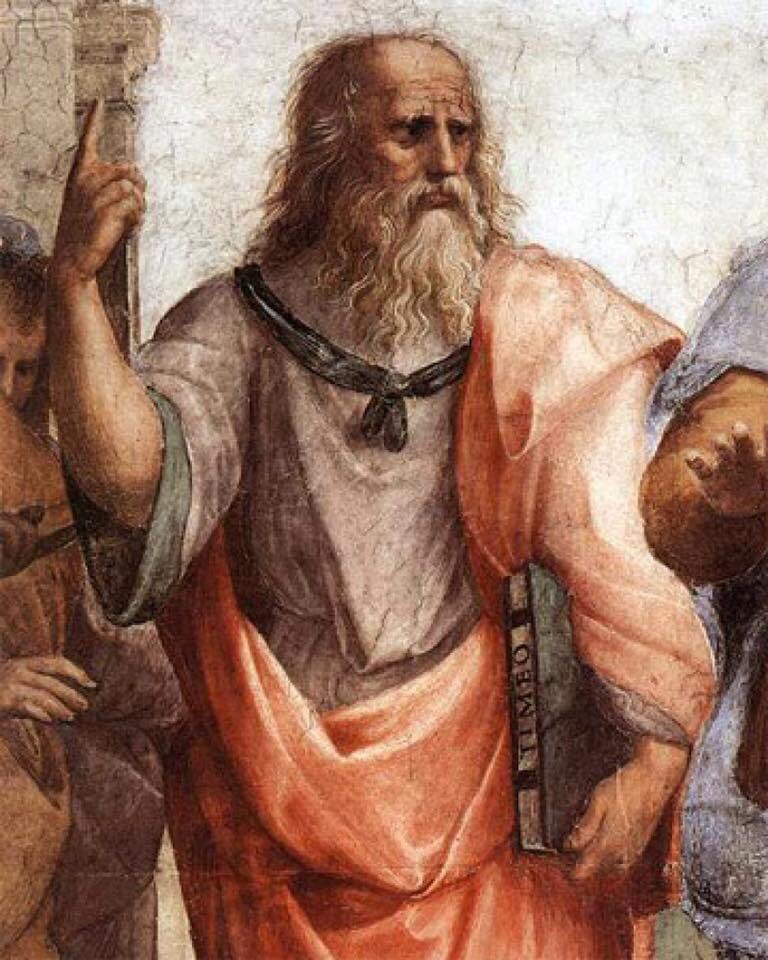
“According to Greek mythology, humans were originally created with four arms, four legs and a head with two faces. Fearing their power, Zeus split them into two separate parts, condemning them to spend their lives in search of their other halves… and when one of them meets the other half, the actual half of himself, whether he be a lover of youth or a lover of another sort, the pair are lost in an amazement of love and friendship and intimacy and one will not be out of the other’s sight, as I may say, even for a moment.”

~ Plato (The Symposium)

#GreekMythology #Plato #Symposium

Days of the Week: Friday

Of all the theophoric days of the week, Friday is the most controversial. Some assert that Friday is named after the Viking god Freyr. This makes sense because the 11th-century eyewitness, Adam of Bremen, describes Odin, Thor, and Freyr as forming a top-tier of gods that were often worshipped together (including at the magnificent temple at Uppsala). Freyr was a fertility god and god of plenty, and so the Vikings would probably not want to offend him by leaving him out.

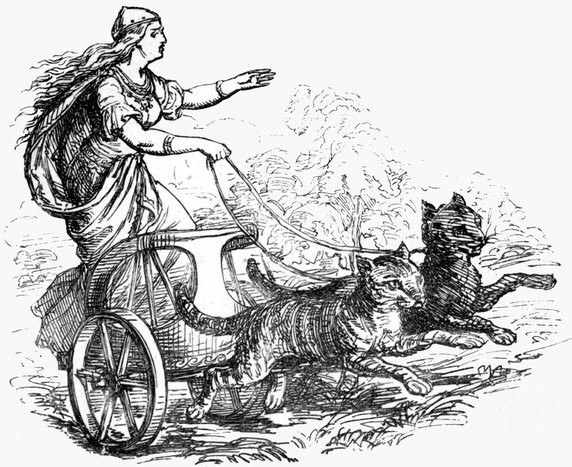
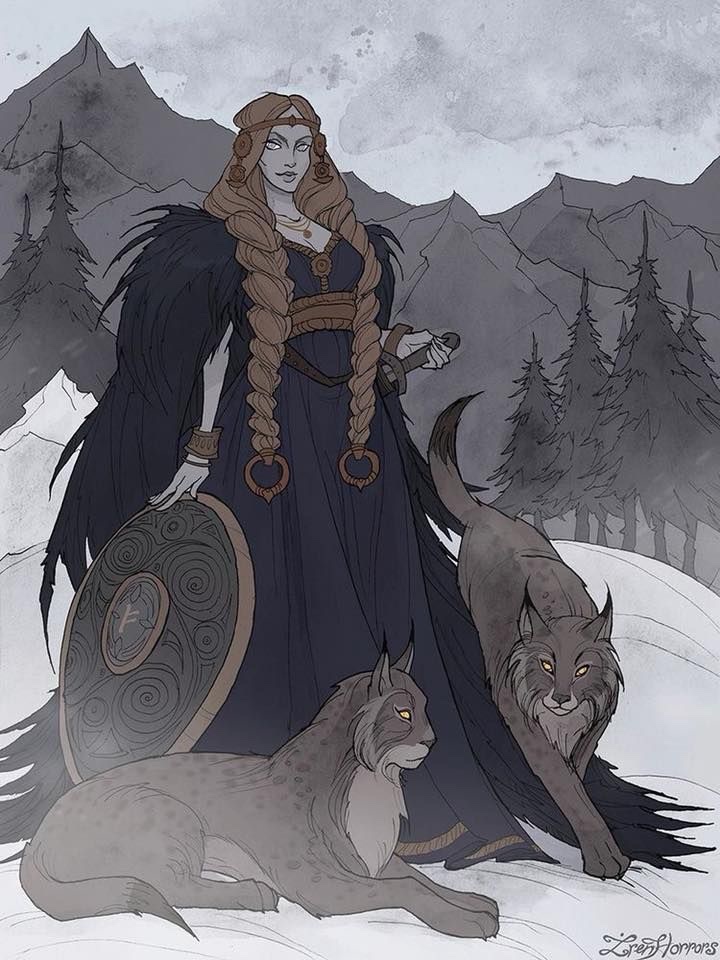
Others believe that Friday is not named after Freyr but after his sister Freyja. Freyja was a goddess of war, magic, fertility, and erotic love. Still, others believe that the day is named after Frigg, Odin’s wife and the Queen of Asgard. The matter is further complicated: Freyja and Frigg have many overlapping characteristics and may have once even been the same goddess. This ambiguity has long roots, as Friday was called Frigesdaeg in some dialects but Freyjasdagr in Old Norse.

An important clue as to who the day really belongs to can be found by comparing it to the Roman model. For the Romans, the sixth day of the week was devoted to Venus, the goddess of love, beauty, and passion. If the comparison still holds, it would seem that Friday is, therefore, Freyja’s Day. We will probably never know for sure, and indeed perhaps our Viking ancestors honored all three on this day.

Archaeological Finds 2020: The Red Lion

Archaeologists from the UCL’s Institute of Archaeology have discovered the remains of what may be the Red Lion, an early Elizabethan playhouse built around AD 1567.

The Red Lion was a purpose-built playhouse in the yard of the Red Lion, a farmhouse east of Aldgate near Mile End. This was to be the first known attempt to provide a purpose-built playhouse in London for the many Tudor age touring theatrical companies, in particular staging a young Shakespeare’s plays in the 1590s.

The Red was financed by John Brayne who also financed, with his brother-in-law James Burbage, the building of the Theatre in Shoreditch.

The only contemporary information previously known about the playhouse was from two lawsuits issued in the Records of the Court of King’s Bench in 1567, between John Brayne and the carpenters commissioned with aspects of the playhouse construction that noted “the house called the red lyon” and “farme house called and knowen by the name of the Sygne of the Redd Lyon”. Location of the Red Lion Playhouse The lawsuit details ‘scaffolds’ or galleries around the stage, suggesting they were substantial.

The second lawsuit relates to the quality of work, and crucially includes a description of the stage and dimensions: 40ft (12.2m) north to south, by 30ft (9.1m) east to west, and standing at a height of 5ft (1.5m) above the ground. While it appears to have been a commercial success, the Red Lion offered little that the prior tradition of playing in inns had not offered.

Situated in open farmland, it was too far from its audiences to be attractive for visiting in the winter. Archaeologists excavating the site discovered a rectangular timber structure, comprising 144 surviving timbers and measuring 12.27m north-south by 9.27m east-west.

Days of the Week: Thursday

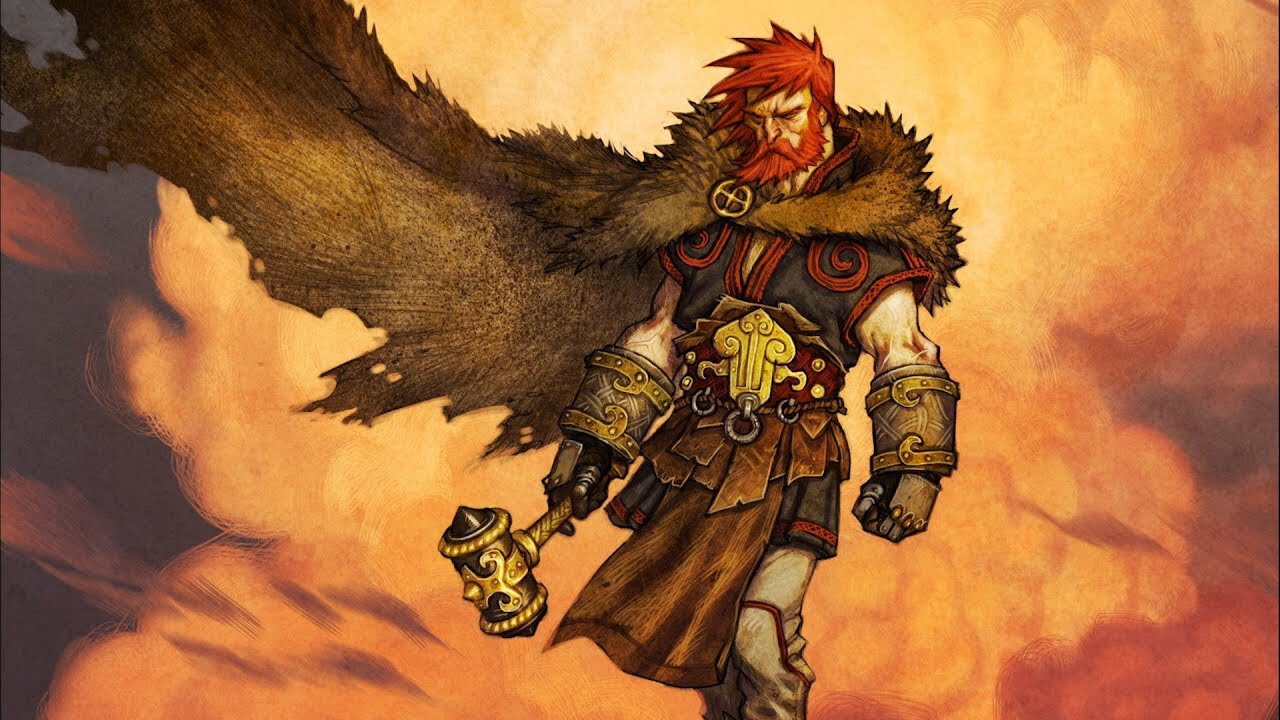
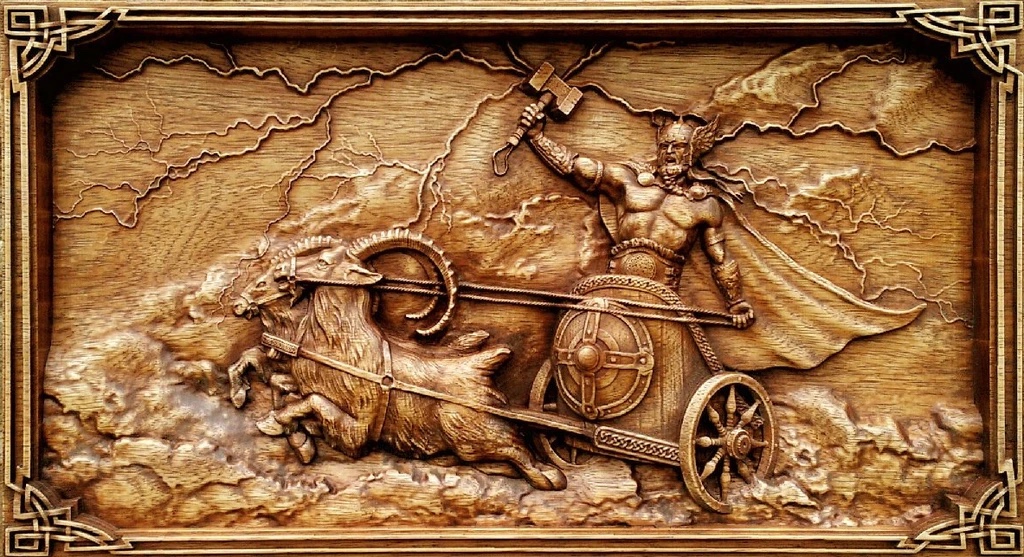
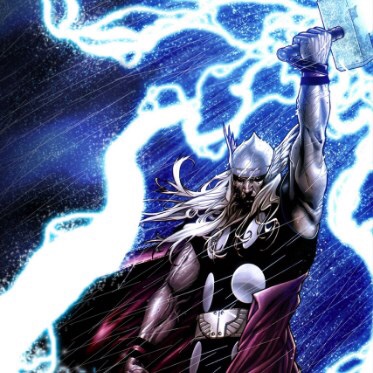
The Romans devoted the fifth day of the week to Jupiter, also known as Jove. Jupiter/Jove was the same as the famous Greek god, Zeus, and was the king of the gods. For the Vikings, though, the powerful, protective lord of the skies and wielder of thunderbolts was Thor, in which Thursday is named after (Thor’s Day).

Thor was known to the Anglo-Saxons as Thunar and to other Germanic tribes as Donar. While Thor was not the king of the gods in the Viking pantheon, he was probably the most powerful and the most popular. Interestingly, Tacitus equated Thor not with Jove but instead with Hercules because of the god’s strength, bravery, and conspicuous humanity. For many, Thor still retains this superhero aura.

Conch Fritters

1 quart vegetable oil, for frying
¾ cup all-purpose flour
1 sprig fresh thyme leaves
Kosher salt and freshly ground black pepper
1 cup chopped conch meat
½ onion, chopped
½ green bell pepper, chopped
2 stalks celery, chopped
1 teaspoon tomato paste
1 cup water

Heat the oil in a large heavy-bottomed saucepan, Dutch oven, or deep fryer to 365 degrees.

In a large mixing bowl, combine the flour, thyme, salt, and pepper. Mix in the conch meat, onion, bell pepper, celery, tomato paste, and water.

In batches, drop the batter by rounded tablespoons into the hot oil and fry until golden brown. Use a slotted spoon to transfer the fritters to a baking sheet lined with paper towels to absorb any excess oil.

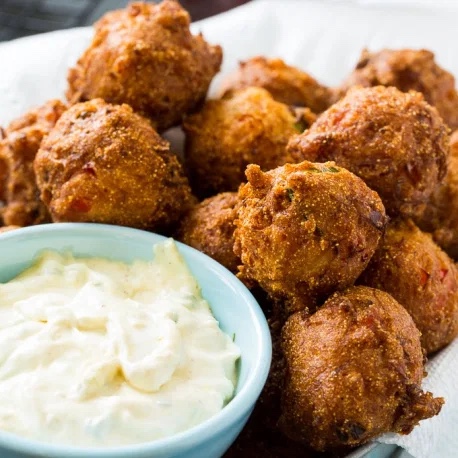
Crab Hushpuppies

3 cups White Lily buttermilk cornmeal mix
1 cup White Lily self-rising flour
1 teaspoon baking soda
2 teaspoons kosher salt
4 teaspoons freshly ground black pepper
1 cup chopped scallions
2½ cups buttermilk
1 pound lump crab-meat
1 large egg, lightly beaten

Tartar sauce for dipping

Fill a deep-sided cast-iron skillet or Dutch oven with 1 inch of oil. Place over medium-high heat, and bring the oil to 375 degrees. Monitor and keep the temperature between 350 and 375 degrees while you are frying.

In a large bowl, whisk all the ingredients together. Working in batches, drop a tablespoons into the oil and fry until golden and crisp, usually 3 to 4 minutes, turning occasionally.  Remove with a slotted spoon and drain on paper towels.

Serve with a bowl of tartar sauce for dipping

Panko Fried Green Tomatoes

You can ask many long time Southerner’s about fried green tomatoes and they won’t remember eating them growing up, but needless to say they have become a Southern staple. Why? I believe it has more to do with Fannie Flagg’s book and the subsequent movie than any true regional origin. You know what, that’s okay because they’re delightful when done correctly.

4 medium green tomatoes, cut in ¼-inch slices
1 tablespoon kosher salt
1 teaspoon black pepper
2 large eggs, beaten
¼ cup cream
1 cup all-purpose flour
2 to 3 cups panko bread crumbs
¾ cup vegetable oil, plus more as needed

Lay the tomato slices on a platter and season both sides with the salt and pepper.  Beat the eggs and cream together in a small bowl and transfer to a shallow dish.

Place the flour and panko in their own separate, shallow dishes. Arrange your three-stage breading assembly line in this order: sliced tomatoes, flour, egg wash, then panko. Have a dry plate ready to hold the breaded tomatoes until you are ready to fry them.

Place the seasoned tomatoes in the flour and coat well. Dip the floured tomato slices into the egg wash and thoroughly coat on both sides, then transfer to the panko, pressing the slices into the breading to ensure a nice, even coating. Remove the slices from the panko and place on the dry plate. Bread all the tomatoes before you start frying.

Heat the oil in a 12-inch sauté pan over medium-high heat. When the oil is shimmering, fry the tomatoes a few pieces at a time. Fry for about 2 minutes on each side or until golden brown. Carefully remove the tomatoes from the pan with tongs and drain on paper towels. As you remove the hot tomatoes from the pan, season with a little sprinkle of salt. Add more oil to the pan and repeat.

Serve with your favorite dressing or sauce: buttermilk dressing, ranch dressing, garlic aioli, etc.

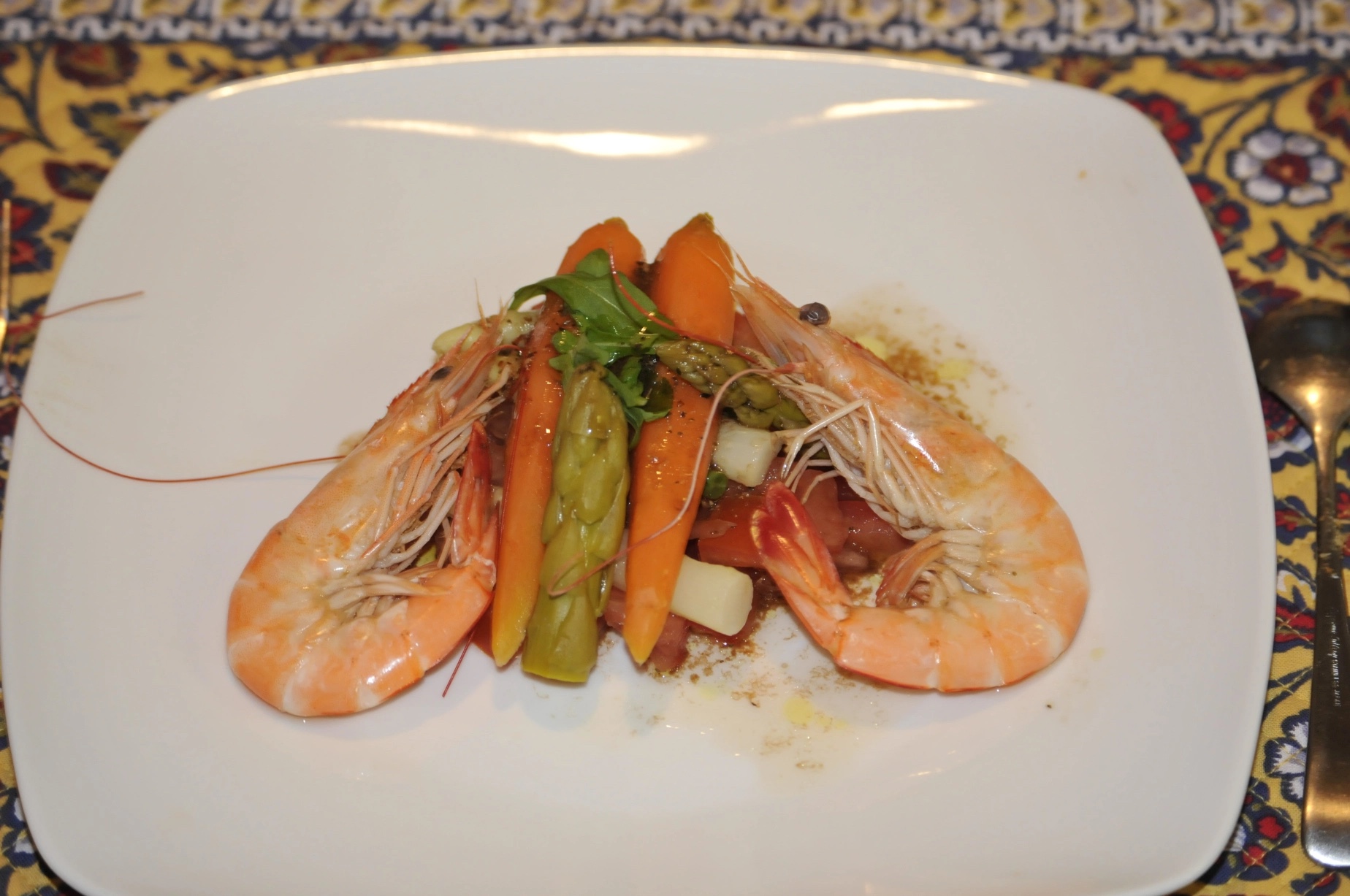
Tomato Tartare with Pickled Vegetables and Jumbo Head-on Shrimp

Serves 4

 3 Tomatoes, peeled, seeded and finely chopped

Kosher Salt & Black Pepper, to taste

2 Teaspoons Finely Minced Shallot

1 Teaspoon Minced Chives

Fresh Thyme Sprigs


1 Bunch White Asparagus

1 Jar Pickled Asparagus

¼ Pound Haricot Verts

8 Baby Carrots

½ Pound Cherry Tomatoes, cut in half

Baby Arugula

Fresh Herbs


8 Head On Jumbo Shrimp

2 Tablespoons Old Bay Seasoning

½ Cup Vinegar

½ Cup Water


½ Cup Olive Oil

1 Tablespoon Balsamic Vinegar

½ Teaspoon Dijon Mustard

Herbs de Provence, to taste

Take tomatoes in a bowl and toss with shallot, chives, finely chopped thyme and salt and pepper to taste.  In a bowl mix olive oil, balsamic vinegar, Dijon mustard and herbs de Provence.  Whisk to create emulsion.

Bring small pot of salted water to boil.  Blanch white asparagus, haricot verts and baby carrots.  Individually place the vegetables in boiling water for a few minutes or until tender.  Immediately move to an ice bath to stop cooking and preserve color.

In a pot add vinegar, water and Old Bay seasoning.  Bring to a boil.  Add shrimp and cover.  Boil for 2 minutes and check shrimp so as to not overcook.  Shrimp should be opaque.  Immediately remove to ice bath.

Place a 3 inch ring mold on a plate.  Place about 4-5 teaspoons of tomato tartare in the center and use the back of a spoon to spread mixture so it fills bottom of mold.  Lift the ring mold and repeat on other three plates.  Toss white asparagus, haricot verts, carrots with a tablespoon of balsamic vinegar mixture.  Place vegetables, baby arugula and fresh herbs carefully on top of tomato tartare.  Drizzle with balsamic mixture.  Add two shrimp to each plate and serve immediately.

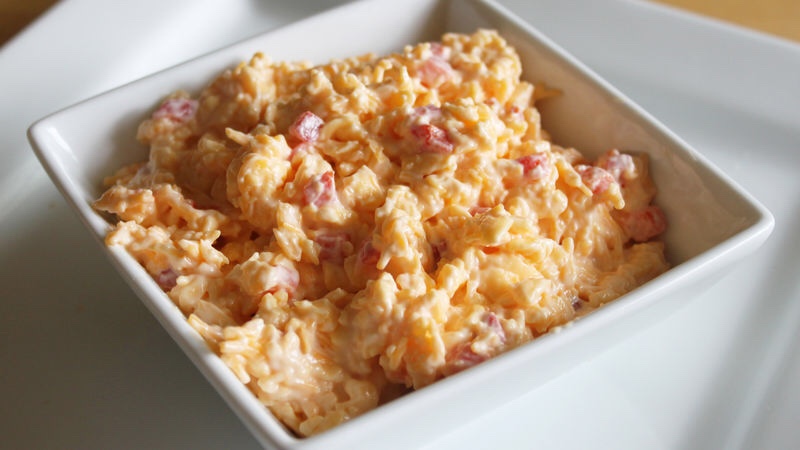
Basic Pimento Cheese

The so called pâté of the South isn’t really very Southern at all. No, pimento cheese got its start up North—in New York, in fact—as a product of industrial food manufacturing and mass marketing.  Like other food items though it was perfected in the South.  There’s a multitude of pimento cheese recipes out there, but we’ll start with this basic one and introduce fancied up one’s later.

½ cup mayonnaise
1 (4-ounce) jar diced pimentos, drained
1 tablespoon grated onion with juice
1 teaspoon Worcestershire sauce
½ teaspoon salt
½ teaspoon ground black pepper
⅛ teaspoon cayenne pepper
1½ cups lightly packed shredded sharp yellow cheddar cheese
1½ cups lightly packed coarsely shredded sharp white cheddar cheese

In a medium bowl add the mayo, pimentos, onion, Worcestershire sauce, salt, pepper, and cayenne together. Fold in the cheeses to thoroughly combine. Cover and refrigerate for a few hours before serving to allow the flavors to meld.

Days of the Week: Wednesday

The Romans devoted the fourth day to Mercury, the messenger of the gods who traveled across the world with winged sandals. In modern Spanish / French / Italian, the day is rendered as miércoles / mercredi / mercoledì.

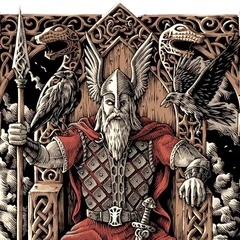
When the 1st-century geographer Tacitus traveled to Germania (Northern Europe beyond the Rhine), he remarked that the men there worshiped Mercury as the foremost god. But Tacitus had encountered worshipers of the unfamiliar god, Odin (a.k.a. Wotan in Old High German or Woden in Old English). Odin was a traveler, trekking across the Nine Worlds in disguise, searching for wisdom.

Mercury was the Roman god of medicine and eloquence, just as Odin was the Norse god of magic and poetry. Our word, Wednesday, comes directly from Woden’s Day, or Odinsdagr (as it was in Old Norse). But Odin was such a dreaded and reviled figure to later Christians that in many countries that used to worship him (i.e., Germany, Iceland, etc.) Wednesday was re-interpreted as “mid-week’s-day”.