King Tutankhamun’s Tomb

4069CF30-F4D4-4BC3-90C7-FCAF5EC4A0A9

Various items found in King Tutankhamun’s tomb including his funerary bed and sarcophagus:

Tutankhamun (also known as Tutankhamen ruled c. 1332–1323 BC) is the most famous and instantly recognizable Pharaoh in the modern world. His golden sarcophagus is now a symbol almost synonymous with Egypt. His name means `living image of the god Amun’. He was born in the year 11 of the reign of Pharaoh Amenhotep IV (better known as Akhenaten) c. 1345 BCE and died, some claim mysteriously, in 1327 BCE at the age of 17 or 18. He became the celebrity pharaoh he is today in 1922 CE when the archaeologist Howard Carter discovered his almost-intact tomb in the Valley of the Kings. While it was initially thought that Tutankhamun was a minor ruler, whose reign was of little consequence, opinion has changed as further evidence has come to light. Today Tutankhamun is recognized as an important pharaoh who returned order to a land left in chaos by his father’s political-religious reforms and who would no doubt have made further impressive contributions to Egypt’s history if not for his early death.

D904690A-6C48-4756-BF10-FAE9BD32885BF7BCDC0D-8C95-45CD-8099-5D83FDFD93198FF26A26-8111-4DA9-91A2-7C46B29AC769B1BF6DF7-7943-4F57-9BAC-3415E16467F578DDC240-3D3B-49F0-8650-B9790F9A845CEED842C7-2A25-4453-8195-D0EC9AFEE46C220AD9CE-03A1-4E5A-9841-4032EA48C7E9D03A7FEA-1844-4CDF-9BE9-EB53F7D305DE201299B7-82F5-4E61-99A7-6C3EA31753152CE1FB2B-F547-4BC7-8A8F-91B4B4E7F1D534EE4E81-6A96-4999-90BE-A341AA9678454F3AF573-4CF6-410A-B119-B372D265E18567DF4121-87F9-4672-95DF-4EE95B39867EAF6F5FD3-8D53-4351-8208-AEAE50C13CB4

Antidepressants and Coping with Side Effects

Antidepressants can cause unpleasant side effects. Signs and symptoms such as nausea, weight gain or sleep problems can be common initially. For many people, these improve within weeks of starting an antidepressant. In some cases, however, antidepressants cause side effects that don’t go away.

Talk to your doctor or mental health professional about any side effects you’re having. For some antidepressants, monitoring blood levels may help determine the range of effectiveness and to what extent dosage can be adjusted to help reduce side effects. Rarely, antidepressants can cause serious side effects that need to be treated right away.

If side effects seem intolerable, you may be tempted to stop taking an antidepressant or to reduce your dose on your own. Don’t do it. Your symptoms may return, and stopping your antidepressant suddenly may cause withdrawal-like symptoms. Talk with your doctor to help identify the best options for your specific needs.

Nausea

Nausea typically begins early after starting an antidepressant. It may go away after your body adjusts to the medication.

Consider these strategies:

• Take your antidepressant with food, unless otherwise directed.

• Eat smaller, more-frequent meals.

• Suck on sugarless hard candy.

• Drink plenty of fluids, such as cool water. Try an antacid or bismuth subsalicylate (Pepto-Bismol).

• Talk to your doctor about a dosage change or a slow-release form of the medication.

Increased appetite, weight gain

You may gain weight because of fluid retention or lack of physical activity, or because you have a better appetite when your depression symptoms ease up. Some antidepressants are more likely to cause weight gain than others. If you’re concerned about weight gain, ask your doctor if this is a likely side effect of the antidepressant being prescribed and discuss ways to address this issue.

Consider these strategies:

• Cut back on sweets and sugary drinks.

• Select lower calorie nutritious foods, such as vegetables and fruits, and avoid saturated and trans fats.

• Keep a food diary — tracking what you eat can help you manage your weight.

• Seek advice from a registered dietitian.

• Get regular physical activity or exercise most days of the week.

• Talk to your doctor about switching medications, but get the pros and cons.

Fatigue, drowsiness

Fatigue and drowsiness are common, especially during early weeks of treatment with an antidepressant.

Consider these strategies:

• Take a brief nap during the day.

• Get some physical activity, such as walking.

• Avoid driving or operating dangerous machinery until the fatigue passes.

• Take your antidepressant at bedtime if your doctor approves.

• Talk to your doctor to see if adjusting your dose will help.

Insomnia

Some antidepressants may cause insomnia, making it difficult to get to sleep or stay asleep, so you may be tired during the day.

Consider these strategies:

• Take your antidepressant in the morning if your doctor approves.

• Avoid caffeinated food and drinks, particularly late in the day.

• Get regular physical activity or exercise — but complete it several hours before bedtime so it doesn’t interfere with your sleep.

• If insomnia is an ongoing problem, ask your doctor about taking a sedating medication at bedtime or ask whether taking a low dose of a sedating antidepressant such as trazodone or mirtazapine (Remeron) before bed might help.

Dry mouth

Dry mouth is a common side effect of many antidepressants.

Consider these strategies:

• Sip water regularly or suck on ice chips.

• Chew sugarless gum or suck on sugarless hard candy.

• Avoid tobacco, alcohol and caffeinated beverages because they can make your mouth drier.

• Breathe through your nose, not your mouth.

• Brush your teeth twice a day, floss daily and see your dentist regularly. Having a dry mouth can increase your risk of getting cavities.

• Talk to your doctor or dentist about over-the-counter or prescription medications for dry mouth.

• If dry mouth continues to be extremely bothersome despite the efforts above, ask your doctor the pros and cons of reducing the dosage of the antidepressant.

Constipation

Constipation is often associated with tricyclic antidepressants because they disrupt normal functioning of the digestive tract and other organ systems. Other antidepressants sometimes cause constipation as well.

Consider these strategies:

• Drink plenty of water.

• Eat high-fiber foods, such as fresh fruits and vegetables, brans, and whole grains.

• Get regular exercise.

• Take a fiber supplement (Citrucel, Metamucil, others).

• Ask your doctor for advice on stool softeners if other measures don’t work.

Dizziness

Dizziness is more common with tricyclic antidepressants and monoamine oxidase inhibitors (MAOIs) than with other antidepressants. These medications can cause low blood pressure, resulting in dizziness.

Consider these strategies:

• Rise slowly from sitting to standing positions.

• Use handrails, canes or other sturdy items for support.

• Avoid driving or operating machinery.

• Avoid caffeine, tobacco and alcohol.

• Drink plenty of fluids.

• Take your antidepressant at bedtime if your doctor approves.

Agitation, restlessness, anxiety

Agitation, restlessness or anxiety can result from the stimulating effect of certain antidepressants. Although having more energy can be a good thing, it may mean you can’t relax or sit still even if you want to.

Consider these strategies:

• Get regular exercise, such as jogging, biking or aerobics, or some type of physical activity, such as walking. Talk to your doctor first about what would be a good type of exercise or physical activity for you.

• Practice deep-breathing exercises, muscle relaxation or yoga.

• Consult your doctor about temporarily taking a relaxing or sedating medication or switching to an antidepressant that isn’t as stimulating.

Be alert for racing or impulsive thoughts along with high energy. If these develop, talk to your doctor right away because they may be signs of bipolar disorder or another serious disorder.

Sexual side effects

Many antidepressants cause sexual side effects. They can include reduced sex drive and difficulty reaching orgasm. Some antidepressants may cause trouble getting or keeping an erection (erectile dysfunction). Selective serotonin reuptake inhibitors (SSRIs) are more likely to cause sexual side effects than other antidepressants are.

Consider these strategies:

• Consider a medication that requires only a once-a-day dose, and schedule sexual activity before taking that dose.

• Talk to your doctor about switching to an antidepressant that may have fewer of these effects, such as bupropion (Wellbutrin, SR, Wellbutrin XL, others), or adjusting your medication to ease sexual side effects.

• Talk to your partner about your sexual side effects and how they change your needs. Adjusting your sexual routine may be helpful. For example, you may need a longer period of foreplay before having sexual intercourse.

• Talk with your doctor about options for medications, such as sildenafil (Viagra), that may temporarily ease sexual side effects or treat erectile dysfunction and any associated risks. Avoid over-the-counter herbal supplements that promise increased sexual desire and function — these are not regulated by the Food and Drug Administration (FDA) and some could be dangerous to your health.

Heart-related effects

Depending on your heart health and the type of antidepressant you take, you may need an electrocardiogram (ECG) before or periodically during treatment. The ECG is used to monitor what’s called the QT interval to make sure it’s not prolonged. A prolonged QT interval is a heart rhythm condition that can increase your risk of serious irregular heart rhythms (arrhythmias).

Certain antidepressants should not be used if you already have heart problems or if you’re taking an MAOI. Talk with your doctor about your heart health and any heart medications or other medications that you take.

Genetic variations

Some studies indicate that variations in genes may play a role in the effectiveness and risk of side effects of specific antidepressants. So your genes may, at least in part, determine whether a certain antidepressant will work well for you and whether you’re likely to have certain side effects.

Some locations already provide limited genetic testing to help determine antidepressant choice, but testing is not routine and it’s not always covered by insurance.

More studies are being done to determine what might be the best antidepressant choice based on genetic makeup. However, genetic testing is a part of — not a replacement for — a thorough psychiatric exam and clinical decisions.

Sword Types: Xiphos

E4277850-C4DD-402D-9F8F-98BE50CA095C

The ancient Greek xiphos (/ˈksiːfoʊs/ KSEE-fohss; Greek: ξίφος) was a pointed and double edged short sword, typically with a two foot long leaf-shaped blade, that was used for both cutting and thrusting. Designed for single-handed use, the xiphos was favored by the Greeks and was carried by them as standard equipment. The design has most likely been in existence since the appearance of the first swords. Blades in bronze and iron are suitable for a leaf shape due to the softness of the metals in comparison to steel. Bronze swords are cast and are thus more easily formed into a leaf shape than iron swords, which need to be forged. Xiphoi were initially made of bronze. Thus, getting the leaf shape for a bronze sword was simply a matter of pouring molten bronze into a leaf shaped mold. By the 7th and 6th centuries BC, iron supplanted bronze in making xiphoi.

4C7FB64F-1165-46C1-A706-C1DFAF5FF1A1.jpeg
Greek soldier with  Xiphos
It was a secondary battlefield weapon for the Greek armies after the dory or javelin. The classic blade was generally about 50–60 cm long, although the Spartans used a much shorter blade sometimes as short as one foot. The xiphos was generally used only when the spear was discarded for close combat. Xiphoi were usually carried in a baldric (a belt for a sword or other piece of equipment, worn over one shoulder and reaching down to the opposite hip) and hung under the user’s left arm. As ancient Greek warfare revolved around the phalanx, which was a spear-based formation, the xiphos was a secondary weapon, employed in close combat for situations in which the spear was ineffective or not ideal.

76F1427E-E0E4-41EF-864A-0646F2AE4DB0

Sword Types: Gladius

“GLADIUS” – The sword that conquered the known world back then used by the Roman Army.

~ The gladius was a miniature form of a sword, having a short blade, about 20 to 25 inches long.

~ This was one of the basic weapons of the Roman foot soldiers, used primarily for stabbing the enemy.

~ Gladius had two sharp cutting-edges and a sharp-pointed end, designed specially to have a lethal impact on the enemy, when stabbed.

~ The gladius remained the standard weapon of the Romans up to nearly the middle of the second century A.D., when it was replaced by a larger and longer sword.

Yōkai: An Introduction

Yōkai, (妖怪) is a broad and vague term, and nothing exists in the English language that quite describes it. They can best be understood as supernatural creatures and phenomena from Japanese folklore. The word is a combination of the characters 妖(yō–attractive, bewitching, calamity) and 怪 (kai–mystery, wonder). Many English words have been used in translations. Yōkai can be translated as monster, demon, spirit, or goblin, but it encompasses all of that and more. The world of yōkai also includes ghosts, gods, transformed humans and animals, spirit possession, urban legends, and other strange phenomena. Even in Japanese, the term is difficult to define. The broadest possible definition of yōkai includes all supernatural creatures and phenomena from all parts of the world. On my site I narrow Yōkai to all supernatural creatures and phenomena which are found in Japanese folklore.

Japanese folklore is an amalgamation of different traditions, with its foundation in the folk religions of isolated tribes living on the Japanese isles. These traditions were modified by Shintō and later Buddhism, incorporating elements from Chinese and Indian folklore and mythology as well.

In ancient Japan, spirits were thought to be formless and invisible to the human eye. However, as artistic traditions developed, it became necessary to visually depict the spirits and monsters from stories. These begun as painted scrolls, and later expanded into multi-volume illustrated encyclopedias of strange tales and supernatural stories.

During the Edo period (1603-1868), there was an unprecedented flourishing of culture and art in Japan. Ghost stories and stories about monsters and strange phenomena from the all over Japan experienced a huge surge in popularity. The very first mythical bestiaries were put together by folklorists and artists like Toriyama Sekien, who collected the oral traditions of rural Japan for consumption by the growing urban population.  Sekien’s yōkai encyclopedias set the stage for other artists. It quickly expanded into every aspect of Japanese culture, from fine art to high theater, from aristocratic ghost story-telling parties to low class bawdlery, and so on.

Yōkai fell out of popularity during the Meiji restoration, when Japan modernized its society and culture. They were all but abandoned as a relic of a superstitious and past. After World War II, manga artist Shigeru Mizuki reintroduced them to a modern Japan. His series “GeGeGe no Kitaro” caused a second explosion of interest in the supernatural. Today, the influence of yōkai can again be seen in all aspects of Japanese culture, from manga and anime, to video games, brand labels, and even on Japanese currency.

Hoshizora Kiseki (星空キセキ)

A good, but not great anime short film released in Japan over the Internet.

Kozue loves to stargaze and does so regularly. On a trip to view a meteorite, she happens to meet a boy named Ginga. He has a mysterious ability to discover more information about the stars, which he uses to help scientists with astronomical research. Unfortunately, his life is mostly dictated for him, and when carrying out missions, he must always wear a protective suit. Kozue helps Ginga to gradually take control of his life by encouraging him to make his own decisions.

Japanese Title: 星空キセキ(Literally Starry-Sky Miracle)

Rating: NR

Genre: Animation, Sci-Fi, Romance, Short

Directed By: Akio Watanabe, Toshikazu Matsubara

WrittenBy: Akio Watanabe, Kouichirou Itou, Toshikazu Matsubara

Country: Japan

Language: Japanese (Subtitled in English)

Release Date: June 21st, 2006 (Japan), May 10th, 2011 (USA)

Runtime: 27 minutes

Main Characters:

Ginga. (銀河)

A boy who has the ability to discover more information about stars. His life is controlled by scientist who wish to take advantage of his ability.
Kozue (こずえ)

A school girl who enjoys looking at the stars.

Your Name. (君の名は) Kimi no Na wa.

From director Makoto Shinkai, the innovative mind behind Voices of a Distant Star and 5 Centimeters Per Second, comes a beautiful masterpiece about time, the thread of fate, and the hearts of two young souls. The day the stars fell, two lives changed forever. High schoolers Mitsuha and Taki are complete strangers living separate lives. But one night, they suddenly switch places. Mitsuha wakes up in Taki’s body, and he in hers. This bizarre occurrence continues to happen randomly, and the two must adjust their lives around each other. Yet, somehow, it works. They build a connection and communicate by leaving notes, messages, and more importantly, an imprint. When a dazzling comet lights up the night’s sky, something shifts, and they seek each other out wanting something more-a chance to finally meet. But try as they might, something more daunting than distance prevents them. Is the string of fate between Mitsuha and Taki strong enough to bring them together, or will forces outside their control leave them forever separated?

Rating: PG (for thematic elements, suggestive content, brief language, and smoking)

Genre: Animation, Drama, Romance

Directed By: Makoto Shinkai

Written By: Makoto Shinkai

Country: Japan

Language: Japanese (Subtitled in English)

Release Date: April 7, 2017

Worldwide Gross: $358,922,706

Studio: FUNimation

Runtime: 106 minutes

Main Characters:

Taki Tachibana (立花 瀧, Tachibana Taki)

A high school student currently living in Tokyo. He was a 17 year old sophomore attending at Tokyo Metropolitan High School and in the class next to Class C of second year. Taki was actually three years younger than Mitsuha when they started switching bodies. He is also an architect. He is short-tempered but well meaning and kind. He spends time with Miki Okudera, working in a part-time job as a waiter at the Italian restaurant “Il Giardino delle Parole”

Mitsuha Miyamizu (宮水 三葉, Miyamizu Mitsuha)

A high school girl dissatisfied with her life in Itomori, a mountainous and rural town of Gifu Prefecture. She is a 17 year old student in her second year at Itomori High School. She was actually three years older than Taki when they started switching bodies. She ties her hair with dark red braid. She and her sister are maidens of the family shrine. Her mother died peacefully, and her father left home in order to become the town’s mayor. She lives with her grandmother, Hitoha, and her younger sister, Yotsuha, who is in elementary school. Mitsuha wishes to have a better life in Tokyo from respecting the shrine and having a strained relationship with her father.

Weathering With You (天気の子) Tenki No Ko

Set in Japan during a period of exceptionally rainy weather, the film tells the story of a high-school boy who runs away from his rural home to Tokyo and befriends an orphan girl who has the ability to manipulate the weather.

Original Title: Tenki No Ko (Literally “Child of Weather”)

Rating: NR (for suggestive material, some violence and language)

Genre: Animation, Fantasy, Romance

Directed By: Makoto Shinkai

Written By: Makoto Shinkai

Country: Japan

Language: Japanese (Subtitled in English)

Release Date: Jan 15, 2020

Worldwide Gross: $11,100,000

Runtime: 111 minutes

Main Characters:

Hodaka Morishima (森嶋 帆高, Morishima Hodaka)

He is a freshman at Kōzu-shima high school. He ran away from home by ferry to Tokyo. There is no detailed explanation of the reason for leaving home in the film. Because he was a runaway and could not present his identification, he cannot get a part-time job so he had to spend his days at an Internet cafe. He obtains a handgun from the waste bin discarded by Shibata, a criminal who is arrested for possessing a large number of firearms. Hodaka gets into trouble with Kimura, a club owner who tries to recruit Hina, who was looking for a high paying job. Hodaka accidentally fired the gun, trying to threaten him, but the bullet missed. Hodaka is hired by Keisuke, who offers him a job. His life in Tokyo was smooth sailing, but he was pursued by the police for two reasons: the fact that the shot was caught on security cameras and his family had reported him missing.

Hina Amano (天野 陽菜, Amano Hina)

She is a third year junior high school student, born on August 22. She started working part-time at McDonald’s in Kabukicho, but later she was fired because she falsely represented her age. She was 14 years old when she meets Hodaka, but she told him she would be 18 on her next birthday.

By passing through a small shrine gate on the roof of an abandoned building in Yoyogi, she gained the ability to temporarily clear a localized area by praying. But it also came at the cost of her body gradually becoming more transparent with each use of that ability, and turning into water at the end. Initially, she was unaware of this, and even considered the “100% sunshine girl” business to be her calling, but she later realized this when Natsumi showed her a video of a priest of a weather shrine recounting weather maiden lore.

Keisuke Suga (須賀 圭介, Suga Keisuke)

A middle-aged man working in a small occult magazine publishing company. He writes articles for weekly occult magazines, but he makes fun of superstitions and the like, and he thinks his readers do not believe in the content of his articles as much as he does. On his way to Tokyo, he saves Hodaka from falling, which the latter then bought a meal and beer for him in the ship’s dining room. Keisuke gave Hodaka his business card. Later, he hired Hodaka as his assistant when he came to visit him. He used the “100% sunshine girl” service to meet his daughter Moka who had been taken in by his mother-in-law Mamiya. Mamiya would not let his daughter visit him on rainy days because she has asthma.

Natsumi Suga (須賀 夏美, Suga Natsumi)

Keisuke’s niece and a college student working part-time at his office. Hodaka at first thought she was Keisuke’s mistress because of her bewitching appearance, her behavior, calling Keisuke “Kei-chan”, and the fact that she raised her little finger when explaining her relationship with Keisuke. In addition to working at the office, she unsuccessfully worked hard to get a job.

Nagisa (Nagi) Amano (天野 凪, Amano Nagi)

He is Hina’s younger brother studying in fifth grade. At first, he had a bad impression of Hodaka, but when Hina and Hodaka started the “100% sunshine girl” business, he became friends with him. He also became friends with Keisuke’s daughter on the very first day they met. Due to his childhood experience, he makes mature comments that are not typical of elementary students. Hodaka calls him “sempai”.

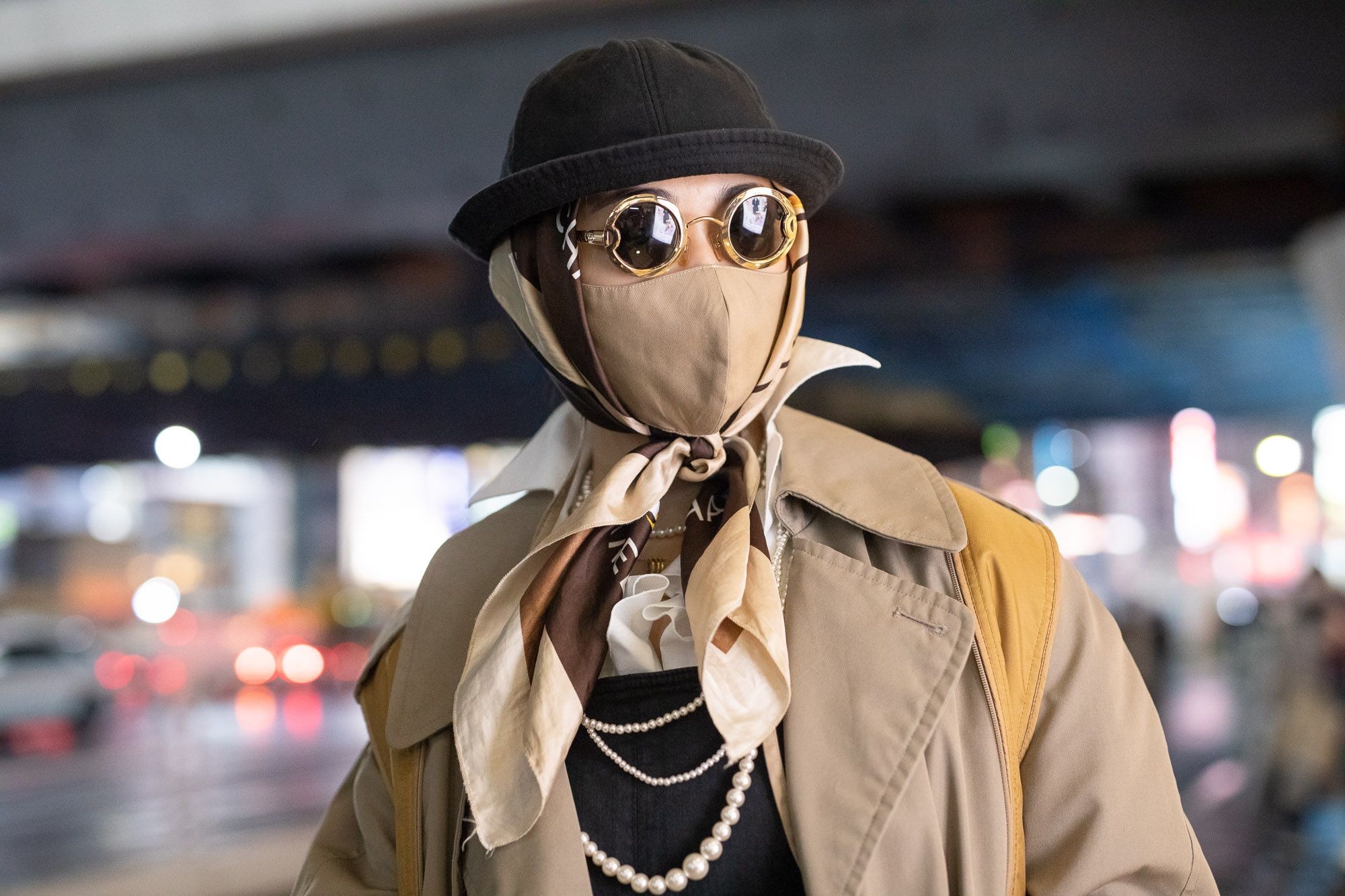
Japanese Experimental Fashion (ファッション)

Japanese Experimental Fashion (ファッション)

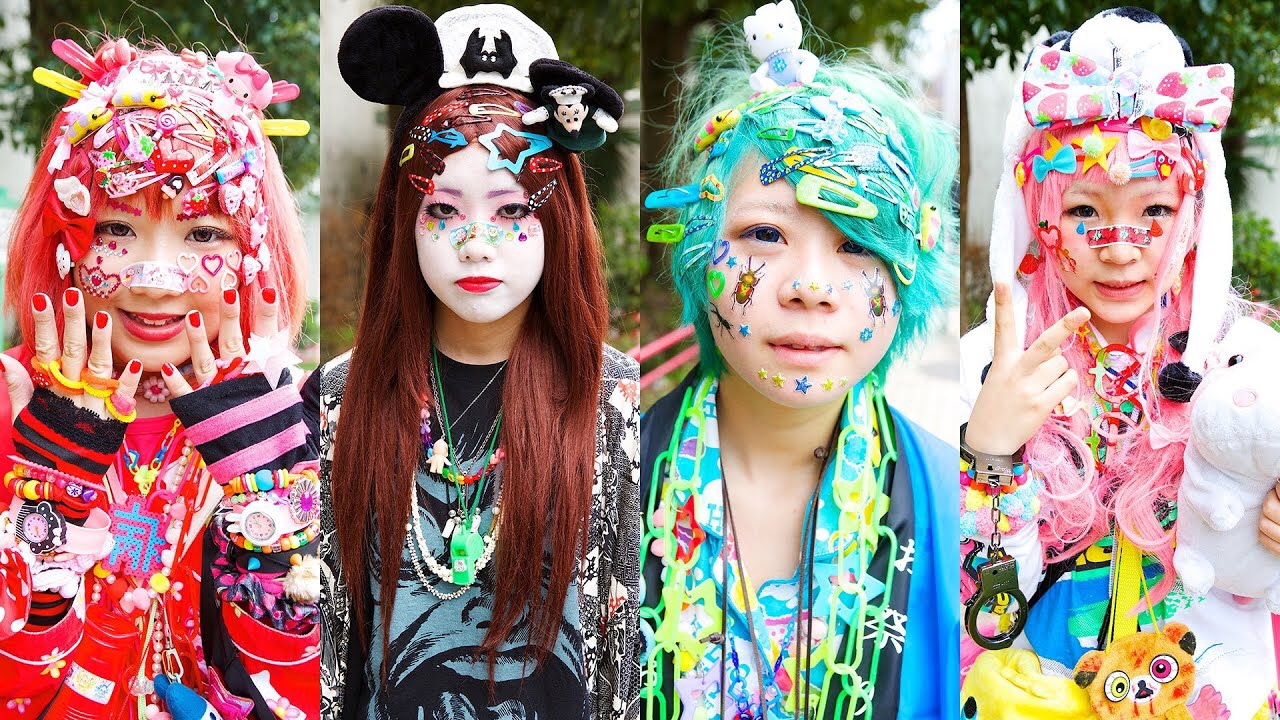
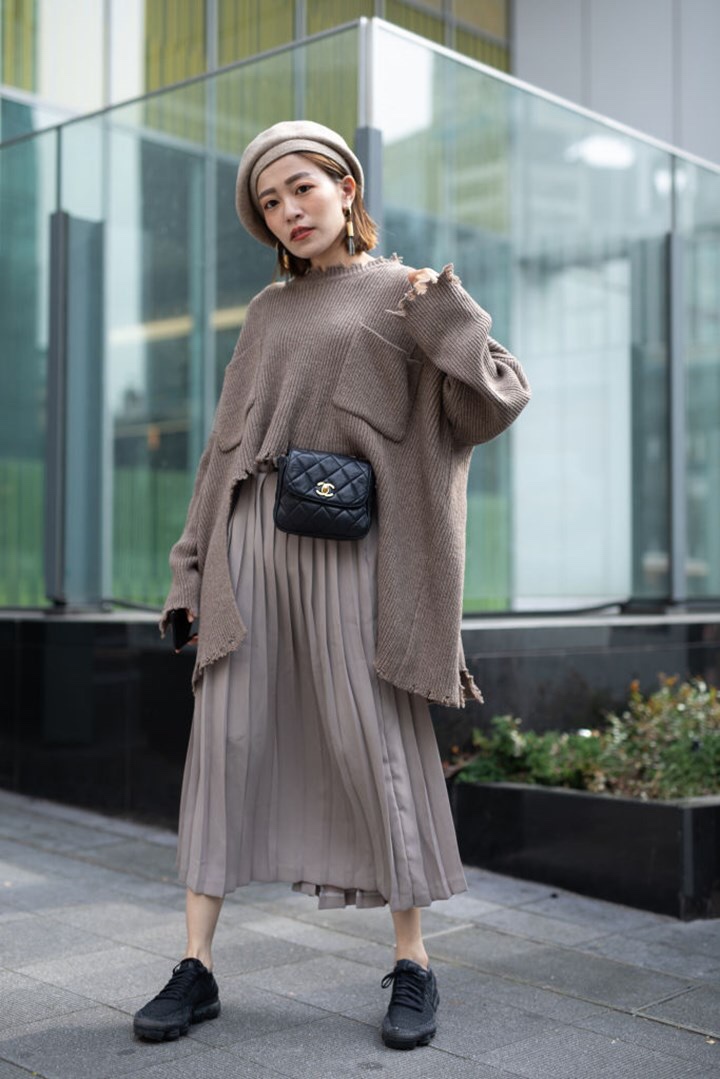
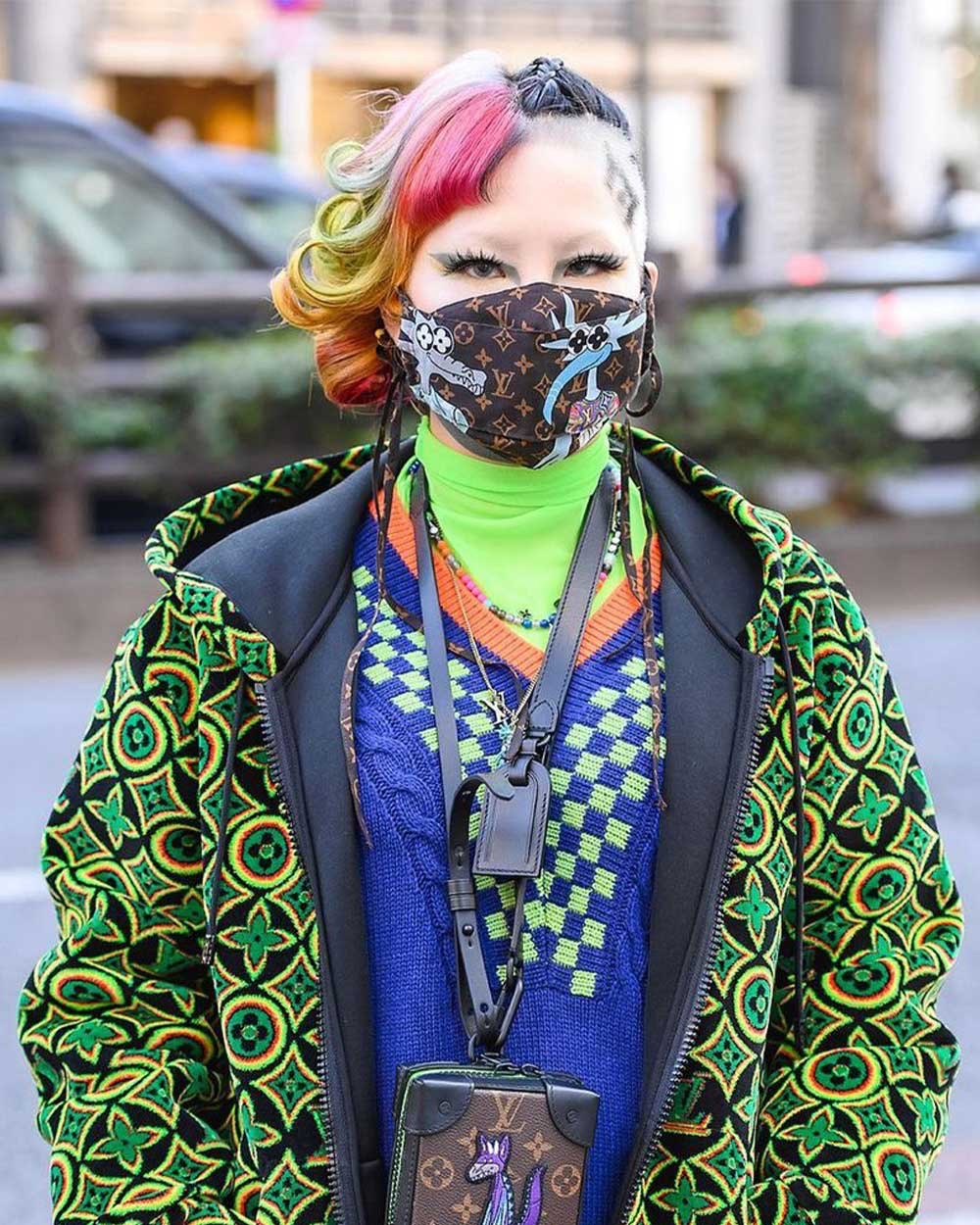
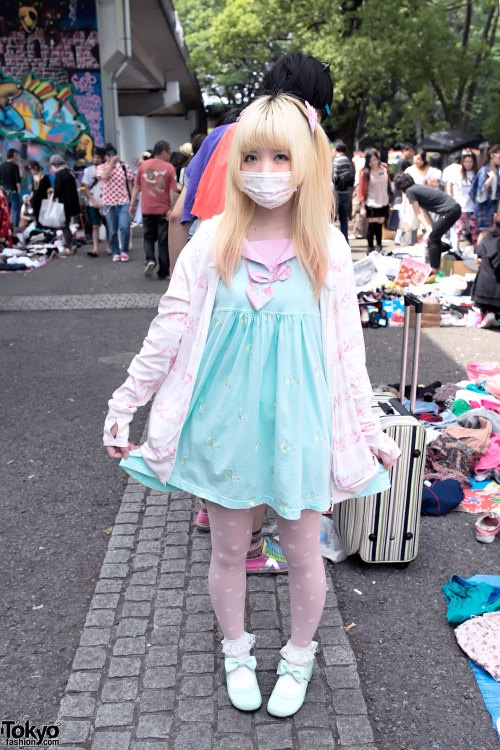
The traditional dress in Japan, the kimono (“garment to wear”) can be dated back to the 700s. It was used to denote status, with quality materials like silk reserved for the elite and cotton and hemp used for the masses. Japan was dominated for centuries by the kimono, but Japanese fashion underwent a radical shift with the introduction of Western style clothes (yofuku) in the 20th century. It’s a fashion I’ll term experimental fashion, especially popular with the young in Japan.

A few of the key styles of experimental fashion:

Rockabilly —> This exaggerated version of 1950s American fashion is particularly popular with 50- to 60-year-old men, who meet in Tokyo’s Yoyogi Park on Sundays.

Dolly Kei —>Taking inspiration from European fairy tales, girls (and guys) dress themselves up in a style that is reminiscent of antique European dolls.

Fairy Kei —>This over-the-top feminine style is a multilayered confection of vivid pastel colors with a touch of the 1980s.

Lolita —> Victorian and Edwardian children’s clothes are the basis for this fashion, which is so popular it has spawned numerous subgroups, including goth and steampunk.

Gyaru/Ganguro —> Translating as “girl” or “gal,” this subculture is a celebration of all things feminine, involving high boots, loud clothes, thick makeup, heavily tanned skin, dyed blonde hair, and outrageous nails.

Harajuku Girls —> Part punk, part kawaii, this look evolved post World War II and has been popular ever since. “Harajuku Girls” is also used as a broad term for Tokyo youth that congregate in the Harajuku area.

Kogal —> This rebellious take on school uniform features shortened skirts and loose socks. It is commonly adopted by high school girls, who hang around Shibuya’s 109 building.

Mori —> This whimsical and stylish subculture is personified by the fashion label Earth, Music, Ecology. The look is elfin floaty chic, featuring long dresses and long hair, accompanied by longing, wistful looks.