The Mayo Clinic – Minnesota: Psychiatric & Behavioral Health Hospital

Mayo Clinic John E. Herman Home and Treatment Facility

The Mayo Clinic John E. Herman Home and Treatment Facility is a residential treatment program for adults who have a serious mental illness. Its goal is to help residents return to the community to engage in value-driven, productive and meaningful lives.

People in the program experience:

• Individualized treatment of psychiatric symptoms

• On-site, 24/7 support from a multidisciplinary team

• A supervised environment

• A stay of at least three months, usually

• Evidence-based individual and group therapy

• An opportunity to gain competitive employment in the community through an evidence-based vocational program, individual placement and support (IPS)

• Dedicated time for activities of daily living, physical activity and recreation, facility maintenance, and leisure

People age 18 or up may be eligible for the program if they are living with mood disorders (such as depression and bipolar disorder), psychotic disorders (such as schizophrenia), anxiety or personality disorders.

The program includes a treatment facility and two residential recovery homes in Rochester, Minnesota. The homes each have eight rooms with private baths and communal spaces for cooking and gathering.

Self-referrals are considered, as are referrals by family members and providers.

Mayo Clinic Psychiatric Hospital

In the hospital, psychiatrists work in integrated teams with internists, psychologists, social workers, physical and occupational therapists, and other specialists to provide comprehensive coordinated short-term care tailored to the needs of each patient. The hospital includes these units:

Psychiatric Acute Care Unit. This unit stabilizes and treats adults experiencing mental health crises, such as those who are suicidal, homicidal or psychotic. After being stabilized and evaluated, patients receive individualized care, which may include medical treatments, group psychotherapy, recreational therapy, and education about coping strategies, relapse prevention, and stress management.

Medical and Geriatric Psychiatry Unit. Admitted to this unit are adults with both medical and psychiatric conditions, as well as geriatric patients who need hospitalization for psychiatric issues — most commonly late-life mood and cognitive disorders. Treatment may include medication, recreational and relaxation therapy, and education about depression, anxiety and aging-related issues.

Mood Disorders Unit. This unit treats adults whose depression or bipolar illness is significantly affecting their quality of life, functioning or safety. Intensive daily treatment is personalized to each patient and may include talk therapy (psychotherapy), such as cognitive behavioral therapy, dialectical behavioral therapy, acceptance and commitment therapy or behavioral activation. Treatment may also involve medications, family and group therapy, occupational therapy, relaxation activities, and — when appropriate — electroconvulsive therapy (ECT) or transcranial magnetic stimulation (TMS).

Child, Adolescent and Family Services Unit: This secure unit specializes in stabilization and treatment for children and teenagers who are experiencing an acute mental health crisis, such as those who are suicidal, homicidal or experiencing psychosis. Treatment for a variety of conditions including mood and adjustment disorders, anxiety, self-injurious behavior and psychotic disorders is family-centered and multidisciplinary. The treatment team includes psychiatrists, advanced practice providers, psychologists, social workers, specialized nursing staff, Child Life Specialists, and occupational, physical, recreational and music therapists.

Mayo Clinic Depression Center

A member of the National Network of Depression Centers, Mayo Clinic Depression Center offers comprehensive evidence-based evaluation and treatment for adults and children with depression or bipolar disorder. Programs range from outpatient consultations to intensive inpatient treatment, with care provided by a team of Mayo Clinic psychiatrists, psychologists, nurse practitioners, social workers and other specialists with expertise in mood disorders. Services include:

Adult Mood Clinic. Outpatient evaluation and treatment for adults with treatment-resistant depression or bipolar disorder is available in the Mayo Mood Clinic. After an initial assessment and depending on the person’s needs, he or she may be referred to the Mood Disorders Unit or the two-week Mood Program.

Adult Mood Program. This is a 10-day, full-day group-based outpatient multidisciplinary psychotherapy for adults with depression or bipolar disorder. It uses three evidence-based supported psychotherapies: interpersonal and social rhythm therapy (also called IPSRT), mindfulness-based cognitive therapy, and behavioral activation. The program helps to develop more effective ways to manage interpersonal problems and stabilize the daily routine of activities.

Adult Mood Disorders Unit. This inpatient unit, described above, is part of the Mayo Clinic Psychiatric Hospital, which provides expert care tailored to individual needs.

Pediatric Mood Clinic. Staffed by experts in childhood mood disorders such as depression, bipolar disease, cyclothymic disorder and persistent depressive disorder (dysthymia), the clinic provides team-based diagnosis and treatment. Outpatient options include: Adolescents Coping with Depression, a 12-week intervention meeting for one hour a week for teens ages 14 through 18; and Multifamily Psychoeducational Psychotherapy, an 8-week intervention meeting for one hour a week for youths ages 11 through 14.

CAIMP. The Child and Adolescent Integrated Mood Program (CAIMP) is a two-week outpatient partial hospitalization program for children and teens (ages 10 to 18) with primary depression or bipolar disorder. It’s held Monday through Friday, 8 a.m. to 4 p.m., Central time. Treatment includes cognitive behavior therapies, interpersonal therapy, mindfulness, medication management, family-focused strategies, health and wellness interventions, and education about mood disorders. Caregivers are required to participate in the program with their child/teen to improve understanding of their child’s illness and develop techniques to both support their child and assist with their own coping.

Depression Improvement Across Minnesota, Offering a New Direction (DIAMOND). DIAMOND involves a primary care provider, care manager and consulting psychiatrist for Minnesota adults with depression who are seen in primary care settings, with a focus on relapse prevention. DIAMOND is currently only available for patients who have Mayo primary care providers in Rochester or Kasson, Minn.

Pain Rehabilitation Center

Mayo’s Pain Rehabilitation Center offers adult and pediatric outpatient programs for noncancer-related chronic pain to help people regain function and quality of life. These programs treat patients with a broad range of pain types, as well as those with medical and psychiatric complications. These may include chronic fatigue and nausea, fibromyalgia, cyclic vomiting, and autonomic disorders, such as postural orthostatic tachycardia syndrome (POTS). Programs include:

• Adult three-week program

• Adult two-day program

• Pediatric three-week program

Addiction Services

Since 1972, Mayo Clinic has been treating people addicted to alcohol, illegal drugs and prescription medications, using an individualized, holistic approach within a respectful environment. Multispecialty care teams include addiction psychiatrists, licensed alcohol and drug counselors, licensed clinical social workers, registered nurses and other specialists.

Learn more about Mayo’s options for addiction treatment, including the Outpatient Addiction Program, an Intensive Addiction Program and continuing care programs.

Other areas of excellence

The Department of Psychiatry and Psychology provides many other areas of excellence, such as:

• Comprehensive multidisciplinary psychiatric assessments for adults, teenagers and children

• Formal assessment of attention, concentration, memory, reasoning and learning abilities to help diagnose neuropsychological disorders such as dementia, mild cognitive impairment, traumatic brain injury, stroke, learning disabilities and attention deficits

• Clinic for attention-deficit/hyperactivity disorder (ADHD)

• Pediatric Anxiety Disorders Clinic, including treatment for panic disorder, obsessive-compulsive disorder, social phobia, generalized anxiety disorder and separation anxiety

• Behavioral Medicine Program

• Innovative memory training program called HABIT Healthy Action to Benefit Independence & Thinking®

• Telemedicine program for cognitively impaired elderly patients with behavior problems

• Rehabilitative services for people with traumatic brain injury

Dorothy Parker

Dorothy Parker (1893-1967)

Dorothy Parker was an American poet, short story writer, critic, screenwriter, and satirist best known for her wit and wisecracks especially in the 1920’s when she was a member of the Algonquin Round Table group or writers, critics, actors and artists. The Algonquin Round Table or “The Vicious Circle” circle as they dubbed themselves met for lunch every day at the Algonquin Hotel from 1919-1929. At these luncheons they engaged in wisecracks, wordplay and witticisms. Several of its members gained national reputations for their contributions to literature and for their wit. There was no official membership, however the founding or charter members included : Dorothy Parker, Robert Benchley (humorist and actor), Franklin Pierce Adams (columnist), Heywood Broun (columnist and sportswriter), Marc Connelly (playwright), Ruth Hale (Freelance writer and feminist), George S. Kaufman (playwright and director), Harold Ross (the “New Yorker” editor), Robert E. Sherwood (author and playwright), John Peter Toohey (publicist), and Alexander Wollcott (critic and journalist).

In later years Dorothy Parker would go on to criticize the group, “These were no giants. Think who was writing in those days—Lardner, Fitzgerald, Faulkner and Hemingway. Those were the real giants. The Round Table was just a lot of people telling jokes and telling each other how good they were. Just a bunch of loudmouths showing off, saving their gags for days, waiting for a chance to spring them….There was no truth in anything they said. It was the terrible day of the wisecrack, so there didn’t have to be any truth…” While it may be true that some members are perhaps now “famous for being famous” as opposed to their literary output, members did significantly contribute to the literary landscape. Including Pulitzer prizes won by Kaufman, Connelly and Sherwood (who won four), also sometime member author and playwright Edna Ferber also won a Pulitzer Prize. The continuing legacy of Ross’s New Yorker is also of major significance.

Parker sold her first poem to “Vanity Fair” in 1914 and a few months later was hired as an editorial assistant to another Condé Nast magazine, “Vogue.” She would move to “Vanity Fair” two years later as a staff writer. In 1918 she began writing theater criticism, originally as a stand in for a vacationing P.G. Wodehouse and her career really took off. It was here that she formed a close friendship with Robert Benchley and Robert E. Sherwood. The three of them began lunching at the Algonquin Hotel. In 1920 she was fired from “Vanity Fair” after her criticisms and caustic wit caused too many producers to be offended. Benchley and Sherwood both resigned in protest. With the founding of the “New Yorker” both Parker and Benchley were part of its board of editors set up to allay concerns of the investors. Her first piece for the magazine appeared in the second issue.

She became famous for her short, viciously humorous poems, many about her unsuccessful romantic affairs and her considering the appeal of suicide. In the 1920’s she published some three-hundred poems in “Vanity Fair,” “Vogue,” “The Coming Tower,” “New Yorker,” Life,” “McCall’s,” and “The New Republic.” In 1926 she published her first collection of poetry, “Enough Rope.” It garnered good reviews and sold 47,000 copies. “The Nation,” reviewed it as, “caked with a salty humor, rough with splinters of disillusion, and tarred with a bright black authenticity.” The volume helped to solidify her reputation for sparkling wit. She would go on to publish two more volumes of poetry, “Sunset Gun (1928),” and “Death and Taxes (1931).” She also published three short story collections “Laments for the Living (1930),” “After Such Pleasures (1933),” and “Not So Deep a Well (1936).” Her best known short story “Big Blonde” was awarded the O. Henry Award as the best short story of 1929. In the late 1920’s she began to become politically aware and active to a lifetime commitment to left-leaning causes which would eventually lead to her being blacklisted.

In 1934 she married Alan Campbell and they moved to Hollywood. They signed a 10 week contract with Paramount with Campbell earning $250 per week and Parker $1,000 per week. They would eventually earn up to $5,000 per week freelancing for various studios. They worked on more than fifteen films together.
With the entry of the United States she entered into a collaboration with Alexander Collcott on an anthology of her work with Viking Press for servicemen stationed overseas. It was released in 1944 in the United States as “The Portable Dorothy Parker,” One of only three in the series to continuously be in print, the other two being Shakespeare and the Bible.

During the 1930’s and 1940’s she became a vocal advocate for civil liberties, civil rights, and a critic of authority. She would report on the loyalist cause in Spain for the “New Masses” magazine. In 1936 she helped found the Hollywood anti-Nazi league. Its membership eventually grew to over 4,000. She was also chair of the Joint Anti-Fascist Rescue Committee. She helped to transport loyalist veterans to Mexico, headed the Spanish Children’s relief and allowed her name to be associated with many left-wing causes and organizations. In the 1950’s Parker was listed as a communist by the publication “Red Channels.” During the McCarthy era the FBI built a 1,000 page dossier on her and as a result was placed on the Hollywood blacklist by the movie studios.

She moved back to New York in 1952 and from 1957 to 1962 wrote book reviews for “Esquire.” She died June 7th, 1967 of a heart attack at age 73. She bequeathed her estate to Dr. Martin Luther King Jr. Following his death her estate was passed on to the NAACP. Her ashes remained unclaimed for some seventeen years. In 1988 the NAACP claimed her remains and designated a memorial garden for them outside their Baltimore headquarters. The Plaque reads:

“Here lie the ashes of Dorothy Parker (1893–1967) humorist, writer, critic. Defender of human and civil rights. For her epitaph she suggested, ‘Excuse my dust’. This memorial garden is dedicated to her noble spirit which celebrated the oneness of humankind and to the bonds of everlasting friendship between black and Jewish people. Dedicated by the National Association for the Advancement of Colored People. October 28, 1988.” On August 22nd, 1992 the 99thanniversary of her birth the United States Postal Service issued a commemorative stamp in the Library of Arts series. In 1987 The Algonquin Hotel was designated a New York City Historic Landmark.

A few short quotes :

“Heterosexuality is not normal, it’s just common.”

“You can lead a whore to culture, but you can’t make her think.”

“I’d like to have money. And I’d like to be a good writer. These two can come together, and I hope they will, but if that’s too adorable, I’d rather have money.”

“If you have any young friends who aspire to become writers, the second greatest favor you can do them is to present them with copies of The Elements of Style. The first greatest, of course, is to shoot them now, while they’re happy.”

Resume
Razors pain you;
Rivers are damp;
Acids stain you;
And drugs cause cramp.
Guns aren’t lawful;
Nooses give;
Gas smells awful;
You might as well live.
~ Dorothy Parker

What and Where is Florida’s First Coast?

I receive much of my information from living on the First Coast, so what and where exactly is the first coast?

Florida’s First Coast is a region of the U.S. located on the Atlantic coast of North Florida. The First Coast refers to the same general area as the region of Northeast Florida. It comprises the five counties surrounding Jacksonville: Duval, Baker, Clay, Nassau, and St. Johns, largely corresponding to the Jacksonville metropolitan area, and depending who you ask includes nearby areas Putnam and Flagler counties in Florida and Camden County in Georgia. As its name suggests, the First Coast was the first area of Florida colonized by Europeans. The name originated in a marketing campaign in the 1980’s.

The name refers both to the area’s status as the first coast that many visitors reach when entering Florida, as well as to the region’s history as the first place in the continental United States to see European contact and settlement. Juan Ponce de León may have landed in this region during his first expedition in 1513, and the early French colony of Fort Caroline was founded in present-day Jacksonville in 1564. Significantly, the First Coast includes St. Augustine, the oldest continuously inhabited European-established city in the continental U.S., founded by the Spanish in 1565.

The First Coast marketing campaign and identity has been very popular with its spread to other nearby areas, being found as far south as Flagler Beach in Flagler County, Palatka in Putnam County, and as far north as St. Mary’s, Georgia.

Cognitive behavioral therapy (CBT)

Cognitive behavioral therapy (CBT)

Cognitive behavioral therapy (CBT) is a common type of talk therapy (psychotherapy). You work with a mental health counselor (psychotherapist or therapist) in a structured way, attending a limited number of sessions. CBT helps you become aware of inaccurate or negative thinking so you can view challenging situations more clearly and respond to them in a more effective way.

Cognitive behavioral therapy is used to treat a wide range of issues. It’s often the preferred type of psychotherapy because it can quickly help you identify and cope with specific challenges. It generally requires fewer sessions than other types of therapy and is done in a structured way.

CBT is a useful tool to address emotional challenges. For example, it may help you:

• Manage symptoms of mental illness

• Prevent a relapse of mental illness symptoms

• Treat a mental illness when medications aren’t a good option

• Learn techniques for coping with stressful life situations

• Identify ways to manage emotions

• Resolve relationship conflicts and learn better ways to communicate

• Cope with grief or loss

• Overcome emotional trauma related to abuse or violence

• Cope with a medical illness

• Manage chronic physical symptoms

Mental health disorders that may improve with CBT include:

• Depression

• Anxiety disorders

• Phobias

• PTSD

• Sleep disorders

• Eating disorders

• Obsessive-compulsive disorder (OCD)

• Substance use disorders

• Bipolar disorders

• Schizophrenia

• Sexual disorders

During CBT

Your therapist will encourage you to talk about your thoughts and feelings and what’s troubling you. Don’t worry if you find it hard to open up about your feelings. Your therapist can help you gain more confidence and comfort.

CBT generally focuses on specific problems, using a goal-oriented approach. As you go through the therapy process, your therapist may ask you to do homework — activities, reading or practices that build on what you learn during your regular therapy sessions — and encourage you to apply what you’re learning in your daily life.

Steps in CBT

CBT typically includes these steps:

• Identify troubling situations or conditions in your life. These may include such issues as a medical condition, divorce, grief, anger or symptoms of a mental health disorder. You and your therapist may spend some time deciding what problems and goals you want to focus on.

• Become aware of your thoughts, emotions and beliefs about these problems. Once you’ve identified the problems to work on, your therapist will encourage you to share your thoughts about them. This may include observing what you tell yourself about an experience (self-talk), your interpretation of the meaning of a situation, and your beliefs about yourself, other people and events. Your therapist may suggest that you keep a journal of your thoughts.

• Identify negative or inaccurate thinking. To help you recognize patterns of thinking and behavior that may be contributing to your problem, your therapist may ask you to pay attention to your physical, emotional and behavioral responses in different situations.

• Reshape negative or inaccurate thinking. Your therapist will likely encourage you to ask yourself whether your view of a situation is based on fact or on an inaccurate perception of what’s going on. This step can be difficult. You may have long-standing ways of thinking about your life and yourself. With practice, helpful thinking and behavior patterns will become a habit and won’t take as much effort.

Length of therapy

CBT is generally considered short-term therapy — ranging from about five to 20 sessions. You and your therapist can discuss how many sessions may be right for you. Factors to consider include:

• Type of disorder or situation

• Severity of your symptoms

• How long you’ve had your symptoms or have been dealing with your situation

• How quickly you make progress

• How much stress you’re experiencing

• How much support you receive from family members and other people

Confidentiality

Except in very specific circumstances, conversations with your therapist are confidential. However, a therapist may break confidentiality if there is an immediate threat to safety or when required by state or federal law to report concerns to authorities. These situations include:

• Threatening to immediately or soon (imminently) harm yourself or take your own life

• Threatening to imminently harm or take the life of another person

• Abusing a child or a vulnerable adult ― someone over age 18 who is hospitalized or made vulnerable by a disability

• Being unable to safely care for yourself

Getting the most out of CBT

CBT isn’t effective for everyone. But you can take steps to get the most out of your therapy and help make it a success.

• Approach therapy as a partnership. Therapy is most effective when you’re an active participant and share in decision-making. Make sure you and your therapist agree about the major issues and how to tackle them. Together, you can set goals and assess progress over time.

• Be open and honest. Success with therapy depends on your willingness to share your thoughts, feelings and experiences, and on being open to new insights and ways of doing things. If you’re reluctant to talk about certain things because of painful emotions, embarrassment or fears about your therapist’s reaction, let your therapist know about your reservations.

• Stick to your treatment plan. If you feel down or lack motivation, it may be tempting to skip therapy sessions. Doing so can disrupt your progress. Attend all sessions and give some thought to what you want to discuss.

• Don’t expect instant results. Working on emotional issues can be painful and often requires hard work. It’s not uncommon to feel worse during the initial part of therapy as you begin to confront past and current conflicts. You may need several sessions before you begin to see improvement.

• Do your homework between sessions. If your therapist asks you to read, keep a journal or do other activities outside of your regular therapy sessions, follow through. Doing these homework assignments will help you apply what you’ve learned in the therapy sessions.

• If therapy isn’t helping, talk to your therapist. If you don’t feel that you’re benefiting from CBT after several sessions, talk to your therapist about it. You and your therapist may decide to make some changes or try a different approach.

Source: The Mayo Clinic

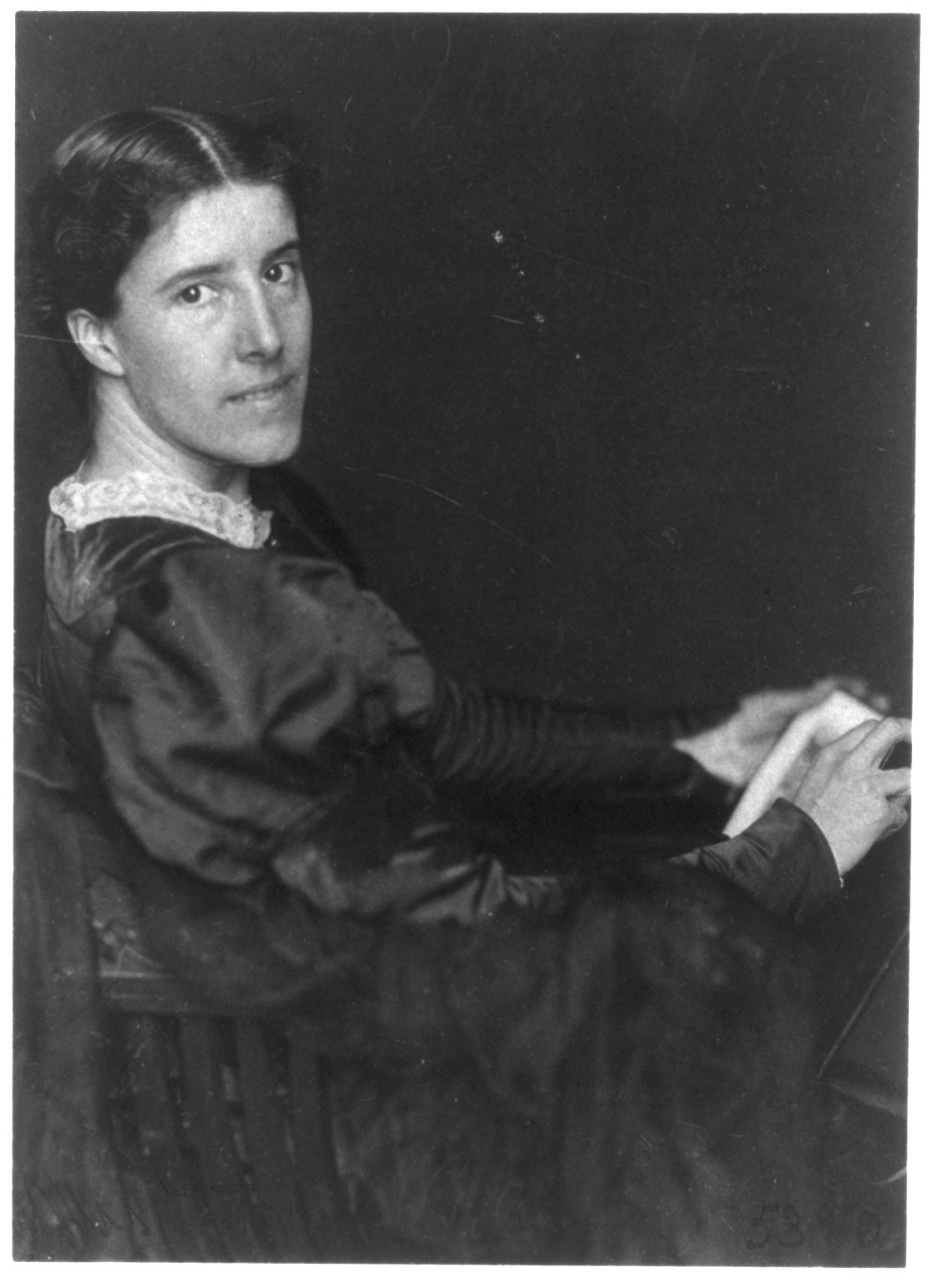
Charlotte Perkins Gilman

Charlotte Perkins Gilman (1860-1935)

She is best known today for her short story “The Yellow Wallpaper,” a semi-autobiographical account of a severe bout of postpartum psychosis. She was a Utopian Feminist (women’s suffrage as well as women’s economic independence) and a prominent sociologist, novelist, writer of short-stories, non-fiction and poetry. Her book “Women and Economics : A Study of the Economic Relation Between Men and Women as a Factor in Social Evolution,” was published in 1898 and considered by many her greatest work. Her contention was that humans were the only species in which women were dependent upon the male for survival. They paid for this dependence through domestic services of “sex functions”. Here belief that this awkward distribution of power within the sex roles were detrimental to both genders. Her novel “Herland” published in 1915 is a utopian novel describing an isolated society entirely of women who reproduced asexually and thus had an idea social order – free of war, conflict and domination. Perhaps her greatest literary achievement was self-publishing a magazine, “The Forerunner”, for seven years (1909-1916), she wrote the entirety of every issue – editorials, critical articles, book reviews, essays, poems, stories, and six serialized novels including “Herland” and the sequel “With Her In Ourland.”

She married twice, separating from her first husband in 1888 and finally divorcing 1894. She bore one child with her first husband, Katherine. She married her second husband in 1900 and they remained happily married until 1934 when he died of a sudden cerebral hemorrhage. In 1932 she learned she had incurable breast cancer. She was an advocate for the right-to-die and thus on August 17th, 1935 she committed suicide by taking an overdose of chloroform. Both her autobiography and suicide note stated she “chose chloroform over cancer.” One of her more famous quotes comes from her suicide note…

“Human life consists in mutual service. No grief, pain, misfortune, or broken heart, is excuse for cutting off one’s life while any power of service remains. But when all usefulness is over, when one is assured of an unavoidable and imminent death, it is the simplest of human rights to choose a quick and easy death in place of a slow and horrible one.”
~ Charlotte Perkins Gilman

“There is no female mind. The brain is not an organ of sex. Might as well speak of a female liver.”

Will Tonight Be The Night

July 22nd, 2009

It had been one of those weeks. I was on a bender. I was always on a bender averaging around eight drinks a day, but this one was significant, was impressive even by my standards. I was drinking more than usual during the day and then when I got off work I headed direct to the Bar. I wasn’t eating, hardly sleeping, just drinking heavily. It was a mere two and a half blocks to the Bar, I could stumble to and from there in my sleep.

I slapped my copy of Anna Karenina on the bar. I read it once every year and it was that time of year again. The days of me actually ordering a drink here had long since passed. A moment later I had my well vodka tonic and a rocks glass of Jameson. The perks of being a regular. Work had been slow and I was eager to put it behind me. Tomorrow would be better, it could hardly be worse. I glanced around the oval shaped bar, most of the usual regulars were there. The professor was talking with his latest girl. He wasn’t a full fledged professor, but a lecturer at Montana State University. He read genre fiction in his spare time. He would bring in about five books a month to trade in at my used bookstore. I almost always sold his books online within a day or two. We’d talk a bit of philosophy and the current events at the university.

P was sitting across from me drinking her coke. N her boyfriend and father of their unborn child was bartending. She had her laptop in front of her going through possible baby names. She was a photography student with a penchant for going to the strip club outside of town. N would stop by her every few minutes and they’d exchange a glance or a joke. She was talking to the girl next to her I didn’t know. We would probably talk later as we usually did. She stopped in the store from time to time, but just to say hello and see if I’d be at the Bar later.

The Jameson and vodka was going to my head quickly tonight. It could be the alcohol I’d already consumed today or the blood I’d been passing lately. This was going to be an early night even if it was my thirty-seventh birthday. J walked in, a girl who had taken interest in me a couple of months ago as the guy who was always quiet and reading. She wishes me a happy birthday ordering us each a shot of scotch, Johnnie Walker Blue. We had polished off most of a bottle back on her birthday. It had cost a fortune. She sits down and we begin to chat. She runs a construction crew and has been by my store a few times.

I’ll miss my drinking buddies I casually think to myself when I’m gone. I wonder if it will be tonight or maybe tomorrow. This is what I’ve lovingly begun to refer to as my passive suicide attempt. I’m not leaving a note, just goodbye. The world will be better off without me. I’m sure it will hurt my family, but one large hurt is better than the endless small hurts I’ve been causing them these past few years. I wonder if I’ll have many people attend my funeral. I’d like a decent size crowd. I push my empty glass forward for a refill and return to my book. “If you look for perfection, you’ll never be content,” I mumble.

“What’s that,” J asks.

“Just something from the book,” I pat it tenderly, “if you look for perfection, you’ll never be content.”

“Do you believe that?”

“Yes.”

“I think we need another shot.” Moments later I have my well vodka tonic, a rocks glass of Jameson, and a shot of Johnnie Walker Blue all in front of me. The shot goes down a little rough. I can feel the heat of it in my belly and my stomach churns in response. I take a large swallow of my vodka tonic to calm it down. “You alright tonight?”

“Just tired,” I reply.

“Well you’ve got a long night ahead of you the two of us,” she giggles.

“I’m in,” I lie.

“Be right back,” she gets up heading in the direction of the bathroom. I take it as a sign for me to escape. I quickly stand the alcohol hitting me. Grabbing the barstool I steady myself. This could be an interesting trip home. I can feel the heat of the shots in my belly as my nausea is returning. I have to get out of here quick before I’m ill. I’ve thrown up already twice today, all liquid. I haven’t eaten anything in a few days and the cheap vodka diet is playing havoc on my system.

“Will tonight be the night the sweet comfort of death closes my eyes forever and ends the unrelenting pain,” I mumble leaving the bar for home before J returns.

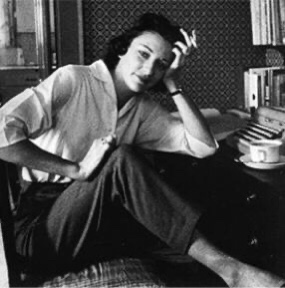
Anne Sexton

Anne Sexton (1928-1974)

Anne Sexton was an American poet best known for her personal autobiographical style of confessional verse. In 1967 she won the Pulitzer Prize for poetry for her book “Live or Die.” Additionally she was a fellow of the Royal Society of Literature and the first woman to be a member of the Harvard chapter of Phi Beta Kappa. The main themes of her poetry consisted of her suicidal tendencies, her battle with depression, isolation, and personal details of her intimate life including her marriage and children. In 1928 she was born in Newton, Massachusetts and would remain in the Boston area for the rest of her forty-five years. She married in 1948 and had two daughters. She was diagnosed with what is now called bipolar disorder and struggled with it much of her life, including several suicide attempts and a long relationship with Glenside Hospital. On October 4th, 1974 she put on her mother’s fur coat, removed her rings, poured herself a glass of vodka, locked herself in her garage turning on the car and committed suicide by carbon monoxide poisoning.

Besides her reoccurring themes of depression, isolation and suicide she also focused on certain issues specific to women which were not commonly addressed in poetry up to that point such as menstruation and abortion. She also more broadly addressed such subjects as masturbation and adultery all subjects that were taboo up until that point. Early in her career she focused almost entirely on autobiographical verse, but as her career progressed she made attempts to reach outside her own personal experience. One of her most successful of these was the book, “Transformations,” in which she retold Grimm’s fairy tales. Kurt Vonnegut, Jr. commented after reading the book, “God love her.” The poet Denise Levertov said of her death, “We who are alive must make clear, as she could not, the distinction between creativity and self-destruction.”
A link to Anne Sexton reading her poem “Her Kind” :
http://www.poets.org/viewmedia.php/prmMID/15297

A few quotes :
“All I wanted was a little piece of life, to be married, to have children…. I was trying my damnedest to lead a conventional life, for that was how I was brought up, and it was what my husband wanted of me. But one can’t build little white picket fences to keep the nightmares out.”

“Death, I need my little addiction to you. I need that tiny voice who, even as I rise from the sea, all woman, all there, says kill me, kill me.”

“The beautiful feeling after writing a poem is on the whole better even than after sex, and that’s saying a lot.”

Wanting To Die – By Anne Sexton

Since you ask, most days I cannot remember.
I walk in my clothing, unmarked by that voyage.
Then the almost unnameable lust returns.
Even then I have nothing against life.
I know well the grass blades you mention,
the furniture you have placed under the sun.
But suicides have a special language.
Like carpenters they want to know which tools.
They never ask why build.
Twice I have so simply declared myself,
have possessed the enemy, eaten the enemy,
have taken on his craft, his magic.
In this way, heavy and thoughtful,
warmer than oil or water,
I have rested, drooling at the mouth-hole.
I did not think of my body at needle point.
Even the cornea and the leftover urine were gone.
Suicides have already betrayed the body.
Still-born, they don’t always die,
but dazzled, they can’t forget a drug so sweet
that even children would look on and smile.
To thrust all that life under your tongue!–
that, all by itself, becomes a passion.
Death’s a sad Bone; bruised, you’d say,
and yet she waits for me, year after year,
to so delicately undo an old wound,
to empty my breath from its bad prison.
Balanced there, suicides sometimes meet,
raging at the fruit, a pumped-up moon,
leaving the bread they mistook for a kiss,
leaving the page of the book carelessly open,
something unsaid, the phone off the hook
and the love, whatever it was, an infection.

Seven Important Post-1900 Jewish Novels

“What a fate: to be condemned to work for a firm where the slightest negligence at once gave rise to the gravest suspicion! Were all the employees nothing but a bunch of scoundrels, was there not among them one single loyal devoted man who, had he wasted only an hour or so of the firm’s time in the morning, was so tormented by conscience as to be driven out of his mind and actually incapable of leaving his bed?” 
~ Franz Kafka, The Metamorphosis

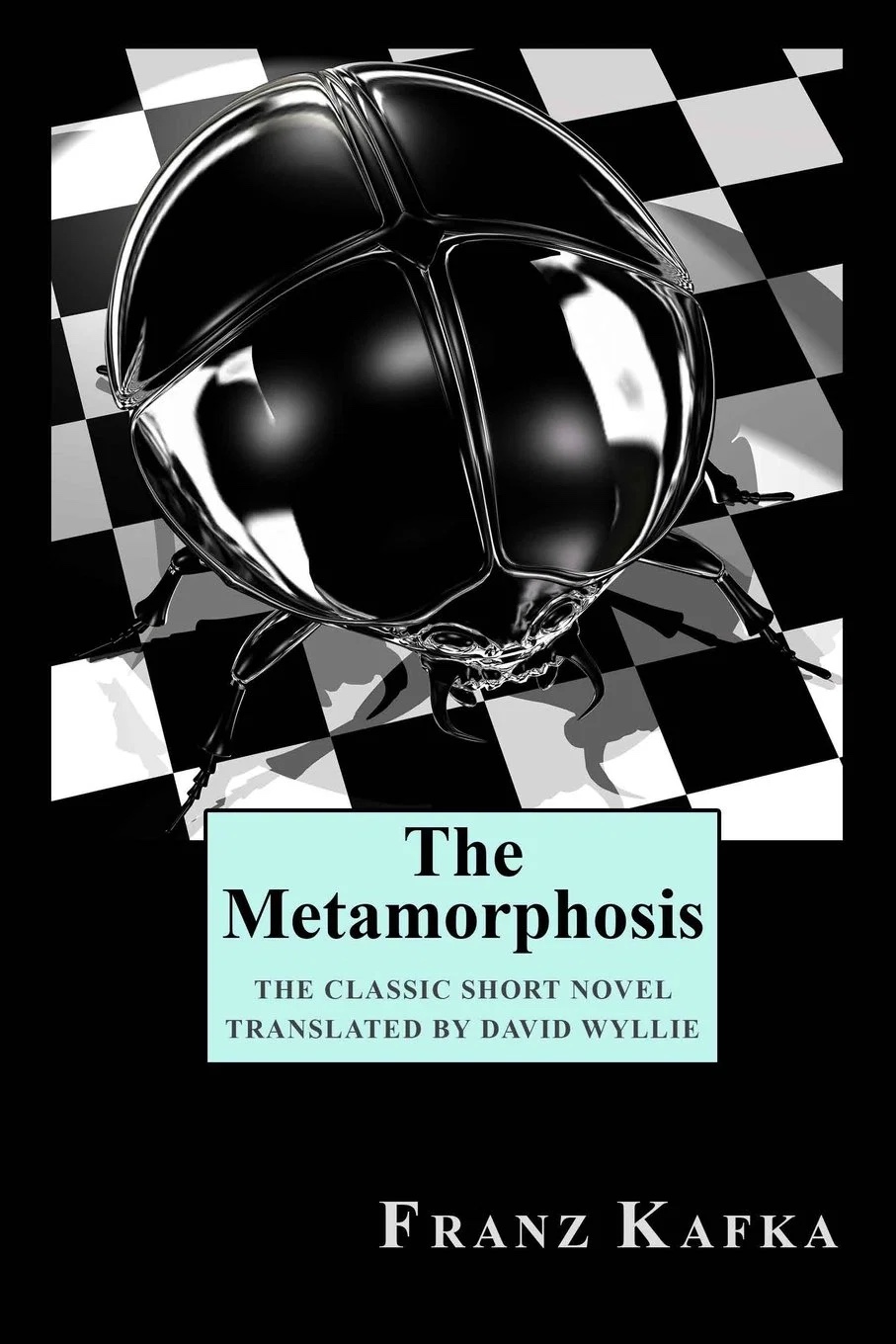
  1. The Metamorphosis (1915) by Franz Kafka

One of Kafka’s best-known works, The Metamorphosis tells the story of salesman Gregor Samsa who wakes one morning to find himself inexplicably transformed into a huge insect and subsequently struggling to adjust to this new condition. The novella has been widely discussed among literary critics, with differing interpretations being offered.

  1. In Search of Lost Time (1913) by Marcel Proust

It is considered to be his most prominent work, known both for its length and its theme of involuntary memory, the most famous example being the “episode of the madeleine.” It gained fame in English in translations by C. K. Scott Moncrieff and Terence Kilmartin as “Remembrance of Things Past”, but the title In Search of Lost Time, a literal rendering of the French, has gained usage since D. J. Enright adopted it for his revised translation published in 1992.

  1. Portnoy’s Complaint (1969) by Philip Roth

The novel tells the humorous monologue of “a lust-ridden, mother-addicted young Jewish bachelor,” who confesses to his psychoanalyst in “intimate, shameful detail, and coarse, abusive language.”Many of its characteristics (such as comedic prose, themes of sexual desire and sexual frustration, and a self-conscious literariness) went on to become Roth trademarks.

  1. Death of a Salesman (1949) by Arthur Miller

It won the 1949 Pulitzer Prize for Drama and Tony Award for Best Play. The play premiered on Broadway in February 1949, running for 742 performances, and has been revived on Broadway four times,winning three Tony Awards for Best Revival. It is widely considered to be one of the greatest plays of the 20th century.

  1. The Catcher in the Rye (1951) by J.D. Salinger

A classic novel originally published for adults, it has since become popular with adolescent readers for its themes of teenage angstand alienation. It has been translated into almost all of the world’s major languages. Around 1 million copies are sold each year, with total sales of more than 65 million books. The novel’s protagonist Holden Caulfield has become an icon for teenage rebellion. The novel also deals with complex issues of innocence, identity, belonging, loss, and connection.

  1. The Trial (1925) by Franz Kafka

One of his best-known works, it tells the story of Josef K., a man arrested and prosecuted by a remote, inaccessible authority, with the nature of his crime revealed neither to him nor to the reader.

  1. Herzog (1964) by Saul Bellow

Herzog is set in 1964 in the United States, and is about the midlife crisis of a Jewish man named Moses E. Herzog. At the age of forty-seven, he is just emerging from his second divorce, this one particularly acrimonious. He has two children, one by each wife, who are growing up without him. His career as a writer and an academic has floundered. He is in a relationship with a vibrant woman, Ramona, but finds himself running away from commitment.

Social Anxiety Disorder: Symptoms

It’s normal to feel nervous in some social situations. For example, going on a date or giving a presentation may cause that feeling of butterflies in your stomach. But in social anxiety disorder, also called social phobia, everyday interactions cause significant anxiety, fear, self-consciousness and embarrassment because you fear being scrutinized or judged by others.

In social anxiety disorder, fear and anxiety lead to avoidance that can disrupt your life. Severe stress can affect your daily routine, work, school or other activities.

Symptoms

Feelings of shyness or discomfort in certain situations aren’t necessarily signs of social anxiety disorder, particularly in children. Comfort levels in social situations vary, depending on personality traits and life experiences. Some people are naturally reserved and others are more outgoing.

In contrast to everyday nervousness, social anxiety disorder includes fear, anxiety and avoidance that interfere with daily routine, work, school or other activities. Social anxiety disorder typically begins in the early to mid-teens, though it can sometimes start in younger children or in adults.

Emotional and behavioral symptoms

Signs and symptoms of social anxiety disorder can include persistent:

• Fear of situations in which you may be judged

• Worrying about embarrassing or humiliating yourself

• Intense fear of interacting or talking with strangers

• Fear that others will notice that you look anxious

• Fear of physical symptoms that may cause you embarrassment, such as blushing, sweating, trembling or having a shaky voice

• Avoiding doing things or speaking to people out of fear of embarrassment

• Avoiding situations where you might be the center of attention

• Having anxiety in anticipation of a feared activity or event

• Enduring a social situation with intense fear or anxiety

• Spending time after a social situation analyzing your performance and identifying flaws in your interactions

• Expecting the worst possible consequences from a negative experience during a social situation

For children, anxiety about interacting with adults or peers may be shown by crying, having temper tantrums, clinging to parents or refusing to speak in social situations.

Performance type of social anxiety disorder is when you experience intense fear and anxiety only during speaking or performing in public, but not in other types of social situations.

Physical symptoms

Physical signs and symptoms can sometimes accompany social anxiety disorder and may include:

• Blushing

• Fast heartbeat

• Trembling

• Sweating

• Upset stomach or nausea

• Trouble catching your breath

• Dizziness or lightheadedness

• Feeling that your mind has gone blank

• Muscle tension

Avoiding common social situations

Common, everyday experiences that may be hard to endure when you have social anxiety disorder include, for example:

• Interacting with unfamiliar people or strangers

• Attending parties or social gatherings

• Going to work or school

• Starting conversations

• Making eye contact

• Dating

• Entering a room in which people are already seated

• Returning items to a store

• Eating in front of others

• Using a public restroom

Source: The Mayo Clinic