Borderline Personality Disorder: Symptoms

Borderline personality disorder is a mental health disorder that impacts the way you think and feel about yourself and others, causing problems functioning in everyday life. It includes self-image issues, difficulty managing emotions and behavior, and a pattern of unstable relationships.

With borderline personality disorder, you have an intense fear of abandonment or instability, and you may have difficulty tolerating being alone. Yet inappropriate anger, impulsiveness and frequent mood swings may push others away, even though you want to have loving and lasting relationships.

Symptoms:

Borderline personality disorder affects how you feel about yourself, how you relate to others and how you behave.

Signs and symptoms may include:

• An intense fear of abandonment, even going to extreme measures to avoid real or imagined separation or rejection

• A pattern of unstable intense relationships, such as idealizing someone one moment and then suddenly believing the person doesn’t care enough or is cruel

• Rapid changes in self-identity and self-image that include shifting goals and values, and seeing yourself as bad or as if you don’t exist at all

• Periods of stress-related paranoia and loss of contact with reality, lasting from a few minutes to a few hours

• Impulsive and risky behavior, such as gambling, reckless driving, unsafe sex, spending sprees, binge eating or drug abuse, or sabotaging success by suddenly quitting a good job or ending a positive relationship

• Suicidal threats or behavior or self-injury, often in response to fear of separation or rejection

• Wide mood swings lasting from a few hours to a few days, which can include intense happiness, irritability, shame or anxiety

• Ongoing feelings of emptiness

• Inappropriate, intense anger, such as frequently losing your temper, being sarcastic or bitter, or having physical fights

Complications:

Borderline personality disorder can damage many areas of your life. It can negatively affect intimate relationships, jobs, school, social activities and self-image, resulting in:

• Repeated job changes or losses

• Not completing an education

• Multiple legal issues, such as jail time

• Conflict-filled relationships, marital stress or divorce

• Self-injury, such as cutting or burning, and frequent hospitalizations

• Involvement in abusive relationships

• Unplanned pregnancies, sexually transmitted infections, motor vehicle accidents and physical fights due to impulsive and risky behavior

• Attempted or completed suicide

In addition, you may have other mental health disorders, such as:

• Depression

• Alcohol or other substance misuse

• Anxiety disorders

• Eating disorders

• Bipolar disorder

• Post-traumatic stress disorder (PTSD)

• Attention-deficit/hyperactivity disorder (ADHD)

• Other personality disorders

Paris Metro

Every year 1.520 billion people ride the Paris metro. Daily, the metro covers over 600,000 miles with 600 conductors shuttling 2,553 cars to all 303 stations.

Thanks to the incredible design of the Chief Engineer, Fulgence Bienvenüe, there are never more than 550 yards between one station and another; which means Paris has the most comprehensive underground rail system in the world.

Around 3,500 workers began constructing the metro in 1898, which was finished on July 19th, 1900, just in time for the World’s Fair and Summer Olympic Games at the Bois de Vincennes. Parisians immediately loved the new means of transport and it was quickly adapted as an inescapable feature of the Paris daily life.

Architect Hector Guimard’s design of the metro station kiosks fostered the Art Nouveau architecture, which is widely known as “le style metro”. There are two main variations of the metro kiosk designs: with and without glass roofs. The first has a glass canopy feature in the form of a dragonfly. The second’s masts lean over the steps of the metro like graceful plants; giving Parisians a little taste of nature in the hustle and bustle of the city.

Initially the metro was called, “La Compagnie du Chemin de Fer Metropolitan de Paris”, which was a mouthful, so then it was shortened to “Le Metropolitan”, which was then abbreviated to what has now become the most common word used for all subway networks around the world, the “Metro”.

When WWII arrived in Paris, metro authorities were forced to abandon their projects. Many services became limited and some stations, such as Arsenal, Champ de Mars, Croix Rouge, closed down. Now know as “ghost stations”, they are used as sets for films like Amélie and architects are now thinking of ways to revamp them as nightclubs and swimming pools.

Metro stations were too shallow to be used as bomb shelters during WWII, so they became a meeting place for the French Resistance. The extensive tunnels allowed them to conduct swift assaults on the Germans throughout Paris.

The newest addition to the Paris Metro, line 14, opened in 1998 and was instantly deemed the future of railway technology. It is the only Paris metro line that has operated automatically without a conductor since its opening.  There are plans for lines 15, 16, 17, and 18 to open at varying dates through 2030.

Even the names and décor of the stations have significance. Stations are named for war heroes, important battles, main streets, and people who have had a significant impact on French history. Each metro station also has a theme. For instance, at the platform of Richelieu-Drouot there is a touching war memorial carved into black marble by the sculptor Carlo Sarrabezolles which is dedicated to the metro railway agents who died in WWI. The walls of Concorde are covered in the writing of the Declaration of the Rights of Man from the French Revolution of 1789. In 1994, the Belgian comic book artist Francois Schuite redesigned Arts et Métiers to be reminiscent of Jules Verne’s science fiction novel.

If you find yourself impressed by the quality of musicianship echoing through the halls, that is because starting in 1997, the Espace Metro Accords (EMA) began holding auditions to decide which musicians could showcase their music in the metro. Each year around 100 artists are picked and are given permission to perform for the active travelers.

Second Chances

Second chances (nine years past my expiration date):

Life is strange, it throws a lot at you testing your resolve, testing your fortitude, testing your fight, testing your will to live. People are fond of saying what doesn’t kill you makes you stronger, I suppose that is true although I don’t find it terribly comforting and I have enough character. End stage liver disease, throat cancer, ptsd, major depression, and schizoaffective disorder are a few of the hurdles placed in my path.

Today marks the anniversary of the September day back in 2011 I’d receive my liver transplant. End stage liver disease was a battle that as much as I mustered a strong front I really didn’t expect to survive. Survive I did though after two years of muscle atrophy, ruptured esophageal varices, Encephalopathy, near constant hospitalizations, procedures, and surgery. Through the process I was witness to the unbelievable strength of my mother, my caregiver. I would meet people along the way that would touch my life in ways I didn’t believe possible.

Today I pause on the eight year anniversary of my transplant to offer up my humble gratitude to my family, my friends, all the doctors, surgeons, and nurses that made my second chance at life possible. Most of all I am grateful for the donor family whose loss of their loved one provided me with the second chance at life. I am incredibly grateful to a person I’ll never meet, never know who or what they were, but through their selflessness provided me with a second chance.

If you’re not already registered to be an organ donor please register now. You can save lives…

#SecondChance #LiverTransplant #EightYears #Gratitude

School Prayer – Yes or No?

Congress shall make no law respecting an establishment of religion or prohibiting the free exercise thereof.”
~ First Sixteen Words of the First Amendment

The Constitution guarantees each of us religious freedom: the right to believe what you want, or not believe at all. Preaching and teaching are very different things. Telling teachers and school officials that they can’t preach to their students does not in any way bar our educators from teaching about religion.

The reason for this becomes clear when you stop and think about the mandate of public education in a pluralistic society. Public schools should give all kids an equal sense of belonging and respect their rights. School boards, principals and teachers must embrace this reality, and this means they must not be in the business of deciding which religious beliefs matter for students, and which don’t.

These examples are not hypothetical, but plucked from the plethora of choices in the news. This is not an uncommon occurrence:

An elementary school teacher walks around her classroom in Louisiana asking each of her young students what they want to pray for, they bow their heads and she recites a Christian prayer. But not all of her students are Christian. Do they opt out and risk being ostracized?

A coach in Michigan leads his players in prayer on a public high school football field after the games. But not all the kids agree with the coach’s faith, and some are not religious at all. Do they not participate, but then have to worry about the coach retaliating and not letting them play in the next game?

Preaching in public schools also undermines the unifying role public schools play in our communities. More than 90 percent of our nation’s children attend public schools. Those institutions are open to all students regardless of religion, race or ability; they should be safe spaces that enable all students to learn and grow. Public schools bring us together across our differences, rather than divide us because of them.

Religion’s effect on humanity and American life in particular is undeniable — and profound. In fact, you simply can’t understand subjects such as history, art, music, literature and even science without grasping how religion has shaped our thinking. So, it can be argued that a public school teacher should have the right to discuss religion with students — as long as it’s part of a legitimate program of instruction. American society is grounded in religious freedom. We should celebrate, treasure and honor this right and the diversity it fosters whether you’re Christian, Jewish, Muslim, Buddhist, Hindu, Sikh or any of the multitude of other religious belief system or not a believer at all.

Organ Donation: Time For An Opt Out System

On July 23rd, 2009 I was diagnosed with end stage liver disease and alcoholic cirrhosis. My journey would take me through being hospitalized every twenty-one days due to complications up until the day of my liver transplant September 16th, 2011. In that time I would relocate to Jacksonville, Florida to become a patient at The Mayo Clinic. I would be actively listed for transplant for just under eleven months. As of this writing there are approximately 120,000 people on the active organ waiting list and countless others needing to be added to that list. Another person is added to the waiting list every ten minutes, with twenty-two people dying each day waiting for an organ. This is in large part due to education of the need for organ donors and a lack of financial funding to have sign up drives.

There is an easy solution that will save the lives of thousands of Americans each year, an opt out system. Currently you have to register with your state if you want to be an organ donor. This is commonly done at the DMV when you are signing up for or renewing your drivers license. In far too many instances this option is not even brought up. This opt in system we currently use is failing this country and the need for more donors becomes more and more dire. I propose congress vote in a opt out system where everyone is automatically an organ donor unless they choose to opt out of the system for whatever reasons they have.

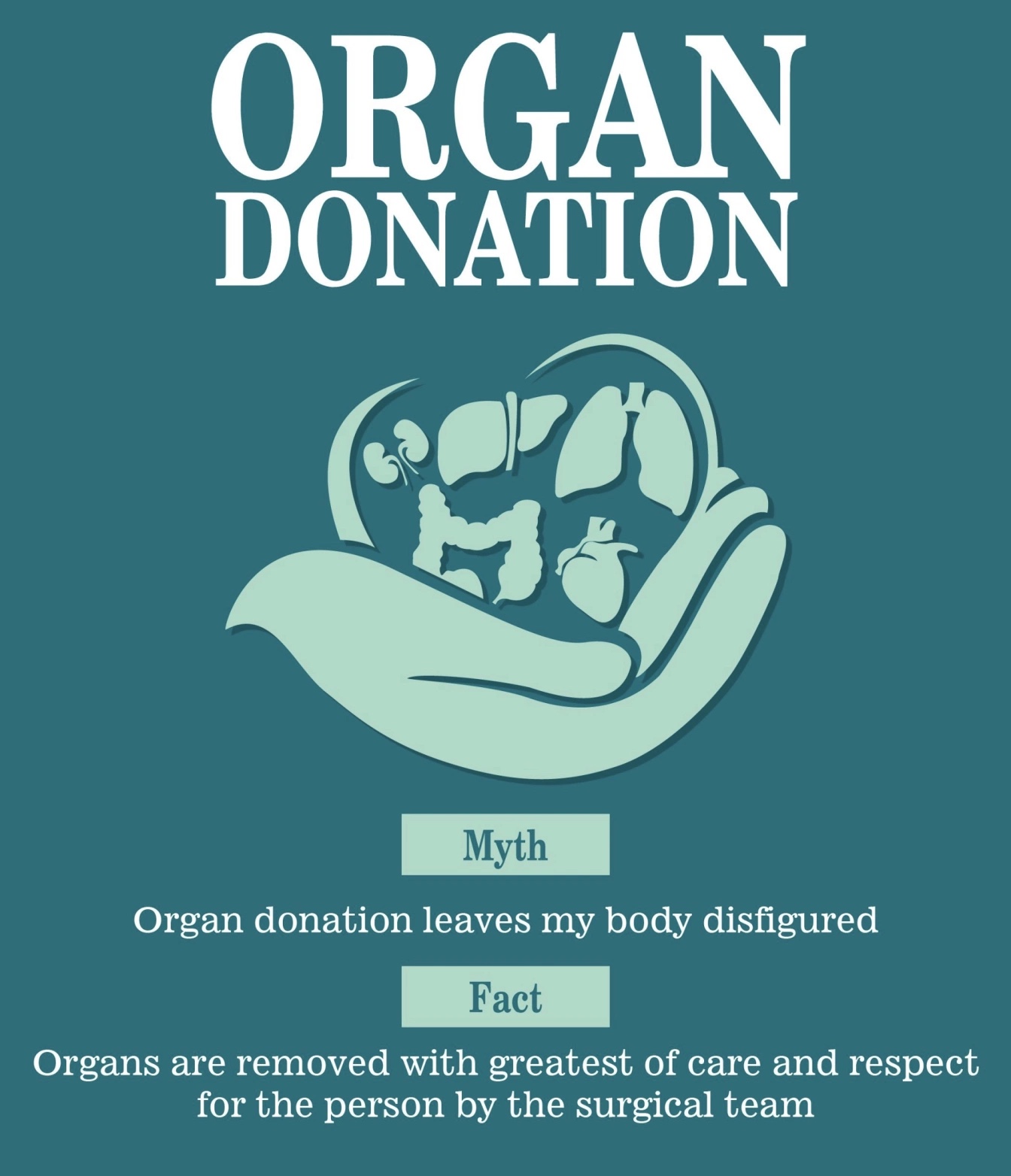
I’m sure you have some concerns and questions to this proposal. Is there a religious exemption? All major religions accept organ donation as a final gesture of compassion and generosity. If you however have a moral or religious objection you can simply opt out of the program. There is no cost to the donor family. There is a fear out there if you’re a donor your care in an emergency will be substandard. Your life always comes first. Only when you suffer irreversible loss of brain function are you considered clinically dead and a organ donation is possible. For those concerned an open casket funeral is still possible after you donate your organs.

If you donate your organs you could save up to eight lives, you could restore sight to two people, and your tissue could heal the lives of fifty people. In different regions of the country the level of illness you must be at are disparate and disproportional. California and the north-east are in dire need of donors. More and more people are flocking to Florida and hospitals such as The Mayo Clinic due to a larger availability of organs due largely to the procurement organizations education of students and adults alike. The time is now for an opt out system and saving countless lives in the process. I ask you to write your congressman and demand an opt out system of organ donation in this country. This is the moral, right, and sane way to save thousands of American lives every year.

Vignette of The Past

Vignette of The Past

I sit at the end of the bar,
A tattered copy of Percy Bysshe Shelley before me,
An ashtray overflowing with Camel Straight cigarette butts,
The fifth double Vodka-Tonic of the night resting upon a stained coaster,
Three shots of Jamison Irish Whiskey in a rocks glass,
I down a swallow of the whiskey, followed by a gulp of Vodka-Tonic,
And finally a slow drag from my cigarette,
Silent pleasures of a life already lived.