Huldufólk

In Iceland and the Faroe Islands, elves are often called the Huldufólk (the hidden folk). They are mysterious and mischievous, at times acting helpful and at other times playing tricks. Tradition says they make their homes in the rocks that cover the island. For centuries, the wee folk lived in the dancing shadows of hearth fires as farmers entertained wide-eyed children with tales of shenanigans while warning them not to stray too far from home, lest they disappear into elfland, never to return.

In Iceland, elves, (‘alfar’ in Icelandic), are beings thought to be smaller than most humans. Elves are thought to live outdoors, and to rarely speak. While some Icelanders believe elves to be a very distinct group, many have come to see them as synonymous with another group of mythical beings known as the huldufólk, or Hidden People.

Like elves, huldufólk also live outdoors, making their homes in Iceland’s rocks and cliffs. According to a study done in 2006, 32% of Icelanders believe the existence of these beings to be possible, while 24% believe their existence is either likely or an outright certainty.

Celebrating elves and huldufólk is common in Iceland. For instance, it is customary for Icelanders to clean and leave food for elves as it’s believed they hold parties late at night. On New Year’s Eve, it is thought that huldufólk move to new locations. As a result, it’s traditional to leave candles out to help them find their way. Finally, Þrettándinn, or Thirteenth Night, is celebrated on January 6th and marks the last day of Christmas in Iceland. On this day, bonfires called álfabrennur, of Elf Fires, are commonly lit.

#Huldufólk #Elves #Iceland #FaroeIslands

First Person Cryonically Preserved

Today in History —> 1967 – Dr. James Bedford becomes the first person to be cryonically preserved with intent of future resuscitation.

His body is still frozen until the day when he can supposedly be revived and cured of his metastasizing kidney cancer. The Facebook page that details his preservation says this: Compared to those employed by modern cryonics organizations, the use of cryoprotectants in Bedford’s case was primitive.

He was injected with dimethyl sulfoxide, a compound once thought to be useful for long-term cryogenics, so it is unlikely that his brain was protected.Vitrification was not yet possible, further limiting the possibility of Bedford’s eventual recovery.

Here are some photos from that site.

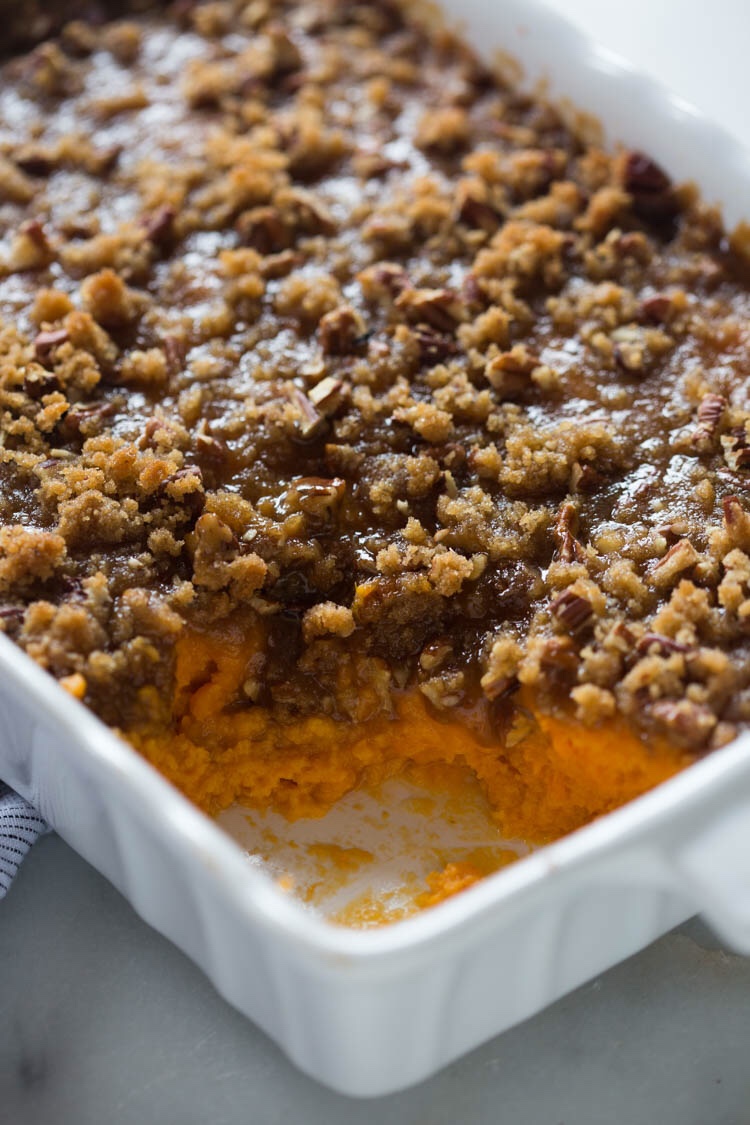
Bourbon Sweet Potato Casserole

3–4 pounds sweet potatoes
6 tablespoons butter, divided
2 tablespoons heavy cream
4 tablespoons bourbon
1¼ cups packed light brown sugar, divided
½ teaspoon ground cinnamon
½ teaspoon salt
¼ teaspoon freshly grated nutmeg
¼ teaspoon ground allspice
⅓ cup all-purpose flour
1 cup chopped pecans (Optional, but please use)

Preheat the oven to 350°.

Scrub the sweet potatoes well. Place on a baking sheet and bake for about 1 hour, until very soft when you press the skins. Remove from the oven and let stand until cool enough to handle. Slice in half and scoop the flesh into a large mixing bowl, discarding the skins.

Beat the sweet potatoes with a wooden spoon to mash them well. Stir in 2 tablespoons butter, the cream, the bourbon, and ¼ cup brown sugar. Beat in the cinnamon, salt, nutmeg, and allspice. Spread in a 1½-quart baking dish.

In a small bowl, combine the remaining 1 cup brown sugar and flour. Cut in the remaining 4 tablespoons butter, using a fork to blend well. Stir in the chopped pecans, if using and you should. Sprinkle the topping over the sweet potatoes.

Bake for 30 minutes, until the topping is light brown and a little crisp and the casserole is bubbly.

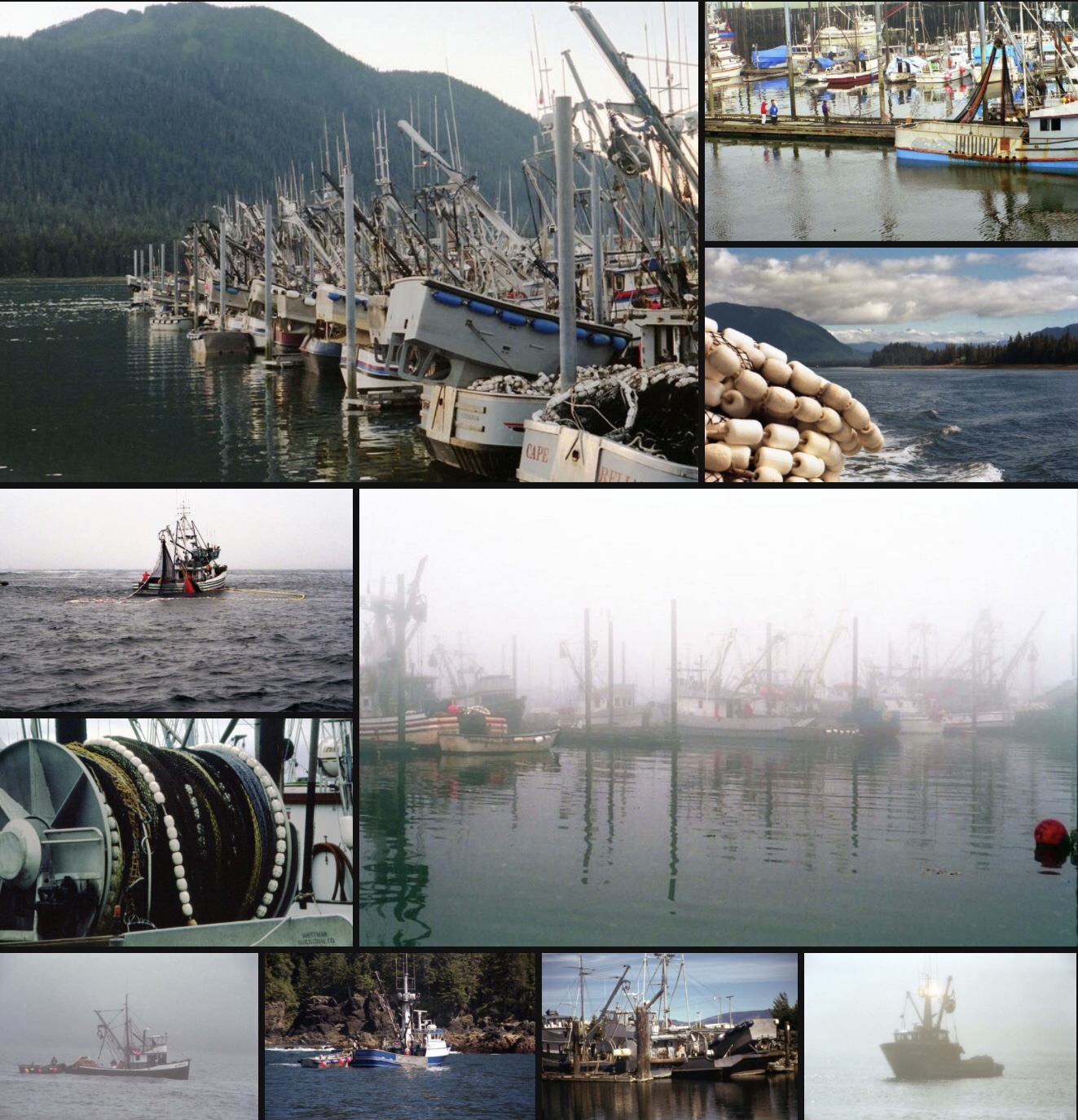
Alaska Salmon Purse Seining

img_0106

A purse seine is a large wall of netting deployed around an entire area or school of fish.

The seine has floats along the top line with a lead line threaded through rings along the bottom. Once a school of fish is located, a skiff encircles the school with the net. The lead line is then pulled in, “pursing” the net closed on the bottom, preventing fish from escaping by swimming downward.

img_0112

  • Purse seines can reach more than 6,500 ft (2,000 m) in length and 650 ft (200 m) in depth, varying in size according to the vessel, mesh size, and target species.

Finding a school of fish is one of the most difficult steps of this fishing technique and include:

    • Natural cues such as a congregation of seabirds, ruffling of surface water and/or fast moving groups of dolphins.
    • Helicopters scanning the water for natural cues from the air to direct boats toward schooling fish.
    • Using radar fish finders to help identify the exact location and size of a school.

There are other types of catching salmon such as gill netting and trolling employed in Alaska and other American coastal waters.

Langues de Chat (Cat’s Tongue) – Italian

Langues de Chat, Lenguas de Gato, Katte Tong, Cats’ Tongues…whatever the name you use, these long delicate biscuits are delicious and I bet you can’t eat just one.

4 tablespoons butter, softened

1/2 cup confectioner’s sugar (powdered)

2 teaspoons fresh orange zest

1/2 teaspoon vanilla extract

1/8 teaspoon salt

2 egg whites

1/2 cup all-purpose flour

Beat the butter, sugar, orange zest, vanilla extract, and salt on medium-high until light and fluffy, about 4 – 5 minutes. Add the egg whites, one at a time, to the butter. Gently fold in the flour and refrigerate for 45 minutes.

Preheat an oven to 350F. Line 2 baking sheets with parchment paper. Fill a pastry bag with the batter and pipe into 1/3-inch wide, 2 1/2-inch long cookies. Bake them for 10 minutes until they are light golden brown. Cool the cookies on the baking sheet for seconds, and then transfer them to a wire rack to cool.

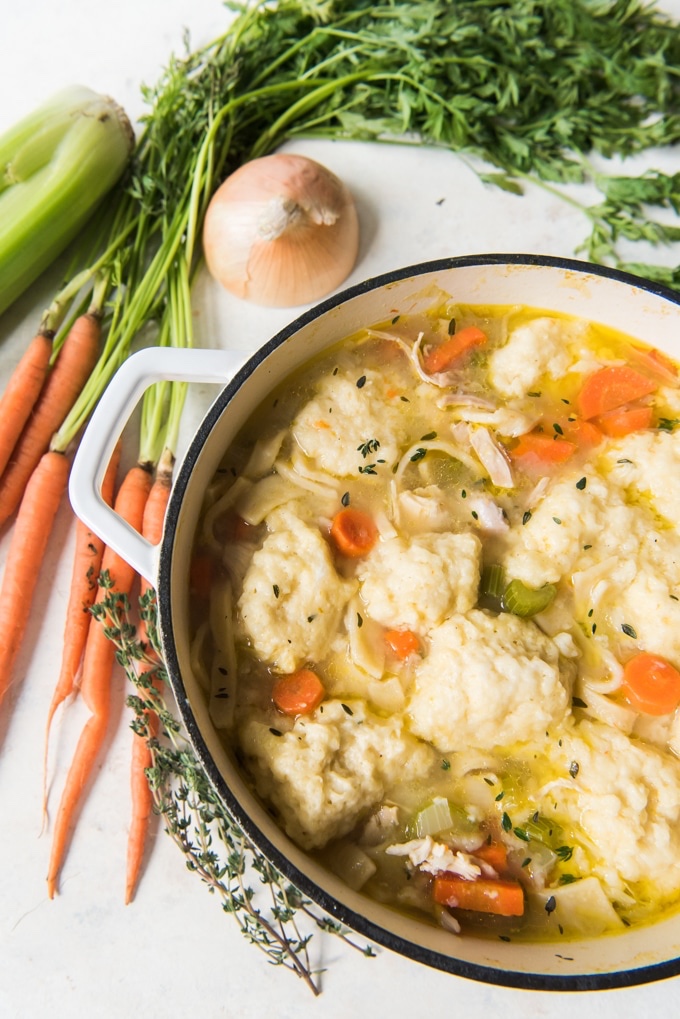
Ukrainian Chicken & Dumplings Soup – Ukrainian

Stock
1 chicken, preferably a boiling chicken, cut into 8 pieces
2½ quarts cold water
1 bay leaf
1 onion, peeled but kept whole
sea salt flakes and freshly ground black pepper

Dumplings
1 large egg
¼ cup cold water
½ teaspoon fine sea salt
¾ cup flour
1 carrot, peeled and thinly sliced

To serve
1 green onion thinly sliced
2 tablespoons chopped fresh dill
crusty sourdough bread

To make the stock, place the chicken pieces in a large saucepan and cover with the water. Add the bay leaf, whole onion, and seasoning, and bring to a boil. Reduce the heat to very low, skim off the scum, and leave to simmer until cooked through, 1 hour, or 1½ hours.

To make the dumpling mixture, beat the egg lightly in a bowl, then add the water and salt and gradually add flour. Work into a paste.

Add the carrot to the stock, then drop in separate teaspoonfuls of the dumpling paste and boil for 5 minutes.

Serve with the green onion, dill, and a big hunk of crusty sourdough bread for dipping.

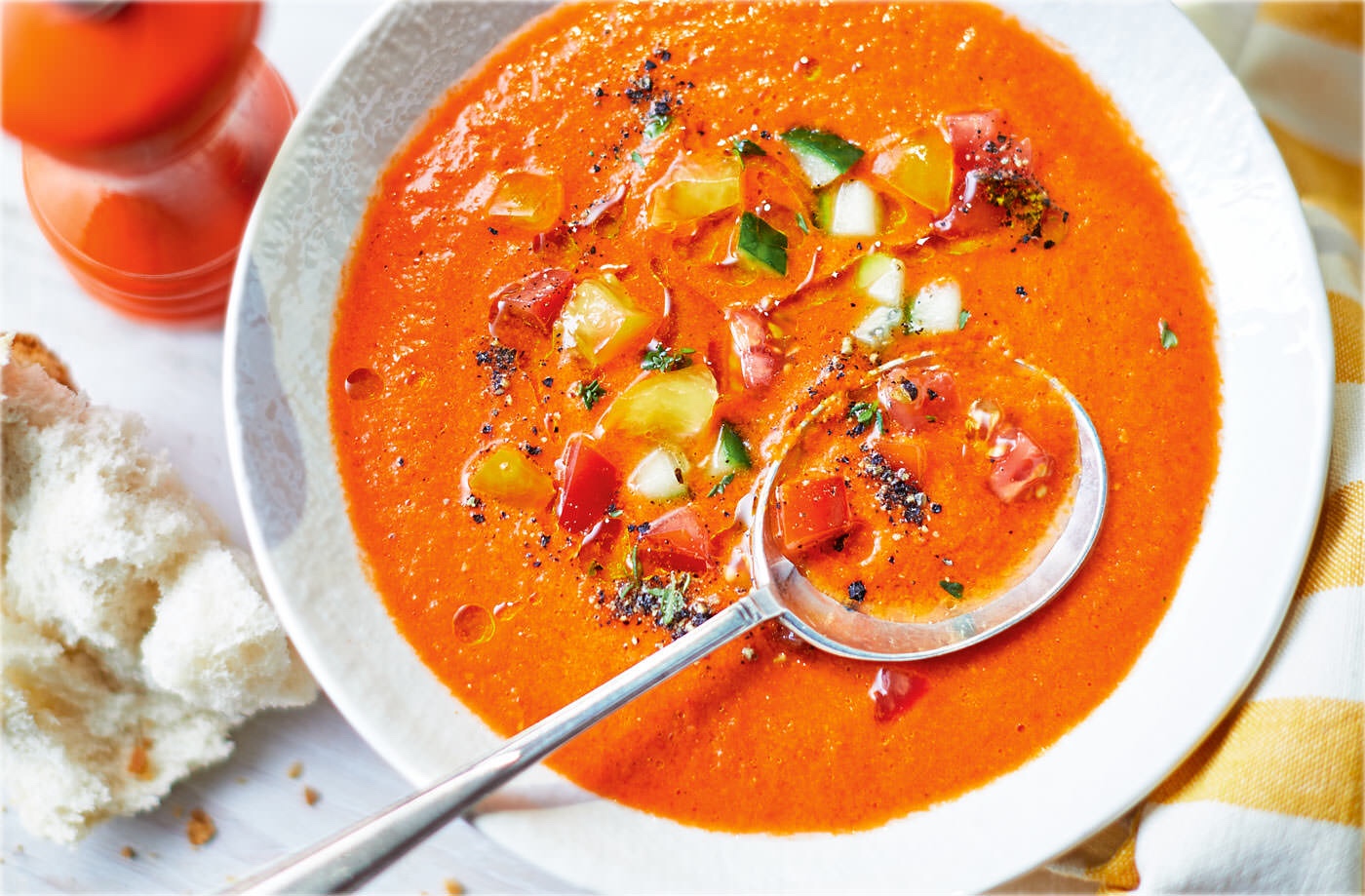
Traditional Gazpacho Andaluz – Spanish

2 ¼ Pounds Ripe Tomatoes, Peeled, Seeded, And Quartered, All Juices Reserved
1 Cup Roughly Chopped Green Bell Pepper
1 Medium Cucumber, Peeled And Roughly Chopped
¼ Medium Sweet Onion
½ or more to taste Garlic Clove, Minced
3 Tablespoons Extra-Virgin Olive Oil
4 Teaspoons Sherry Vinegar
Salt And Freshly Ground Black Pepper

Optional Garnishes

½ Cup Finely Chopped Red Bell Pepper
½ Cup Finely Chopped Green Bell Pepper
½ Cup Finely Chopped Sweet Onion
½ Cup Finely Chopped Cucumber
½ Cup Small Croutons

Working in small batches, in a food processor or blender, purée the tomatoes, green bell pepper, cucumber, onion, and garlic until silky smooth. Add the olive oil and purée again until smooth. Add the vinegar, season with salt, stir in cold water until you find the desired consistency. Usually 1 cup of water should be enough.

Refrigerate for several hours, until thoroughly chilled.

Before serving, whisk the gazpacho. Taste for seasoning and adjust as needed.

Gambas de Ajillo (Garlicky Shrimp in Olive Oil) – Spanish

2/3 cup extra-virgin olive oil
4 garlic cloves, minced
1 small dried hot red chile or pinch dried red pepper flakes
12 ouncesshelled medium to large fresh shrimp with or without tails
Salt
Minced fresh parsley for garnishing

In a large, deep sauté pan, heat the olive oil over medium-high heat. Add the garlic and chile and cook, stirring continually, until golden, 5 to 10 seconds. Add the shrimp and cook, stirring a few times, until pink throughout, 1 to 2 minutes. Remove the pan from the heat and season with salt.

Spoon the shrimp and some oil into individual bowls. Dust each bowl with parsley. Serve with small forks.

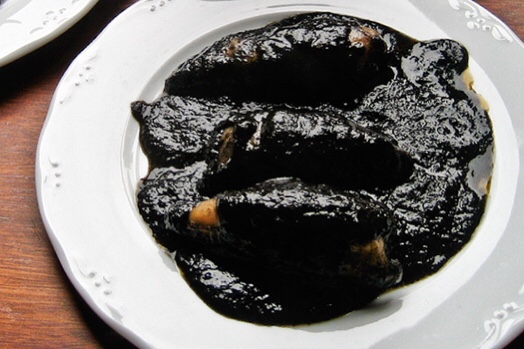
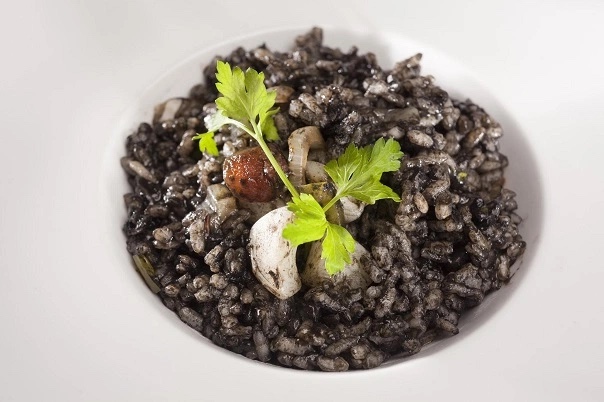
Salsa Tinta (Basque Squid Ink Sauce) – Spanish

Considered by many to be the Basque national sauce whether it’s used in risotto, a vinaigrette or squid in their own ink.

5 Spanish onions, halved and thinly sliced
1 green bell pepper, seeded and cut into small dice
1½ tablespoons extra-virgin olive oil
Kosher salt
2 cups water
½ cup canned whole plum tomatoes, crushed by hand
1½ tablespoons squid ink
Pinch of sugar

In a heavy saucepan, combine the onions, bell pepper, oil, and a little salt, cover, place over medium-low heat, and sweat the onions, stirring occasionally until the onions are soft and melty but not caramelized beyond a light blond. Raise the heat to medium, add the tomatoes, then bring to a boil and cook for about 5 minutes, until the tomato has lost some of its acidity.

Turn down the heat to a simmer and add the squid ink, cooking for a couple of minutes. Add the water and continue to cook for about 30 minutes, stirring occasionally, until the onions and pepper have almost entirely melted out and the sauce is sweet and complex.

Taste the sauce and adjust the salt. The sauce should have a very light hint of sweetness, so add sugar only if necessary. Blend in a blender until completely smooth. Use immediately or freeze for up to 3 months.