The Extinction Of Ice Age Mammals May Have Forced Humans To Invent Civilization

Why did we take so long to invent civilization? Modern Homo sapiens first evolved roughly 250,000 to 350,000 years ago. But initial steps towards civilization, harvesting, then domestication of crop plant, began only around 10,000 years ago, with the first civilizations appearing 6,400 years ago.

For 95% of our species’ history, we didn’t farm, create large settlements or complex political hierarchies. We lived in small, nomadic bands, hunting and gathering. Then, something changed.

We transitioned from hunter-gatherer life to plant harvesting, then cultivation and, finally, cities. Strikingly, this transition happened only after the ice age megafauna—mammoths, giant ground sloths, giant deer and horses—disappeared. The reasons humans began farming still remain unclear, but the disappearance of the animals we depended on for food may have forced our culture to evolve.

Early humans were smart enough to farm. All groups of modern humans have similar levels of intelligence, suggesting our cognitive capabilities evolved before these populations separated around 300,000 years ago, then changed little afterwards. If our ancestors didn’t grow plants, it’s not that they weren’t clever enough. Something in the environment prevented them—or they simply didn’t need to.

Agriculture has significant disadvantages compared to foraging. Farming takes more effort and offers less leisure time and an inferior diet. If hunters are hungry in the morning, they can have food on the fire at night. Farming requires hard work today to produce food months later—or not at all. It requires storage and management of temporary food surpluses to feed people year round.

Balancing Stones

“The very first time I tried balancing stones was back in 2010. I saw some stone sculptures in a park, when an old, wise man told me that it was a symbol for the balance of nature. I liked that idea, and after that I started making easy stone sculptures. After a while, I started experimenting with balance and I tried to make stone sculptures that had such small balance points so that it almost would look impossible. I really loved that. Both because it felt like a challenge, but also because it forced me to get really still and quiet, and focus on one thing only; to find the tiny, tiny balance point. It more and more turned into some kind of meditation.”

~ Jonna Jinton, Swedish artist, musician and filmmaker and I live in the beautiful woods in the North of Sweden

Paganism in England

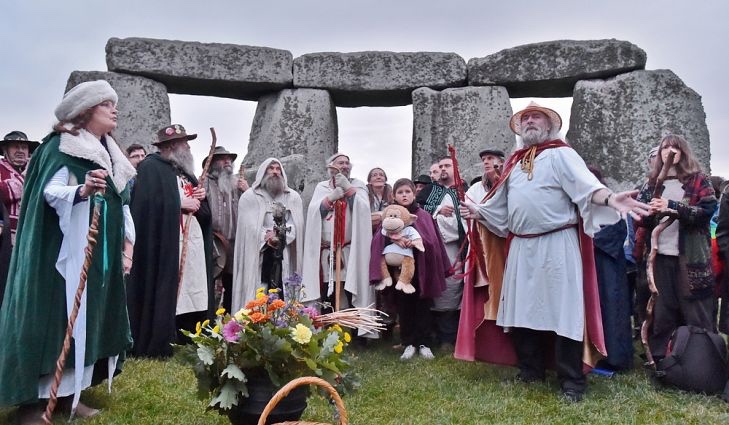
Almost 57,000 (surely many more now) people in England and Wales identify themselves as Pagan, according to the 2011 census, making Paganism the largest non-mainstream religion. In addition there were nearly 18,000 Druids, Heathens and Wiccans – all groups which are identified as Pagan.

Paganism is best described as a group of religions and spiritual traditions based on a reverence for nature.

Like Hinduism, there is no single founder, scripture or religious philosophy. Most Pagans, however, believe in the divine character of the natural world and Paganism is often described as an “Earth religion”.

“Uninvited witchcraft is generally frowned upon”

~ David Spofforth Pagan Federation

“Paganism is a spiritual path to some, a religion to others, that helps people to reconnect with the natural world, their ancestors, and the Otherworlds of myth and folklore.”

~ Damh the Bard, of the Order of Bards, Ovates and Druids (OBOD) – one of the UK’s largest organised Pagan groups.

Old Time Kentucky Burgoo For A Crowd

“Burgoo is literally a soup composed of many vegetables and meats delectably fused together in an enormous cauldron, over which, at the exact moment, a rabbit’s foot at the end of a yarn string is properly waved by a colored preacher, whose salary has been paid to date. These are the good omens by which the burgoo is fortified.”
~ William Carey 1761-1834, “Carey’s Dictionary of Double Derivations”

(Makes 1200 Gallons)

  • 600 pounds lean soup meat (no fat, no bones)
  • 200 pounds fat hens
  • 2000 pounds potatoes, peeled and diced
  • 200 pounds onions
  • 5 bushels of cabbage, chopped
  • 60 10-pound cans of tomatoes
  • 24 10-pound cans puree of tomatoes
  • 24 10-pound cans of carrots
  • 18 10-pound cans of corn
  • Red pepper and salt to taste
  • Season with Worcestershire, Tabasco, or A-1 Sauce

Mix the ingredients, a little at a time, and cook outdoors in huge iron kettles over wood fires for 15 to 20 hours.

* Use squirrels in season. 1 dozen squirrels to each 100 gallons

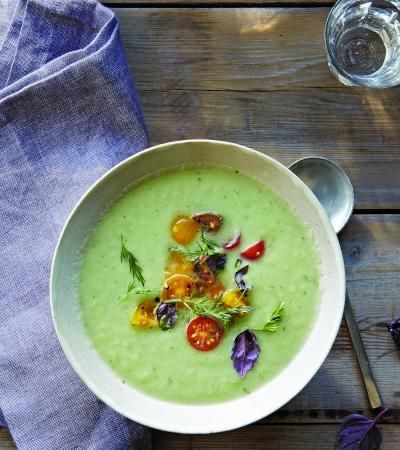
Elevated Cold Cucumber-Buttermilk Soup

4 large cucumbers
4 green onions
2½ cups buttermilk
¾ teaspoon salt, or to taste
2 teaspoons chopped fresh dill

Optional: cherry tomatoes cut in half, edible flowers or even lump crab meat.

Equipment: Food Processor preferred or Blender

Peel the cucumbers, remove and discard the seeds, and cut them into chunks. Cut the green onions into chunks, using the green and white portions. Put the cucumbers and green onions into a food processor and process the vegetables to a coarse purée.

Add the buttermilk, salt, and dill. Process until the soup is smooth. Taste and add more salt, if needed.

Chill the soup for 3–4 hours. Serve cold in chilled bowls with optional ingredients if desired.

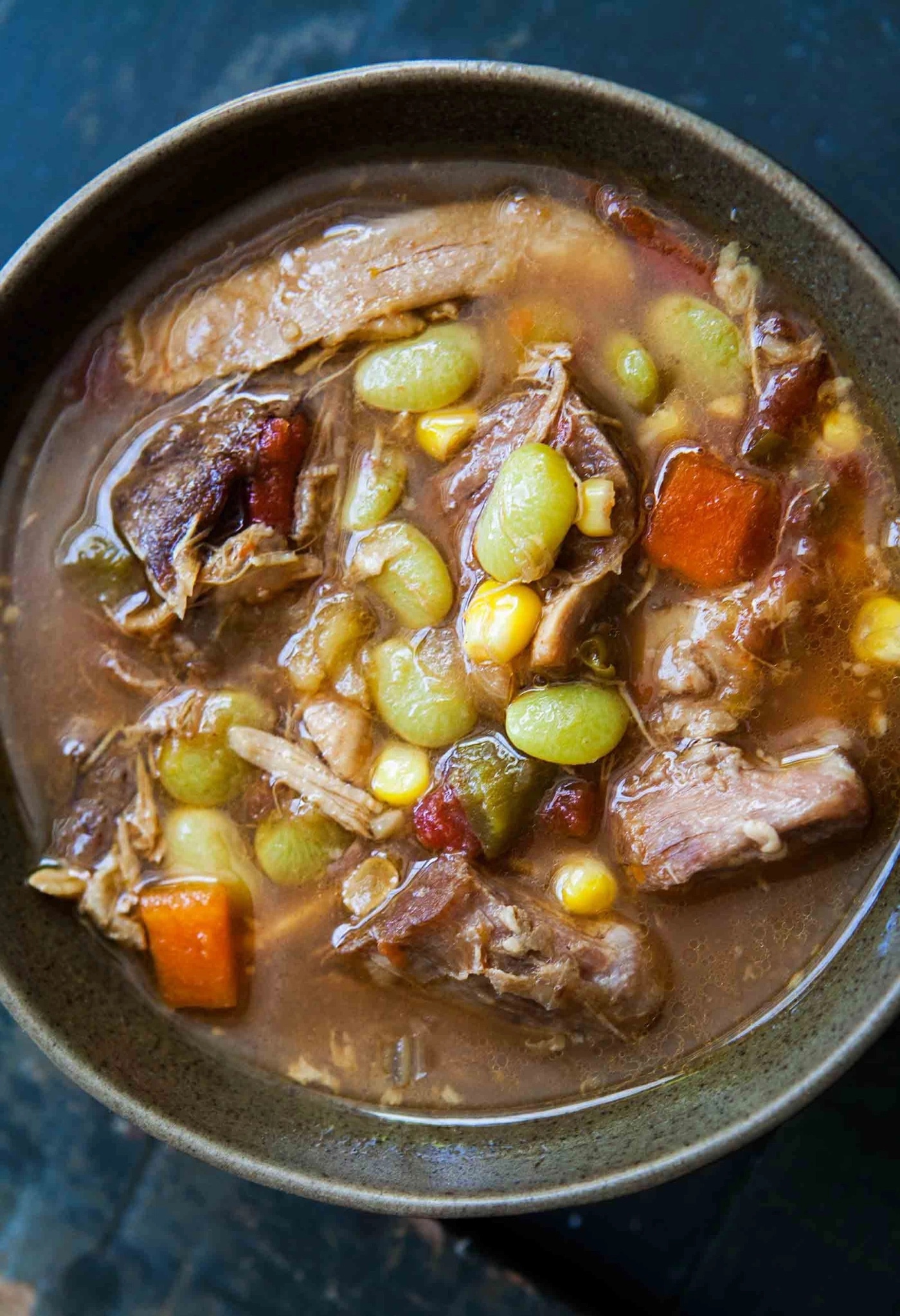
“Chowning’s Tavern” Inspired Brunswick Stew

There is quite an argument still raging about the origin of this stew in the South, and it doesn’t appear to be resolved anytime soon.  Either way we know one thing, it’s delicious. Brunswick County, Virginia, and the city of Brunswick, Georgia, both claim to be the origin of the stew. A plaque on an old iron pot in Brunswick, Georgia, says the first Brunswick stew was made in it on July 2, 1898, on nearby St. Simons Island.

  • One stewing hen (6 pounds)
  • Two large onions, sliced
  • Two cups okra, cut
  • Four cups fresh tomatoes or two 16-ounce cans of tomatoeS.
  • Two cups lima beans
  • Three medium potatoes, diced
  • Four cups corn, cut from the cob
  • 3 teaspoons salt
  • 1 teaspoon pepper
  • 1 Tablespoon sugar

Cut the chicken in pieces and simmer it in 3 quarts of water for a thin stew, or 2 quarts for a thick stew, until meat can easily be removed from the bones, about 2 1/4 hours.

Add the raw vegetables to the broth and simmer, uncovered, until the beans and potatoes are tender. Stir occasionally to prevent scorching.

Add the chicken, boned and diced if desired, and the seasonings.

Note: Brunswick Stew is one of those things that benefit from long, slow cooking. It is a rule in some tidewater (Virginia) homes never to eat Brunswick Stew the same day it is made, because its flavor improves if it is left to stand overnight and is reheated the next day.

“Colonial Williamsburg” Inspired Cream Of Peanut Soup

¼ cup unsalted butter
1 medium onion, finely chopped
2 celery ribs, finely chopped
3 tablespoons flour
8 cups Chicken Stock
2 cups smooth peanut butter
1 ¾ cups half-and-half
Finely chopped salted peanuts, for garnish

In a large saucepan over medium heat, melt the butter. Add the onion and celery and cook, until softened, about five minutes.

Stir in flour and cook two or three minutes longer.

Pour in the chicken stock, increase the heat to high, and bring to a boil. Reduce the heat to medium and cook, stirring often, until slightly reduced and thickened, about 15 to 20 minutes. Pour into a sieve and strain.  Return the liquid to the sauce pan.

Whisk the peanut butter and the half-and-half into the liquid. Cream can be used for a richer soup.  Warm over low heat, stirring often, for about five minutes. Do not boil.

Serve warm, garnished with the chopped peanuts.

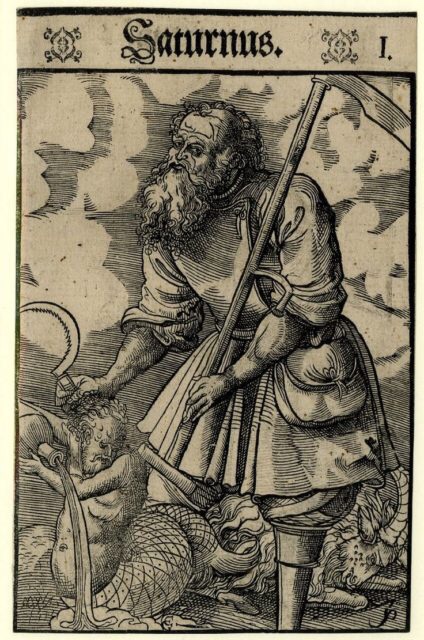
Days of the Week: Saturday

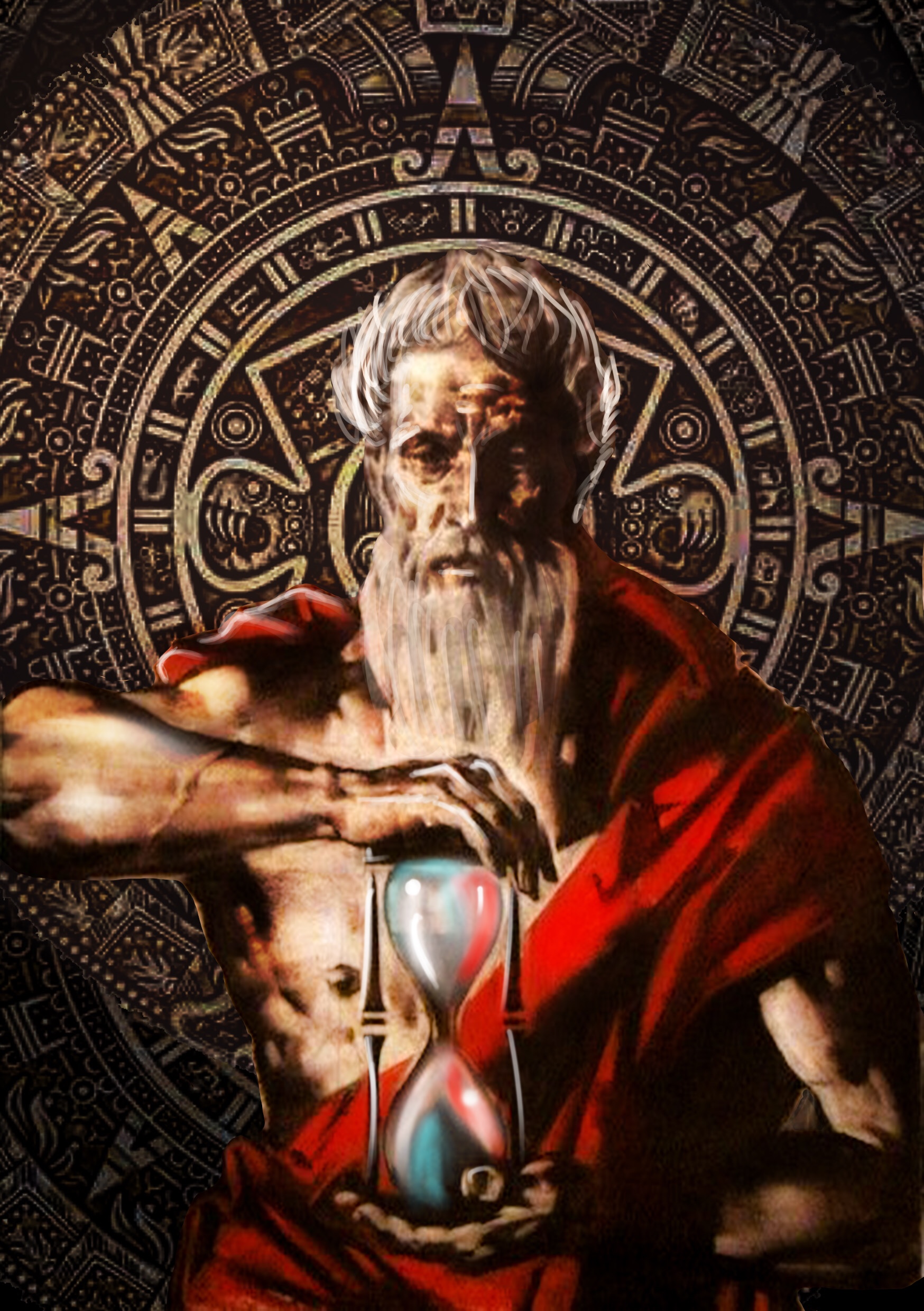
The seventh day is Saturday – the only day in English named for a Roman deity (Saturn) and not a Germanic/Norse one.  Saturn has no parallels in Viking lore – except perhaps to the Jötnar (giants) since Saturn was king of the Titans.  It is also unusual that Saturn would be left standing, even as a throwback to Roman culture, since he was a strange god and more feared than loved.  Since Saturn was the god of time and renewal, though, it may be appropriate that his name is retained for the last day of the week.

The Vikings had their own name for Saturday – and it had nothing to do with gods or goddesses.  The Vikings called Saturday Laugardagur, which means “Pool Day” or bathing day.  Saturday was the day that Vikings took a bath (whether they needed it or not).  This custom, peculiar for its time, was remarked on by observers from England to the East.  In Iceland, Norway, Denmark, and Sweden, Saturday is still called a form of this name.

Our names of days tell a story of how our various ancestors interacted with each other. Modern peoples are blended from many different cultures. This is especially true of English speakers, whose language and customs still carry the signs of the dozen or so major groups that formed that island nation. Every day is an intrinsic memory of Roman themes interpreted through a Viking lens, then sieved through the medieval church before being more-or-less taken for granted by most people today. When we look at the days’ names, we see an example of how things change and how they remain the same.

Ley Lines Explained

Ley lines were first theorized in 1921, and since then, the debate has been over whether or not they exist, and if they do, what purpose they serve.

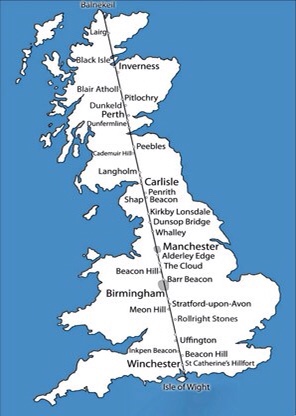
In 1921, amateur archaeologist Alfred Watkins made a discovery. He noticed that ancient sites, at different points around the world all fell into a sort of alignment. Be the sites man-made or natural, they all fell into a pattern, usually a straight line. He coined these lines “leys,” later “ley lines,” and in doing so opened a world of supernatural and spiritual beliefs.

To those who do believe in ley lines, the concept is quite simple. Ley lines are lines that crisscross around the globe, like latitudinal and longitudinal lines, that are dotted with monuments and natural landforms, and carry along with them rivers of supernatural energy. Along these lines, at the places they intersect, there are pockets of concentrated energy, that can be harnessed by certain individuals. 

So you can see why there are some skeptics. 

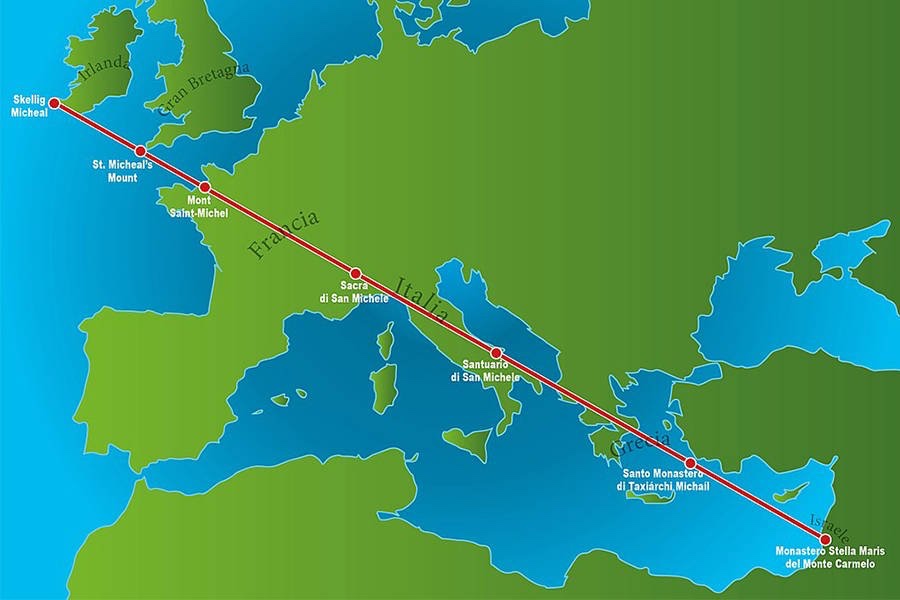
Watkins backed up the existence of his ley lines, by pointing out that many monuments around the globe can seemingly be connected by a straight line. For example, stretching from the southern tip of Ireland, all the way to Isreal, there is a straight line that connects seven different landforms that bear the name “Michael,” or some form of it. 

As for their supernatural component, the ley lines mystery deepens when it’s revealed what they connect. Along the ley lines lie the Great Pyramids of Giza, Chichen Itza, and Stonehenge, all wonders of the world that continue to surprise archaeologists today. Perhaps their presence on the ley lines, near to the so-called energy pockets could explain their inceptions, all of which defied the laws of architecture at the time.

Regardless of their validity, the concept of ley lines has captivated fans of the supernatural and science fiction for years. They often appear as the explanation for paranormal events, or as explanations for the fantastic monuments in science fiction movies or novels.