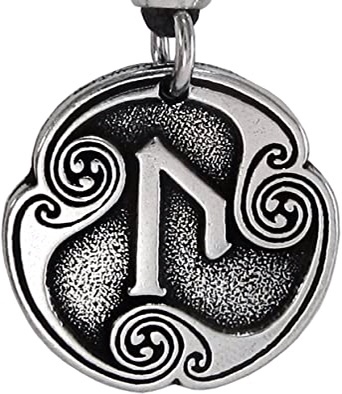
The Rune of terminations and new beginnings, drawing Uruz indicates that the life you have been living has outgrown its form. That form must die so that new energy can be released in a new form. This is a Rune of passage and, as such, part of the Cycle of Initiation.
Positive growth and change, however, may involve a descent into darkness as part of the cycle of perpetual renewal. As in nature, this progression consists of five aspects: death, decay, fertilization, gestation, rebirth. Events occurring now may well prompt you to undergo a death within yourself. Since self-change is never coerced—we are always free to resist—remain mindful that the new life is always greater than the old.
Prepare, then, for opportunity disguised as loss. It could involve the loss of someone or something to which you have an intense emotional bond, and through which you are living a part of your life, a part that must now be retrieved so you can live it out for yourself. In some way, that bond is being severed, a relationship radically changed, a way of life coming to an end. Seek among the ashes and discover a new perspective and new strength.
Reversed: Without ears to hear and eyes to see, you may fail to take advantage of the moment. The result could well be an opportunity missed or the weakening of your position. It may seem that your own strength is being used against you.
For some, Uruz Reversed will serve to alert, offering clues in the form of minor failures and disappointments. For others, those more deeply unconscious or unaware, it may provide a hard jolt. Reversed, this Rune calls for serious thought about the quality of your relationship to your Self.
But take heart. Consider the constant cycling of death and rebirth, the endless going and return. Everything we experience has a beginning, a middle and an end, and is followed by a new beginning. Therefore do not draw back from the passage into darkness: When in deep water, become a diver.”
Greenland, or Grœnland in Old Norse, was settled by Norwegian and Icelandic explorers during the 10th century AD, where two major Viking settlements emerged until their abandonment in the 15th century AD.
According to a medieval text called the Landnámabók, translated as “Book of Settlements”, Greenland was supposedly first sighted by Gunnbjörn Ulfsson, also known as also known as Gunnbjörn Ulf-Krakuson during the early 10th century AD when his ship was blown off course.
In AD 978, Snæbjörn galti Hólmsteinsson is said to have set sail for Greenland with about two dozen companions, and settled on the islands of Gunnbjarnar Skerries, a small group of islands lying off the coast of Greenland, that according to Johannes Ruysch’s map from AD 1507 had “completely burned up” (possibly by volcanic activity). After spending a terrible winter on the islands, the settlers murdered Snæbjörn and his foster father, and abandoned the settlement to return to Iceland.
The first successful settlement of Greenland was by Erik Thorvaldsson, otherwise known as Erik the Red. According to the sagas, the Icelanders had exiled Erik during an assembly of the Althing for three years, as punishment for Erik killing Eyiolf the Foul over a dispute.
Erik went in search of land that had been reported to lie to the north and reached the coastline of Greenland where he spent the three years of his exile exploring the new land.
Upon returning to Iceland, he is said to have brought with him stories of “Greenland”, an auspiciously named land in order to sound more appealing than “Iceland” to lure potential settlers.
Erik returned to Greenland in AD 985 or 986 with a large number of colonists, who established two colonies on the southwest coast: The Eastern Settlement or Eystribyggð, in what is now Qaqortoq, and the Western Settlement or Vestribygð, close to present-day Nuuk. A later Middle Settlement emerged in what is now Ivittuut, but this is generally considered to be associated with an expansion from the Eastern Settlement.
Erik built his personal estate of Brattahlíð, near present-day Narsarsuaq where he ruled as paramount chieftain of Greenland until his death. According to legend, Erik had planned to journey with his son Leif Erikson (who is believed to have established a Norse settlement at Vinland), but Erik fell off his horse on his way to the ship. He later died from a pandemic that killed many of the island’s colonists in the winter after his son’s departure.
At their peak, the settlements are estimated to have had a combined population of between 2,000-10,000 inhabitants (sources differ), with archaeologists identifying the ruins of approximately 620 farmsteads spread across Greenland’s south-western fjords.
The settlers shared the island with the late Dorset culture, who lived in the northern and western parts of Greenland, and later with the Thule culture (who the Norsemen called the Skræling) that entered from the north around AD 1300 after migrating from Alaska.
In AD 1126, the Roman Catholic Church founded a diocese at Garðar in the Eastern Settlement at present-day Igaliku, which was subject to the Norwegian archdiocese of Nidaros and constructed several churches. By AD 1261, the Greenlanders had accepted rule by the King of Norway, which then entered into a union with the Kingdom of Denmark in AD 1380.
The settlements continued to prosper until the 14th century AD, where they entered a period of decline until their abandonment in the 15th century AD. Various theories have been proposed to explain the abandonment, with the most prominent being gradual climate change, loss of contact and support from Denmark, opportunities for migration back to Europe after the plague had left farmsteads abandoned, economic factors, or conflicts with the Inuit peoples.
The last written record from the Viking Greenlanders dates from AD 1408, which documents a marriage between Thorstein Olafsson and Sigrid Björnsdóttirin.
The number “three” figures prominently in the oracular practices of the ancients. The Three Rune Spread which, according to Tacitus, was already in use 2,000 years ago, is satisfactory for all but the most demanding situations.
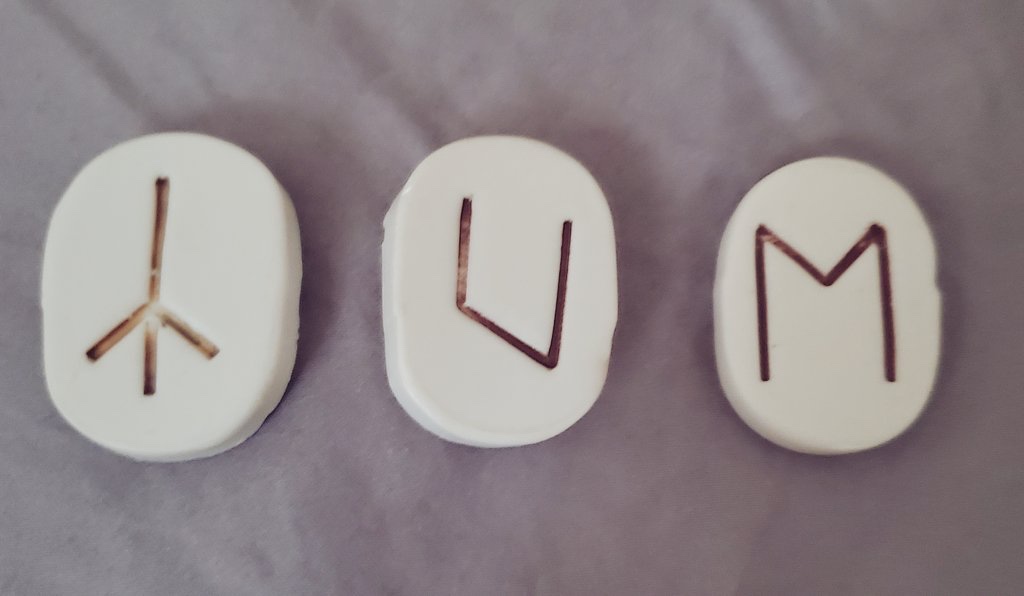
With an issue clearly in mind, select three Runes one at a time, and place them from right to left, in order of selection. To avoid consciously changing the direction of the stones, especially as you become familiar with their symbols, you may want to place them blank side up, and then turn them over.
Once you have selected the Runes, they will lie before you. Reading from the right, the first Rune provides the Overview of the Situation; the second Rune (center) identifies the Challenge; and the third Rune (on the left) indicates the Course of Action Called For.
How you happen to turn the stones may still alter the direction of the glyphs to either an Upright or Reversed position, but this too is part of the process. Since only nine Runes read the same Upright and Reversed, the readings for the other sixteen will depend on how you place or turn the stones.
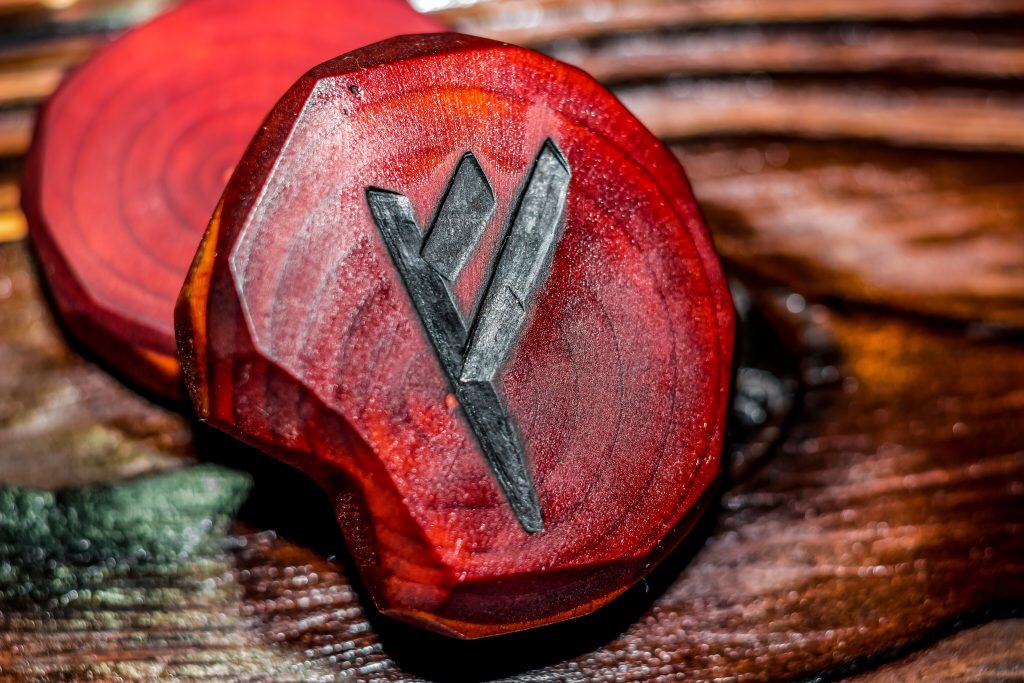
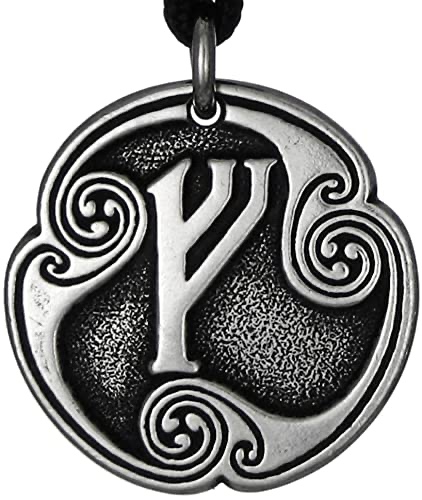
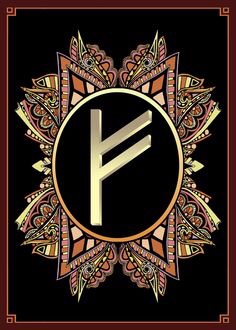
Fehu is associated and sacred to the God and Goddess Frey and Freyja. In Norse mythology, Freya is portrayed as a Goddess of love, beauty and fertility. Blonde, blue-eyed and beautiful, Freya is described as the fairest of all goddesses, and people prayed to her for happiness in love. She was also called on to assist childbirths and prayed to for good seasons.
Fehu is a Rune of fulfillment: ambition satisfied, love shared, rewards received. It promises nourishment from the most worldly to the sacred and the Divine. For if the ancient principle “As above so below” holds true, then we are also here to nourish God.
This Rune calls for a deep probing of the meaning of profit and gain in your life. Look with care to know whether it is wealth and possessions you require for your well-being, or rather self-rule and the growth of a will.
Another concern of Fehu is to conserve what has already been gained. This Rune urges vigilance and continual mindfulness, especially in times of good fortune, for it is then that you are likely to collapse yourself into your success on the one hand, or behave recklessly on the other. Enjoy your good fortune and remember to share it, for the mark of the well-nourished self is the ability and willingness to nourish others.
Reversed: There may be considerable frustration in your life if you draw Fehu Reversed, a wide range of dispossessions ranging from trivial to severe. You fall short in your efforts, you reach out and miss; you are compelled to stand by and watch helplessly while what you’ve gained dwindles away. Observe what is happening. Examine these events from an open perspective and ask, “What do I need to learn from this in my life?
Even if there is occasion for joy, do not let yourself be seduced into mindless joyousness. Reversed, this Rune indicates that doubtful situations are abundant and come in many forms and guises. Here you are being put in touch with the shadow side of possessions. Yet all this is part of coming to be and passing away, and not that which abides. In dealing with the shadow side of Fehu, you have an opportunity to recognize where your true nourishment lies.
Long before Christianity came to northern Europe, the people there – our ancestors – had their own religions. One of these was Asatru. It was practiced in the lands that are today Scandinavia, England, Germany, France, the Netherlands, and other countries as well. Asatru is the original or native religious belief for the peoples who lived in these regions.
What does the word “Asatru” mean?
It means, roughly, “belief in the Gods” in Old Norse, the language of ancient Scandinavia in which so much of our source material was written. Asatru is the name by which the Norsemen called their religion.
When did Asatru start?
Asatru is thousands of years old. Its beginnings are lost in prehistory, but it is older than Christianity, Islam, Buddhism, or most other religions. The spiritual impulses it expresses are as ancient as the European peoples themselves – at least 40,000 years, and perhaps much older.
Why do we need Asatru? Aren’t most people who want religion satisfied with Christianity or one of the other “Established” religions?
People are attracted to the better-known religions because they have genuine spiritual needs which must be filled. People are looking for community and for answers to the “big questions”: What life is all about, and how we should live it. For many people today, the so-called major faiths do not have answers that work. Asatru has answers, but it has not been an alternative for most seekers because they haven’t known about it. Once they realize that there is another way – a better, more natural, more honorable way – they will not be satisfied with anything less than a return to the religion of their ancestors.
Why is the Religion of our Ancestors the Best One for Us?
Because we are more like our ancestors than we are like anyone else. We inherited not only their general physical appearance, but also their predominant mental, emotional, and spiritual traits. We think and feel more like they did; our basic needs are most like theirs. The religion which best expressed their innermost nature – Asatru – is better suited to us than is some other creed which started in the Middle East among people who are essentially different from us. Judaism, Islam, and Christianity are alien religions which do not truly speak to our souls.
Why Did Asatru Die Out if it was the Right Religion for Europeans?
Asatru was subjected to a violent campaign of repression over a period of hundreds of years. Countless thousands of people were murdered, maimed, and exiled in the process. The common people (your ancestors!) did not give up their cherished beliefs easily. Eventually, the monolithic organization of the Christian church, bolstered by threats of economic isolation and assisted by an energetic propaganda campaign, triumphed over the valiant but unsophisticated tribes.
Or so it seemed! Despite this persecution, elements of Asatru continued down to our own times – often in the guise of folklore – proving that our own native religion appeals to our innermost beings in a fundamental way. Now, a thousand years after its supposed demise, it is alive and growing. Indeed, so long as there are men and women of European descent, it cannot really die because it springs form the soul of our people. Asatru isn’t just what we BELIEVE, it’s what we ARE.
Wasn’t the Acceptance of Christianity a Sign of Civilization – A Step up From Barbarism?
No! The atrocities committed by Christians, Muslims, and Jews throughout history are hardly a step up from anything. The so-called “barbarians” who followed Asatru (the Vikings, the various Germanic tribes, and so forth) were the source of our finest civilized traditions – trial by jury, parliaments, Anglo Saxon common law, and the rights of women, to name a few. Our very word “law” comes from the Norse language, not from the tongues of the Christian lands. We simply did not and do not need Christianity to be civilized.
You Say That Asatru was the Religion of the Vikings, Among Other Early European Cultures. Weren’t They a Pretty Bloodthirsty Lot?
Modern historians agree that the Vikings were no more violent than the other peoples of their times. Remember, the descriptions of Viking raids and invasions were all written by their enemies, who were hardly unbiased. Both the Islamic and Christian cultures used means every bit as bloody, if not more so, than the Norsemen. It was a very rough period in history for all concerned!
We Keep Talking About the Vikings. Does This Mean That Asatru is Only for People of Scandinavian Ancestry?
No. Asatru, as practiced by the Norse peoples, had so much in common with the religion of the other Germanic tribes, and with their cousins the Celts, that it may be thought of as one version of a general European religion. Asatru is for all European peoples, whether or not their heritage is specifically Scandinavian.
What are the Basic Beliefs of Asatru?
We believe in an underlying, all-pervading divine energy or essence which is generally hidden from us, and which is beyond our immediate understanding. We further believe that this spiritual reality is interdependent with us – that we affect it, and it affects us.
We believe that this underlying divinity expresses itself to us in the forms of the Gods and Goddesses. Stories about these deities are like a sort of code, the mysterious “language” through which the divine reality speaks to us.
We believe in standards of behavior which are consistent with these spiritual truths and harmonious with our deepest being.
How Does Asatru Differ From Other Religions?
Asatru is unlike the better-known religions in many ways. Some of these are:
We are polytheistic. That is, we believe in a number of deities, including Goddesses as well as Gods. We do not accept the idea of “original sin”, the notion that we are tainted from birth and intrinsically bad, as does Christianity. Thus, we do not need “saving”.
The Middle Eastern religions teach either a hatred of other religions or a duty to convert others, often by force. They have often practiced these beliefs with cruel brutality.
We do not claim to be a universal religion or a faith for all of humankind. In fact, we don’t think such a thing is possible or desirable. The different branches of humanity have different ways of looking at the world, each of which is valid for them. It is only right that they have different religions, which of course they do.
Do You Consider the Norse Myths to be True?
The myths are stories about the Gods and Goddesses of Asatru. They are ways of stating religious truths. That is, we would say they contain truths about the nature of divinity, our own nature, and the relationship between the two. We do not contend that the myths are literally true, as history.
What About These Gods and Goddesses? Are They Real?
Yes, they are real. However, just as most Christians do not think their God is really an old bearded figure sitting on a golden chair in heaven, we do not believe Thor (for example) is actually a muscular, man-shaped entity carrying a big hammer. There is a real Thor, but we approach an understanding of him through this particular mental picture.
Do followers of Asatru Pray to Their Gods and Goddesses?
Yes, but not quite the way most people mean by the word. We never surrender our will to theirs or humble ourselves before them, because we see ourselves as their kin, not as inferior, submissive pawns. Nor do we beg and plead. We commune with them and honor them while seeking their blessing through formal rites and informal meditation. Living a full and virtuous live is a form of prayer in itself. Our religion affects all parts of our lives, not just those fragments that we choose to call “religious”.
Don’t You Worship Stones and Trees and Idols?
No. These objects are not Gods, so we don’t worship them. We do sometimes use these items as reminders of a God or Goddess, and we believe they can become “charged” with a certain aspect of the divine energy, but we would never confuse them with the actual deities.
What are the Standards of Behavior Taught in Asatru?
Some of the qualities we hold in high regard are strength, courage, joy, honor, freedom, loyalty to kin, realism, vigor, and the revering of our ancestors. To express these things in our lives is virtuous, and we strive to do this. Their opposites – weakness, cowardice, adherence to dogma rather than to the realities of the world, and the like – constitute vices and are to be avoided. Proper behavior in Asatru consists of maximizing one’s virtues and minimizing one’s vices. This code of conduct reflects the highest and most heroic ideals of our people.
Don’t all Religions Believe in These Things You’ve Just Named?
No. People may honestly believe that this is the case, but examination does not bear this out. They believe in freedom, yet their scriptures say they are slaves to their God. They accept that joy is good, but their teachings laden them with guilt because of some imaginary “original sin”. Their instinct is to understand Nature’s world from verifiable evidence, yet they are trained to believe black is white, round is flat, and natural instincts are evil without question when the teachings of their church conflict with reason or with known facts.
Many of us instinctively believe in the values of Asatru because they have been passed down to us from our ancestors. We want to believe that other religions espouse those values, so we see what we want to see. Most people just haven’t yet realized that the major religions are saying things that conflict with the values we know in our hearts are right. To find northern European virtues, one should look where those virtues have their natural home – Asatru.
What do You Have to Say About Good and Evil?
Good and evil are not constants. What is good in one case will not be good in another, and evil in one circumstance will not be evil under a different set of conditions. In any one instance, the right course of action will have been shaped by the influence of the past and the present. The result may or may not be “good” or “evil”, but it will still be the right action.
In no case are good and evil dictated to us by the edicts of an alien, authoritarian deity, as in the Middle East. We are expected to use our freedom, responsibility, and awareness of duty to serve the highest and best ends.
What Does Asatru Teach About an Afterlife?
We believe that there is an afterlife, and that those who have lived virtuous lives will go on to experience greater fulfillment, pleasure, and challenge. Those who have led lives characterized more by vice than by virtue will be separated from kin and doomed to an existence of dullness and gloom. The precise nature of the afterlife – what it will look like and feel like – is beyond our understanding and is dealt with symbolically in the myths.
There is also a tradition in Asatru of rebirth within the family line. Perhaps the individual is able to choose whether or not he or she is re-manifested in this world, or there may be natural laws which govern this. In a sense, of course, we all live on in our descendents quite apart from an afterlife as such.
We of Asatru do not overly concern ourselves with the next life. We live here and now, in this life. If we do this and do it well, the next life will take care of itself.
Does Asatru Involve Ancestor Worship?
Asatru says we should honor our ancestors. It also says we are bonded to those ancestors in a special way. However, we do not actually worship them.
We believe our forebears have passed to us certain spiritual qualities just as surely as they have given us various physical traits. They live on in us. The family or clan is above and beyond the limits of time and place. Thus we have a reverence for our ancestry even though we do not involve ourselves in ancestor worship as such.
Does Asatru Have a Holy Book, Like the Bible?
No. There are written sources which are useful to us because they contain much of our sacred lore in the form of myths and examples of right conduct, but we do not accept them as infallible or inspired documents. Any religion which does this is deceiving its members about the purity and precision of the written word. The various competing factions of Middle Eastern religions are proof of this. Their conflicting interpretations can not all be correct!
There are two real sources of holy truth, and neither expresses itself to us in words. One is the universe around us, which is a manifestation of the underlying divine essence. The other is the universe within us, passed down from our ancestors as instinct, emotion, innate predispositions, and perhaps even racial memory. By combining these sources of internal and external wisdom with the literature left us by our ancestors, we arrive at religious truths. This living spiritual guidance is better than any dusty, dogmatic “holy book”, whose writings are often so ambiguous that even clerical scholars disagree and whose interpretations change with the politics of the times.
Asatru has Been Described as a “Nature Religion”. What Does That Mean?
We treasure the spiritual awe, the feeling of “connecting” with the Gods and Goddesses, which can come from experiencing and appreciating the beauty and majesty of Nature. Our deities act in and through natural law. By working in harmony with Nature we can become co-workers with the Gods. This attitude removes the opposition between “natural” and “supernatural” and between religion and science.
For us, following a “Nature religion” means recognizing that we are part of Nature, subject to all its laws, even when that offends our Christian-influenced misconceptions. We may be Gods-in-the-making, but we are also members of the animal kingdom – a noble heritage in its own right. Our ancestors and their predecessors prevailed through billions of years of unimaginable challenges, a feat which must awe even the Gods themselves.
Where Did the Universe Come From, According to Asatru?
Our myths describe the beginning of the universe as the unfolding of a natural process, rather than one requiring supernatural intervention. Followers of Asatru need not abandon modern science to retain their religion. The old lore of our people describes the interaction of fire and ice and the development of life from these – but this is symbolic, and we will leave it to our scientists to discover how the universe was born.
What are the Runes, and What do They Have to do With Asatru?
Runes are ancient Germanic symbols representing various concepts or forces in the universe. Taken together, they express our ancestors’ world view. Their meanings are intimately connected with the teachings of Asatru. Our myths tell how Odin, father of the Gods, won them through painful ordeal so that Gods and humans alike might benefit from their wisdom.
How is Asatru Organized?
Asatru is non-authoritarian and decentralized, expressing our love of freedom. While we do have definite tenets, we have little dogma. There is no all-powerful spiritual leader whose word is law, no “pope” of Asatru to dictate truth. No guru or priest has an exclusive direct line to the Gods. The Gods live in you!
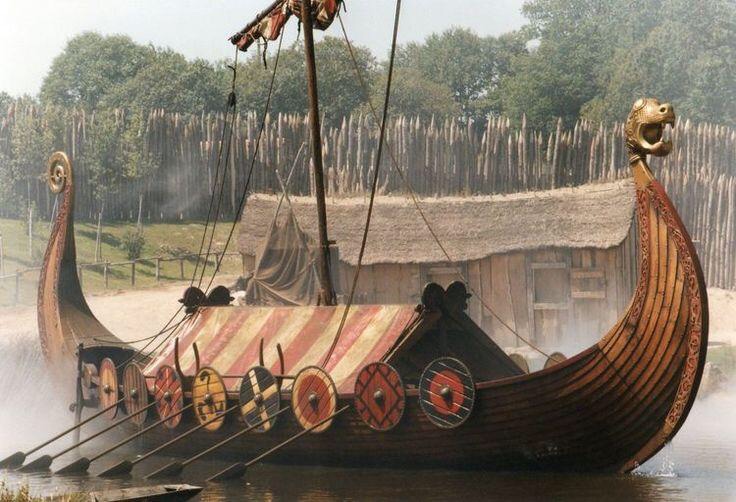
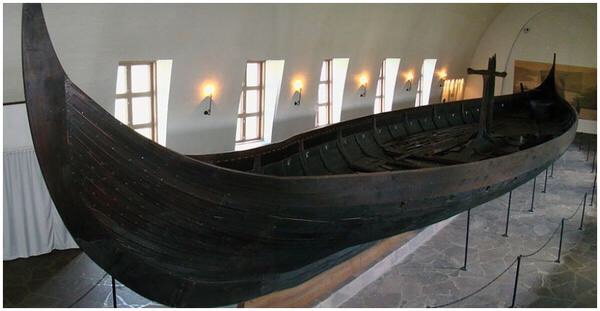
Arguably, the Norsemen’s biggest breakthrough in seafaring was the design of the longship. Viking ships were made mostly by timber, the Viking elongated their ship designs so that they could handle the roughest water and carry people across their vast distances. One of the Viking ships that remains includes the Oseberg Viking ship which is now listed as the most beautiful Viking ship ever found.
Karvi:
Karvi is listed as the smallest Viking ship design with about 6 to 16 benches. This kind of ship had many uses, for trade, fishing, transportation, and military purpose.
The unique structure of karvi helped it to handle shallow waters. This was ideal for transporting both people and cargo across the waters.
By far, the most famous Viking ship ever discovered was the Gokstad ship. It was excavated around the 1880s and dated sometime around the 9th century. It was about 23 meters (75 feet) in length.
Snekkja:
A bigger design of the Viking ship was the Snekkja. “Snekkja” meant “snakes” in English. It was a sleek and dynamic vessel.
The snekkja had a minium of 20 rowing benches. This kind of ship could carry on cox and about 40 oarsmen.
Snekkja excelled in deeper waters. This made them ideal when travelling in fjords and across Atlantic expeditions.
Skeid:
The skeid longship, translated as slider, is one of the larger Viking vessel designs. It was used as a warship. Skeid often had about or more rowing benches.
One of the largest discoveries of a skeid ship came to the public light in the mid when a 37 meter long vessel was unearthed in Roskilde harbour in Denmark.
Drakker:
Another famous type of Viking longship was the drakker which means “dragon”. This kind of ship often contained many carvings from dragons to snakes.
The excellent qualities on the ship not only helped the Viking to show off their carving and designing skills but also helped to intimidate the victims while raiding and pillaging.
Tanngrisrnir and Tanngnjostr were the goats of Thor. They pulled Thor’s chariot across the sky. Everytime Thor crossed the sky with his goat-drawn chariot, there came the sound of thunder.
In Norse mythology, Thor killed his goats for the food. And in the following day, he would resurrect his goats with his Mjolnir hammer.
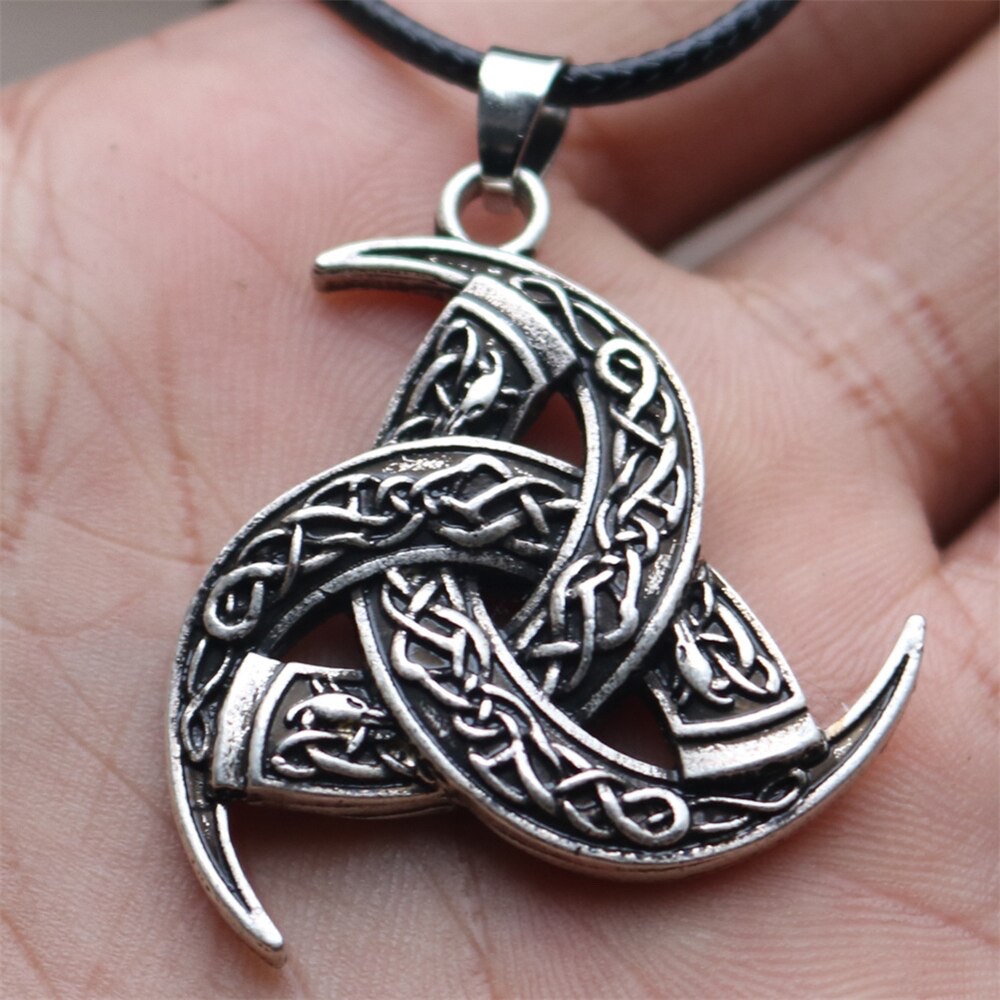
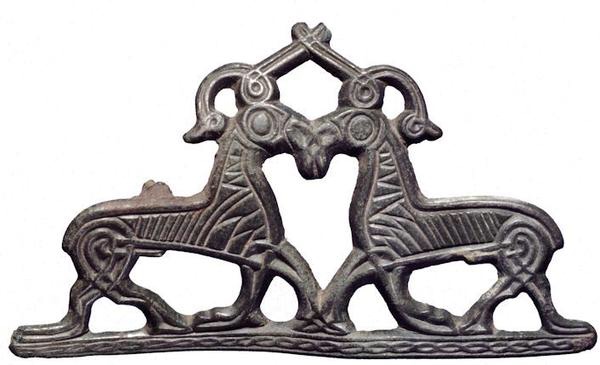
The symbol of Tanngrisrnir and Tanngnjostr also presented Thor and his presence. The goats symbolised the boundless endless and the masculinity. Modern archaeologists have excavated Viking artifact of the goats (as pictured).
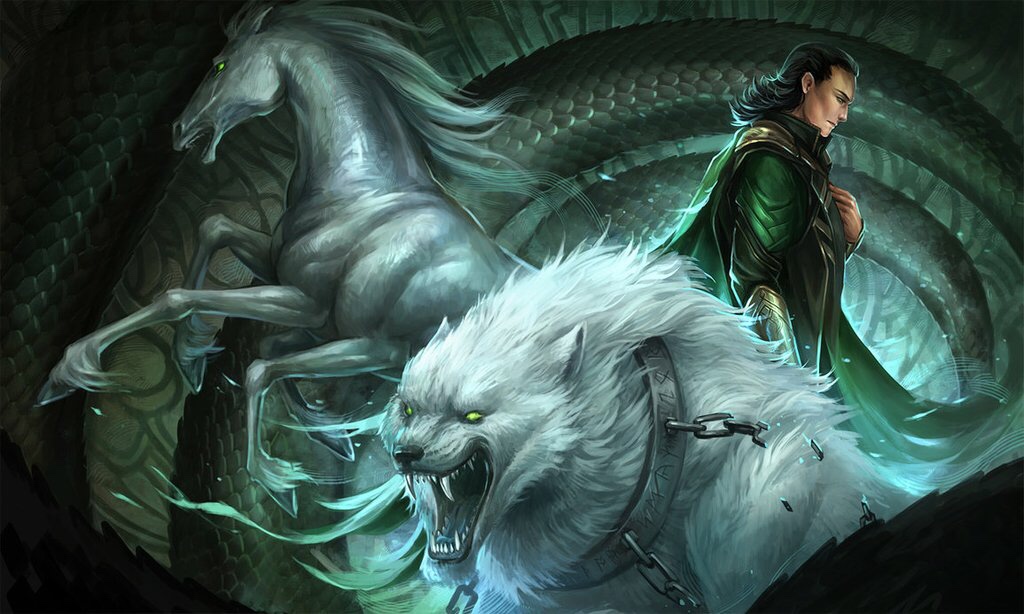
Loki the most complicated Norse character and the giantess Angrboda (“She who Brings Anguish”) had three notorious children. His first son was the Jormungandr the Midgard Serpent, the second daughter was Hel the Queen of Helheim, and the last one was Wolf Fenrir the God of Destruction.
Jormungandr
Jormungandr was also known as the Midgard Serpent. He was cast into the deep ocean by Odin the Allfather as a precaution against the Ragnarok. Deep under the ocean laid Jormungandr who quickly grew large enough to encircle the whole Midgard. Jormungandr held his own tail in his mouth. He was the sworn enemy of Thor. These two (Jormungandr and Thor) had encountered each other once before the days of Ragnarok.
As Ragnarok was looming large, Jormungandr raised from the ocean and accompanied Loki’s army to enter Asgard. This Midgard Serpent had his last battle with Thor and got killed by the blow from Mjölnir hammer. Thor, unfortunately, was slain by the venom of the dead Jormungandr.
Hel
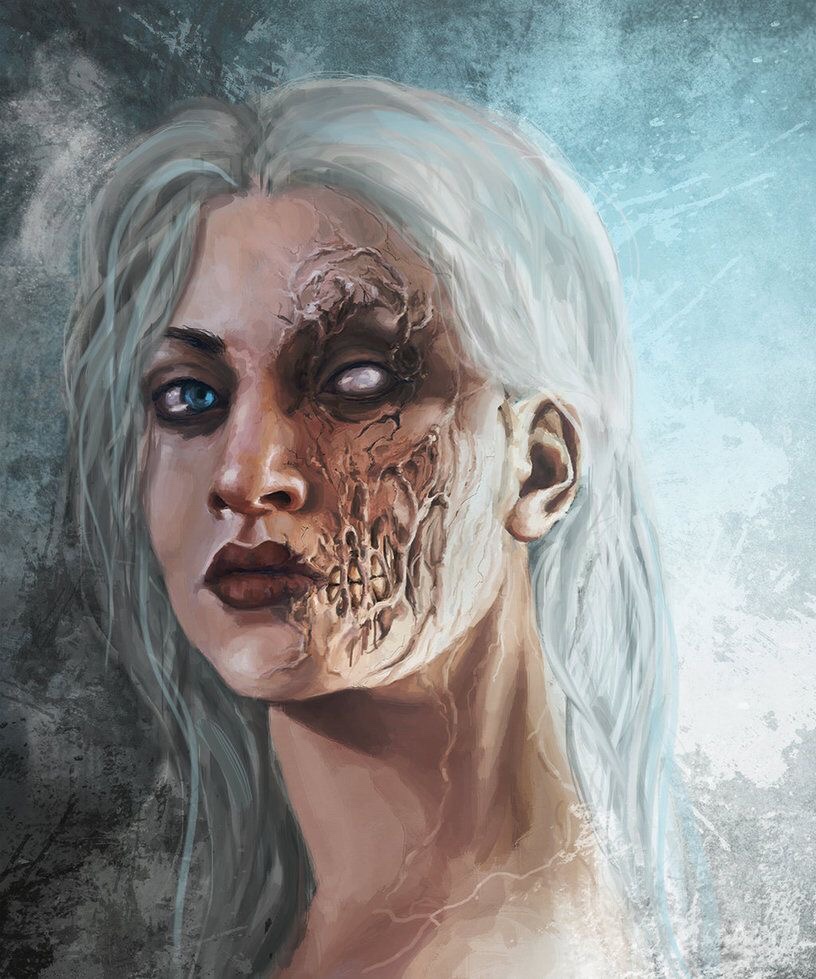
The only daughter of Loki, Hel, was banished into the land of Helheim located deep under the root of Yggdrasil tree. There, Hel built up her own kingdom of the dead and presided over that place. She was the queen of the deceased and the land of Helheim. According to the myth, if one soul belonged to Hel, without her permission, that soul could not do anything but serve in the land of Helheim. No one could ever interfere with this practice, even Odin the Allfather.
Hel joined the army of the Jotun to battle against Aesir gods. She brought the dead alongside.
Fenrir
Hardly could any villain in Norse myth rival the reputation of Wolf Fenrir. Fenrir was the worst nightmare to the Norse gods because Fenrir was predicted to swallow Odin in Ragnarok. As the gods scared that this scenario would come into being, they decided to raise the wolf by themselves. When the wolf grew up at an incredible speed, they bound Fenrir with a magical fetter. Fenrir then was sent to a middle-of-no-where place until he broke free on the threshold of Ragnarok.
In Ragnarok, Fenrir and his father, Loki, led the giant army to fight against the gods. Fenrir opened his enormous mouth with his jaw stretching from heaven to earth and swallowing anything that hindered him. When battling with Odin, Fenrir gained the upper hand and swallowed the god, proving the prophecy to be true.
Other Children of Loki
Sleipnir – Sleipnir was the result of one-night chase between Loki and a stallion Svadilfari. This happened when Loki wanted to prevent Svadilfari from finishing building Asgard Wall. Loki in disguise as a mare seduced Svadilfari to distract the stallion from finishing its task. As a result, a little horse was brought to life. Sleipnir was his name. And in fact, Loki was the mother of Sleipnir horse. Yes, Loki was the mother! Sleipnir horse then was given to Odin the Allfather by Loki. Sleipnir was a true treasure as he could travel not only on land but also over the sea and through the air. Odin rode Sleipnir into the battle of Ragnarok where he met Wolf Fenrir.
Nari and Vali – these two children of Loki had little material about them. The most well-known tale about these two was in the Punishment of Loki. The ironic story told that Vali in the form of a wolf killed his brother Nari. The gods used the entrails of Nari to bind Loki to the rocks as Loki’s most severe punishment for causing trouble to the gods.
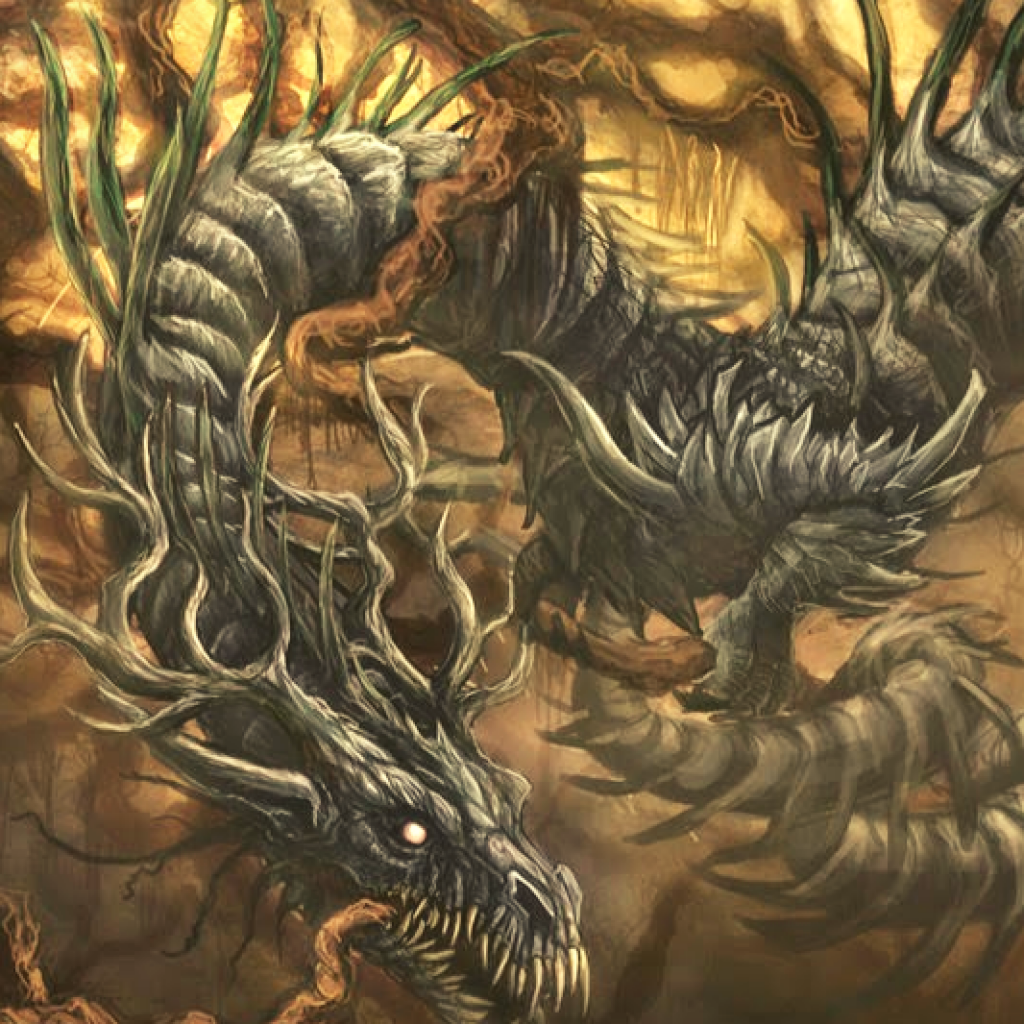
Nidhogg (Norse Níðhöggr) is a ferocious dragon who gnaws at the roots of Yggdrasil, the tree which supports the nine worlds of Norse mythology. This power-hungry monster is sometimes referred to as “the Malice Striker,” an appropriate name given that he rules over dark criminals and is bent on destroying peace and virtue.
Nidhogg is a tremendous dragon. His body is covered in bright scales, and horns erupt from his head. A pair of forelegs, complete with massive claws, help him to rip at the roots of Yggdrasil, but he has no back legs, only a serpentine tail. Beneath his bat-like wings, he carries the corpses of criminals.
His mammoth body can be found twisting through the roots of Yggdrasil, especially around Niflheimr, the cold world from which all the rivers of Midgard spring. Occasionally, he might slither into Hel to visit the dark goddess who some people consider his master.
Balance is extremely important in Norse mythology, and while Nidhogg does represent a ghastly force, he is still important to supporting the balance of Yggdrasil. A great eagle, who represents wisdom and virtue, perches in the uppermost branches of the tree, while Nidhogg, representing chaos and evil, lurks in its roots. The constant tension between the eagle and the dragon is fueled by Ratatoskr, a squirrel who runs up and down the tree ferrying insults between the two enemies. This tension may seem undesirable, but it actually promotes a cycle of growth in the tree of life. After the eagle and the dragon spend the day destroying Yggdrasil in their frenzy to attack each other, the tree is bathed in water from the wells of Urd, which promotes healing and new growth.
In addition to bringing balance to Yggdrasil, the monster also figures in the punishment of criminals. He rules over the dark shores of Nadastrond, to which the corpses of murderers, adulterers, and oath-breakers are banished. A terrifying hall, with walls woven from serpents and a ceiling that drips venom, waits for these criminals, and inside the hall, the dragon chews on their bodies.
Finally, the dreaded dragon has a role to play in Ragnarok, the day when the giants will attack the gods and destroy most of their world. Ragnarok will begin when the dragon finally manages to chew through the roots of Yggdrasil, causing the tree to yellow and the worlds it supports to plunge into a three-year winter. At the end of this frigid and chaotic period, he will fly up from the underworld, carrying dead criminals and leading the giants on an attack against the gods. Ultimately, the he will survive this battle and become the force of evil which balances good in the post-Ragnarok world.
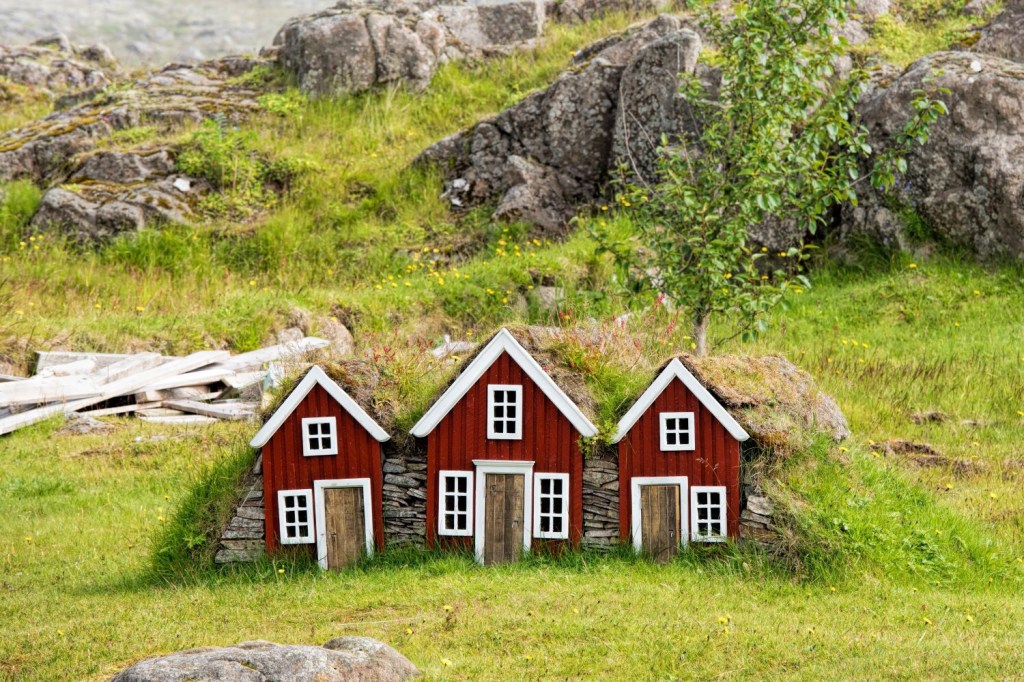
When Icelandic member of parliament Árni Johnsen escaped unharmed from a car crash in 2010, he knew whom to credit for his survival: elves. After rolling five times, the politician’s SUV came to rest beside a 30-ton boulder. Johnsen, believing that multiple generations of elves called that boulder home, concluded that they used their magic to save him. When roadwork later required the removal of the boulder, he claimed it for himself, transporting it to his home to ensure the elves would continue to watch over him.
Johnsen’s beliefs are not unusual. According to Icelandic folklore, thousands of elves, fairies, dwarves, and gnomes—collectively known as “hidden people”—live in rocks and trees throughout the country. It is no wonder, then, that the world’s only elf school is located in Reykjavík.
Historian Magnús Skarphéðinsson, who has spent decades documenting people’s encounters with elves, established the school in 1991. Classes focus on the distinguishing characteristics of Iceland’s 13 varieties of hidden people. The school also offers five-hour classes for travelers, which include a tour of Reykjavík’s elf habitats. Students receive a diploma in “hidden people research.”
Skarphéðinsson has never seen an elf. His knowledge of their appearance and behavior comes from the hundreds of testimonies he has collected from people who claim to have made contact with hidden people.
Though Skarphéðinsson has devoted 30 years to the subject and considers himself the foremost authority on elves, he maintains a sense of humor about it all. At the end of class, he serves homemade coffee and pancakes and tells stories about the people who come up to him to say, “I swear I’m not on drugs, but I saw the strangest thing . . .”









 Mark Bere Peterson’s Counterculture, Urban Legends, Paganism & Witchcraft