One of the most beautiful and also oldest and most deadliest of poisons. The principal alkaloids are aconite and aconitine; of these aconitine is thought to be the key toxin and one of the most toxic plant compounds known. Ingestion of even a small amount results in severe gastrointestinal upset, but it is the effect on the heart, where it causes slowing of the heart rate, which is often the cause of death. The poison may be administered by absorption through broken skin or open wounds and there are reports of florists being unwell after working with the flowers.
Its distinctive taste makes it unpleasant to eat so accidental poisoning is extremely rare but not unknown. The taste is described as initially very bitter followed by a burning sensation and, then, a numbing of the mouth. All parts of the plant are extremely poisonous if eaten and may cause systematic poisoning if handled.
Magical propensities for invisibility and protection from evil. Excellent for redirecting predators.
A stemless perennial with a fleshy taproot and broadly ovate leaves; small white to blue-white, bell-shaped flowers are borne at ground level in spring, followed by aromatic yellow fruits. One of the most written about plants in history with whole books devoted to its properties and its ability to scream when pulled from the ground. It is a relative of deadly nightshade so contains the tropane alkaloids, notably hyoscine and atropine; the effects are hallucinogenic, narcotic, emetic and purgative similar to deadly nightshade and henbane. Mandrake root is supposed to look like the male form (having two legs, a body and often a hairy top) and, under the Doctrine of Signatures, its use ‘would give a man that power which men are always willing to spend a lot of money to get!’ Its high price was maintained, in part, by the difficulty of harvesting it.
Magical propensities for magical uses include protection; prosperity; fertility; exorcising evil. Carry to attract love. Wear to preserve health.
A unique plant, and gardeners definitely love unique! The round pods that form near the fruit of this plants are so cool looking! They are paper-like in texture, and definitely add interest to a container or flower display. However, anyone who has grown them knows how easily they can take over, making them a lot more annoying than cool. You might be tempted by these interesting plants, but there are definitely better options out there.
BE AWARE:
If the berries on this plant are ripe, they’re edible. But if not, they can cause headache, vomiting, breathing problems, and numbness.
Stay away! This plant is aggressive, weedy, and potentially deadly. This is enough to put it in the “don’t plant” category.
2 tablespoons potato flour or ground yellow maize flour
2 tablespoons coconut flour
2 teaspoons gluten-free baking powder
1/8 teaspoon Himalayan salt
1½ cups coconut milk
1 tablespoon melted coconut oil
1–2 teaspoons grapeseed oil
To make the pancakes, combine the buckwheat flour, potato flour, coconut flour, baking powder and salt in a large bowl.
Add the coconut milk, coconut oil and ½ cup water and whisk well. The amount of water you need depends on how thick you prefer your batter; add a bit more for thinner batter.
Heat a non-stick frying pan over medium heat. Brush the pan with some of the grapeseed oil.
Pour ¼ cup of the batter into the pan and cook for 2–3 minutes, or until bubbles appear on the surface. Turn and cook the other side for 2 minutes, or until cooked through. Transfer to a plate and keep warm.
Cook the remaining batter in the same way, adding more grapeseed oil to the pan as needed. You should have enough batter to make eight pancakes.
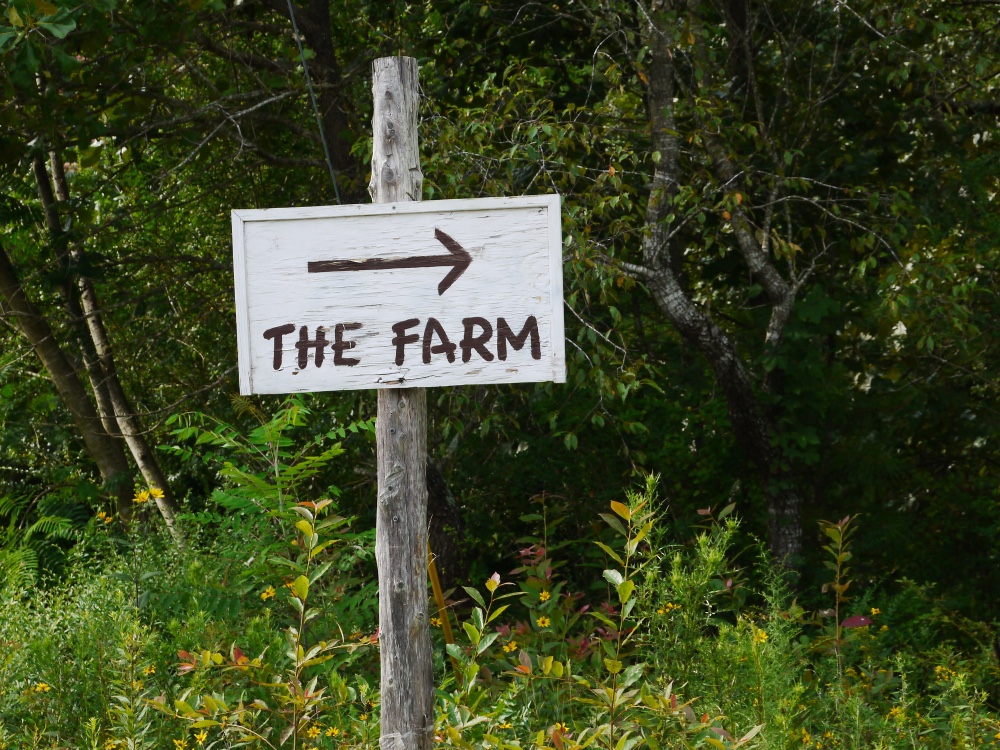
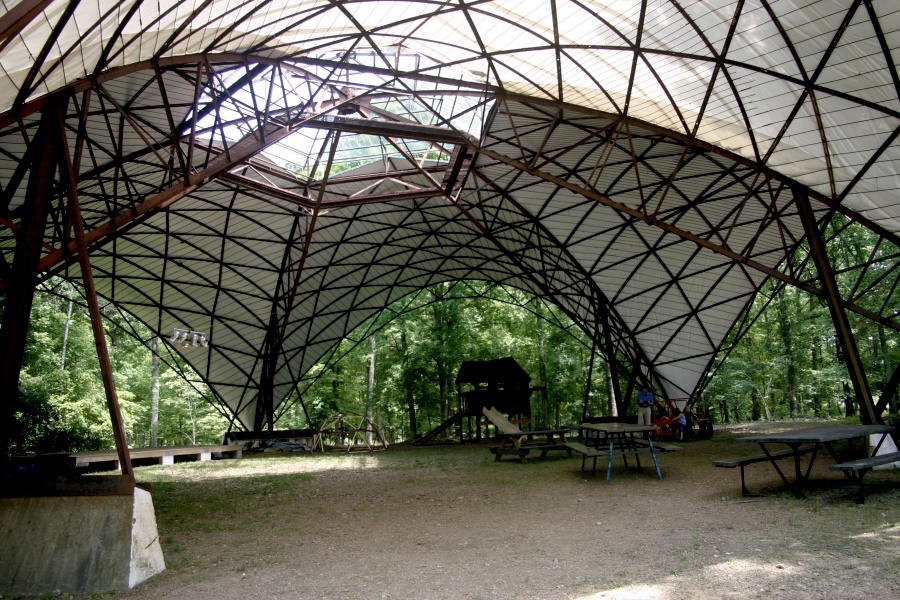
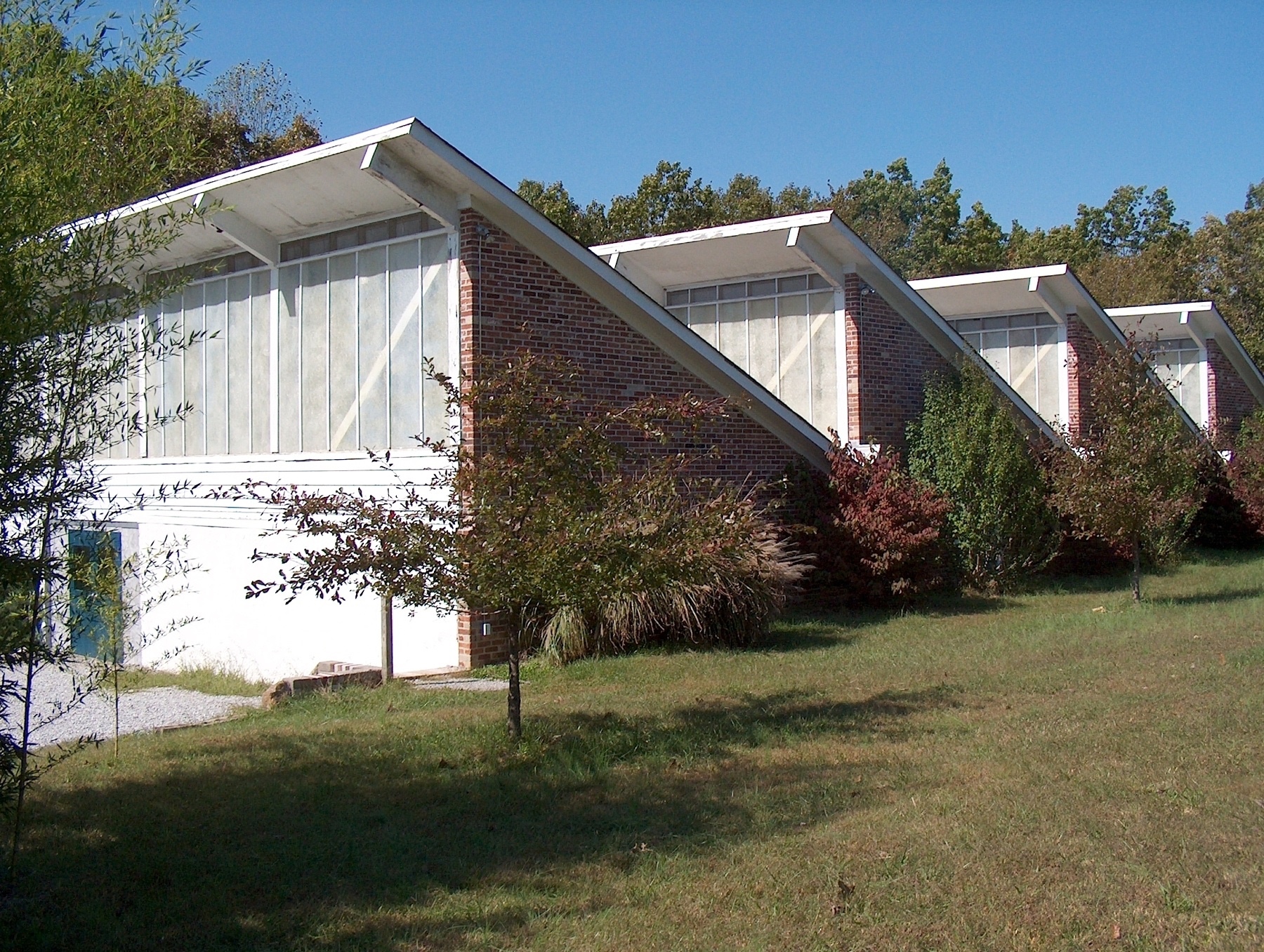
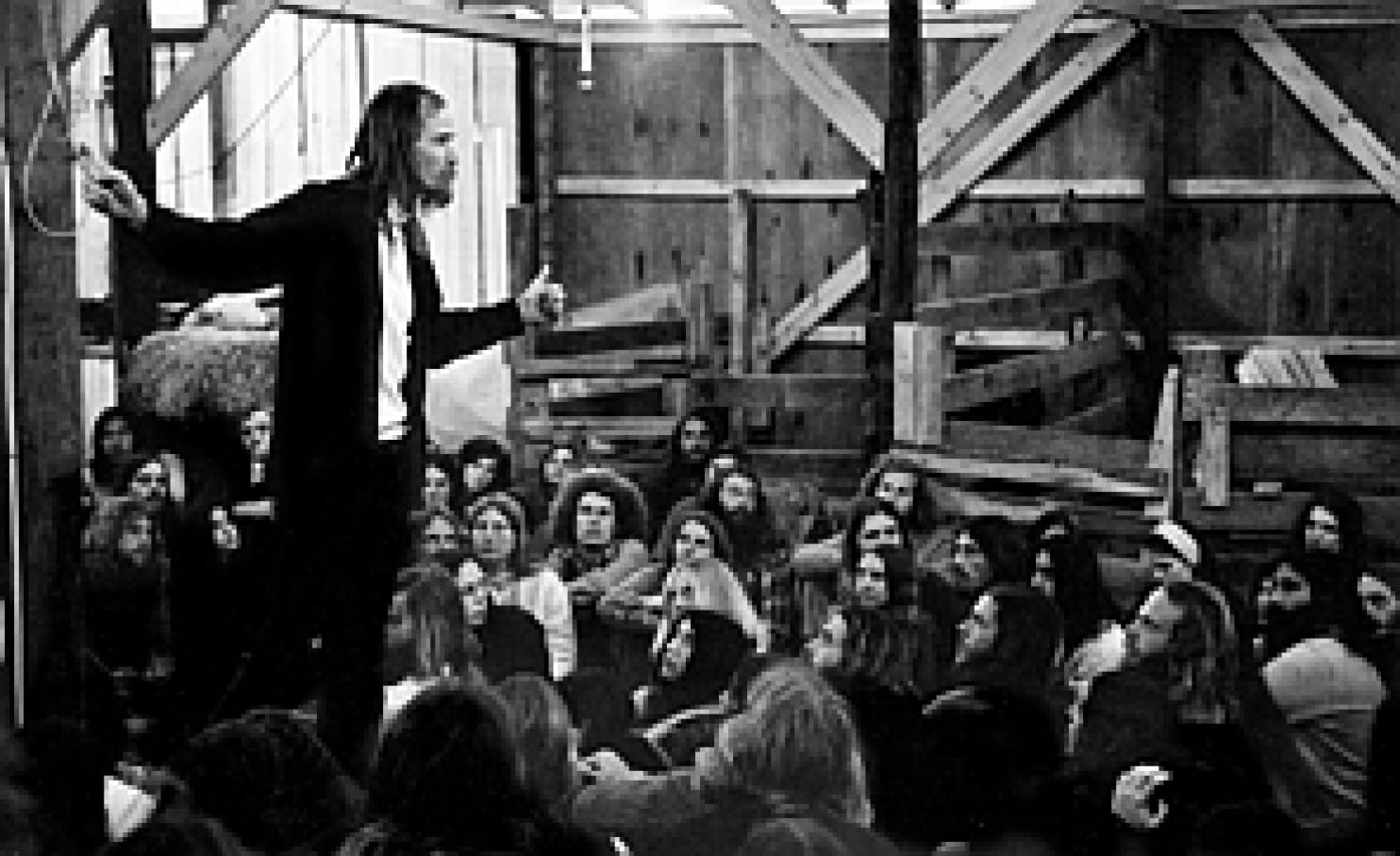
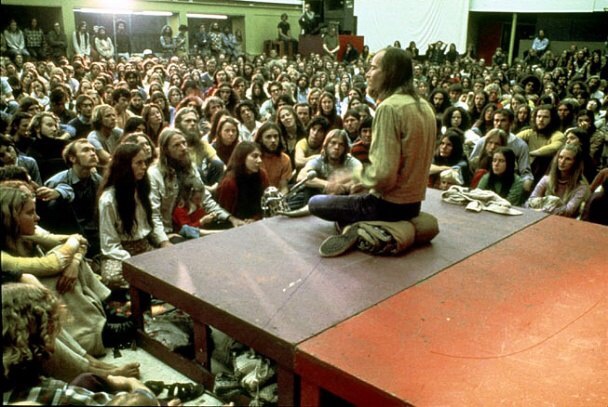
The Farm is the oldest and biggest intentional community, at its peak in the 80’s it had over 1500 members. It is an intentional community that fostered spiritual growth, world peace and ecological harmony. Today the Farm has about 175 residents.
It was founded in 1971 by Stephen Gaskin and 320 hippies from San Francisco. Gaskin and friends led a caravan of 60 buses, vans, and trucks from San Francisco on a four month speaking tour across the US. Along the way, they became a community, lacking only in land to put down roots. After returning to California, the decision was made to buy land together. Combining all their resources would finance purchase of only about fifty acres in California. Another month on the road brought the group back to Tennessee, where they checked out various places that might be suitable to settle. They deciding on property in outside of Summertown south of Nashville. After buying 1,064 acres for $70 per acre, the group began building its community in the woods alongside the network of crude logging roads that followed its ridgelines. Shortly thereafter, an adjoining 750 acres were purchased for $100 per acre.
Gaskin and friends led a caravan of 60 buses, vans, and trucks from San Francisco on a four month speaking tour across the US. Along the way, they became a community, lacking only in land to put down roots. After returning to California, the decision was made to buy land together. Combining all their resources would finance purchase of only about fifty acres in California. Another month on the road brought the group back to Tennessee, where they checked out various places that might be suitable to settle. They deciding on property in outside of Summertown south of Nashville. After buying 1,064 acres for $70 per acre, the group began building its community in the woods alongside the network of crude logging roads that followed its ridgelines. Shortly thereafter, an adjoining 750 acres were purchased for $100 per acre.
In 1983, due to financial difficulties and also a challenge to Gaskin’s leadership and direction, the Farm changed its agreement and began requiring members to support themselves with their own income rather than to donate all income to the central bank.This decollectivization was called the ‘Changeover,’ or ‘the Exodus.’
In the nineties, with the community back on solid ground, The Farm returned to its original purpose of initiating social change through outreach and example. The Ecovillage Training Center was established as an educational facility in new technologies such as solar energy, bio fuels, and construction techniques based on locally available, eco-friendly materials.
Gaskin’s wife, Ina May Gaskin and the midwives of the Farm created The Farm Midwifery Center, one of the first out-of-hospital birth centers in the United States. Family members and friends are commonly in attendance and are encouraged to take an active role in the birth.
“Gaskin, a longtime critic of American maternity care, is perhaps the most prominent figure in the crusade to expand access to, and to legalize, midwife-assisted home birth. Although she practices without a medical license, she is invited to speak at major teaching hospitals and conferences around the world and has been awarded an honorary doctorate from Thames Valley University in England. She is the only midwife to have an obstetric procedure named for her. The Gaskin Maneuver is used for shoulder dystocia, when a baby’s head is born but her shoulders are stuck in the birth canal.”
~ New York Times
The Farm Community – Beliefs and Agreements
The Farm Community is comprised of many individuals, each with their own vision and ideas about spirituality as it applies to their daily life. It was founded on the principle that we respect all religions and practices. There are many basic agreements that were telepathically understood, however in an effort to avoid the creation of dogma and ritual, no formal document exists that defines the spiritual beliefs of The Farm.
Some years ago, several members of The Farm Membership Committee endeavored to create such a document, researching through previously published books and materials to identify statements that could still ring true for most members of the community. Although we make no claim that it represents every person completely, we present it here to give you some concept of our original beliefs and agreements.
As a church, we live in community and our reverence for life has always been central to our ways. Within The Farm Community, people could live together and pursue a spiritual path that includes, but were not limited to, the following common beliefs and agreements:
We believe that there are non-material planes of being or levels of consciousness that everyone can experience, the highest of these being the spiritual plane.
We believe that we are all one, that the material and spiritual are one, and the spirit is identical and one in all of creation.
We believe that marriage, childbirth and death are sacraments of our church.
We agree that child rearing and care of the elderly is a holy responsibility.
We believe that being truthful and compassionate is instrumental to living together in peace and as a community.
We agree to be honest and compassionate in our relationships with each other.
We believe in nonviolence and pacifism and are conscientiously opposed to war.
We agree to resolve any conflicts or disagreements in a nonviolent manner.
We agree to keep no weapons in the community.
We believe that vegetarianism is the most ecologically sound and humane lifestyle for the planet, but that what a person eats does not dictate their spirituality.
We agree that livestock, fish, or fowl will not be raised in the community for slaughter.
We believe that the abuse of any substance is counterproductive to achieving a high consciousness.
We agree to strive for a high level of consciousness in our daily lives.
We believe that the earth is sacred.
We agree to be respectful of the forests, fields, streams and wildlife that are under our care.
We agree that the community is a wildlife sanctuary with no hunting for sport or food.
We believe that humanity must change to survive.
We agree to participate in that change by accepting feedback about ourselves.
We believe that we, individually and collectively, create our own life experience.
We agree to accept personal responsibility for our actions.
We believe that inner peace is the foundation for world peace.
The Rainbow Family of Living Light is a counter-culture, in existence since approximately 1970. It is a loose affiliation of individuals, some nomadic, generally asserting that it has no leader. They put on yearly, primitive camping events on public land known as Rainbow Gatherings. Inspired in large part by the first Woodstock Festival, two attendees, Barry “Plunker” Adams and Garrick Beck, are both considered among the founders of the Rainbow Family
The first official Rainbow Family Gathering was held at the Strawberry Lake, Colorado, on the Continental Divide, in 1972. Use of this site was offered by Paul Geisendorfer, a local developer, after a court order was issued against their gathering at the original location on nearby Table Mountains.
Regional Rainbow Gatherings are held throughout the year in the United States, as are annual and regional gatherings in dozens of other countries. These Gatherings are non-commercial, and all who wish to attend peacefully are welcome to participate. There are no leaders, and traditionally the Gatherings last for a week, with the primary focus being on gathering on public land on the Fourth of July in the U.S., when attendees pray, meditate, and/or observe silence in a group effort to focus on World Peace. Most gatherings elsewhere in the world last a month from new moon to new moon, with the full moon being the peak celebration. Rainbow Gatherings emphasize a spiritual focus towards peace, love, and unity.
I’m not one of those that goes on juice detoxes — although this juice could almost persuade me otherwise!
1 medium-sized beet, scrubbed well
1–2 carrots
1 small apple, cored and chopped
1/2 cup chopped pineapple
juice of ½ lemon
14 mint leaves
½ inch knob of fresh ginger
Mix all the ingredients in a juicer or blender and serve.
If you use a blender for this recipe, rather than a juicer, you will get a much thicker juice, due to the fibrous pulp from the fruit and veg being retained. You can add a little water to the recipe to thin it, or run the juice through a fine mesh sieve.
Everyone loves a piece of freshly baked banana bread, especially one that’s sugar, gluten and wheat free.. It is a perfect accompaniment to tea or coffee, or just on its own for a snack.
¼ cup plus 2 tablespoons linseed (flaxseed) meal
2 cups almond meal
½ cup desiccated coconut
½ cup millet flakes
1 teaspoon ground cinnamon
1 teaspoon vanilla powder
1/8 teaspoon Himalayan salt
2 teaspoons baking soda
3 ripe bananas
¼ cup melted coconut oil
½ cup maple syrup
Preheat the oven to 315ºF. Line a loaf tin, measuring about 9½ x 5 inches, and about 2½ inches deep, with parchment paper.
Put the linseed meal in a bowl, mix in ¾ cup water and place in the fridge for 5–10 minutes, or until the mixture gels together and takes on an egg-white consistency.
In a large bowl, combine the almond meal, coconut, millet flakes, cinnamon, vanilla, salt and baking soda.
In a small bowl, mash two of the bananas using a fork. Mix in the coconut oil and maple syrup.
Add the banana mixture to the bowl of dry ingredients and mix until combined, then pour the batter into the loaf tin.
Slice the remaining banana and arrange over the loaf. Bake for 35–45 minutes, or until a skewer inserted into the middle of the loaf comes out clean.
Remove from the oven and leave to cool before slicing.
The loaf will keep for 2–3 days, stored in an airtight container in the fridge or at room temperature.
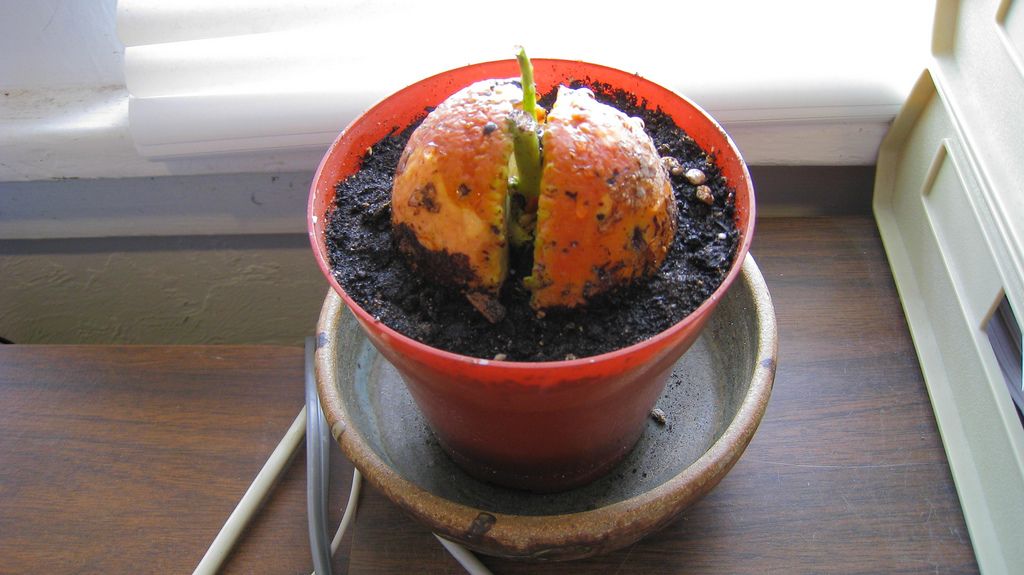
Why did hippies do this? No one knows. For a while there in the seventies, it was difficult to find a hippie windowsill that did not have an avocado seed sprouting in a jar. (Some hippies credit this phenomenon with ending the war in Vietnam.)
An avocado
3 toothpicks
A jar
Peel and eat the avocado. Save the pit.
Let the seed dry for 48 hours.
Peel off the papery brown skin.
Insert 3 toothpicks equidistant from each other around the middle of the seed, pushing them in far enough to feel securely lodged.
Place the seed, pointed end up, in the jar so that the toothpicks rest on the edge of the jar’s mouth, suspending the seed.
Add warm water to the jar so that the bottom third of the seed is submerged.
Put the jar in a warm spot, away from direct sunlight.
Check the seed daily, adding warm water to the jar so that the bottom third of the seed is always in water.
When the seed begins to sprout roots, move the jar to a windowsill.
Soon you will see a stem push up through the pit. When the stem is 3 to 4 inches high, you can plant the seed in soil.










 Mark Bere Peterson’s Counterculture, Urban Legends, Paganism & Witchcraft