
Its long been a goal of mine to be professionally trained as a butcher and make whole hog charcuterie. Who knows maybe I’ll get there someday, but until then here’s a video to tide us over.
Category: Culinary
Culinary Fun Fact: Should you eat oysters only in months whose names contain the letter R?


The “R” rule may have been true 30 or 40 years ago, but thanks to advances in aquaculture it has fallen by the wayside. It used to be fishermen dug for oysters only in the colder “R” months (September through April) to avoid the spawning season.
Warm waters (above 60 degrees) encourage spawning, rendering oysters bland, soft-textured, and small. Once the spawning season is complete, oysters are generally plumper and better-tasting, thus commanding a higher price tag.
Today’s oysters are more likely to be farmed than found, with farmers having more control over the conditions in which they are grown, harvested, and stored. This means that oyster cultivators can plant oysters in cold waters, thereby staggering spawning and keeping their product available year-round. So forget the “R” rule—any time is fine for eating oysters.
Culinary Fun Fact: Soy Alergy
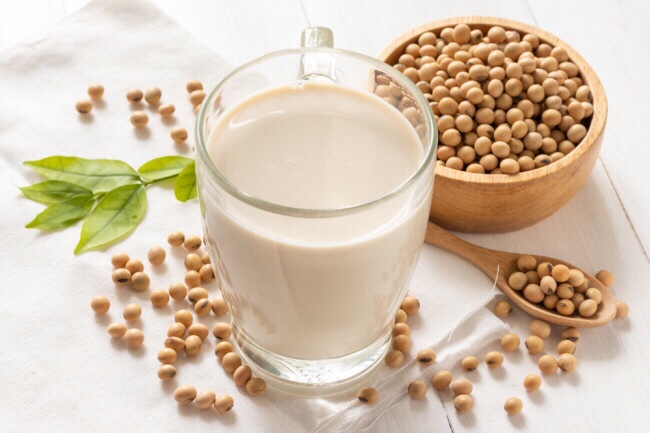
Ingredients to avoid —> Hydrolyzed soy protein, miso, shoyu sauce, soy-anything, soy protein concentrate, soy protein isolate, soy sauce, soybean, soybean granules, soybean curd, tempeh, textured vegetable protein, tofu.
Foods commonly containing soy —> Baby foods, baked goods (cakes, cookies, muffins, breads), baking mixes, breakfast cereals, packaged dinners like macaroni and cheese, canned tuna packed in oil, margarine, shortening, vegetable oil and anything with vegetable oil in it, snack foods (including crackers, chips, pretzels), nondairy creamers, vitamin supplements.
Substitutions —> There are no good substitutes for items like tofu and soy sauce, so choose recipes that don’t directly rely on soy-based products. Read labels carefully as soy is used in an astonishing number of commercial products, often in places that you wouldn’t suspect, such as pasta sauce.
Culinary Fun Fact: Salmon Pin Bones


Food Scientist Harold McGee tells us in “On Food and Cooking,” (Scribner 2004) that fish in the herring, salmon, and related families have these pin bones to “help stiffen some of the connective-tissue sheets and direct the muscular forces among them.” Other members of the salmon family include steelhead, trout, whitefish, and Arctic char. Basically, the pin bones allow the fish to swim faster.
Veal Cut Profile: Veal Shank

Description: Veal shank the lower portions of both the front and rear legs, is legendary for its rich, smooth, melting texture.
Meat Characteristics: Shank meat is tough and lean, with small muscles surrounded by connective tissue. Braising turns it smooth and rich.
How much should I buy: For Osso Buco one crosscut round, 12 to 20 ounces each, per person. A whole shank serves four. You may also serve a smaller whole veal shank.
Common flavor combinations: Bay leaves, cilantro, cinnamon, cumin, garlic, golden raisins, lemons, marjoram, oranges, porcini mushrooms, red onion, white truffles, white wine.

Culinary Fun Fact: Please don’t recycle
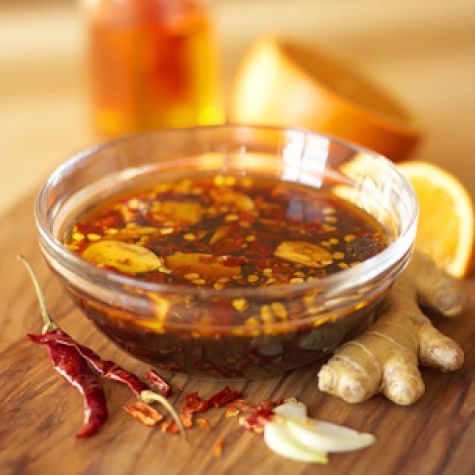
Used marinade is contaminated with raw meat juice and is unsafe to consume. If you want a sauce to serve with cooked meat, make a little extra marinade and set it aside before adding the rest to the raw meat.
Culinary Fun Fact: Peanut Allergy


Ingredients to avoid —> Peanuts, peanut butter, peanut starch, peanut flour, peanut oil, mixed nuts, crushed nuts, hydrolyzed plant protein, hydrolyzed vegetable protein, vegetable oil (if the source isn’t specified), and depending upon the severity of the allergy, anything that states “may contain trace amounts of peanuts.”
Foods commonly containing peanuts —> Baked goods, baking mixes, chocolate and chocolate chips (many contain trace amounts of peanuts), candy, snacks, nut butters, cereals, sauces (peanuts are sometimes used as a thickener), Asian food (stir fry, sauces, egg rolls), veggie burgers, marzipan (almond paste).
Substitutions —> If your dish calls for peanuts, you might be able to substitute with cashews or sunflower seeds. For peanut butter, you can use soy nut butter, almond butter, cashew butter, or sunflower butter. Of course these substitutions are only valid if you or your guest aren’t allergic to all tree nuts.
Culinary Fun Fact: Are All Fish Eggs Caviar?

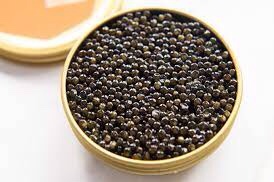
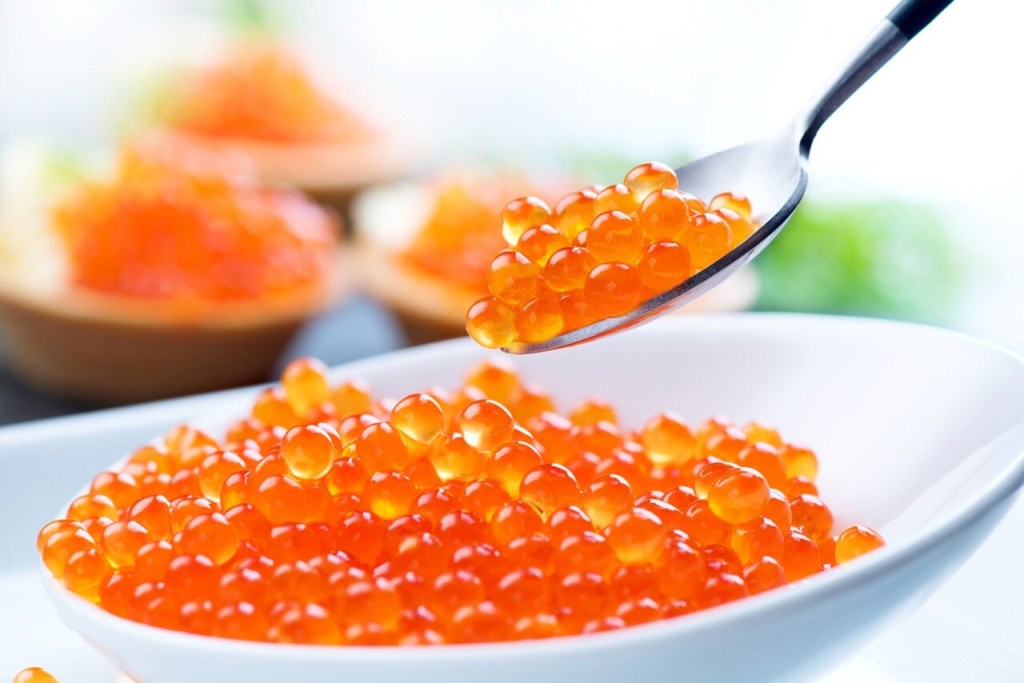
False! False! Caviar only refers to the cured eggs of certain species of sturgeon. That’s it, don’t be fooled. Salmon, trout, paddlefish, etc. those are technically roe, but not caviar. Caviar is not a regulated term, so buyer beware.
What to look for:
Read the label. You want to see a far-off expiration date (most jars get at least two months from the time of packing), a lot harvest date to show tracking, and the scientific species, country of origin, and farm to know you’re getting what you’re paying for.
Be wary of the words:
“beluga,” “Caspian,” or “wild.” They are often black market
“Osstra” that is not specifically Acipenser gueldenstaedtii (Russian Sturgeon).
“Sodium tetraborate” a preservative that’s not necessarily bad, but is often used to mask off flavors
Look in the jar. You should see individual spheres, nothing smashed or deflated, no liquid pooling.
Good caviar needs nothing more than a buttery bread such as brioche or challah, crepes, or yeasted blini. Lay out an assortment of snipped chives, minced shallots, and sieved hard-boiled egg.
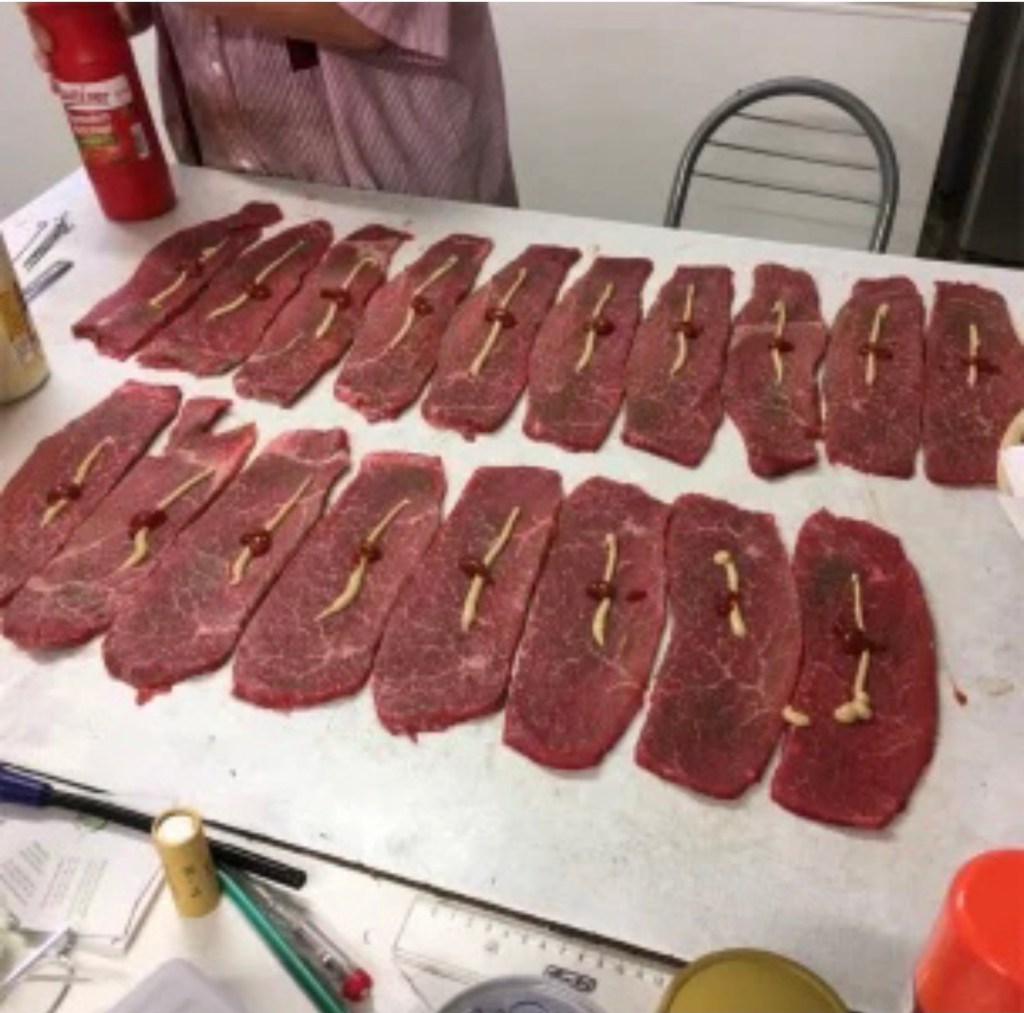
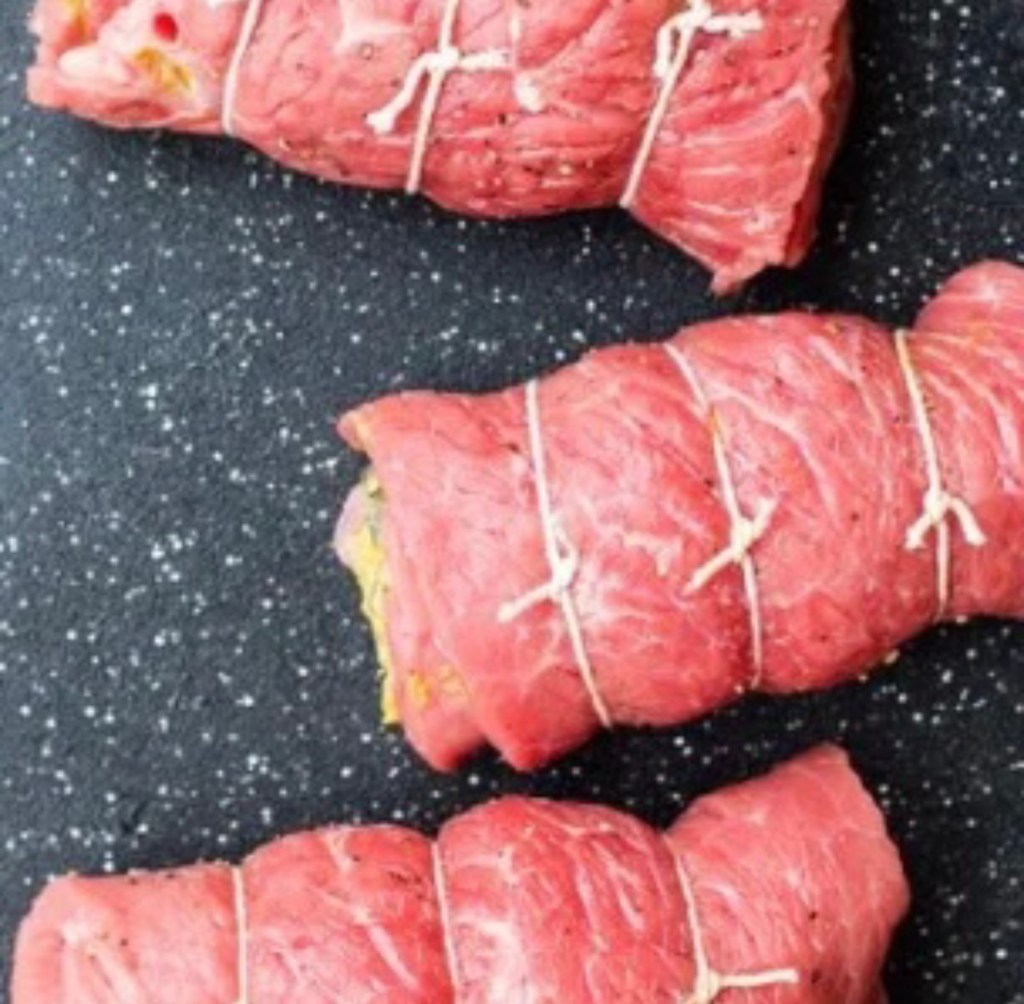
Beef Cut Profile: Beef Rolls

Description: Beef rolls are thin slices of beef that can be filled, rolled up, and then braised. Beef rolls originated in medieval times when cooks prepared thin slices of beef, veal, or mutton with a stuffing.
Other Names: Beef olives, braciole (southern Italian), involtini (Italian, usually veal), paupiettes and roulades (French), roll-ups, Rouladen (German).
Meat Characteristics: Beef rolls are made from tough cuts of beef, which become tender when braised.
How Much Should I Buy: Choose the largest slices of single-muscle meat sliced about ¼ inch thick. About 4 ounces per person.
Common Flavor Combinations: Basil, capers, garlic, lemons, mustard, onions, Parmesan cheese, prosciutto, red wine, tomatoes.


Beef Cut Profile: Short Ribs


Description: Short ribs are cut from the 12 ribs that start at the chuck and continue to the loin. Relatively square, short ribs have full-bodied flavor and luscious tenderness that develop when they are slow-cooked by hot-smoking, slow-roasting, or braising. Short ribs are especially popular in Korean, Chinese, and Jewish cuisines.
Meat Charcteristics: Short ribs consist of dense layers of rather tough, medium-coarse grain meat interwoven with layers of fat and connective tissue. They usually include the rib bones.
How much should I buy: Buy at least 1 pound of bone-in short ribs per person to allow for bone and shrinkage. Allow ½ pound of boneless short ribs per person.
Common flavor combinations: Cilantro, garlic, ginger, green onions, molasses, mushrooms, onions, red wine, sesame oil, soy sauce, thyme.
Note: They’re not as inexpensive as they used to be as they are rather in vogue right now, but still much cheaper than a quality steak.
 Mark Bere Peterson’s Counterculture, Urban Legends, Paganism & Witchcraft