Cornmeal Fried Okra

Cornmeal Fried Okra

Fried okra is served everywhere in the South, but that doesn’t mean it’s always good. Same goes for stewed Okra and Tomatoes.

2 pounds fresh okra, smallest size preferred, washed
½ teaspoon kosher salt
3 quarts good frying oil
2 cups extra-fine cornmeal
5 tablespoons cornstarch
1 teaspoon fine sea salt, plus more to taste

Trim the tops off the okra and slice the okra in half. Place the trimmed okra in a dish and pour 1 cup water over it, then sprinkle with ½ teaspoon kosher salt. Agitate the okra in the water and let it sit 10 to 15 minutes. While the okra is soaking, using a frying thermometer, slowly heat the oil to 350°F.

In a bowl, whisk together the cornmeal, cornstarch, and sea salt. Pull a handful of okra from the dish and allow it to drain in your fingers a few seconds, then drop the okra slices into the cornmeal mixture. A metal skimmer works well.  Toss to coat well, remove the okra from the dredge and sift the excess dredge away, being careful not to knock off too much coating. Repeat the dredging process until all the okra is coated and ready to fry. Working in batches, drop the coated okra into the hot oil and fry until crisp and golden, around 5 minutes. Do not overcrowd the pot. Transfer the hot okra to paper towels to drain, and sprinkle with more fine sea salt.

Serve immediately.

Grilled Asparagus

Asparagus is one of the most recognizable symbols of spring. Its season is fleeting, with an average healthy patch yielding for only six to eight weeks. These tender shoots are one of the first things to emerge from the ground as the sun rises earlier each day. But it’s not just the warmth that brings these springtime treasures from their underground dwellings. This perennial, related to the lily, needs a cold winter to thrive. If the ground doesn’t freeze, it is difficult for the plant to go dormant and regenerate. Asparagus takes three to four years to begin producing from seed, but it can regenerate itself for fifteen years or more. It’s an old joke among homeowners who garden that a productive asparagus bed is a good reason to renovate rather than move.”

~Steven Satterfield

Purchasing: When purchasing asparagus ahead of time, keep the stem ends moist by standing upright in about a half-inch of water in the refrigerator or lying on the refrigerator shelf in a plastic bag with the ends wrapped in wet paper towels.

Traditionally, and according to Emily Post, asparagus is a finger food. Cooked properly rather than overcooked, it is still crisp and difficult to cut, shooting across the table if attempted.

Grilled Asparagus

1 pound asparagus
2 to 4 tablespoons oil
Salt
Freshly ground black pepper

Preheat the grill to approximately 450 degrees.  Toss asparagus with oil, and spread them into a single layer on a grill. They are best if browned slightly, but you’re the cook.

Smothered Country-Style Green Beans

Smothered Country-Style Green Beans

½ cup bacon grease or 4 strips of bacon cut into lardons
2 cups thinly sliced shallots or sweet onions
Kosher salt and freshly ground black pepper
3 pounds green beans, strings removed, snapped into 1½-inch pieces and well rinsed
1 quart chicken stock

Melt the bacon grease over medium heat. Add the shallots, stirring to coat. Sprinkle with salt. Cook until almost translucent, 8 to 10 minutes. Add the beans and stock, making sure that the stock covers the beans. Bring to a boil, then reduce the heat to a simmer. Cook until the stock is almost completely evaporated.  Add salt and lots of pepper to taste and serve hot.

Simple Fresh Butterbeans

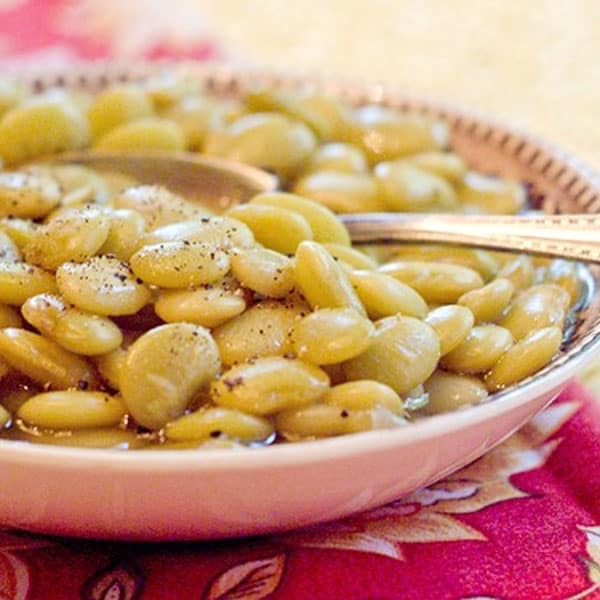
Alright I have a confession to make I love butterbeans and it’s not a healthy normal relationship I’m a bit obsessed.  Butterbeans are baby Lima beans – there I said it.  There is a world of difference between the two though.  I am a card carrying member of the Butterbeans cult.  A number of recipes for Butterbeans will pop up here from time to time with most of them using a pork product, but not today.  This is a simple and delicious recipe for fresh baby limas or shall I say fresh Butterbeans. Enjoy.

3 cups beans, fresh not frozen or canned
6 cups water
1-2 bay leaves
⅛ teaspoon black pepper or to taste
1 tablespoon salt or to taste

Rinse Butterbeans well under cool water. In a 4-quart saucepan combine the beans, water, bay leaves, and pepper. Bring it up to a boil and skim off the impurities  that rises to the top during the first 10 minutes.

Cover the pot and reduce the heat slightly. Let it cook for 15 to 20 minutes more, or until the beans are tender. Turn off the heat and add the salt. Let the beans sit in the cooking liquid for 20 minutes before serving.

If you’re serving them on their own as a side which I would highly recommend, I’d stir in a pat of butter serving.

Stewed Okra and Tomatoes

2 tablespoons bacon fat (substitute olive oil for a vegetarian option)
1 tablespoon minced garlic
1 cup diced onions
6 cups fresh okra, sliced ½ inch thick
1 teaspoon salt
1 teaspoon freshly ground black pepper
6 cups seeded small-dice tomatoes
2 teaspoons fresh oregano, chopped
1½ teaspoons red pepper flakes
1½ teaspoons Tabasco hot sauce
1½ cups Dark Chicken Stock (substitute vegetable stock for vegetarian alternative)

In a medium saucepan over medium heat, heat the bacon fat and sauté the garlic and onion until transparent, about 3 minutes. Add the okra, season with half of the salt and black pepper, and sauté, stirring approximately 7 minutes. Decrease the heat to low, stir in the tomatoes, and continue stirring until the tomatoes begin to break down. Add the oregano, red pepper flakes, Tabasco, and chicken stock and simmer over low heat, stirring occasionally, until the okra is completely tender, 20 to 25 minutes. If it begins to dry up, add water as needed to maintain a thick consistency while cooking. Serve immediately.

* For a nice vegetarian meal serve over white rice.