
The Eight Branches of Chinese Medicine

The Eight Branches of Chinese Medicine

Meditation: As long ago as the fifth century B.C.E., Taoists practiced meditation as a tool for cultivating inner peace. There is always an aspect of the mind that is quiet, calm, and present; however, it can be masked by thoughts, stories, and emotions that pull us out of the present moment. The mind can be like a toddler, running around from place to place, with an attention span of about one minute. It can easily switch from one emotion to the next. Meditation is not simply the practice of stopping all this chaos and quieting the mind; rather, it is the building of awareness about the mind’s habitual nature and the reduction of its distractions.

Exercise: Moving our bodies daily is vital to our overall well-being. Physical activity also moves our blood and cleanses our organs. Tai chi and qigong are both ancient forms of exercise used in Chinese medicine for the cultivation of energy. When visiting east Asian countries, you will see groups of people coming together to practice these movements every day. Even if you don’t know these two ancient practices, walking, running, swimming, dancing, hiking, playing sports, and even stretching are all wonderful forms of exercise.

Nutrition: Food is like medicine. It can nourish us to our very bones, bring us back from illness, and give us a tremendous amount of energy for living.  Many of us are getting sick. Returning to natural, unprocessed, whole foods that match your constitution, align with the season, and support you through any imbalances you may be experiencing is the most direct way to find balance. Through this lens, each meal provides an opportunity to heal from the inside out and to prevent illness rather than be vulnerable to it.

Cosmology: Cosmology refers to the foundation of any spiritual tradition that reveals the core beliefs of how we human beings came to exist and what helps us to thrive. In Taoist cosmology, human beings are not seen as separate from the natural world but rather as a manifestation and integral part of it. Therefore, to cultivate a state of balance, we must look to the natural world around us and mimic the rhythms and cycles we see.

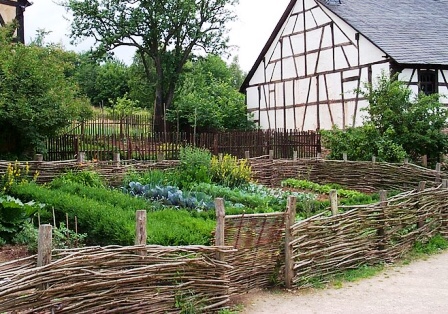
Fang Shui: Just as we can benefit from finding balance inside ourselves by meditating, exercising, and eating a diet that is aligned with nature, we can benefit from creating a similar balance outside ourselves. This is called feng shui, and it encompasses the practice of enhancing health through the environmental balancing of the home, office, garden, and other sacred spaces.

Bodywork: Touch is vital to our overall health. The physical practice of being touched in a therapeutic way allows us to relax deeply and experience the release of tension on all levels. Bodywork gifts us with a number of amazing endorphins (feel-good hormones) most especially, oxytocin.

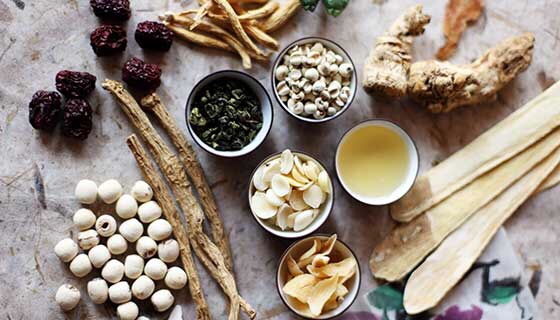
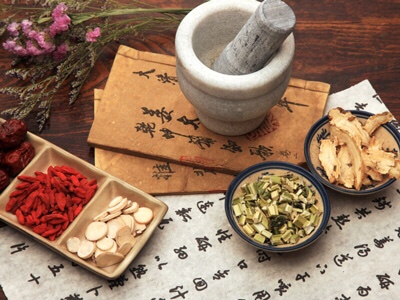
Herbal Medicine: Chinese herbal medicine has been around for thousands of years as a vital tool for maintaining health throughout the life cycles and seasons. Eating medicinal plants from the earth allows us to be in direct relationship with the earth. In addition to a diet that is in sync with our nature, herbal medicine can target specific health imbalances and enhance the healing benefits of meals.

Acupuncture: The final branch of Chinese medicine is also the newest of the eight (though still more than two thousand years old)—the practice of acupuncture. Acupuncture is the art of inserting very fine, sterile needles just under the skin in strategic places to nourish, calm, or otherwise direct the movement of energy. This ancient art form has been found not only to reduce pain but to influence myriad systems in the body, mind, and spirit. From anxiety to leaky gut syndrome to depression to inflammation, acupuncture treats us on many levels. While this practice can certainly address everyday imbalances, I have found it to be most beneficial when used as a tool for prevention.

Source: Everyday Chinese Medicine.

Digestive System Tea

Drinking this delicious tea, especially prior to or immediately following a meal, helps balance the digestive system and relieve digestive upset. This is a all-purpose digestive system tea that is designed to be drunk daily. Supporting digestion is one of the best things you can do for daily health. A healthy digestive system can prevent many diseases over the long term. Adding a pinch of slippery elm or marsh­mallow root to each cup will soothe inflamed tissues in the throat, stomach, or intestines.

3 parts dandelion root

1 part fennel

1 part ginger

1 part peppermint

1 part spearmint

O.5 part Chamomile

Steeping:

Hot Infusion: Pour 1.5 cups hot water over 2 tablespoons tea. Steep for 10 to 15 minutes.

Cold Infusion: Combine 2 cups cold water and 1 to 2 tablespoons tea in a lidded jar. Shake the jar to make sure all the tea is saturated. Place in the refrigerator or a cool place for at least 2 hours.

Vein Relief Ointment

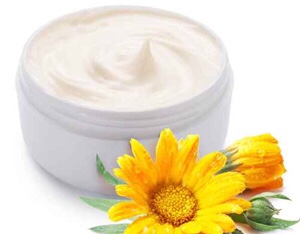
This cream is cooling and soothing for varicose veins, spider veins and hemorrhoids. The astringent properties of witch hazel water and oak bark help to shrink the veins, while yarrow and horse chestnut help maintain vein wall integrity.

1 cup aloe vera gel

2 tsp. horse chestnut leaf-infused oil

2 tsp. calendula oil

2 tsp. yarrow tincture

2 tsp. oak bark tincture

2 tsp. horse chestnut seed tincture

20 drops of rosemary essential oil (for varicose veins only, omit for haemorrhoids)

2 tsp. witch hazel water

Place the aloe vera gel in a bowl. Slowly add the oils, 1 teaspoon at a time, and whisk thoroughly.

Once combined, add the tinctures, one at a time, and whisk again, then add the essential oil and whisk. Finally, whisk in the witch hazel water. Place in a sterilised jar, seal, label and date.

Alternatively, use a plain base cream instead of the aloe vera gel, and whisk in the oils, tinctures and witch hazel water.

For optimal results, apply this cream twice a day, as well as taking internal circulatory herbs.

Shelf Life: Up to 1 year in a cool, dark place.

Traditional Chinese Medicine (TCM)

Traditional Chinese medicine (TCM) is thousands of years old and has changed little over the centuries. Its basic concept is that a vital force of life, called Qi, surges through the body. Any imbalance to Qi can cause disease and illness. This imbalance is most commonly thought to be caused by an alteration in the opposite and complementary forces that make up the Qi. These are called yin and yang.

Ancient Chinese believed that humans are microcosms of the larger surrounding universe, and are interconnected with nature and subject to its forces. Balance between health and disease is a key concept. TCM treatment seeks to restore this balance through treatment specific to the individual.

It is believed that to regain balance, you must achieve the balance between the internal body organs and the external elements of earth, fire, water, wood, and metal.

Treatment to regain balance may involve:

• Acupuncture

• Moxibustion (the burning of herbal leaves on or near the body)

• Cupping (the use of warmed glass jars to create suction on certain points of the body)

• Massage

• Herbal remedies

• Movement and concentration exercises (such as tai chi)

Acupuncture is a component of TCM commonly found in Western medicine and has received the most study of all the alternative therapies. Some herbal treatments used in TCM can act as medicines and be very effective but may also have serious side effects. In 2004, for example, the FDA banned the sale of dietary supplements containing ephedra and plants containing ephedra group alkaloids due to complications, such as heart attack and stroke. Ephedra is a Chinese herb used in dietary supplements for weight loss and performance enhancement. However, the ban does not apply to certain herbal products prepared under TCM guidelines intended only for short-term use rather than long-term dosing. It also does not apply to OTC and prescription drugs or to herbal teas.

If you are thinking of using TCM, a certified practitioner is your safest choice. The federally recognized Accreditation Commission for Acupuncture and Oriental Medicine (ACAOM) accredits schools that teach acupuncture and TCM. Many of the states that license acupuncture require graduation from an ACAOM-accredited school. The National Certification Commission for Acupuncture and Oriental Medicine offers separate certification programs in acupuncture, Chinese herbology, and Oriental bodywork.

TCM should not be used as a replacement for conventional or allopathic treatment, especially for serious conditions, but it may be beneficial when used as complementary therapy. Since some TCM herbal medicines can interfere or be toxic when combined with Western medicines, you should inform your doctor if you are using TCM.

Source: Johns Hopkins Medicine

Herbs And Planets

This list is taken from the 16th century herbalist Nicholas Culpepper’s, “Compleat Herbal,” held in esteem by a number of alchemists old and modern.

SUN: angelica, bay, chamomile, celandine, eyebright, juniper, marigold, rosemary, rue, saffron, St. John’s wort, sundew, walnut

MOON: chickweed, cleavers, watercress, cucumber, lettuce, water-lily, moonwort, wallflower, willow

MERCURY: wild carrot, caraway, dill, hazelnut, horehound, lavender, lily, licorice, marjoram, oats, parsley, parsnip, savory, honeysuckle, valerian

VENUS: burdock, columbine, coltsfoot, daisy, eringo, featherfew, figwort, goldenrod, marshmallow, mint, mother-wort, mugwort, catnip, pennyroyal, plantain, periwinkle, poppy, purslane, primrose, strawberry, yarrow

MARS: all-heal, barberry, basil, garlic, gentian, hawthorn, hops, nettle, onion, radish, rhubarb, tobacco, wormwood

JUPITER: Melissa, bilberry, borage, chervil, cinquefoil, dandelion, dock, endive, hyssop, house-leek, melilot, oak, roses

SATURN: amaranths, barley, corn, beet, comfrey, dodder, elm, fumitory, horsetail, holly, ivy, mullein, nightshade, shepherd’s-purse, blackthorn, wood, wintergreen, yew

Arnica (Arnica montana)

Diagnosis:

Bruises do not break the skin as wounds do, but they do damage underlying tissues. Bruising causes pain and swelling, and the affected area turns purple after a while. Bruises are not a big deal as long as the blow that causes them is not too violent. While traveling, especially with younger children, always expect there to be bumps or painful bruises. It is in these cases when you should use arnica, whose active ingredients provide instant relief.

Dosage:

For external use, arnica is recommended when there is local inflammation brought on by a concussion. It works by lessening the bruises and blood clots that accumulate under the skin. It should be applied to the injured area as soon as possible, in diluted doses for people with sensitive skin, as it can be irritating and cause allergic reactions. It should never be applied to open wounds. If used for a prolonged period, it can cause swelling and sores on the skin.

Arnica is available as a powder, tincture, and oil, which are used to prepare ointments, plasters, or creams, and then applied to the affected area three times a day. It can also be found in liquid extract and as dry and crushed plant ready for making infusions.

Other Uses:

Besides being an effective treatment for shock, arnica alleviates muscle tears and frostbite, as well as inflammations caused by rheumatism. It is recommended for external use only.

Sources: Medicinal Plants at Home

Nerve Soothing Tea

This tea is a general circulatory and heart tonic. It is soothing to the nerves and is particularly good for stressed-out people.

1 part dried hawthorn berries

1 part dried mixed hawthorn flowers and leaves

1 part dried linden blossoms

1 part dried motherwort

1 part dried mixed yarrow flowers and leaves

Gently crush the hawthorn berries using a pestle and mortar to break them up slightly. Mix with all the other dried herbs in a bowl, then transfer to an airtight container.

To use, add 1–2 teaspoons of the dried herb mixture per cup (250ml) of boiling water in a mug or teapot. Cover and leave to infuse for 15 minutes. Strain to serve. Alternatively, use an infuser to make the tea.

Take one cup of the tea, up to three times a day.

Shelf Life: Keep the dried herb mix in a cool, dark place for up to 1 year.

Peaceful Dream Tea

This tea promotes relaxation and sleep. Anyone can easily grow each of these herbs in the backyard, and since the herbs are gentle and effective for quieting a busy mind, releasing muscle tension, and promoting general relaxation your body naturally feels tired and falls asleep.

1.25 parts chamomile

1 part catnip

1 part skullcap

1 part mint

0.375 part licorice root

0.25 part hops

Steeping:

Hot Infusion: Pour 1 ½ cups hot water over 2 tablespoons tea. Steep for 10 to 15 minutes.

Cold Infusion: Combine 2 cups cold water and 1 to 2 tablespoons tea in a lidded jar. Shake the jar to make sure all the tea is saturated. Place in the refrigerator or a cool place for at least 2 hours.

Wolfsbane or Monkshood (aconitum napullus)

Wolfsbane or Monkshood (aconitum napullus)

One of the most beautiful and also oldest and most deadliest of poisons. The principal alkaloids are aconite and aconitine; of these aconitine is thought to be the key toxin and one of the most toxic plant compounds known. Ingestion of even a small amount results in severe gastrointestinal upset, but it is the effect on the heart, where it causes slowing of the heart rate, which is often the cause of death. The poison may be administered by absorption through broken skin or open wounds and there are reports of florists being unwell after working with the flowers.

Its distinctive taste makes it unpleasant to eat so accidental poisoning is extremely rare but not unknown. The taste is described as initially very bitter followed by a burning sensation and, then, a numbing of the mouth. All parts of the plant are extremely poisonous if eaten and may cause systematic poisoning if handled.

Magical propensities for invisibility and protection from evil. Excellent for redirecting predators.

Lymph Cleansing Tea

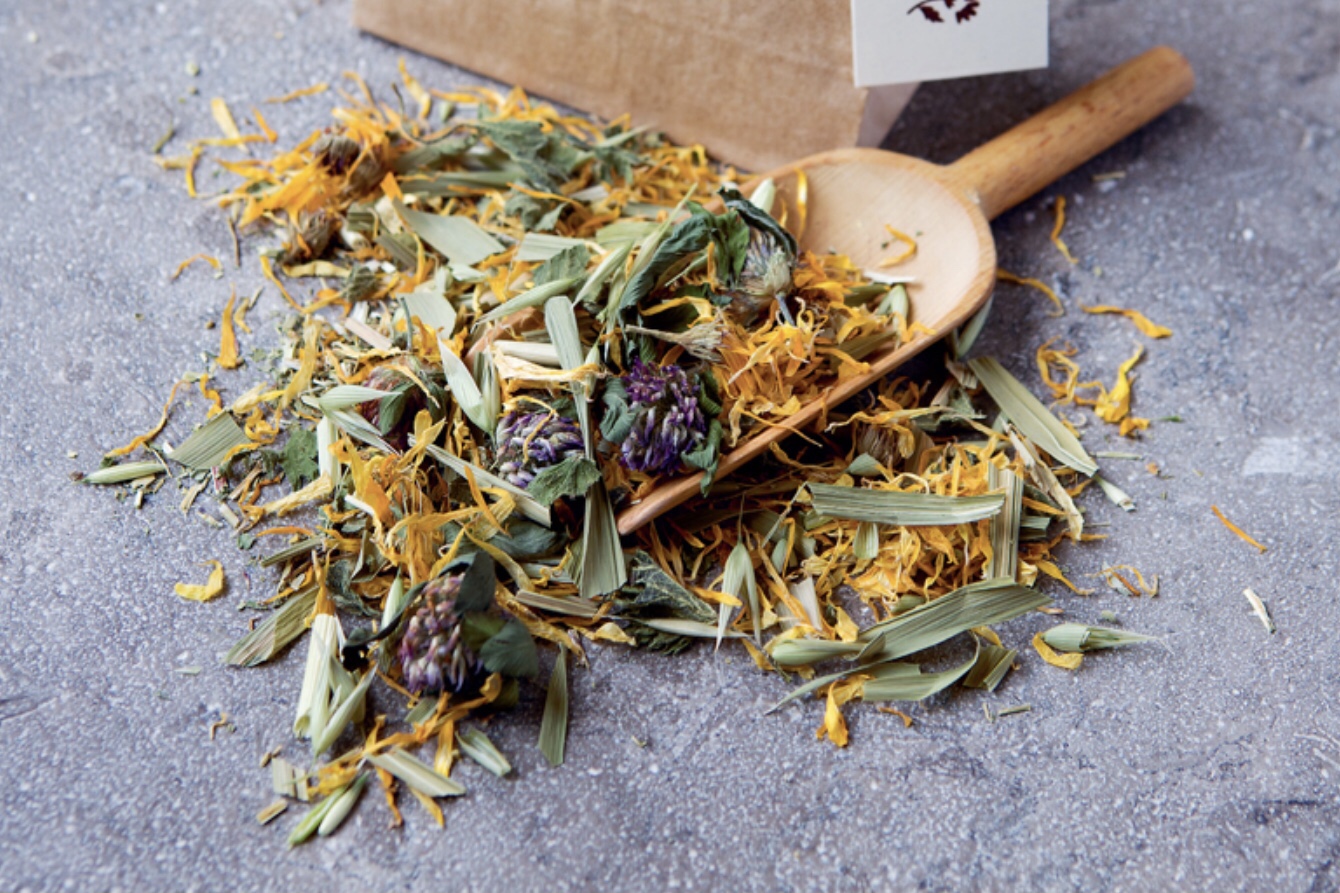
This tea is nourishing to the body and cleansing to the lymph glands. Use for painful breasts and skin problems.

1part dried red clover flowers

1 part dried cleavers *

1 part dried calendula flowers

1 part dried oat straw

1 part dried nettle leaves

Mix all the dried herbs together in a sterilised jar, then seal, label and date.

To use, place 1 teaspoon of the dried herb mix in one cup (250ml) of boiling water and leave to infuse for 15 minutes, then strain and drink.

Take up to three times a day, as and when required.

Shelf Life: The dried herb mix will keep in a cool, dark place for up to 1 year.

* Common Names: hitchhickers, cleavers, clivers, bedstraw, goosegrass, catchweed, stickyweed, sticky bob, stickybud, stickyback, robin-run-the-hedge, sticky willy, sticky willow, stickyjack, stickeljack, grip grass, sticky grass, bobby buttons, whippysticks and velcroplant