Bill Nye on Science Education

35DBF86F-9983-46E1-9EE0-A282EED5D330

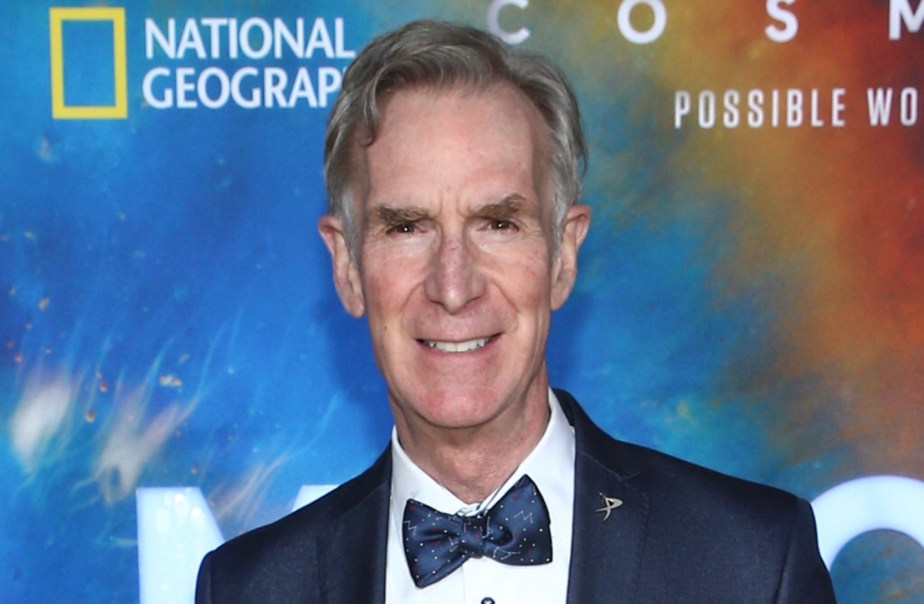
Even more important and vital today:

“If we abandon all that we’ve learned about nature and our place in it, if we abandon the process by which we know it, if we let go of everything people have learned before us, if we stop driving forward, looking for answers to the next question, we, in the United States, will be outcompeted by other countries…We have to embrace science education. We have to keep science education in science classes.”

~ Bill Nye in 2014
Apollo Disaster

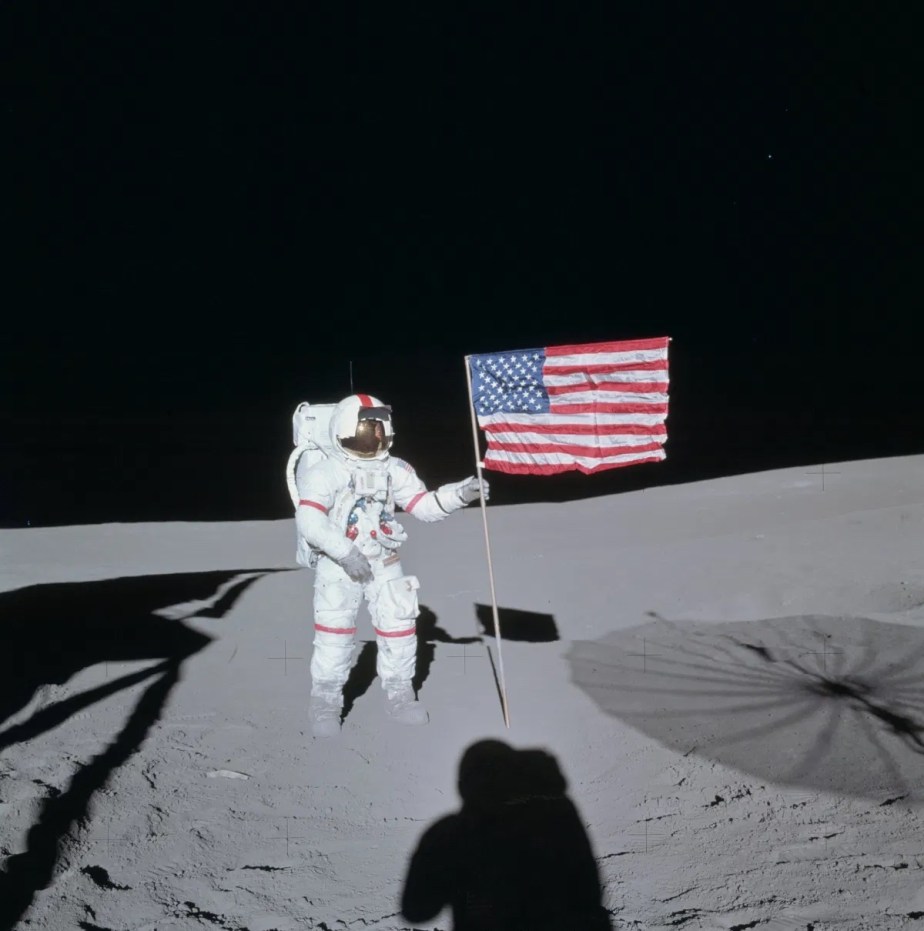
Today in Space History —> On January 27, 1967, tragedy struck the Apollo program when a flash fire occurred in command module 012 during a launch pad test of the Apollo/Saturn space vehicle being prepared for the first piloted flight, the AS-204 mission. Three astronauts, Lt. Col. Virgil I. Grissom, a veteran of Mercury and Gemini missions; Lt. Col. Edward H. White, the astronaut who had performed the first United States extravehicular activity during the Gemini program; and Roger B. Chaffee, an astronaut preparing for his first space flight, died in this tragic accident.

Above are the charred remains of the capsule interior after the bodies were removed:

Carl Sagan on US Becoming a Service Information Economy

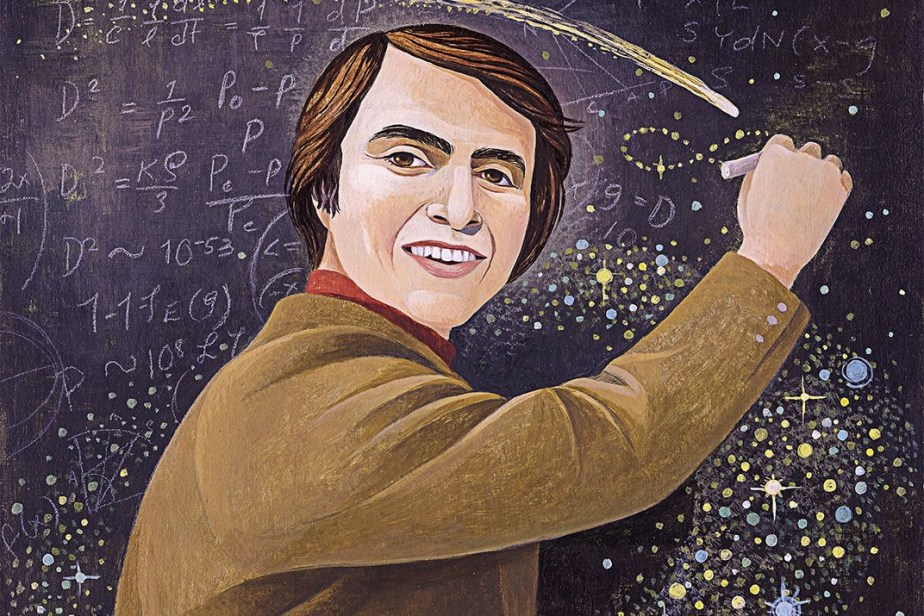
“Science is more than a body of knowledge; it is a way of thinking. I have a foreboding of an America in my children’s or grandchildren’s time—when the United States is a service and information economy; when nearly all the key manufacturing industries have slipped away to other countries; when awesome technological powers are in the hands of a very few, and no one representing the public interest can even grasp the issues; when the people have lost the ability to set their own agendas or knowledgeably question those in authority; when, clutching our crystals and nervously consulting our horoscopes, our critical faculties in decline, unable to distinguish between what feels good and what’s true, we slide, almost without noticing, back into superstition and darkness.”

~ Carl Sagan

Postal Service to issue NASA sun science forever stamps

“I have been a stamp collector all my life and I can’t wait to see NASA science highlighted in this way,” said Thomas Zurbuchen, associate administrator for NASA’s Science Mission Directorate (SMD) in Washington. “I feel that the natural world around us is as beautiful as art, and it’s inspiring to be able to share the import and excitement of studying the sun with people around the country.”

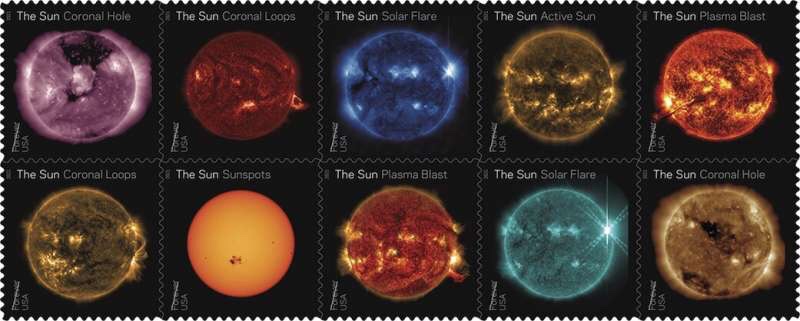
The 20-stamp set features ten images that celebrate the science behind NASA’s ongoing exploration of our nearest star. The images display common events on the sun, such as solar flares, sunspots and coronal loops. SDO has kept a constant eye on the sun for over a decade. Outfitted with equipment to capture images of the sun in multiple wavelengths of visible, ultraviolet, and extreme ultraviolet light, SDO has gathered hundreds of millions of images during its tenure to help scientists learn about how our star works and how its constantly churning magnetic fields create the solar activity we see.

Source: phys.org

Lagoon Nebula

The Lagoon Nebula in Hydrogen, Sulfur, and Oxygen:

The majestic Lagoon Nebula is filled with hot gas and the home for many young stars. Spanning 100 light years across while lying only about 5000 light years distant, the Lagoon Nebula is so big and bright that it can be seen without a telescope toward the constellation of Sagittarius…

Earth Rotation Day

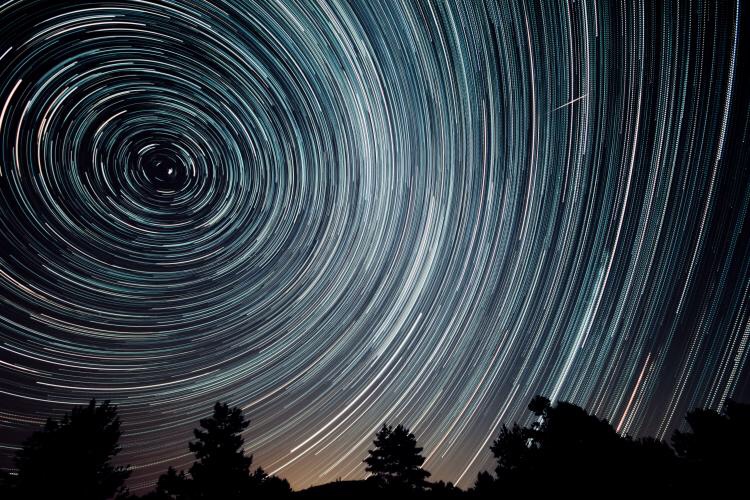
It’s Earth Rotation Day, in honor of Foucault, who did this:

On January 8, 1851, Foucault performed an experiment in the cellar of his home, in which he swung a five-kilogram weight attached to a two-meter-long pendulum. He put sand underneath it to mark the pendulum’s path, allowing him to see any changes in it. He observed a slight clockwise movement in the plane—the floor, and thus the earth, were slowly rotating; the pendulum kept its position. His experiment showed that the earth rotated on its axis. No longer was it just a hypothesis.

Today in Science —> Galileo’s Death

Today in Science –> In 1642 Italian astronomer Galileo Galilei dies in Italy at age 77. Born February 15, 1564, Galileo has been referred to as the “father of modern astronomy,” the “father of modern physics” and the “father of science” due to his revolutionary discoveries. The first person to use a telescope to observe the skies, Galileo discovered the moons of Jupiter, the rings of Saturn, sunspots and the solar rotation. After Galileo published his confirmation that the Earth orbits the Sun, in favor of the Copernican system, he was charged with heresies (ideas that ran counter to teaching of the church) by the Inquisition—the legal body of the Catholic church. He was found guilty in 1633 and sentenced to life imprisonment but due to his age and poor health he was allowed to serve out his sentence under house arrest.

Today in Science —> Stephen Hawking

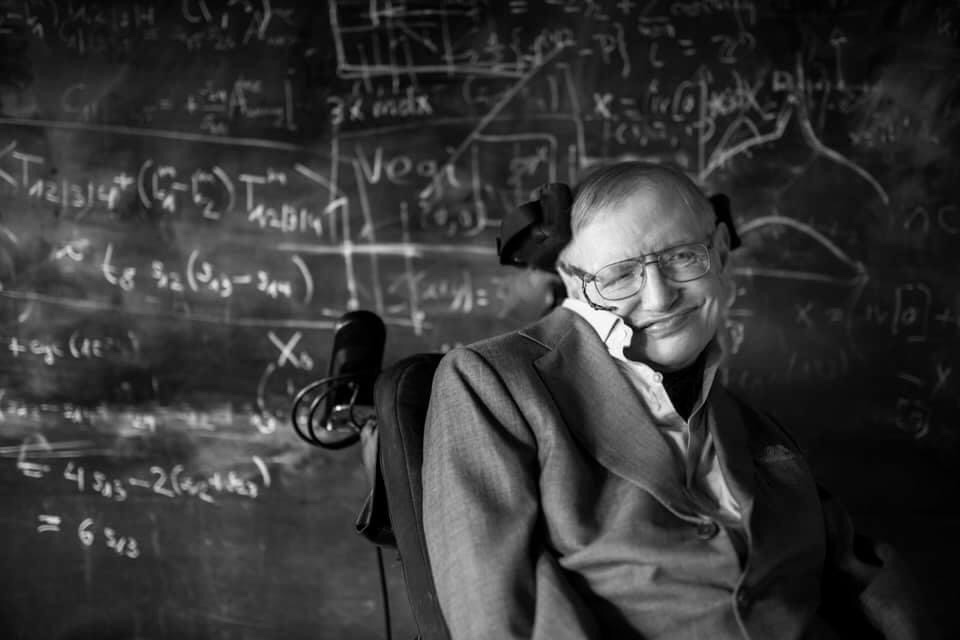
Notable born on this day in History —> On this date in 1942, cosmologist Stephen Hawking was born in Oxford, England, “300 years after the death of Galileo,” as he points out at his Web site. He attended Oxford, studying physics, then earned his Ph.D. in cosmology at Cambridge. Hawking is celebrated for his work on unifying General Relativity with Quantum Theory.

“There is a fundamental difference between religion, which is based on authority, [and] science, which is based on observation and reason. Science will win because it works.”

“All that my work has shown is that you don’t have to say that the way the universe began was the personal whim of God.”

~ Stephen Hawking