Fall of Fort Sumter and Reaction

The federal government had a number of forts and military installation in the South. As Southern states seceded, many of them were quickly turned over by state forces. One of the major exceptions was the federal facilities in and around Charleston. 

Federal troops there were concentrated in Fort Moultrie. In the middle of Charleston harbor sat Fort Sumter, unoccupied and still under construction. On November 15th Major Robert Anderson was named commander of Federal troops in Charleston. He quickly came to the conclusion that Fort Moultrie was not defensible. The unoccupied Fort Sumter was defensible as it was situated in the middle of the harbor surrounding by deep water.

On the night of December 26th Major Anderson, mustered his command and moved in the stealth of night to Fort Sumter. The Southerner felt betrayed. They believed that they had an understanding with Anderson to maintain the status quo.

When Lincoln took office the issue of Ft Sumter arose and he was forced to come to grips with the problem. On one hand reinforcing the fort seemed increasingly difficult. Lincoln was afraid of using force, since this might sway those Southern states such as Virginia that had not yet seceded to secede. On the other hand Major Anderson was becoming a hero in the North.

Finally after receiving varied advise from his advisors Lincoln decided to resupply the fort.

The Confederate government under Davis felt that they could not allow the fort to be resupplied, and Davis despite opposition from the Confederate Secretary of State Robert Toombs – he stated “Mr. president at this time it is suicide, murder, and will lose every friend at the North. You will wantonly strike a hornets nest which extends from mountains to ocean, and legions now quiet will swarm our and sting us to death. It is unnecessary; it put us in the wrong it is fatal.”

On the afternoon of April 11th, General Beaulegrad issued a formal demand of surrender to Major Anderson. When major Anderson received it he refused it, however he stated to the Confederate representatives, that if they had only waited another few day the fort would be forced to surrender, as it would be without food. Colonel Chesnut one of the Confederate representatives asked if he could include that in his report. Anderson assented. 

Beauregard then asked for direction from President Davis. Davis agreed to call off the bombardment if he could get a firm commitment as to the time of the surrender from Anderson. At midnight on the 12th Confederate representatives again demanded the surrender of the garrison. Anderson answered that they would surrender by the 15th, but with an important proviso, that only if the fort was not resupplied. This was not considered a sufficient answer for the Confederates. As the confederates began to leave, Anderson stated” If we never meet in this world again, God grant that we may meet in the next.”

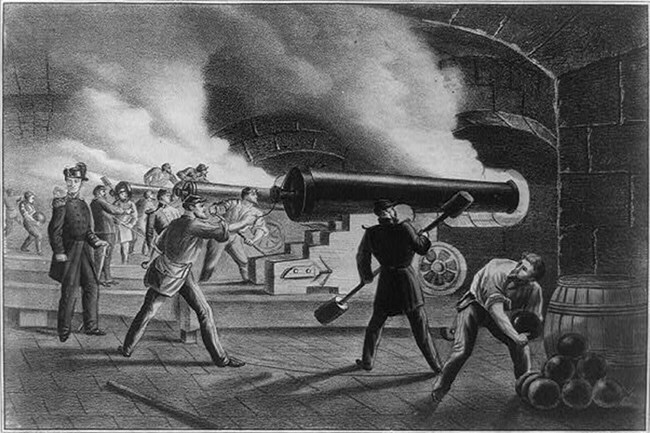
Thus at 4:30 AM confederate batteries began their bombardment of Fort Sumter. The confederate bombing was effective, and included a floating battery, in a makeshift boat. Anderson’s counter fire was limited by the his lack of munitions and by his limited number of soldiers. Finally 34 hours after the bombardment began, Anderson surrendered.

Reaction:

Sumter had fallen- now it was Lincoln’s turn to respond. He did so by a call for troops: Lincoln stated, “Now I, Abraham Lincoln, President of the United States, in virtue of the power in me vested by the constitution, and the laws, have thought fit to call forth, and hereby do call forth, the militia of several States of the Union, to aggregate number of seventy thousand.

The nation responded by a series of meetings in every part of the North. Thousands came forth with enthusiasm. A New York mother of five sons who enlisted stated:” I was startled by the news referring to our boys, and, for the moment felt as if a ball had pierced my own heart. For the first time I was obliged to look things full in the face. But although I have always loved my children with a love that none but a mother can know, yet when I look upon the state of my country, I cannot withhold them; and in the name of their god and their mothers god, and their country’s god I bid them to go. If I had ten sons instead of five I would give them all sooner than have our country rent in fragments.”

While the call for militia succeeded in raising an army, it was the final blow in the attempts to keep the Virginia and other wavering states in the Union. The Border states and the states of the Upper South all responded with words similar to those of Kentucky: “Kentucky will furnish no troops for the wicked purpose of subduing her sister southern states.”

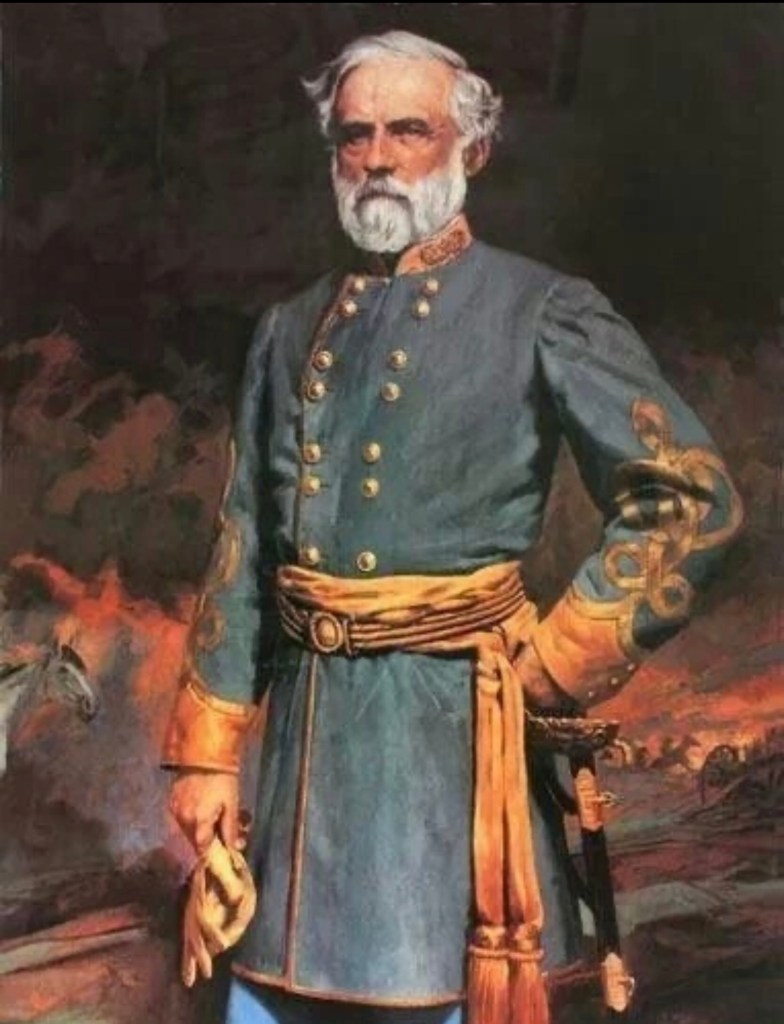
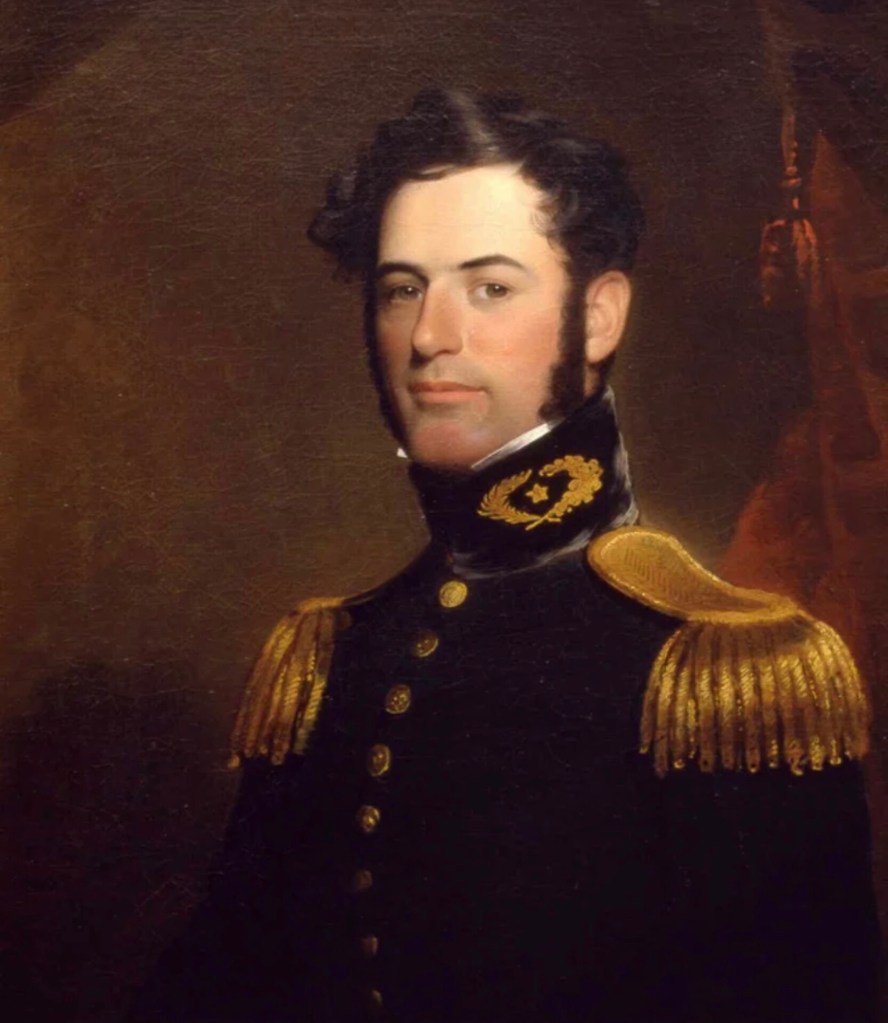
Virginia was the first Southern state to secede, and with her the man who was to become the South leading General – Robert E. Lee. Lee was a reluctant sessionist, he had stated two months earlier “I fear the liberties of our country will in the tomb of the great nation. If Virginia stands by the old Union so will I. But if she secedes ( though I do not believe in secession as a constitutional right, nor that there is sufficient cause for revolution) then I will sill follow my native State with my sword, and if need be, with my life.”

Next Arkansas joined the confederacy, they were followed in May by North Carolina and Tennessee.

Immediately following the riots secessionists in Baltimore destroyed the railroads bridges and the telegraph lines thus cutting off Washington. For days Washington was cut off, with no additional replacement troops coming. Panic reined in Washington- Lincoln looked out the White House windows wondering when reinforcements would show. Finally in April 25th the 8th Mass Infantry and the 7th New York Regiment, landed at Annapolis Maryland. The New York Regiment managed to repair a branch line of the B&O that had been sabotaged and soon they arrived in the capital, whose citizens breathed a collective sigh of relief.
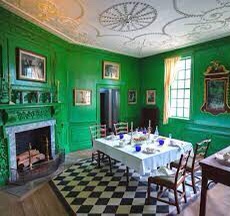
Mount Vernon: Dining Room

The Dining Room is part of the original house, built in 1734. Over the years, the room underwent a series of renovations. While George Washington was away commanding the Continental Army in 1775, the room was updated under the supervision of his cousin Lund Washington. In 1785, the striking verdigris-green paint was added. Washington believed the color to be “grateful to the eye” and less likely than other colors to fade; an overcoat of glaze further intensified the color.

In 1775 Washington decided to install an elaborately decorated plaster ceiling and add plaster ornaments above the fireplace. He hired an expert plasterer, identified simply as the “Stucco Man,” who spent five months completing the hand-tooled ceiling. A renovation in 2001 uncovered some of his original pencil drawings on the ceiling laying out the design.

Mount Vernon: Mansion Circle

George Washington created a formal courtyard on the west side of the Mansion. At its center is a large ellipse, its precise layout reflective of his surveying skill. By circling the ellipse, carriages could bring visitors directly to the door, and then easily continue around towards the stable. At one point this broad circle was paved in cobblestones.

Sitting to the north of the circle is the Servants’ Hall and to the south the Kitchen. The buildings form an open forecourt that frames the house. In the middle of the Mansion Circle sits a sundial. This was the most accurate timepiece available to 18th-century Americans. Mounted atop a white painted wood post, the sundial was a visual reminder of the hour to all who passed it.

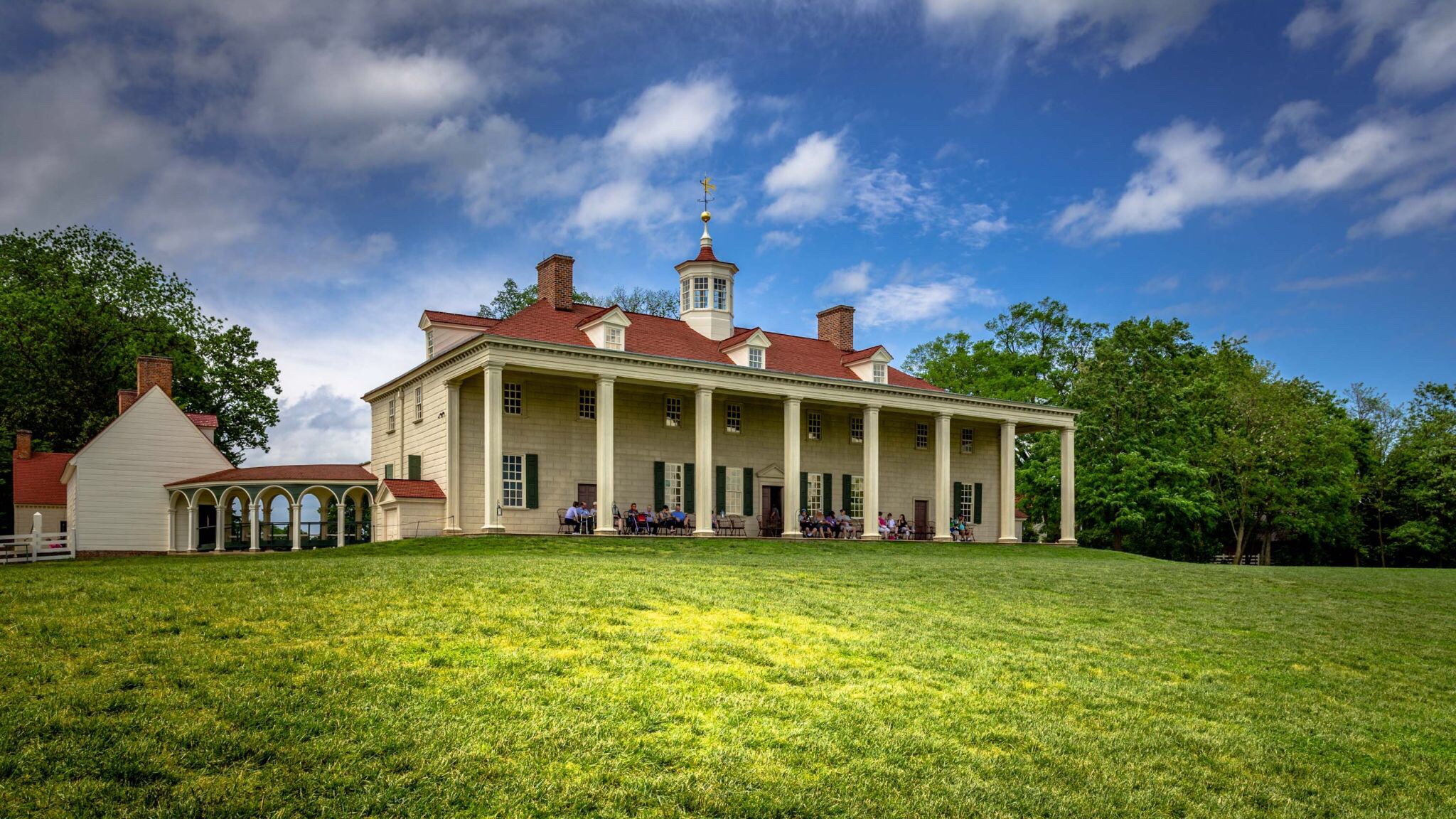
Mount Vernon: The Mansion

The building began as a one and one-half story house built in 1734 by George Washington’s father, Augustine Washington, and received its well-known name from his half-brother Lawrence Washington.

George Washington began running Mount Vernon in 1754, and over the next 45 years slowly enlarged the dwelling to create the 21-room residence we see today. Washington oversaw each renovation, advising on design, construction, and decoration, despite being away much of the time. Conscious that the world was watching, Washington selected architectural features that expressed his growing status as a Virginia gentleman and ultimately as the leader of a new nation.

Hominy

Hominy is corn, but not straight off the cob. Hominy is whole kernels of dried field corn (aka maize) that have been nixtamalized, a process that cooks have been doing since ancient times, starting with those living in what we now call Mesoamerica. The corn kernels are soaked in lye or lime solutions and then rinsed several times, which removes the hulls and turns the inner kernels tender and plump. This process improves the corn’s nutritional content, and also keeps the corn from sprouting during long storage, which were big deals when cooks needed as many ways as possible to make the corn harvest last through the winter. Puffy, slightly chewy kernels of hominy have complex flavor and aroma, more like stoneground grits or freshly made tortillas than fresh corn.

Making hominy from scratch is a rather tedious multistep process, which is why most of us simply go to the grocery store and buy it. Ready-to-eat canned hominy includes a little liquid, like other canned vegetables. Dried hominy comes in bags like dried beans or whole grains, and needs to be soaked before it’s used. Wet or dry, hominy makes a reliable pantry staple

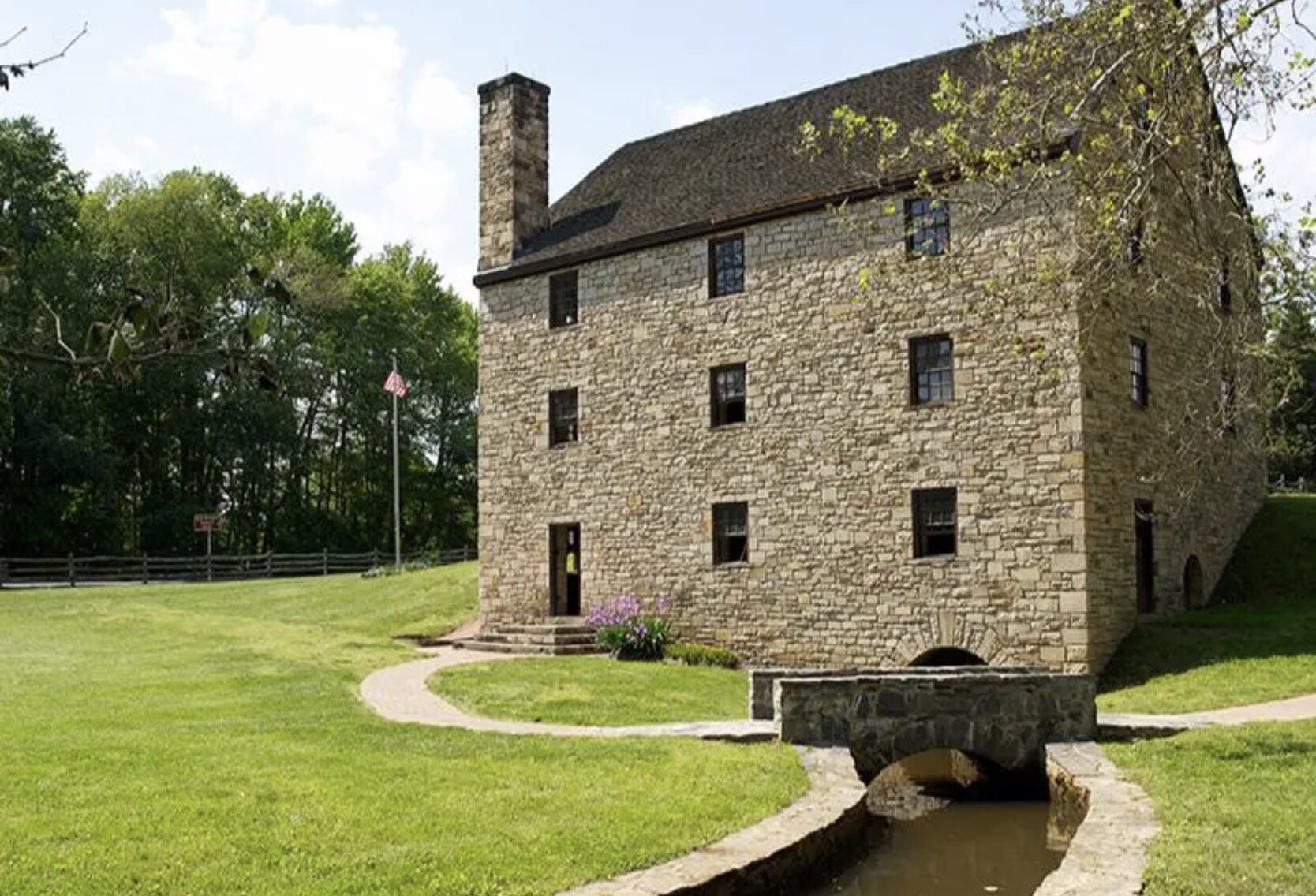
Mount Vernon: Gristmill

Augustine Washington, George Washington’s father, likely had an operating mill on his plantation (the future Mount Vernon) as early as the 1730s, but by the 1760s this dilapidated mill was in great need of a replacement. By 1769, George Washington had decided to create a new mill that would be located along Dogue Run, about a half-mile away from the old mill.

Washington’s resolve to improve and expand his Gristmill enterprise marked a significant turning point in the management of his plantation. During the 1760s Washington moved away from tobacco cultivation and began to plant more grains, primarily wheat and corn. This transition gave Washington a dependable cash crop that was not dependent upon markets in England. With an expanded and more efficient Gristmill, Washington could turn his crops into flour and cornmeal. The Gristmill could also bring in revenue by charging neighboring farmers a fee to grind their grain.

In 1783, Washington described the mill in one of his letters, “two pair of Stones, one pair of which are French-burr, employed in the merchant business. The Mill house is of Stone, large and commodious, the dwelling house, which is convenient, is within 30 yards of it; and has a garden enclosed adjoining. A Cooper’s Shop is also near, and the whole convenient to tide water.”

Ponce de Leon Explores Florida

Ponce de Leon was the governor of Puerto Rico and due to political intrigue within the Spanish Empire he was encouraged to explore a new “island” that was said to be to the Northwest. On March 4th 1513, he set forth on an expedition that he financed from Puerto Rico. On April 2nd they sited land, and which they called Florida. To this day the exact location of the landing has been disputed, some believe it was where St Augustine is today others believe it is Melbourne Beach. After exploring the area the fleet explored further south. Leon sailed through the Florida Keys and then up the West coast of Florida. After eight months he returned to Puerto Rico. Ponce de Leon was greeted as a hero in Spain and given a further charter to explore Florida. He sailed with a new fleet in 1515, but when Ferdinand died in Spain the exploration was cut short.

In 1521 Ponce de Leon led another expedition to Florida. This one goal was to settle Florida. They arrived at the mouth of the Caloosahatchee River. There they were attacked by the Calusa indians. Leon was injured in the attack by a poison arrow. He soon died from his wounds and that ended the expedition. Over the years the story has taken hold that Leon was seeking the mythical fountain of youth. That story seems not based on historic evidence

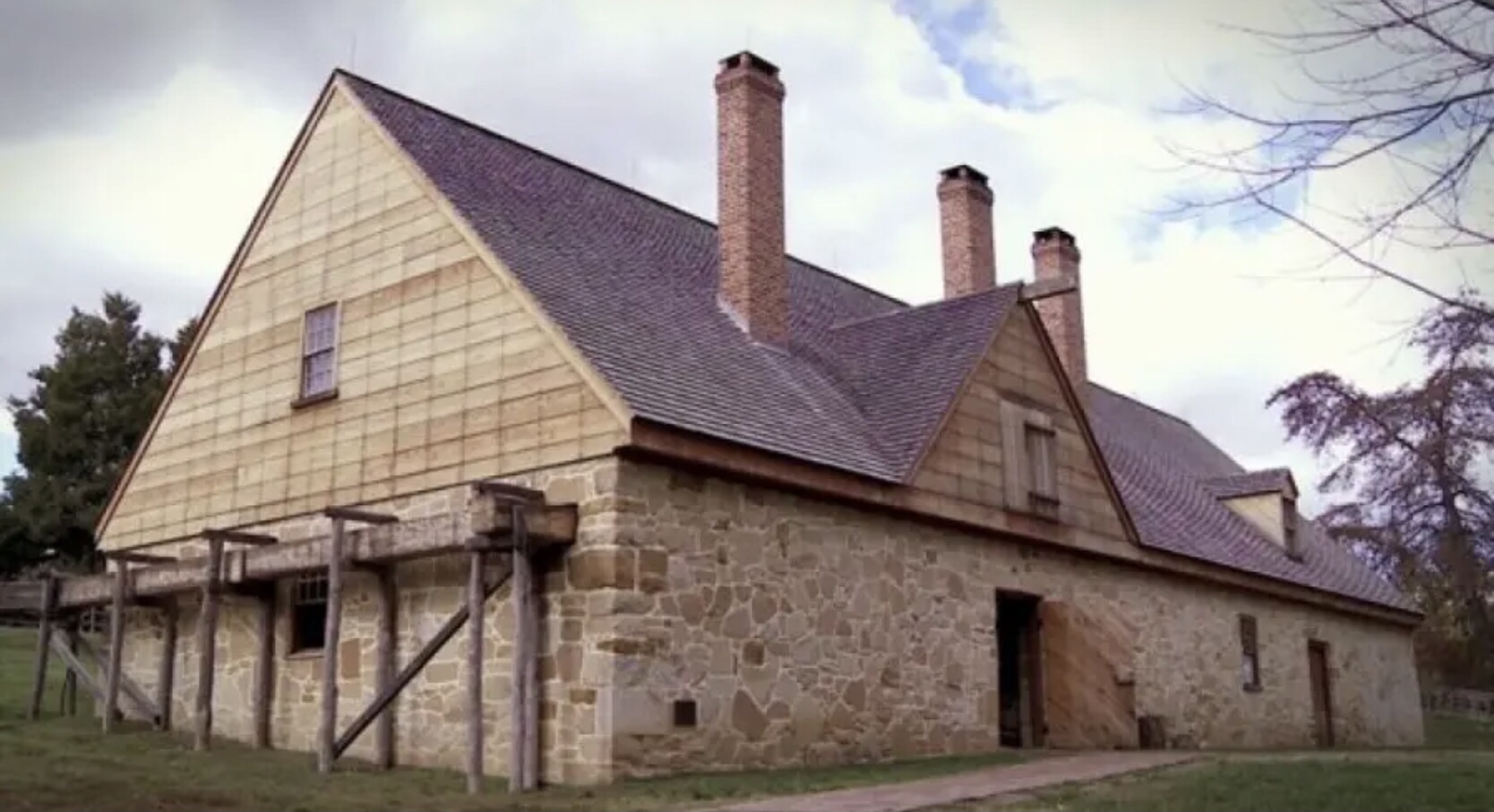
Mount Vernon: Distillery

George Washington began the commercial distillery at Mount Vernon in 1797. James Anderson, Washington’s farm manager and an experienced distiller from Scotland, convinced Washington that it was possible to make a considerable profit from a distillery located next to the abundant water and grain supply at the Gristmill.

After the initial success of a makeshift distillery that utilized two stills, Washington built a stone distillery large enough to house five copper pot stills with a total capacity of 616 gallons. The foundation was large river rocks brought from the Falls of the Potomac River and the walls of the Distillery were made of sandstone quarried from Mount Vernon. The Distillery also offered an important subsidiary benefit: livestock, particularly hogs, were fattened with the leftover cooked mash. In 1799, George Washington’s Distillery produced nearly 11,000 gallons, making it one of the largest whiskey distilleries in America at the time. 

The Distillery was reconstructed on the original site, based upon archaeological and historical evidence and opened to visitors in 2007.

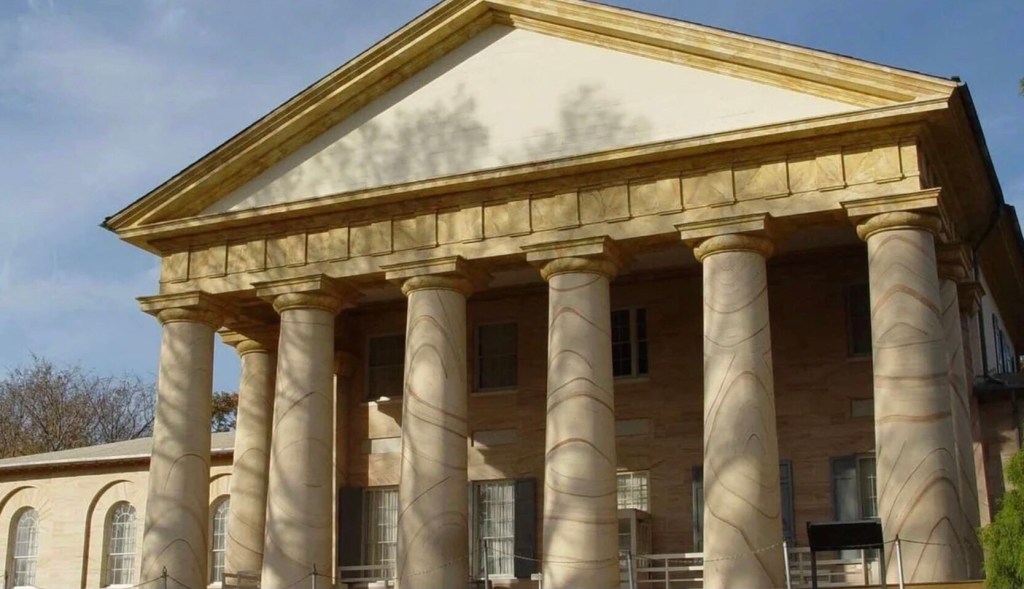
Arlington House

Major General McClellan, after he became leader of the Union army, chose for his Washington headquarters the lovely home on the Potomac River called Arlington House. Arlington House had belonged to Confederate army leader General Robert E. Lee.

Robert E. Lee had lived at Arlington House with his wife, Mary, the granddaughter of Martha Washington, wife of President George Washington. Set on high ground on the Virginia side of the Potomac River, the imposing Neoclassical home was visible from much of Washington, D.C.

After Robert E. Lee signed on with the Confederacy, the Lees recognized that their home’s proximity to Washington, D.C., placed both the house and them at risk of Union attack. They packed their belongings and left Arlington House. The Lee family would never return to this home. Union troops occupied the house on May 24, 1861.

Once in Federal hands, the land around Arlington House found several purposes. United States Army major general Montgomery C. Meigs determined that the grounds should serve as a national cemetery for Union dead. The first Union soldier buried at what became Arlington National Cemetery was William Christman of Pennsylvania on May 13, 1864.

The Federal government also made the decision to create a village on the grounds of Arlington for freed slaves. Robert E. Lee had slaves at Arlington. It seemed fitting then that Arlington would provide the site for Freedman’s Village, which was established in 1863. It would grow to house more than one thousand freed slaves—men, women and children. Homes, a school and a hospital were part of the village complex. Some of the inhabitants of Freedman’s Village were former slaves of Robert E. Lee’s.

Savannah’s Forsyth Park Fountain

Savannah’s Forsyth Park was designed after the French ideal of having a central public garden, and the fountain is said to be the garden’s centerpiece (although it isn’t at the center of the park).

However beautiful, the fountain is not unique. It was ordered from a catalogue.

Other cities fancied the catalogue spread, too. Similar fountains exist in New York, Peru and France.