Archaeological Finds 2020: 6000 ancient tombs spanning more than 2000 years discovered in Sichuan province, China

The tombs date from various dynasties and were discovered during construction works for the Sichuan Xinchuan Innovation and Technology Park.

Excavations began in 2015, but the results of the ongoing discoveries have finally been announced by the Chengdu Institute of Cultural Relics and Archaeology.

The tombs range from the Warring States Period (475 BC), the Qin Dynasty (221–207 BC), the Han Dynasty (202 BC – AD 220), the Five Dynasties and Ten Kingdoms period (AD 907–979), the Ming Dynasty (AD 1368–1644) and the Qing Dynasty (AD 1636–1912).

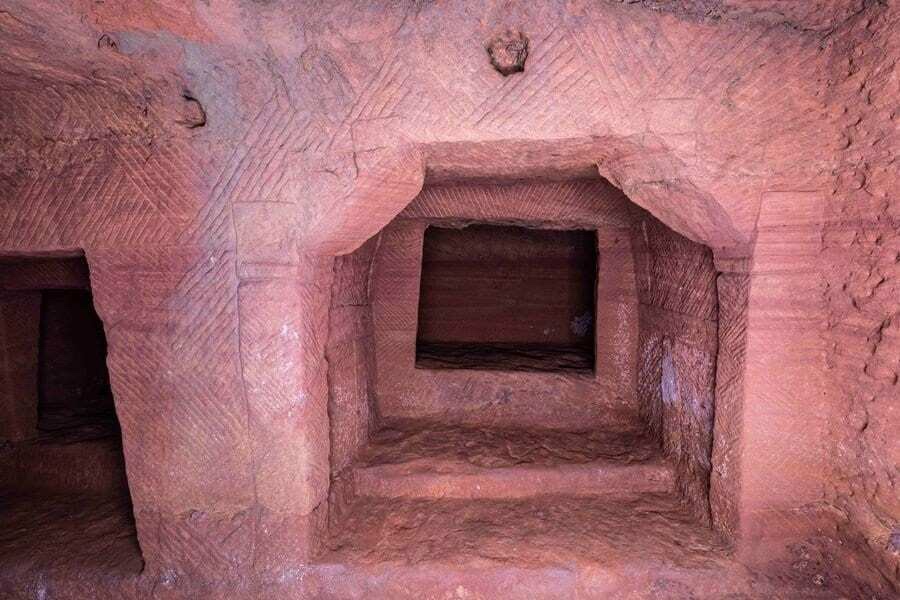
Most of the tombs are carved into a small cliff face as rock pit tombs or constructed from brick and have contained tens of thousands of pieces of pottery, porcelain, copper, iron, glass, coins and stone artefacts. The team have also discovered cultural relics such as a gilt-bronze knife, Buddha statues, painted figurines and painted miniature pottery houses.

“New South” Sweet Sriracha Pecans

4 tablespoons honey
2 tablespoons Sriracha chili sauce
2 cups pecan halves
3 tablespoons sugar
2 teaspoons kosher salt

Preheat the oven to 325 degrees.

Combine the honey and Sriracha in a small saucepan and warm over medium-low heat until thinned and well mixed.

Remove from the heat and add the pecans. Stir well until the pecans are lightly coated.

Spread the pecans on a rimmed baking sheet in a single layer. Bake for 15 minutes.

Add the sugar and salt in a bowl. When the pecans are done, add them to the bowl with the sugar/salt mixture. Stir until the pecans are completely coated.

Spread out pecans and allow to cool. Store in an airtight container for up to 5 days, not that they will last that long.

Warning these pecans are highly addictive.

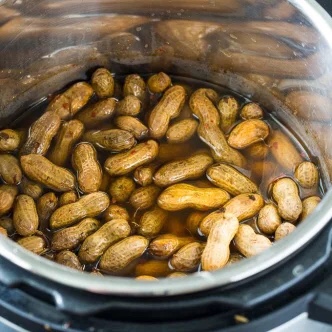
Boiled Peanuts

South Louisianans boil peanuts with Tabasco mash, others throw in crab boil. Some fans prefer them warm, others demand that they be chilled.  People eating boiled peanuts are usually engaged in other tasks—driving, chatting, fishing, watching a ball game.

Peanuts came to North America from Africa and the Caribbean with the slave trade, sometime before the American Revolution. African Americans grew and popularized the peanut both boiled and roasted.

For many the quintessential experience is purchasing them by the side of the road or in a gas station, in soggy brown kraft-paper bags.

Here is the simplest recipe from which a thousand variations can be made:

  • 3 quarts water
  • 3 pounds (8 cups) freshly dug green peanuts in shell
  • 3 tablespoons salt

Bring the water and salt to a low boil in a large pot over medium heat. Add the peanuts and cook to taste, usually 1 to 2 hours. Some like the shell to become soft enough almost to be edible. Let the peanuts sit in the water off the heat until the desired degree of saltiness is reached.

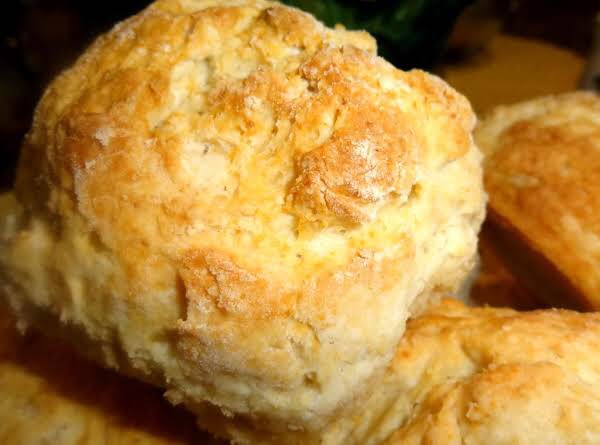
Cathead Biscuits

2 1/2 cups all-purpose flour*
2 1/2 cups cake flour
3/4 teaspoon kosher salt
1 tablespoon baking powder
8 tablespoons (1 stick) butter, chilled and cubed
2 cups whole buttermilk

* Use White Lily brand where available

Preheat your oven to 375 degrees with one of the racks in the middle of the oven.

Grease a baking sheet or cast-iron skillet.

In a large mixing bowl, combine flour (both all-purpose and cake flour), kosher salt, and the baking powder. Sift in ingredients if desired.  As an experiment make two batches one sifted and the other not to determine your preference.

Take your cold butter And cut into small cubes with a sharp knife.  Take the butter between your forefinger and thumb and make a pushing motion. This makes thin sheets or ribbons of butter that will fold into the dough perfectly and then rise in the oven in beautiful layers.  Some bakers call this snapping butter.

Add the buttermilk and fold in very gently.  Do not overmix! Scoop the dough into your pan or skillet, making sure to keep the dough scoops right next to each other on the pan. A large ice cream scoop is ideal for this.

Bake the biscuits for 20 to 25 minutes, or until they are golden brown and fluffy.

Southern Biscuits: Soft or Crunchy?

If a soft or crisp exterior is desired selecting the proper baking pan is paramount.  For a soft exterior, use an 8- or 9-inch pan or oven-proof skillet (preferably cast iron) where the biscuits will nestle together snugly, creating the soft exterior while baking.

For a crisp exterior, select a baking sheet where the biscuits can be placed wider apart, allowing air to circulate and creating a crisper exterior, and brush the pan with butter.

Days of the Week: Tuesday

The Romans named the third day of the week for Mars, their fearless, brutal, relentless god of war. For the Vikings, though, this was Tyr. Tyr was a “god of battles, the foster-father of the wolf, and the one-handed god” (according to the Prose Edda). Tyr lost his hand to Fenrir the wolf long ago, but only because he was brave enough and resolute enough to bind the creature.

Vikings looked at Tyr as the god of justice. They called his day, Tyr’sDay (in Old Norse: Tysdagr). However, our pronunciation comes from Tyr’s Anglo-Saxon name Tiw, (hence, Tiwesdaeg). Devoted as it always has been to the god of war, Tuesday is still the day of the week that always seems to be all-business.

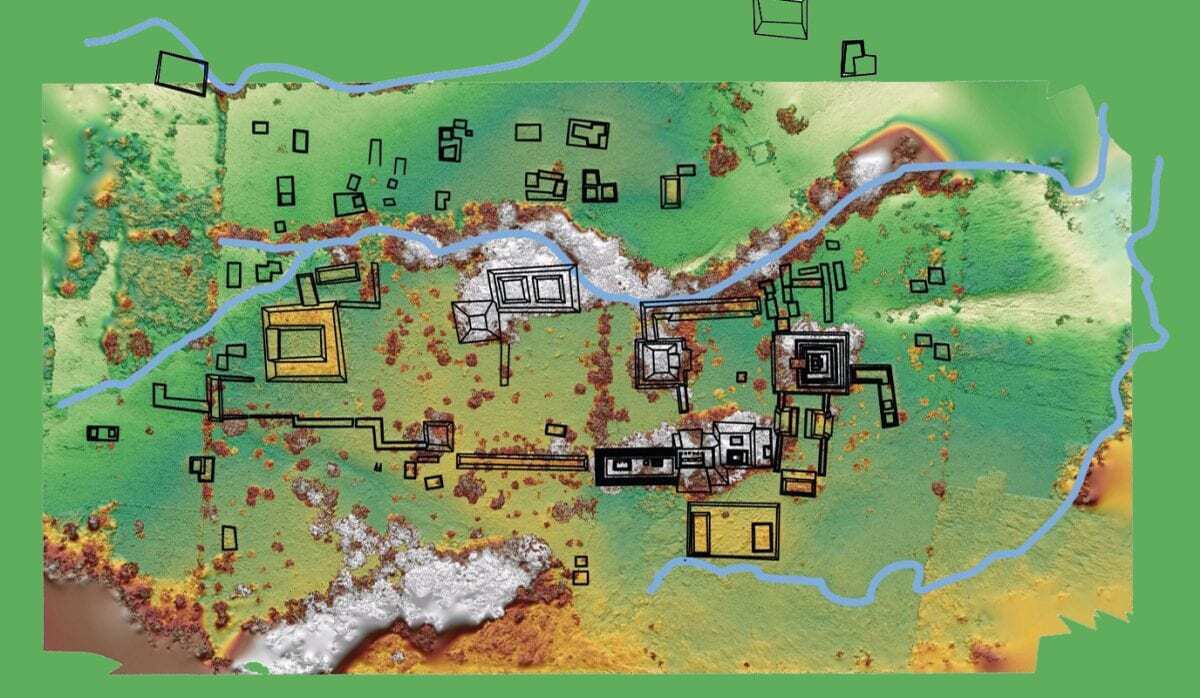
Archaeological Finds 2020: Lost Capital of Maya Kingdom

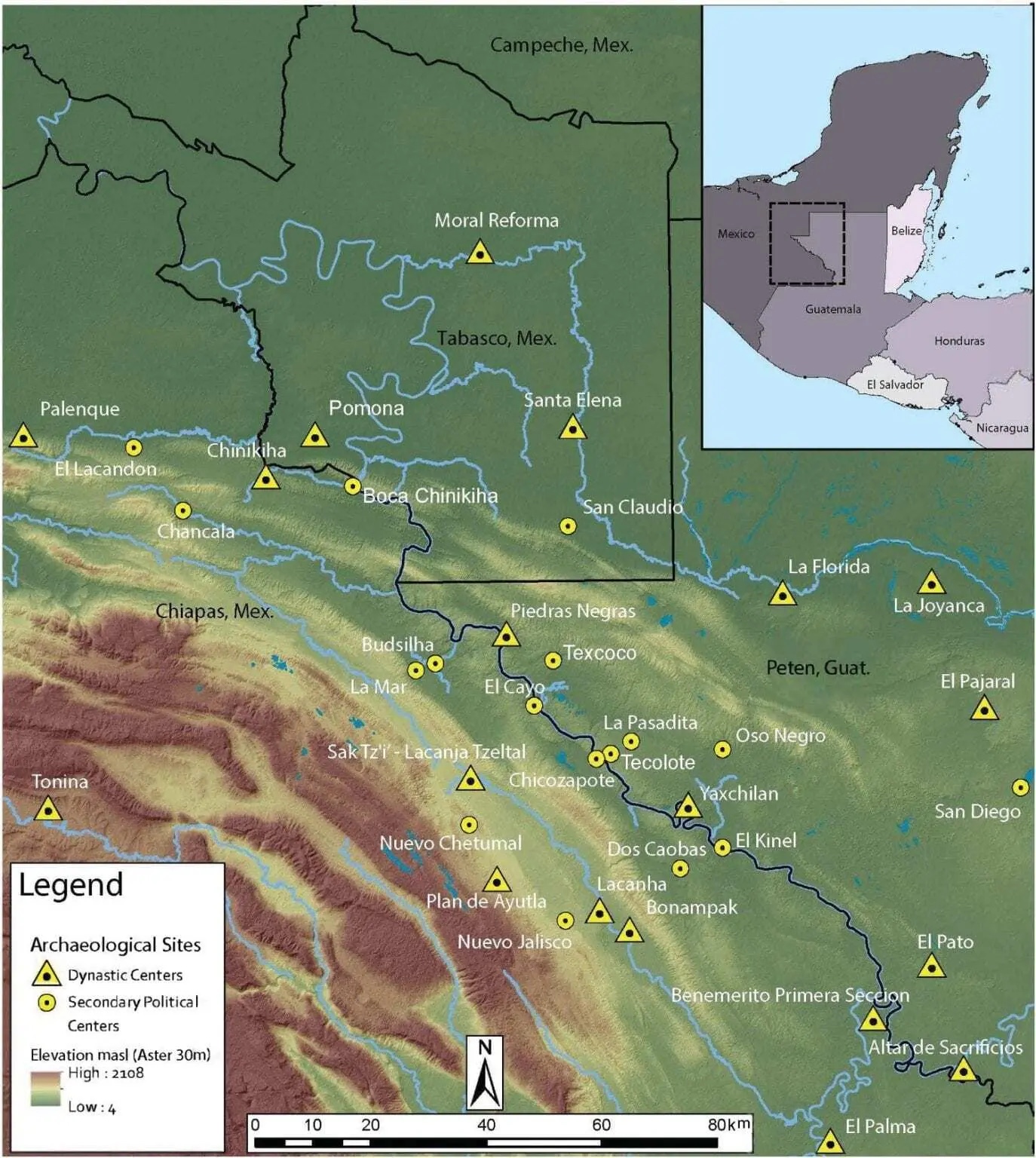
Associate professor of anthropology, Charles Golden and bioarchaeologist Andrew Scherer believe that the site (now named Lacanja Tzeltal) was the capital of the Sak Tz’i’ kingdom, located in what is today the state of Chiapas in south-eastern Mexico.

Sak Tz’i’ was a minor kingdom of the Maya, the ruins are certainly more modest when compared to the larger sites of Palenque and Chichén Itzá.

First settled around 750 BC, the city remained in continuous occupation for 1000 years and comprises of a royal palace, ball court and the ruins of several pyramids, the largest of which towers 45 feet high.

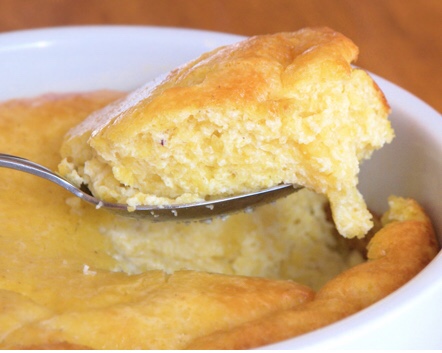
Spoon Bread

A long time family standard, which is admitedly.  Spoon Bread always conjures up memories of my time in Virginia growing up when I was with my grandparents.  So many amazing memories of trips to Williamsburg, Monticello, Mount Vernon and the Smithsonian.  This is an easy version of spoon bread which anyone should have no trouble making.

1 ½ Teaspoons Sugar

1 Teaspoon Salt

1 Cup Cornmeal

4 Tablespoons Butter

1 1/3 Cups Boiling Water

3 Eggs

1 Tablespoon Baking Powder

1 1/3 Cups Hot Milk

Preheat oven to 350.  Grease deep dish.  Mix sugar, salt, cornmeal.  Add butter and pour in 1 1/3 cups boiling water.  Stir.  Allow to cool.  Beat eggs with baking powder until fluffy.  Add to mix.  Stir in milk.  Bake 35-40 minutes in shallow pan of water.

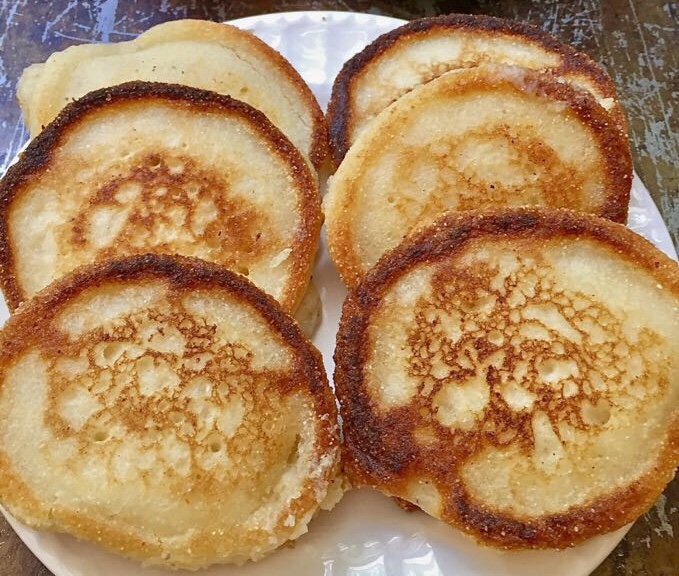
Cornmeal Hoecakes

2 cups cornmeal
1 teaspoon baking soda
1¾ cups water
3 tablespoons Rendered Lard
2 tablespoons unsalted butter

Combine the cornmeal and baking soda in a small bowl.

Bring the water to a boil in a  saucepan over high heat. Remove the pan from the stove and stir in the cornmeal. Stir in also 1 tablespoon of the lard.

Heat the butter and the remaining 2 tablespoons lard on a griddle pan over high heat. Cooking in batches if necessary, spoon the batter onto the griddle to make cakes about 1 inch in diameter. When you see pits in the tops of the cakes, after about 2 minutes, flip them and cook for about 2 minutes on the other side.

They should be golden and crispy on both sides. Wipe out the pan between batches if the butter scorches, and add fresh butter and lard.

Serve immediately.

Sweet Potato Cornbread

2 cups self-rising white cornmeal mix
3 Tbsp. sugar
1/4 tsp. pumpkin pie spice
5 large eggs
2 cups mashed cooked sweet potatoes (about 11/2 lb. sweet potatoes)
1 (8-oz.) container sour cream
1/2 cup butter, melted

  • Preheat oven to 425°. Stir together first 3 ingredients; make a well in center of mixture. Whisk together eggs and remaining ingredients. Add to cornmeal mixture, stirring just until moistened. Spoon batter into a lightly greased 9-inch square pan or cast iron skillet.
  • Bake at 425° for 35 minutes (a little less for a cast iron skillet) or until golden brown.