Web Of Wyrd (Skuld’s Net): Viking Matrix Of Fate

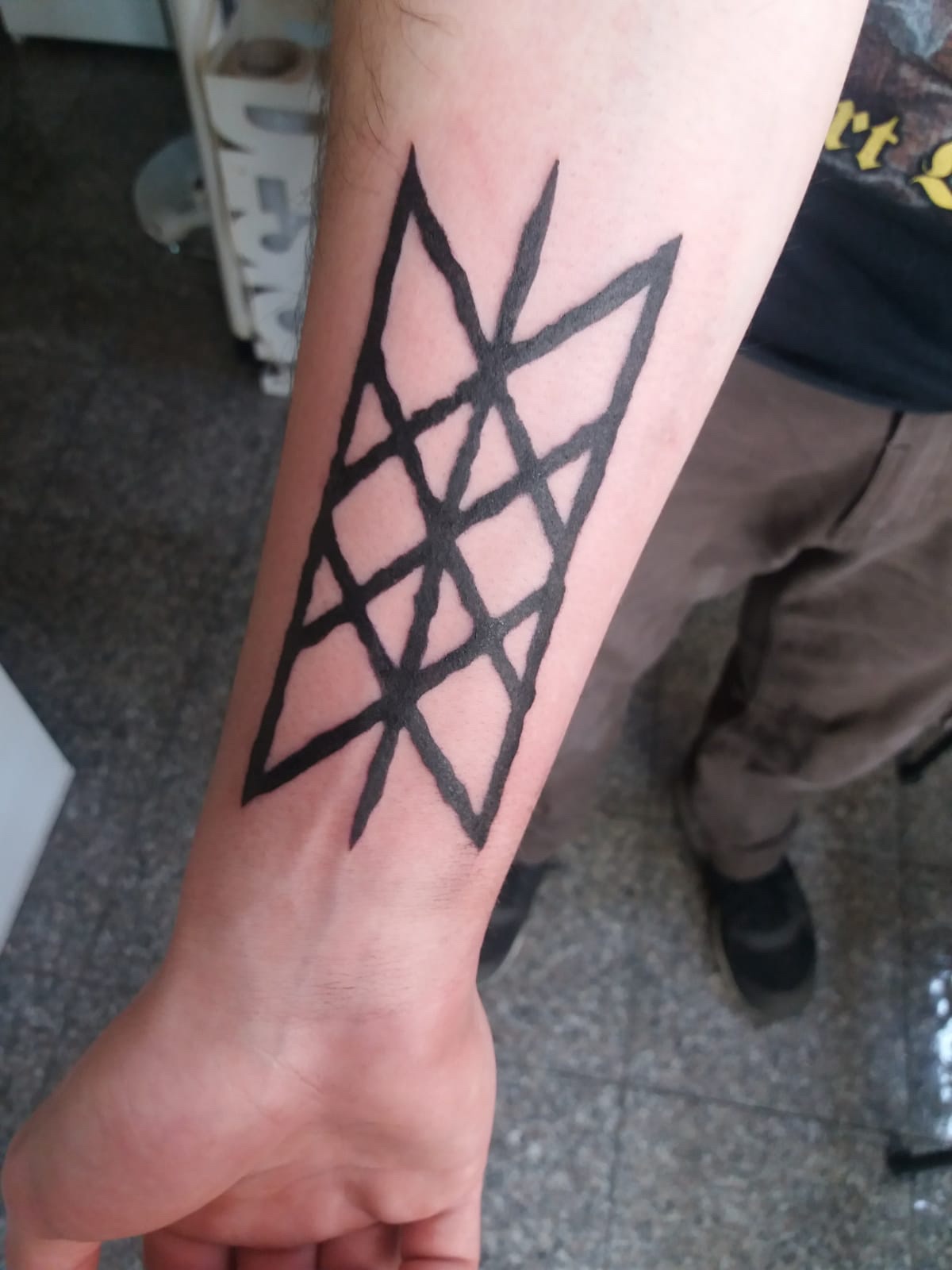
In Norse mythology the concept of fate is reflected by the Web of Wyrd that is created by the Norns who were known as ‘Shapers of Destiny. The Norns were goddesses who ruled the fates of people, determined the destinies and lifespans of individuals.

With its nine stave, the Web of Wyrd is a matrix of fate that represents past, present and future events in a person’s life. Norse people believed that everything we do in life affects future events and thus, all timelines, the past, present and future are connected with each other.

The Dullahan

The Dullahan (pronounced DOOL-a-HAN) – also referred to as the Headless Horseman – is a type of Fae originating from Irish folklore. This sinister being appears as a man or a woman riding upon a black horse, but the rider has no head upon their shoulders. Typically, the Dullahan carries its head under its arm; the head appears dead and rotten (sometimes compared to having flesh resembling old cheese) with a demonic grin spread across its face from ear to ear.

The Dullahan carries a whip made from a human’s spine. Sometimes pulls wagon which is adorned with funeral objects (e.g., candles in skulls to light the way, the spokes of the wheels are made from thigh bones, the wagon’s covering made from a worm-chewed pall or dried human skin). When the Dullahan stops riding, that is where a person is due to die and when a Dullahan calls out the person’s name, the person immediately perishes.

There is no way to bar the road against a Dullahan—all locks and gates open to them when they approach. They do not appreciate being watched while on their errands, throwing a basin of blood on those who dare to do so (often a mark that they are among the next to die), or even lashing out the watchers’ eyes with their whips. They are however frightened of gold, and even a single gold pin can drive a Dullahan away.

Huginn And Muninn: The Twin Ravens In Norse Mythology

Among the Aesir gods in Norse mythology, the supreme god Odin, is frequently depicted sitting on his high seat, Hlidskjalf, in Asgard, the home of the gods.

Hugin is believed to represent ‘memory’, while Munin personifies ‘thought’. Every day, Odin sends them out and they fly across the worlds to seek for important news and events. Odin surveys the worlds from Hlidskjalf and must know reports of what is going on in all Nine Worlds. In the evening, Hugin and Munin return to Odin’s shoulders and during dinner in Valhalla, they whisper all they have heard in his ears.

The Helm Of Awe: Viking Symbol For Protection

The Helm of Awe is one of the most powerful protective Viking symbols used not only for the purpose of protection from disease, but even to encourage all people who might suffer from depression or anxiety.

In Norse myths it is said that the Helm of Awe symbol was worn between the eyes to cause fear in your enemies, and to protect against the abuse of power. The Norse word for this very important symbol (Ægishjálmr or Aegishjalmur) is translated in English “helm of awe” or “helm of terror.” The meaning of the name awe is to strike with fear and reverence; to influence by fear, terror or respect; as, his majesty awed them into silence.

Sazerac

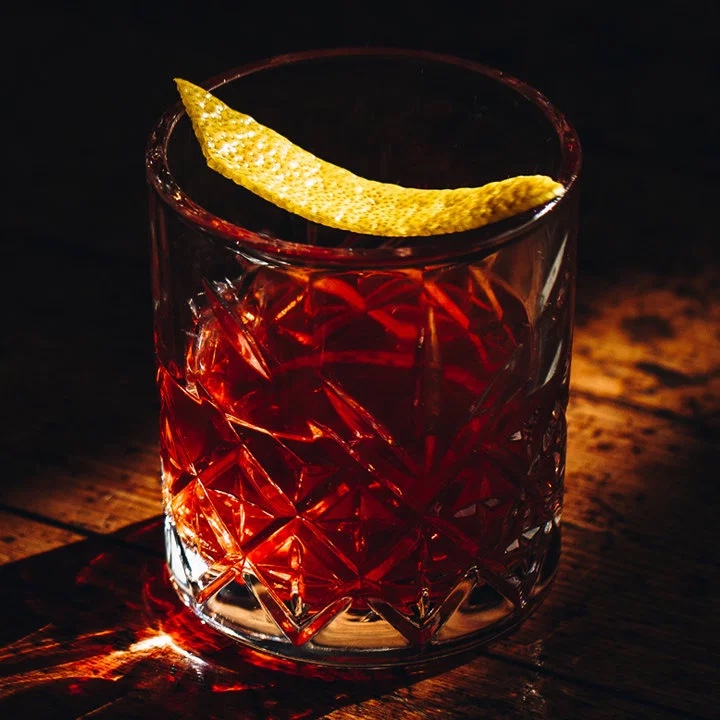
In 1838, Antoine Amedie Peychaud, owner of a New Orleans apothecary, treated his friends to brandy toddies of his own recipe, including his “Peychaud’s Bitters,” made from a secret family recipe. The toddies were made using a double-ended egg cup as a measuring cup or jigger, then known as a “coquetier” from which the word “cocktail” was derived.

By 1850, the Sazerac Cocktail, made with Sazerac French brandy and Peychaud’s Bitters, was immensely popular, and became the first branded cocktail. In 1873, the recipe for the Sazerac Cocktail was altered to replace the French brandy with American Rye whiskey, and a dash of absinthe was added.

In March 2008, Louisiana state senator Edwin R. Murray (D-New Orleans) filed Senate Bill 6 designating the Sazerac as Louisiana’s official state cocktail. The bill was defeated on April 8, 2008. After further debate, on June 23, 2008, the Louisiana Legislature agreed to proclaim the Sazerac as New Orleans’ official cocktail.

⅛ Teaspoon herbsaint or pernod liqueur
2 ounces rye whiskey
1 teaspoon simple syrup
3 or 4 dashes peychaud’s bitters
1 strip lemon peel

Pour the Herbsaint or Pernod into a small, chilled old-fashioned glass and swirl it along the sides of the glass before discarding the excess liquid, if desired.

Combine the rye, simple syrup, and bitters in a cocktail shaker filled with ice; shake well to combine.

Moisten the edge of the glass with the lemon peel. Strain the cocktail into the glass, and drop in the peel.

Rhubarb Jam

2 pounds rhubarb
3 cups granulated sugar
Juice of 1 lemon or of ½ orange and ½ lemon

Wash, trim and dice the rhubarb. You will have about 8 cups.

In a large pot combine the rhubarb, sugar, and citrus juice and toss to mix. Bring the rhubarb mixture to a boil over medium-high heat and cook for 2 minutes. Remove the pot from the heat and let sit for 1 to 2 hours.

Set a stockpot on the stove and fill with enough water to cover the jars by 1 to 2 inches. Bring the water to a boil over medium-high heat. Sterilize the jars in the water bath.

For a jam with some texture, set a colander over a bowl and, using a slotted spoon, transfer the rhubarb to the colander.  Bring the juices to a boil over medium-high heat and cook until thickened.  Add the rhubarb back to the pot, along with any juices that have collected in the bowl under the colander. Bring to a boil over medium-high heat, stirring frequently, and cook about 5 minutes longer.

For the smoother jam, cook the fruit with the juices over medium-high heat for 15 to 20 minutes. Remove the pot from the heat.

Bring the water bath back to a boil. Simmer the lids in a saucepan of hot water. Ladle the jam into the jars, leaving ¼-inch headspace. Wipe the rims clean and set the lids on the mouths of the jars. Twist on the rings.

Using a jar lifter, gently lower the jars into the pots. When the water returns to a boil, decrease the heat to an active simmer, and process the jars for 10 minutes.

Transfer the jars from the pot and let sit for at least 6 hours, until cool enough to handle. Check to be sure the jars have sealed.  Store the sealed jam for 6 months to 2 years. Once open, store in the refrigerator for up to 3 months.

Tomato Jam

3 large ripe tomatoes (about 3 pounds)
2 cups cider vinegar
1 cup brown sugar
½ cup Worcestershire sauce
½ cup extra-virgin olive oil
Kosher salt
nutmeg

Bring a medium pot of water to a boil. Make an ice bath in a bowl with equal parts ice and water. Submerge the tomatoes in the boiling water for 20 seconds. Remove and submerge them in the ice bath to cool them.  Drain, then peel, halve, seed, and chop the tomatoes.

Combine the vinegar and sugar in a saucepan and bring to a boil over high heat to dissolve the sugar. Boil until reduced by half. Add the tomatoes and Worcestershire sauce and bring back to a boil, then reduce the heat to low and simmer the mixture, stirring often, until it is a dark brown color and very thick, around 20 minutes.

Transfer the jam to a blender, add the olive oil, and blend on high until smooth. Season with salt and 1 or 2 gratings of nutmeg.  Pour the jam into a clean pint canning jar, cover, let cool, and refrigerate.

The jam will keep for up to 3 weeks in the refrigerator.

Apple Butter

  • 6 pounds of apples
  • 1 quart apple cider
  • 1 1/4 cups sugar
  • 2 teaspoons cinnamon
  • 1/4 teaspoon salt
  • 1/4 teaspoon cloves
  • 1/4 teaspoon nutmeg

Peel apples and quarter.  Coook in apple cider until soft, stir often. Process  through a food mill.  Place pulp in a large pot.  Stir in remaining ingredients.  Boil hard stirring constantly.  Continue cooking until thickened so you’re able to spread.  Pour into sterilized Jars and seal.

Mississippi Comeback Sauce

  • 2 cups Mayonnaise, preferably Duke’s
  • 4  teaspoons finely minced garlic
  • 3 tablespoons finely minced yellow onions
  • 4 tablespoons ketchup
  • ½ cup chili sauce
  • 4 teaspoons olive oil
  • 2½ teaspoons smoked paprika
  • 1 teaspoon black pepper
  • 4 teaspoons Worcestershire sauce
  • 2 tablespoons lemon juice
  • 1½ teaspoons mustard powder
  • 2½ teaspoons Hot Sauce
  • ½ teaspoon salt

Combine all of the ingredients in a food processor and blend until smooth. Store in glass or plastic covered containers. The sauce will keep refrigerated for 7 to 10 days.

Serve the sauce with fried seafood, as a salad dressing or dip, or as a spread for sandwiches. It’s good for dipping French fries or chips.