Atypical Depression: Symptoms

Any type of depression can make you feel sad and keep you from enjoying life. However, atypical depression — also called depression with atypical features — means that your depressed mood can brighten in response to positive events. Other key symptoms include increased appetite, sleeping too much, feeling that your arms or legs are heavy, and feeling rejected.

Despite its name, atypical depression is not uncommon or unusual. It can affect how you feel, think and behave, and it can lead to emotional and physical problems. You may have trouble doing normal day-to-day activities, and sometimes you may feel as if life isn’t worth living.

Treatment for atypical depression includes medication, talk therapy (psychotherapy) and lifestyle changes.

Symptoms

Symptoms of atypical depression can vary from person to person. Key signs and symptoms may include:

• Depression that temporarily lifts in response to good news or positive events

• Increased appetite or weight gain

• Sleeping too much but still feeling sleepy in the daytime

• Heavy, leaden feeling in your arms or legs that lasts an hour or more in a day

• Sensitivity to rejection or criticism, which affects your relationships, social life or job

For some people, signs and symptoms of atypical depression can be severe, such as feeling suicidal or not being able to do basic day-to-day activities.

When to get emergency help

If you think you may hurt yourself or attempt suicide, call 911 or your local emergency number immediately.

Also consider these options if you’re having suicidal thoughts:

• Call your mental health professional.

• Call a suicide hotline. In the U.S., call the National Suicide Prevention Lifeline at 1-800-273-TALK (1-800-273-8255) or use their webchat on suicidepreventionlifeline.org/chat.

• Seek help from your primary doctor or other health care provider.

• Reach out to a close friend or loved one.

• Contact a minister, spiritual leader or someone else in your faith community.

If a loved one or friend is in danger of attempting suicide or has made an attempt:

• Make sure someone stays with that person.

• Call 911 or your local emergency number immediately.

• Or, if you can do so safely, take the person to the nearest hospital emergency room.

Causes

It’s not known exactly what causes atypical depression or why some people have different features of depression. Atypical depression often starts in the teenage years, earlier than other types of depression, and can have a more long-term (chronic) course.

As with other types of depression, a combination of factors may be involved. These include:

• Brain differences. Neurotransmitters are naturally occurring brain chemicals that carry signals to other parts of your brain and body. When these chemicals are abnormal or impaired, the function of nerve receptors and nerve systems change, leading to depression.

• Inherited traits. Depression is more common in people whose blood relatives also have the condition.

Risk factors

Risk factors for atypical depression may include:

• History of bipolar disorder

• Misuse of alcohol or recreational drugs

• Traumatic childhood experiences

• Environmental stressors

Your risk of atypical depression may also increase if you have:

• Blood relatives with a history of depression, bipolar disorder or alcoholism

• Stressful life events, such as the death of a loved one

Complications

Like other types of depression, atypical depression is a serious illness that can cause major problems. Atypical depression can result in emotional, behavioral and health problems that affect every area of your life.

For example, atypical depression can be associated with:

• Weight gain due to an increased appetite

• Personal and work relationship problems due to rejection sensitivity

• Drug or alcohol use due to trouble coping

• Other mental health disorders such as anxiety

• Suicide from feelings of depression

Prevention

There’s no sure way to prevent atypical depression, but these strategies may help.

• Take steps to control stress, to increase your resilience and to boost your self-esteem.

• Reach out to family and friends, especially in times of crisis, to help you weather rough spells.

• Get treatment at the earliest sign of a problem to help prevent depression from worsening.

• Consider long-term maintenance treatment to help prevent a relapse of symptoms.

Sources: The Mayo Clinic, McLean Hospital, NAMI

Antonine Wall

Hadrian’s wall gets all the press, but…

The Antonine Wall, known to the Romans as Vallum Antonini, was a turf fortification on stone foundations, built by the Romans across what is now the Central Belt of Scotland, between the Firth of Forth and the Firth of Clyde. Representing the northernmost frontier barrier of the Roman Empire, it spanned approximately 63 kilometres (39 miles) and was about 3 metres (10 feet) high and 5 metres (16 feet) wide.

Roman Theatre of Palmyra

FFC414C8-445B-4071-B4A3-76C86EF3043F
Roman theater of Palmyra, part of the building was destroyed by ISIS.

A UNESCO World Heritage site. As described by UNESCO,

“An oasis in the Syrian desert, north-east of Damascus, Palmyra contains the monumental ruins of a great city that was one of the most important cultural centres of the ancient world. From the 1st to the 2nd century, the art and architecture of Palmyra, standing at the crossroads of several civilizations, married Graeco-Roman techniques with local traditions and Persian influences.

First mentioned in the archives of Mari in the 2nd millennium BC, Palmyra was an established caravan oasis when it came under Roman control in the mid-first century AD as part of the Roman province of Syria.  It grew steadily in importance as a city on the trade route linking Persia, India and China with the Roman Empire, marking the crossroads of several civilisations in the ancient world. A grand, colonnaded street of 1100 metres’ length forms the monumental axis of the city, which together with secondary colonnaded cross streets links the major public monuments including the Temple of Ba’al, Diocletian’s Camp, the Agora, Theatre, other temples and urban quarters. Architectural ornament including unique examples of funerary sculpture unites the forms of Greco-roman art with indigenous elements and Persian influences in a strongly original style. Outside the city’s walls are remains of a Roman aqueduct and immense necropolises.

Discovery of the ruined city by travellers in the 17th and 18th centuries resulted in its subsequent influence on architectural styles.

Criterion (i): The splendour of the ruins of Palmyra, rising out of the Syrian desert north-east of Damascus is testament to the unique aesthetic achievement of a wealthy caravan oasis intermittently under the rule of Rome from the Ier to the 3rd century AD. The grand colonnade constitutes a characteristic example of a type of structure which represents a major artistic development.

Criterion (ii): Recognition of the splendour of the ruins of Palmyra by travellers in the 17th and 18th centuries contributed greatly to the subsequent revival of classical architectural styles and urban design in the West.

Criterion (iv): The grand monumental colonnaded street, open in the centre with covered side passages, and subsidiary cross streets of similar design together with the major public buildings, form an outstanding illustration of architecture and urban layout at the peak of Rome’s expansion in and engagement with the East. The great temple of Ba’al is considered one of the most important religious buildings of the 1st century AD in the East and of unique design. The carved sculptural treatment of the monumental archway through which the city is approached from the great temple is an outstanding example of Palmyrene art. The large scale funerary monuments outside the city walls in the area known as the Valley of the Tombs display distinctive decoration and construction methods.

Integrity (2009)

All the key attributes, including the main colonnaded street, major public buildings and funerary monuments, lie within the boundary. The tower tombs and the citadel are vulnerable to minor earthquakes and lack of conservation. Since the time of inscription, the population of the adjacent town has increased and is encroaching on the archaeological zone. Although traffic has increased, the main road that passed through the site has been diverted. Increased tourism has brought pressure for facilities within the property.

Authenticity (2009)

The key attributes display well their grandeur and splendour. However the setting is vulnerable to the encroachment of the adjacent town that could impact adversely on the way the ruins are perceived as an oasis closely related to their desert surroundings.

Protection and management requirements (2009)

The site was designated a national monument and is now protected by the National Antiquities law 222 as amended in 1999. A buffer zone was established in 2007 but has not yet been submitted to the World Heritage Committee.

The regional strategic action plan currently under preparation is expected to provide guidelines to expand and redefine the site as a cultural landscape, with respect to the transitional zones around the archaeological site, the oasis and the city.

There is an on-going need for a conservation and restoration plan to be developed that addresses fully the complex issues associated with this extensive multiple site and  will allow for coordinated management, clear priorities and a cultural tourism strategy and address the issues of expansion of the nearby town.”

~ UNESCO

The destruction by ISIS:

A2D2F7C9-DF78-48D3-B4DA-0BE0E2A26740
The Arch of Triumph in 2006.
F8213A61-4277-4ED8-8F9E-23394ACB0D6A
The Arch of Triumph on March 27, 2016.
9D288331-0F57-4BCC-BC38-319653A581D4.jpeg
The Temple of Bel in 2008.
7F756576-BEC6-4F62-9F41-383FAE995FB5.jpeg
The Temple of Bel on March 27, 2016

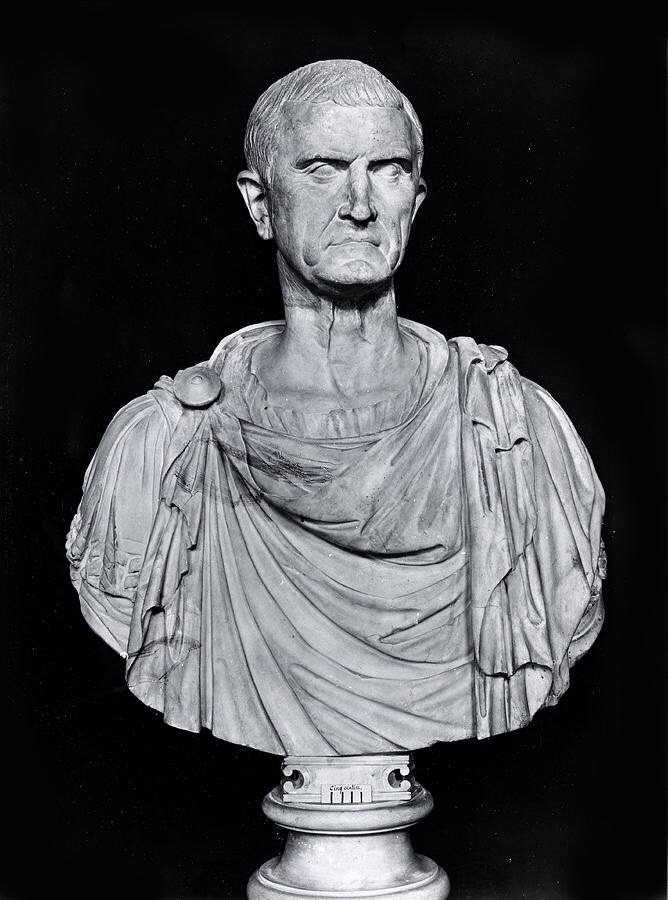
Marcus Licinius Crassus

Marcus Licinius Crassus (115-53 BCE) was perhaps the richest man in Roman history and in his eventful life he experienced both great successes and severe disappointments. His vast wealth and sharp political skills brought him two consulships and the kind of influence enjoyed only by a true heavyweight of Roman politics. A mentor to Julius Caesar in his early career, Crassus would rise to the very top of state affairs but his long search for a military triumph to match his great rival Pompey would, ultimately, bring about his downfall.

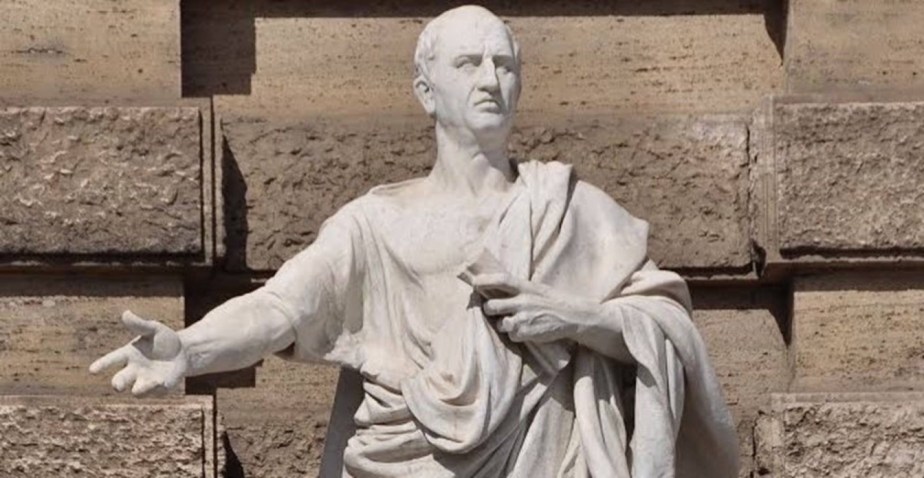
Marcus Tullius Cicero

Marcus Tullius Cicero (3 January 106 BC – 7 December 43 BC) was a Roman statesman, orator, lawyer and philosopher, who served as consul in the year 63 BC. He came from a wealthy municipal family of the Roman equestrian order, and is considered one of Rome’s greatest orators and prose stylists.

His influence on the Latin language was so immense that the subsequent history of prose, not only in Latin but in European languages up to the 19th century, was said to be either a reaction against or a return to his style. According to Michael Grant, “the influence of Cicero upon the history of European literature and ideas greatly exceeds that of any other prose writer in any language”. Cicero introduced the Romans to the chief schools of Greek philosophy and created a Latin philosophical vocabulary (with neologisms such as evidentia, humanitas, qualitas, quantitas, and essentia)distinguishing himself as a translator and philosopher. Though he was an accomplished orator and successful lawyer, Cicero believed his political career was his most important achievement.

The Nine Realms of Norse Mythology

7EA378CB-6E38-4D04-AA53-C04861C94F47

Asgard: Home of the Gods

In the middle of the world, high up in the sky is Asgard (Old Norse: “Ásgarðr”). It’s the home of the Gods and Goddesses. The male Gods in Asgard, are called Aesir, and the female Gods are called Asynjur. Odin is the ruler of Asgard and the chief of the Aesir. Odin is married to Frigg; and she is the Queen of the Aesir. Inside the gates of Asgard is Valhalla; it’s the place where half of the Vikings “Einherjer” that died in battle will go for the afterlife, the other half goes to Fólkvangr.

1FBBB3B6-758F-4FC1-97FB-E243EFB34C73

Alfheim: Home of the Light Elves

Alfheim (Old Norse: “Álfheimr or Ljósálfheimr”) is right next to Asgard in the heaven. The light elves are beautiful creatures. They are considered the “guardian angels” The God Freyr, is the ruler of Alfheim. The Light elves are minor Gods of nature and fertility; they can help or hinder humans with their knowledge of magical powers. They also often delivered an inspiration to art or music.

Midgard: Home of the Humans

Midgard (Old Norse: “Miðgarðr”) “middle earth” is located in the middle of the world, below Asgard. Midgard and Asgard are connected by Bifrost the Rainbow Bridge. Midgard is surrounded by a huge ocean that is impassable.

The Ocean is occupied by a huge sea serpent, the Midgard Serpent. The Midgard serpent is so huge that it encircles the world entirely, and biting its own tail. Odin and his two brothers Vili and Ve created the humans from an Ash log, the man and from an elm log, the woman.

Muspelheim: The Land of Fire

Muspelheim (Old Norse: “Múspellsheimr”) was created far to the south of the world in Norse mythology. Muspelheim is a burning hot place, filled with lava, flames, sparks, and soot. Muspelheim is the home the of fire giants, fire demons and ruled by the giant Surtr. He is a sworn enemy of the Aesir. Surtr will ride out with his flaming sword in his hand at Ragnarok “Ragnarök” “the end of the world” Surtr will then attack Asgard, “the home of the Gods” and turn it into a flaming inferno.

Vanaheim: Home of the Vanir

Vanaheim (Old Norse: “Vanaheimr”) is the home of the Vanir Gods. The Vanir Gods is an old branch of Gods. The Vanir are masters of sorcery and magic. They are also widely acknowledged for their talent to predict the future. Nobody knows where exactly the land, Vanaheim is located, or even how it looks like. When the war between the Aesir and the Vanir ended, three of the Vanir came to live in Asgard, Njord and his children Freya and Freyr.

Niðavellir/ Svartalfheim: Home of the Dwarves

Svartalfheim (Old Norse: “Niðavellir or Svartálfaheimr”) is the home of the dwarves, they live under the rocks, in caves and underground who are also synonymous with the Dark Elves (“Dökkálfar”) and Black Elves (“Svartálfar”).  Hreidmar was the king of Svartalfheim, Svartalfheim means Dark fields. The dwarves are masters of craftsmanship. The Gods of Asgard have received many powerful gifts. Like , the magical ring Draupnir and also Gungnir, Odin’s spear.

Jotunheim: Home of the Giants

Jotunheim (Old Norse: “Jötunheimr or Útgarðr”) is the home of the giants (also called Jotuns). They are the sworn enemies of the Aesir. Jotunheim consists mostly of rocks, wilderness, and dense forests, and it lies in the snowy regions on the outermost shores of the ocean. Because of this, the giants live mostly from the fish from the rivers, and the animals from the forest, because there is no fertile land in Jotunheim.

The giants and the Aesir are constantly fighting, but it also happens from time to time, that love affairs will occur. Odin, Thor and a few others, had lovers who were giants. Loki also came from Jotunheim, but he was accepted by the Aesir and lived in Asgard. Jotunheim is separated from Asgard by the river Iving, which never freezes over. Mimir’s well of wisdom is in Jotunheim, beneath the Midgard root of the ash tree Yggdrasil. The stronghold of Utgard is so big that it is hard to see the top of it. And there the feared Jotun king Utgard-Loki lives. Utgard is carved from blocks of snow and glistening icicles.

Niflheim: The World of Fog and Mist

Niflheim (Old Norse: “Niðavellir”) and it means (“Mist home” or “Mist World”) is the darkest and coldest region in the world according to Norse mythology. Niflheim is the first of the nine worlds and Niflheim is placed in the northern region of Ginnungagap. The eldest of the three wells are located in Niflheim which is called Hvergelmir “bubbling boiling spring” and it is protected by the huge dragon called Nidhug (Níðhöggr).

It is said that all cold rivers come from the well called Hvergelmir, and it is said to be the source of the eleven rivers in Norse mythology. The well Hvergelmir is the origin of all living and the place where every living being will go back. Elivagar “ice waves” are the rivers which existed in Niflheim at the beginning of the world. They were the streams floating out of Hvergelmir. The water from Elivagar flowed down the mountains to the plains of Ginnungagap, where it solidified to frost and ice, which gradually formed a very dense layer. This is the reason that it is very cold in the northern plains. As the world tree Yggdrasil started to grow, it stretched one of its three large roots far into Niflheim and drew water from the spring Hvergelmir.

Helheim: Home of the dishonorable dead

This is where all the dishonorable dead, thieves, murderers and those the Gods and Goddesses feel is not brave enough to go to Valhalla or Folkvangr. Helheim is ruled by Hel, Helheim is a very grim and cold place, and any person who arrives here will never feel joy and happiness again. Hel will use all the dead in her realm at Ragnarök to attack the Gods and Goddesses, which will be the end of the world.

Hylas and the Nymphs

Hylas and the Nymphs

Hylas and the Nymphs is not one of John William Waterhouse’s most well known works, however it is a prime example of his skill as an artist and therefore has received very little negative comment since its completion in 1896.

Taken from the story of Jason and the Argonauts, Hylas was an Argonaut warrior and the assistant and lover of Herlkas. He was also known to be a very handsome youth.

When Jason’s boat landed on an island during his search for the Golden Fleece, Hylas was sent to fetch water for the camp. Finding a pool in a clearing, he reached down and put his pitcher into the water. Before he could lift his pitcher he looked up to discover water nymphs encircling him. Drawn by his beauty, one of the nymphs reached up to kiss Hylas.

The tale stops there and Hylas disappeared without trace from that moment, it was said that Herlkas searched the island for his beloved, in fact such a time passed that the boat left without him.