Cornmeal Crusted Catfish

Oil for frying
2 pounds catfish fillets
Kosher salt and freshly ground black pepper
2 cups all-purpose flour
2 tablespoons crab boil seasoning
2 large eggs
½ cup half-and-half
1 tablespoon hot sauce
2 cups coarse-ground cornmeal
Tartar sauce

Heat 1 inch of oil in a Large, deep-sided cast-iron skillet fitted with a frying thermometer to 375˚F.

Rinse the catfish fillets and pat thoroughly dry with paper towels. Cut the fillets in half lengthwise.  Season lightly with salt and pepper and set aside. Combine the flour and crab boil seasoning in a bowl. Beat the eggs with the half-and-half and hot sauce in a second bowl. Place the cornmeal in a third bowl. Dip a piece of catfish in the flour, shaking off excess, then into egg wash, allowing excess to drip away. Roll the fish in cornmeal and slip it into the hot oil 2-3 pieces at a time. Fry the fish for 3 minutes, carefully turn them, and fry for additional 3 minutes more, until golden brown. Transfer to a baking sheet and place in a 200˚F oven to keep warm while you continue to fry batches of fish.

When all the fish is fried, serve immediately with tartar sauce on the side.

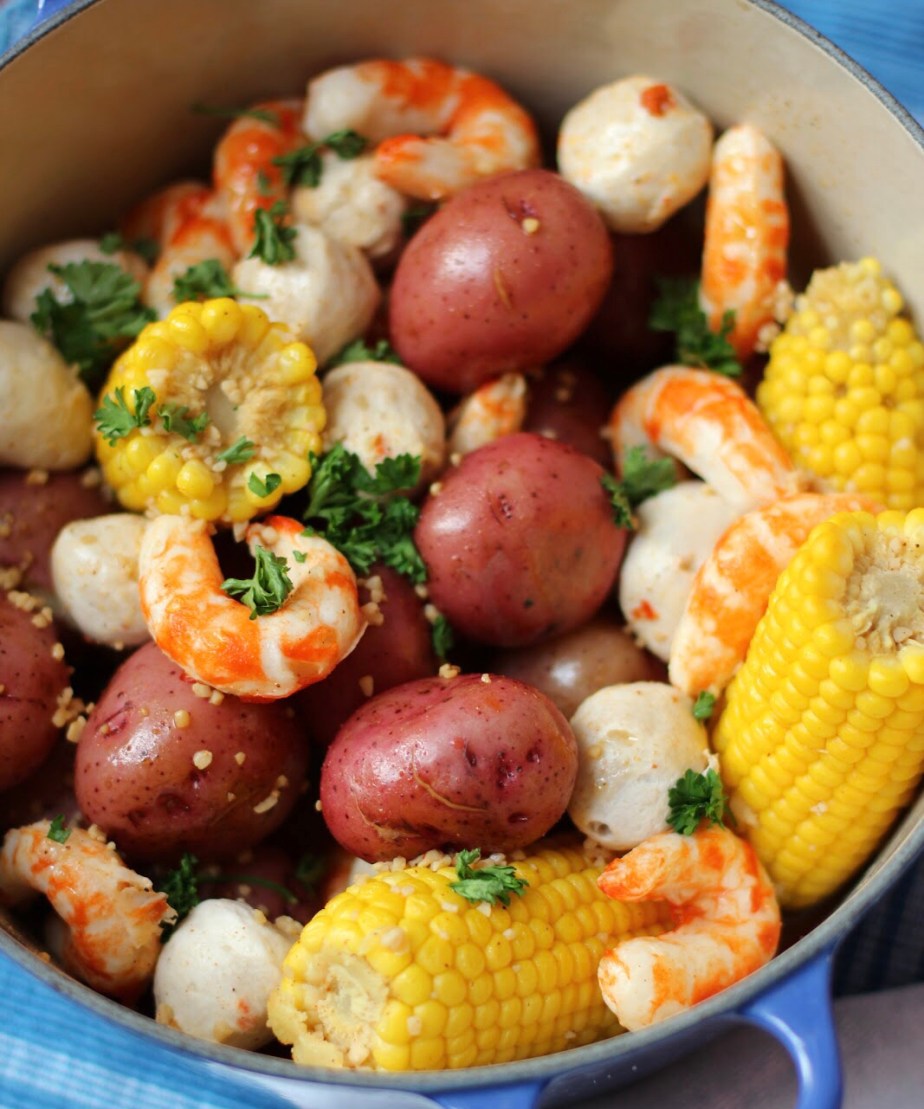
Florida Frogmore Stew

* No frogs were harmed in the making of this stew. *

1 ½ gallons water
juice of 1 lemon
salt to taste
3 tablespoons Old Bay Seasoning
2 pounds kielbasa, cut into ½ inch slices
10 to 12 ears of corn on the cob
4 pounds of shrimp in the shell
4 pounds stone crab (these are usually pre-cooked)
onions and  new or red potatoes

Cook onions and potatoes until softened. In a large stock pot over medium high heat, add the water, lemon, salt and Old Bay Seasoning. Bring it to a boil.

Add the sausage and gently boil, uncovered, for 5 minutes. Add corn on the cob broken into 3 inch pieces and continue cooking an additional five minutes. Add shrimp and stone crab and cook an additional three minutes longer. This is just enough time to cook the shrimp and heat up the pre-cooked stone crab. Remove from heat, drain immediately and serve.

Frogmore Stew (Lowcountry Boil)

8 to 10 quarts water At least ½ cup Old Bay Seasoning
16 small red potatoes about 1 inch in diameter, not peeled
8 ounces kielbasa, sliced into ½-inch-thick rounds
2 medium onions, peeled and quartered
3 ears fresh corn, shucked and cut into thirds
16-24 fresh shrimp, preferably with head on, you may want more
2 pounds of Crawfish or 8-10 Stone Crab claws or even Snow Crab

Optional: Clams, Mussels, other seafood.

Fill a large stockpot two-thirds of the way with water and bring to a simmer over medium-high heat. Reduce the heat to maintain a simmer, add the Old Bay, and simmer for 5 minutes until the water is well seasoned.

Add the potatoes, kielbasa, and onions and adjust the heat to maintain simmer; cook until the potatoes are about fork tender. Add the corn and simmer until the kernels are slightly softened, about 3-5 minutes. Add the shrimp and crawfish or crab and cook until the shrimp becomes pink, and both the shrimp and crawfish or crab are lightly fragrant, 5 to 6 minutes. Strain the solids from the cooking liquid and transfer them to an oversize platter or paper-lined table.  Eat and enjoy.

Garnishes: Butter for the potatoes and corn, drawn butter, cocktail sauce, lemon wedges, hot sauce.

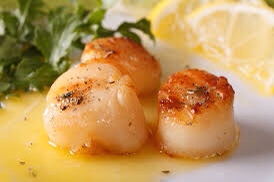
Butter Poached Scallops

This is an easy technique for butter poaching several types of seafood.  With the example of the scallops in this recipe it illustrates the technique.  Can just as easily be used to make butter-poached shrimp, lobster tails, etc.  Butter-poaching is a nice addition when you make shrimp & grits.  Make sure you use some of the poaching butter in the grits to impart the subtle shrimp flavor.

12 Scallops

1 ½ (Approximately) Cups Of Unsalted Butter

Sea Salt

Freshly Ground Black Pepper

Arrange scallops in a saucepan just large enough for all the scallops to fit snuggly in one layer. Add water to just cover scallops. Pour water into measuring cup and pat scallops dry with paper towels.  Season scallops well with salt and pepper.

Melt an equal amount of butter to the water in measuring cup.  Melt butter in saucepan at 185 degrees, do not overheat.  Add scallops, turning once, until they are cooked 2-4 minutes.  If necessary test a scallop by cutting in half; it should be opaque in the center.

Transfer scallops to warmed serving plates.  Drizzle scallops with a little butter.  Serve immediately.

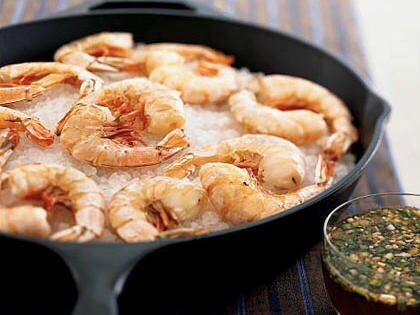
Salt Baked Shrimp

3 pounds rock salt
1 tablespoon coriander seeds
2 tablespoons black peppercorns
4 bay leaves
10 sprigs fresh thyme
1 head garlic, cloves smashed and skin removed
1 jalapeño, sliced, with seeds
2 lemon wedges
2 pounds large head-on shrimp

Mississippi Comeback Sauce for dipping

Preheat the oven to 475˚F.

Combine the rock salt, coriander, peppercorns, bay leaves, thyme, garlic, jalapeño, and lemon wedges in a large bowl  and mix well.

Pour half of the salt-spice mixture into a large, oven-safe baking dish and place it in the oven to preheat for 10 to 12 minutes, until the salt becomes hot. Remove from the oven, lay the shrimp in the salt, and add the remaining salt to cover the shrimp.

Return the pan to the oven and bake for an additional 8 to 12 minutes, until the shrimp are just cooked through. Using tongs, remove the shrimp from the salt and transfer to a plate. Serve with a bowl of Comeback Sauce for dipping.

A Portrait of the Artist as a Young Man

Today in 1916 – “A Portrait of the Artist as a Young Man,” the first novel by James Joyce, was first published as a book by an American publishing house B. W. Huebschis after it had been serialized in The Egoist (1914–15).

A so-so copy of the first edition of that book will run you around $3800, but that’s not nearly as much as a first edition of Ulysses, which will cost you about $40,000 unsigned and $150,000 signed (only 1000 copies were printed).

Joseph Campbell on Myths

“Like dreams, myths are productions of the human imagination. Their images, consequently––though derived from the material world and its supposed history––are, like dreams, revelations of the deepest hopes, desires and fears, potentialities and conflicts, of the human will––which in turn is moved by the energies of the organs of the body operating variously against each other and in concert. Every myth, that is to say, whether or not by intention, is psychologically symbolic. Its narratives and images are to be read, therefore, not literally, but as metaphors.”

~ Joseph Campbell, “The Inner Reaches of Outer Space: Metaphor As Myth and As Religion”

Ghost Organ

Exciting scientific work:

Organs and tissues can become decullularized after exposure to ordinary detergents over the course of a few days because the soaps disrupt the cellular membranes, which can then be rinsed clear of the supportive tissue. A series of chemicals are then used to make sure that all cells have been eliminated, leaving only a scaffold of cartilage and collagen. A patient’s stem cells are then coated over the structure and are given growth factors to help them grow and differentiate into the desired cells and the organ is complete for transplant, with no fear of rejection.

This technique is still emerging and has plenty of obstacles, but it holds a great deal of promise. Researchers and physicians hope that in the future this will alleviate strain on those in need of a new organ. In the US, there are currently over 114,000 people waiting on a transplant list, and about 18 of them die every day while waiting for the lifesaving call. Only about 10% of the organs needed are donated each year.

In the meantime, there are other options. Portions of pig organs, particularly hearts, have been used in transplants. Rejection can be high due to a sugar molecule that is not welcomed by our immune systems. This is getting better due to genetic modification of the pigs and medications that suppress the immune system.

First Commercial Film

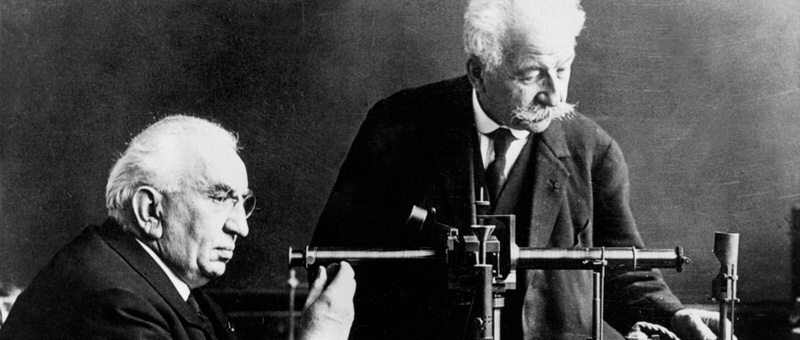
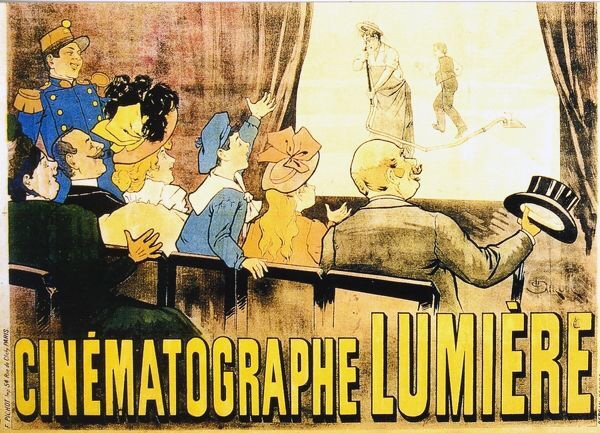
On this day in 1895, the world’s first commercial movie screening takes place at the Grand Cafe in Paris. The film was made by Louis and Auguste Lumiere, two French brothers who developed a camera-projector called the Cinematographe.

The Lumiere brothers unveiled their invention to the public in March 1895 with a brief film showing workers leaving the Lumiere factory. On December 28, the entrepreneurial siblings screened a series of short scenes from everyday French life and charged admission for the first time.