Digestive System Tea

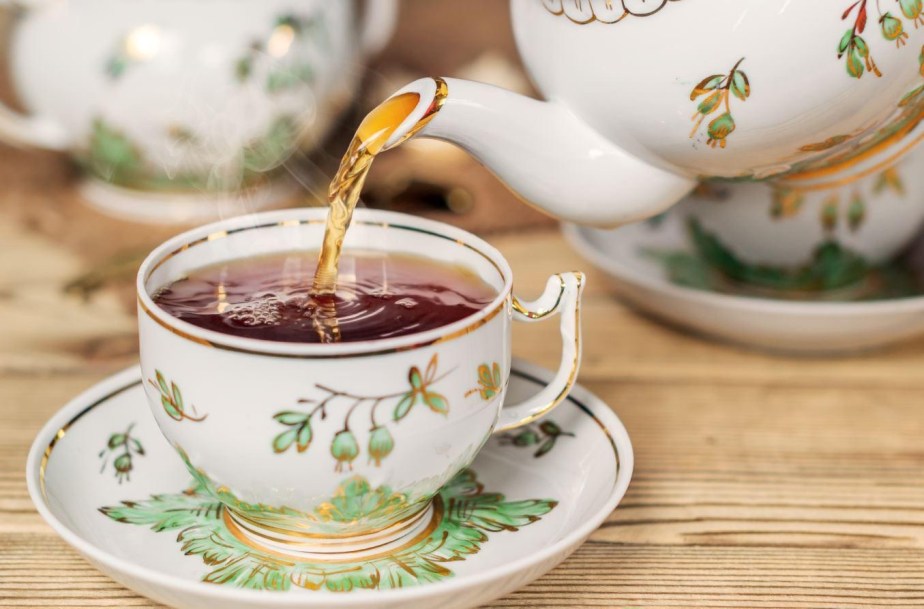
Drinking this delicious tea, especially prior to or immediately following a meal, helps balance the digestive system and relieve digestive upset. This is a all-purpose digestive system tea that is designed to be drunk daily. Supporting digestion is one of the best things you can do for daily health. A healthy digestive system can prevent many diseases over the long term. Adding a pinch of slippery elm or marsh­mallow root to each cup will soothe inflamed tissues in the throat, stomach, or intestines.

3 parts dandelion root

1 part fennel

1 part ginger

1 part peppermint

1 part spearmint

O.5 part Chamomile

Steeping:

Hot Infusion: Pour 1.5 cups hot water over 2 tablespoons tea. Steep for 10 to 15 minutes.

Cold Infusion: Combine 2 cups cold water and 1 to 2 tablespoons tea in a lidded jar. Shake the jar to make sure all the tea is saturated. Place in the refrigerator or a cool place for at least 2 hours.
Vein Relief Ointment

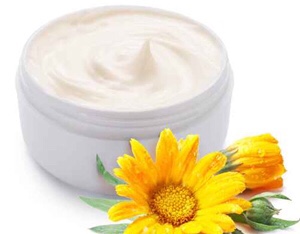
This cream is cooling and soothing for varicose veins, spider veins and hemorrhoids. The astringent properties of witch hazel water and oak bark help to shrink the veins, while yarrow and horse chestnut help maintain vein wall integrity.

1 cup aloe vera gel

2 tsp. horse chestnut leaf-infused oil

2 tsp. calendula oil

2 tsp. yarrow tincture

2 tsp. oak bark tincture

2 tsp. horse chestnut seed tincture

20 drops of rosemary essential oil (for varicose veins only, omit for haemorrhoids)

2 tsp. witch hazel water

Place the aloe vera gel in a bowl. Slowly add the oils, 1 teaspoon at a time, and whisk thoroughly.

Once combined, add the tinctures, one at a time, and whisk again, then add the essential oil and whisk. Finally, whisk in the witch hazel water. Place in a sterilised jar, seal, label and date.

Alternatively, use a plain base cream instead of the aloe vera gel, and whisk in the oils, tinctures and witch hazel water.

For optimal results, apply this cream twice a day, as well as taking internal circulatory herbs.

Shelf Life: Up to 1 year in a cool, dark place.

Colcannon

Colcannon is an Irish dish of boiled potatoes and cabbage or kale mashed together and flavored with onion, shallots, or leeks and cream or butter. Colcannon is strongly associated with Samhain, in which it was used for various forms of divination.

Linguistic evidence suggests that cabbages were known to the Iron Age Celts. The Romans believed cabbages to have several medicinal qualities. While cabbage was a food of the working classes in Medieval Europe, the other principal ingredient of colcannon, potatoes, were a New World food that arrived in the sixteenth century.

The word “colcannon” comes from the Gaelic “cal ceannann” (‘white headed cabbage’). Some hold that the ‘cannon’ part of the name might be derived from the old Irish ‘cainnenn’ (‘garlic, onion, or leek’, depending on the translation). This suggests that early forms of colcannon were simple mixtures of brassica and allium. The earliest Irish reference to colcannon is found in the Diary of Wiliam Bulkely, of Bryndda, near Amlwch in Anglesey, in 1735. Colcannon appeared in England in 1774. In England, colcannon became a favorite of the upper classes.

1 lb shredded white cabbage

1 lb potatoes peeled and quartered

2 leeks finely chopped (white part only)

1/4 cup milk

Salt and pepper to taste

pinch of ground nutmeg

3 tablespoons butter

Boil the cabbage in water until cooked; drain and keep warm. Place the potatoes and leeks together in a pot of water and boil until tender, about 15 to 20 min. Drain the potatoes and leeks and mash in a large pot with the milk and butter. Stir in the cabbage. Add nutmeg, salt and pepper.

Herbs And Planets

This list is taken from the 16th century herbalist Nicholas Culpepper’s, “Compleat Herbal,” held in esteem by a number of alchemists old and modern.

SUN: angelica, bay, chamomile, celandine, eyebright, juniper, marigold, rosemary, rue, saffron, St. John’s wort, sundew, walnut

MOON: chickweed, cleavers, watercress, cucumber, lettuce, water-lily, moonwort, wallflower, willow

MERCURY: wild carrot, caraway, dill, hazelnut, horehound, lavender, lily, licorice, marjoram, oats, parsley, parsnip, savory, honeysuckle, valerian

VENUS: burdock, columbine, coltsfoot, daisy, eringo, featherfew, figwort, goldenrod, marshmallow, mint, mother-wort, mugwort, catnip, pennyroyal, plantain, periwinkle, poppy, purslane, primrose, strawberry, yarrow

MARS: all-heal, barberry, basil, garlic, gentian, hawthorn, hops, nettle, onion, radish, rhubarb, tobacco, wormwood

JUPITER: Melissa, bilberry, borage, chervil, cinquefoil, dandelion, dock, endive, hyssop, house-leek, melilot, oak, roses

SATURN: amaranths, barley, corn, beet, comfrey, dodder, elm, fumitory, horsetail, holly, ivy, mullein, nightshade, shepherd’s-purse, blackthorn, wood, wintergreen, yew

Nerve Soothing Tea

This tea is a general circulatory and heart tonic. It is soothing to the nerves and is particularly good for stressed-out people.

1 part dried hawthorn berries

1 part dried mixed hawthorn flowers and leaves

1 part dried linden blossoms

1 part dried motherwort

1 part dried mixed yarrow flowers and leaves

Gently crush the hawthorn berries using a pestle and mortar to break them up slightly. Mix with all the other dried herbs in a bowl, then transfer to an airtight container.

To use, add 1–2 teaspoons of the dried herb mixture per cup (250ml) of boiling water in a mug or teapot. Cover and leave to infuse for 15 minutes. Strain to serve. Alternatively, use an infuser to make the tea.

Take one cup of the tea, up to three times a day.

Shelf Life: Keep the dried herb mix in a cool, dark place for up to 1 year.

Peaceful Dream Tea

This tea promotes relaxation and sleep. Anyone can easily grow each of these herbs in the backyard, and since the herbs are gentle and effective for quieting a busy mind, releasing muscle tension, and promoting general relaxation your body naturally feels tired and falls asleep.

1.25 parts chamomile

1 part catnip

1 part skullcap

1 part mint

0.375 part licorice root

0.25 part hops

Steeping:

Hot Infusion: Pour 1 ½ cups hot water over 2 tablespoons tea. Steep for 10 to 15 minutes.

Cold Infusion: Combine 2 cups cold water and 1 to 2 tablespoons tea in a lidded jar. Shake the jar to make sure all the tea is saturated. Place in the refrigerator or a cool place for at least 2 hours.

The Satyrs

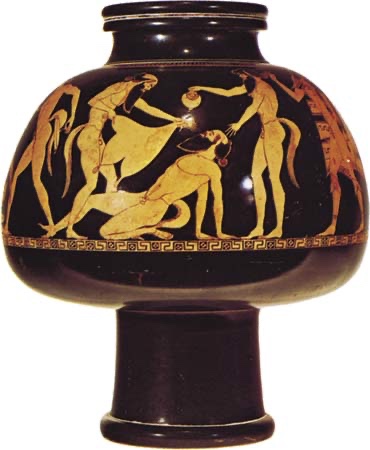
Satyrs were male hybrid creatures who were part horse and part human. They stood and walked upright, unlike the quadruped, half-horse Centaurs to whom they were akin, and in their original, traditional form, they had horses’ tails, long hair and beards, horses’ ears, bulbous foreheads, and snub noses. Artistic representations also showed them sometimes with the legs and hooves of a horse as well as with enlarged, erect penises. It was only in the Hellenistic Period (after 323 BCE, the death of Alexander the Great) that Satyrs, in an assimilation to the rustic god Pan, took on a goatlike appearance, having shorter tails and sprouting horns.

Satyrs, who in earliest times were indistinguishable from Silens, were woodland spirits or daemons that lived in the wild, being found in mountains, forests, and caves alongside Nymphs with whom they cavorted and whom these lusty creatures amorously pursued. Lustfulness, enthusiasm for wine, and a propensity for mischief were characteristic of them. Silens, on the other hand, came to be viewed as elderly Satyrs.

Alongside Nymphs, both Satyrs and Silens formed the typical entourage of the shape-shifting god Dionysus. The best-known Satyr in Classical mythology was also the most tragic of them. This was Marsyas, who had found the flute cast aside by the goddess Athena, and, when he discovered that he had a talent for playing the instrument, he made the terrible mistake of challenging Apollo to a music contest. As a consequence of his pridefulness, he was flayed alive. Another Satyr, his name unknown, pursued the Danaid Amymone, but was driven off by Poseidon, who then took up in the pursuit of the maiden himself.

Source: Classical Mythology A – Z

Wolfsbane or Monkshood (aconitum napullus)

Wolfsbane or Monkshood (aconitum napullus)

One of the most beautiful and also oldest and most deadliest of poisons. The principal alkaloids are aconite and aconitine; of these aconitine is thought to be the key toxin and one of the most toxic plant compounds known. Ingestion of even a small amount results in severe gastrointestinal upset, but it is the effect on the heart, where it causes slowing of the heart rate, which is often the cause of death. The poison may be administered by absorption through broken skin or open wounds and there are reports of florists being unwell after working with the flowers.

Its distinctive taste makes it unpleasant to eat so accidental poisoning is extremely rare but not unknown. The taste is described as initially very bitter followed by a burning sensation and, then, a numbing of the mouth. All parts of the plant are extremely poisonous if eaten and may cause systematic poisoning if handled.

Magical propensities for invisibility and protection from evil. Excellent for redirecting predators.

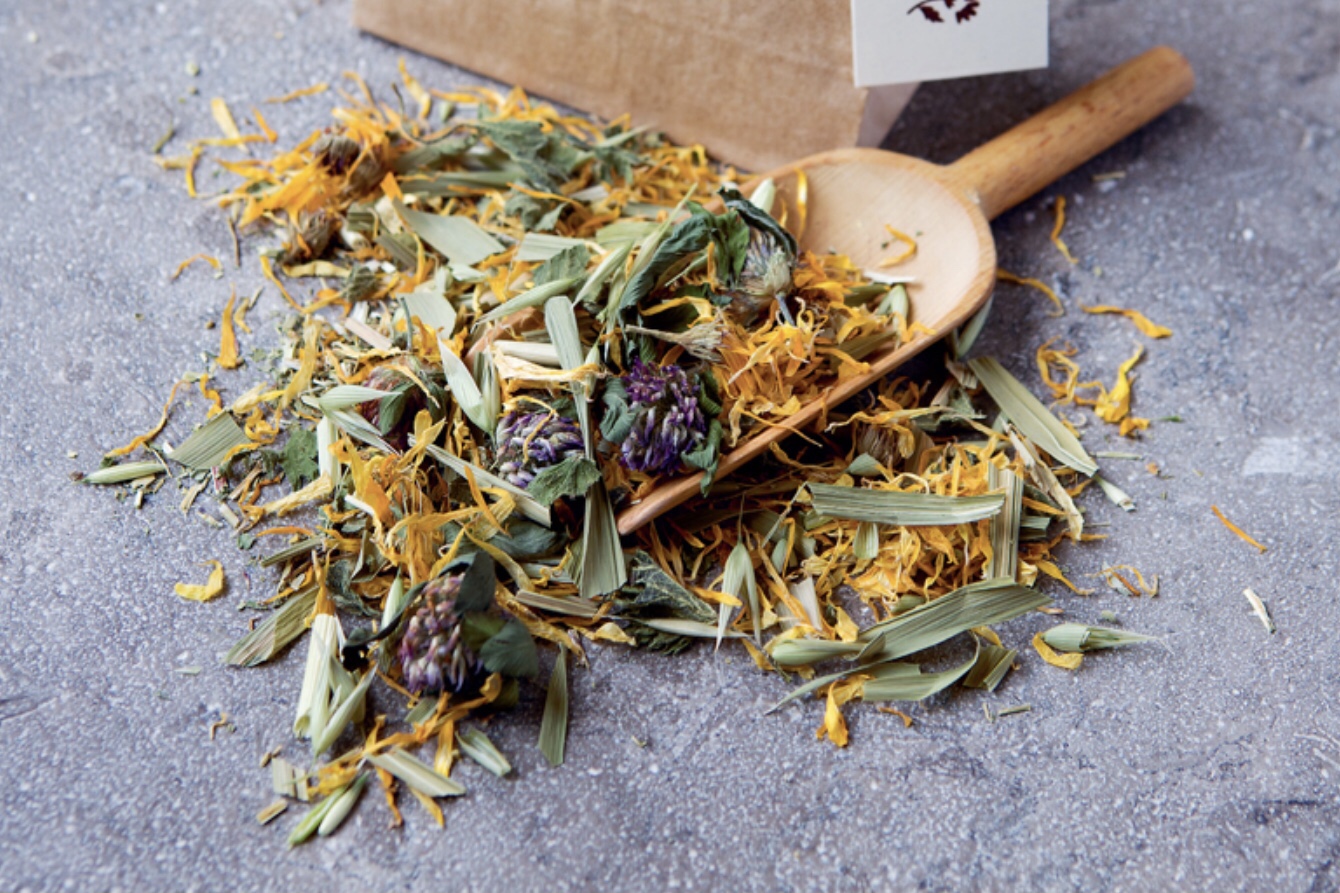
Lymph Cleansing Tea

This tea is nourishing to the body and cleansing to the lymph glands. Use for painful breasts and skin problems.

1part dried red clover flowers

1 part dried cleavers *

1 part dried calendula flowers

1 part dried oat straw

1 part dried nettle leaves

Mix all the dried herbs together in a sterilised jar, then seal, label and date.

To use, place 1 teaspoon of the dried herb mix in one cup (250ml) of boiling water and leave to infuse for 15 minutes, then strain and drink.

Take up to three times a day, as and when required.

Shelf Life: The dried herb mix will keep in a cool, dark place for up to 1 year.

* Common Names: hitchhickers, cleavers, clivers, bedstraw, goosegrass, catchweed, stickyweed, sticky bob, stickybud, stickyback, robin-run-the-hedge, sticky willy, sticky willow, stickyjack, stickeljack, grip grass, sticky grass, bobby buttons, whippysticks and velcroplant

Mandrake (mandragora officinarum)

A stemless perennial with a fleshy taproot and broadly ovate leaves; small white to blue-white, bell-shaped flowers are borne at ground level in spring, followed by aromatic yellow fruits. One of the most written about plants in history with whole books devoted to its properties and its ability to scream when pulled from the ground. It is a relative of deadly nightshade so contains the tropane alkaloids, notably hyoscine and atropine; the effects are hallucinogenic, narcotic, emetic and purgative similar to deadly nightshade and henbane. Mandrake root is supposed to look like the male form (having two legs, a body and often a hairy top) and, under the Doctrine of Signatures, its use ‘would give a man that power which men are always willing to spend a lot of money to get!’ Its high price was maintained, in part, by the difficulty of harvesting it.

Magical propensities for magical uses include protection; prosperity; fertility; exorcising evil. Carry to attract love. Wear to preserve health.

Sources: By Wolfsbane and Mandrake Root