Panko Fried Green Tomatoes

You can ask many long time Southerner’s about fried green tomatoes and they won’t remember eating them growing up, but needless to say they have become a Southern staple. Why? I believe it has more to do with Fannie Flagg’s book and the subsequent movie than any true regional origin. You know what, that’s okay because they’re delightful when done correctly.

4 medium green tomatoes, cut in ¼-inch slices
1 tablespoon kosher salt
1 teaspoon black pepper
2 large eggs, beaten
¼ cup cream
1 cup all-purpose flour
2 to 3 cups panko bread crumbs
¾ cup vegetable oil, plus more as needed

Lay the tomato slices on a platter and season both sides with the salt and pepper.  Beat the eggs and cream together in a small bowl and transfer to a shallow dish.

Place the flour and panko in their own separate, shallow dishes. Arrange your three-stage breading assembly line in this order: sliced tomatoes, flour, egg wash, then panko. Have a dry plate ready to hold the breaded tomatoes until you are ready to fry them.

Place the seasoned tomatoes in the flour and coat well. Dip the floured tomato slices into the egg wash and thoroughly coat on both sides, then transfer to the panko, pressing the slices into the breading to ensure a nice, even coating. Remove the slices from the panko and place on the dry plate. Bread all the tomatoes before you start frying.

Heat the oil in a 12-inch sauté pan over medium-high heat. When the oil is shimmering, fry the tomatoes a few pieces at a time. Fry for about 2 minutes on each side or until golden brown. Carefully remove the tomatoes from the pan with tongs and drain on paper towels. As you remove the hot tomatoes from the pan, season with a little sprinkle of salt. Add more oil to the pan and repeat.

Serve with your favorite dressing or sauce: buttermilk dressing, ranch dressing, garlic aioli, etc.
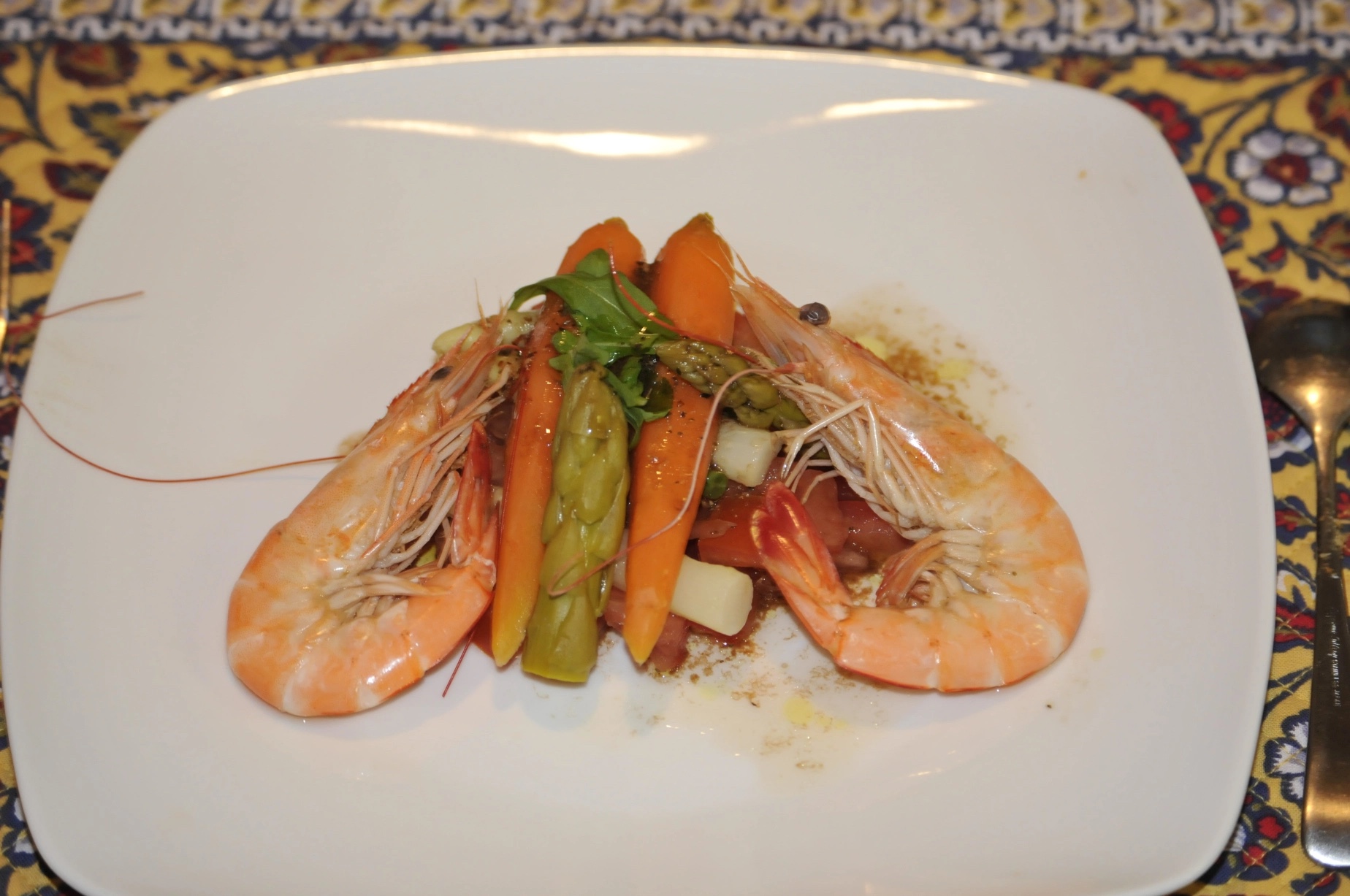
Tomato Tartare with Pickled Vegetables and Jumbo Head-on Shrimp

Serves 4

 3 Tomatoes, peeled, seeded and finely chopped

Kosher Salt & Black Pepper, to taste

2 Teaspoons Finely Minced Shallot

1 Teaspoon Minced Chives

Fresh Thyme Sprigs


1 Bunch White Asparagus

1 Jar Pickled Asparagus

¼ Pound Haricot Verts

8 Baby Carrots

½ Pound Cherry Tomatoes, cut in half

Baby Arugula

Fresh Herbs


8 Head On Jumbo Shrimp

2 Tablespoons Old Bay Seasoning

½ Cup Vinegar

½ Cup Water


½ Cup Olive Oil

1 Tablespoon Balsamic Vinegar

½ Teaspoon Dijon Mustard

Herbs de Provence, to taste

Take tomatoes in a bowl and toss with shallot, chives, finely chopped thyme and salt and pepper to taste.  In a bowl mix olive oil, balsamic vinegar, Dijon mustard and herbs de Provence.  Whisk to create emulsion.

Bring small pot of salted water to boil.  Blanch white asparagus, haricot verts and baby carrots.  Individually place the vegetables in boiling water for a few minutes or until tender.  Immediately move to an ice bath to stop cooking and preserve color.

In a pot add vinegar, water and Old Bay seasoning.  Bring to a boil.  Add shrimp and cover.  Boil for 2 minutes and check shrimp so as to not overcook.  Shrimp should be opaque.  Immediately remove to ice bath.

Place a 3 inch ring mold on a plate.  Place about 4-5 teaspoons of tomato tartare in the center and use the back of a spoon to spread mixture so it fills bottom of mold.  Lift the ring mold and repeat on other three plates.  Toss white asparagus, haricot verts, carrots with a tablespoon of balsamic vinegar mixture.  Place vegetables, baby arugula and fresh herbs carefully on top of tomato tartare.  Drizzle with balsamic mixture.  Add two shrimp to each plate and serve immediately.

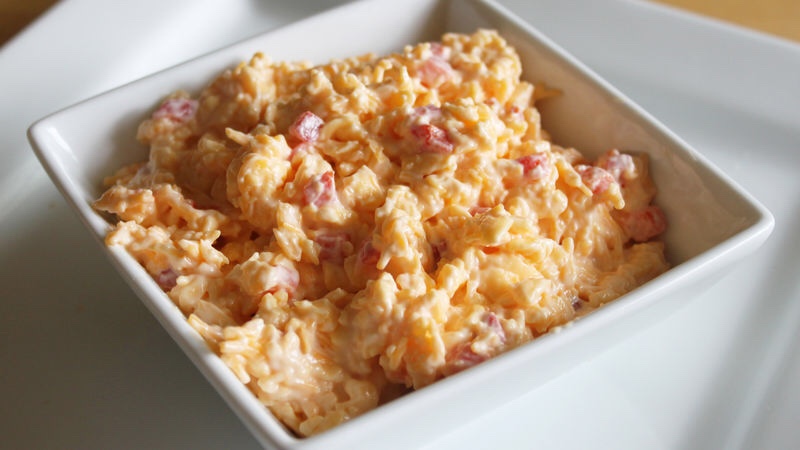
Basic Pimento Cheese

The so called pâté of the South isn’t really very Southern at all. No, pimento cheese got its start up North—in New York, in fact—as a product of industrial food manufacturing and mass marketing.  Like other food items though it was perfected in the South.  There’s a multitude of pimento cheese recipes out there, but we’ll start with this basic one and introduce fancied up one’s later.

½ cup mayonnaise
1 (4-ounce) jar diced pimentos, drained
1 tablespoon grated onion with juice
1 teaspoon Worcestershire sauce
½ teaspoon salt
½ teaspoon ground black pepper
⅛ teaspoon cayenne pepper
1½ cups lightly packed shredded sharp yellow cheddar cheese
1½ cups lightly packed coarsely shredded sharp white cheddar cheese

In a medium bowl add the mayo, pimentos, onion, Worcestershire sauce, salt, pepper, and cayenne together. Fold in the cheeses to thoroughly combine. Cover and refrigerate for a few hours before serving to allow the flavors to meld.

“New South” Sweet Sriracha Pecans

4 tablespoons honey
2 tablespoons Sriracha chili sauce
2 cups pecan halves
3 tablespoons sugar
2 teaspoons kosher salt

Preheat the oven to 325 degrees.

Combine the honey and Sriracha in a small saucepan and warm over medium-low heat until thinned and well mixed.

Remove from the heat and add the pecans. Stir well until the pecans are lightly coated.

Spread the pecans on a rimmed baking sheet in a single layer. Bake for 15 minutes.

Add the sugar and salt in a bowl. When the pecans are done, add them to the bowl with the sugar/salt mixture. Stir until the pecans are completely coated.

Spread out pecans and allow to cool. Store in an airtight container for up to 5 days, not that they will last that long.

Warning these pecans are highly addictive.

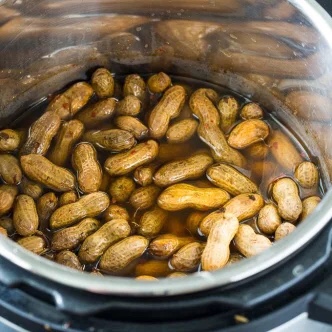
Boiled Peanuts

South Louisianans boil peanuts with Tabasco mash, others throw in crab boil. Some fans prefer them warm, others demand that they be chilled.  People eating boiled peanuts are usually engaged in other tasks—driving, chatting, fishing, watching a ball game.

Peanuts came to North America from Africa and the Caribbean with the slave trade, sometime before the American Revolution. African Americans grew and popularized the peanut both boiled and roasted.

For many the quintessential experience is purchasing them by the side of the road or in a gas station, in soggy brown kraft-paper bags.

Here is the simplest recipe from which a thousand variations can be made:

  • 3 quarts water
  • 3 pounds (8 cups) freshly dug green peanuts in shell
  • 3 tablespoons salt

Bring the water and salt to a low boil in a large pot over medium heat. Add the peanuts and cook to taste, usually 1 to 2 hours. Some like the shell to become soft enough almost to be edible. Let the peanuts sit in the water off the heat until the desired degree of saltiness is reached.

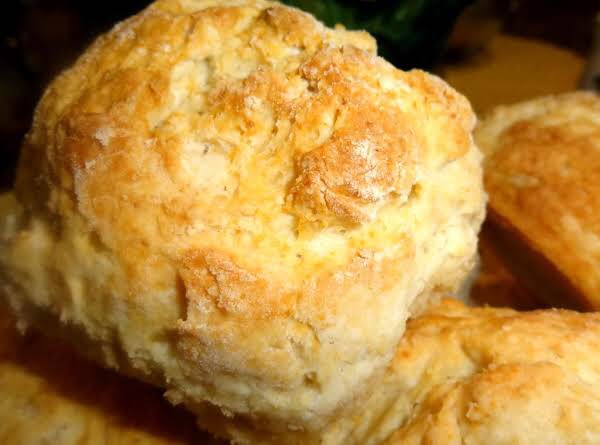
Cathead Biscuits

2 1/2 cups all-purpose flour*
2 1/2 cups cake flour
3/4 teaspoon kosher salt
1 tablespoon baking powder
8 tablespoons (1 stick) butter, chilled and cubed
2 cups whole buttermilk

* Use White Lily brand where available

Preheat your oven to 375 degrees with one of the racks in the middle of the oven.

Grease a baking sheet or cast-iron skillet.

In a large mixing bowl, combine flour (both all-purpose and cake flour), kosher salt, and the baking powder. Sift in ingredients if desired.  As an experiment make two batches one sifted and the other not to determine your preference.

Take your cold butter And cut into small cubes with a sharp knife.  Take the butter between your forefinger and thumb and make a pushing motion. This makes thin sheets or ribbons of butter that will fold into the dough perfectly and then rise in the oven in beautiful layers.  Some bakers call this snapping butter.

Add the buttermilk and fold in very gently.  Do not overmix! Scoop the dough into your pan or skillet, making sure to keep the dough scoops right next to each other on the pan. A large ice cream scoop is ideal for this.

Bake the biscuits for 20 to 25 minutes, or until they are golden brown and fluffy.

Southern Biscuits: Soft or Crunchy?

If a soft or crisp exterior is desired selecting the proper baking pan is paramount.  For a soft exterior, use an 8- or 9-inch pan or oven-proof skillet (preferably cast iron) where the biscuits will nestle together snugly, creating the soft exterior while baking.

For a crisp exterior, select a baking sheet where the biscuits can be placed wider apart, allowing air to circulate and creating a crisper exterior, and brush the pan with butter.

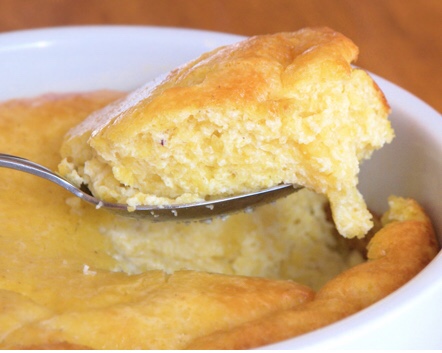
Spoon Bread

A long time family standard, which is admitedly.  Spoon Bread always conjures up memories of my time in Virginia growing up when I was with my grandparents.  So many amazing memories of trips to Williamsburg, Monticello, Mount Vernon and the Smithsonian.  This is an easy version of spoon bread which anyone should have no trouble making.

1 ½ Teaspoons Sugar

1 Teaspoon Salt

1 Cup Cornmeal

4 Tablespoons Butter

1 1/3 Cups Boiling Water

3 Eggs

1 Tablespoon Baking Powder

1 1/3 Cups Hot Milk

Preheat oven to 350.  Grease deep dish.  Mix sugar, salt, cornmeal.  Add butter and pour in 1 1/3 cups boiling water.  Stir.  Allow to cool.  Beat eggs with baking powder until fluffy.  Add to mix.  Stir in milk.  Bake 35-40 minutes in shallow pan of water.

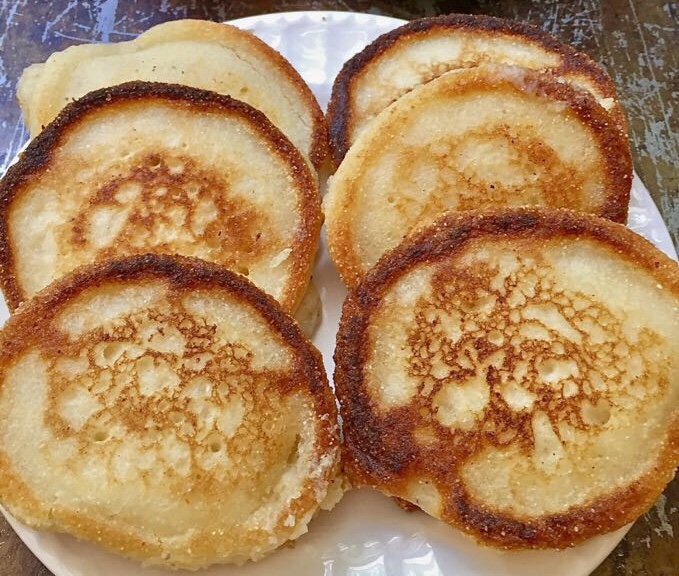
Cornmeal Hoecakes

2 cups cornmeal
1 teaspoon baking soda
1¾ cups water
3 tablespoons Rendered Lard
2 tablespoons unsalted butter

Combine the cornmeal and baking soda in a small bowl.

Bring the water to a boil in a  saucepan over high heat. Remove the pan from the stove and stir in the cornmeal. Stir in also 1 tablespoon of the lard.

Heat the butter and the remaining 2 tablespoons lard on a griddle pan over high heat. Cooking in batches if necessary, spoon the batter onto the griddle to make cakes about 1 inch in diameter. When you see pits in the tops of the cakes, after about 2 minutes, flip them and cook for about 2 minutes on the other side.

They should be golden and crispy on both sides. Wipe out the pan between batches if the butter scorches, and add fresh butter and lard.

Serve immediately.

Sweet Potato Cornbread

2 cups self-rising white cornmeal mix
3 Tbsp. sugar
1/4 tsp. pumpkin pie spice
5 large eggs
2 cups mashed cooked sweet potatoes (about 11/2 lb. sweet potatoes)
1 (8-oz.) container sour cream
1/2 cup butter, melted

  • Preheat oven to 425°. Stir together first 3 ingredients; make a well in center of mixture. Whisk together eggs and remaining ingredients. Add to cornmeal mixture, stirring just until moistened. Spoon batter into a lightly greased 9-inch square pan or cast iron skillet.
  • Bake at 425° for 35 minutes (a little less for a cast iron skillet) or until golden brown.