Traditional Fish Based Dashi

11/4 ounces konbu
5 cups cold water
2 cups dried bonito fish flakes

Gently wipe the konbu with a damp cloth. Fill a pan with the  water, add the konbu and leave it to stand, covered, for 6–8 hours. Remove the lid and, on a low heat, bring the water to a near boil.

Remove the konbu just before the water boils as it will give off a strong smell and bitter flavour if boiled at this point.

Bring the stock to a full boil then immediately add the dried bonito flakes, remove the pan from the heat. Do not stir and allow the flakes to settle to the bottom of the pan for a few minutes, skim any foam from the surface. Pass the dashi through a muslin-lined sieve without pressing it.

The dashi will keep in the fridge for a few days and in the freezer for up to 3 months.

Shiitake Mushroom Dashi

5 cups Vegetarian Konbu Dashi Stock
11/4 ounces dried shiitake mushrooms
1 teaspoon caster sugar
pinch of sea salt

Add Vegetarian Konbu Dashi Stock to a pan until hot but not boiling, then remove from the heat.

Add the shiitake mushrooms, sugar and salt to the hot konbu dashi and let them soak for 2–4 hours. Remove the mushrooms, reserving them for another recipe.

Strain the dashi into a bowl avoiding any sediment or grit from the bottom of the pan.

The dashi will keep in the fridge for a few days and in the freezer for up to 3 months.

Niboshi Dashi

This Dashi is a much stronger flavored version than the bonito and konbu dashi.  Excellent for Miso Soup and Ramen.

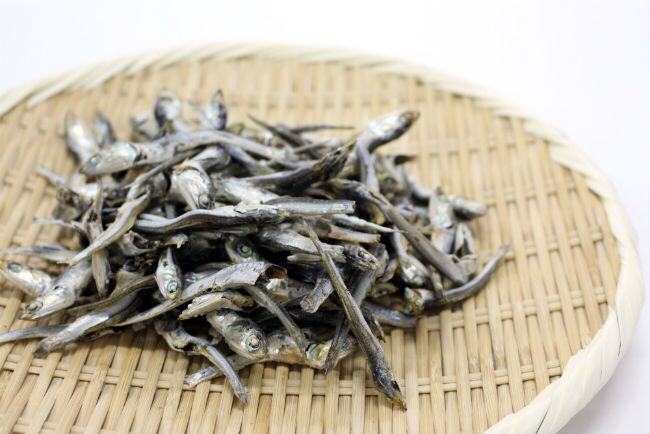
  • 11/4 ounces dried small sardines (niboshi)
  • 5 cups) cold water or Traditional Fish Based Dashi
  • 1/8 ounce konbu (if using water)

Pluck off and discard the fish heads, open up the fish stomachs and remove and discard the insides. Place the prepared fish in a pan with the measured water and konbu, or with the Traditional Fish Based Dashi, and leave to soak for one hour.

Bring the water quickly to a boil, skim off any scum that rises to the surface and simmer very gently for 6–10 minutes.

Remove from the heat and pass through a very fine muslin-lined sieve.

The dashi will keep in the fridge for a few days and in the freezer for up to 3 months.
Chicken Dashi

Meat dashi’s are pretty rare in Japanese Cuisine.  In the United States chef David Chang has made his bacon dashi infamous in culinary circles.

This Dashi can be made more luxurious by replacing the chicken bones with duck bones.

3 pounds 5 ounces chicken bones
1 tablespoon fine sea salt
2 scallions, white part only
3 1/2 ounces carrots
1 3/4 ounces of ginger
1 cup sake

14 3/4 cups cold water

Remove any bits of fat from the chicken bones. Rub the salt into the bones and set aside for 1 hour to allow salt to penetrate.

Preheat the oven to 350 degrees. Place the bones in a roasting pan and roast in the oven for 30 minutes.

Meanwhile, cut the scallion stalks in half and carefully char them over a gas flame on the stove or under the broiler. Wash and roughly slice the unpeeled carrots and ginger.

Transfer the hot roasted bones to a large stockpot and add the rest of the ingredients. Quickly bring to a boil, then simmer until the stock is reduced by half, skim off any scum that rises to the surface.

Remove the bones from the pot, and pass the stock through a fine sieve.

The dashi will keep in the fridge for a few days and in the freezer for up to 3 months.

Tamago No Shoyuzuke (Eggs Pickled in Soy Sauce)

8 large eggs, at room temperature (farm fresh if possible)
¾ cup soy sauce

Fill a medium-sized saucepan three-quarters full with water and bring to a boil. Add the eggs gently into the boiling water. Boil for 6 to 8 minutes depending upon desired firmness of yolk. Set a large bowl in the kitchen sink and fill with cold water. Scoop the eggs from the boiling water and immediately plunge into the water.

Run more cold water if the water temperature feels warm. When the eggs are cool, gently crack by rapping and rolling . Return the eggs back to the cold water for a few more minutes, then peel.

Lay the peeled eggs on a dry dish towel. Pat dry, and then place the eggs in a freezer-style gallon resealable plastic bag. Pour in the soy sauce, tip the bag to distribute, press out all the air, and roll up any unused portion of bag to create a tight cylinder.

Refrigerate overnight. Serve before dinner with drinks, as a side dish for a barbecue or picnic or in Ramen.

Best the first day.

Tamago No Misozuke (Miso Cured Eggs)

6 medium eggs

1 pound miso

Fill a medium-sized saucepan three-quarters full with water and bring to a boil. Add the eggs gently into the boiling water. Boil for 6 to 8 minutes depending upon desired firmness of yolk. Set a large bowl in the kitchen sink and fill with cold water. Scoop the eggs from the boiling water and immediately plunge into the water.

Run more cold water if the water temperature feels warm. When the eggs are cool, gently crack by rapping and rolling . Return the eggs back to the cold water for a few more minutes, then peel.

Pat out about 2½ ounces of miso in your palm. Place 1 peeled egg on the miso and smooth the miso around to cover the whole surface of the egg. Nestle the eggs in a resealable plastic bag or storage container and refrigerate for 4 hours. After 4 hours, regardless if you are ready to serve or not, remove the miso from the eggs.

Repack the miso into a resealable plastic bag and refrigerate for subsequent eggs. Store the eggs in the fridge until ready to serve. Cut in half lengthwise with a very sharp knife wiping the knife each time between cuts to keep the inside free of miso.

Sanbaisuis (Three Way Vinegar)

Sanbaisuis is the basis for making a pickle called sanbaizuke, though it also becomes the dipping sauce for tempura.

⅔ cup Katsuobushi Dashi
⅔ cup good soy sauce
⅔ cup brown rice vinegar

Mix the dashi, soy sauce, and brown rice vinegar together and pour into a jar. Keeps for a couple of months, refrigerated. Good for making an instant pickle or on a vegetable salad with equal parts oil.

Kombu No Tsukudani (昆布の昆布)

1 big piece rehydrated kombu (from making Vegetarian Dashi)
2 tablespoons soy sauce
1 tablespoon sugar
1 tablespoon mirin
1 teaspoon rice vinegar
1⅔ cups water
1 teaspoon sesame seeds

Cut the kombu into strips about 1½ inches wide, then julienne them. Add to a saucepan with the soy sauce, sugar, mirin, vinegar and water, and bring to the boil. Reduce the heat to medium—it should be between a simmer and a boil, and cook until the liquid reduces to a thick, sticky glaze.

Taste the kombu; it should be quite soft but not mushy. If it needs more cooking, add a little water. There should be no liquid left; it should be a glaze as opposed to a sauce. When the kombu is ready, stir

Ikura No Shoyuzuke (Soy Sauce Cured Salmon Roe)

1 large very fresh sac of salmon roe (about 7 ounces)
½ cup sake
2 tablespoons high-quality soy sauce

Set a medium-sized bowl in the kitchen sink and fill with warm, not hot water. Submerge the egg sac in the water and gently pry the roe from the outer membrane. Remove the membrane tendrils from among the eggs. Drain the eggs as you go in a wire-mesh strainer.

Dump the milky water used to soak the sacs.  In a bowl pour in the sake and let salmon roe soak for at least 30 minutes. Drain and discard.  Add the soy sauce, and taste. Add a dash or more soy sauce, to taste. The roe should be balanced between their  sweetness and the  soy sauce but should not be too salty.  Serve as an appetizer in a small, bowl with soy sauce and chopsticks alongside.

it’s lightly cured so it’s quite perishable.

Garnish with a little slivered yuzu or Meyer lemon peel, if you like.