Pickled Okra

3 pounds (2½- to 3-inch) okra pods
3 cups white vinegar (5% acidity)
⅓ cup canning-and-pickling salt
2 tsp. dill seeds
5 garlic cloves, peeled
3 small fresh hot red peppers, halved

Sterilize jars, and prepare lids.

While jars are boiling, wash okra and trim stems, leaving caps intact. Combine vinegar, salt, dill seeds, and 3 cups water in large saucepan. Bring to a boil.

Place 1 garlic clove and 1 hot pepper half in each hot jar. Pack okra pods tightly in jars, leaving ½-inch headspace. Cover okra with hot pickling liquid, leaving ½-inch headspace.

Seal and process jars processing 10 minutes.

Remove jars from water, and let stand, undisturbed, at room temperature 24 hours. Store jars in a cool, dark place up to 1 year. Refrigerate after opening.
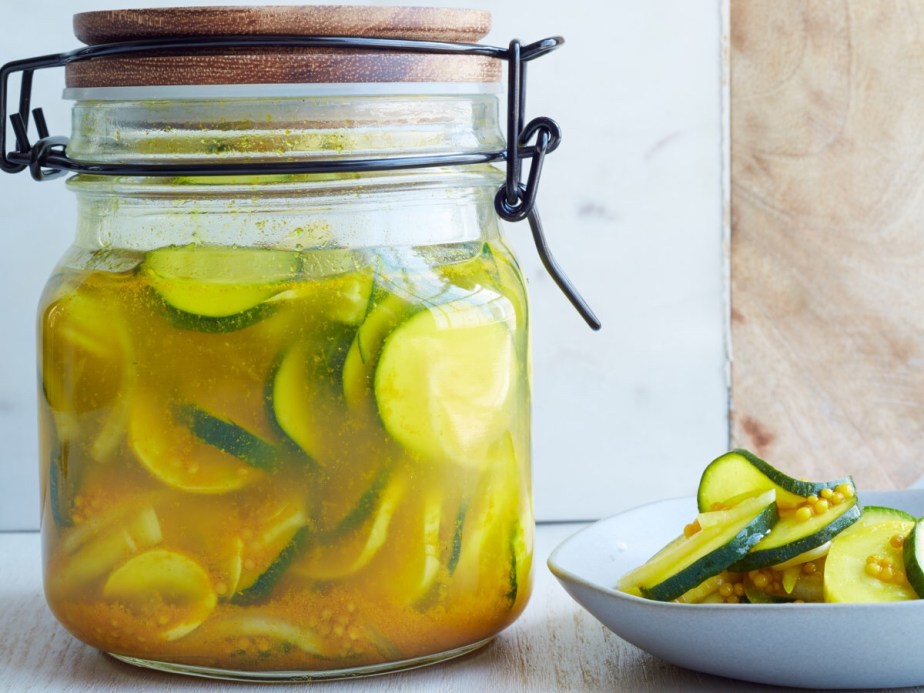

Zucchini Pickles

7 pounds Zucchini sliced thin

1 cup lime juice

Gallon of water

Syrup

9 Cups sugar

2 Quarts Of vinegar

1/4 teaspoon celery seed

1/2 tablespoon mustard seed

1 tablespoon whole cloves

1 teaspoon pickling spice

Soak zucchini in water lime mixture for 24 hours.  Drain and rinse 4 to 5 times.  Soak in clear cold water for 3 hours.  Drain.

Mix syrup and bring to a boil.  Pour over zucchini and let stand for 3 hours.  Boil 35 to 40 minutes.  Can hot

Garlic Olive Oil

Garlic Olive Oil

4 cups pure olive oil
¾ cup garlic cloves, peeled

Pour the oil into a medium saucepan and add the garlic cloves. Place on the stove over medium heat. Bring up to 325°F on a candy or frying thermometer and then decrease the heat to low. Let simmer for 30 to 45 minutes. Remove from the heat, cool, strain through a fine-mesh sieve, and then put the oil into bottles for use.

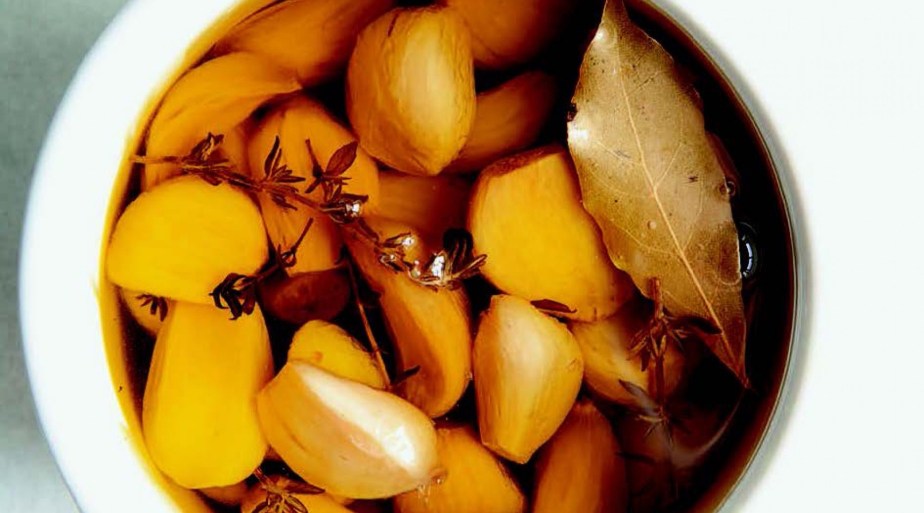
Garlic Confit

1 cup peeled garlic cloves (45 cloves or so)
About 2 cups canola oil

Cut off and discard the root ends of the garlic cloves. Add the cloves to a small saucepan and add enough oil to cover them by about 1 inch.

Place the saucepan over medium-low heat. The cloves should cook gently: small bubbles will come up through the oil, but the bubbles should not break the surface. Adjust the heat as necessary and move the pan to one side if it is cooking too quickly. Cook the garlic for about 40 minutes, stirring every 5 minutes or so, until the cloves are completely tender. Remove the saucepan from the heat and allow the garlic to cool in the oil.

Refrigerate the garlic, submerged in the oil, for up to a month.

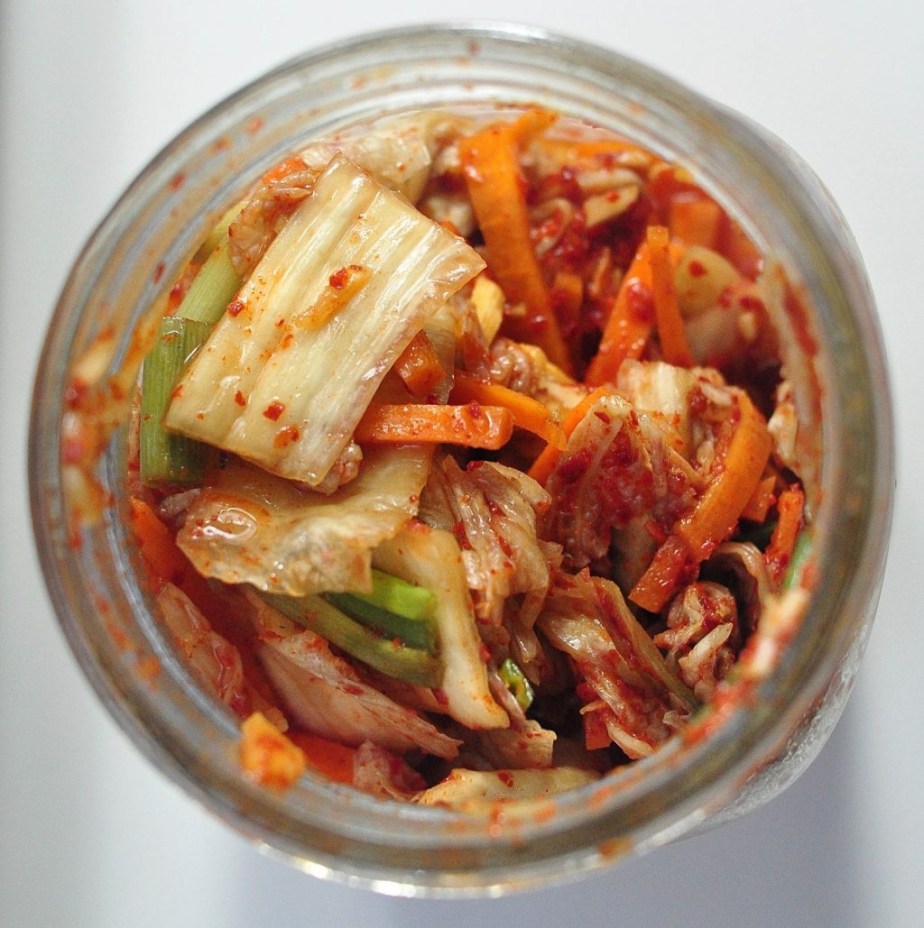
“Kimchi Chronicles” Inspired Quick Hot Kimchi

  • 2 tablespoons gochujang
  • 2tablespoons sherry vinegar
  • 2 tablespoons fish sauce
  • 2 tablespoons grapeseed or canola oil
  • 1 small red onion, thinly sliced
  • 1 teaspoon coriander seeds
  • 1 tablespoon gochugaru
  • 1 head napa cabbage, coarsely chopped, core discarded
  • 1 Korean cucumber (or ½ hothouse cucumber, seeded), coarsely chopped

Whisk together the gochujang, vinegar, and fish sauce in a small bowl.

Heat the oil in a large wok over high heat. Add the onion, coriander seeds, and gochugaru. Cook until the onion begins to brown, about 1½ minutes.

Pour the gochujang mixture over the onion, stirring to combine. Cook for 1 minute, until the liquid is nearly evaporated, then immediately stir in the cabbage and cucumber. Cook until the cabbage is wilted and the flavors are nicely combined, about 5 minutes. Taste and season with additional vinegar or fish sauce if you think it needs it.

Serve.

Tamago No Shoyuzuke (Eggs Pickled in Soy Sauce)

8 large eggs, at room temperature (farm fresh if possible)
¾ cup soy sauce

Fill a medium-sized saucepan three-quarters full with water and bring to a boil. Add the eggs gently into the boiling water. Boil for 6 to 8 minutes depending upon desired firmness of yolk. Set a large bowl in the kitchen sink and fill with cold water. Scoop the eggs from the boiling water and immediately plunge into the water.

Run more cold water if the water temperature feels warm. When the eggs are cool, gently crack by rapping and rolling . Return the eggs back to the cold water for a few more minutes, then peel.

Lay the peeled eggs on a dry dish towel. Pat dry, and then place the eggs in a freezer-style gallon resealable plastic bag. Pour in the soy sauce, tip the bag to distribute, press out all the air, and roll up any unused portion of bag to create a tight cylinder.

Refrigerate overnight. Serve before dinner with drinks, as a side dish for a barbecue or picnic or in Ramen.

Best the first day.

Tamago No Misozuke (Miso Cured Eggs)

6 medium eggs

1 pound miso

Fill a medium-sized saucepan three-quarters full with water and bring to a boil. Add the eggs gently into the boiling water. Boil for 6 to 8 minutes depending upon desired firmness of yolk. Set a large bowl in the kitchen sink and fill with cold water. Scoop the eggs from the boiling water and immediately plunge into the water.

Run more cold water if the water temperature feels warm. When the eggs are cool, gently crack by rapping and rolling . Return the eggs back to the cold water for a few more minutes, then peel.

Pat out about 2½ ounces of miso in your palm. Place 1 peeled egg on the miso and smooth the miso around to cover the whole surface of the egg. Nestle the eggs in a resealable plastic bag or storage container and refrigerate for 4 hours. After 4 hours, regardless if you are ready to serve or not, remove the miso from the eggs.

Repack the miso into a resealable plastic bag and refrigerate for subsequent eggs. Store the eggs in the fridge until ready to serve. Cut in half lengthwise with a very sharp knife wiping the knife each time between cuts to keep the inside free of miso.

Sanbaisuis (Three Way Vinegar)

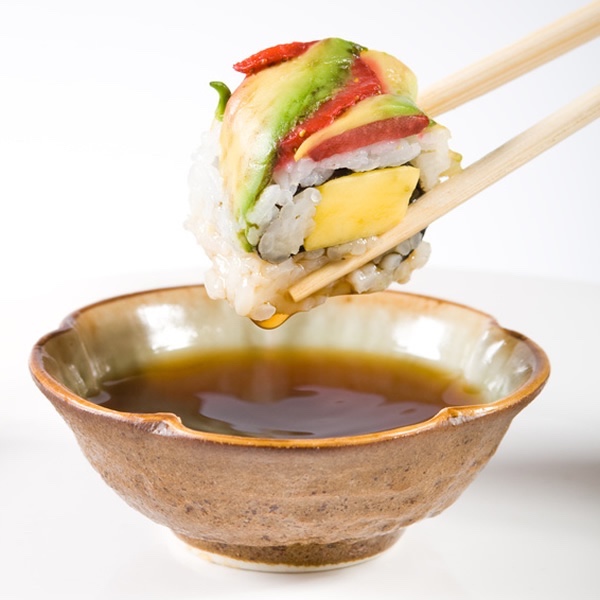
Sanbaisuis is the basis for making a pickle called sanbaizuke, though it also becomes the dipping sauce for tempura.

⅔ cup Katsuobushi Dashi
⅔ cup good soy sauce
⅔ cup brown rice vinegar

Mix the dashi, soy sauce, and brown rice vinegar together and pour into a jar. Keeps for a couple of months, refrigerated. Good for making an instant pickle or on a vegetable salad with equal parts oil.

Kombu No Tsukudani (昆布の昆布)

1 big piece rehydrated kombu (from making Vegetarian Dashi)
2 tablespoons soy sauce
1 tablespoon sugar
1 tablespoon mirin
1 teaspoon rice vinegar
1⅔ cups water
1 teaspoon sesame seeds

Cut the kombu into strips about 1½ inches wide, then julienne them. Add to a saucepan with the soy sauce, sugar, mirin, vinegar and water, and bring to the boil. Reduce the heat to medium—it should be between a simmer and a boil, and cook until the liquid reduces to a thick, sticky glaze.

Taste the kombu; it should be quite soft but not mushy. If it needs more cooking, add a little water. There should be no liquid left; it should be a glaze as opposed to a sauce. When the kombu is ready, stir

Hanarenkon (Flower-Shaped Lotus Root)

  • 3¼ ounces lotus root
  • 2 tablespoons  rice vinegar

Vinegar Mixture

  • 4 tablespoons rice vinegar
  • 2 tablespoons water
  • 2 tablespoons raw sugar
  • 2 tablespoons lemon juice
  • Sea salt, to taste

Combine all ingredients for the vinegar mixture, except
lemon juice, in a saucepan. Place it over low heat to
dissolve all the sugar and salt. Allow to cool.

Peel and slice lotus root into 1/4 inch thick rings. Soak
immediately in water and 1 tablespoon of vinegar to prevent
discolouration. Make flower cuts and drain before using.

Boil a pot of water and add the other tablespoon of vinegar.
Add sliced lotus root flowers and boil for 5 minutes.
Remove lotus root and allow to cool.

Add lotus root slices to vinegar mixture and lemon juice in
a resealable bag. Remove any air from the bag, seal and
refrigerate for a minimum of 2–3 hours.

They are better on day two after the sweetness and contrasting sourness become more prominent.