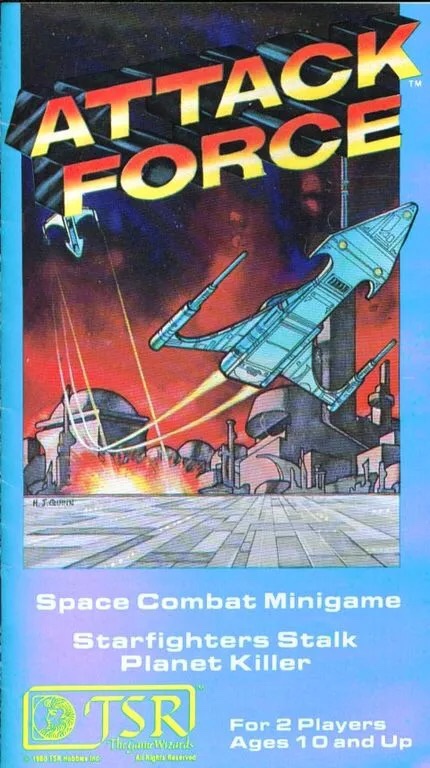
Microgames were a phenomenon of especially the 1970’s and early 1980’s. Attack Force was released by TSR, who was later bought out by Wizards of the Coast.
Attack Force minigame is a fast and exciting space combat game for two players. YOU, as leader of the dashing Arcturan pilots, must use your knowledge of the Novaship’s only weak point to destroy it before it reaches Arcturus. YOU, as the commander of the Novaship, must use your lasers, blasters, and pom-poms to keep the Arcturans at bay until you can launch your Cobra Starfighters and destroy them!
This game is quite simple but at the same time very nice to play for it’s time. The playing time is maximum 1 hour. The two sides are not well balanced because imperial forces are too strong for the rebels and can happen that the game ends in 4 or 5 turns. On the other hand, if the rebel player is lucky and clever he will have several advantages in maneuverability.
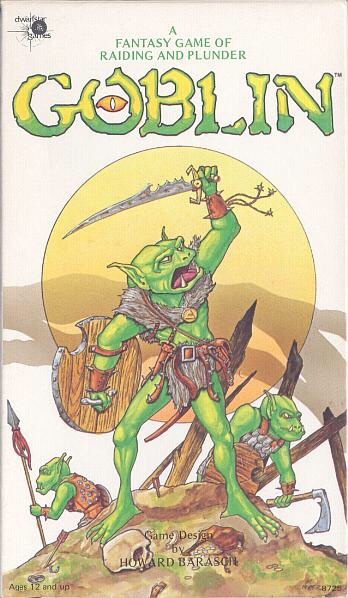
Microgames were a phenomenon of especially the 1970’s and early 1980’s. Goblin was released by the long defunct Dwarfstar Heritage games.
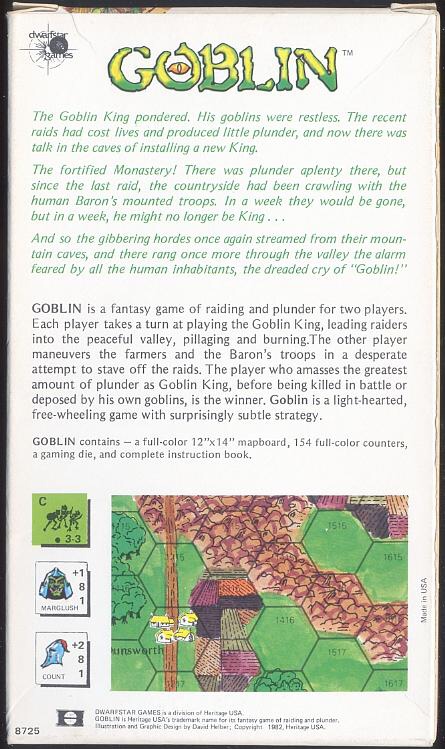
The Goblin King pondered. His goblins were restless. The recent raids had cost lives and produced little plunder, and now there was talk in the caves of installing a new King.
The fortified Monastery! There was plunder aplenty there, but since the last raid, the countryside had been crawling with the human Baron’s mounted troops. In a week they would be gone, but in a week, he might no longer be King . . .
And so the gibbering hordes once again streamed from their mountain caves, and there rang once more through the valley the alarm feared by all the human inhabitants, the dreaded cry of “Goblin!”
Goblin is a fantasy game of raiding and plunder for two players. Each player takes a turn at playing the Goblin King, leading raiders into the peaceful valley, pillaging and burning. The other player maneuvers the farmers and the Baron’s troops in a desperate attempt to stave off the raids. The player who amasses the greatest amount of plunder as Goblin King, before being killed in battle or deposed by his own goblins, is the winner. Goblin is a light-hearted, free-wheeling game with surprisingly subtle strategy.
Goblin contains — a full-color 12″x14″ mapboard, 154 full-color counters, a gaming die, and complete instruction book.
MDMA is the drug originally called ecstasy. It belongs to a family of drugs called entactogens, which means “touching within.” Other drugs in this category include MDA, MDE and MBDB.
MDMA was first synthesized in 1912 by Merck Pharmaceuticals in Germany, although it was never tested on humans. Recreational use of MDMA did not begin until the 1970s.
Before it was made illegal in 1985, MDMA was a therapeutic medicine. Studies are currently underway using MDMA to treat Post-Traumatic Stress Disorder (PTSD), and the drug is on track to be approved as a prescription medication by the FDA in 2021.
What are the Effects?
MDMA is a mood elevator that produces a relaxed, euphoric state. It does not cause hallucinations.
MDMA is almost always swallowed as a pill, tablet, or capsule. Effects are typically felt within 20 to 40 minutes, and peak effects within 60 to 90 minutes.
The come-up on MDMA is usually short but intense, feeling like a wave of tingling and warmth coming over the body.
Sensations are enhanced and the user experiences heightened feelings of empathy, emotional warmth, and self-acceptance.
The effects of MDMA subside after about 3-5 hours.
Most users say the experience is very pleasant and highly controllable. Even at the peak of the effect, people can usually deal with important matters.
What is a Normal Dose?
For most people, a normal dose of MDMA is between 70 and 125mg. However, some people require more to feel the same effect, while others require less.
Taking a single redose of 1/3 to 1/2 the original dose around the 1.5 to 2.5 hour mark can extend the experience by another hour or two, but might worsen the comedown/crash. Redosing any more than this usually will only increase side effects.
Is MDMA Addictive?
MDMA is not physically dependence-forming, and it is not considered to be significantly rewarding and reinforcing (addictive). However, it can often take on great importance in people’s lives, and some people become compulsive, every-weekend users.
Compulsive users may be unconsciously trying to self-medicate for depression or social anxiety. However, MDMA is not a good long-term antidepressant. Effective treatments for depression are available from a qualified physician.
If taken too frequently, MDMA can stop working. Users report that the “magic” goes away. This can last for many years or be permanent. Remember, less is more.
It’s hard to say exactly how often is too often. Some people lose the magic after rolling every few months for a couple of years, while others lose it in less than a year after rolling on a weekly or biweekly basis.
Be Careful
Because of prohibition, MDMA is unregulated. As a result, “Ecstasy” tablets and “Molly” powder can vary widely in strength and contents. Sometimes they contain no MDMA at all, but rather different, more dangerous drugs.
MDMA increases the risk of heatstroke. About 20 people per year in the US die of heat stroke after taking MDMA. Remember to take breaks from dancing, cool down, and stay hydrated. Some people have died from drinking too much water after taking MDMA. This is called “hyponatremia” and happens when the body’s electrolytes (salts) become diluted. Stay hydrated, but don’t drink too much water. About two to four cups per hour is all you need.
Studies have shown that high doses of MDMA can cause damage to serotonin axons (neurons) in laboratory animals. It is possible that similar damage can occur in human recreational users who take high doses too often, and/or who dose in a hot environment.
Although many users feel fine the next day, often describing an “afterglow,” some people experience depression the day after taking MDMA. This post-roll depression (“crash”) can last for up to a week, or more in some cases. People with a history of depressive episodes may be more prone to long and/or difficult “crashes.”
Taking more MDMA at this point won’t make you feel better. This is because MDMA works by releasing a natural chemical in your brain called serotonin, and you only have so much of it in storage. It takes about three weeks for your brain to replenish the serotonin released by MDMA.
Mixing MDMA with alcohol, stimulants or other drugs can increase the risk of adverse reactions, including dehydration, hyperthermia (overheating), and cardiac arrhythmia.
MDMA is illegal and a conviction for possession or sale can carry long prison sentences.
If you choose to use MDMA, knowing why is the best way to maximize the benefits and reduce the risks. Whether it’s for therapy, self-exploration or purely for recreation, understanding your intentions will help you assess whether or not they are being met.
Lysergic Acid Diethylamide (LSD) is a hallucinogenic drug discovered in 1938. It was first ingested by the Swiss chemist, Albert Hofmann, on April 19th, 1943.
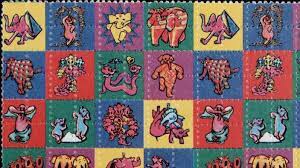
LSD is most often absorbed into small pieces of paper called “blotter,” but it can also be found in liquid form. It is almost always consumed orally.
LSD is extremely powerful. A typical dose is between 100 and 200 micrograms (mcg), which is such a small amount it makes it extremely difficult to measure. A single square of blotter or drop of liquid usually contains a typical dose, but may contain much more.
What are the Effects?
An LSD experience is often described as a “trip.” This experience may be broken up into four phases:
The Onset – After about 30 minutes, colors appear sharper, moving objects leave “trails” behind them and flat surfaces may appear to “breathe.”
The Plateau – Over the second hour, the effects become more intense. Open and closed eye visuals may begin to appear, from shapes in smoke to movement in the lines on the palms of the hand.
The Peak – Time is often slowed significantly. Users may feel like they are in a different world, or a movie. Familiar things seem strange or unusual. For some this is profound and mystical, but it can be very frightening for others.
The Comedown – 5 or 6 hours after taking the drug the effects begin to subside. After 8 to 12 hours, the trip is usually over, although residual effects may last much longer.
Caution
Because of prohibition, LSD is unregulated. Other, far more dangerous drugs, such as 25I-NBOMe (a synthetic hallucinogen that is used in biochemistry research for mapping the brain’s usage of the type 2A serotonin receptor) have been misrepresented as ‘LSD’ and sold in blotter or liquid form, leading to numerous deaths.
LSD trips can sometimes be frightening, inducing extreme anxiety and panic. Although rare, some people relive the experience days, weeks or even years later in episodes known as “flashbacks.” Flashbacks are not unique to hallucinogenic drugs; they can result from any intense psychological trauma.
LSD can induce very intense experiences that may exacerbate or bring out mental health conditions, especially mood or psychotic disorders. There is no hard and fast rule, but individuals with a personal or family history of mood or psychotic disorders have a higher baseline risk level when ingesting LSD and other psychedelics.
In a very small percentage of people, LSD and other hallucinogens have caused a long-lasting disorder known as Hallucinogen Persisting Perception Disorder (HPPD) that affects the person’s visual perception.
LSD can impair judgment. Never drive while under the influence of LSD.
LSD is illegal and possession can result in long prison terms. Supplying LSD to someone else (whether or not money was exchanged) carries even longer sentences.
If you choose to use LSD, knowing why is the best way to maximize the benefits and reduce the risks. Whether it’s for insight, self exploration or simply for fun, your intentions will greatly impact the kind of experience you have.
Bad trip and what to do
As with all psychedelics, “set” and “setting” are important factors in determining whether someone has a positive or challenging experience. “Set” is the mental state a person brings to the experience— their thoughts, mood and expectations. “Setting” is the physical and social environment in which the drug is consumed. Being in a good mental state with trusted friends in a supportive environment before taking LSD reduces the risk of having a bad trip.
If someone is having a difficult or challenging psychological experience on LSD, take them to quiet surroundings where they feel comfortable. Find a friend who can reassure them. Clarify to them that their panic is caused by the drug, and will wear off soon.
If you are at a festival, find out if they have a safe space or cooldown area, especially one that is equipped with people who can offer support during difficult experiences.
Drive Offensively! Car Wars is a game featuring freeways of the future in which the right of way goes to those with the biggest guns. Players choose their vehicle — complete with weapons, armor, power plants, suspension, and even body style — then they take them out on the road, either to come home as “aces” or to crash and burn. If a driver survives, his abilities improve and he can earn money to buy bigger and better cars. Advanced rules let players design their own customized cars, trucks, and cycles.
Playing time 30 minutes and up, for players 10 and older. Any number can play . . . games with 2 to 8 are best.
Game components include:
103 full-color die-cut game counters, storage bag, and Turning Key.
64-page rulebook, plus extra tables and record sheets.
2-sided game map, with autoduel arena and raceway.
Four 6-sided dice.
Awards:
1981 Charles S. Roberts Best Science-Fiction Board Game Winner
1981 Charles S. Roberts Best Science-Fiction Board Game Nominee
The study and practice of hidden and coded language.
Geek Fact:
There are many codes that, as of yet, remain undecoded. Examples are Kryptos, a sculpture by Jim Sanborn located at CIA headquarters; some of the letters from the Zodiac killer; and the Beale Papers, nineteenth century coded messages that supposedly lead to a buried treasure worth $40 million.
Drug use is the contentious issue that lurks in any discussion of contemporary counterculture. What surprises here, perhaps, is the extent to which drug use prior to the twentieth century is not central to this exploration. Still, mind-affecting plants and chemicals do pop up across countercultural history.
In counterculture since the beats, so-called hard drugs—stimulants and narcotics like speed, heroin, and cocaine—have occasionally fostered fruitful creative frenzy or provided a context for narratives of hilarious morbidity and artful gloom. These drugs have been used with enjoyment and apparent impunity by some. But because of the syndromes of dissolution so often connected with their long-term use, such substances have generally undermined the project of embodying the countercultural impulse in effective action and sustainable modes of living. Counterculture by definition strives toward freedom, while drug addiction is a kind of slavery. In this sense, addictive drug use can ultimately be assessed as anathema to counterculture despite its widespread presence in recent countercultural episodes.
There is a vast history regarding the use of psychedelic (mind-manifesting) plants like psilocybin, peyote, and marijuana to obtain spiritual and religious visions and shamanic healing powers, allowing individuals and groups access to the numinous realm without the intercession of any religious authority.
Altered states of consciousness can sometimes help people conceive alternative truths or open them up to multiple perspectives. In High Frontiers magazine, Bruce Eisner and Peter Stafford described the use of various mind-altering drugs as being “like changing the perceptual filters on your camera to give you a variety of pictures of reality.” Psychedelics like LSD, mescaline, and later Ecstasy, while certainly presenting some hazards, have fueled the countercultural drive by illuminating utopian visions, inspiring artistic departures, and exposing consensus reality. Even the dark side of the psychedelic experience has made its contribution, infusing the desire for radical change with electric urgency by rendering the horrors of modern life in the vivid, pulsing close-up images of a trip focused on harsh negative realities.
Within these contexts, the use of certain psychedelics, is presumed to be understood as an indicator of a particularly unrestrained example of counterculturalness. At the same time, this is not always the case for all individuals and cultures, historically or currently. Even the relatively drug-saturated countercultures of recent decades have given place to counterculturalists who had nothing to do with drugs.
At its best—again mostly, but not exclusively, with the psychedelics— counterculture drug exploration goes beyond the usual chemical quest for recreation, relief, or oblivion. Instead, it becomes a manifestation of counterculture’s great perennial embrace of new ideas, technologies, experiences, and modes of being. It is from this context that works like Aldous Huxley’s The Doors of Perception, Daniel Pinchbeck’s Breaking Open the Head.
Benzodiazepines are a class of drugs that are commonly prescribed as a short-term treatment for anxiety disorders, panic attacks, and insomnia.
Although safe and effective when taken as prescribed, benzodiazepine drugs like Xanax or Ativan can be misused for their effects.
Over time, benzodiazepine abuse can lead to severe physical dependendence, addiction, withdrawal symptoms, and other negative health consequences without treatment.
Benzodiazepines are what’s known as central nervous system depressants (CNS). When taken, they depress central nervous system activity, which can affect breathing and physical movement.
Benzodiazepines are known to enhance the effects of the brain chemical GABA. When taken, this can cause calmness, sedation, and reduce anxiety.
Benzodiazepines, also known as “benzos,” can be abused in several ways. What benzo abuse looks like can vary from person to person, and some signs may be less obvious than others.
What benzodiazepine abuse might look like:
taking higher doses than prescribed
taking doses more often
crushing and snorting benzodiazepines
injecting benzodiazepines
drinking alcohol to enhance drug effects
mixing benzos with other drugs to get high
taking someone else’s prescription
Chronic benzodiazepine abuse, characterized as a pattern of frequent benzodiazepine misuse, can be dangerous and may harm both physical and mental health.
Misusing benzodiazepines can be dangerous. Both acute and long-term dangers can occur by taking this type of drug in any way other than prescribed by a doctor.
Primary dangers of benzo abuse include:
severe dependency
drug addiction
drug overdose
increased risk of polysubstance abuse
worsened mental health conditions
potential brain damage
Benzodiazepines are rarely dangerous when taken as prescribed. But misusing benzodiazepines carries a risk of serious dangers, including drug overdose.
Benzodiazepine overdose can occur by taking excessively high doses of a benzodiazepine, or by combining the use of benzodiazepines with other drugs, such as opioids, alcohol, or heroin.
People who overdose on benzodiazepines may experience difficulty breathing, breathe very slowly, become unresponsive, or collapse. If this happens, call 911 right away.
Mixing benzodiazepines with other substances such as cocaine, heroin, methadone and alcohol can have serious effects on both short-term and long-term health, with the potential to affect vital organ function and increase the risk of drug overdose.
Drugs and alcohol are called mood-altering substances for a reason: They alter a person’s mood, and the person has no control over how his mood is altered. People commonly report that they use alcohol to help them relax, but the disinhibiting effects of alcohol often turn into physical aggression, yelling and screaming, tears, and so on. If a person already has difficulties managing his emotions, is it wise to add the unpredictable effects of drugs or alcohol?
Some people use alcohol to help them sleep. It’s important to understand that alcohol actually has a negative effect on sleep due to a rebound effect. Four to five hours after consuming alcohol, the rebound effect kicks in and people usually find themselves awake. In addition, researchers have found that consuming alcohol within an hour of bedtime seems to disrupt the second half of the sleep period, so people don’t get the same deep sleep they otherwise would.
Then there are people who use drugs or alcohol to help numb their emotions so they don’t have to deal with them. This makes sense, and we therefore need to validate it, indicating that we understand it, and at the same time encourage them to see this as a goal to work on, as it’s unhealthy and possibly even self-destructive.
Your first challenge may be to just get a person to see that drugs and alcohol are a problem. But even when people can see that a behavior is problematic, they still might not want to change it. In this case, the next challenge is getting them to set small goals around reducing their use—keeping in mind that if a person isn’t willing to set something as a goal yet, you need to accept this and gently continue to push for change over time.
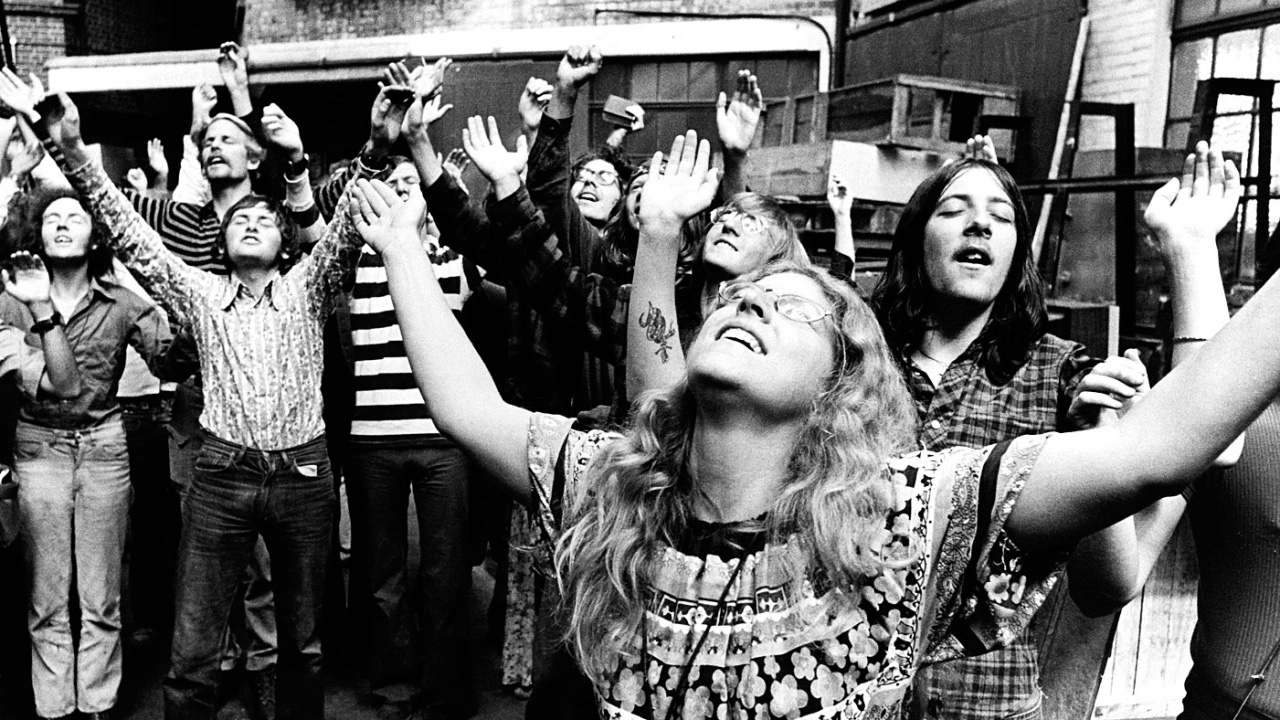
Cults whether fictional or real are having a cultural moment. The recent success of Hulu’s “The Path” and “American Horror Story: Cult” in which we see versions of cult leaders like David Koresh and Jim Jones – all portrayed by Evan Peters. Our fascination with cults – real or fictional – may stem from the fine line between being drawn to what appears to be a utopian community and a dangerous, free-will-stripping group.
The Peoples Temple (1955 – 1978)
When Jim Jones founded the Peoples Temple in Indiana in 1955, it appealed to many as a progressive organization advocating for civil rights, and operating homes for the elderly and those with mental health issues. Like previous progressive groups, Jones’s goal was to create an egalitarian utopian community. In 1965, Jones moved his family and the Peoples Temple to the Redwood Valley in California, based on recommendations from an article in Esquire suggesting places to survive a nuclear war. In 1974, the Peoples Temple leased land in Guyana, where the group would flee media scrutiny in the United States and set up an agricultural commune. By 1978, the population of “Jonestown” in Guyana had grown to around 900, but a few disillusioned members tipped off the American media of the armed compound in South America and rehearsals of mass suicide. In November 1978 Congressman Leo Ryan traveled to Jonestown where he, three journalists and one defector were shot and killed, before Jones ordered his followers to drink a cyanide-laced drink, resulting the loss of 909 lives.
The Branch Davidians (1955 – 1993)
Although this extremist sect of the Seventh Day Adventists has been active since the 1950s, the Branch Davidians are best known for the 1993 standoff in Waco, Texas. David Koresh, the leader at the time, believed he was the Messiah and declared all women – including those underage or already married – his “spiritual wives.”The group believed the apocalypse was imminent and, fearing its arrival, locked themselves into a sprawling compound. On February 28th, 1993, agents from the Department of Alcohol, Firearms and Tobacco raided the Waco compound on the suspicion that Koresh was stockpiling weapons. What started as a shootout soon turned into a standoff between the Branch Davidians and the FBI. Itlasted 51 days, and eventually ended when tanks were brought in: the compound was filled with tear gas and caught on fire, leaving more than 80 people dead.
Sullivanians (1957 – 1991)
Saul B. Newton founded The Sullivan Institute in 1957 with his wife, Dr. Jane Pearce, in an attempt to create a viable alternative to the traditional nuclear family, which he viewed as the root of all social anxiety. Located in three buildings on the Upper West Side of Manhattan, the Sullivan Institute operated as both a therapy center and a polyamorous commune, despite the fact that Newton, the leader, had no formal training as a therapist. Unlike other practicing therapists who worked under a strict code of ethics, there were no such boundaries for the Sullivanians, as the members of the Institute were known, with therapists and other members of the community sleeping with each other regularly. In fact, they were forbidden from engaging in exclusive relationships. Any children born to Sullivanians were sent away to boarding school or caretakers with very little visitation from their parents. All members were encouraged to cut ties with their former friends and family members. In the 1970s, the group – which had around 500 members – merged with a progressive theater collective call the Fourth Wall and relocated to Orlando in 1979 following the nuclear meltdown at Three Mile Island. After seeing a decline in membership in the 1980s, the Sullivan Institute ended with the death of Newton in 1991.
Children of God – Family International (1968 – Present)
David “Moses” Berg founded this communist Christian offshoot in California in 1968. For someone so concerned with moral decay and evolution, Berg had a very sex-centric perspective on how to spread the views of Jesus, including reported recruitment through “flirty fishing” (i.e. using young women to lure in new members by having sex with them) and apparently opposing anti-pedophilia laws – according to some former members, having sex with children was not only permitted, but also a divine right. Berg was a master of propaganda, writing, publishing and distributing pamphlets discussing his teachings. The group changed its name several times – most recently to “Family International” in 2004 – and still exists today, operating in 80 countries, although no longer permits sex between adults and children. Actors Joaquin Phoenix and Rose McGowan were born into the cult and have since left and spoken out against the group.
Heaven’s Gate (1972 – 1997)
Heaven’s Gate – founded in San Diego in 1972 by Marshall Applewhite and Bonnie Nettles – was based on the premise that aliens would escort members of the group to the “Kingdom of Heaven” via extraterrestrial spacecraft. They first made headlines in 1975, when they convinced 20 new followers to give up their earthly possessions, leave their families and disappear. On the CBS Evening News, Walter Cronkite reporting that “it’s a mystery whether they’ve been taken on a so-called trip to eternity – or simply taken.” (They turned out to be living underground, camping everywhere from Rhode Island to Oklahoma.) But Heaven’s Gate is best known for a much more tragic event two decades later. In March 1997, the group carefully planned and then executed a mass suicide, timed to coincide with the arrival of the Hale-Bopp comet, which members thought would conceal the alien spacecraft on its way to earth. Clad in black tunics and Nikes, 39 Heaven’s Gate members ate applesauce mixed chased a sedative with vodka, covered their heads in plastic bags and died. Nine of the 18 men – including Applewhite – had been surgically castrated, as the group mandated celibacy. An upbeat videotaped message made the members prior to the suicide indicated that they were willing – even happy – to die and move to the “next level.”











 Mark Bere Peterson’s Counterculture, Urban Legends, Paganism & Witchcraft