“I am wiser than this man, for neither of us appears to know anything great and good; but he fancies he knows something, although he knows nothing; whereas I, as I do not know anything, so I do not fancy I do. In this trifling particular, then, I appear to be wiser than he, because I do not fancy I know what I do not know.”
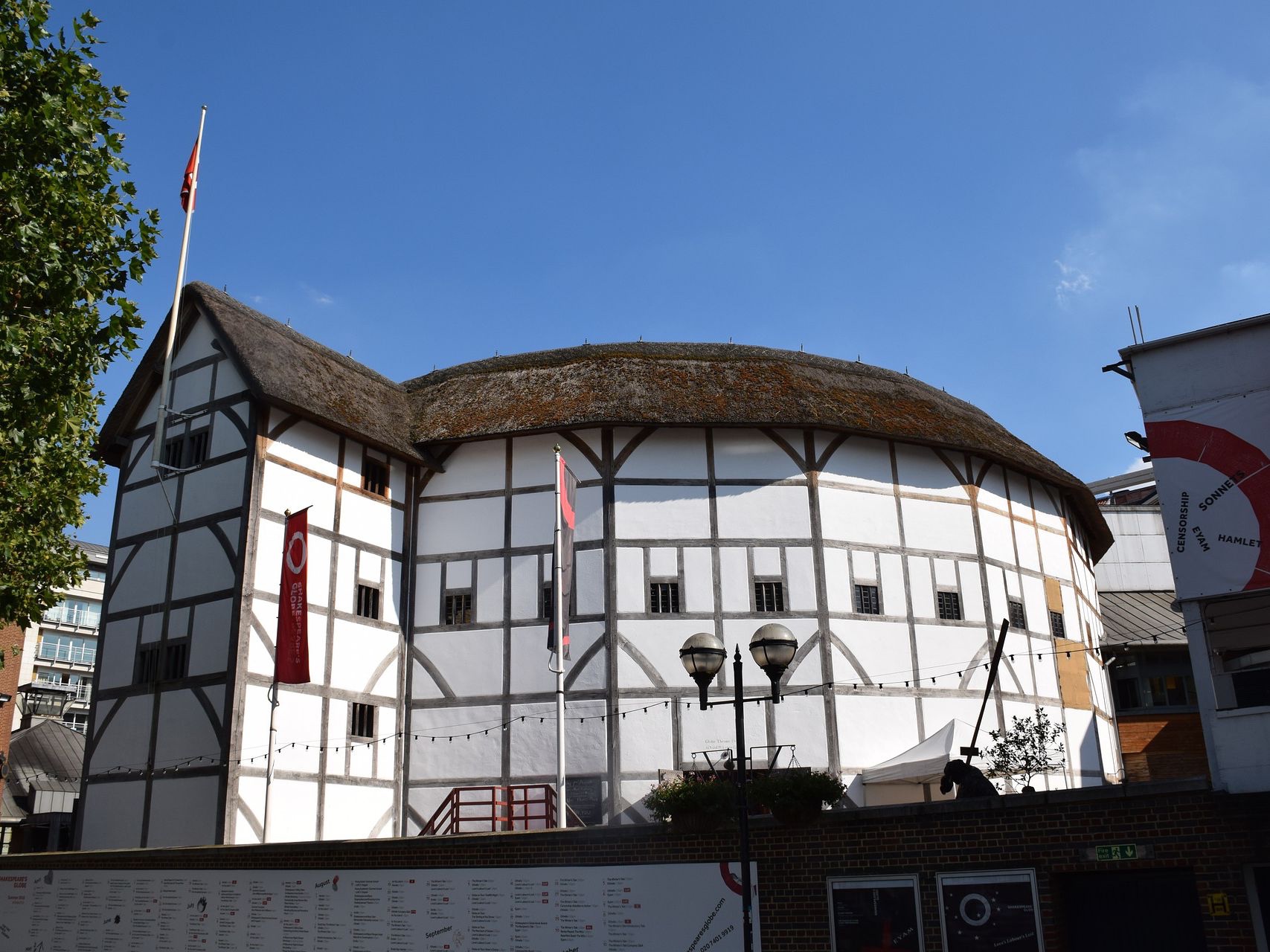
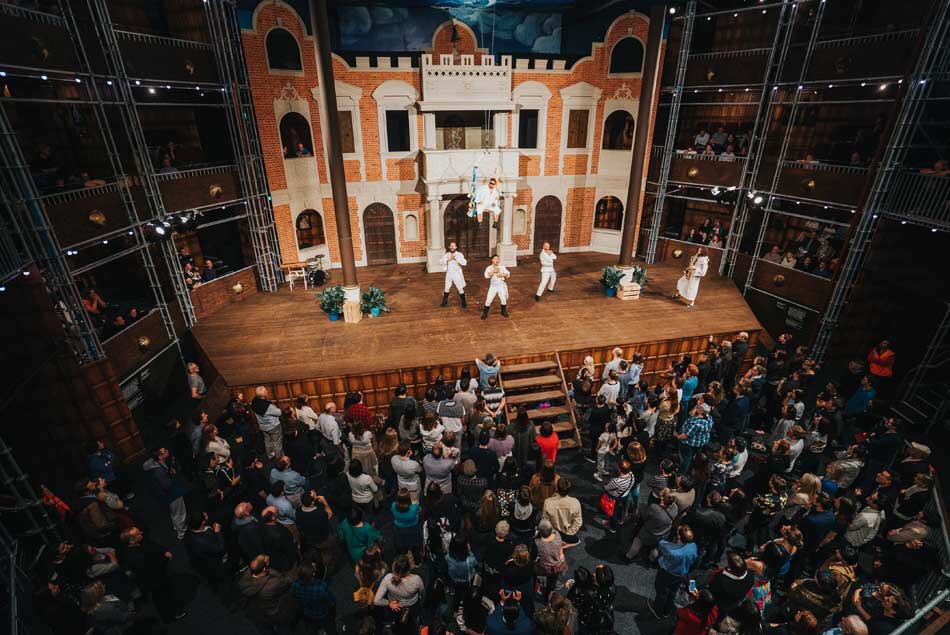
Globe Theater Fun Facts –> Opened in 1599, the Globe played host to Shakespeare for 14 years, during which time he wrote many of his greatest works. The theatre was destroyed by fire in 1613 after its thatch was accidentally set alight by a cannon during a performance of Henry VIII.
A new theatre was built in 1614, but was demolished in 1644 when all plays were banned by the Puritan parliament.
Why did we take so long to invent civilization? Modern Homo sapiens first evolved roughly 250,000 to 350,000 years ago. But initial steps towards civilization, harvesting, then domestication of crop plant, began only around 10,000 years ago, with the first civilizations appearing 6,400 years ago.
For 95% of our species’ history, we didn’t farm, create large settlements or complex political hierarchies. We lived in small, nomadic bands, hunting and gathering. Then, something changed.
We transitioned from hunter-gatherer life to plant harvesting, then cultivation and, finally, cities. Strikingly, this transition happened only after the ice age megafauna—mammoths, giant ground sloths, giant deer and horses—disappeared. The reasons humans began farming still remain unclear, but the disappearance of the animals we depended on for food may have forced our culture to evolve.
Early humans were smart enough to farm. All groups of modern humans have similar levels of intelligence, suggesting our cognitive capabilities evolved before these populations separated around 300,000 years ago, then changed little afterwards. If our ancestors didn’t grow plants, it’s not that they weren’t clever enough. Something in the environment prevented them—or they simply didn’t need to.
Agriculture has significant disadvantages compared to foraging. Farming takes more effort and offers less leisure time and an inferior diet. If hunters are hungry in the morning, they can have food on the fire at night. Farming requires hard work today to produce food months later—or not at all. It requires storage and management of temporary food surpluses to feed people year round.
Archaeologists from the UCL’s Institute of Archaeology have discovered the remains of what may be the Red Lion, an early Elizabethan playhouse built around AD 1567.
The Red Lion was a purpose-built playhouse in the yard of the Red Lion, a farmhouse east of Aldgate near Mile End. This was to be the first known attempt to provide a purpose-built playhouse in London for the many Tudor age touring theatrical companies, in particular staging a young Shakespeare’s plays in the 1590s.
The Red was financed by John Brayne who also financed, with his brother-in-law James Burbage, the building of the Theatre in Shoreditch.
The only contemporary information previously known about the playhouse was from two lawsuits issued in the Records of the Court of King’s Bench in 1567, between John Brayne and the carpenters commissioned with aspects of the playhouse construction that noted “the house called the red lyon” and “farme house called and knowen by the name of the Sygne of the Redd Lyon”. Location of the Red Lion Playhouse The lawsuit details ‘scaffolds’ or galleries around the stage, suggesting they were substantial.
The second lawsuit relates to the quality of work, and crucially includes a description of the stage and dimensions: 40ft (12.2m) north to south, by 30ft (9.1m) east to west, and standing at a height of 5ft (1.5m) above the ground. While it appears to have been a commercial success, the Red Lion offered little that the prior tradition of playing in inns had not offered.
Situated in open farmland, it was too far from its audiences to be attractive for visiting in the winter. Archaeologists excavating the site discovered a rectangular timber structure, comprising 144 surviving timbers and measuring 12.27m north-south by 9.27m east-west.
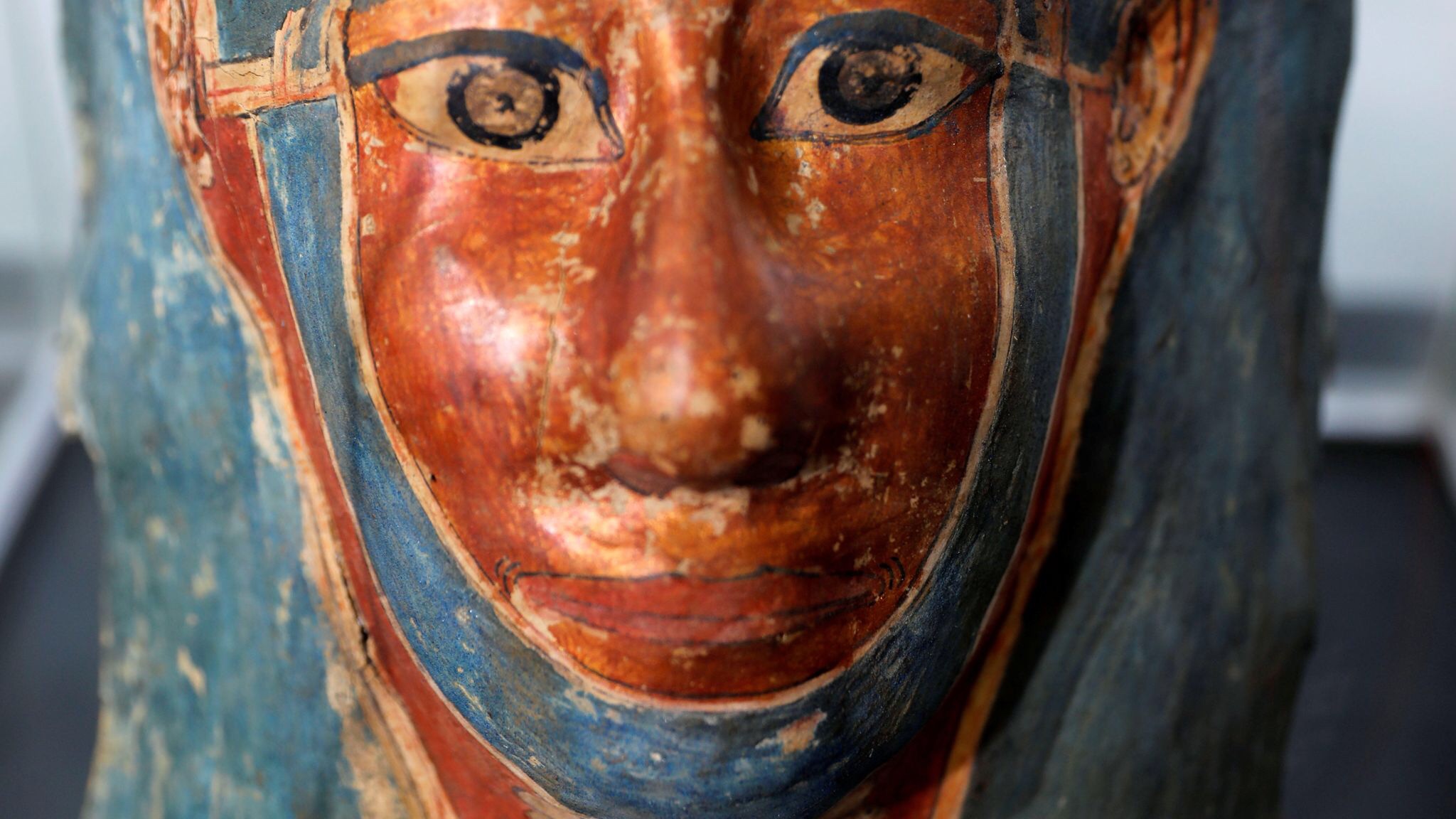
Egyptian antiquities officials have announced the discovery of almost 100 ancient sealed sarcophagi, which were buried more than 2,500 years ago in the Pharaonic necropolis and around 40 golden statues in south Cairo.
Archaeologists discovered a well-preserved mummy wrapped in cloth – which they later X-rayed to find out how the body had been conserved.
Tourism and antiquities minister Khaled el-Anany said the items date back to the Ptolemaic dynasty that ruled Egypt for 300 years – from around 320BC to around 30BC and the Late Period (664-332BC).
Since September, antiquities experts have found around 140 sealed sarcophagi, featuring mummies inside almost all of them.
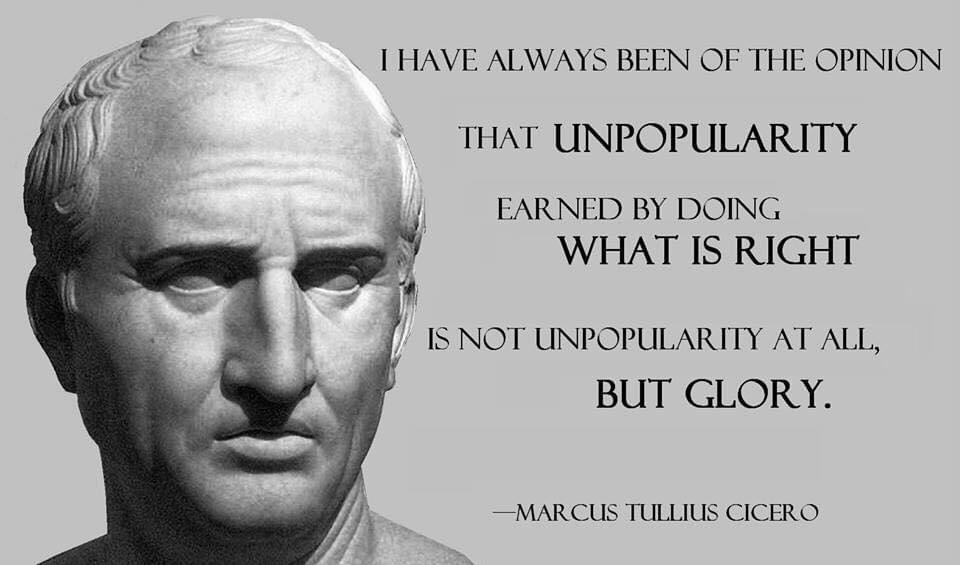
People will disagree with me, but hands down best politician in history and it’s not even close:
~ He squared off against Caesar and was friends with young Brutus.
~ He advised the legendary Pompey on his somewhat botched transition from military hero to politician.
~ He lambasted Mark Antony and was master of the smear campaign, as feared for his wit as he was for exposing his opponents’ sexual peccadilloes.
~ Brilliant, voluble, cranky, a genius of political manipulation but also a true patriot and idealist, Cicero was Rome’s most feared politician, one of the greatest lawyers and statesmen of all times.
~ Machiavelli, Queen Elizabeth, John Adams and Winston Churchill all studied his example.
If you haven’t read any of his books I’d suggest reading his book: “Orations” and then one or more of “Tusculan Disputations” or “On the Commonwealth and On the Laws” or “On Moral Ends” or “The Nature of the Gods.”
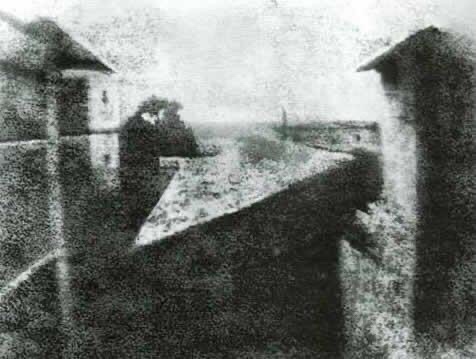
This is the oldest surviving camera photograph. It was taken in 1826 and took 8 hours of exposure. It was created by Nicéphore Niépce in 1826 or 1827 at Saint-Loup-de-Varennes, France, and shows parts of the buildings and surrounding countryside of his estate, Le Gras, as seen from a high window.
Niépce captured the scene with a camera obscura focused onto a 16.2 cm × 20.2 cm (6.4 in × 8.0 in) pewter plate thinly coated with Bitumen of Judea, a naturally occurring asphalt. The bitumen hardened in the brightly lit areas, but in the dimly lit areas it remained soluble and could be washed away with a mixture of oil of lavender and white petroleum.
December 6th, 1912 – The Nefertiti Bust is discovered.
Here’s the Nefertiti bust, now residing in Berlin’s Neues Museum. The limestone and painted stucco bust, which the Egyptians have been demanding back (and they have a case for its repatriation), was found in a sculptor’s workshop in the ancient city of Akhetaten,. The bust of Nefertiti is believed to have been crafted about 1345 BC by the sculptor Thutmose. The bust does not have any inscriptions, but can be certainly identified as Nefertiti by the characteristic crown, which she wears in other surviving (and clearly labelled) depictions, for example the “house altar”.
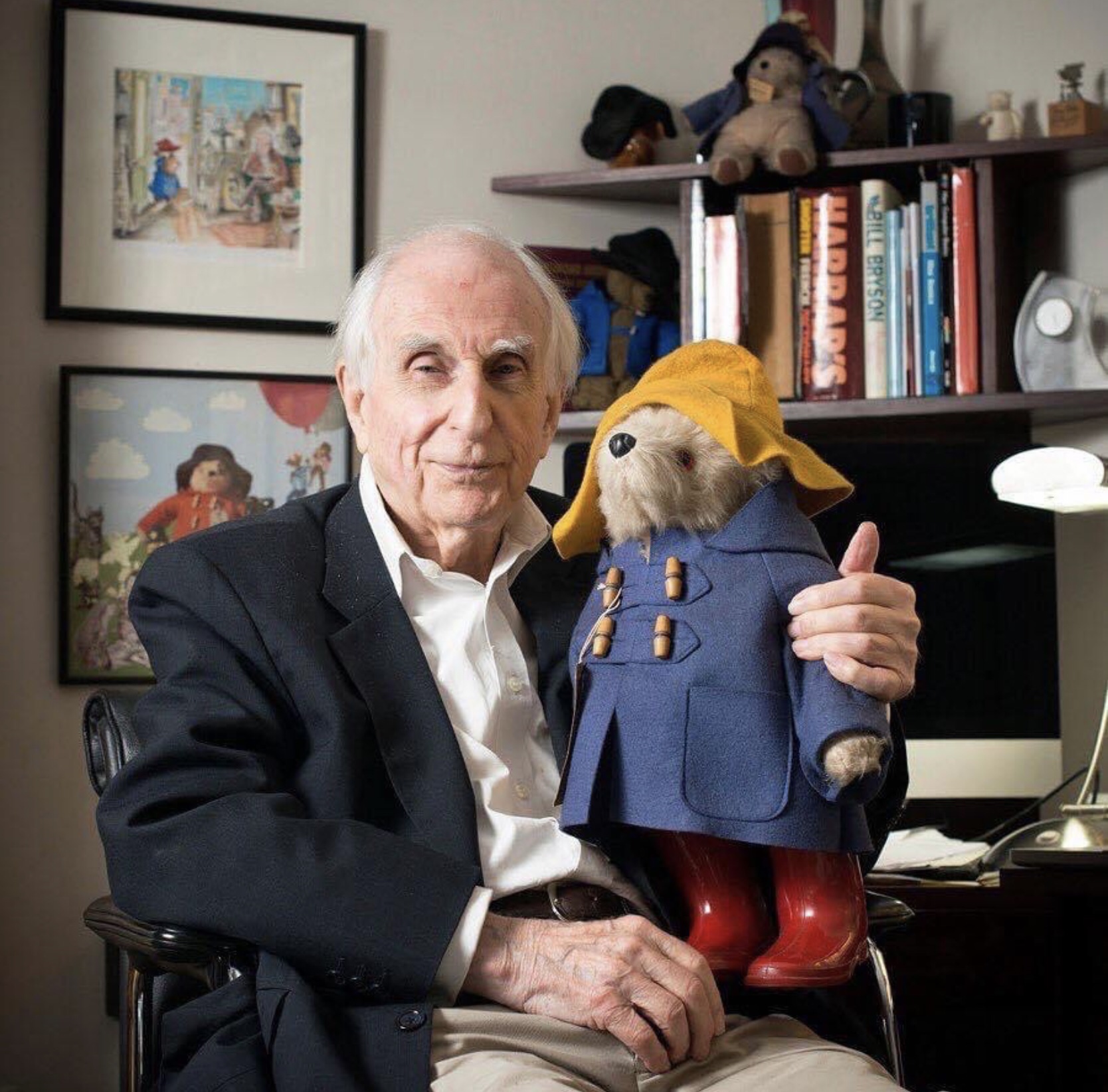
Did you know that the beloved character Paddington Bear was inspired by Jewish children who escaped the Holocaust on the Kindertransport? Creator Michael Bond (1926-2017) was motivated by his memories of children arriving at London’s Reading station during WWII. These young refugees each carried a small suitcase and wore labels around their necks to identify them. It’s no coincidence that in the book, the little bear is found sitting on his suitcase in Paddington Station in London with a note around his neck that reads, “Please take care of this bear. Thank you.” He is discovered and adopted by the Brown family, thus the name Paddington Bear. In the story, Paddington’s best friend is Mr. Samuel Gruber, an elderly Jew from Hungary who escaped the Nazis. ❤️
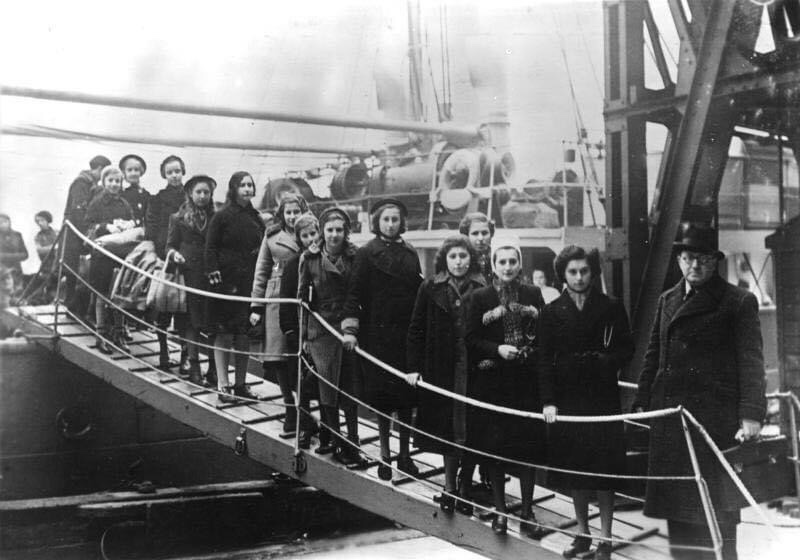
82 years ago, the first Kindertransport train left Germany:
Following the Kristallnacht pogrom in 1938, the British government changed its immigration policy to allow Jewish children to enter the country, providing that charities could pay a £50 bond for each child as a guarantee that they would leave the country when the situation improved. The children’s parents were not allowed to join them unless they had the financial means to support themselves, so most children travelled alone on what became known as the Kindertransport (‘children’s transport’).
Most of the almost 10,000 Kindertransportees never saw their parents again.






 Mark Bere Peterson’s Counterculture, Urban Legends, Paganism & Witchcraft