On New Year’s Day, 1802, President Thomas Jefferson penned a letter to the Danbury Baptist Association of Connecticut. In his written address, he used the celebrated “wall of separation” metaphor to describe the First Amendment relationship between reli- gion and civil government. Jefferson wrote, in sweeping, memorable phrases:
Believing with you that religion is a matter which lies solely between Man & his God, that he owes account to none other for his faith or his worship, that the legitimate powers of government reach actions only, & not opinions, I contemplate with sovereign reverence that act of the whole American people which declared that their legislature should “make no law respecting an establishment of religion, or prohibiting the free exercise thereof,” thus building a wall of separation between Church & State.
~ Thomas Jefferson, letter to the Danbury Baptist Association of Connecticut
Ponce de Leon was the governor of Puerto Rico and due to political intrigue within the Spanish Empire he was encouraged to explore a new “island” that was said to be to the Northwest. On March 4th 1513, he set forth on an expedition that he financed from Puerto Rico. On April 2nd they sited land, and which they called Florida. To this day the exact location of the landing has been disputed, some believe it was where St Augustine is today others believe it is Melbourne Beach. After exploring the area the fleet explored further south. Leon sailed through the Florida Keys and then up the West coast of Florida. After eight months he returned to Puerto Rico. Ponce de Leon was greeted as a hero in Spain and given a further charter to explore Florida. He sailed with a new fleet in 1515, but when Ferdinand died in Spain the exploration was cut short.
In 1521 Ponce de Leon led another expedition to Florida. This one goal was to settle Florida. They arrived at the mouth of the Caloosahatchee River. There they were attacked by the Calusa indians. Leon was injured in the attack by a poison arrow. He soon died from his wounds and that ended the expedition. Over the years the story has taken hold that Leon was seeking the mythical fountain of youth. That story seems not based on historic evidence
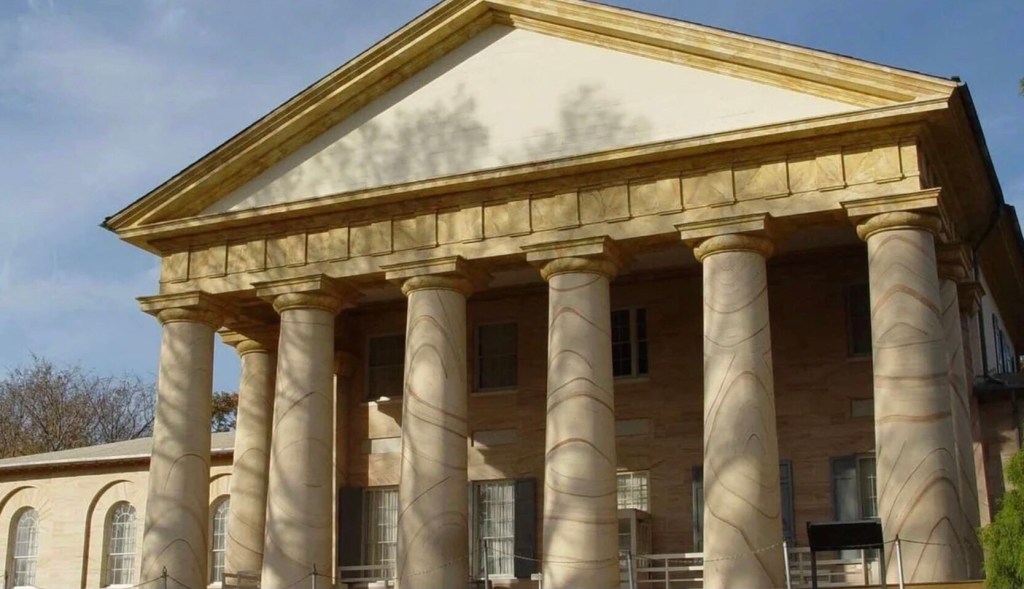
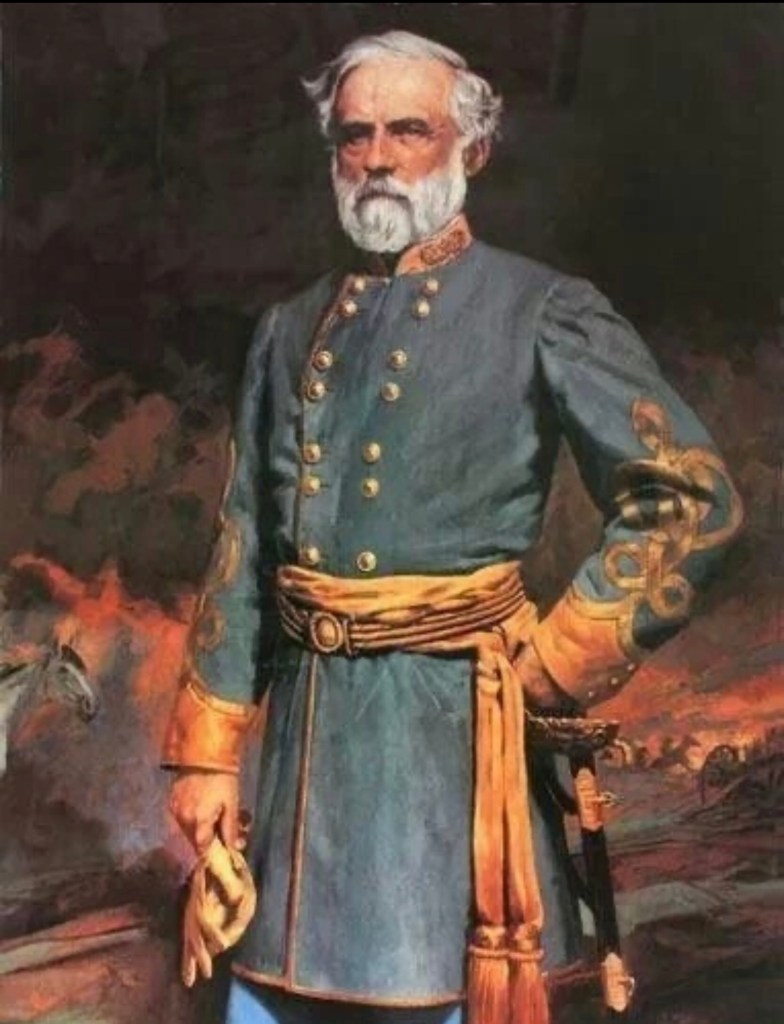
Major General McClellan, after he became leader of the Union army, chose for his Washington headquarters the lovely home on the Potomac River called Arlington House. Arlington House had belonged to Confederate army leader General Robert E. Lee.
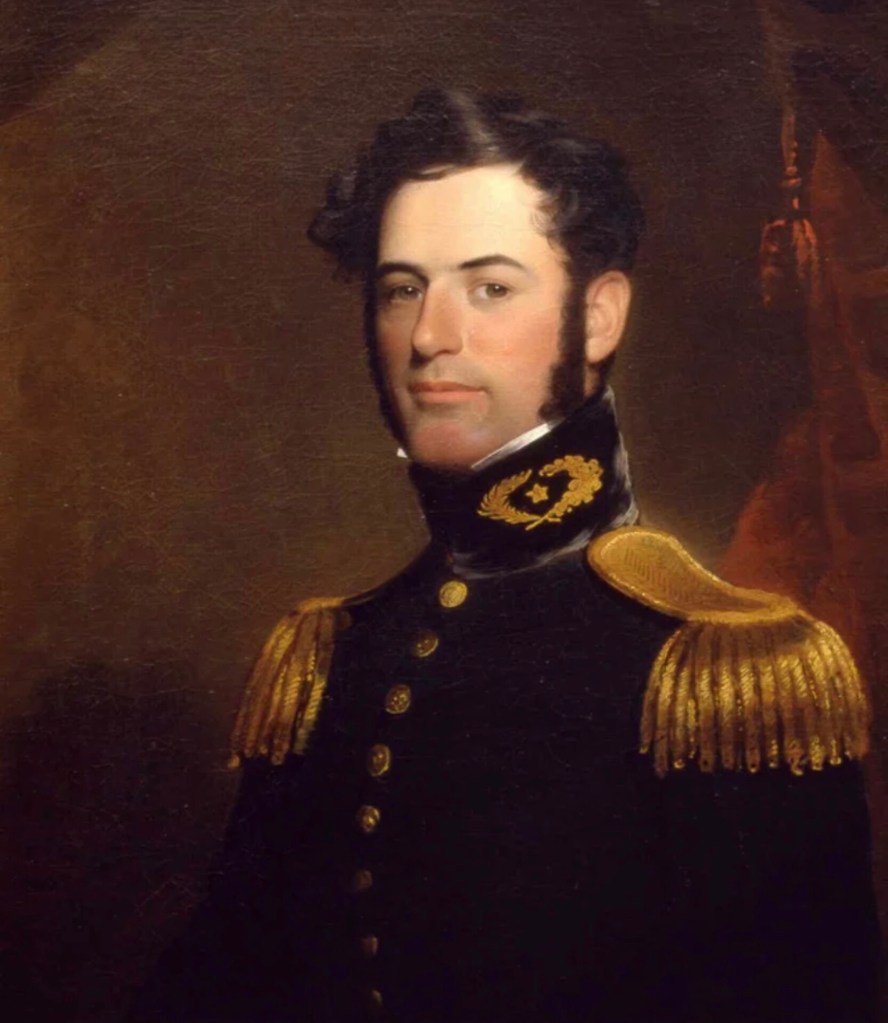
Robert E. Lee had lived at Arlington House with his wife, Mary, the granddaughter of Martha Washington, wife of President George Washington. Set on high ground on the Virginia side of the Potomac River, the imposing Neoclassical home was visible from much of Washington, D.C.
After Robert E. Lee signed on with the Confederacy, the Lees recognized that their home’s proximity to Washington, D.C., placed both the house and them at risk of Union attack. They packed their belongings and left Arlington House. The Lee family would never return to this home. Union troops occupied the house on May 24, 1861.
Once in Federal hands, the land around Arlington House found several purposes. United States Army major general Montgomery C. Meigs determined that the grounds should serve as a national cemetery for Union dead. The first Union soldier buried at what became Arlington National Cemetery was William Christman of Pennsylvania on May 13, 1864.
The Federal government also made the decision to create a village on the grounds of Arlington for freed slaves. Robert E. Lee had slaves at Arlington. It seemed fitting then that Arlington would provide the site for Freedman’s Village, which was established in 1863. It would grow to house more than one thousand freed slaves—men, women and children. Homes, a school and a hospital were part of the village complex. Some of the inhabitants of Freedman’s Village were former slaves of Robert E. Lee’s.
The Weary Blues was the most important book by the Harlem Renaissance’s most famous author. Hughes rose to fame fast and furiously amid a cultural movement that marked the first time in US history that white America began to pay attention to African American literature. And with this collection of poems, he – alongside a handful of others – gave voice to a generation.
With his masterful use of language, tone and rhythms of jazz and blues music of the time, he spoke personally and powerfully to the experiences of Black Americans. While the titular The Weary Blues (included in poetry anthology Blues Poems) is his most famous poem, it is Our Land that contains one of the most memorable lines in 20th-century literature: “I, too, am America.”
Hellenistic Tesserakonteres: Largest Human-Powered Vessels In History
During the Hellenistic era, heavy polyremes warships such as hexaremes, septiremes, etc, became fairly common and were definitely used in battle, although the pentere remained the main line-of-battle galley.
“Appearing at the end of the fourth century BC in the fleet of Demetrios Poliorketes, these super-galleys expanded quickly to reach the level of twenty and thirty rows of oars and culminate, towards the end of the third century BC, with the forty of Ptolemy IV Philopator powered by 4000 rowers.”
~Patrice Pomey.
During the war between Ptolemaios Keraunos and Antigonos Gonatas, the Heraklean fleet (which fought on Keraunos’ side) was made up of “hexaremes, penteres and an octere”. The latter, probably the flagship, had 1600 oarsmen and 1200 soldiers and mariners on the decks, and two helmsmen. Memnon states that this giant ship was actually effective during the battle.
“These warships resembled to floating fortresses, very similar in size to the modern battleships and aircraft carriers. The tessarakonteres had a crew of 6.000 men (officers, oarsmen, sailors, marines and others), as many as a modern aircraft carrier.”
~Periklis Deligiannis.
Stats of the tesserakonteres: Length: 130 m. Beam: 17 m per catamaran hull. Longest rowing oars: 17 m. Oarsmen: 4,000, officers, ratings, deckhands: 400, Marines: 2,850.
Source & Illustration: Paweł Moszczyński for Mówią Wieki Magazine, Feb. 2010.
“I shall dance all my life. . . . would like to die, breathless, spent, at the end of a dance.” ~ Josephine Baker, 1927
An international star of the Jazz Age, known for her daring dances, exotic costumes, and menagerie of pets, Josephine Baker was born into poverty in St. Louis in 1906. A natural comedian with dreams of performing on stage, she talked her way into her first dance role as a determined young teen and then jumped at the opportunity to travel with a vaudeville troupe. It didn’t take long for her natural talent to shine on stage, and she made her mark as “the funny one.” Josephine exploited her dancing and performance skills, doggedly pursuing her dream of becoming a respected star. By the time she was 19, Josephine was performing in Paris, and a whole new world opened up. In a few short years she had propelled herself from a St. Louis girl with a dream to a full-fledged Parisian sensation.
Outside being a famous entertainer her sense of commitment to fighting racism and injustice grew and matured as she traveled around the world, leading her to become an outspoken participant in the US Civil Rights Movement, conduct important espionage work for the French Resistance during World War II, and adopt her “rainbow tribe”— 12 children, each from a different nationality, ethnicity, or religious group—in an effort to prove racial harmony was possible.
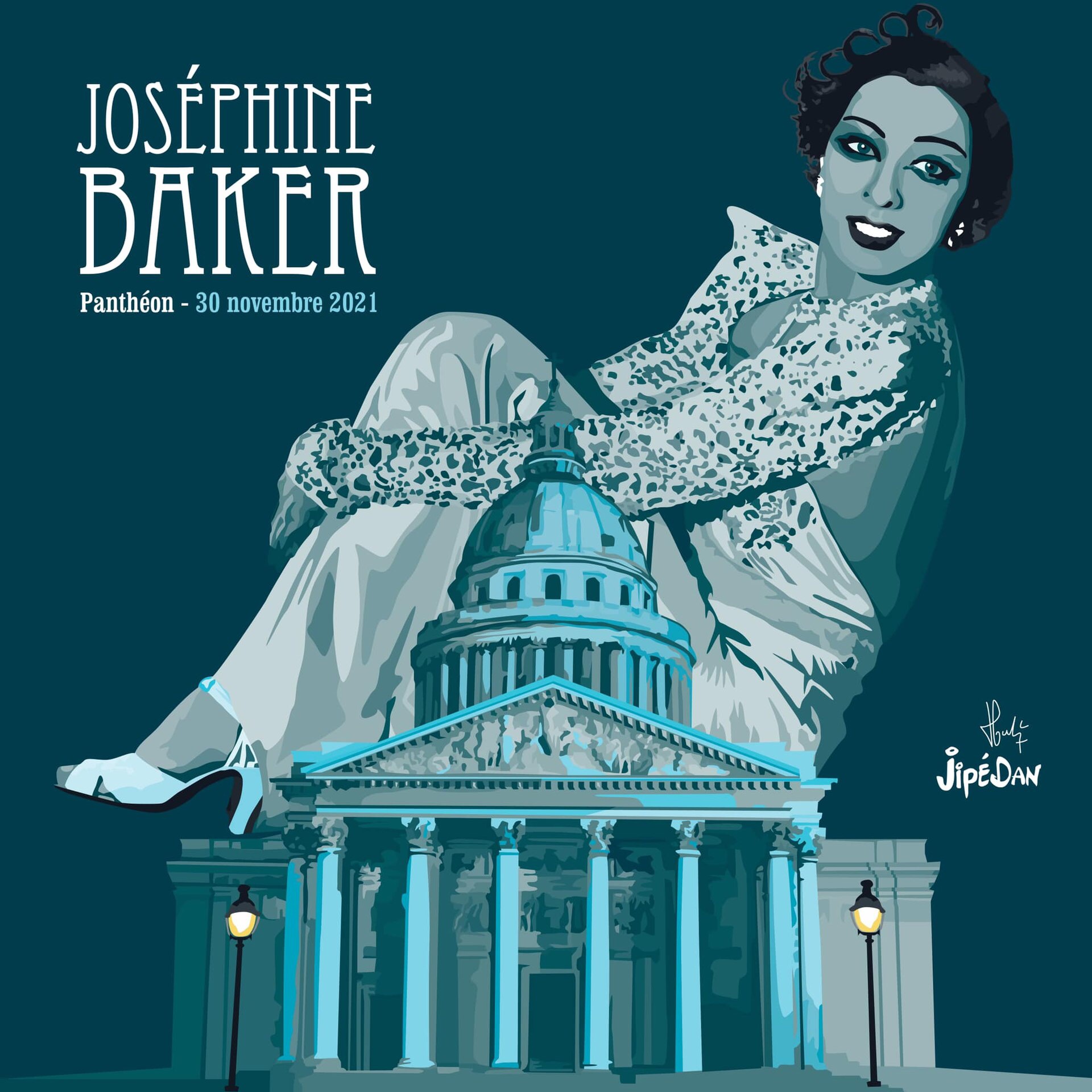
Place Joséphine Baker in Paris.
Baker was celebrated by artists and intellectuals of the era, who variously dubbed her the “Black Venus”, the “Black Pearl”, the “Bronze Venus”, and the “Creole Goddess”. Born in St. Louis, Missouri, she renounced her U.S. citizenship and became a French national after her marriage to French industrialist Jean Lion in 1937. She raised her children in France.
n Paris, she became an instant success for her erotic dancing, and for appearing practically nude onstage. After a successful tour of Europe, she broke her contract and returned to France in 1926 to star at the Folies Bergère, setting the standard for her future acts.
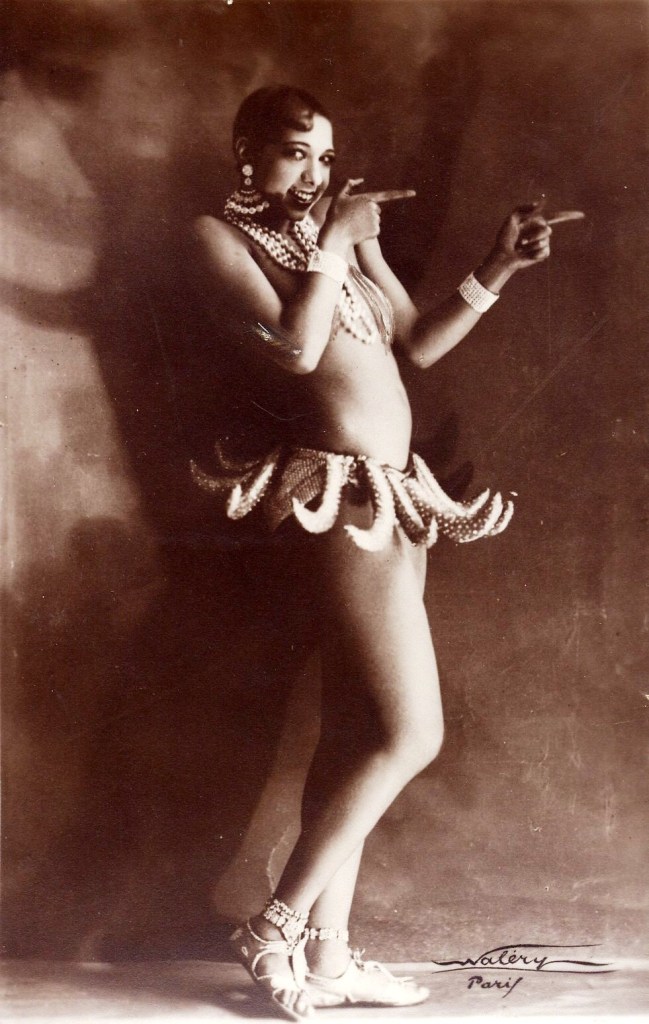
Her most infamous dancing costume. A costume consisting of a skirt made of a string of artificial bananas and Pearl necklaces.
Baker performed the “Danse Sauvage” wearing a costume consisting of a skirt made of a string of artificial bananas. Her success coincided (1925) with the Exposition des Arts Décoratifs, which gave birth to the term “Art Deco”, and also with a renewal of interest in non-Western forms of art, including African. Baker represented one aspect of this fashion. In later shows in Paris, she was often accompanied on stage by her pet cheetah “Chiquita,” who was adorned with a diamond collar. The cheetah frequently escaped into the orchestra pit, where it terrorized the musicians, adding another element of excitement to the show.
She aided the French Resistance during World War II. After the war, she was awarded the Resistance Medal by the French Committee of National Liberation, the Croix de Guerre by the French military, and was named a Chevalier of the Légion d’honneur by General Charles de Gaulle. Baker sang: “I have two loves, my country and Paris.”
Baker refused to perform for segregated audiences in the United States and is noted for her contributions to the civil rights movement. In 1968, she was offered unofficial leadership in the movement in the United States by Coretta Scott King, following Martin Luther King Jr.‘s assassination. After thinking it over, Baker declined the offer out of concern for the welfare of her children.
On 30 November 2021, she entered the Pantheon in Paris, the first black woman to receive one of the highest honors in France. As her resting place is to remain in Monaco a cenotaph will be installed in vault 13 of the crypt in the Panthéon
If your local villagers neglected to unearth and stake a suspected vampire and he or she has returned from the grave, there are steps you can take to protect yourself. The exact method varies around the world, but in some traditions the best way to stop a vampire is to carry a small bag of salt with you. If you are being chased, you need only to spill the salt on the ground behind you, at which point the vampire is obligated to stop and count each and every grain before continuing the pursuit. If you don’t have salt handy, some say that any small granules will do, including birdseed or sand. Salt was often placed above and around doorways for the same reason.
Some traditions hold that vampires cannot enter a home unless formally invited in. This may have been an early form of the modern “stranger danger” warnings to children, a scary reminder against inviting unknown people into the house.
Interest and belief in revenants (one that returns after death or a long absence) surged in the Middle Ages in Europe. Though in most modern stories the classic way to become a vampire is to be bitten by one, that is a relatively new twist. In his book “Vampires, Burial, and Death: Folklore and Reality” (Yale, 2008), folklorist Paul Barber noted that centuries ago, “Often potential revenants can be identified at birth, usually by some abnormality, some defect, as when a child is born with teeth. Similarly suspicious are children born with an extra nipple (in Romania, for example); with a lack of cartilage in the nose, or a split lower lip (in Russia) … When a child is born with a red caul, or amniotic membrane, covering its head, this was regarded throughout much of Europe as presumptive evidence that it is destined to return from the dead.” Such minor deformities were looked upon as evil omens at the time.
1910 – Jean Genet, French novelist, playwright, and poet (d. 1986) Genet was a petty criminal early in life, and after ten convictions was threatened with a life sentence, but through the intercession of luminaries like Sartre and Picasso was left alone, and never committed a crime again.
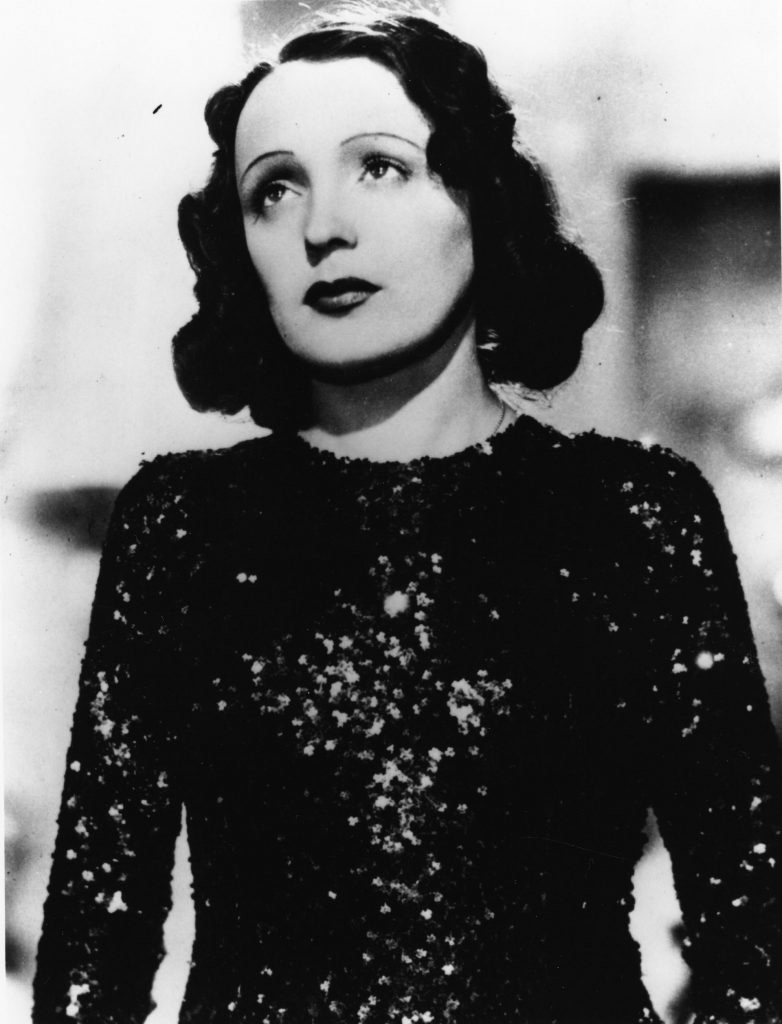
1915 – Édith Piaf, French singer-songwriter and actress (d. 1963) Here’s La Môme (her nickname, meaning “the little sparrow”). She was born Édith Giovanna Gassion, and took “Piaf”—slang for “sparrow”—as her last name.
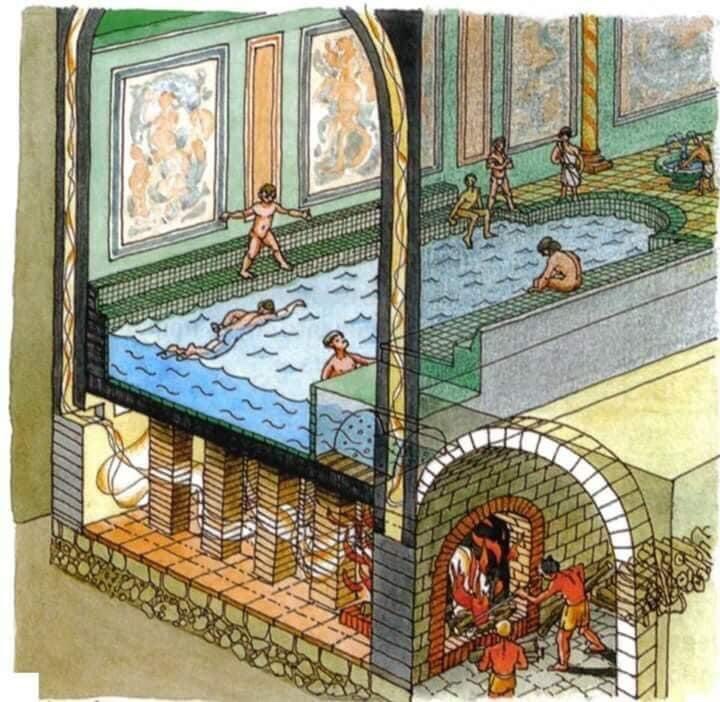
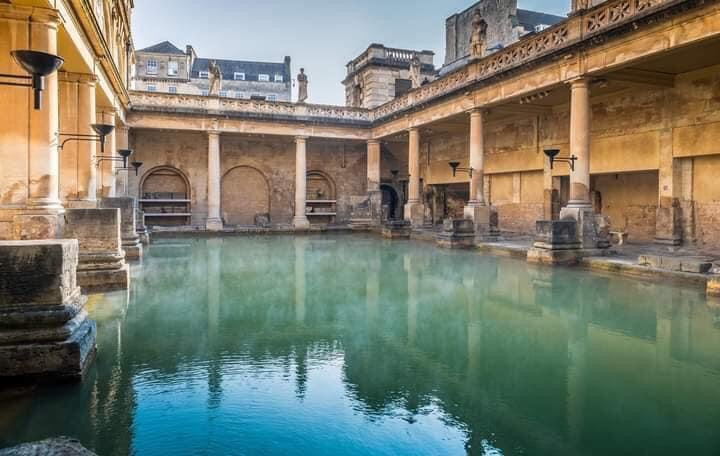
Roman baths, used for both socializing and cleaning, were a marvel of engineering. The water was heated by the fire lit under the pool and the hot air was circulated between the walls of the bath; so that both the water temperature and the temperature of the building would remain constant. The water used in the Roman baths was generally carried from the water source to the bath with the help of aqueducts.
The dirty water coming out of the baths had a function. These dirty waters were drained from the canal and used to clean the dirty canals of the latrinas (Public Toilet) next to the baths.
For the Romans, these baths were an important part of daily life. They would go every day and stay for a few hours. The wealthy Romans used to come with their slaves. The slaves brought in usually took on the task of carrying towels and drinks. Before bathing in Roman baths, sports exercises were done. Running, weight lifting and wrestling are examples of these. After the exercises, the servants would smear their masters with oil and then scrape off the oil with the help of a board or bone. In this way, great dirt would be removed.
In the Roman bath, body cleaning was done with an apparatus called strigilis. With this apparatus, sweat, sand and dust sticking to the body were removed, and then the body was lubricated in the area called aleipterion.
Roman baths were also present inside various palaces or castles. The Romans used the same name (Thermae) for them as well. The design of the baths is mentioned a lot on Vitruvius’ De architectura.
Since the limits of socialization were exceeded in some baths and there were incidents such as prostitution, it was decided that women would enter the bath from morning to noon and men would enter the bath in the afternoon. So they were prevented from entering to baths together.
For example, Emperor Trajan forbade men and women to bathe together in the Ephesus Bath in 98 AD.














 Mark Bere Peterson’s Counterculture, Urban Legends, Paganism & Witchcraft