
Atypical vs. Typical Antipsychotics

Atypical antipsychotics are also called second-generation antipsychotics (SGAs). They’re a newer class of medications that work differently in your body than previous (first-generation or typical) antipsychotics. Both help to regulate neurotransmitters, chemicals in your body that allow neurons to signal to each other.

Studies have found that the brains of people with schizophrenia are more sensitive to the neurotransmitters dopamine, serotonin, and glutamate. High or low dopamine levels can lead to hallucinations and disordered thinking.

While typical antipsychotics (FGAs) block dopamine in the brain, SGAs block both dopamine and serotonin. This results in some key differences.

The most significant difference is that SGAs are less likely to cause extrapyramidal symptoms. These are movement disorders that are common and serious side effects of FGAs. Some of these side effects can become permanent.

Both types of antipsychotics work to treat positive symptoms of schizophrenia, such as hallucinations and delusions. But SGAs may also help treat negative symptoms, like decreased pleasure or lack of motivation.

Common Atypical Antipsychotics taken:

  • Aripiprazole (Abilify) can be prescribed for adults and adolescents ages 13 and up. You can take it as an injectable solution available through a healthcare professional, or in one of four oral forms:
    • tablet
    • oral solution
    • Abilify Discmelt, an orally disintegrating tablet
    • Abilify MyCite, a tablet with a patch sensor that lets your doctor know you’ve taken the drug
  • Aripiprazole lauroxil (Aristada) is a prodrug, which means it’s inactive until a chemical reaction in your body changes it into aripiprazole. It also requires a medical professional to administer an injection.
  • Asenapine maleate (Saphris) is unique in that it’s available as both a tablet and a patch. Studies show that it’s particularly good at preventing relapse. The FDA has approved its use for children older than 10 to treat bipolar disorder, but not schizophreniaTrusted Source.
  • Brexipiprazole (Rexulti) treats schizophrenia and depression. Doctors usually prescribe it as a once-daily tablet. A generic form is not yet available.
  • Cariprazine (Vraylar) is FDA-approved to treat schizophrenia and bipolar I disorder. It can take a long time to build up in your body and to leave your system. If you stop taking it, you might still feel its effects for up to 4 weeks.
  • Clozapine (Clozaril) is the oldest SGA and remains the “gold standard” for those with treatment-resistant schizophrenia. The FDA has approved its use for reducing suicidal behavior in people with schizophrenia. It’s available as a tablet, an orally disintegrating tablet (Fazaclo), and an oral suspension (Versacloz). Clozapine is not FDA-approved to treat schizophrenia in children or adolescents, but some doctors prescribe it off-label.
  • Iloperidone (Fanapt) is a twice-daily tablet that can treat both positive and negative symptoms of schizophrenia. It can cause serious problems, such as stroke or even death, in older adults with dementia.
  • Lumateperone (Caplyta) is approved to treat schizophrenia and depressive episodes of bipolar disorder. It can increase suicidal thoughts in adults ages 18-24. The FDA has not approved it for pediatric use.
  • Lurasidone (Latuda) is a once-daily tablet that doctors can prescribe for people ages 13 and older. A 2020 study found that lurasidone continued to reduce schizophrenia symptoms in adolescents for the full 2 years of the study.
  • Olanzapine (Zyprexa) is another drug used to treat schizophrenia or bipolar I disorder. It’s available as a tablet, orally disintegrating tablet, or long-acting injectable administered by a healthcare professional. This is one of the atypical antipsychotics that the FDA has approved for adolescents. It can cause serious side effects, such as drug reaction with eosinophilia and systemic symptoms (DRESS).
  • Paliperidone (Invega) is derived from a different drug, risperidone. It comes in different forms, including extended-release tablets and long-acting injectables with different brand names. Paliperidone is approved to treat schizophrenia in children ages 12 and older, but it could have broader potential.
  • Quetiapine (Seroquel) is available in an immediate-release tablet that you take two or three times a day, or an extended-release tablet that you take once daily. It’s the least likelyTrusted Source of the SGAs to cause extrapyramidal symptoms. It’s also FDA-approved for treating schizophrenia in adolescents.
  • Risperidone (Risperdal, Perseris) is one of the earliest SGAs and is the most commonly used SGA among children. Doctors prescribe it for children as young as 5 years to treat irritability associated with autism, but it’s only approved for treating schizophrenia in children 13 years and older. It comes in four forms:
    • regular tablet
    • orally disintegrating tablet
    • oral solution
    • injectable administered by a healthcare professional
  • Ziprasidone (Geodon) is available as a twice-daily capsule, or you can have a healthcare professional give you an immediate-release injection.

Side Effects of Antipsychotics:

All atypicals carry a risk of mild to severe side effects. These side effects differ from person to person and drug to drug.

Some common side effects include:

  • sedation
  • dizziness
  • low blood pressure when standing up (orthostatic hypotension)
  • significant weight gain
  • metabolic syndrome
  • diabetes
  • hypertension
  • abnormal cholesterol
  • heart disease
  • complications in the third trimester of pregnancy
  • suicidal thoughts and behaviors

With some SGAs, extrapyramidal symptoms may still occur, especially at high doses.

It’s important that you take care of your physical health while using antipsychotics. SGAs can cause you to gain weight or worsen overweight or obesity if you already have it, leading to other chronic conditions.

You may also become resistant to your medication, so it’s important to stay in touch with your healthcare team and keep them updated if your medicine stops working.

Finally, be sure to continue your medication, even if you feel better. Suddenly stopping the medication can cause problems and may increase your risk of a relapse of symptoms.
Anxiety vs. Anxiety Disorders

In a nutshell, anxiety becomes an anxiety disorder when the anxiety that you are experiencing is greater than what you might expect in a given situation, and when it begins to interfere with some aspect of your life. For example, if your anxiety prevents you from forming desired relationships with people or meeting your responsibilities at work or school, this may be a sign that normal anxiety has shifted to a disorder of anxiety. In addition, if you find that you are engaging in unhealthy behaviors in an attempt to avoid or reduce your anxiety (such as drinking or using drugs), there is a good chance that you have a problem with anxiety.

There are six main anxiety disorders:

Specific Phobia
The first anxiety disorder is specific phobia. In this disorder, people experience such intense fear (even to the point of having a panic attack) when they come into contact with certain objects or situations that they take steps to avoid these objects or situations. Common specific phobias include acrophobia (fear of heights), odontophobia (fear of dentists), arachnophobia (fear of spiders), ophidiophobia (fear of snakes), and claustrophobia (fear of enclosed spaces).

Social Anxiety Disorder
Social anxiety disorder (also called “social phobia”) is another anxiety disorder, in which a person experiences intense fear and anxiety in social situations due to a fear of negative evaluation (for example, being judged). And, just as with specific phobia, this intense fear often results in the avoidance of these social situations. The most common type of situation that people fear in social anxiety disorder is public speaking; however, there are other situations that people with social anxiety disorder may also fear, such as eating in front of people, urinating in public restrooms, or writing in front of people

Panic Disorder
A person with panic disorder experiences frequent, out-­of-­the-blue panic attacks, as well as worry about the meaning or outcome of those panic attacks. For example, people with panic disorder might fear that a panic attack is a sign that they are dying or going crazy. As a result of these panic attacks, people with panic disorder often try to avoid activities or situations that might bring on symptoms of arousal, such as exercise or eating heavy meals. In extreme cases, people with panic disorder may fear leaving home, because it is the only place where they feel safe. If this happens, a person may be diagnosed with panic disorder with agoraphobia.

Obsessive-­Compulsive Disorder
This disorder has received a fair amount of attention in the media recently. In obsessive-­compulsive disorder (OCD), a person experiences intense, intrusive, and repetitive troublesome thoughts and ideas that might be viewed as strange and that are not about real-­life problems. These out-­of-­the-­ordinary thoughts and ideas are called obsessions. For example, people with this disorder may have persistent fears that they are going to accidentally poison their children, catch a disease, or harm someone else. As a result of these obsessions, people with OCD then engage in repetitive behaviors (or compulsions) to reduce the anxiety associated with those obsessions, such as excessive hand washing, ordering, checking, or performing mental rituals (such as counting).

Generalized Anxiety Disorder
Generalized anxiety disorder (GAD) is characterized by excessive, persistent, and uncontrollable worry about many different concerns. Sometimes people confuse GAD with OCD because both include the experience of repetitive thoughts. However, worry is different from obsession, because the worry in GAD is about real-­life or daily concerns, such as finances, work, and relationships. Worry in GAD is actually viewed as an attempt to avoid or distract a person from more-­upsetting and anxiety-­provoking thoughts and feelings

Post-­Traumatic Stress Disorder
Finally, post-­traumatic stress disorder (PTSD) is unique among the anxiety disorders, because it is the only one that requires people to have experienced some type of traumatic event before they can be diagnosed with it. PTSD is diagnosed when a person experiences a set of symptoms more than thirty days after exposure to a traumatic event. The symptoms of PTSD include intrusive thoughts and memories about the traumatic event (for example, flashbacks or feeling as if the event were happening all over again), avoidance of reminders of the traumatic event, difficulties experiencing positive emotions, feeling detached from others, and hyperarousal and hypervigilance (or always feeling on guard). If someone experiences these symptoms within one month after a traumatic event, we call the disorder acute stress disorder.

Sources: The Dialectical Behavior Therapy Skills Workbook for Anxiety

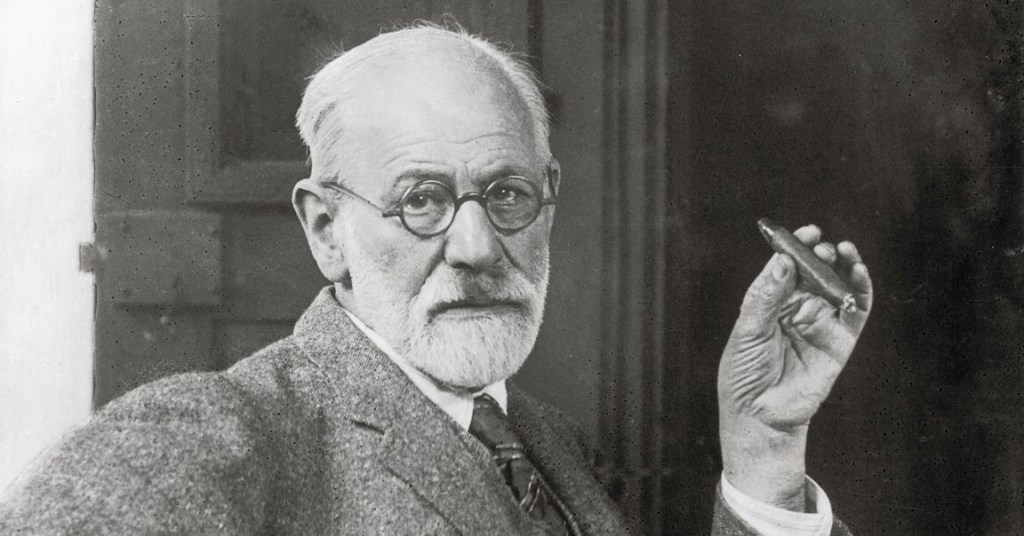
Sigmund Freud and Psychoanalysis

Born Sigismund Schlomo Freud in Freiberg, Moravia, Freud was openly his mother’s favorite child; she called him “Golden Siggie.” When Freud was four years old, the family moved to Vienna and Sigismund became Sigmund. Sigmund completed a medical degree and in 1886 he opened a medical practice specializing in neurology, and married Martha Bernays. Eventually, he developed the “talking cure” that was to become an entirely new psychological approach: psychoanalysis.

In 1908, Freud established the Psychoanalytic Society, which ensured the future of his school of thought. During World War II, the Nazis publicly burned his work, and Freud moved to London. He died by assisted suicide, after enduring mouth cancer.

Key works
1900 The Interpretation of Dreams
1904 The Psychopathology of Everyday Life
1905 Three Essays on the Theory of Sexuality
1930 Civilization and Its Discontents”

The Fight, Flight or Freeze Response

The fight or flight response has been around as long as human beings have been around. It’s the body’s hardwired alarm system. If you think of the human body as a computer, the fight-­or-­flight response is an essential part of the operating system. You couldn’t really function (or live that long) without it.

When you encounter a dangerous or threatening situation, this alarm system goes off, and your body goes through a number of changes. For example, during the fight-­or-­flight response, you may experience the following symptoms:

  • An increase in heart rate
  • Perspiration or sweating
  • Narrowing of field of vision (also called “tunnel vision”)
  • Muscle tension
  • Sensitive hearing
  • Racing thoughts
  • Shortness of breath
  • Goose bumps
  • Dry mouth

These experiences aren’t random; they all serve a very important purpose. They prepare you for immediate action. They are preparing you either to flee the situation to avoid any harm or to fight if escape is not possible. In situations where fleeing or fighting is not necessarily a good option, your body may also freeze (kind of like a deer caught in a car’s headlights).

This response is automatic. It occurs without thinking. This is important because it allows you to respond quickly when you are in a dangerous situation. For example, let’s say that you are walking through the woods and come across a bear. Your fight-­or-­flight response will be activated, and you will likely freeze or flee. The sudden and automatic changes that your body goes through will help keep you alive in this dangerous situation. Now, if you had to think about the situation before the fight-­or-­flight response was activated, you would waste precious time. You would have to evaluate the size of the bear and the sharpness of its claws and teeth. And, by the time you figured all of that out, you would probably be supper for the bear! Therefore, the fight-­or-­flight response is incredibly helpful and adaptive. We likely wouldn’t be alive as a species today without it.

Sources: The Dialectical Behavior Therapy Skills Workbook for Anxiety

What is Tardive dyskinesia?

Tardive dyskinesia (TD) is a neurologic disorder associated with the long-term use of certain medications (dopamine receptor-blocking agents) for some types of mental illnesses, such as major depressive disorder, bipolar disorder, and schizophrenia. TD causes involuntary movements of the body such as facial-tics, rapid eye blinking, sticking out of the tongue, lip pursing, and jaw clenching.

Some people experience involuntary twitching and jerking of their arms, legs, or torso. In this video, Lauren shares her personal experience with TD, and also sits down with Dr. Leslie Citrome, a psychiatrist and Clinical Professor of Psychiatry and Behavioural Sciences at New York Medical College, and who specializes in tardive dyskinesia.

Anxiety or Panic?

We, as humans, need anxiety. Why? Anxiety is information.

It tells us when we must freeze, flee, or fight and mobilizes our body to respond quickly, without thinking. Without anxiety, we would not be able to avoid real threats to our well-being.

However, we also feel anxiety about imagined threats that may or may not be meaningful or real. In a sense, our minds have evolved to be extra careful about threat detection. They are more likely to evaluate things as threats than not. This way we do not miss anything that might harm us.

Also, our minds do not have an “off button.” This means that sometimes anxiety becomes a problem because it doesn’t give us useful information and contributes to our distress and avoidance.

All humans experience anxiety when they experience stressful events, such as receiving an upsetting medical diagnosis. Public speaking, social events, relationship problems, stress on the job, and financial worries are also common triggers that make people feel anxious. However, sometimes life events can trigger anxiety disorders or panic disorder. So, what’s the difference?

Example 1:

Your social media feed is full of divisive political talk, there are risks of layoffs due to the decimated economy, and there seems to be no clear end in sight.

In the meantime, you have a project deadline tomorrow.

You feel stressed, squeezed, and overwhelmed. You feel tired and worried, unsure about what the future holds, whether you will get done what you need to do, whether you will help your child cope with it all.

Example 2:

It is the middle of the night, and you can’t go to sleep. Your thoughts are racing.

What if …? Your mind can’t stay away from the stream of catastrophic worries that keep circling. Your heart pounds. You’re exhausted. You look at the clock—it’s 3:15am.

Example 3:

You’re out with your friends at a restaurant, laughing at a joke one has just told.

All of a sudden, there’s a sensation of your blood rushing to your ears, and your heart rate accelerates. Your hands are clammy, and you wonder whether you’re having a heart attack.

Intense fear grips you, and you feel the urge to leave, to escape the situation. You get up without excusing yourself and run for the door.

Understanding the differences between naturally occurring anxiety, worry, and panic can help people take steps to address their feelings. Knowledge of these conditions can also help individuals recognize if their condition is serious enough to require treatment.

Example 1: A Normal Level of Anxiety

This describes an individual experiencing very natural, understandable anxiety around a challenging situation. Fear of an uncertain future, memories of a difficult past, threats (both real and perceived), and confusion about the world around us are all triggers for anxiety.

Example 2: A Concerning Level of Anxiety

The second example describes an individual experiencing worry and depending on the level of distress and functional impairment caused, may indicate that treatment for anxiety might be helpful.

Worry is a mental activity that, somewhat counterintuitively, functions as an anxiety avoidance strategy, though it’s one that doesn’t work very well. It’s hard to simply stop worrying.

Typically, when individuals find themselves stuck in a worry cycle, learning acceptance and mindfulness skills from acceptance-based behavior therapy can be useful.

Example 3: Panic

This is an individual experiencing a panic attack. Panic attacks are rarer and more severe than anxiety. They can come out of the blue, without warning or provocation.

People having panic attacks can experience shortness of breath, dizziness, nausea, and numbness. Some shake and sweat. Individuals struggling with panic often are very watchful for the physical sensations that might be harbingers of panic and avoid places where panic attacks may have occurred in the past. Sometimes those struggling with panic avoid leaving their homes at all.

The good news is that panic disorder is highly treatable with exposure therapy.

Sources: McLean Hospital

Dealing With Trauma Triggers

Most of us are aware of the larger trauma triggers. We can recognize some of the people, places, and things that harmed us, and do our best to avoid them all. For example, if our trauma had something to do with the beach we can avoid any area with sand or any sounds of the beach. We can sit down with our therapist and make a list of all of the things that we know trigger our trauma response or bring us back to those frightening events. But what about the unconscious triggers? The ones we don’t recognize, and often find upsetting us, pulling us into flashbacks and causing us to dissociate.

Schizoaffective Disorder: What are Hallucinations?

Hallucinations are a psychotic symptom of schizoaffective disorder. People experiencing hallucinations may hear, see, smell, taste or feel things that aren’t really there, and which other people can’t hear, see, smell, taste or feel.

Auditory hallucinations are the most common type of hallucination. They are mostly experienced as voices. To a person with schizoaffective disorder, these voices sound just like people speaking to them, and people with the illness cannot differentiate between what is real – for example a friend speaking to them – and what is a hallucination.

Voices might be heard in the second person – for example someone saying “you stink”, “you’re ugly”, “they hate you”. Sometimes voices might command a person to do something – by saying, for example, “jump off the bridge”, “take an overdose”. People with schizoaffective disorder may also have third person hallucinations, which commonly take the form of two or more voices talking among themselves or commenting on the person’s behaviour. Third person hallucinations are common in both schizoaffective disorder and schizophrenia, but are seen less frequently in bipolar disorder.

In most cases the experience of auditory hallucinations in the form of voices is unpleasant. Voices are frequently accusatory, reminding the person of past misdeeds, some imaginary, and some real. However, in a minority of cases, voices can be pleasant or even helpful.

In addition to voices, auditory hallucinations can involve noises, such as buzzing, screeching and ringing. Additionally, people with schizoaffective disorder may think that their own thoughts are being broadcast, or can be heard by other people. They may also think that other people’s thoughts are being forced into their own minds, or that their thoughts have been stolen from their heads.

Hallucinations of all five senses may be experienced. In addition to auditory hallucinations, people may have tactile hallucinations – such as feeling as though you are being pushed, touched or held down – visual hallucinations – such as seeing things that aren’t there or feeling that colours are brighter than they should be – hallucinations of smell and hallucinations of taste.

Visual hallucinations occur much less frequently than auditory hallucinations, and are more common in conjunction with auditory hallucinations – for example seeing and hearing someone who no one else can see. Hallucinations of smell and taste are more unusual and tend to focus on things tasting or smelling different than usual. This can lead to people with schizoaffective disorder thinking that their family and friends are trying to poison them.

Sources: Schizoaffective Disorder Simplified

Francis Galton and the Nature vs. Nurture Debate

Francis Galton counted many gifted individuals among his relatives, including the evolutionary biologist Charles Darwin. So it’s not surprising that Galton was interested in the extent to which abilities are either inborn or learned. He was the first person to identify “nature” and “nurture” as two separate influences whose effects could be measured and compared, maintaining that these two elements alone were responsible for determining personality. In 1869 he used his own family tree, as well as those of “judges, statesmen, commanders, scientists, literary men… diviners, oarsmen, and wrestlers,” to research inherited traits for his book Hereditary Genius. As predicted, he found more highly talented individuals in certain families than among the general population. However, he could not safely attribute this to nature alone, as there were also conferred benefits from growing up in a privileged home environment. Galton himself grew up in a wealthy household with access to unusually good educational resources.

Galton proposed a number of other studies, including the first large survey by questionnaire, which was sent out to members of the Royal Society to inquire about their interests and affiliations. Publishing his results in English Men of Science, he claimed that where nature and nurture are forced to compete, nature triumphs. External influences can make an impression, he says, but nothing can “efface the deeper marks of individual character.” However, he insists that both nature and nurture are essential in forming personality, since even the highest natural endowments may be “starved by defective nurture.” Intelligence, he says, is inherited, but must be fostered through education.

In 1875, Galton undertook a study of 159 pairs of twins. He found that they did not follow the “normal” distribution of similarity between siblings, in which they are moderately alike, but were always extremely similar or extremely dissimilar. What really surprised him was that the degree of similarity never changed over time. He had anticipated that a shared upbringing would lessen dissimilarity between twins as they grew up, but found that this was not the case. Nurture seemed to play no role at all.

The “nature—nurture debate” continues to this day. Some people have favored Galton’s theories, including his notion—now known as eugenics—that people could be “bred” like horses to promote certain characteristics. Others have preferred to believe that every baby is a tabula rasa, or “blank slate,” and we are all born equal. Most psychologists today recognize that nature and nurture are both crucially important in human development, and interact in complex ways.

Sources: The Psychology Book (DK)